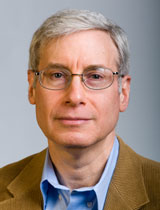
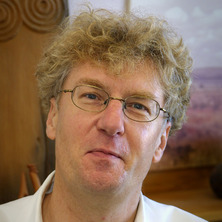
Sandy Zabell is a Professor of Mathematics and Statistics and Data Science at Northwestern University, affiliated with the Department of Philosophy and the Science in Human Culture Program. He holds positions in CIERA (Center for Interdisciplinary Exploration and Research in Astrophysics) and serves as Director of Undergraduate Studies for Statistics. He earned his Ph.D. in 1974 from Harvard University. His research focuses on mathematical probability (e.g., large deviation theory), Bayesian statistics, and their historical/philosophical foundations. He is particularly known for work on exchangeability, DNA identification evidence, and the role of probability in legal contexts. His historical interests include WWII cryptography and the contributions of mathematicians during that era. Zabell’s publications span theoretical and applied domains, including influential works on statistical history and cryptography. His 2005 book Symmetry and its Discontents remains a key text in the philosophy of probability. Recent work includes analyses of Bletchley Park’s statistical methods and German wartime cryptology. Though no specific grants or awards are listed, his interdisciplinary contributions bridge mathematics, law, and history. No lab affiliations or teams are explicitly mentioned in the provided material.
Chung-Tsen Hsueh, MD, PhD is a Professor in the Hematology and Oncology Division at . With a dual background in clinical medicine and research, his work bridges medical oncology, radiation oncology, and molecular biology. Education: MD from Taipei Medical University (1986), PhD from SUNY University at Buffalo (1993) Research Focus: Specializing in targeted therapy , immunotherapy , and biomarker-driven treatments , Hsueh has led or participated in 69 peer-reviewed publications. His research spans gastrointestinal cancers (gastric, pancreatic, colorectal), non-small cell lung cancer , and rare tumors like desmoid tumors and angiosarcomas. Key Trends: Recent publications emphasize immunotherapy combinations (anti-CTLA-4 + anti-PD-1), proton therapy applications in metastatic settings, and genomic biomarker integration for precision oncology. His work addresses drug resistance mechanisms (e.g., KRAS/BRAF mutations) and novel toxicity management (e.g., nivolumab-induced pericardial effusion). Grants & Leadership: Hsueh has served as Principal Investigator (PI) or Co-Investigator in over 20 clinical trials sponsored by entities like National Cancer Institute , Amgen , and SWOG . Notable trials include CodeBreak 101 (KRAS inhibition) and DART S1609 (immunotherapy for rare tumors).
Anastasia Christophilopoulou is a Research Fellow at the Faculty of Classics, University of Cambridge, and serves as a Tutor for Archaeology at the Institute of Continuing Education, Cambridge. She holds the George D. and Margo Behrakis Chair in Ancient Greece and Rome at the Museum of Fine Arts, Boston. Her work bridges academic research and museum practice, focusing on Mediterranean islands' cultural heritage. Research Expertise: Museum Studies, Material Culture, Cultural Heritage, Island Archaeology, Public Archaeology Key Projects: 'Being an Islander' project, 'Linking Islands of Data' initiative Her research explores how insular identity shaped Mediterranean societies through material culture analysis, emphasizing cross-cultural exchange and public engagement. Recent publications highlight artifact provenance, historical migration patterns, and community-driven heritage initiatives. She frequently collaborates with international institutions to showcase Cypriot, Cretan, and Sardinian collections. Anastasia's academic output spans Cypriot archaeology, Bronze Age Mediterranean connectivity, and museum ethics. She supervises PhD students and contributes to curatorial training programs, advocating for interdisciplinary approaches to heritage preservation. Her work has informed major exhibitions like Islanders: The Making of the Mediterranean at the Fitzwilliam Museum.
Beáta Megyesi is a Professor of Computational Linguistics at Uppsala University's Department of Linguistics and Philology, currently on leave from August 2023 to December 2025. She holds a PhD in Speech Communication from the Royal Institute of Technology (KTH) and has been a prominent figure in computational linguistics research and education at Uppsala University since at least 2000. Her academic background includes: PhD in Speech Communication, Department of Speech, Music and Hearing, KTH (2002) BA in Computational Linguistics, Department of Linguistics, Stockholm University (2000) Megyesi's research focuses on the intersection of computational methods and humanities, particularly historical cryptology and digital philology. She develops innovative tools that enable humanists and social scientists to obtain quantitative analyses of historical texts, with special emphasis on automatically cracking historical ciphers. Her work bridges linguistic analysis, computer science, and historical research, creating methodologies for processing and analyzing encoded historical documents. She has pioneered approaches to automatic transcription, key structure extraction, and deciphering techniques for historical manuscripts, making significant contributions to both computational linguistics and historical research. Analysis of her recent publications reveals a strong trend toward interdisciplinary research combining historical cryptology with advanced computational methods. Her work demonstrates increasing sophistication in handling historical ciphers through machine learning, image processing, and language modeling techniques. The research spans multiple languages and historical periods, with particular focus on early modern European diplomatic correspondence. Her publications show consistent contributions to both theoretical frameworks and practical tools for historical document analysis, with growing attention to privacy concerns in language learner data. Megyesi has held significant leadership roles including: President of Northern European Association for Language Technology (NEALT, 2020-2021) Head of Department, Department of Linguistics and Philology (2009-2018) Director of English Park Campus, Uppsala University (2017-2018) Member of Swedish Research Council's preparatory group for Linguistics (2021-2023) As an educator, Megyesi has supervised graduate students including Eva Pettersson and Mojgan Seraji, and has taught courses on language technology, digital philology, and computational linguistics at both undergraduate and graduate levels. She has received research funding from Vetenskapsrådet (Swedish Research Council) for multiple projects including DECRYPT (2018-2024) and DECODE (2015-2017), demonstrating sustained research productivity and external recognition of her work's significance. Megyesi leads the DECRYPT project focused on developing methods to automatically crack historical ciphers, working with interdisciplinary teams of linguists, computer scientists, and historians. Her research group has developed specialized tools for transcription of encrypted manuscripts and created important resources like the DECODE Database of Historical Ciphers and Keys. She is an active participant in the international historical cryptology community, frequently organizing and contributing to conferences in this specialized field.
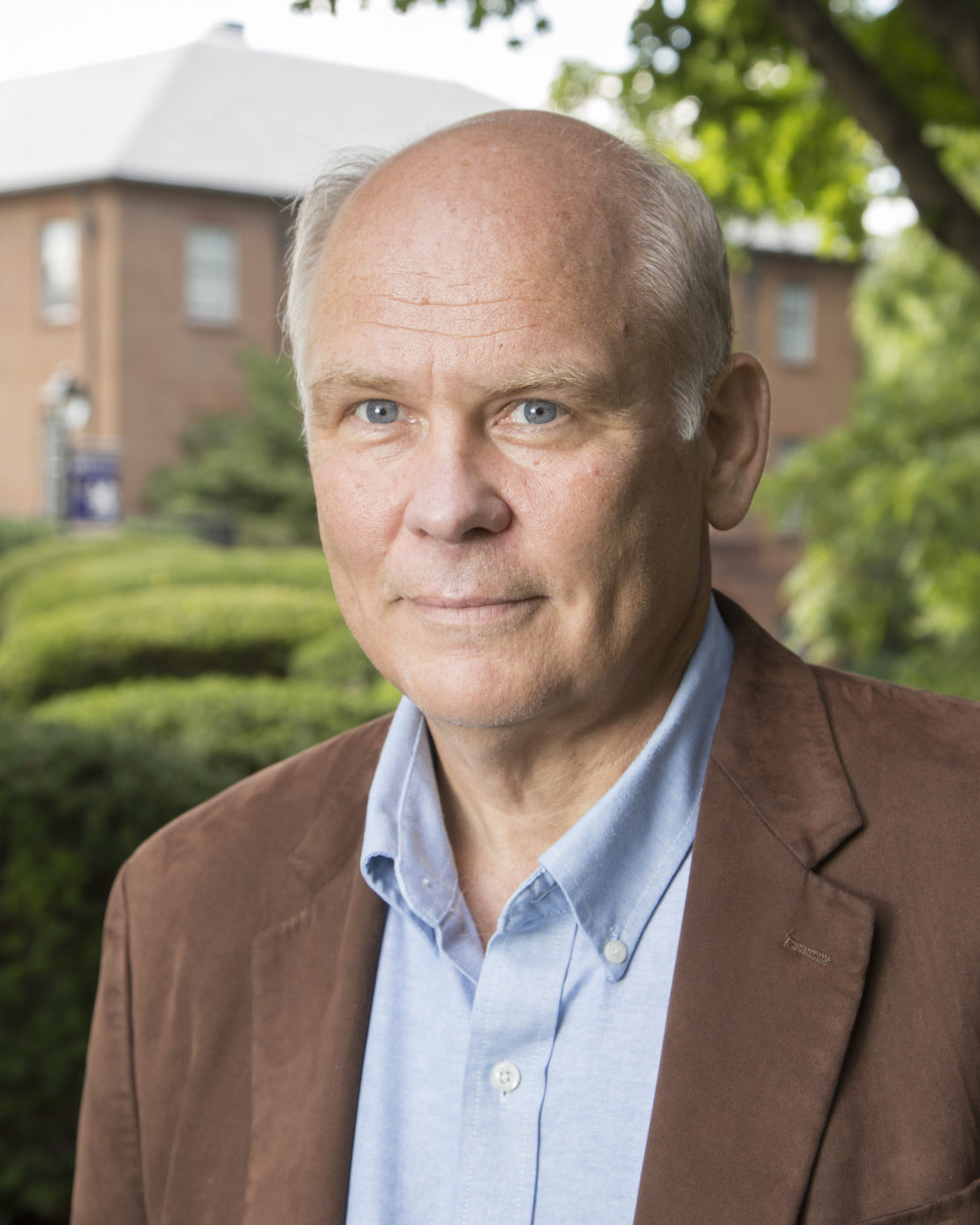
Craig Bauer is a Professor of Mathematics at York College of Pennsylvania, affiliated with the Kinsley School of Engineering, Sciences and Technology. His research and teaching focus on cryptology, historical codebreaking, and mathematical applications in security. Dr. Bauer holds a Ph.D. and M.S. from North Carolina State University and a B.A. from Franklin & Marshall College. His educational background forms the foundation for his extensive work in mathematical cryptography. His research interests span cryptology, historical cryptanalysis, enumerative combinatorics, and mathematical history. Bauer has made significant contributions to understanding historical ciphers, World War II codebreaking, and unsolved cryptographic mysteries. His work bridges pure mathematics with practical historical applications, particularly in intelligence history. Bauer's publications reveal a strong focus on historical cryptography, with particular attention to World War II codebreaking, unsolved ciphers, and the mathematical foundations of encryption. His recent work shows increasing interest in modern cryptographic challenges while maintaining strong connections to historical contexts. As Editor-in-Chief of The International Journal of Cryptologia and former Scholar-in-Residence at NSA's Center for Cryptologic History, Bauer has established himself as a leading academic in cryptologic studies. His book Secret History: The Story of Cryptology (2013, 2nd ed. 2021) is considered a seminal work in the field. Bauer has received significant recognition through media appearances, including History Channel's The Hunt for the Zodiac Killer and PBS's American Experience . His sabbatical was supported by the NSA's Center for Cryptologic History for completing Unsolved! (2017), demonstrating strong institutional support for his research. Through his extensive speaking engagements at institutions including West Point, NSA, and numerous universities, Bauer has become a prominent public educator on cryptographic history and techniques. His work connects academic research with public understanding of cryptography's vital role in history and modern security.
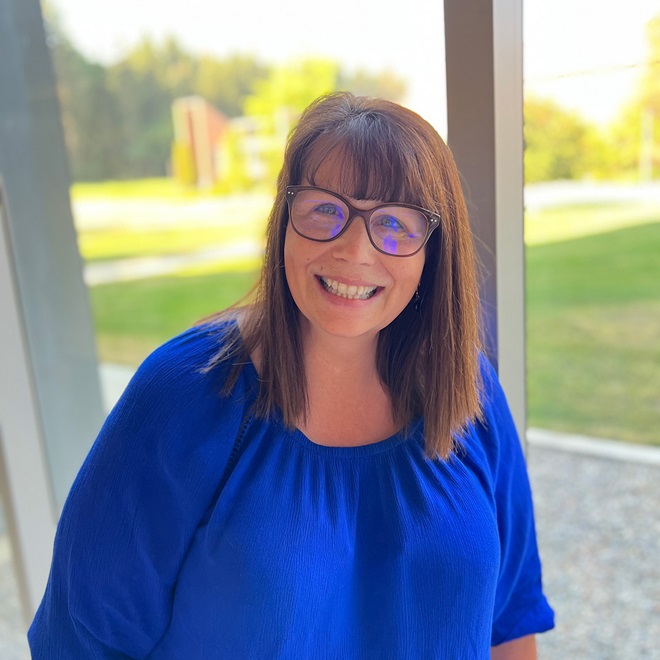
Janice Carson is a Professor in the Department of Curriculum and Instruction at the University of Idaho, affiliated with the College of Education, Health and Human Sciences. She serves as Director of the Idaho Assistive Technology Project. Her academic background includes an Ed.D. in Instructional Systems Design (2015), M.Ed. in Instructional Technology (2004), and B.S. in Elementary Education/Human Exceptionality (1995), all from Idaho State University. Prior to her current role, she worked as Special Education Coordinator at the Idaho State Department of Education. Her research focuses on Universal Design for Learning, rural outreach, instructional design theory, customized employment, and assistive technology. She leads projects like Cracking the AAC code: How to turn SLPs into codebreakers (2019) and has secured funding such as the $80,000 Training Health Care Workers on Communication Access for Adults (2022). Awards: Nominated for the Kole-McGuffey Exemplary Scholarly Work Award (2016) Professional Roles: Chair of the Board of Directors for the Association of Assistive Technology Act Programs, and Chair of Idaho Vocational Rehabilitation Advisory Council Carson teaches courses on Assistive Technology and Universal Design for Learning (EDSP 430/530). Her work emphasizes technology accessibility in K-12 settings and remote evaluation methodologies.
Dr. Daniel Larsen is a Lecturer in Intelligence and War Studies at the University of Glasgow's History Department. His research focuses on American and British foreign policy, intelligence practices, and wartime diplomacy in the early 20th century. He holds a PhD from the University of Cambridge and has held academic positions there, including roles at Trinity College. Education: BA, University of Nebraska-Lincoln MPhil and PhD, Christ's College, Cambridge (supervised by Prof. Christopher Andrew) Research interests include codebreaking's role in foreign policy, wartime economic strategies, cultures of governmental secrecy, and the intellectual history of foreign policy decision-making. His 2021 book Plotting for Peace re-examines WWI-era Anglo-American diplomacy, while recent articles analyze the Espionage Act of 1917 and British intelligence during the Easter Rising. Teaching: Offers courses on intelligence analysis, the US-UK 'special relationship,' and war termination strategies. His work bridges diplomatic, military, and intelligence history, emphasizing transatlantic dynamics and the interplay between secrecy and statecraft.
Dr Gary Kerr is an Associate Professor at the Business School of Edinburgh Napier University, with extensive contributions to the fields of festivals and events, science communication, and sustainability. He actively collaborates with international organizations such as the British Council and engages in public outreach through science festivals including Cheltenham Science Festival and India International Science Festival. Research Interests: His research spans science communication, festival management, sustainability in cultural events, public engagement with science, behavioral change for climate action, and dementia-related social engagement. Earlier in his career, he conducted molecular biology research on meiosis in budding yeast. Publication Trends: His recent work (2018–2023) focuses on science festivals, audience engagement, sustainable practices in event management, and science policy. He has developed educational toolkits on festival planning and sustainability, reflecting applied and interdisciplinary research with global impact. Scientific Awards: No awards explicitly mentioned in the provided text. Advising and Grants: Dr Kerr serves as a second supervisor for PhD students at Edinburgh Napier University. His projects are supported by funding bodies including the British Council and The Scottish Parliament. He plays a key role in delivering capacity-building programs such as the India Festival Academy. Labs and Teams: He is affiliated with the Tourism Research Centre at Edinburgh Napier University and collaborates with Professor Jane Ali-Knight and other colleagues on festival-related research and educational initiatives.
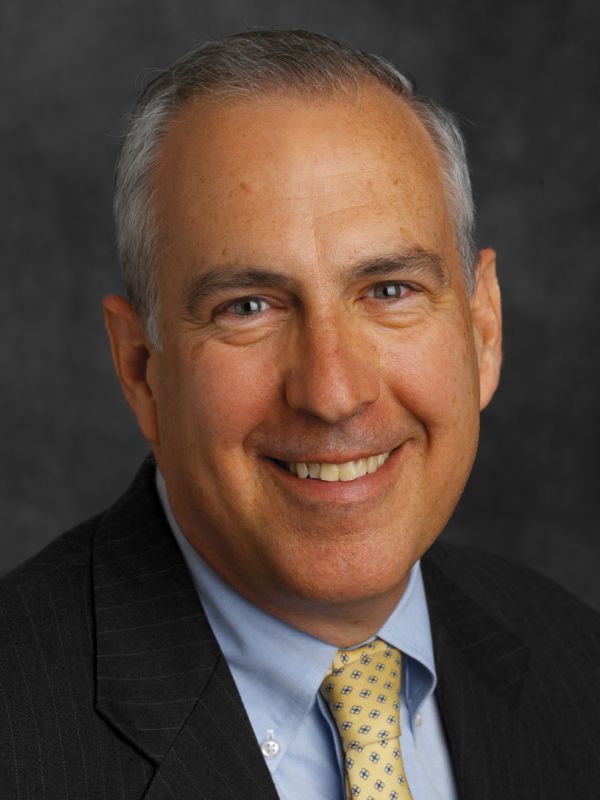
Professor John Cary Sims is a distinguished faculty member at the McGeorge School of Law, University of the Pacific, with over 40 years of experience as an attorney, teacher, and scholar. His work focuses on constitutional law, government transparency, and national security. He co-founded the Journal of National Security Law & Policy , a peer-reviewed journal addressing issues like surveillance, counterterrorism, and human rights. Sims holds a JD from Harvard Law School and an AB from Georgetown University. His research explores the intersection of U.S. law with international frameworks, including treaty enforcement, comparative law, and global human rights. He has taught internationally in Austria, Russia, and Guatemala. Key interests include First Amendment rights, government secrecy (e.g., FOIA, FISA), and legal challenges post-9/11. He has authored influential articles on cases like Bowers v. Hardwick and the Pentagon Papers , advocating for individual rights and transparency. As a former litigator with Ralph Nader’s Public Citizen Litigation Group, Sims argued landmark Supreme Court cases such as INS v. Chadha and Snepp v. United States . He remains active in legal professional ethics, having contributed to reforms of California’s and DC’s bar rules.
Maria Robson is a Lecturer at Johns Hopkins University’s Advanced Academic Programs, where she teaches the MS in Intelligence Analysis program. A 2021 PhD graduate in Political Science from Northeastern University, her research focuses on intelligence cooperation between governments and private sector analysts. She previously worked as a Research Assistant at Harvard University’s Belfer Center and held roles in energy industry intelligence analysis in Calgary, Canada. Education: PhD in Political Science (Northeastern University, 2021), MA in Military, Security, and Strategic Studies (University of Calgary, Canada), and BA in International Relations/Economics/History (University of Toronto, Canada). Her research explores international security frameworks, applying international relations and economic theory to intelligence-sharing dynamics. Key topics include private sector intelligence roles, asymmetric alliances, and historical case studies like Canadian signals intelligence contributions to Five Eyes. Over 25 conference presentations highlight her work on intelligence education, risk analysis, and global intelligence partnerships. Leveraging Northeastern’s experiential PhD, Maria bridges academic research with practical intelligence analysis training, designing courses for graduate students and advising on intelligence project methodologies.
Andrew Simoson is a Professor of Mathematics at King University, where he has taught since 1980. His work bridges pure and applied mathematics, recreational puzzles, and historical analysis, with a focus on geometric reasoning and mathematical storytelling. Ph.D. in Mathematics (1979) from the University of Wyoming B.S. in Mathematics (1975) from Oral Roberts University His research spans optimization , game theory , celestial mechanics , and mathematical visualization , often incorporating interdisciplinary themes from literature, philosophy, and religion. Recent projects analyze the mathematical patterns in cicada life cycles , geometric principles in biblical texts , and recreational games like Mancala . His 15 most recent publications highlight trends in applied geometry , mathematical recreation , and interdisciplinary modeling , including collaborations with students on topics ranging from water fountain optimization to cipher analysis . Student collaborators: Rhianna Fillers, Wm. Linderman, Christopher Simoson, Bethany Wentzky, Shuler Hopkins Key addresses: Joint National Mathematics Conference (2015), ACMS Biennial Conference (2015) His book projects like Meton’s Neumenon and Mirrour reflect his interest in connecting mathematics to cultural narratives and historical contexts.
Eva Pettersson is a Researcher in computational linguistics at Uppsala University's Department of Linguistics and Philology. She is affiliated with the Swedish National Language Bank and collaborates with researchers across multiple institutions, including the University of Gothenburg where she works with Lars Borin on corpus linguistics projects. Her academic work bridges computational methods with historical language analysis. Dr. Pettersson's research focuses on the intersection of digital humanities and computational linguistics, specializing in the processing and analysis of historical texts. Her work spans multiple domains including natural language processing for historical documents, historical cryptology, corpus development, and linguistic analysis of diachronic language change. She has made significant contributions to Swedish historical linguistics through her development of specialized resources and tools. Her publication record demonstrates a consistent trajectory of innovation in historical text processing, with recent work focusing on medieval scribal habits, named entity recognition in 19th century Swedish, rhetorical structure analysis of historical petitions, and historical cryptanalysis. These publications reveal a progression from foundational work on spelling normalization to increasingly sophisticated applications of NLP techniques to historical documents across multiple centuries. Dr. Pettersson has developed significant linguistic resources including the Swedish Diachronic Corpus and the HistCorp collection of historical corpora and tools. These resources have become essential for researchers working on historical Swedish language and provide standardized datasets for computational analysis of language change over time. Her collaborative work extends to international projects like the DECRYPT initiative for historical manuscript decryption and the development of specialized databases for historical ciphers. Through these projects, she has established herself as a key figure in the application of computational methods to historical linguistic materials and cryptological challenges.
Uluğ Kuzuoğlu is an Assistant Professor of History at Washington University. He specializes in modern Chinese and global history, focusing on non-Western information/communication technologies and their socio-political implications. His research explores script reforms in China from the 19th to 20th centuries, linking them to telegraphic networks, printing technologies, and bureaucratic systems. He holds a PhD from Columbia University and degrees from Bogazici University. Education: PhD in History, Columbia University MA in History, Bogazici University BA in History, Bogazici University His current projects include a book on 3D technologies and AI in the Sinosphere (supported by Luce/ACLS) and a digital humanities initiative called "Asia in St. Louis." He co-leads the Immersive Technology Collective, exploring VR/AR intersections with humanities. His research interests span script reform, digital humanities, and the history of technology. Key Achievements: Published Codes of Modernity: Chinese Scripts in the Global Information Age (Columbia UP, 2024) Recipient of 2024-25 Faculty Fellows award Developed prototype for mobile app "Asia in St. Louis" with Arts & Sciences funding Teaching focuses on modern China, information history, and technology studies. His courses include Cyborgs in History , Technology, Empire, and Science in China , and Digital Frontiers of History .
Jack Copeland FRS NZ is Professor of Philosophy at the University of Canterbury, New Zealand, and Honorary Professor in the School of Historical and Philosophical Inquiry at the University of Queensland. As Director of the Turing Archive for the History of Computing, he is a leading authority on Alan Turing’s legacy, having authored and edited numerous books including The Essential Turing and Turing: Pioneer of the Information Age . His academic career includes visiting positions at Georgetown University, UCLA, MIT, and other institutions, alongside roles as founding editor of the Rutherford Journal and past president of the Society for Machines and Mentality. Education: B.Phil. (Distinction) and D.Phil. in mathematical logic from the University of Oxford, mentored by Turing’s student Robin Gandy. Research Interests: His work bridges the history and philosophy of computing, artificial intelligence, mathematical logic, and metaphysics. Recent publications analyze early computing innovations, Turing’s influence on computer science foundations, and philosophical debates on computability and logic. Selected Publications: From 2019 to 2013, he has explored topics such as the evolution of computer music, forgotten computing pioneers like Andrei Haeff, and the philosophical implications of hypercomputation. His 2016 article in Communications of the ACM questioned whether computer science is outgrowing its foundational theories. Scientific Awards: Recipient of the Scientific American Sci/Tech Web Award for his online archive www.AlanTuring.net . Supervision & Academic Engagement: Available for supervision at UQ, Copeland has delivered keynote lectures globally, including at the Turing Memorial Lecture at Bletchley Park and the Royal Institution of London. He has contributed extensively to media and public discourse, including analysis of the Turing Test and Turing’s posthumous pardon.
Dr. Bob Tingkan Li is an Associate Professor in the Department of Medicine at Memorial Sloan Kettering Cancer Center (MSK), specializing in Thoracic Oncology within the Solid Tumor Oncology Division. His research focuses on advancing precision medicine approaches for lung cancer through molecular profiling and targeted therapies, with particular expertise in KRAS and HER2 mutations. Dr. Li's research interests center on thoracic oncology, with specific emphasis on circulating tumor DNA applications, molecular profiling of lung cancers, and targeted therapies for KRAS and HER2 mutations. His work bridges clinical practice with genomic analysis, developing biomarkers that predict treatment response and resistance mechanisms. He has made significant contributions to understanding the molecular determinants of sotorasib efficacy in KRAS G12C-mutated lung cancer and the therapeutic implications of diverse ERBB2/ERBB3 alterations across solid tumors. Analysis of Dr. Li's recent publications reveals a strong focus on translational research with immediate clinical applications. His work spans from fundamental molecular discovery (identifying determinants of treatment efficacy) to practical implementation (remote monitoring technologies, real-world data integration). A significant portion of his research addresses the clinical utility of circulating tumor DNA for non-invasive molecular profiling, minimal residual disease detection, and treatment response monitoring across various cancer types. Weinberg Fellow at MSK GSK Faculty Member Dr. Li leads multiple collaborative research initiatives focused on precision oncology, working closely with the Solid Tumor Oncology Division and Thoracic Oncology service at MSK. His laboratory and research team specialize in integrating genomic data with clinical outcomes to develop predictive biomarkers and optimize targeted therapy approaches. Current research directions include refining ctDNA-based monitoring strategies, understanding mechanisms of resistance to targeted therapies, and developing novel treatment paradigms for molecularly defined subsets of lung cancer.