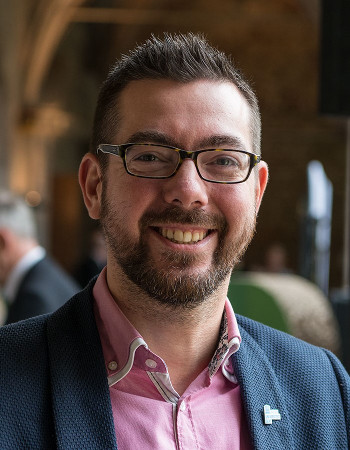
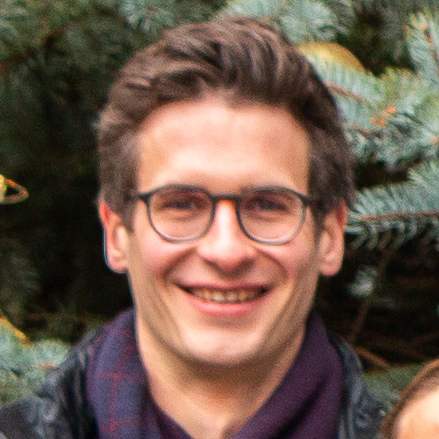
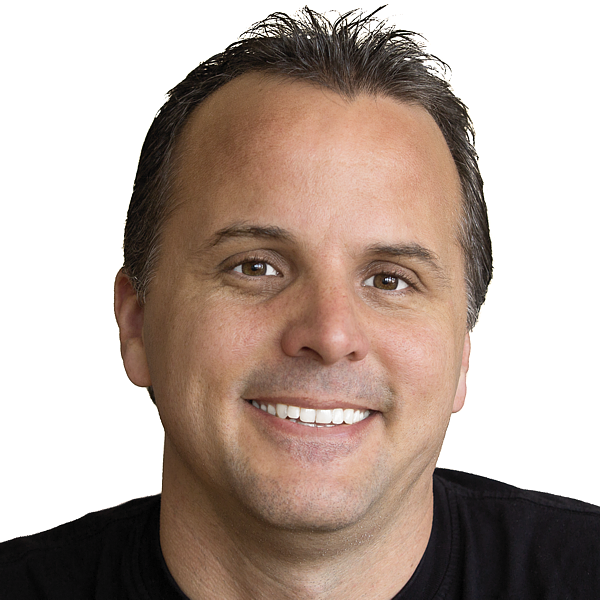
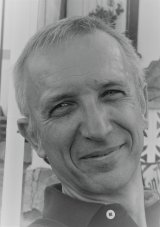
Karl Farrow is a Senior Lecturer at the Faculty of Sciences , KU Leuven , affiliated with the Department of Biology and the Animal Physiology and Neurobiology unit. He is also a member of the VIB-KU Leuven Center for Neuro Electronics Research Flanders (NERF) and the KU Leuven Brain Institute . Dr. Farrow's research focuses on neurobiology and visual processing , particularly the role of retinal ganglion cells and neural circuits in the superior colliculus . His work explores direction selectivity, motion perception, and adaptive mechanisms in visual systems under varying ambient conditions. His recent projects include dissecting the neural basis of threat responses in the superior colliculus, studying evolutionary influences on innate behavior circuits, and developing tools like a single-objective light sheet microscope for 3D tissue analysis. Collaborative efforts involve synaptic transmission studies in amyloid-beta precursor protein interactions.
Peter Lambert is a full-time Associate Professor at Ghent University – imec (Belgium), affiliated with the Internet Technology and Data Science Lab (IDLab) where he coordinates the MEDIA research team since 2013. His academic background includes a Master's degree in Science (Mathematics) and Applied Informatics from Ghent University, followed by a Ph.D. in Computer Science from the same institution in 2007. Prior to his current role, he served as a Technology Developer at Ghent University (2010-2013). Lambert's research focuses on: Multimedia signal processing and visual communication systems Computer graphics and computational geometry Augmented and virtual reality (AR/VR) technologies Video compression and perceptual quality assessment Multimedia security and digital watermarking His recent publications (2024-2025) demonstrate strong emphasis on real-time multimedia systems, VR/AR applications, perceptual quality metrics, and multimedia security. Research trends include deep learning-based video forensics, light field rendering optimizations, perceptual hashing techniques, and adaptive video streaming solutions. As leader of the IDLab-MEDIA team, Lambert oversees research on emerging visual media formats with applications in immersive experiences. The team develops technologies like OpenDIBR (real-time light field renderer) and maintains datasets such as SILVR (Synthetic Immersive Large-Volume Plenoptic Dataset).
Roles and Affiliations: Full Professor of Spanish and Spanish Literature at Université Saint-Louis – Bruxelles since 2005. Current President of the Asociación de Hispanistas del Benelux (AHBx) (2020-2023). Holds guest professorships at several European universities including Utrecht University, Ghent University, and the University of Antwerp. Research focuses on contemporary Latin American literature, intermediality, and migration narratives. Education: PhD in Hispanic and Latin American Studies (Sorbonne Nouvelle, 2003) MA in Comparative Literature (Sorbonne Nouvelle, 1998) BA in Modern Literature (Universidad Iberoamericana, 1993) Bachelor's in Communication Sciences (ITESM, 1990) Research Interests: Explores alterity through autofiction and graphic narratives, analyzing how marginalized voices construct identity through intermedial forms. Specializes in migration and exile narratives in Mexican and Latin American contexts, with emphasis on women's writings and intertextual urban representations. Current projects include the European iCOn-MICs project on comics pedagogy and the CROS Conference on language contact studies. Publications and Awards: Over 75 peer-reviewed publications including books on essay theory and migration literature. Recognized with multiple Marquis Who's Who awards. Serves on editorial boards of America. Cahiers du Criccal and Alba de América . Academic Leadership: Organizes international conferences like the 2024 II International CROS Conference. Supervised 45 doctoral and master's theses, specializing in contemporary Hispanic literary analysis.
Thomas Caira is a researcher at the Vrije Universiteit Brussel (VUB), affiliated with the Brussels Centre for Language Studies and the Department of Linguistics and Literary Studies within the Faculty of Arts and Philosophy. His work focuses on multilingual education, particularly Content and Language Integrated Learning (CLIL), and its socio-educational implications. He co-led the 2022-2023 project "Is CLIL beneficial for everyone?" examining CLIL effectiveness in heterogeneous language contexts in Brussels schools. Key research interests include language maintenance, heritage language preservation, and the role of socioeconomic status in educational access. He has published extensively on CLIL's impact on reading comprehension, recall mechanisms, and equity issues in educational policy. Caira actively participates in academic events such as the Trinational Bilingualism Meeting and organizes workshops on psycholinguistics and multilingual education. Education: Doctoral scholarship in Linguistics and Literary Studies (VUB) Grants/Projects: OZR4009 (2022-2023), focusing on CLIL's application in multicultural classrooms His collaborative activities include co-organizing international conferences and contributing to policy discussions on language education in Belgium. Recent work analyzes disparities in CLIL program access across socioeconomic backgrounds and explores psycholinguistic aspects of language-mixing in educational settings.
Laurent Vanbever is an Associate Professor at ETH Zürich and heads the Networked Systems Group (NSG). He specializes in network programmability, Internet routing, and network security, aiming to make networks more performant and manageable. Previously, he held a postdoctoral position at Princeton University and earned his PhD from the University of Louvain. Education: PhD in Computer Science, University of Louvain (2012) Postdoctoral Researcher, Princeton University (2012–2014) MSc in Computer Science, University of Louvain (2008) MSc in Management, Solvay Brussels School (2010) Research Interests: His work bridges theory and practice, focusing on network programmability, routing protocols, and sustainable networking. Recent projects include NetFabric, an ETH spin-off for network observability, and studies on energy-efficient router design (e.g., Fantastic Joules ) and BGP reconfiguration ( Taming the transient ). Key contributions include xBGP, Magnifier, and SP-PIFO. Awards: Best Paper Award at HotCarbon '24 SIGCOMM 2015 Best Paper Award Multiple IETF/IRTF Applied Networking Research Prizes Advising and Labs: Supervises PhD students (e.g., Benjamin, Weiran) and manages the NSG lab. Collaborates with NetFabric, offering student projects in network observability and sustainability. Labs & Teams: Leads the NSG and co-founded NetFabric, focusing on next-gen network observability using AI. Active in teaching Communication Networks and Advanced Topics in Communication Networks .
An Vande Casteele is a Researcher at the Vrije Universiteit Brussel (VUB) in the Department of Linguistics and Literary Studies . Active in the Brussels Centre for Language Studies , Vande Casteele's research spans multiple dimensions of Spanish language studies, including pragmatic markers, heritage language varieties, code-switching phenomena, and metaphorical language processing. Institution: Vrije Universiteit Brussel (Belgium) Department: Linguistics and Literary Studies Research Focus: Current projects include Tracing Sibilance (2024-2028) examining Spanish heritage language variation in Brussels, and Bueno, pues... (2023-2027) investigating pragmatic marker usage in L2 Spanish. Their work intersects sociolinguistics, discourse analysis, and psycholinguistics, with particular attention to multilingual interaction patterns and metaphor comprehension in language learners. Publication Trends: Research outputs demonstrate sustained engagement with Spanish language acquisition, discourse structuring, and sociophonetic variation. Recent works (2024-2025) emphasize pragmatic competence development and heritage language maintenance in Brussels' multilingual context. Collaborations: Key collaborations include joint doctoral projects with Universidad de Sevilla and interdisciplinary research with VUB-UGent Alliance. Vande Casteele co-organizes academic events like the CROS International Congress (2024) and chairs symposia on L2 discourse syntax.
Esli Struys is a Professor in the Linguistics and Literature Studies school at Vrije Universiteit Brussel, affiliated with the Brussels Center for Language Studies. She maintains an active research profile with numerous current projects extending through 2029 and recent publications in 2025. Her primary research interests include Language, Multilingualism, Language Policy, Psycholinguistics, Second Language Acquisition, Language Control, CLIL, Primary Progressive Aphasia, and Child Language Development. Her work bridges theoretical linguistics with practical educational applications, particularly in multilingual contexts. Analysis of her recent publications reveals a strong focus on language mixing in CLIL settings, Brussels education policy, and language processing in Primary Progressive Aphasia. Her research combines psycholinguistic experimentation with sociolinguistic analysis of educational contexts. Dr. Struys leads multiple significant research projects including FWOWO44 (Scientific research network Primary Progressive Aphasia, 2025-2029), FWOTM1246 (The influence of language control on second language acquisition, 2024-2028), and SRP88 (Meertalige taalcontrole, 2022-2027). She actively supervises students, having served as supervisor for Liazos, A.'s Master's thesis in 2017 and as a member of PhD committees. Her research group produces datasets related to language processing, multilingualism, and educational outcomes.
Prof. Dr. Els Tobback is an active faculty member at Ghent University with a dual research trajectory spanning Linguistics and Sleep Medicine. Her career demonstrates significant contributions across disciplines since earning her PhD in 2005, with recent publications extending to 2022. Education: PhD in Linguistics, Ghent University, 2005 (Thesis: 'Les constructions à attribut de l'objet et le marquage de la prédication seconde') Tobback's research integrates Linguistics (focusing on French syntax, grammaticalization, and object complement constructions) with Sleep Medicine and Chronic Fatigue Syndrome. She applies Self-Determination Theory to investigate psychological needs in fatigue management and sleep disorders, particularly examining biopsychosocial factors in chronic conditions and postpartum health. Analysis of her 15 most recent publications reveals a distinct career evolution: linguistics-dominated output through 2014 transitioned to interdisciplinary medical research after 2015. Her current work emphasizes patient-centered outcomes in sleep disorders, fatigue mechanisms, and healthcare quality improvement, consistently leveraging Ghent University's medical research infrastructure. No scientific awards were identified in the source materials. While specific advising relationships remain undocumented, Tobback's extensive collaborative network—including 10+ co-publications each with An Mariman and Dirk Vogelaers—demonstrates active participation in Ghent University's medical research teams, particularly in fatigue and sleep studies.
Rik Vosters is a Professor in the Department of Linguistics and Literary Studies at Vrije Universiteit Brussel (VUB), where he leads the Brussels Centre for Language Studies. His academic career spans over 15 years with consistent research output from 2008 to present, including 118 research publications and leadership of 31 research projects. He is deeply involved in historical sociolinguistics, particularly focusing on Dutch language history in Flanders and the Low Countries. Dr. Vosters' research interests center on historical sociolinguistics , language standardization , orthography , and multilingualism across historical contexts. His work examines how language norms developed in Dutch-speaking regions, particularly focusing on failed standardization attempts, French influence on Dutch morphology, and heritage language maintenance in contemporary Brussels. He has pioneered corpus-based approaches to studying historical language variation, notably through projects like the Letters as Loot Corpus and the Historical Corpus of Dutch. His recent publications reveal a growing focus on contemporary multilingualism in Brussels, particularly examining Spanish heritage language maintenance among immigrant communities. His research demonstrates a consistent thread connecting historical language processes with contemporary linguistic phenomena, showing how past language contact situations inform current multilingual dynamics. Agder Academy of Sciences and Letters (2019) Best poster award (2010) Lid Koninklijke Academie voor Nederlandse Taal en Letteren (2021) Prijs taalkunde KANTL (2012) Professor Vosters actively supervises PhD students, including Samantha Pérez Rodríguez's research on Heritage Spanish in Brussels. He leads multiple FWO-funded projects including CONI852: Sociolinguistics Circle, CLARIAH-VL+: paving the way for a SSH Open Science Cloud for Flanders, and FWOTM1261: Unveiling the unsuccessful: rethinking Haugen's model through the lens of failed standardization attempts in Dutch language history (1550-1850). His research grants consistently focus on historical sociolinguistics and language variation in Dutch-speaking regions. He is a key member of the Brussels Interdisciplinary Research centre on Migration and Minorities (BIRMM) and leads the Historical Sociolinguistics Young Researchers Forum. His research team employs interdisciplinary approaches combining corpus linguistics, sociolinguistic theory, and historical analysis to investigate language change and variation across centuries.
Beat Signer is Professor of Computer Science at Vrije Universiteit Brussel (VUB) and Director of the Web & Information System Engineering (WISE) laboratory. His research focuses on cross-media information spaces and architectures (CISA) spanning interactive paper, dynamic data physicalisation, and tangible holograms. His educational background includes a Computer Science degree from ETH Zurich, where he completed his PhD thesis on fundamental concepts for interactive paper and cross-media information spaces in 2005. Key research areas include: Cross-media document formats and resource-selector-link (RSL) hypermedia metamodel Context-sensitive adaptation and cross-media transclusion Multimodal interfaces (Mudra, iGesture) and tangible computing Internet of Things interoperability and semantic middleware Recent publications (2023-2025) reveal strong trends in dynamic data physicalisation hardware, FAIR positioning systems (OpenHPS), end-user IoT development (eSPACE), and next-generation human-information interaction paradigms. His work increasingly integrates Solid protocols for decentralized data and explores thermal dimensions in tangible holograms. As Principal Investigator, he leads multiple EU-funded projects including OpenHPS, TangHo, and eSPACE. His team has developed influential frameworks like MindXpres for cross-media presentations and CMT for context modeling. He supervises 13 doctoral researchers including Dr. Maxim Van de Wynckel and Dr. Audrey Sanctorum, focusing on cross-media applications in education, IoT, and data visualization. His WISE laboratory develops innovative solutions bridging digital and physical information spaces through projects like ArtVis for collaborative data exploration and TangHo for physically augmented virtual objects.
Hannes Mareen is a Postdoctoral researcher at Ghent University's Faculty of Engineering and Architecture, specifically within the Department of Electronics and information systems (EA06), and is also affiliated with IMEC. His research spans multimedia security, image and video processing, and digital forensics, with a focus on watermarking techniques, deepfake detection, and media authentication. Dr. Mareen's research interests primarily focus on multimedia forensics and digital content security . His work addresses critical challenges in media authentication, including developing robust watermarking techniques that withstand geometric transformations, creating methods for deepfake video detection using advanced vision transformer architectures, and building tools for identifying AI-generated image manipulations. He has made significant contributions to perceptual hashing techniques and the analysis of compression fingerprints for forgery detection. His research has practical applications in copyright protection, content authentication, and combating misinformation through advanced media analysis tools. The recent publication trends reveal a strong focus on leveraging deep learning and vision transformers for multimedia security applications. Dr. Mareen's work demonstrates increasing sophistication in addressing complex challenges like geometrically robust watermarking, deepfake detection in video content, and the development of comprehensive datasets for training forgery detection systems. His research bridges theoretical advances with practical implementations, particularly evident in his work on real-time video delivery systems and applications in sports rehabilitation through virtual reality. Dr. Mareen has established a productive research trajectory with consistent high-impact publications in top conferences and journals. His collaborative network is extensive, with frequent co-authorship with Glenn Van Wallendael and Peter Lambert, indicating strong research group dynamics within Ghent University's multimedia security research team. His work spans both theoretical contributions and practical implementations, with several publications demonstrating real-time systems and applications.
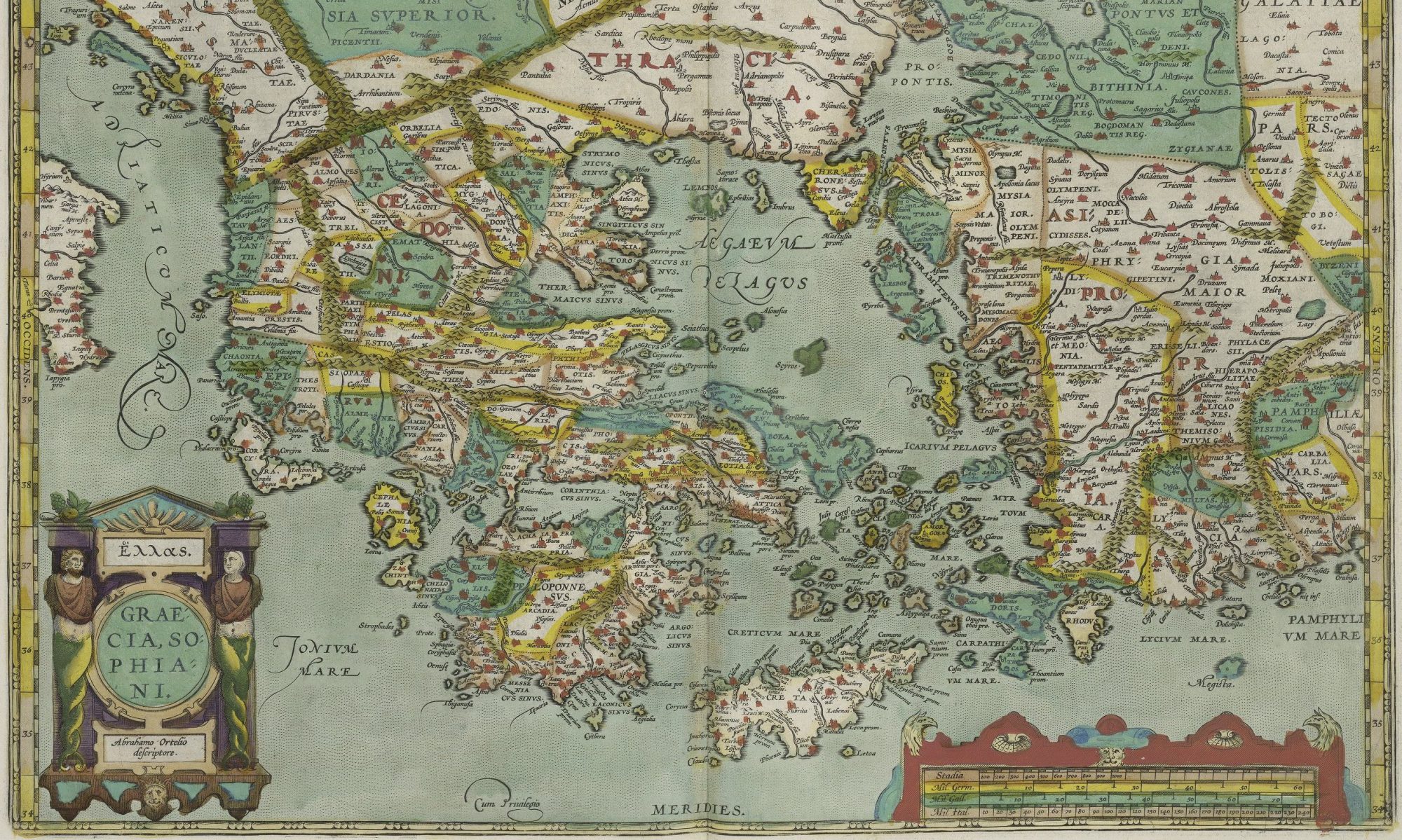
Raf Van Rooy is a tenure-track lecturer at KU Leuven's Faculty of Arts, affiliated with the Special Research Fund (BOFZAP) and the Latin Literature Research Group. He is also a member of LECTIO – KU Leuven Institute for the Study of the Transmission of Texts, Ideas and Images in Antiquity, the Middle Ages and the Renaissance, and serves on the Faculty Council of Arts and Tabularium Council. His educational background includes linguistics and literature (Latin-Greek) and general linguistics at KU Leuven (2008-12), an Erasmus exchange at Aristotle University of Thessaloniki (2010-11), ancient Indo-European languages at UCLouvain (2012-13), and a PhD in linguistics from KU Leuven (2017) funded by the Research Foundation Flanders (FWO). He later obtained history degrees from KU Leuven and Ghent University. Van Rooy's research focuses on Latin language and literature with special emphasis on Neo-Latin and its interactions with Ancient Greek and vernacular languages. His work explores the reception history of classical antiquity, particularly the Greek heritage in early modern Western Europe. He investigates the Leuven Trilingual College, Latin-Greek code-switching, Neo-Ancient Greek literature, and evidentiality in classical languages. His publications reveal a strong trend toward analyzing multilingual practices in Renaissance humanism, with particular attention to Erasmus and the Low Countries. His scholarly work has earned him the Research Council Prize in 2021, along with fellowships from the Research Foundation Flanders and the European Commission's Marie Skłodowska-Curie program. Since 2022, he has been co-editor of the international journal Humanistica Lovaniensia and its Supplementa series. Van Rooy has conducted research at the University of Oslo (through his Marie Curie Fellowship), Edmonton, Gotha, Leiden, and Athens. He is actively involved in multiple research projects as promoter, primarily focusing on Neo-Greek literature in the Low Countries and Latin-Greek code-switching. Beyond academic publications, he engages with broader audiences through media appearances in documentaries and podcasts about Greek language history.
Mariela Carla Andrade Maureira holds the position of Visiting Professor at the Brussels Centre for Language Studies and the Linguistics and Literary Studies department within the Faculty of Arts and Philosophy at Vrije Universiteit Brussel. She concurrently serves as a doctoral student at the University of Seville since April 2019. Her research focuses on pragmalinguistics, sociolinguistics, gender studies, and digital communication, with a particular emphasis on code-switching, online discourse, and Hispanic language variation. Her academic activities include organizing international conferences like the II Congreso Internacional CROS 2024 and presenting at events such as the 2021 talk on bilingual discourse markers in code-switching contexts. She has also contributed to peer-reviewed chapters and reviews in journals like Hispania . Her work bridges theoretical linguistics with digital media analysis, examining how language functions in modern platforms like YouTube. Her research outputs span books, book chapters, and reviews, addressing topics from epistemic oppression in argumentation to the sociolinguistic roles of terms like huevón and tío . Though no formal awards are listed, her active participation in academic events underscores her engagement in the field.
Wim Vandenbussche is a Professor at the Vrije Universiteit Brussel (VUB), affiliated with the Brussels Centre for Language Studies within the Faculty of Humanities. His academic career spans over 25 years with extensive research output and leadership in linguistic studies. He holds a PhD in Germanic Languages: Linguistics and Literary Studies from Vrije Universiteit Brussel, awarded on December 10, 1999. Professor Vandenbussche's research focuses on historical sociolinguistics, language contact, multilingualism, and language planning, with particular expertise in Dutch language history and Flemish language studies. His work examines language standardization processes, historical language variation in Flanders, and the sociopolitical dimensions of language use across different social classes. He has made significant contributions to understanding how language policies intersect with social justice issues and cultural heritage preservation. His recent scholarly output shows a strong focus on multilingual language histories, with particular attention to Dutch in international contexts and contact situations. He has been instrumental in developing comprehensive frameworks for studying language contact phenomena, as evidenced by his editorial work on the international handbook of language contact. His research increasingly addresses contemporary challenges of linguistic diversity in globalized societies. Agder Academy of Sciences and Letters (2011) Distinguished Visiting Fellowship (2007) Faculty Enrichment Award (2002) Ignace Vanderschuerenprijs Humane Wetenschappen (2005) Koninklijke Academie voor Nederlandse Taal- en Letterkunde (2015) Professor Vandenbussche has supervised 22 Master's theses on diverse linguistic topics including language policy in educational settings, minority language policies, family language practices among immigrant communities, and discourse analysis. He leads multiple significant research projects including 'Towards multilingual language histories: Dutch in context and contact' (2024-2029) and 'Linguistic Diversity and Social Justice' (2023-2026), which examine the intersection of language, social structures, and justice frameworks. His academic activities include extensive conference participation, editorial work, and membership in PhD committees at prestigious institutions including the University of Oxford. He is actively involved in the Historical Corpus of Dutch project and coordinates research within the EUTOPIA Connected Research Community focused on History, Identity and Linguistic Diversity. His work bridges historical linguistic analysis with contemporary language policy challenges, particularly in multilingual contexts like Belgium where he examines the complex linguistic landscape beyond simplistic narratives of monolingual Flanders and bilingual Brussels.
Dirk Delabastita is a Professor of English Literature and Literary Theory at the University of Namur (UNamur), where he contributes to the Namur Institute of Language, Text and Transmediality (NALTT) and previously served as head of the English Department. He is a research fellow at KU Leuven’s CETRA and co-founder of the European Shakespeare Research Association (ESRA). His editorial leadership included editing Target journal and founding the Shakespeare in European Culture book series. Doctor of Letters, KU Leuven (1990) Secondments: Guest Professor at UCLouvain (2010-2013), Francqui Chair (2013-2014) His research spans Shakespeare’s translation and multilingualism, wordplay theory, literary terminology, and cross-cultural reception. He has supervised numerous PhD projects on Shakespearean translation and WWII film linguistics. His 2013-2022 work with the Shakespeare in European Culture series continues to shape interdisciplinary studies. Recent publications focus on multilingualism in performance, Shakespeare’s prophetic themes, and multimodal language translation. Awards include the prestigious Francqui Chair. Administrative roles include serving on UNamur’s Faculty steering group (2013-2022) and the Central University Library’s Philo-lettres Council (2020-present).