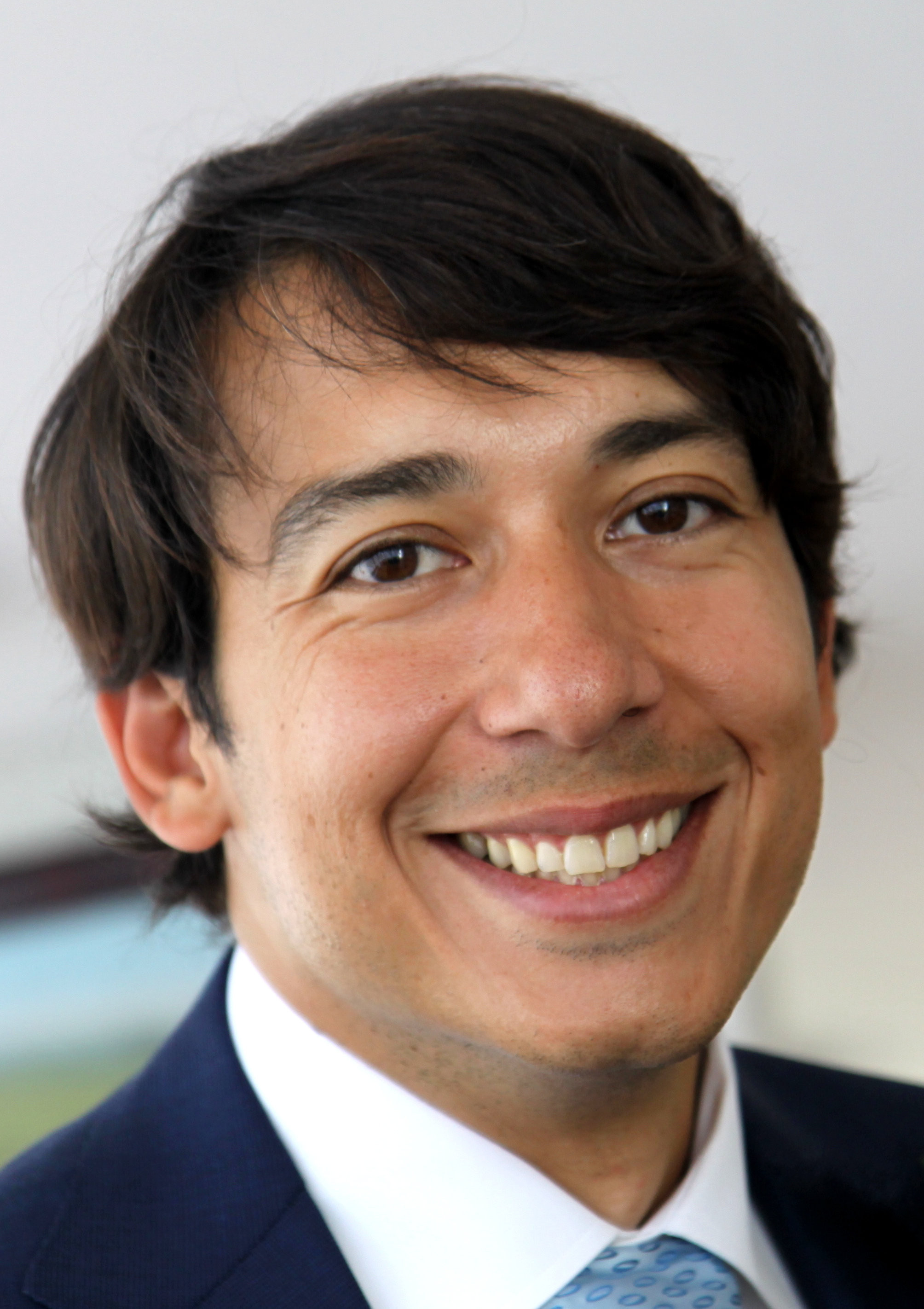
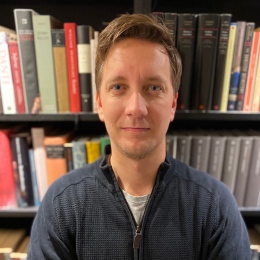
Alejandro Russo is a Professor at Chalmers University of Technology , specializing in Information Flow Control (IFC) , Secure Programming Languages , and Functional Programming . His research bridges theoretical foundations and practical implementations, focusing on mitigating timing channels , covert channels , and data leakage in concurrent systems. Developed novel frameworks for Differential Privacy with provable accuracy bounds Pioneered COWL integration for browser security and instruction-based scheduling to prevent cache timing attacks Led major projects like HIPSTER (hybrid static/dynamic IFC) and AppFlow (practical IFC deployment) His publications reveal expertise in security libraries for Haskell and Python , with a focus on faceted execution , label manipulation , and mechanized security proofs . Students under his supervision have explored topics ranging from secure eDSLs to privacy-preserving compilation techniques . Scientific awards : Google Research Award (2011) for Python taint analysis Advising and grants : Principal Investigator for VR , STINT , and Google Research Award Supervised 12+ PhD and Master’s students in security and functional programming research
Stefano Romeo is a Professor in Molecular and Clinical Medicine at the Sahlgrenska Academy, University of Gothenburg, and a Senior Consultant in Endocrinology at Sahlgrenska University Hospital. He holds a Medical Degree from Campus Biomedico University (2001, Italy) and completed his residency in Endocrinology at Sapienza University of Rome (2006). He has held postdoctoral positions at the University of Texas Southwestern Medical Center (2006–2009) and the University of Cambridge (2009–2011). Affiliations: Wallenberglab, Sahlgrenska University Hospital, and University Magna Graecia (Italy). Research Focus: Genetic determinants of metabolic disorders, including fatty liver disease (FLD) and cardiovascular disease (CVD). Key contributions include identifying PNPLA3 , MBOAT7 , and PSD3 as critical genes in FLD, developing 3D liver models, and pioneering precision medicine approaches. In CVD, he developed a machine-learning algorithm for familial hypercholesterolemia (FH) diagnosis and identified LPL mutations linked to severe hypertriglyceridemia. Clinical Leadership: Director of the Lipid Clinic at Sahlgrenska University Hospital since 2014, focusing on genetic screening for FH and hyperlipidemia management across the Västra Götaland region. Awards & Recognition: International Laureate Chair Prize (2023) Leif Groop Award (2021) Knut and Alice Wallenberg Academy Fellowship (2017) Labs & Teams: Leads a multidisciplinary team including researchers (Rosellina Mancina, Ester Ciociola), postdocs (Kavitha Sasidharan), and students (Tanmoy Dutta). Collaborates with the Lipid Clinic team, including clinicians and residents.
Leif Sundberg serves as an Associate Professor (docent) in Informatics at Umeå University and maintains a part-time research position at Mid Sweden University. He is affiliated with the Department of Informatics at Umeå University and the Department of Communication, Quality Technology and Information Systems at Mid Sweden University. Dr. Sundberg holds leadership roles as Deputy Forum Leader for the Forum for Digitalization (FODI) and is an active member of the Risk and Crisis Research Centre (RCR) and the Swedish Center for Digital Innovation (SCDI). His academic background includes BA degrees in Philosophy and Media & Communication Science from Umeå University, an MA in Education from Mid Sweden University, and a PhD in Information Systems completed at Mid Sweden University in 2019. He served as a postdoctoral researcher at Umeå University during 2021-2022, was appointed senior lecturer in January 2023, and received his docent (associate professor) qualification in September 2024. Dr. Sundberg's research program centers on the complex relationship between digital technology and societal structures, particularly examining AI management, digital governance frameworks, and risk society dynamics. His work critically analyzes how digitalization transforms public sector values, decision-making processes, and risk landscapes, often employing philosophical perspectives to explore deeper implications of technological change in governance contexts. His research has made significant contributions to understanding the tensions between technological optimism and practical implementation challenges in government settings. Analysis of his recent publication portfolio reveals several key research trajectories: the application of generative AI in government contexts with attention to resilience implications; critical examinations of government technology narratives and their relationship to uncertainty; investigations into the practical challenges of implementing machine learning in public sector environments; development of frameworks for understanding the digital risk society; exploration of citizen-centric approaches to digital government; and application of public value perspectives to enterprise architecture in government settings. Generative AI applications in government resilience Critical analysis of technology narratives in public administration Machine learning implementation challenges in public sector Digital risk society theoretical frameworks Citizen-centered digital government approaches Public value perspectives on government IT architecture Dr. Sundberg's scholarly work has been published in prestigious journals including Government Information Quarterly, Safety Science, Journal of Strategic Information Systems, and Information Polity. His research has informed academic understanding of digital government strategies, e-participation mechanisms, and the philosophical dimensions of technological change in public administration, while also providing practical insights for policymakers and government practitioners. As an educator, Dr. Sundberg has supervised students in the Industrial Organization and Economics program and has developed innovative approaches to teaching machine learning using no-code AI platforms. He currently serves as an international contact person at the Department of Informatics, facilitating global academic collaborations, and participates actively in the GovTech Challenges graduate school, contributing to the development of next-generation digital government researchers and practitioners.
Martin Sjölund is an Associate Professor at Linköping University's Department of Computer and Information Science (IDA), part of the Software and Systems (SAS) division. His work focuses on software engineering and cyber-physical systems, with a specialization in Modelica compiler development and open-source simulation tools. He contributes to the OpenModelica project, advancing compiler frameworks, integration with Julia, and standardization efforts. Research interests include compiler design, formal methods, and domain-specific languages. Recent work emphasizes modular compiler architectures, structural variability handling, and interoperability between Modelica and other systems like Julia and Python. He has co-authored over 30 peer-reviewed publications since 2017, with a focus on compiler optimization, co-simulation, and educational applications of Modelica. As part of the SAS division, he collaborates with researchers like Lena Buffoni, Adrian Pop, and Peter Fritzson on projects funded by the MODPROD Center and other initiatives. His contributions to open-source tools have been recognized through conference proceedings and industry partnerships.
Kajsa Paulsson is a Professor of Medical Genetics at Lund University, where she runs the Aneuploidy in Cancer research group at the Division of Clinical Genetics. She serves as a Principal Investigator at the Lund University Cancer Centre (LUCC) and manages the research team focused on aneuploidy in cancer. Dr. Paulsson is an expert in cancer genomics with extensive experience in classic genetic techniques including chromosome analysis and fluorescence in situ hybridization, as well as state-of-the-art methodologies such as SNP array analysis and next generation sequencing (NGS). Her research primarily focuses on understanding how aneuploidy (aberrant chromosome numbers) arises in somatic cells, how it affects tumorigenesis, and its correlation with prognosis and treatment response in cancer. Her specialized studies concentrate on high hyperdiploid and hypodiploid childhood acute lymphoblastic leukemia, with the ultimate goal of improving cancer patient survival through insights into tumorigenesis mechanisms. Analysis of Dr. Paulsson's publication record reveals a strong focus on the genomic architecture of pediatric acute lymphoblastic leukemia, with particular attention to chromosomal abnormalities, mutational signatures, and regulatory mechanisms. Her work spans from fundamental research on aneuploidy development to clinical applications examining treatment outcomes in specific leukemia subtypes. The research demonstrates increasing methodological sophistication with integration of multi-omics approaches including proteogenomics, Hi-C chromatin conformation analysis, and single-cell genomics, reflecting the evolving landscape of cancer genomics research. Dr. Paulsson has received significant recognition for her work, including the prestigious Samfundet Folkhälsan Albert de la Chapelle Prize in Medical Genetics in 2022 and the Senior Investigator Award from Cancerfonden in 2015. Her publications have been widely disseminated, with multiple papers highlighted by news outlets, referenced in clinical guidelines, and extensively read on academic platforms, demonstrating the translational impact of her research. As a supervisor and mentor, Dr. Paulsson leads active research projects including 'Non-coding mutations in pediatric acute lymphoblastic leukemia' (2021-2025), where she serves as the primary supervisor. She has been involved in the Epigenetics Theme at Pufendorf IAS, demonstrating her commitment to collaborative, interdisciplinary research that spans basic science and clinical applications. Her work contributes to UN Sustainable Development Goals related to health and well-being. Dr. Paulsson actively participates in the Lund University Cancer Centre (LUCC) ecosystem, regularly organizing and speaking at seminars and conferences including the LUCC Blood, Lymphoma & Myeloma series and the Swedish Cancer Research Meeting. Her laboratory focuses on the molecular mechanisms of aneuploidy in leukemia, particularly investigating how chromosomal abnormalities develop and impact treatment outcomes in childhood cancers, with direct implications for risk stratification and therapeutic decision-making in pediatric oncology.
Saghi Hajisharif is a Researcher at Linköping University's Department of Science and Technology (ITN), affiliated with the Media and Information Technology (MIT) group. She holds a PhD in Visualization and Media Technology from Linköping University (2020), an MSc in Advanced Computer Graphics (2013), and a BSc in Computer Science from Amirkabir University (2009). Her work focuses on computational imaging, visual machine learning, HDR imaging, and light field technologies. She is a core member of the Computer Graphics and Image Processing research group. Research interests include sparse representation learning for computational imaging, synthetic data ethics, BRDF material modeling, and algorithmic fairness in AI. Her contributions span interdisciplinary projects recognized in IVA’s 100 List (2024), highlighting societal impact potential. She has co-authored influential studies on topics such as FROST-BRDF sampling techniques and metadata standards for GenAI synthetic data. Her articles reflect expertise in computer vision, graphics, and AI ethics, with key contributions to light field imaging, GAN fairness, and material modeling surveys. The IVA’s 100 List recognition underscores her innovative work’s societal relevance. She collaborates across disciplines to advance imaging technologies and ethical AI practices.
Christoph Kessler is a Professor and Head of the Software and Systems (SAS) division at the Department of Computer and Information Science (IDA), Linköping University, Sweden. He leads the Programming Environment Laboratory’s research group focusing on compiler technology, parallel computing, and heterogeneous systems. His work includes the development of tools like OPTIMIST, PARAMAT, and SkePU, and he has contributed over 100 publications in journals and conferences. He holds a PhD from the University of Saarbrücken and a Habilitation from the University of Trier. Research interests span parallel programming, compiler optimization, and energy-efficient scheduling for heterogeneous systems. He has secured a 30M SEK grant from SSF for the ASTECC project, advancing adaptive software for edge-cloud computing. Notable contributions include frameworks for GPU-based systems and methodologies for optimizing resource allocation on many-core architectures. His team’s work emphasizes practical applications in high-performance computing, including tools for course management (StASy) and energy-aware scheduling algorithms. The SAS division, under his leadership, focuses on software engineering and computer systems research with strong industry collaboration.
Andrew Winters is a Senior Associate Professor in the Department of Mathematics at Linköping University, Sweden. He is affiliated with the Division of Applied Mathematics (TIMA), where he conducts research in computational mathematics and numerical methods for partial differential equations. His research focuses on the design and analysis of high-order numerical schemes, particularly nodal discontinuous Galerkin (DG) methods with summation-by-parts (SBP) properties, for solving hyperbolic and mixed hyperbolic-parabolic PDEs such as shallow water, Euler, Navier-Stokes, and magnetohydrodynamic (MHD) equations. His work emphasizes conservation, entropy stability, and thermodynamic consistency in numerical approximations. The recent publications highlight a strong trend in developing robust, high-order, entropy-stable methods for nonlinear conservation laws, with applications in fluid dynamics and geophysical modeling. His work integrates theoretical analysis with high-performance computing, particularly through the development of the FLUXO and Trixi.jl simulation frameworks. Energy Bounds for Discontinuous Galerkin Spectral Element Approximations Entropy Stable Hydrostatic Reconstruction Efficient Implementation of Entropy Stable DG Methods Adaptive Simulations with Trixi.jl Subcell Finite Volume Shock Capturing Andrew Winters is actively involved in software development and scientific computing education, including an introductory Fortran course for MATLAB users. He contributes to international collaborations, such as a four-way research and exchange program between Linköping University and Washington State University. He has no listed scientific awards in the provided text. He advises students in computational mathematics, though specific names are not mentioned. He is a core developer of the FLUXO (Fortran/MPI), Trixi.jl (Julia), and HOHQMesh.jl projects, which support high-order simulations and mesh generation.
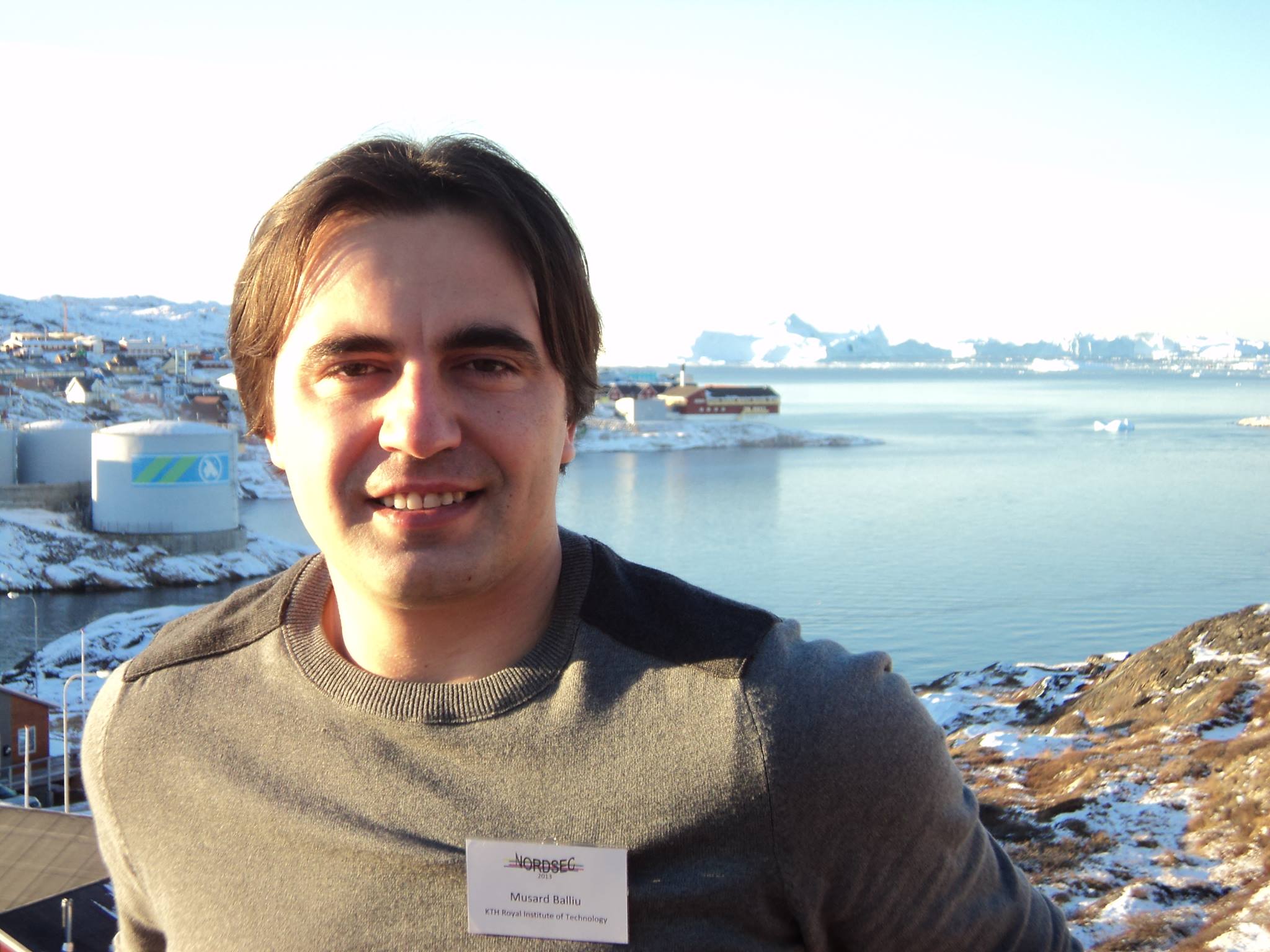
Musard Balliu is an Associate Professor at the School of Electrical Engineering and Computer Science at KTH Royal Institute of Technology in Stockholm, Sweden. He works in the Division of Theoretical Computer Science and leads the LangSec (Language-Based Security) research group. His research interests span multiple aspects of computer security, including: Information flow control Web and mobile application security IoT security Low-level security Program analysis and verification Logics in security contexts His recent publications focus on cutting-edge security challenges, with particular emphasis on JavaScript security (prototype pollution vulnerabilities), IoT platform security, database security, and formal methods for security verification. His work often bridges theoretical foundations with practical security solutions, addressing real-world security concerns in emerging technologies like IoT and modern web applications. His notable awards include: Best Reviewer Award at CCS 2022 Google Research Scholar Award in 2022 Facebook Award in Privacy-Enhancing Technologies in 2021 Dr. Balliu actively mentors students in the LangSec group, supervising both current students and recently graduated PhD candidates. He serves as Principal or Co-Principal Investigator on multiple research projects funded by prestigious organizations including Digital Futures, WASP, VR, and SSF, with a focus on next-generation security solutions for IoT, software supply chains, and cloud computing. He is also involved in various cybersecurity initiatives including the Swedish National Hacking Team (as co-founder and SC representative for Sweden), CDIS Cybercampus Sverige, and Digital Futures, demonstrating his commitment to advancing cybersecurity education and practice beyond academic research.
Evan Patrick O'Connor is an Associate Professor in the Department of Astronomy at Stockholm University. His research focuses on computational astrophysics, particularly core-collapse supernovae, neutrino physics, and black hole formation. He leads research in the Computational Astrophysics group at the Department of Astronomy, where development of computational tools spans research areas from solar physics to cosmology. Dr. O'Connor received his Ph.D. from Caltech in the TAPIR group, following a bachelor's degree in Science (Physics, Honours, Co-op) from the University of Prince Edward Island. He was a postdoctoral fellow at the Canadian Institute of Astrophysics from 2012-2014 and a Hubble Fellow at North Carolina State University from 2014-2017 before joining Stockholm University. His research interests span computational astrophysics with a focus on core-collapse supernovae mechanisms, black hole formation, neutrino physics, gravitational waves, and the nuclear equation of state. He develops and utilizes sophisticated computational models to study the dynamics of compact objects and their connection to detailed microphysics. His work often involves multimessenger approaches, connecting theoretical models with potential observational signatures across neutrino, electromagnetic, and gravitational wave channels. Dr. O'Connor has made significant contributions to open-source scientific software development, creating tools like NuLib, GR1D, and various equation of state resources that have become valuable community resources. Analysis of his recent publications reveals a strong focus on understanding the complex interplay between stellar structure, nuclear physics, and explosion mechanisms in core-collapse supernovae. His research increasingly incorporates multi-dimensional effects, phase transitions in dense matter, and their observational consequences across multiple messenger channels. Recent work shows growing attention to data-driven approaches for connecting simulations with potential observations. Dr. O'Connor has received notable recognition including: Hubble Fellowship (2014-2017) He has developed and maintains several open-source tools including NuLib (neutrino interaction library), GR1D (spherically-symmetric general-relativistic hydrodynamics code), and various equation of state resources. His research group collaborates extensively with international teams studying supernova mechanisms and related phenomena, contributing to projects like SNEWS (Supernova Early Warning System). Dr. O'Connor leads the Computational Astrophysics group at Stockholm University's Department of Astronomy, which develops computational tools spanning research areas from solar physics to cosmology. The group maintains strong connections with international supernova research communities and contributes to global efforts in multi-messenger astronomy.
Erik Svensson is an Associate Professor and Lecturer in Criminal Law at the Department of Law, Stockholm University, where he serves as Subject Head. His academic career spans teaching, research, and significant contributions to criminal law theory and practice in Sweden. Professor Svensson's research focuses on the general part of criminal law, history of ideas of criminal law, and criminal law theory. His scholarly work critically examines fundamental concepts in criminal liability, perpetratorship, and the theoretical foundations of criminal justice systems. He has made significant contributions to understanding complex issues like multiple perpetrator liability, intent boundaries, and the relationship between legal dogmatics and criminal theory. His approach combines doctrinal analysis with theoretical reflection, creating a bridge between practical legal application and philosophical underpinnings of criminal law. His publication record reveals a consistent scholarly trajectory with increasing engagement in theoretical and policy-oriented work. A notable trend in his recent publications involves examining the intersection of theory and policy in criminal law, as evidenced by his research project 'Teori och politik – straffrätt i omvandling' (Theory and Politics - Criminal Law in Transformation), which brings together young criminal law researchers from Swedish universities to assess contemporary criminal policy developments and their theoretical implications. Emil Heijne Foundation Award for Valuable Contributions to Legal Research (2021) Teacher of the Year, appointed by the Law Studies Council, Uppsala University (2017) Benzelius Prize, historical-archaeological class awarded by the Royal Swedish Academy of Sciences in Uppsala (2017) von Bars premium for meritorious doctoral degree (2016) Professor Svensson actively supervises doctoral students, serving as main supervisor for Miriam Ingeson and Jakob Hellström, and deputy supervisor for Lars Edstedt. His administrative roles include Subject Supervisor in Criminal Law and former Director of Studies for Research at Juridicum, Uppsala University (2019-2021). He contributes significantly to public policy as an expert in multiple government inquiries including the Inquiry into a review of dependent forms of crime (Ju 2023:06), the Inquiry into custodial sentences for young people (SOU 2023:44), and the Gang Crime Investigation (SOU 2021:68). He also serves on the board of the Swedish Criminalistics Association, the Foundation for the Accessibility of Legal Literature, and is a member of the Swedish Police Authority's Ethics Council.
Yuan Yao serves as an Assistant Professor in the Department of Information Technology at Uppsala University, Sweden. His academic role spans teaching and research within the Computer Systems division, focusing on cutting-edge computer architecture and parallel computing systems. He maintains active collaborations across international institutions, particularly in energy-efficient hardware design and emerging computing paradigms. His educational journey includes: B.S. in Micro-electronics from Northwestern Polytechnical University, China (2009) M.S. in System-on-Chip Design from KTH Royal Institute of Technology, Sweden (2014) Ph.D. in Electrical Engineering and Computer Science from KTH Royal Institute of Technology (2019) Yao's research centers on power and thermal management for chip multi-processors, Network-on-Chips (NoCs), and GPUs. He pioneers hardware/software co-design for high-performance computing, coherency mechanisms for emerging memory technologies, and performance analysis of on-chip networks. Recent work expands into neural network acceleration and battery-less Internet of Things architectures, reflecting a trajectory toward energy-constrained specialized systems. His methodology integrates formal modeling with practical implementation for real-world impact. Publication trends reveal consistent innovation in energy efficiency across parallel architectures. From foundational DVFS techniques for NoCs (2016-2018) to recent breakthroughs in battery-less IoT (2023-2024), his work demonstrates evolutionary progression toward novel computing domains. Key thematic threads include thermal-aware optimization, memory consistency protocols, and hardware acceleration for AI workloads, with applications spanning data centers to embedded systems. Scientific recognition includes: Best paper candidate at IEEE International Symposium on High Performance Computer Architecture (HPCA) 2018 for in-network packet generation research Yao actively supervises graduate researchers and leads collaborative projects in computer architecture. His grant portfolio supports work on battery-less IoT systems and neural network accelerators, though specific funding details aren't publicly enumerated. Current projects emphasize sustainable computing through novel architectures for energy-harvesting environments. He operates within Uppsala University's Computer Systems division, contributing to research groups focused on hardware acceleration, embedded systems, and networked architectures. His lab environment fosters interdisciplinary work bridging computer architecture, energy harvesting, and machine learning for next-generation computing platforms.
Ellika Sevelin is a Senior Lecturer and Head of Department in the Department of Law at Lund University. She also serves as a Researcher in the Integration and Law division. Her research focuses on jurisprudence, evidence theory, tax law, and conceptual analysis. She is a member of the interdisciplinary research group LEVIC (Law, Evidence and Cognition) and has defended her doctoral thesis on the law/fact distinction in 2017. Research Interests: Common law and legal positivism Evidentiary theory and legal methodology Tax law and administrative law Conceptual analysis of legal distinctions Gender perspectives in law Teaching: She teaches general law, tax law, evidence theory, administrative law, and jurisprudence from a gender perspective at both undergraduate and advanced levels. She also serves as a thesis supervisor and contributes to external training programs, such as the Swedish Migration Agency's project on asylum law. Projects and Grants: Lead researcher in projects like 'Law beyond the “school market”' and 'Deconstructing Measures of Immigrant Integration in Sweden' Involved in interdisciplinary initiatives, including LEVIC and the 'Legal Persons and Legal Personhood' project Labs and Teams: Active in the LEVIC group, which explores intersections between law, evidence, and cognitive science. Collaborates with institutions like KEFU and the Pufendorf Institute for Advanced Studies.
Aron Henriksson is a Senior Lecturer and Associate Professor at the Department of Computer and Systems Sciences, Stockholm University. He co-leads the Natural Language Processing Research Group and contributes to the Learning Analytics and AI for Education Group , focusing on large language models, privacy, explainability, and domain adaptation across healthcare and education. His research integrates AI and NLP into critical domains, including Developing SweClinEval - the first Swedish clinical NLP benchmark Privacy-preserving techniques for LLMs using pseudonymization Multimodal prediction models for healthcare outcomes (e.g., COVID-19 mortality) Educational applications of retrieval-augmented generation Henriksson teaches courses in Big Data, AI management, NLP, and information retrieval. His work bridges technical innovation with practical implementation across EU-funded projects like Extreme Food Risk Analytics (EFRA) and clinical AI initiatives, emphasizing ethical AI deployment and data utility preservation.
Professor Palle Dahlstedt is affiliated with the University of Gothenburg's Interaction Design department. His work bridges music technology, live coding, and interdisciplinary performance. He specializes in gestural interactions, algorithmic creativity, and systems for collaborative improvisation. Key projects include the Bucket System, OtoKin, and research on live coding frameworks. Research interests focus on creative technologies in music and performance, with emphasis on real-time systems, human-computer interaction, and artistic collaboration. Dahlstedt has published extensively in venues like NIME, ICLC, and Evolutionary Intelligence, addressing topics ranging from hybrid piano design to generative storytelling. Notable contributions include the Biosphere Code Manifesto (2015), exploring algorithms in environmental contexts, and the Electroacoustic Modular Ecosystem (2020). His work often involves cross-disciplinary collaborations with dancers, musicians, and technologists. Performance highlights include jury-selected NIME performances (2015) and collaborations with artists like Gino Robair and Tim Perkis. Dahlstedt actively participates in international festivals and conferences, advancing the field of computational creativity and artistic research.