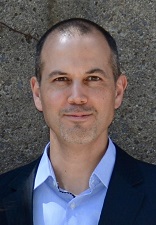
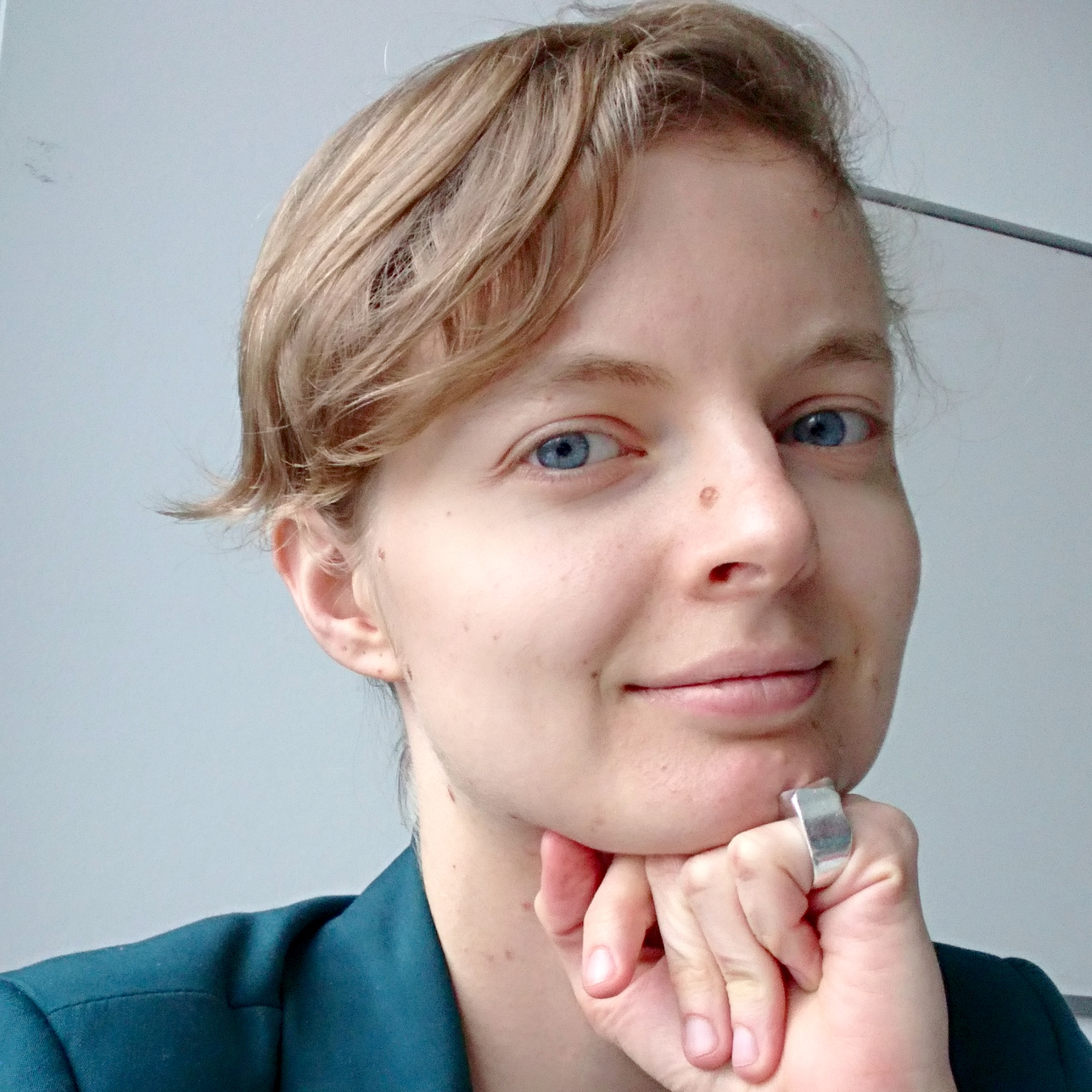
Önder Babur is a University Researcher at Eindhoven University of Technology in the Department of Mathematics and Computer Science, specializing in Software Engineering and Technology. His research focuses on software analytics, model-driven engineering, and machine learning applications in software development. Research interests span clone detection, analytical modeling, and information retrieval systems. His work integrates deep learning techniques to advance software development processes and source code analysis. Publications demonstrate strong focus on empirical software engineering, with recent trends showing applications in energy systems, digital twins, and cyber-physical systems. Research consistently incorporates machine learning methodologies across domains. Research Output (2023-2025): 8 journal articles on software analytics and ML applications 7 conference contributions on model-driven engineering 3 datasets related to computational modeling
Mahdi Saeedi Nikoo is a researcher affiliated with the Eindhoven University of Technology under the Mathematics and Computer Science school in the Software Engineering and Technology department. His research focuses on Software Engineering , Business Process Modeling , Service Composition , Clone Detection , and Industrial Internet of Things . The titles of his recent publications reflect a strong emphasis on empirical studies in software engineering, domain-specific languages, and architectural frameworks for IoT. Key trends in his work include the application of variability modeling in software systems, integration of cloud platforms, and analysis of open-source repositories like GitHub. Mahdi's contributions span datasets, conference papers, and journal articles, with citations in areas such as Industrial Internet of Things and Service Composition . He has no listed scientific awards, and his supervised work includes datasets and collaborative research outputs.
Jessie Galasso-Carbonnel is an Assistant Professor in the Department of Electrical and Computer Engineering at McGill University's Faculty of Engineering. Her research focuses on software reverse engineering, knowledge extraction, variability management, and software repository mining. She holds a Ph.D. in Computer Science from the University of Montpellier (2018) and completed postdoctoral research at the French National Institute for Sustainable Development (IRD) and the University of Montréal's Geodes group. She is currently co-chairing several international conferences and workshops, including the Poster Track at MODELS’24 and the Doctoral Symposium at SPLC’24. Her academic background includes: Ph.D. in Computer Science, University of Montpellier (2018) Postdoctoral Researcher at IRD (2019–2020) and University of Montréal (2020–2023) Recipient of IVADO Postdoctoral Research Funding (2020) Research interests span: Software product line engineering Formal concept analysis AI-driven code recommendation systems Domain-specific language design Reproducible software development practices Recent contributions include advancements in: Automated repair of semantic errors in model transformations Social diversity metrics for collaborative problem-solving Low-code development frameworks for AI pipelines She actively contributes to the academic community through roles such as PC member for SANER’25 and co-chair of multiple international workshops. Her work intersects software engineering, AI, and formal methods to advance scalable and accessible software development practices.
Martin Robillard is a Professor at McGill University's School of Computer Science, where he leads the McGill Software Technology Lab. He holds a Ph.D. from the University of British Columbia. His research focuses on software engineering, emphasizing human aspects of development, including documentation design, test suite quality, and information privacy. He has authored the textbook Introduction to Software Design with Java and developed the JetUML tool, recognized with the 2024 ACM SIGSOFT Influential Educator Award. He has co-chaired major conferences (FSE 2012, ICSE 2017) and is a Distinguished Member of the ACM. Research Interests: His work bridges software engineering, AI, and HCI, addressing challenges in API usability, automated documentation generation, and privacy-preserving software design. Recent projects include dynamic documentation tools like Casdoc and studies on developer documentation formats. Professional Activities: He serves on editorial boards for IEEE TSE and Empirical Software Engineering, and chairs workshops like DySDoc. His contributions include over 100 publications, six SIGSOFT Distinguished Paper Awards, and leadership in software engineering education. Teaching: Teaches courses on software design (COMP 303), information privacy (COMP 555), and software architecture. His courses emphasize practical skills and ethical considerations in software development. Labs & Collaborations: The McGill Software Technology Lab investigates knowledge discovery in software systems, with projects on API documentation, test quality, and privacy in health contexts. Collaborators include industry partners like ActiveEon and General Motors.
Gonzague Yernaux is a Research Professor at the University of Namur's Faculty of Computer Science, affiliated with the Namur Digital Institute. He holds a Doctorate and a Master's degree in Computer Science from the same institution. His research focuses on programming paradigms, logic programming, algorithm optimization, and educational technology. Yernaux has contributed to projects like Algorithmic equivalence and developed tools such as Manim-DFA and Scrimmo. He has presented at international conferences and received awards including the Jean Fichefet Prize (2017) and the Student Encouragement Award (2022). Education : Doctorate, University of Namur (Year unspecified) Master of Computing (Computer Science), Faculty of Computer Science, University of Namur (2015–2017) Research Interests : His work spans logic programming, software engineering, and algorithm design. Key areas include predicate anti-unification, bipartite matching optimization, and semantic clone detection. He also explores educational applications, such as using escape games to teach computer science concepts. His research often combines theoretical frameworks with practical software tools. Grants & Activities : He leads the project Algorithmic equivalence by generalization-driven transformations of logic programs . Active in academic events, he has participated in the International Conference on Advances in Computing Research (2025), the Belgium-Netherlands Software Evolution Workshop (2024), and organized presentations on topics like predicate anti-unification and bipartite matching. Labs & Teams : Associated with the Namur Digital Institute, his work integrates interdisciplinary collaborations in computer science and software development.
Professor Simon Conn is a Full Member of the College of Medicine and Public Health and the Flinders Health and Medical Research Institute at Flinders University. With expertise in molecular and cellular biology, he leads research on circular RNAs (circRNAs) and their implications in cellular development and cancer, with significant contributions published in top journals including Cell, Nature Biotechnology, and Nature Reviews Cancer. Dr. Conn completed his Bachelor of Biotechnology (Hons) at Flinders University in 2006 and pursued postdoctoral research at the European Molecular Biology Laboratory in France and the Centre for Cancer Biology in Australia. His academic journey demonstrates a transition from plant molecular biology to human cancer research, with a focus on RNA mechanisms. Professor Conn's research primarily investigates circular RNAs and their roles in gene regulation, with particular emphasis on cancer biology (brain cancer, prostate cancer), stem cell biology, and transcriptomics. His work has revealed how circRNAs impact cellular development pathways and contribute to oncogenesis, establishing him as a leader in this emerging field of RNA biology. His recent publications demonstrate a clear progression from fundamental circRNA biology to translational applications, with significant contributions to bioinformatics tools for circRNA analysis, understanding circRNA roles in cancer mechanisms, and developing circRNA-based diagnostic and therapeutic approaches. The research shows strong interdisciplinary integration between molecular biology, bioinformatics, and cancer therapeutics. Australian Research Council Future Fellowship NHMRC-project funding Over $2M in peer-reviewed research grants in the past 3 years h-index of 21 with over 80 citations per article Professor Conn has successfully supervised 12 graduate students across principal and associate supervisions, including Laura Gantley who received the University Medal in April 2023. His laboratory has secured substantial research funding and produced high-impact publications that have significantly advanced the understanding of RNA biology in disease contexts. Based at the Flinders Health and Medical Research Institute, Professor Conn leads a research team within the Alternative Splicing in Human Pathologies Laboratory, investigating RNA biology with direct implications for cancer diagnostics and therapeutics. His work contributes to UN Sustainable Development Goals related to good health and well-being through advancing precision medicine approaches.
Nata Stulova is a Researcher currently working as a staff research scientist at MacPaw's Technological R&D Center, focusing on software engineering research involving formal and informal program specifications. Formerly, she held academic roles including senior postdoctoral researcher at the University of Bern (SCG), researcher at EPFL's LARA Lab, and PhD work at the Technical University of Madrid (UPM). Her research spans software documentation consistency, NLP applications, runtime verification, and low-code tools. She has led multiple projects addressing code comment quality, empirical studies on documentation practices, and tool development for requirements engineering. Despite transitioning to industry in 2022, she maintains active collaboration with academia, publishing in top conferences like ICSE and IEEE Transactions. She holds a PhD in Computer Science from UPM and has authored numerous peer-reviewed articles and conference papers. Her work emphasizes bridging academic research with industry applications, particularly in software analysis and developer productivity. Education: PhD in Computer Science, Technical University of Madrid (2018) MSc in Artificial Intelligence, Technical University of Madrid (2013) BSc in Applied System Analysis, NTUU "KPI" (2012) Research Interests: Her work focuses on improving software quality through automated documentation tools, runtime verification techniques, and low-code solutions for requirements engineering. She explores NLP methods for detecting inconsistent or outdated comments and optimizing static analysis efficiency. Recent projects include SwiftEval (LLM-generated code evaluation) and RepliComment (cloned comment detection). She also emphasizes practical applications of formal methods in dynamic languages like Prolog and Python. Grants & Funding: ASA: Agile Software Assistance TRACES: Resource-Aware Software Tools N-GREENS: Energy-Efficient Software Labs/Teams: Core member of the Ciao system development team at IMDEA Software Institute, contributor to the Software Composition Group (SCG) at UniBe, and collaborator with MacPaw's TR&D team on industry-focused R&D.
Dr. Ying Zou is a Professor and Canada Research Chair (Tier II) in Software Evolution at Queen’s University’s Department of Electrical and Computer Engineering, with a cross-appointment to the School of Computing. She is a Visiting Faculty Fellow at IBM Centers for Advanced Studies (CAS) and a member of IEEE. Her research focuses on software engineering, maintenance, empirical studies, and service-oriented computing, with notable contributions to refactoring patterns, performance analysis, and developer tooling. Education: BEng from Beijing Polytechnic University (China), MEng from Chinese Academy of Space Technology (China), and PhD from the University of Waterloo (Canada). Research interests include software evolution dynamics, code clone analysis, and optimizing developer workflows. Notable achievements include the 2014 IBM CAS Research Faculty Fellow of the Year and two IBM Faculty Awards (2007, 2008). Her work bridges empirical software engineering with practical industrial applications. Awards: Canada Research Chair, IBM Faculty Awards, IBM CAS Fellow Grants: IBM CAS collaborations, cross-disciplinary research funding Labs/Teams: Active contributor to the Software Evolution and Analysis Lab (SEAL), focusing on empirical studies and tool development for software maintenance challenges.
Önder Babur is an Assistant Professor in the Department of Information Technology at Eindhoven University of Technology. His research focuses on software engineering, machine learning applications, precision agriculture, and digital twin technologies. He has contributed to projects involving business process modeling, drone analytics, and energy market methodologies. Babur collaborates with institutions like Wageningen University & Research and has supervised PhD candidates in generative AI approaches and digital twin systems. His research interests span model analytics, clone detection, API usage analysis, and low-code platforms. Notable projects include an empirical study of business process models on GitHub and foundational work in digital twins for energy markets. Babur has co-developed datasets for drone imagery analysis and systematic reviews of food recommender systems. His work bridges theoretical software engineering advancements with practical applications in agriculture and energy systems. Advising PhD candidates include Gürkan Soykan (digital twins in energy markets) and Jeroen Doornbos (generative AI in drone analytics). Projects emphasize collaborative frameworks like SAMOS for model management and Apache Spark-based distributed analytics. Babur’s contributions span 45+ peer-reviewed publications and two active PhD supervisions.
Michael Godfrey is a Professor at the University of Waterloo's David R. Cheriton School of Computer Science, affiliated with the Department of Electrical and Computer Engineering. His work focuses on software engineering, empirical studies of software systems, code review practices, and open-source software ecosystems. He holds a Ph.D., M.Sc., and B.Sc. from the University of Toronto (1997, 1988, 1986). Research interests include software evolution, mining software repositories, provenance tracking, code duplication analysis, and program comprehension. He actively explores how developers interact with code reviews, documentation systems, and modern CI/CD pipelines. Recent work investigates app store software ecosystems, Bash scripting vulnerabilities, and deep learning API testing. Publications span empirical studies of developer communities (e.g., Stack Overflow analysis), architectural teaching methods, and automated testing techniques like documentation-guided fuzzing. His work bridges theory and practice, addressing challenges in large-scale systems maintenance and developer productivity. Leverages tools like Elasticsearch for repository mining and explores anomaly detection in software development. Engaged in curriculum development for software architecture education and has contributed to conferences like MSR and ICSE.
Michael Pucher is an External Lecturer in the Department of Logic and Computation at Technische Universität Wien. His research focuses on applying machine learning techniques to identify obfuscated function clones in binary code, with notable work published in 2021. He teaches courses such as 'Attacks and Defenses in Computer Security' (Course ID: 192.111). Education details are not explicitly provided, but his diploma thesis indicates academic engagement in computer security. No scientific awards or grants are mentioned in the text. He is affiliated with the university's informatics department and maintains a TISS profile (ID: 281901).
Dr. Hai Dong is a Senior Lecturer at the School of Computing Technologies, RMIT University, Melbourne, Australia. He leads the Smart Sensing and Services Research Area and directs the GreenCryptoLab, a joint laboratory with CloudTech. He chairs the IEEE Task Force on Deep Edge Intelligence and has held roles including Research Fellow at Curtin University and RMIT. Education: PhD (Curtin University), BEng (Northeastern University, China), Graduate Certificate in Learning & Teaching (Distinction) His research focuses on Edge Intelligence, Blockchain, AI Security, and Cyber Security. He has published 150+ articles in top venues like TIFS, ICML, and ICSOC, securing over $5M in research funding from ARC, CRC, and industry partners. Recent work emphasizes Green Cryptocurrency systems and federated learning applications. His awards include the 2023 RMIT Industry Engagement Award and Best Paper recognitions in ICSOC and IEEE ICBC. Supervision: Active in guiding PhD/Master students in AI Security, Edge Computing, and Blockchain. Grants: Major projects include Green Bitcoin platforms and secure crypto payment systems. Labs: GreenCryptoLab collaborates on sustainable blockchain tech and secure edge systems.
Sherif El-Khamisy is Professor of Molecular Medicine in the School of Biosciences at the University of Sheffield , where he also serves as Deputy Director of the Healthy Lifespan Institute. He leads an active research group investigating DNA repair mechanisms and their roles in neurodegeneration and cancer. His lab is affiliated with the Neuroscience Institute and collaborates widely across clinical and translational research domains. Education and Career El-Khamisy earned his PhD in Biochemistry from the University of Sussex (2002–2005). He held postdoctoral positions at St Jude Children’s Research Hospital (USA) and the University of Sussex, before joining the University of Sheffield in 2008. He has held continuous academic leadership roles, including Chair of Molecular Medicine and Wellcome Trust Investigator. Research Interests His research focuses on DNA repair , particularly the repair of topoisomerase-mediated and oxidative DNA damage, and its implications in neurodegenerative diseases (e.g., ALS, Huntington’s, ataxias) and cancer . His lab explores mitochondrial DNA repair, R-loops, transcription-coupled repair, and genomic instability in stem cells and aging. He integrates genetics, biochemistry, and clinical insights to uncover novel pathways and therapeutic strategies. Publication Trends His recent work (2022–2025) emphasizes oxidative DNA damage in regulatory regions, glucose-induced genotoxicity, cancer-specific glycosylation, and mechanisms of chemotherapy resistance. There is a strong focus on translational applications, including nanomedicine, biomarker discovery, and personalized therapy, often using zebrafish and human cell models. Scientific Awards and Honors Wellcome Trust Investigator Award Lister Research Fellow Fellow of the Royal Society of Chemistry Fellow of the Royal Society of Biology Fellow of the Lister Institute of Preventative Medicine Shoman Award for Medical Sciences Sir Richard Stapley Award, UK Lorne Duncan Award, UK Advising and Grants El-Khamisy actively mentors PhD and postdoctoral researchers, with former students establishing independent careers. His group has received funding from the Wellcome Trust, Lister Institute, and collaborations with AstraZeneca and CRUK. He has led drug discovery initiatives and developed novel genomic technologies with clinical applications. Labs and Teams He leads the El-Khamisy Lab , which investigates DNA repair in disease models. The lab has developed zebrafish models, conducted drug screens with Artios Pharma, and collaborated with industry on diagnostic tools. The team includes postdocs, PhD students, and clinical fellows working on neurodegeneration, cancer, and stem cell genomics.
Karl Meinke is a Professor at KTH Royal Institute of Technology, where he serves as Head of the Computer Science Department and Head of the Division of Theoretical Computer Science within the School of Electrical Engineering and Computer Science. His research focuses on applying machine learning techniques to software testing, particularly for safety-critical systems like autonomous vehicles and embedded systems. His research interests span machine learning, software testing, safety critical systems, embedded systems, autonomous driving, digital pathology, and graph neural networks. Meinke has developed innovative approaches like Learning-Based Testing that combine machine learning with formal methods for system validation. His work bridges theoretical computer science with practical applications in automotive systems and medical diagnostics. His recent publications show a strong trend toward applying graph neural networks to diverse domains including program analysis, digital pathology, and autonomous vehicle testing. His research demonstrates a consistent focus on solving the test oracle problem and generating meaningful test cases for complex systems where traditional testing approaches fall short. Meinke actively collaborates with Karolinska Institutet (KI), indicating interdisciplinary work between computer science and medical research. He is responsible for Masters level education in software testing at KTH and serves as examiner for several advanced courses including Degree Projects in Computer Science and Software Reliability. His research group has developed tools like LBTest for learning-based testing of reactive systems, and he has secured funding for projects such as the ITEA3 Testomat Project focused on next-level test automation. His work has significant implications for validating autonomous systems where safety is paramount. Meinke leads research in using machine learning to address fundamental challenges in software testing, particularly for systems where traditional test oracles are unavailable or impractical. His approach of combining active learning with formal specifications has created new pathways for validating complex cyber-physical systems.
Jim Buckley is a Professor in the Computer Science and Information Systems Department at the University of Limerick, Ireland, and a Principal Investigator in Lero. He leads the ARC research group focused on software evolution and legacy system modernization, with significant industry collaborations including Huawei, IBM, and Fidelity. Education: BSc in Biochemistry, University of Galway (1989) MSc in Computer Science, University of Limerick (1994) PhD in Computer Science, University of Limerick (2002) Research Focus: His work centers on AI-enhanced software engineering (AI4SE/SE4AI), featuring breakthroughs in clone detection, software architecture evaluation, and feature location. He has developed industry-adopted tools for software comprehension and evolution, with recent emphasis on explainable AI (XAI) and scalable neural network applications for industrial codebases. His research consistently bridges academic rigor with industrial implementation. Publication Trends: Recent articles (2022-2025) reveal a dominant shift toward AI-driven software engineering solutions, particularly in clone detection and architecture recovery. Key themes include industrial scalability, developer experience optimization, and responsible AI integration, with strong representation in top-tier venues like IEEE Transactions and ACM Computing Surveys. Scientific Awards: No awards specified in source material. Grants & Industry Impact: Leads the Huawei-funded TREES Programme and maintains active partnerships with 9+ companies. His research has yielded licensed tools (e.g., for legacy system evolution), two IP assignments from LLM-based clone detection work, and practical frameworks adopted by seven Irish enterprises. Research Infrastructure: Directs the ARC group within Lero, which combines academic researchers and industry practitioners to address real-world software maintenance challenges through empirical studies and tool prototyping.