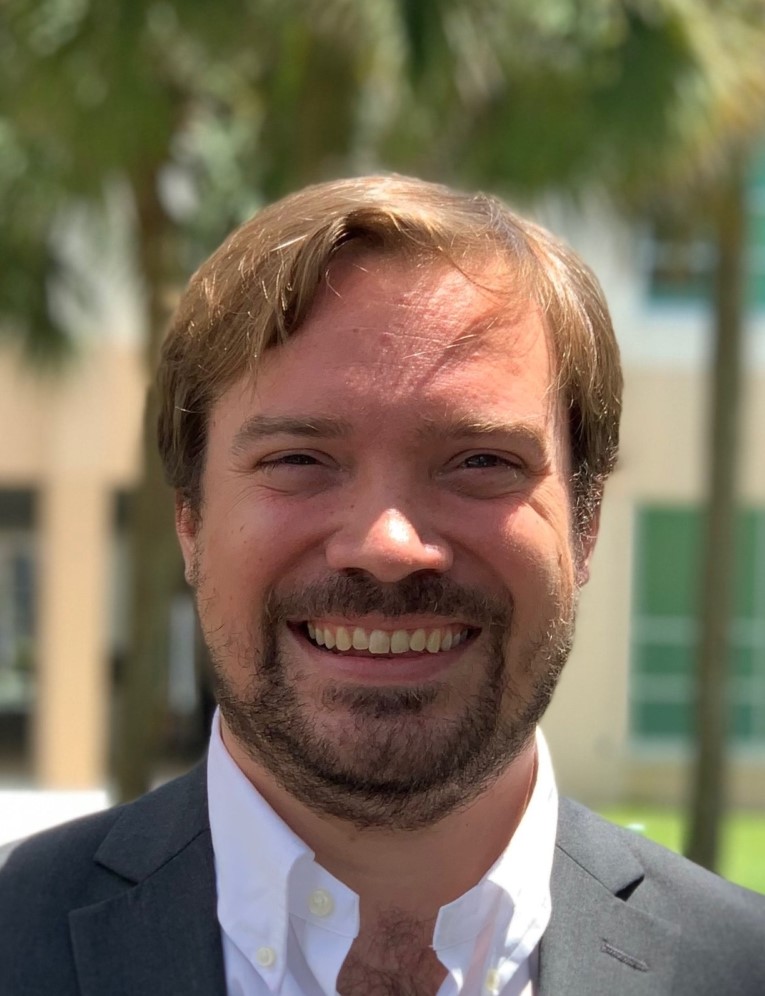
Dr. Ana Oprescu is a Visiting Professor at the Informatics Institute of the University of Amsterdam. Her research focuses on the intersection of software engineering, AI, energy efficiency, and data privacy, with particular emphasis on sustainable computing practices. University of Amsterdam, Faculty of Science Key Research Areas: Green software engineering for AI systems, energy-efficient code generation using Large Language Models, privacy-preserving machine learning techniques, and sustainable data processing methods. She actively explores trade-offs between energy consumption, data privacy, and algorithmic accuracy. Her recent publications demonstrate a strong focus on environmentally sustainable computing, with articles covering quantisation effects on AI energy consumption, k-anonymisation impacts on machine learning, and dynamic federated learning approaches. She has also contributed to educational initiatives in green software practices. Scientific Recognition: Recipient of VENI-2014 research grant Dr. Oprescu works at the intersection of software optimization, security, and sustainability, with a particular interest in microservice architectures, model-based testing, and energy-aware system design. She has published extensively on topics like energy-driven software engineering, code clone refactoring, and distributed tracing.
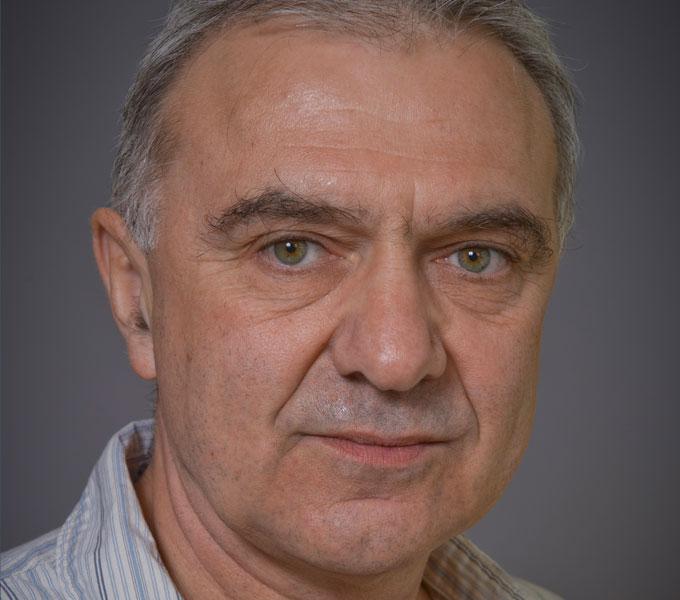
Iliya M Lefterov is a Research Professor in the Department of Environmental and Occupational Health at the University of Pittsburgh. He holds dual degrees: MD in General Medicine from the Medical Academy, Sofia, Bulgaria, and PhD in Molecular Biology & Genetics from the Medical Academy & Bulgarian Academy of Sciences. His research spans molecular techniques for prenatal diagnosis, positional cloning, and Medical Genetics education, with a primary focus on Alzheimer's disease mechanisms. Education : MD (Medical Academy, Sofia), PhD (Molecular Biology & Genetics, Sofia) His work investigates the interplay between APOE isoforms, TREM2, and microglial activation in Alzheimer's disease. Key areas include lipidomics, transcriptomics, and neuroinflammation. He has developed courses in Medical Genetics and contributed to understanding how nuclear receptors like LXR and RXR influence neurodegenerative processes. Recent publications highlight his expertise in gene-environment interactions, particularly analyzing how high-fat diets and traumatic brain injuries modulate Alzheimer's pathology in transgenic mouse models. His team employs advanced techniques such as RNA sequencing and gene co-expression networks to identify therapeutic targets. Scientific Awards : Fogarty International Foundation Research Grant He collaborates extensively with researchers like Radosveta Koldamova and Nicholas F. Fitz on grants related to neurodegeneration. His lab's findings on ABCA1 deficiency and RXR-controlled networks have advanced understanding of cognitive deficits and neuroprotective strategies.
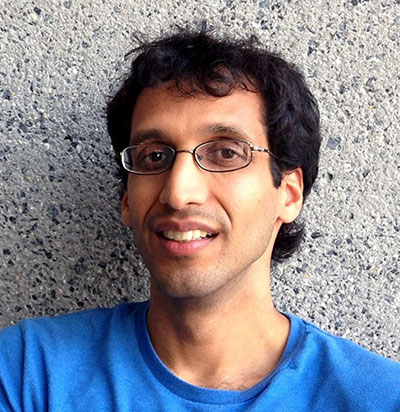
Arjun Raj is a Professor of Bioengineering in the School of Engineering and Applied Sciences and Professor of Genetics in the Perelman School of Medicine at the University of Pennsylvania. He holds the Richard K. Lubin Professorship and leads a research laboratory focused on quantitative molecular biology, particularly single-cell gene expression variability and its implications in cancer and development. His research interests include chromosome structure and gene expression, non-coding RNA, and global regulation of gene expression. The lab has pioneered quantitative single-molecule RNA detection techniques, such as RNA FISH, to study transcriptional bursting and cell-to-cell variability. Applications of this work span cancer biology, stem cell research, and developmental genetics. Recent publications (2023-2025) highlight a strong emphasis on spatial transcriptomics, lineage tracing, and therapy resistance in cancer. Key findings involve nuclear speckle regulation, innate immune memory, and the development of rapid diagnostic tools. The lab's interdisciplinary approach bridges fundamental mechanisms with clinical applications in melanoma and infectious diseases. Scientific Honors: Richard K. Lubin Professorship Professor Raj mentors a diverse group of students, including PhD candidates Miles Arnett and Gianna Busch, MD/PhD students Vinay Ayyappan, Ryan Boe, and Jessica Li, and undergraduate Caitlin Fagan. His lab fosters collaboration across biology, engineering, and clinical medicine to solve complex problems in cellular function. The Raj Lab, based in the Clinical Research Building, develops innovative tools like ClampFISH for amplified RNA detection and maintains an open-science ethos through shared resources. Their work on single-cell variability has led to significant insights into cancer drug resistance and developmental robustness.
Jan Kofroň is an Associate Professor in the Department of Distributed and Dependable Systems at the Faculty of Mathematics and Physics, Charles University in Prague, Czech Republic. His research focuses on program verification, static analysis, and software reliability. His educational background includes a Ph.D., as indicated by his title. He maintains an active research profile with numerous recent publications in top venues. Professor Kofroň's research interests span several key areas in software engineering and formal methods. He specializes in interpolation-based code model checking, static analysis of programs, system behavior models and verification, and programming language semantics. His work bridges theoretical foundations with practical applications in software development. His recent publications demonstrate strong focus on verification techniques for complex software systems, particularly in the areas of Horn clause solving, program comprehension using computational notebooks, and uncertainty-aware self-adaptive cyber-physical systems. His research shows consistent contributions to both theoretical foundations and practical applications of program analysis. Professor Kofroň actively leads and participates in multiple research projects including the current AIDE project (Advanced Analysis and Verification for Advanced Software) and past projects such as SNAPPY, ROBUST, Weverca, Q-ImPrESS, SOFA 2, and ASCENS. He teaches courses related to Java programming, Python programming, program semantics, and mobile devices programming. He maintains an open-door policy for student consultations, requesting students email him to arrange meetings rather than maintaining fixed office hours. His department maintains active GitHub presence, contributing to open-source projects related to software verification and analysis tools.
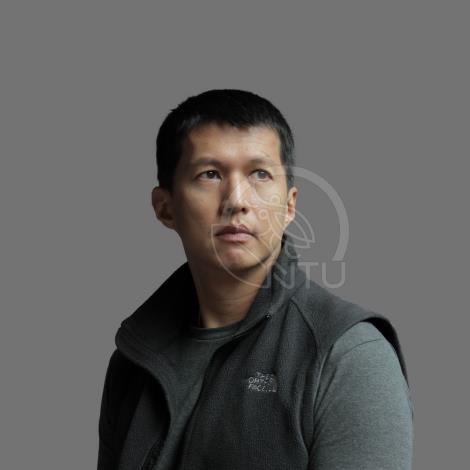
Professor Yueh-Lung Wu is a leading academic at the Department of Entomology, National Taiwan University. His research focuses on Insect Pathology, Insect Biotechnology, and RNA Interference (RNAi). He heads the Insect Pathology Laboratory, where his team investigates innovative pest control methods and bee health protection strategies. Ph.D. in Biotechnology, National Cheng Kung University (2008) M.S. in Life Science, National Central University (2001) B.S. in Forestry and Nature Conservation, Chinese Culture University (1999) His work explores miRNA applications in pest control, demonstrating how miRNAs can regulate viral infection cycles and enhance pest susceptibility to RNAi-based interventions. Additionally, his lab investigates histone deacetylase inhibitors (HDACi) to protect honeybees from pathogen-induced immune and neurological damage, showing that HDACi treatment increases gene expression related to immunity and memory, potentially benefiting the beekeeping industry. Recent publications highlight his expertise in RNAi efficiency for pest management, baculovirus engineering, and honeybee health. Collaborative studies with institutions like the University of Georgia and Academia Sinica underscore his interdisciplinary approach. Grants such as NSTC 111-2313-b-002-038-my3 and NSTC 110-2313-b-002-005 support his research. Professor Wu's lab, the Insect Pathology Laboratory, specializes in molecular mechanisms of host-parasite interactions, viral gene function, and epigenetic regulation in insect systems. His contributions extend to editorial roles in journals like Communications Biology and Scientific Reports .
John-Paul Ore is an Assistant Professor in the Department of Computer Science at North Carolina State University's College of Engineering. His research bridges software engineering and field robotics, with a focus on program analysis, system testing, and high-resolution physical simulators for robotics systems, particularly those built with the Robot Operating System (ROS). He develops software engineering methods that improve the dependability of robotics systems through techniques for dimensional analysis without developer annotations, open-source tools like PHYS, and public datasets documenting dimensional inconsistencies in real-world systems. His educational background includes a Ph.D. from the University of Nebraska-Lincoln (2019) and a B.A. in Philosophy from the University of Chicago. His interdisciplinary background informs his approach to combining software engineering with robotics to address challenges in reasoning about full-system behavior across multiple layers of abstraction. Ore's research interests center on applying program analysis techniques to software that controls robots and interacts with the physical world. His work includes abstract type inference of physical unit types (like 'meters-per-second'), probabilistic techniques for combining semantic information in identifiers with code flow inference, and empirical measurements of how developers make decisions about robotic software. He focuses on program analysis and software testing that enhances system safety and reliability while remaining practical and economically efficient. His research has significant applications in environmental monitoring, addressing climate challenges, food production, and liberating people from dangerous, dirty, and dull work. His publication record shows a clear trajectory from foundational work on dimensional analysis in robotics software to increasingly complex applications in environmental monitoring and autonomous systems. The most recent publications demonstrate expansion into Large Language Models for code analysis while maintaining focus on practical robotics applications. His research consistently addresses the critical gap between theoretical program analysis and practical robotics system development. Best Tool Demonstration Award, ISSTA'17 for Phriky-Units ACM SIGSOFT Travel Award ($300) Othmer Fellowship 2014-2018 ($8K/year) UNL CSE Outstanding Master's Thesis Award 2015 RSS 2013 Travel Grant ($500) Ore actively mentors students, having served as research mentor for undergraduates Becca Horzewski (2016-17) and Lambros Karkazis (2018). His research is supported by significant grants including FARM BILL: NRI: INT ($1,018,596 from NSF), SHF: SMALL ($499,994 from NSF), and North Carolina Space Grant ($5,000 from NASA). He is currently recruiting PhD students for his lab focused on robotics and software engineering. His laboratory work combines robotics, software engineering, and environmental monitoring, with projects including autonomous aerial water sampling systems, UAV-based environmental sensing, and tools for improving robotics software reliability. His team develops both theoretical approaches and practical implementations, often creating open-source tools that bridge the gap between academic research and industry applications.
Shichao Liu serves as an Adjunct Professor in the Surgery Department with Urology Division specialization, though his research focuses predominantly on fundamental developmental biology using porcine models. Holding both PhD and BS degrees from Northeast Agricultural University, his academic career bridges veterinary science and embryology despite the clinical departmental affiliation. PhD in Veterinary Science, Northeast Agricultural University BS in Veterinary Science, Northeast Agricultural University Dr. Liu's research centers on mammalian embryogenesis , particularly porcine early development and stem cell pluripotency . His work investigates transcription factor networks (CDX2/OCT4/SOX2), epigenetic regulation through non-coding RNAs, and species-specific trophectoderm lineage specification. Key methodologies include transcriptome analysis, gene manipulation in embryos, and cloning technologies, with significant contributions to understanding non-rodent embryonic models. Analysis of his 15 most recent publications (2014-2021) reveals three dominant research trajectories: (1) Transcriptional regulation of embryonic lineage commitment, (2) Epigenetic mechanisms in intergenerational inheritance via small RNAs, and (3) Technical optimization of porcine embryo culture and cloning. These studies consistently employ pig models to address fundamental questions in developmental biology that have implications for both agricultural biotechnology and comparative embryology.
Wayne Davis serves as a Research Associate Professor in the Department of Biology within the College of Science at the University of Utah. He maintains an active research profile through the Jorgensen Lab (http://jorgensen.biology.utah.edu/), focusing on molecular and cellular mechanisms using C. elegans as a primary model organism. His work bridges experimental biology with computational approaches to address fundamental questions in neurobiology and genetics. Dr. Davis's research spans molecular biology, neuroscience, biophysics, and advanced microscopy techniques. He investigates synaptic vesicle dynamics, ion channel function, and genetic engineering methodologies, with significant contributions to ultrafast endocytosis mechanisms and synapse morphometry. His expertise in electron microscopy and fluorescence imaging enables high-resolution analysis of neural circuits and cellular processes, particularly in C. elegans neuromuscular systems. Analysis of his recent publications reveals a strategic integration of computational tools with experimental biology. His development of software like ApE for plasmid editing and SEGUID for sequence validation demonstrates commitment to open-source scientific resources. Current work emphasizes CRISPR-based gene editing, single-molecule imaging innovations, and machine learning applications for deep-brain imaging, reflecting a trajectory toward increasingly sophisticated interdisciplinary approaches. The Jorgensen Lab, where Dr. Davis conducts his research, operates at the forefront of neurobiological investigation using C. elegans . The lab combines genetic manipulation, electrophysiology, and cutting-edge microscopy to study synaptic function and neural development, maintaining strong collaborative networks across molecular biology and neuroscience disciplines.
Dr. Shu-Yuan Yeh is a Professor in the Department of Urology at the University of Rochester School of Medicine and Dentistry. With over 78 peer-reviewed publications and 17 review articles, her research has significantly advanced our understanding of hormone receptor signaling in urological diseases. Her laboratory has pioneered innovative approaches using genetically engineered mouse models to study androgen and estrogen receptor functions. Dr. Yeh's educational background includes a PhD in Endocrinology/Molecular Oncology from the University of Wisconsin-Madison (1996), an MS in Biochemical Science from National Taiwan University (1991), and a BS in Medical Biotechnology/Immunology from National Taiwan University (1988). Her research program has been consistently funded by prestigious organizations including the National Cancer Institute and the Department of Defense. Her primary research focuses on the roles of estrogen receptor (ER) and androgen receptor (AR) in urological diseases, particularly prostate cancer, bladder cancer, benign prostatic hyperplasia (BPH), and male fertility. Dr. Yeh was the first scientist to clone AR-associated protein in 1996 and to create AR knockout (ARKO) mice using the cre-loxP strategy in 2002. Her lab has established genetically engineered ERalpha knockout (ERaKO) mice and identified new ER binding proteins and target genes involved in disease progression. Analysis of her recent publications reveals a strong emphasis on cancer stem cells, non-coding RNA regulation, and the tumor microenvironment's role in urological cancers. Her work demonstrates how hormone receptors interact with various signaling pathways to influence cancer progression, treatment resistance, and metastasis. She has made significant contributions to understanding how AR and ER signaling differs across tissue types and how this knowledge can be leveraged for therapeutic development. Dr. Yeh's scientific achievements have been recognized with numerous awards including multiple AUA Best Poster awards (2019, 2007), SBUR Best Poster award (2012), Outstanding Young Investigator Award (2001), NIH Postdoctoral Fellowship (1999), and multiple CaPCURE Research Awards (1995-1996). Her research has led to important patents, including the creation of female mice without androgen receptor, and has resulted in multiple book chapters on androgen and estrogen receptor functions in prostate development and cancer. Dr. Yeh continues to advance the field with innovative approaches to targeting hormone receptor signaling pathways for improved cancer treatment.
William Edward Hahn is an Associate Professor in the Department of Mathematics and Statistics at Florida Atlantic University (FAU), where he co-directs the Machine Perception and Cognitive Robotics Laboratory (MPCR) and the FAU AI Sandbox. His research bridges mathematical theory with practical AI applications across diverse domains including finance, healthcare, and robotics. Dr. Hahn's academic foundation: Ph.D. in Complex Systems, Florida Atlantic University (2016) B.S. in Physics and Mathematics, Guilford College (2008) His core research integrates: Compressed Sensing & Sparse Modeling : Developing efficient signal reconstruction algorithms with applications in medical imaging and data analysis. Deep Learning & Machine Learning : Creating neural network architectures for financial forecasting, drug discovery, and autonomous systems. Computer Vision & Computational Neuroscience : Modeling human perception through gait analysis and biomimetic systems. Analysis of his 2018-2022 publications reveals a strategic evolution from theoretical sparse coding to applied deep learning. Key trends include bio-inspired modular architectures for general learning, transformer networks for molecular binding prediction, and GANs for robotic telesurgery. His work consistently addresses real-world challenges in substance abuse monitoring, financial markets, and medical robotics through interdisciplinary approaches. As co-director of the MPCR Lab and FAU AI Sandbox, Dr. Hahn leads initiatives that merge cognitive science with machine perception, providing critical infrastructure for AI experimentation and education while advancing the frontiers of human-robot interaction and computational neuroscience.
Phillip Penix-Tadsen is an Associate Professor of Spanish and Latin American Studies at the University of Delaware's College of Arts & Sciences, Department of Languages, Literatures and Cultures. He co-founded the university's Game Studies and eSports program, blending his expertise in Latin American cultural studies with digital media analysis. Penix-Tadsen holds a Ph.D. from Columbia University, an M.A. from the University of Pennsylvania, and a B.A. from Ohio Wesleyan University. His research explores intersections between politics, economics, digital media, and visual culture in Latin America and the Global South. He authored Cultural Code: Video Games and Latin America (MIT Press, 2016) and edited Video Games and the Global South (ETC Press, 2019), pioneering cultural ludology to analyze video games as both cultural artifacts and mediums of expression. He regularly teaches courses on Latin American cultural studies and game studies, including 'Video Games and Latin American Culture.' His work has been featured in journals like Latin American Research Review and Feminist Media Histories , and he co-organizes academic panels on game studies at venues such as the Digital Games Research Association and Latin American Studies Association. Penix-Tadsen also translates scholarly works on Latin American art and culture for institutions like BOMB Magazine and the Americas Society. His recent publications (2020–2024) focus on video game piracy's historical impact, regional console development, and Latin American gaming demographics, reflecting his commitment to expanding interdisciplinary research at the intersection of culture and digital media. Education: Ph.D., Spanish, Columbia University M.A., Hispanic Studies, University of Pennsylvania B.A., Spanish and Women’s Studies, Ohio Wesleyan University Research Interests: His work combines Latin American cultural studies with game studies to examine how digital media shapes and reflects cultural narratives. Key themes include: Cultural Ludology: Analyzing games as cultural artifacts Regional Game Development: Latin America's contributions to global gaming Video Game Piracy: Historical and economic impacts Global South Perspectives: Recontextualizing media studies Gender and Gaming: Exploring representation and participation Academic Contributions: Penix-Tadsen's articles (2013–2024) consistently bridge cultural analysis with digital media, emphasizing Latin America's unique role in global gaming discourse. His work on clone consoles and piracy highlights overlooked technological histories, while recent studies on player demographics reveal regional gaming trends. He collaborates internationally, lecturing at institutions in Peru, Mexico, and across the U.S. His co-founded Game Studies program reflects his vision of integrating gaming into academic curricula.
Dr. Brett Stringer is a Research Fellow at the School of Environment and Science - Bioscience, Griffith University, affiliated with the Institute for Biomedicine and Glycomics. His research focuses on cancer cell biology, neurodegeneration, and glioblastoma treatment, leveraging zebrafish models and advanced imaging techniques like MRI. He explores RNA biology, particularly circular RNAs, and their roles in oncogenesis and neurological disorders. Recent work includes developing nanoparticle-based glioblastoma diagnostics, optimizing drug combinations for cancer therapy, and characterizing novel therapeutic targets. Dr. Stringer collaborates on interdisciplinary projects addressing glioblastoma plasticity, drug resistance mechanisms, and childhood cancer cell line atlases. He currently supervises five doctoral students investigating neurodegenerative models, neurexin biology, and zebrafish-based ALS/MND research. His work aligns with the UN Sustainable Development Goal 3 (Good Health and Well-Being), emphasizing translational applications for clinical impact. Key research themes include tumor heterogeneity, cell signaling pathways (e.g., STAT3, ATR), and the interplay between the tumor microenvironment and treatment efficacy. His publications span high-impact journals in oncology, neuroscience, and molecular biology, reflecting contributions to both fundamental and applied biomedical research.
Safwat Hassan is an Assistant Professor at the University of Toronto's Faculty of Information . He holds a PhD from Queen’s University and has over a decade of industry experience in software engineering roles at companies like the Egyptian Space Agency, Hewlett Packard, Vodafone, and Etisalat. His research focuses on analyzing mobile apps, user-developer interactions, and improving app store quality through techniques like review analysis and release engineering. Education: PhD (Software Analysis and Intelligence Lab, Queen’s University), MSc & BSc (Helwan University). Certifications include Sun Certified Java Programmer and OMG-Certified UML Professional. Research interests span Artificial Intelligence , Mobile Computing , Software Engineering , and User-Centric Design . Recent work explores Large Language Model (LLM) applications in mobile apps, performance bug prediction, and competitive analysis of app features. Current teaching includes INF1341H: System Analysis and Process Innovation. Supervises graduate students Sara Ibrahim Al Hajj Ibrahim and Buthayna AlMulla. Active in open-source Android analysis and CI/CD configuration studies.
Önder Babur is a University Researcher at Eindhoven University of Technology in the Department of Mathematics and Computer Science, specializing in Software Engineering and Technology. His research focuses on software analytics, model-driven engineering, and machine learning applications in software development. Research interests span clone detection, analytical modeling, and information retrieval systems. His work integrates deep learning techniques to advance software development processes and source code analysis. Publications demonstrate strong focus on empirical software engineering, with recent trends showing applications in energy systems, digital twins, and cyber-physical systems. Research consistently incorporates machine learning methodologies across domains. Research Output (2023-2025): 8 journal articles on software analytics and ML applications 7 conference contributions on model-driven engineering 3 datasets related to computational modeling
Loek G.W.A. Cleophas is an Assistant Professor in Engineering of Software-Intensive Systems at Eindhoven University of Technology (TU/e), affiliated with the Mathematics and Computer Science department. He holds an Extraordinary Associate Professorship at Stellenbosch University and has held visiting roles at TU Braunschweig (2016-2017) and Umeå University (2014-2016). His academic career includes industry collaborations with ASML and Canon, and leadership as Managing Director of the Dutch research school for Programming and Algorithmics (IPrA). Education: Both his MSc (with honors) and PhD in Computer Science and Engineering were obtained at TU/e. His research focuses on model-driven software engineering (MDSE) and algorithm engineering, with emphasis on pattern matching using finite automata and parallel processing for large datasets. Recent work includes model repository analytics, digital twin systems, and variability analysis in software product lines. Research Trends: Over 129 publications span topics like SAMOS framework for model analytics, VPDSL domain-specific languages, and taxonomy-based algorithm toolkits. His work bridges theoretical foundations with industrial applications in high-tech systems. Advising: Supervised 27 postgraduate students at Stellenbosch and TU/e. Grants/Projects: Led collaborations with ASML on model-driven virtualization, and organized international workshops like AMMoRe (2018-2020). Labs/Tools: Developed SAMOS framework for model analytics and LaMa web application for thematic labeling. Active in open-source tool development for correctness-by-construction methodologies.