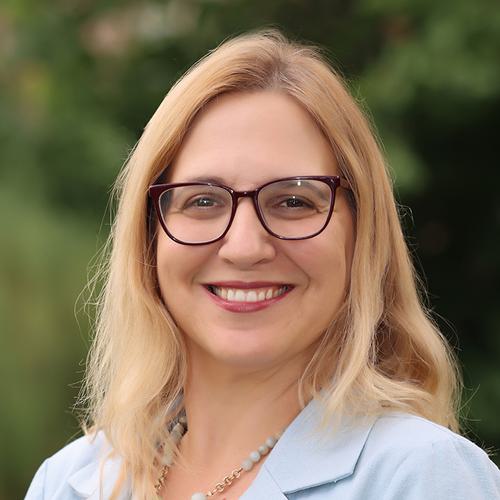
Verena Siewers is a Research Professor at the Department of Biology and Biological Engineering, Chalmers University of Technology. Her work focuses on synthetic biology and metabolic engineering of yeast cell factories for producing biofuels, pharmaceuticals, nutraceuticals, and bioplastics, with particular emphasis on developing biosensor tools for pathway optimization. Key research themes: yeast-based biosensors, lipid metabolism engineering, CRISPRi/a applications, and dynamic gene regulation Notable projects include: Development of acetic acid tolerance mechanisms Optimization of fatty acid ethyl esters production Engineering phosphoketolase pathways for acetyl-CoA overproduction Her recent articles reveal trends in: CRISPR-mediated pathway engineering Stress response transcriptional profiling Heterologous plant gene expression in yeast Promoter and transcription factor engineering Funding sources: VINNOVA Novo Nordisk Foundation Carl Tryggers Stiftelse EU Horizon grants Swedish Research Council (VR) Formas
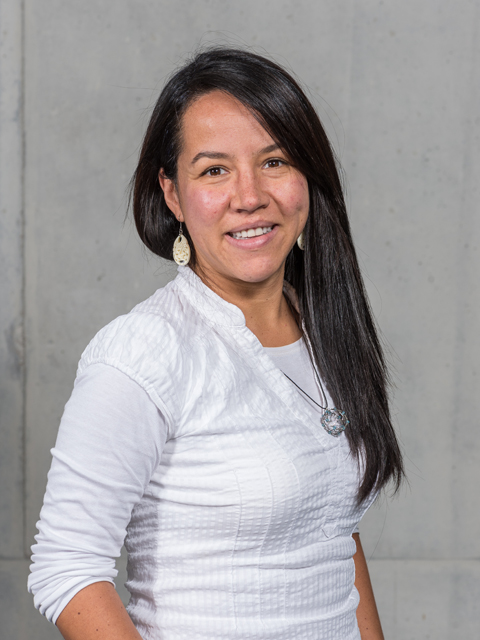
Dr. Philipp Horn is a Senior Lecturer in the Department of Urban Studies and Planning at the University of Sheffield, UK. He holds a BA in Politics and Economics from the University of Mannheim, an MA in Development Studies from the University of Manchester, and a PhD in Planning (2015) from the University of Manchester. Research focus on inclusive urban development planning in the Global South Regional expertise in Latin America with Bolivian-Ecuadorian case studies Key methodological approaches: Interdisciplinary fieldwork, Participatory Planning, and Policy Analysis His research agenda explores: Urban Indigeneity – analyzing indigenous peoples' integration into urban citizenship frameworks Citizen-Led Planning – investigating participatory approaches for marginalized communities Land Rights Conflicts – examining peri-urban territorial struggles SDG Implementation – assessing sustainable development goal localization Publications demonstrate consistent engagement with Latin American urban dynamics , including: 12+ peer-reviewed articles/journals since 2009 2 monographs on urban indigenous rights (Routledge, 2019) and informality (Bristol UP, 2024) 6 edited book contributions (2018-2023) 4 working papers on participatory planning in Africa/Asia
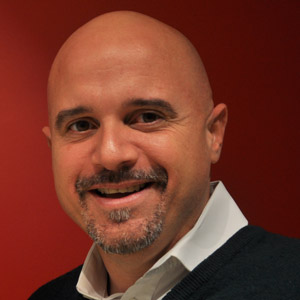
Dimitris Papanikolaou serves as the John L. & Helen Kellogg Professor of Finance at Northwestern University's Kellogg School of Management and is a Research Associate of the National Bureau of Economic Research (NBER). His research critically examines the nexus between technological innovation and financial markets, with recent contributions spanning intangible capital measurement, innovation's impact on labor dynamics, executive markets, and financial frictions. Education: PhD in Financial Economics, Massachusetts Institute of Technology (2007) MS in Finance and Economics, London School of Economics (2001) BA in Economics and Finance, University of Piraeus (2000) Papanikolaou's research program centers on Asset Pricing , Macroeconomics , Innovation , Economic Growth , and Intangible Capital . He pioneers methodologies for quantifying innovation through textual analysis of patents while investigating how technological advances reshape financial markets and labor outcomes. His work reveals critical insights into human capital displacement, the economic value of intangibles, and the causal mechanisms linking financial constraints to innovation efficiency, employing rigorous empirical designs including natural experiments and administrative datasets. Analysis of his recent publications shows a pronounced interdisciplinary trajectory, merging finance, labor economics, and innovation studies through cutting-edge techniques like NLP and big data analytics. Key thematic clusters include AI's labor market effects (examining task exposure and wage dynamics), creative destruction measurement (using text-based innovation displacement metrics), and intangible capital's macroeconomic role (exploring firm scope, concentration, and growth implications). These works consistently establish causal relationships through exogenous variation in innovation shocks and patent data. Scientific recognition includes: Kellogg Research Mentorship Award Best Paper Award, London Business School Finance Symposium (2018) Best Paper Award, Red Rock Finance Conference (2017) Crowell Memorial Prize (second place), Panagora Asset Management Amundi Smith Breeden Prize, American Finance Association (2014 and 2013) Roger F. Murray Prize (second place), The Q Group (2011) As Co-Editor of the Journal of Financial Economics and former editorial board member for Management Science, the Journal of Finance, and the Review of Financial Studies, Papanikolaou shapes scholarly discourse in finance. His mentorship excellence—recognized by the Kellogg Research Mentorship Award—demonstrates commitment to developing next-generation scholars, though specific grant details remain undisclosed in available materials. Collaborative research networks with leading economists like Kogan, Schmidt, and Eisfeldt drive his high-impact publications. Papanikolaou's research ecosystem involves extensive collaboration with interdisciplinary teams leveraging computational methods for innovation measurement. Current projects focus on AI-labor market interactions and intangible capital dynamics, often utilizing proprietary patent datasets and administrative worker records to generate policy-relevant insights about technological disruption and market efficiency.
Stacey A. Langwick is a cultural and medical anthropologist at Cornell University , where she holds a joint position in the Department of Anthropology and Science and Technology Studies . An active member of Cornell's Global Health Program and Feminist, Gender and Sexuality Studies Program , she leads the Qualities of Life working group at the Einaudi Center while co-organizing the Ecological Learning Collaboratory and Translating Vitalities international collective. Education : PhD in Anthropology (UNC Chapel Hill) Master of Public Health (UNC Chapel Hill) Bachelor of Arts (Agnes Scott College) Her groundbreaking research examines healing practices in East Africa, particularly Tanzania, focusing on toxicity , ontological politics , and plant-based sovereignty . Through ethnographic studies of dawa lishe (nutritious medicine) and mlonge tree therapies, she challenges conventional boundaries between food/medicine, traditional/modern, and human/non-human. Current publications like " Properties of (Dis)Possession " (2021) and " Groundwork for Planetary Health " (2022) reveal how Tanzanian healers navigate neoliberal restructuring while cultivating postcolonial knowledge production . Earlier works including " Bodies, Politics and African Healing " (2011) established her as a leading voice in medical anthropology's ontological turn. Major Awards : Mellon Foundation New Directions Fellowship Multiple grants from NSF, Wenner-Gren, and Fulbright Langwick actively bridges art and anthropology through the Johnson Art Museum collaboration and Moshi medical school garden project. She mentors medical students in Tanzania while co-leading the Uzima Collective , a transnational group of scholars, clinicians, and artists reimagining 21st-century medicine.
Orit Shaer is a Professor and co-Chair of Computer Science at Wellesley College , where she founded and directs the Human-Computer Interaction (HCI) Lab . Her work bridges tangible interaction, human-AI collaboration, and mixed-reality interfaces, focusing on transforming work and learning environments through embodied technologies. Education : B.A. from Academic College of Tel-Aviv, M.S. and Ph.D. in Computer Science from Tufts University Research interests center on novel human-computer interaction paradigms : Human-AI collaboration frameworks Tangible and embodied interface design Mixed-reality applications for productivity Genomics collaboration tools STEAM education technologies Recent publications highlight human-AI co-creation (CHI 2024), temporal dynamics in automated work (CHIWork 2024), and pandemic-era remote interaction studies (IEEE Pervasive Computing 2021). Awarded: NSF CAREER Award Agilent Technologies Research Award Google App Engine Education Award Pinanski Prize for Excellent Teaching Best Paper Honorable Mention (ACM CHI 2014) Honorable Mention (CHIWork 2022) She co-founded the international CHIWork Symposium and chairs the ACM TEI conference. Her NSF IRES grant (2022) supports US-German collaboration on human-automation interaction.
Harpa Birgisdottir is a Professor and Head of the Building Sustainability Section at Aalborg University's Department of Construction, Urban and Environmental Engineering. Her work focuses on Life Cycle Assessment (LCA), net-zero carbon buildings, and circular economy strategies in construction. Key Research Areas: Greenhouse Gas Emissions, Environmental Product Declarations (EPD), Urban Development, and Climate Mitigation Academic Recognition: 2022 Best Paper at Sustainable Built Environment, 2020 Applied Energy Highly Cited Award Research Trends Recent publications emphasize data-driven sustainability assessments, embodied carbon in buildings, and fire safety LCA tools. She leads EU-wide projects on greenhouse gas emissions and co-develops frameworks for net-zero carbon buildings through IEA EBC Annex 89. Scientific Awards Best Paper (Sustainable Built Environment Berlin 2022) Highly Cited Research Paper (Applied Energy 2020) Det Bæredygtige Element - Produktprisen (2019) ROCKWOOL Prisen (2017) Best Paper (2013) As a principal investigator and supervisor, she guides PhD projects on biobased fire safety and urban circularity. Her team collaborates with international researchers on climate impact metrics and sustainable construction standards.
Dr Carolina Escobar-Tello is a Senior Lecturer and Postgraduate Year Tutor in the Design School at Loughborough University, part of the School of Design and Creative Arts. She holds a PhD in 'Design for Happiness' from Loughborough University (2010) and has professional experience across government and industry, including DEFRA and UNICEF. Her research focuses on sustainability, happiness, and wellbeing, with a particular emphasis on social innovation and systemic approaches to design. Education: MSc Sustainable Product Design (Distinction, Bournemouth University), BA (Hons) Industrial Design (Universidad de Los Andes, Colombia). She co-leads the Design Research Society’s Sustainability Special Interest Group (SustainabilitySIG) and founded Riant by Design, a company promoting sustainable and happier lifestyles through design frameworks. In 2013, she won the HE Social Entrepreneurship Award for her 'Design for Happiness' toolkit. Her work bridges academia and industry, emphasizing participatory methods and cultural contexts in design. Research areas include decolonial design, healthcare systems, art therapy techniques for wellbeing, and service design for marginalized communities. She currently supervises four PhD students exploring sustainable societies and social innovation. Grants & Projects: Funded research on textile artisan communities, healthcare systems, and cultural contexts in service design. Labs/Teams: Co-leads SustainabilitySIG; collaborates with Riant by Design.
Dr. Salvador Vidal-Ortiz is a Professor of Sociology at American University, specializing in Race/Ethnic Studies, Queer Theory, and Transgender Studies. He holds a PhD from The Graduate Center, CUNY, and has taught globally, including at the University of Colorado Boulder and Universidad de Los Andes (Colombia). His research focuses on racialized sexualities, migration, and LGBTQ+ inclusion. He has received numerous awards, including the ASA Sociology of Sexualities Section’s Best Article Honorable Mention (2022) and the Ruth Benedict Book Prize (2016). Vidal-Ortiz co-edited award-winning works like Queer Brown Voices and The Sexuality of Migration , and led initiatives such as the ASA Sexualities Section Pre-conference on 'Sexualities, Race, and Empire.' He has held distinguished visiting roles at institutions like Michigan State University and University at Buffalo. Research Interests: Primary areas include Race/Ethnic Studies, Puerto Rican and Latino Studies, Racialized Sexualities, and Queer Theory. Secondary focuses include migration, religion, and applied research. He actively contributes to academic leadership, serving as Chair of the ASA Latina/o Sociology section and editorial board member of journals like TSQ: Transgender Studies Quarterly . Grants & Community Work: His Fulbright-funded research explores LGBT displacement in Bogotá. He collaborates with groups like Different Avenues and the Latino GLBT History Project. Media engagements include radio discussions on Latin American LGBTQ+ issues and op-eds on 'Dismantling Whiteness in Academe.' Teaching: Courses include 'Race, Racialization and Power' and 'Intersectionality: Theory/Prac.' He emphasizes decolonizing curricula and queer pedagogy, as seen in his 2021 Teaching Sociology article.
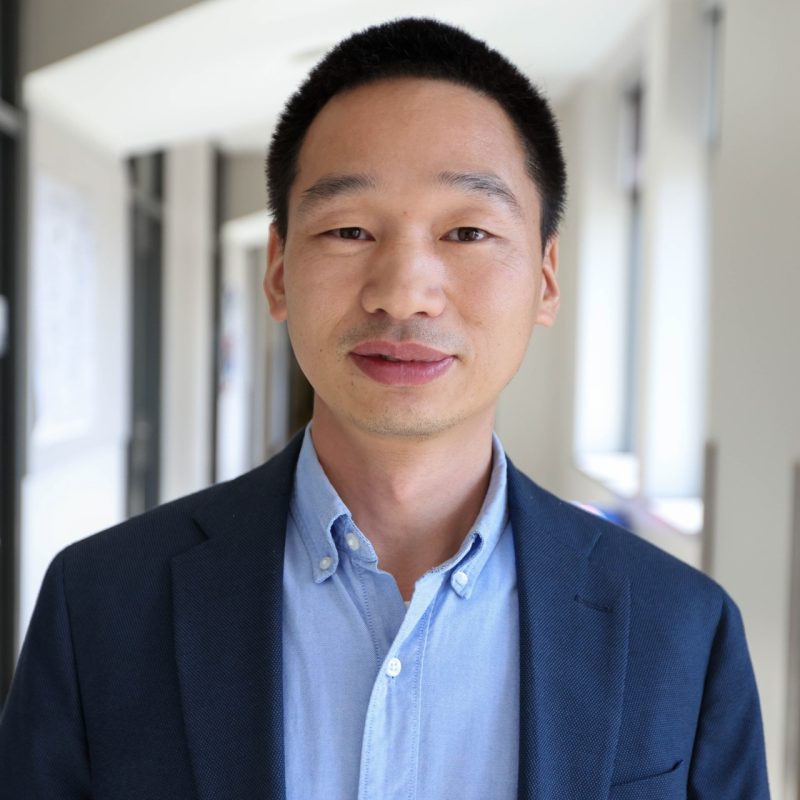
Professor Yun Wang is a Full Professor at Griffith University's School of Environment and Science (Chemistry and Forensic Science), affiliated with the Centre for Catalysis and Clean Energy and the Environmental Futures Research Institute. His research focuses on computational materials design for energy conversion, catalysis, and renewable energy applications, particularly addressing interface-related challenges in electrochemical and photocatalytic systems. He earned his PhD from Fudan University and completed postdoctoral training at the University of Texas at Austin and the University of Sydney. Education: PhD in Chemistry, Fudan University (2002) BSc in Chemistry, Fudan University (1997) Research Interests: Dr. Wang's work emphasizes multi-scale computational methods to study materials properties, surface/interface science, and reaction mechanisms. His group develops data-driven models to enhance energy device performance, including batteries, solar cells, and electrocatalytic systems. Recent projects involve MXenes, perovskite solar cells, and nanoscale zero-valent iron for environmental remediation. Publications & Trends: His most cited works address electrocatalysis, energy storage materials, and environmental applications of nanomaterials. Recent articles highlight advancements in sodium-ion battery electrolytes, CO₂ reduction catalysts, and advanced photocatalytic systems. Awards: Fellow of the Royal Society of Chemistry Grants: Over A$1.5M in funding from ARC, CSIRO, and industry partnerships for catalysis, clean energy, and materials design projects. Teaching: Convenor of Chemistry I, Environmental Chemistry, and Analytical Chemistry courses, emphasizing research-integrated curricula. Labs/Teams: Leads the Catalysis and Clean Energy group, collaborating with the Environmental Futures Research Institute and international partners.
Guoliang (Greg) Liu is a Professor in the Department of Chemistry at Virginia Tech's College of Science. His research focuses on transforming plastic waste into high-value chemicals and materials through innovative chemical processes. He leads the Liu Group, which has pioneered methods to upcycle polystyrene into benzene and polyolefins into surfactants. Key contributions include developing ultra-strong polymer-graphene membranes and hierarchically structured carbon fibers for energy storage and environmental applications. Education: B.S. Chemical Engineering, Zhejiang University, 2005 Ph.D. Chemical Engineering, University of Wisconsin-Madison, 2011 Postdoctoral Associate, Northwestern University, 2011–2014 Research Interests: Plastic Waste Upcycling Advanced Materials Design Nanoporous Carbon Fibers Energy-Efficient Membranes Industrial Sustainability Notable Achievements: Developed scalable plastic-to-chemical conversion processes featured in Nature Sustainability and Science . Created graphene-polymer bilayer membranes with 10x energy efficiency gains in acoustic speakers. Pioneered block copolymer-derived carbon fibers for batteries, water treatment, and catalysis. Awards: NSF CAREER Award (2018–2023) AFOSR Young Investigator Award (2017–2020) Virginia Tech Inventor of the Month (2017) Over a dozen early-career recognitions in materials and chemical engineering. Grants & Collaborations: Lead PI on $800k NSF grant for plastic upcycling research. Industry partnerships for commercializing sustainable materials. Co-founded a startup to deploy plastic-to-chemical technologies. Labs & Teams: The Liu Group operates a cross-disciplinary lab at Virginia Tech's Blacksburg campus, focusing on scalable chemical processes and advanced materials fabrication. Current projects include: Plastic-to-fuel conversion systems Nanoporous carbon fiber composites Graphene-enhanced acoustic devices
James R. Perkins is an Associate Professor in the Department of Manufacturing Engineering at Boston University's College of Engineering. His primary affiliations span the Mechanical Engineering, Product Design & Manufacturing, and Systems Engineering departments as both primary and affiliated faculty within the university's academic structure. Education: B.A. in Engineering Science from Harvard University (June 1986) M.S. in Electrical Engineering from University of Illinois at Urbana-Champaign (January 1990) Ph.D. in Electrical Engineering from University of Illinois at Urbana-Champaign (October 1993) Professor Perkins' research focuses on systems engineering with emphases on control, decision analysis, and scheduling theory. As a member of the Boston University Operations Research and Manufacturing Systems group, his work spans real-time scheduling and control of manufacturing systems, supply chain management, resource pricing and congestion control in communications networks, and scheduling human resources in transportation systems and product development. Current projects include synchronization and scheduling of manufacturing systems, data mining and clustering in genetic networks, and analytical solutions of controlled queueing networks. His manufacturing-related research is performed in the Production Control of Manufacturing Systems (PCMS) Laboratory at Boston University. Analysis of Professor Perkins' publication record reveals strong trends in manufacturing systems optimization, with particular emphasis on scheduling algorithms, production control, and resource allocation. His work bridges theoretical operations research with practical applications across manufacturing, communications networks, and product development. Over the past two decades, his research has evolved from fundamental control theory in manufacturing systems to more complex applications involving wireless networks, supply chain management, and new product development, demonstrating remarkable adaptability and interdisciplinary reach. Scientific Awards: NSF Research Initiation Award (1994-1998) IBM Manufacturing Research Graduate Fellowship (1989-1991) John Harvard Scholarship (1985-1986) Harvard College Scholarship (1984-1985) Professor Perkins has served as Principal Investigator for several significant research projects, including "Efficient Control of Manufacturing Systems with Buffer Costs" (NSF Research Initiation Award, 1994-1998) and "Managing the New Product Development Portfolio and Pipeline: An Integrated Approach" (NSF, 1999-2001). He was also Principal Director of a Graduate Assistance in Areas of National Need (GAANN) Award from the Department of Education (1997-2000) and Co-Principal Investigator on projects with Nokia Research Center and NSF. His teaching portfolio includes advanced courses in scheduling models, engineering mathematics, production systems analysis, and statistics and quality engineering, where he has developed new curriculum for specialized topics. Professor Perkins conducts his manufacturing-related research in the Production Control of Manufacturing Systems (PCMS) Laboratory at Boston University. His work often involves collaboration with colleagues such as Professor R. Srikant and Professor P. R. Kumar from the University of Illinois. His research group focuses on developing theoretical frameworks and practical solutions for complex scheduling and control problems across various domains including manufacturing, communications, and transportation systems, with an emphasis on mathematical rigor and real-world applicability.
Abdelhamid Sayari is a Full Professor in the Department of Chemistry and Biomolecular Sciences at the University of Ottawa , leading a research program focused on porous materials and CO₂ capture. His work bridges inorganic chemistry, materials science, and environmental catalysis, with an emphasis on designing stable and efficient adsorbents for greenhouse gas mitigation. His research interests include: Functionalization of mesoporous silica and hybrid materials Heterogeneous catalysis for organic synthesis and environmental remediation CO₂ capture via amine-functionalized adsorbents Gas separation technologies Hydrothermal stability of materials Recent studies highlight advancements in amine-stabilized CO₂ adsorbents, humidity-dependent adsorption mechanisms, and theoretical modeling of reaction pathways. His work addresses critical challenges in mitigating greenhouse gases while advancing sustainable materials design. Despite no listed awards, his contributions to CO₂ capture technology are widely recognized in the field. He leads a research team focused on translating material innovations into practical solutions for environmental challenges.
Johannes Platschek is a full professor at the Ludwig Maximilian University of Munich , holding the Chair of Roman Law, Ancient Legal History and Civil Law . His academic career spans multiple institutions, including the Universities of Göttingen and Vienna. Research Interests : Roman law, ancient legal history, private law, papyrus research, and legal philology. Teaching : Courses on Roman private law, legal history, and civil law foundations. Publications focus on Roman legal doctrines, procedural law, contractual obligations, and comparative studies with modern German law. Key topics include actio Publiciana , condictio , and Hellenistic credit systems. Editorial Roles : Co-editor of the Handbook of Roman Private Law and Humans and Law: Case Studies on Legal Issues , among others. He contributes to series like Munich Contributions to Papyrus Research .
Daniela Ghio is Lecturer in Psychology at the University of Manchester's Division of Psychology and Mental Health. A chartered psychologist with PhD in Clinical and Health Psychology, her research develops digital interventions for chronic conditions across the lifespan, with special focus on paediatric psychology. Research spans: Digital health interventions for chronic illness Self-management of long-term conditions Paediatric pain perception Behaviour change methodologies Co-production of healthcare research Publication analysis reveals three core themes: Paediatric chronic pain mechanisms and management Parental experiences of childhood illness Digital intervention development for dermatological conditions Awards: None reported Research involvement includes the Manchester Centre for Health Psychology and national NIHR projects. Activities demonstrate commitment to knowledge translation and public engagement.
Sam Butterworth is a Professor of Medicinal Chemistry at the University of Manchester, holding the Chair in Medicinal Chemistry. Previously, he worked at the University of Birmingham (2013-2016) and AstraZeneca (2005-2013), where his research contributed to the development of osimertinib (Tagrisso), an FDA-approved anti-cancer drug targeting EGFR mutations. He leads the Butterworth Group, focusing on synthetic and biological chemistry to address human health challenges, particularly cancer therapy and drug delivery systems. Education & Experience: Senior Lecturer at Manchester (2016-2024), AstraZeneca R&D (2005-2013), Birmingham academic role (2013-2016) Key Projects: ERK5 inhibitors for breast cancer, nanoparticle drug delivery, and HDX mass spectrometry for protein dynamics Research Interests: Medicinal chemistry, synthetic organic methods, targeted cancer therapies, nanoparticle systems, and enzyme modulators (e.g., NAMPT). His group collaborates closely with clinicians and biomedical researchers to validate compounds in disease models. Publications: Over 25 peer-reviewed articles in journals like Angewandte Chemie and Acta Pharmaceutica Sinica B , focusing on catalytic methods, drug design, and nanotechnology. Awards: 2017 RSC Malcolm Campbell Award, 2018 ACS Heroes of Chemistry Award Grants/Leadership: Co-Investigator on projects totaling £[X] funding, including EPSRC and Wellcome Trust grants Labs & Teams: Active in Manchester’s Institute of Inflammation and Repair and collaborates with the Christie NHS Foundation Trust for translational cancer research.