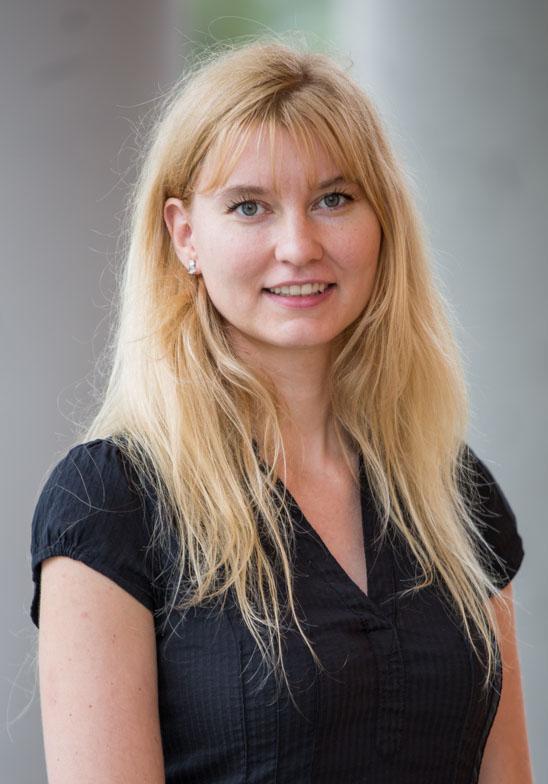
Niloofar Vaghefi is a Senior Lecturer at the University of Melbourne and an Adjunct Associate Professor at the Centre for Crop Health (CCH), University of Southern Queensland (UniSQ). Her research focuses on Plant Pathology, Population Genetics, Genomics, Mycology, and Crop and Pasture Protection. Professional Memberships: American Phytopathological Society (APS), Australasian Plant Pathology Society (APPS), APPS-Qld Organizing Committee, National Plant Biosecurity Diagnostic Network (NPBDN), Society for Molecular Biology and Evolution (SMBE). Her work investigates fungal and bacterial pathogens affecting legumes (mungbean, chickpea, soybean) and cereals (barley, sorghum). Key studies include Macrophomina species genomics, Curtobacterium flaccumfaciens pv. flaccumfaciens plasmid dynamics, and Cercospora beticola fungicide resistance mechanisms. She employs multi-locus phylogenies, whole-genome sequencing, and GWAS to understand pathogen evolution and disease management. Scientific Awards: Excellence in Early Career Research Award (2019), Publication Awards (2014, 2019), Australian Pathogen Bioinformatics Symposium Student Award (2014), Alton Gould Edmonds Travel Scholarship (2014).
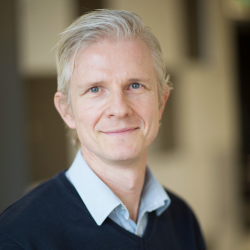
Linus Schumacher is a Chancellor's Fellow (tenure track) at the Centre for Regenerative Medicine, University of Edinburgh, where he leads a research group focused on computational tissue dynamics since 2018. His work bridges mathematical modeling and biological systems to understand cellular interactions in development and regeneration. His research interests center on how cellular communities coordinate behavior in tissues, with specific focus on stem cell dynamics during embryonic development and adult tissue regeneration. He employs mathematical models including birth-death processes, regulatory interaction models, and machine learning approaches to analyze experimental data from various biological systems. His recent publications demonstrate strong trends in applying computational methods to understand clonal dynamics in aging blood, spermatogenesis regulation, and pancreatic islet behavior for diabetes treatment. His work increasingly focuses on human tissue samples and organoid models to enhance clinical relevance. University of Edinburgh Chancellor's Fellowship Academy of Medical Sciences Springboard Award EPSRC Doctoral Prize Wellcome Trust Institutional Strategic Support Fund Dr. Schumacher actively supervises multiple PhD students working on projects ranging from clonal hematopoiesis to pancreatic islet modeling. His collaborative work spans multiple institutions including Mayo Clinic, King's College London, and University College London, with significant funding from Wellcome Trust and Medical Research Council programs. His research group operates within the Centre for Engineering Biology and Centre for Statistics at the University of Edinburgh, reflecting the interdisciplinary nature of his work.
Benedetta Chiancone is an Associate Professor at the Department of Food Science, University of Parma (Italy), where she has been employed since 2014. She previously served at the University of Palermo as the head of the Biotechnology Laboratory (2000-2014). Her academic credentials include a PhD in Horticulture (2004) and a summa cum laude degree in Agricultural Science (1999), both from the University of Palermo. Research Focus: Her primary expertise lies in plant biotechnology, specializing in in vitro techniques for Mediterranean fruit crops. Key research domains include: gametic and somatic embryogenesis in citrus and olive; micropropagation and synthetic seed technology; hop ( Humulus lupulus ) physiology and biochemistry; and postharvest technology of horticultural products. Recent work explores bioactive compound extraction from vitro-derived plants and agricultural by-product valorization. Publication Analysis: Her 15 most recent publications (2016-2025) demonstrate a strong focus on hop biotechnology, including propagation optimization, chemical profiling, and food applications. Secondary themes include citrus embryogenesis and sustainable food processing. Methodologically, her work emphasizes in vitro techniques, genetic characterization, and biochemical analysis. Awards & Recognition: L'Oréal Italia for Women in Science Fellowship (2004) Multiple postdoctoral fellowships from the Italian Ministry of University (2005-2014) Supervision & Training: Mentored over 20 graduate theses, 8 PhD students (4 international), and hosted 9 visiting researchers. Currently teaches courses in Plant Production and Postharvest Physiology. Secured research funding for projects on citrus breeding and propagation. Laboratory Leadership: Established and managed the Biotechnology Laboratory at the University of Palermo (2000-2014), developing expertise in tissue culture and molecular techniques for fruit crops.
Juan Blanco Rodriguez is an Associate Lecturer in the Department of Cellular Biology, Physiology, and Immunology at the Autonomous University of Barcelona (UAB). He leads the Genetics and Male Fertility Group, focusing on male infertility through genetic, chromosomal, and environmental research. His work includes identifying genetic biomarkers, studying chromosomal territoriality in germ cells, and investigating environmental pollutants' impact on fertility. He teaches Reproductive Genetics and coordinates a Master’s program in Biology of Reproduction and Assisted Reproductive Techniques. Education: Ph.D. in Cell Biology (UAB, 2001), Degree in Biology (UAB, 1994) Research Output: 106 publications, 2891 citations, h-index 34 Research interests span three areas: genetic biomarkers for infertility, chromosomal dynamics in spermatogenesis, and environmental factors affecting fertility. Notable projects include studies on nanoplastics, nut consumption effects on semen quality, and collaborations with Barcelona clinics like Dexeus Mujer. He leads grants funded by the Ministry of Health and UAB, and serves on editorial boards and professional associations such as the European Cytogeneticists Association (ECA).
Dr. Amnon Buxboim is an Assistant Professor at the Hebrew University of Jerusalem, affiliated with the Alexander Grass Center for Bioengineering and the Department of Cell and Developmental Biology. His research focuses on mechanobiology, particularly the roles of mechanical forces in stem cell differentiation, nuclear mechanics, and embryo development. He leads the Buxboim Lab, which combines single-cell genomics, microrheology, and AI to study mechanotransduction in contexts like preimplantation embryos and inflammation. Key achievements include securing an ERC Starting Grant (2015) for bovine reproduction mechanobiology and developing novel technologies like the MechanoSCOPE for in situ embryo mechanics analysis. His lab trains students in biology, bioengineering, physics, and computer science, collaborating with clinicians for translational impact. Notable students include Yoav Kan-Tor (PhD, Computer Science), Nir Zabari (MSc), and Shlomi Brielle (PhD). Research interests span matrix-directed stem cell fate, embryo development prediction via deep learning, and nuclear lamina interactions. The lab also investigates inflammation's mechanical aspects in IBD and GvHD.
Matthias Zilbauer is a Clinical Professor of Paediatric Gastroenterology at the University of Cambridge, affiliated with the Department of Paediatric Gastroenterology, Hepatology and Nutrition and the Cambridge Stem Cell Institute. He holds an MD from the University of Mainz and a PhD from University College London (UCL), focusing on mucosal immunology. His research group studies intestinal epithelial stem cell biology, epigenetic mechanisms in health and diseases like Inflammatory Bowel Diseases (IBD) and Necrotising Enterocolitis (NEC). Key projects include developing clinical biomarkers for IBD, testing novel therapies using organoid models, and creating 2D/3D co-culture systems integrating immune cells and microbiota. His team maintains a large biobank of over 1000 human intestinal organoid lines. Key collaborators include the Medical Research Council (MRC), Helmsley Charitable Trust, and Action Medical Research. Zilbauer leads a dynamic group with active PhD students and postdocs, focusing on translational research to improve pediatric gastrointestinal care. His work bridges basic science and clinical applications, emphasizing epigenetic regulation, organoid technology, and precision medicine.
Matthias Kropf is a Privatdozent (equivalent to Senior Lecturer) at the Institute of Integrative Nature Conservation Research, Department of Ecosystem Management, Climate and Biodiversity, at the University of Natural Resources and Life Sciences, Vienna (BOKU). His research spans multiple disciplines within botany and conservation biology, with particular expertise in phylogeography, steppe grassland ecology, orchid biology, and invasive species management. He maintains an active research program with numerous ongoing projects and collaborations across Europe. His educational background includes completing his dissertation in Botany (1998-2002), a post-doc at Mainz University's Institute of Special Botany (2002-2003), and habilitation in Special Botany (2008-2010). This strong foundation in plant systematics and ecology has informed his diverse research program. Kropf's primary research interests focus on the phylogeography of Central European steppe plants, particularly studying genetic diversity patterns across geographic ranges. His work on orchid pollination biology, especially color polymorphism in species like Dactylorhiza sambucina, has provided valuable insights into reproductive strategies. He also investigates invasive species like Ambrosia, cave crickets (Orthoptera), and beaver population genetics, often combining molecular techniques with traditional ecological field studies. An analysis of his recent publications reveals a consistent interdisciplinary approach that bridges molecular biology, ecology, and conservation science. His work frequently examines how historical biogeography influences current genetic diversity patterns, with practical applications for conservation management. The publications demonstrate strong collaborations across European institutions and address both fundamental scientific questions and applied conservation challenges. Scientific Awards: Multiple Scientific Awards from the Vienna Environmental Protection Department for Master's theses he supervised (2010, 2016, 2018, 2019) Young Investigator Prizes for Kristina Plenk at the 14th Eurasian Grassland Conference (2017) Early-career Scholarship for Species and Habitat Protection from Rhineland-Palatinate (1995) Kropf has supervised numerous Master's students whose research has been recognized with prestigious awards. His grant portfolio includes multiple projects funded by the Austrian Science Fund (FWF), the City of Vienna, and various federal agencies. Current projects include genetic diversity assessment of steppe plants, DNA barcoding of cave crickets, urban biodiversity studies on public transport areas, and long-term monitoring of orchid populations in Vienna's Lobau National Park. His work often involves interdisciplinary teams combining expertise in botany, entomology, and molecular genetics. He is actively involved in several research networks and teams, including the Lobau National Park conservation initiatives, the European Grassland Conference network, and collaborative projects studying the Pannonian steppe ecosystem. His work with the ABOL (Austrian Barcode of Life) initiative demonstrates his commitment to integrating cutting-edge molecular techniques into biodiversity conservation.
Dr. Jeannine Gerhardt is an Associate Professor of Stem Cell Biology at the Weill Cornell Medical College , affiliated with the Department of Obstetrics and Gynecology and the Ronald O. Perelman and Claudia Cohen Center for Reproductive Medicine. Her research focuses on DNA replication dynamics, genomic stability, and repeat expansion disorders in human stem cells. Education : Master in Biochemistry (Friedrich Schiller University), PhD in Molecular Biology (Ludwig Maximilian University) Her work investigates how replication defects in stem cells with BRCA1/BRCA2 mutations or fragile X/Friedreich’s ataxia repeat expansions contribute to cancer predisposition and ovarian insufficiency. Using SMARD (single-molecule analysis of replicated DNA), her lab identified replication fork stalling and error-prone repair mechanisms as key drivers of genomic instability. Current studies aim to develop therapeutic strategies targeting these defects. Recent Publications highlight mechanisms in DNA replication timing, actin cytoskeleton dysregulation in fragile X oocytes, and FANCD2 recruitment to fragile sites. Her lab collaborates with researchers in reproductive medicine, cancer biology, and neurogenetics. Grants include NIH awards: P30 HD071593 (Reproductive Medicine) and R01 NS081366 (Neurogenetic Disorders). Lab members include postdoctoral associates, research associates, and technical staff specializing in stem cell culture and SMARD methodology.
Dr. Aniek Ivens is a Researcher at the University of Groningen's Faculty of Science and Engineering, specializing in the Groningen Institute for Evolutionary Life Sciences. Her work focuses on evolutionary ecology of mutualistic relationships, particularly examining ant-aphid interactions and microbial symbioses. She has maintained active research collaborations across international institutions including The Rockefeller University in New York and the University of Copenhagen. Her research interests center on mutualism dynamics , biological market theory , and evolutionary stability in symbiotic relationships . Ivens investigates how organisms establish cooperative systems that resist exploitation, with particular attention to agricultural analogies in insect societies. Her work reveals sophisticated resource management strategies in ant-aphid farming systems and microbial trading networks that mirror economic principles. Analysis of her publication record shows consistent focus on evolutionary optimization in mutualisms , with recurring themes of conflict resolution , partner fidelity mechanisms , and resource exchange strategies across biological systems. Her research bridges theoretical models with empirical field studies, particularly examining subterranean aphid farming by ants and microbial market dynamics. Rubicon grant recipient for international research Featured in NPO Radio 1's De Kennis van Nu discussing ant cooperation Multiple media appearances including UKrant magazine and Labyrint TV Ivens maintains active research collaborations across Dutch and international institutions, with recent work connecting theoretical evolutionary models to practical ecological observations. Her research group investigates how mutualistic systems maintain stability despite inherent conflicts of interest between partners, using both field observations and theoretical frameworks.
Fang Fang is a Professor at the Department of Medical Epidemiology and Biostatistics, Karolinska Institutet, and leads the Integrative Epidemiology research group within the Institute of Environmental Medicine. Her work focuses on neuroepidemiology, particularly amyotrophic lateral sclerosis (ALS), and the interplay between psychological stress and cancer risk. Education and Career: While specific educational details aren't provided, her trajectory includes medical training followed by a pivot to epidemiological research, driven by a desire to impact patient outcomes through population-level studies rather than direct clinical care. Research Interests: Fang's research delves into the risk factors and prognostic indicators for ALS , examining energy metabolism, immunomodulation, and the gastrointestinal microbiome. She also investigates the health consequences of severe psychological stress , including the impact of life events like bereavement or cancer diagnosis on disease risk and prognosis. Key Findings: Her studies have revealed that ALS patients often exhibit lower body mass index and altered blood lipid profiles, while elite athletes show increased ALS risk. In cancer research, she has demonstrated links between severe stress and elevated cancer risk, potentially mediated by immune system impairment. Scientific Recognition: She has received the Dmitris N Chorafas prize (2010), SSMF researcher award (2013), and an ERC Starting Grant (2018). Collaborations and Funding: Her work is supported by major grants from the European Research Council, NIH, Swedish Research Council, and others, facilitating collaborations with neurologists, psychologists, and international research teams.
Lynn B. Jorde, Ph.D. , is a Professor in the Department of Human Genetics at the University of Utah. His research focuses on human genetic variation, disease-gene identification, and the evolutionary dynamics of mobile elements. Using Utah’s large families and Tibetan populations, he has pioneered studies on mutation rates, high-altitude adaptation, and complex disease genetics. Institute: Eccles Institute of Human Genetics (EIHG), University of Utah Key Collaborators: Joseph T. Prince, Lynn B. Jorde, Mark Yandell Research Interests include: Estimating intergenerational mutation rates via whole-genome sequencing of three-generation families Identifying genes under natural selection in Tibetan high-altitude adaptation Studying mobile element retrotransposition and its genomic impacts Investigating genetic factors in preterm birth, ALS, schizophrenia, and hypertension Publication Trends span computational genomics, human evolution, and clinical applications. His articles from 2018–2025 explore variant prioritization tools (VVP), germline mutation dynamics, and ancestry-disease associations, with a focus on structural variants and population-specific adaptations. Lab Affiliations include the Eccles Institute of Human Genetics (EIHG) in Salt Lake City, where he leads research on: Genomic instability in cancer and neurological diseases Mobile element biology in diverse populations Pharmacogenomics and reproductive health Contact: lbj@genetics.utah.edu | Office: 801.581.4566 | Lab: EIHG 7220B
Sundy Maurice is a researcher at the University of Oslo, affiliated with the Mycology Group within the Centre for Integrative Microbial Evolution (CIME) and Evogene projects. Her work spans fungal ecology, population genomics, and climate adaptation research. Education : PhD in Microbiology (2011, Université de Brest), Agronomy Engineer (2006, VetAgro Sup), Bachelor in Natural Sciences (2001, Université de Montpellier) Positions : Researcher (2016-present), MSCA Postdoc (2014-2016), Researcher at Soufflet Group (2013-2014), Temporary Researcher/Lecturer (2011-2012, Université de Bretagne Occidentale) Her research focuses on fungal genetic diversity, particularly in polypore and wood decay fungi, using techniques like RADseq, genome sequencing, and metabarcoding. Collaborative projects include the 1KB Fungal Genomes Project with the Joint Genome Institute and ecological studies in boreal forests across Fennoscandia, Russia, and Poland. Key methodologies involve population genetics, coalescent analysis, and climate adaptation modeling. Recent publications (2021-2025) analyze phylogenomics of Discinaceae, indoor mycobiomes in daycare centers, and population dynamics of forest fungi. Collaborators include Jenni Nordén (Norwegian Institute for Nature Research), Søren Rosendahl (University of Copenhagen), and Otto Miettinen (University of Helsinki). Scientific Awards Marie Curie Individual Fellowship (IEF-FP7-People, 2014) Norwegian Research Council Grant (2016-2019) Collaborations & Labs : Active in the Oslo Mycology Group , collaborating with institutions across Europe and the Joint Genome Institute . Her work bridges fieldwork, molecular biology, bioinformatics, and conservation policy.
Dorota Juchno is a Promoter in the Department of Zoology, Faculty of Biology and Biotechnology at the University of Warmia and Mazury in Olsztyn. Her research focuses on genetic and environmental determinants of clonal and sexual reproduction in natural triploid females of Cobitis (Pisces, Teleostei). She has an ORCID number (0000-0002-7663-649X) and is reachable at juchno@uwm.edu.pl. University: University of Warmia and Mazury in Olsztyn School: Faculty of Biology and Biotechnology Department: Department of Zoology Academic Rank: Researcher Juchno’s research spans genetics, reproductive biology, and cytogenetics of polyploid fish, particularly within the Cobitis hybrid complex. Her work investigates chromosomal inheritance, hybridogenesis, and the interplay between genetic and environmental factors in reproductive strategies. Recent publications highlight her focus on ploidy-dependent survival, rDNA distribution patterns, and hormonal regulation in hybrid fish. She utilizes techniques like FISH to analyze genomic contributions and employs comparative studies across diploid and polyploid populations to understand evolutionary mechanisms.
Dr. Chris Winefield is an Associate Professor in the Department of Wine Food & Molecular Biosciences at Lincoln University's Faculty of Agriculture and Life Sciences in New Zealand. His research focuses on plant molecular biology and genetics, particularly studying transposable elements in crop evolution and epigenetic regulation in response to changing environments. He works extensively with horticultural plant species such as grapevine and hops, investigating key industry issues including seasonal variation in flowering, fruit and flower development, and the development of flavor and aroma biochemistry. Dr. Winefield earned his PhD from the University of Otago and his MSc (Hons) from Waikato University. His academic career includes positions as Senior Lecturer at Lincoln University (2004-2021), Post Doctoral Fellow at the University of York (2001-2004), and Scientist at Crop & Food Research Ltd (1994-2001). His research program utilizes diverse methodologies including de-novo genome sequencing and annotation, whole genome bisulphite sequencing, traditional breeding/genetics, and agronomic assessment of grape and hop populations. A key focus is studying how controlled bursts of transposon activity can be used to develop new germplasm to meet industry challenges. His work addresses significant issues related to climate change, food security, and sustainable agricultural practices, aligning with UN Sustainable Development Goals including Zero Hunger, Quality Education, Responsible Consumption and Production, Climate Action, and Life on Land. Dr. Winefield's publication record demonstrates consistent contributions to plant genomics, epigenetics, and viticulture research. His recent work shows increasing focus on transposable elements, genome regulation, and the molecular basis of traits important to horticultural industries. He has developed expertise in both long-read and short-read sequencing technologies and their application to plant genome analysis. Chairperson Bio-safety committee (2012-present) Member Faculty Agriculture and Life Sciences research committee (2018-present) Dr. Winefield actively supervises postgraduate students, with numerous completed Masters and PhD projects focusing on various aspects of plant genetics, molecular biology, and horticultural science. His laboratory continues to develop innovative approaches to studying plant genome dynamics and their applications to crop improvement.
Dr. Alexandra Kinnby is a Researcher in the Department of Marine Sciences at the University of Gothenburg. Her work focuses on understanding how climate change impacts marine ecosystems, with particular emphasis on foundation species like bladderwrack (Fucus vesiculosus) and their ecological interactions. Her research is funded by CeMEB (Centre for Marine Evolutionary Biology), supporting interdisciplinary investigations into evolutionary processes in marine environments. Dr. Kinnby's educational background includes supervision under prominent marine scientists Henrik Pavia, Kerstin Johannesson, and Gunilla Toth at the Department of Marine Sciences, University of Gothenburg. Her research interests center on marine climate change ecology, with specific focus on: Effects of ocean acidification on seaweed physiology and structure Climate change impacts on seaweed-grazer interactions Evolutionary responses of marine species to environmental stressors Genomic approaches to understanding marine adaptation Application of advanced data analysis techniques in marine ecology Her recent publications (2020-2025) demonstrate a strong interdisciplinary approach, combining marine biology, climate science, genomics, and data science to address pressing questions about marine ecosystem responses to global change. Her work spans from molecular to ecosystem levels, with significant contributions to understanding how foundation species respond to climate stressors. Key findings include how ocean acidification reduces thallus strength in non-calcifying seaweeds (2023) Demonstration of increased susceptibility to grazers under climate change (2021) Revelation of evolutionary mosaics challenging traditional monitoring approaches (2025) Dr. Kinnby has published in high-impact journals including Current Biology, Molecular Ecology, and Frontiers in Marine Science, addressing critical questions about marine ecosystem resilience under climate change. Her collaborative research approach is evident in her extensive co-authorship network across multiple institutions. Her laboratory work combines experimental approaches with advanced genomic and data analysis techniques to provide comprehensive insights into marine ecosystem dynamics. While specific lab details aren't provided, her publication record suggests a research environment that integrates field studies, controlled experiments, and cutting-edge analytical methods to investigate climate change impacts on marine organisms.