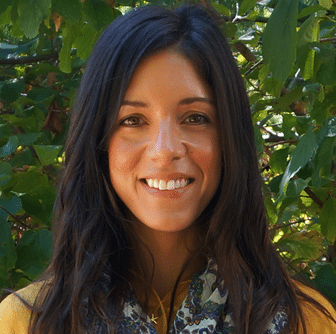
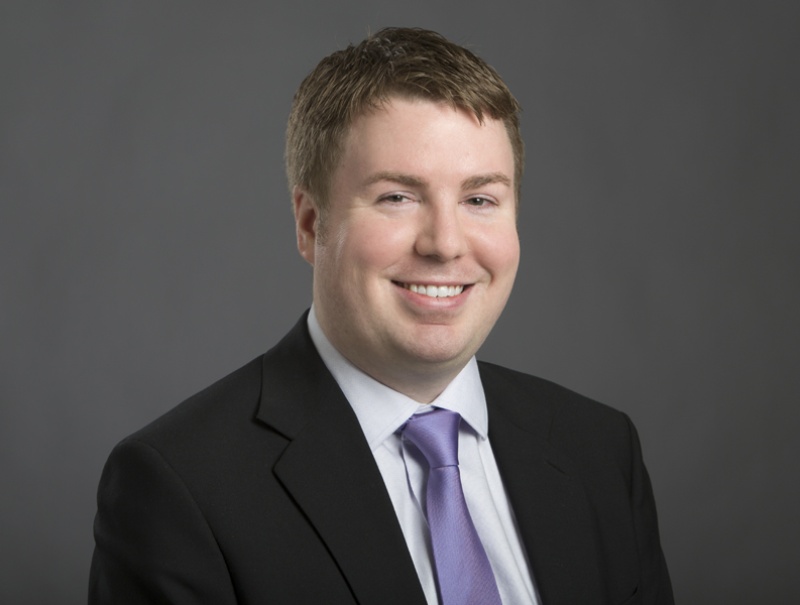
Teresa Leyro, Ph.D., is an Assistant Professor in the Department of Psychology at Rutgers University. She directs the Affective and Biological Underpinnings of Substance use and Anxiety (ABUSA) lab. Her research focuses on identifying cognitive-affective and biological risk factors for co-occurring anxiety and substance use disorders, particularly cigarette smoking and nicotine dependence. She employs multi-method approaches, including psychophysiology (e.g., cardiac impedance), stress hormone analysis (e.g., cortisol, DHEA), and behavioral indices (e.g., distress tolerance). Her translational work uses laboratory stress paradigms to explore these relationships, with applications to intervention development. Dr. Leyro holds a Ph.D. in clinical psychology from the University of Vermont (2012), a clinical internship at the University of California, San Francisco, and a B.A. in psychology from Colby College (2004). She has received significant funding and awards from the National Institute on Drug Abuse (NIDA) for her research and training. Her research extends to alcohol, marijuana, illicit substance use disorders, severe mental illness, and HIV/AIDS. She leads the ABUSA lab, which integrates biological, psychological, and behavioral methodologies to advance understanding of comorbid conditions.
Professor J. Debus is a distinguished academic in Radiation Oncology at Heidelberg University's Medical Faculty, with extensive research focused on particle therapy, medical physics, and cancer treatment optimization. His work spans clinical trials, radiobiology, and technical innovations in radiation delivery systems. Primary Affiliation: German Cancer Research Center (DKFZ), Heidelberg Research Focus: Particle therapy, radiation oncology, medical physics Key Collaborations: Mein S., Liew H., Tessonnier T., and other leading researchers in radiation oncology Professor Debus' research interests center on advancing particle therapy techniques including proton, carbon ion, and emerging modalities like helium and oxygen ion therapy. His work addresses critical challenges in radiation oncology such as normal tissue sparing, hypoxia-induced radioresistance, and precision treatment delivery. He has made significant contributions to understanding the biological effects of different radiation types and optimizing treatment protocols for various cancer types including head and neck cancers, brain metastases, and prostate cancer. His recent publications demonstrate leadership in clinical trials (GUARD, ESTRON, PROBASE) and technical innovations in radiation delivery systems, particularly in the emerging field of FLASH radiotherapy and ultra-high dose rate treatments. Professor Debus has published extensively on treatment planning optimization, radiation-induced biological effects, and imaging techniques for precise radiation delivery. Leading clinical trials in particle therapy Developing novel techniques for normal tissue protection Advancing understanding of radiation biology across different modalities Professor Debus has secured significant research funding for his work in radiation oncology and particle therapy. His research has contributed to clinical implementation of advanced treatment techniques at the Heidelberg Ion-Beam Therapy Center (HIT), one of the world's leading facilities for particle therapy. He supervises numerous doctoral students and postdoctoral researchers in the radiation oncology field. His laboratory and research team focus on translational research bridging basic radiobiology with clinical applications, with particular emphasis on optimizing treatment protocols for challenging tumor types and improving patient outcomes through precision radiation therapy.
Stuart Shieber is the James O. Welch, Jr. and Virginia B. Welch Professor of Computer Science in the School of Engineering and Applied Sciences at Harvard University. He is a prominent researcher in computational linguistics and natural language processing, with significant contributions across multiple related fields including theoretical linguistics, computer-human interaction, automated graphic design, and the philosophy of artificial intelligence. Professor Shieber's research interests focus primarily on computational linguistics, examining natural language from the perspective of computer science. His work spans scientific and engineering goals, utilizing foundational formal and mathematical tools. He has made significant contributions to grammar formalisms, psycholinguistics, semantics, and synchronous grammars with applications in machine translation and sentence compression. Beyond computational linguistics, his research extends to automatic layout of charts and maps, novel interaction techniques for document reading and diagram layout, online auction mechanisms, library book access prediction, biological evolution tree reconstruction, and the philosophical basis for Turing's test for machine intelligence. His recent publications demonstrate a continued focus on neural language models, syntactic agreement mechanisms, readability assessment, conversational understanding, and bias detection in language models. His research has evolved from traditional grammar formalisms to incorporate modern neural network approaches while maintaining a strong theoretical foundation. The trend shows increasing attention to ethical considerations in NLP, particularly around bias detection and mitigation, alongside continued theoretical work on language structure. Presidential Young Investigator award (1991) Presidential Faculty Fellow (1993) John L. Loeb Associate Professorship in Natural Sciences (1993) Harvard College Professorship (2001) Fellow of the American Association for Artificial Intelligence (2004) Fellow of the Association for Computing Machinery (2014) Fellow of the Association for Computational Linguistics (2017) Professor Shieber has advised numerous PhD students who have gone on to successful careers at institutions including UCSD, Cornell University, Microsoft Research, Google, and various academic institutions. His work on open access and scholarly communication policy, particularly his development of Harvard's open-access policies, led to his appointment as the first director of the university's Office for Scholarly Communication. He is also the founding director of the Center for Research on Computation and Society and a faculty co-director of the Berkman Center for Internet and Society. His laboratory work has focused on advancing computational linguistics through both theoretical and applied research, with numerous patents and co-founding of Cartesian Products, Inc., a high-technology research and development company. His future work appears to be focusing on the intersection of neural network approaches with traditional linguistic theory, particularly in understanding and mitigating bias in language models, while continuing his long-standing interest in the theoretical foundations of language processing.
John S. Kaddis, Ph.D. is an Associate Professor in the Department of Diabetes & Cancer Discovery Science within the Arthur Riggs Diabetes & Metabolism Research Institute at City of Hope. With over 15 years of experience at City of Hope, Dr. Kaddis has developed scientific resources for team-based research initiatives focused on type 1 diabetes, creating data systems, analysis tools, and websites used by researchers worldwide. Dr. Kaddis earned his B.S. (Honors) in Biochemistry from California State University Los Angeles, where he completed undergraduate research supported by two National Science Foundation fellowships. He later earned his Ph.D. in Systems Biology and Disease from the University of Southern California. His academic journey includes positions as Assistant Professor since 2015 and Associate Professor since 2022 at City of Hope. Dr. Kaddis's research primarily focuses on the complex mechanisms of type 1 diabetes through systems biology and bioinformatics approaches. His work centers on understanding islet cell biology, beta cell dysfunction, and the immunological aspects of type 1 diabetes. His research has evolved from developing collaborative data resources to conducting cutting-edge investigations into genetic factors in diabetes pathogenesis. He has pioneered the creation of bioinformatics platforms that enable global collaboration in diabetes research. The trends in Dr. Kaddis's publications reveal a progression from foundational work on biobanking and data management toward increasingly sophisticated investigations of genetic and immunological mechanisms in type 1 diabetes. His recent work emphasizes translational applications, including potential therapeutic strategies and predictive models that span diverse ancestral backgrounds. His research bridges basic science with clinical applications through the Human Islet Research Network. Member, American Association for the Advancement of Science (2011-Present) Professional Member, American Diabetes Association (2010-Present) Member, Society of Clinical Research Associates (2003-2012) Lifetime Member, Tri-Beta Honor Society (2000-Present) Dr. Kaddis serves as principal investigator and co-investigator on multiple NIH and JDRF-funded projects, including the Human Islet Research Network Bioinformatics Center and the JDRF nPOD DataShare initiative. His work has established critical infrastructure for collaborative diabetes research, enabling researchers worldwide to access and analyze complex datasets. His laboratory has developed specialized data management systems that facilitate the sharing of islet cell research data across international boundaries while maintaining appropriate security and privacy protections. Dr. Kaddis's athletic pursuits in marathons and triathlons mirror his research approach—requiring stamina and perseverance to achieve long-term goals in diabetes research.
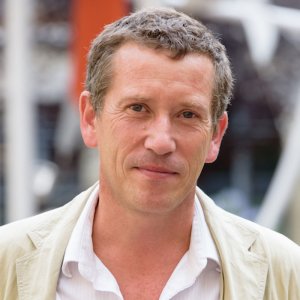
Jean-Philippe Pierron is a University Professor in philosophy of life, medicine and care at Jean Moulin-Lyon 3 University, where he serves in the Faculty of Philosophy. He is the Director of the "Values of Care" Research Chair since 2016 and previously served as Dean of the Faculty of Philosophy. His office is located in room 435 of the Law-Letters building. He is attached to the LIR3S laboratory (UMR CNRS-uB 7366) and holds leadership roles including Head of the philosophy department for the M2 "Imaginary & Rationality" course and co-head of the M2 Medical and Environmental Humanities program. Professor Pierron specializes in Contemporary French philosophy, Moral Philosophy and Applied Ethics, Environmental Philosophy, and Phenomenology and Hermeneutics. His research focuses on the philosophy of care, medical humanities, and environmental ethics, with particular attention to how digital technologies transform healthcare relationships and the ethical implications of contemporary medical practices. He explores the intersections between vulnerability, care ethics, and environmental concerns, developing a comprehensive framework for understanding care as both a philosophical concept and practical reality. His recent publications reveal a consistent focus on the philosophy of care across multiple domains - medical, environmental, and technological. The trend shows increasing attention to digital transformation in healthcare (2023-2024), the relationship between ecological and medical care (2018-2023), and the philosophical foundations of vulnerability and finitude (2016-2024). His work bridges Continental philosophy, particularly through Ricœur's hermeneutics, with practical ethical concerns in contemporary healthcare and environmental contexts. Elected member of the scientific council of the French Society for Palliative Care and Support (SFAP) Elected member of the Steering Committee of the Bourgogne-Franche-Comté Ethical Reflection Space As Director of the "Values of Care" Research Chair since 2016, he leads a significant research initiative examining the ethical, economic, and political dimensions of care practices. His departmental leadership roles in the M2 "Imaginary & Rationality" course and the M2 Medical and Environmental Humanities program indicate his commitment to interdisciplinary education that bridges philosophical theory with practical applications in healthcare and environmental contexts. His work is closely associated with the LIR3S laboratory (UMR CNRS-uB 7366), suggesting active participation in research teams focused on interdisciplinary studies at the intersection of philosophy, ethics, and social sciences. The "Values of Care" Research Chair represents a major institutional commitment to exploring care from multiple disciplinary perspectives.
Patrick Mignault is a Full Professor at the Faculty of Law, Université de Sherbrooke, and co-director of the Master's program in Business Law and Enterprise Risk (DARE). He holds a Doctorate in Law from Université de Montréal, alongside advanced degrees in Actuarial Mathematics and Finance from Université Laval. As a member of the Quebec Bar since 2002, he specializes in business law, governance, economic analysis of law, and financial risk management. His research focuses on retirement regimes, corporate governance, financial risk management , and the regulation of emerging technologies in finance . He actively contributes to the Entrepreneurial Legal Clinic and the Legal Innovation Laboratory at his faculty. Notable affiliations include membership in the Centre de recherche interdisciplinaire en cybersécurité de l’IUdeS , the Canadian Climate Law Initiative , and chairing the AMF Consumer Advisory Committee . He served as Associate Dean of Research and Graduate Studies from 2016-2019. Scientific Awards : Fondation du Barreau grant (2017-2018) His recent work explores AI governance frameworks , cybersecurity risk management , and ESG integration in pension funds , with publications in leading journals like McGill Law Journal and R.G.D.
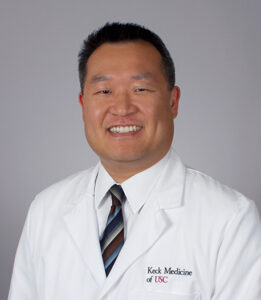
Duke Han, PhD is a tenured Professor of Psychology and Family Medicine at the University of Southern California (USC) , with additional appointments in Neurology and Gerontology. He serves as the Director of Neuropsychology in the Department of Family Medicine at the Keck School of Medicine and leads the Han Research Laboratory , focused on improving health, wellbeing, and independence in aging adults. His work integrates neuropsychology, cognitive neuroscience, epidemiology, genetics, and behavioral economics to study neurobiological mechanisms impacting cognition and decision-making across the lifespan. Education: PhD in Clinical Psychology/Neuropsychology, University of Massachusetts Boston (2004) BSc in Psychology/Neuroscience, Duke University (1998) Postdoctoral Training: T32 Biological Psychiatry Fellow at UCSD (2005–2006) and VA San Diego Healthcare System (2004–2005) Research Interests center on cognition, decision-making, and aging , particularly financial exploitation vulnerability and early Alzheimer’s disease detection. His lab employs multidisciplinary approaches to investigate links between brain changes (e.g., functional connectivity, white matter integrity) and financial behaviors in older adults. Recent studies explore discrimination's impact on brain connectivity , MCI reversion , and temporal discounting in aging . Scientific Awards and Leadership Roles Fellow of the American Psychological Association and National Academy of Neuropsychology Recipient of the Paul B. Beeson fellowship (premier NIA career development award) Chair of the NIA Neuroscience (NIA-N) Grant Review Committee Editor-in-Chief of The Journals of Gerontology Series B: Psychological Sciences Co-Leader of the USC Alzheimer’s Disease Research Center (ADRC) Research and Education Core Founding Governance Member of the Global Council on Brain Health (AARP/ageUK) Scientific Advisory Board for Alzheimer’s Disease Neuroimaging Initiative (ADNI) Advising and Grants : Dr. Han mentors graduate students and postdocs, including Laura Fenton (Gold Family Fellowship, NIH-funded dissertation), Gali Weissberger (T32 fellowship), and Annie Nguyen (K01 Career Development Award). His research is supported by NIH grants [RF1AG068166, T32AG000037], the Elder Justice Foundation, and private foundations like the Cathay Bank Foundation.
Professor George Ghinea is a distinguished academic in the Department of Computer Science at Brunel University London's College of Engineering, Design and Physical Sciences. With over 350 publications and 33 successfully supervised PhD students, he leads cutting-edge research at the intersection of computer science, media studies, and psychology. His educational background includes a PhD from the University of Reading (1999) where he pioneered the Quality of Perception (QoP) metric - a precursor to today's widely adopted Quality of Experience (QoE) concept. He holds multiple degrees with distinction from the University of the Witwatersrand in South Africa, including BSc, BSc (Hons), and MSc in Computer Science. Professor Ghinea's research focuses on perceptual multimedia quality and human-centered e-systems, with particular emphasis on mulsemedia (multiple sensorial media) - his own conceptual framework extending multimedia to engage non-traditional senses. His work spans eye-tracking applications, telemedicine, multi-modal interaction, and ubiquitous computing. Current research explores mulsemedia integration in autonomous vehicles, security-enhanced systems, and accessibility solutions. His publications reveal strong trends in multisensory computing (42% of recent works), telemedicine applications (28%), accessibility research (18%), and network optimization (12%). The work consistently bridges theoretical frameworks with practical implementations, often incorporating physiological data and user perception metrics. Distinguished Visiting Fellow of the Royal Academy of Engineering (2018) SPARC DUO-India 2020 Fellowship Programme recipient Principal Investigator for multiple EU Horizon 2020 projects Research featured in major media including BBC, Forbes, and Daily Telegraph Professor Ghinea has secured substantial research funding through projects like the EU H2020 NEWTON initiative, Royal Academy of Engineering partnerships, and multiple Newton Fund collaborations. His supervision portfolio includes 33 PhD completions with diverse research spanning security behavior in Ghana, physiological QoE in VR, smart city adoption in Oman, and sustainable digital transformation in Qatar. He leads the IMUSY research group focusing on mulsemedia systems and human perception. His laboratory work centers on the IMUSY research group where they develop mulsemedia applications integrating thermal, wind, and olfactory devices for enhanced user experiences. Current team projects include mulsemedia in autonomous vehicles (MulsEAV), physiological data for QoE assessment, and smart city adoption studies.
Nicholas M. Moore is an Associate Professor in the Department of Medical Laboratory Science at Rush Medical College, Rush University. He also serves as Associate Director of the Division of Clinical Microbiology and Director of the BSL-3 Laboratory. His work focuses on clinical microbiology, antimicrobial resistance, and pathogen genomics, with extensive research collaborations particularly with Dr. Mary K. Hayden and Dr. Sarah Sansom. Dr. Moore's research interests include: Clinical microbiology diagnostics and laboratory testing Antimicrobial resistance mechanisms and surveillance Pathogen genomics and molecular epidemiology Infection control practices in healthcare settings Development and validation of diagnostic tests for infectious diseases His recent publications demonstrate a strong focus on antimicrobial resistance, particularly regarding carbapenem-resistant organisms and beta-lactamase producing bacteria. He has made significant contributions to understanding the epidemiology of multidrug-resistant organisms in healthcare settings, especially in intensive care units and long-term acute care hospitals. His work often involves genomic approaches to track pathogen transmission and improve infection control practices. Dr. Moore has received recognition through various metrics, with his publications being cited across multiple platforms including X (formerly Twitter), news outlets, and clinical guideline sources. Some of his work has been referenced in policy documents and clinical guidelines, indicating its impact on healthcare practices. His research has been supported by collaborations with numerous colleagues, particularly within Rush University and with other institutions in the Chicago area. He has been active in publishing across high-impact journals in infectious diseases, clinical microbiology, and infection control.
Professor Alan Penn is a leading academic at University College London's The Bartlett School of Architecture , where he holds the title of Professor in Architectural and Urban Computing. He previously served as Dean of the Bartlett Faculty of the Built Environment from 2009 to 2019 and has been instrumental in establishing Space Syntax Ltd , a UCL knowledge transfer spin-out company. His affiliations include membership in the Space Syntax Laboratory, board membership of UCL Consultants Ltd, and trustee status at Shakespeare North Trust. Education: BSc (1978), Dip Arch (1980), MSc (1983) - all from University College London Alan Penn’s research investigates how spatial design influences social and economic behaviors through innovative space syntax methodologies . Key areas include: Agent-based simulations of human behavior Spatio-temporal representations of built environments Urban spatial network analysis Urban sustainability across multiple dimensions Cognitive markers in architectural design Historical urban growth modeling His recent publications demonstrate a strong focus on computational urbanism, evolutionary city patterns, and behavioral architecture. Research trends show interdisciplinary approaches combining architectural theory with: Machine learning applications Network science analysis Behavioral psychology insights Historical GIS techniques Complex systems modeling Public health considerations Scientific recognition includes: HEFCE Business Fellowship (2001-2005) KTP SE Region Award (2010) Multiple UCL Enterprise awards ‘Spirit of Enterprise’ Award (2008) As Principal Investigator he leads the £5m EPSRC-funded Urban Dynamics Lab , demonstrating sustained research excellence. His work extends to public engagement through: Shakespeare North Trust educational theatre development Media appearances (New Scientist, Slashdot) Public policy contributions
Benoit Labonté is an Associate Professor in the Department of Psychiatry and Neuroscience at the Faculty of Medicine, Université Laval. He holds the Research Chair in partnership with Sentinel North for Molecular Neurobiology of Mood Disorders and is a researcher at the CERVO Brain Research Centre. Previously, he was a Pfizer–Institut universitaire en santé mentale de Québec research chair (2016-2021). Dr. Labonté's research focuses on understanding the molecular basis of depression and mood disorders with a specific emphasis on sex differences. His groundbreaking work has demonstrated that depression manifests differently at the molecular level in men and women, challenging the notion of depression as a single disease. He employs multidisciplinary approaches including: Mouse models of stress (chronic variable stress, chronic social defeat, social isolation) Analysis of human post-mortem brain and blood samples Viral approaches for neural circuit mapping (optogenetics, DREADDs) Genome-wide sequencing methods (RNAseq, ChIPseq) Cell-specific molecular analyses (FACS, ribotag) His research has three primary objectives: Determining the prefrontal cortex (PFC) connectome and evaluating sex-specific neuronal contributions to stress responses Characterizing transcriptional organization of gene networks across neuronal populations projecting to the PFC Identifying epigenetic signatures associated with transcriptional reorganization following chronic stress Dr. Labonté's publication record shows consistent high-impact research across neuroscience disciplines, with recent publications demonstrating sophisticated integration of molecular, cellular, and behavioral approaches to understand sex differences in depression. His work bridges basic science with clinical applications, aiming to develop more targeted therapeutic approaches. His research has been recognized with prestigious appointments including: Sentinel North Partnership Research Chair in Molecular Neurobiology of Mood Disorders (2019-present) Pfizer–Institut universitaire en santé mentale de Québec research chair (2016-2021) Dr. Labonté leads a research team at the CERVO Brain Research Centre focusing on molecular neurobiology of mood disorders. His laboratory employs cutting-edge techniques to investigate sex-specific molecular mechanisms underlying depression, with the ultimate goal of developing more effective treatments that account for fundamental biological differences between men and women suffering from mood disorders.
Matthew B. Panzer serves as Associate Dean for Graduate Education and Post-Doctoral Affairs at the University of Virginia's School of Engineering and Applied Sciences, holding professorships in Mechanical & Aerospace Engineering and courtesy in Biomedical Engineering. As Deputy Director of the Center for Applied Biomechanics, he leads research in impact biomechanics and injury prevention. Education: B.S. in Mechanical Engineering, University of Waterloo, 2003 M.S. in Mechanical Engineering, University of Waterloo, 2006 Ph.D. in Biomedical Engineering, Duke University, 2012 Research Focus: Panzer's work employs computational and experimental methods to investigate high-rate non-linear mechanics in tissue mechanics, impact biomechanics, vehicle crashworthiness, military blast/ballistics, and sports injury. Current projects include traumatic brain injury mechanisms in football helmet impacts, biological tissue characterization, human body model development for automotive safety, and protective system design. His approach integrates finite element modeling with experimental validation to translate biomechanical findings into clinical and safety applications. Publication Trends: Recent work (2022-2025) emphasizes brain injury metrics, sex-specific biomechanical responses, and finite element model validation across automotive, sports, and military contexts. Key themes include rotational loading effects, biofidelic model development, and injury risk function derivation, demonstrating strong interdisciplinary integration of neuroscience, engineering, and computational science. Awards: Shannon Fellow (2024-2027) Copenhaver Fellow (2023) MAE Early Career Researcher of the Year (2021, 2022) UVA Research Achievement Award (2019) MAE Young Research of the Year (2018, 2019) Grants and Teaching: Panzer has secured over 40 research grants as Principal Investigator from federal agencies and industry partners. He teaches graduate courses including MAE 6710: Finite Element Analysis (annually since 2015), MAE 7030: Injury Biomechanics, and MAE 6952: Impact Mechanics, mentoring graduate students in biomechanics research despite no specific advisees listed in source materials. Laboratory Leadership: At the Center for Applied Biomechanics, Panzer directs teams conducting experimental testing and computational modeling to advance injury mechanism understanding and develop protective technologies for automotive, sports, and military applications.
Karen S. Anderson is a Professor of Pharmacology and Molecular Biophysics and Biochemistry at Yale School of Medicine, with a primary appointment in the Department of Pharmacology. She serves as Co-Leader of Developmental Therapeutics at Yale Cancer Center and Co-Director of the Therapeutics/Chemotherapy Program. Dr. Anderson is also an undergraduate research mentor and fellow at Pierson College at Yale, where she advises freshman students. Dr. Anderson's research program focuses on mechanistic enzymology and structure-based drug design to develop novel therapeutics. Her work centers on understanding molecular mechanisms of enzymes that play critical roles in cancer and infectious diseases, including HIV/AIDS. She has made significant contributions to the understanding of HIV reverse transcriptase, anticancer targets like EGFR and HER-2, and enzymes involved in parasitic infections. Her laboratory employs a multidisciplinary approach combining biophysical techniques, structural studies, and computational methods to advance drug discovery. Analysis of her recent publications (2023-2025) reveals a strong research trajectory spanning three main areas: HIV drug resistance and novel inhibitors, cancer therapeutics focusing on resistance mechanisms and targeted therapies, and antiviral/antimicrobial drug development including work on SARS-CoV-2. Her research demonstrates consistent innovation in structure-based drug design approaches across multiple disease areas. Selected Awards and Honors: Enzymes, Coenzymes, & Metabolic Pathways Gordon Research Conference Chair (2001) Yale Cancer Breast Cancer Initiative Research Award (1996) Dean's Young Faculty Award from Yale University (1991) Multiple Monsanto Research Achievement Awards (1985-1989) YWCA Women's Leadership Award (1986-1987) Dr. Anderson has trained over 50 undergraduates, graduate students, M.D./Ph.D. students and postdoctoral fellows who have gone on to successful careers in academia and industry. Her laboratory, the Anderson Lab, focuses on translating mechanistic and structural studies into novel therapeutic approaches for viral infections and cancer. The lab utilizes a range of biophysical techniques to study clinically relevant proteins with the goal of developing more effective therapies for conditions including cancer, infectious diseases, and neurodegenerative disorders.
Dr. Kenneth Levy is a Professor of Psychology at Pennsylvania State University, where he serves in the Department of Psychology and directs the Laboratory for Personality, Psychopathology and Psychotherapy Research. His work bridges social, personality, and developmental psychology with a focus on clinical applications. Dr. Levy earned his Ph.D. from the City University of New York in 1999. His research examines how mental representations develop, consolidate, and change within close relationships and how these processes influence personality development and psychopathology. He studies infant-parent relationships, romantic relationships, affect regulation, and psychotherapy as paradigms for understanding representation development and change. Dr. Levy's research program focuses on attachment theory, emotion regulation, personality disorders (particularly borderline and narcissistic personality disorders), and psychotherapy process and outcome. Current projects examine mechanisms of change in psychotherapy for borderline personality disorder, contextual factors influencing post-treatment adjustment, attachment's influence on stress reactivity, and developmental precursors of personality problems in children of parents with personality disorders. His extensive publication record demonstrates consistent contributions to understanding personality disorders through the lens of attachment theory and mental representations. His work frequently involves collaborations with colleagues at the New York Presbyterian Hospital/Cornell Medical Center and addresses both theoretical and clinical implications of attachment research. Selected for an Article Spotlight on APA social media, May 1st, 2013 Selected by Faculty of 1000 in Medicine as a Must Read Selected by Faculty of 1000 in Medicine as a Recommended Read Findings chronicled in numerous media outlets including Scientific American Mind, Scientific American Podcasts, Newsweek, and Toronto Globe and Mail Dr. Levy mentors numerous graduate students who have gone on to successful careers in clinical psychology. His laboratory includes current graduate students, lab managers, coordinators, and research assistants working on various projects related to personality, psychopathology, and psychotherapy. He is actively involved in training the next generation of clinical psychologists and accepts new graduate students for the Clinical Psychology program at Penn State. Dr. Levy's laboratory serves as a sophisticated research hub examining mental representations, attachment, and their influence on personality development and psychopathology. The lab maintains strong collaborative ties with clinical facilities and continues to produce high-impact research that informs both theory and clinical practice in personality disorders and psychotherapy.
Ludovic Saint-Bauzel is a lecturer at Sorbonne University and head of the IRIS team at the Institute of Intelligent Systems and Robotics (ISIR). His work focuses on improving physical human-robot interaction for individuals with autonomy loss through disability or aging. Specializes in computational models of disabilities Develops user intent detection through sensor fusion Active in IFRH and Fedrha federations IEEE and True Life Lab member Research interests His research centers on Human-robot physical interaction with applications in Elderly care , Smart-walker development, and Walking exoskeleton systems. Key methodologies include: Sensor fusion (depth cameras, force sensors, IMUs) Adaptive robot control systems Pathological movement modeling Motor intent prediction algorithms Article trends show consistent focus on haptic communication (6/15), assistive robotics (9/15), and sensorimotor interaction (11/15) across 2013-2022 publications. Laboratory involvement : Leads the IRIS team at ISIR, part of Fedrha (Federation for Research on Disability and Autonomy) with 50+ research teams.