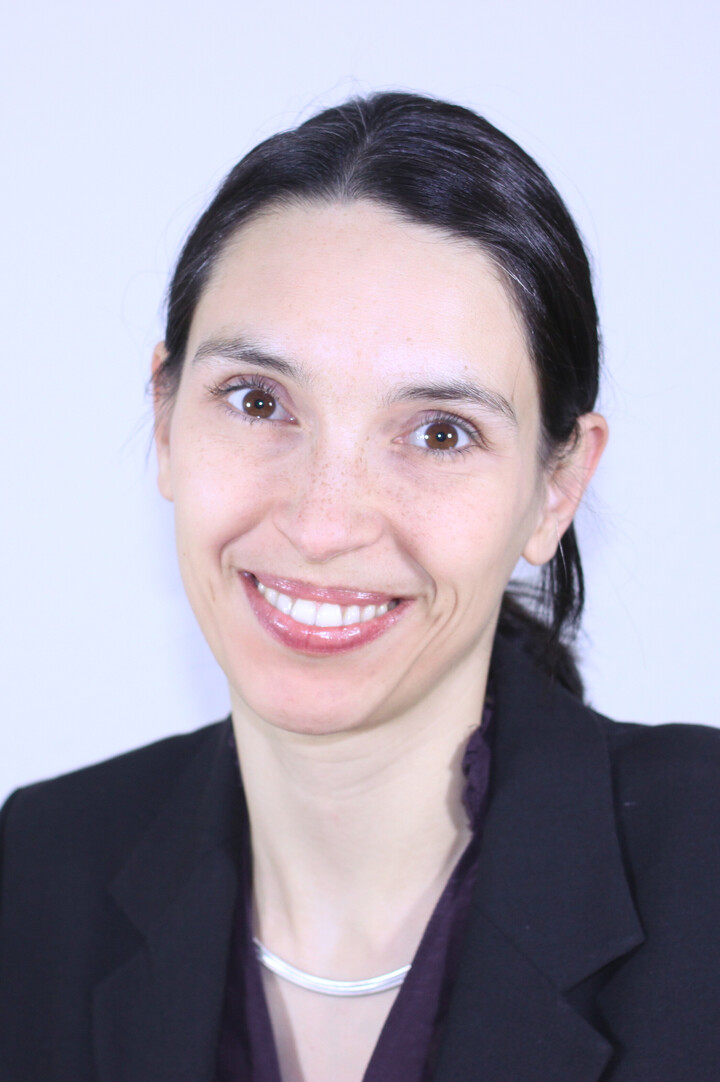
Thomas S. Lontzek is Professor of Economics at RWTH Aachen University, holding the Chair of Computational Economics within the School of Business and Economics since October 2016. His research develops numerical methods for economic decision-making with focus on climate change and environmental risks. His educational background includes economics studies at Maastricht University and UC San Diego (1999-2003), followed by PhD from University of Kiel (2009). Prior positions include Assistant/Senior Assistant at University of Zurich (2010-2016) and visiting scholar at Stanford's Hoover Institution (2012). Lontzek's research spans Economic Growth, Quantitative Macroeconomics, Resource and Energy Economics, Computational Economics, Climate Risk Management, and Decision Making under Uncertainty. His work emphasizes unconventional methods for analyzing economic processes through multidimensional, nonlinear stochastic optimization while incorporating ethical principles into economic analysis for sustainability challenges. His publication record reveals a consistent focus on climate economics, particularly the social cost of carbon, climate tipping points, and integrated assessment modeling. These works demonstrate how accounting for economic and climate risks, especially potential tipping points, necessitates more aggressive climate policies than traditional models suggest, often requiring sophisticated computational techniques to handle high-dimensional uncertainty. 2021 Erik Kempe Award for work on calculating an optimal CO2 tax Lontzek actively mentors students through research seminars and teaching, emphasizing methodological diversity and interdisciplinary approaches. He leads the Global Challenges Research Seminar through the Global Challenges Lab, providing students with opportunities to conduct innovative research using quantitative decision-making techniques for sustainable development challenges. His teaching portfolio for Summer Semester 2025 includes Quantitative Macroeconomics, Sustainable Finance, and specialized research seminars. He heads the Chair of Computational Economics, which includes scientific staff members Dr. Marco Thalhammer, Dr. Yifan Zhao, and Philipp Olivier, M.Sc., working collaboratively on climate economics and computational methods. The chair's research bridges theoretical economic modeling with practical policy applications, developing dynamic stochastic integrated assessment models capable of handling complex climate-economy interactions under uncertainty.