
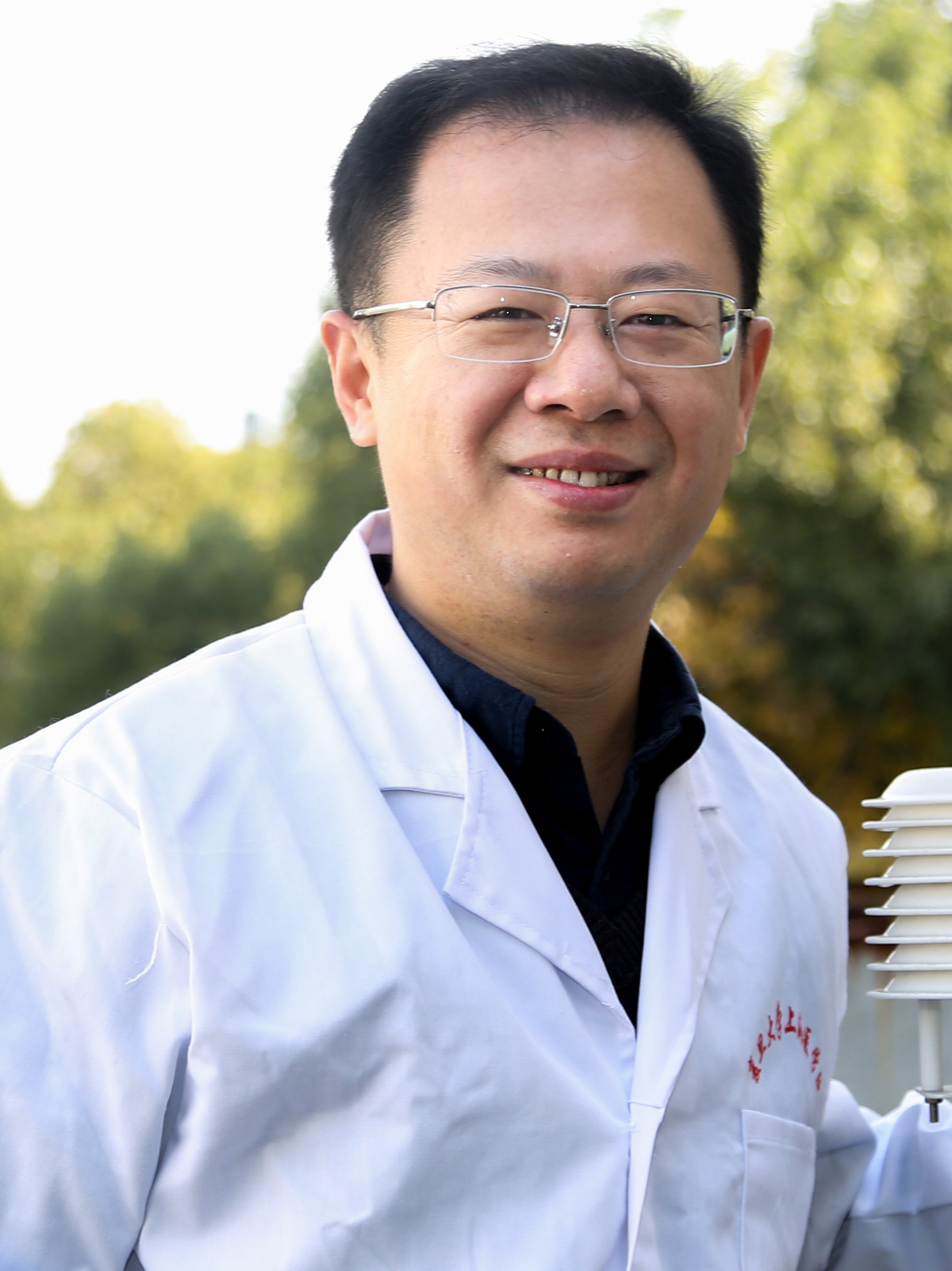
Kan Haidong is a Distinguished Professor and Associate Dean at the School of Public Health, Fudan University (Shanghai, China). He holds the Chang-Jiang Scholar Professorship from the Ministry of Education and serves as an Associate Editor for Environmental Health Perspectives and International Journal of Epidemiology . His research focuses on environmental epidemiology, air pollution impacts, and climate change health effects. He has authored over 114 h-index papers and been recognized as a Clarivate Highly Cited Researcher and Stanford Top 2% Scientist. Education: PhD in Environmental Epidemiology, Fudan University (2003) MS in Environmental Health Sciences, Fudan University (2000) MD in Preventive Medicine, Shanghai Medical University (1997) Research Interests: Kan’s work bridges environmental exposures (air pollution, climate change) with human health outcomes. Key areas include particulate matter toxicity, heatwave mortality, and policy-driven health interventions. His studies often involve large-scale epidemiological analyses and global health collaborations. Key Awards: Wu-Jieping Paul Janssen Medical-Pharmaceutical Award (2018) US EPA Scientific Achievement Award (2015) Elsevier Top Influential Chinese Scholar (2014–2023) Grants/Editorial Roles: He leads WHO air quality guideline projects and chairs editorial boards for top journals. His grants focus on climate health adaptation and pollution mitigation strategies in China and globally. Labs/Teams: Directs Fudan’s Environmental Health Department and collaborates with global networks like the China Kadoorie Biobank and Lancet Planetary Health initiatives.
جستجوی استاد راهنمای دانشگاهی
برای مسیر پژوهشیتان، استاد راهنما، استاد دانشگاه و پژوهشگر مناسب را پیدا کنید و با آنها ارتباط بگیرید.
نمایش ۱-۱۵ از ۳۴۶ استاد راهنما
اطلاعات پروفایلها از صفحات عمومی دانشگاهها گرفته شده و ممکن است بهروز نباشد.
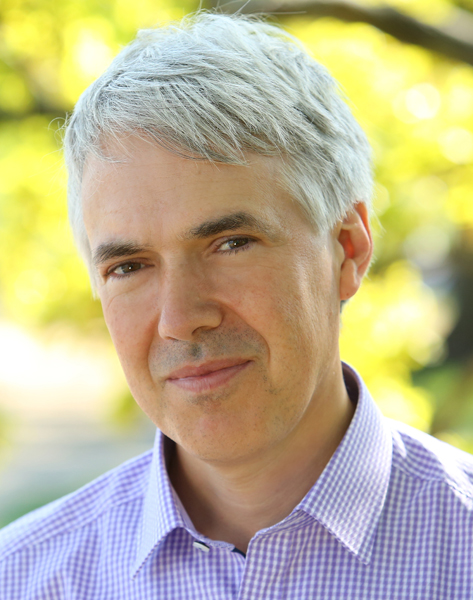
Prof. Tobias Plieninger holds dual appointments as Professor of Social-Ecological Interactions at the Universities of Kassel and Göttingen, Germany, and currently serves as Dean of Research at Kassel’s Faculty of Organic Agricultural Sciences. He specializes in sustainability science focusing on rural landscape dynamics, ecosystem services, and transformative change processes. His work examines intersections between agriculture, forestry, nature conservation, and natural resource management. Education: PhD in Forest and Environmental Sciences (2004, University of Freiburg), Habilitation in Landscape Ecology (Humboldt-Universität zu Berlin). Prior roles include Associate Professorships at the University of Copenhagen and leadership at the Berlin-Brandenburg Academy of Sciences. Research focuses on biocultural landscapes, agroforestry systems, and participatory methods. Notable projects include coordination of the EU’s HERCULES initiative and leadership in IPBES’ Transformative Change Assessment. Recognitions include Clarivate’s Highly Cited Researcher (2019–2022) and the Henriette Herz Fellowship (2022). Editorial roles: Lead Author for IPBES, Associate Editor at Landscape and Urban Planning and People and Nature . Over 200 publications span topics like ecosystem service synergies, high nature value farming, and rewilding strategies. Active in policy engagement through Germany’s Leopoldina Academy and the Joint Programming Initiative on Cultural Heritage. Research Themes: Landscape sustainability, participatory governance, biodiversity in agricultural systems Key Projects: SINCERE (forest ecosystem services), AGFORWARD (agroforestry innovation) Awards: Clarivate’s Highly Cited Researcher, Alexander von Humboldt Foundation fellowship Current initiatives emphasize transdisciplinary approaches, integrating local knowledge with scientific frameworks to address global sustainability challenges.
Giles Foody is a Professor of Geographical Information Science at the School of Geography, University of Nottingham, and a member of the Rights Lab in the Faculty of Social Science. He is recognized as the UK’s most prolific and highly cited researcher in remote sensing, with a focus on interdisciplinary applications for real-world impact. Education: BSc (1st class honours) and PhD from the University of Sheffield. His research spans image classification for thematic mapping, particularly in land cover and human-induced changes. He pioneered soft image classifications, object-based methods, neural networks in remote sensing, and citizen sensors in mapping. Current projects include 'slavery from space' and Sargassum beaching analysis to meet UN SDGs. The trends in his publications highlight advancements in remote sensing, citizen science, and land cover mapping. His work integrates machine learning and geospatial analysis for social and environmental challenges. Scientific awards: IEEE Fellowship, David Landgrebe Award, Founder's Award (ISARA), multiple RSPSoc accolades, and SDG-related honors. Giles has supervised 51 research students and contributed to academic service via editorial roles, peer review leadership, and participation in national research assessment panels. His interdisciplinary work extends to European National Mapping Agencies and anti-slavery initiatives.
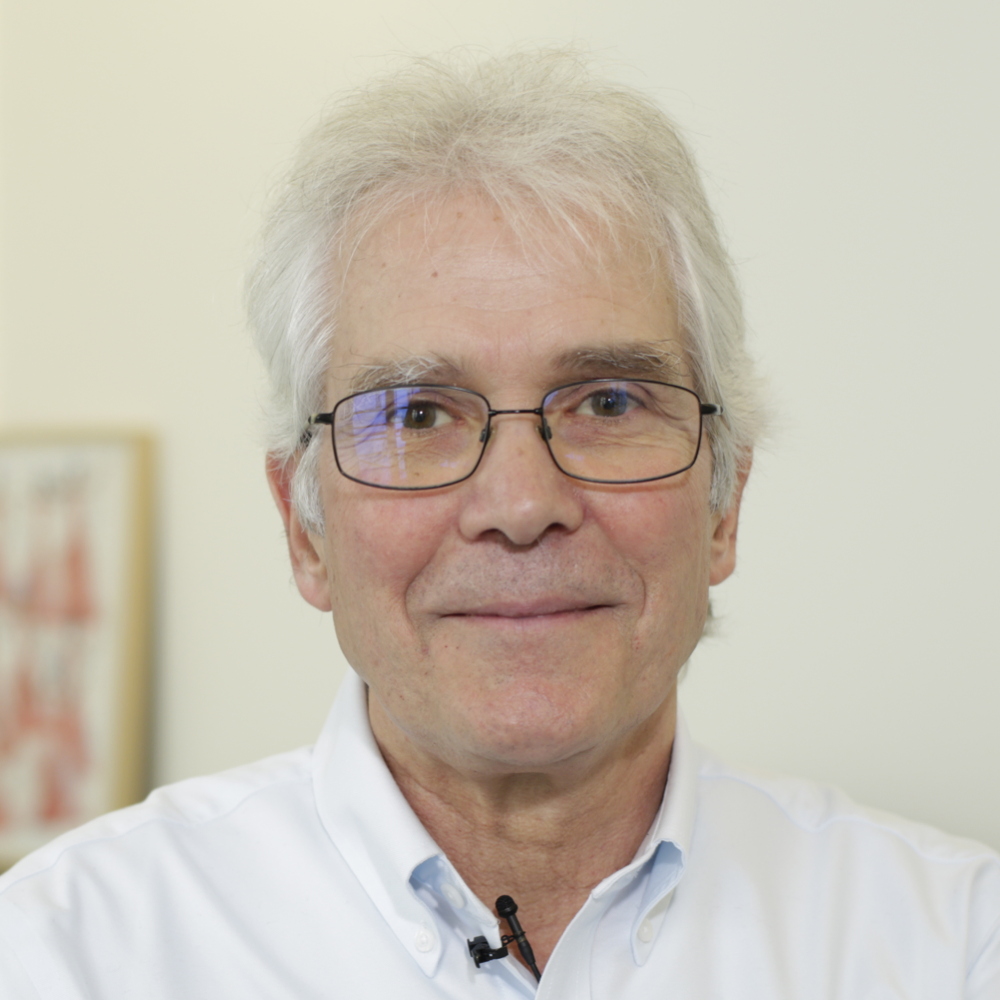
Jean-Pierre Gattusoمشاهده پروفایل
استاد پژوهش
Jean-Pierre Gattuso is a CNRS Research Professor at the Laboratoire d'Océanographie de Villefranche (Sorbonne University) and Associate Scientist at the Institute for Sustainable Development and International Relations (IDDRI-SciencesPo, Paris). His research focuses on the impacts of ocean acidification and warming on marine ecosystems, as well as ocean-based solutions to climate change mitigation and adaptation. Current Roles : CNRS Research Professor, Associate Scientist at IDDRI-SciencesPo Past Positions : Research Professor at Shantou University (2006–2009), Visiting Scientist at Rutgers University and NCAR (2004–2005), Group Leader at Laboratoire d'Océanographie de Villefranche (1998–2004), and others. His research interests span ocean acidification , carbon and carbonate cycling , climate change impacts on marine ecosystems , and ocean-based mitigation strategies . He co-edited the first book on ocean acidification and contributed to IPCC AR5 and AR6 reports. Recent publications highlight his work on ocean alkalinity enhancement , CO2 sequestration , and climate policy integration . He has developed tools like FOCE systems for in situ ocean acidification experiments and standardized ocean carbonate chemistry analysis. Scientific Awards : Ruth Patrick Award (2020), Blaise Pascal Medal (2014), Vladimir Vernadsky Medal (2012), and others. Academic Memberships : Foreign member of the Chinese Academy of Sciences, elected member of the European Academy of Sciences, Academia Europaea, and founder of the European Geosciences Union. Gattuso has led the Ocean Acidification International Coordination Centre at the International Atomic Energy Agency and will co-chair the 2025 One Ocean Science Congress.
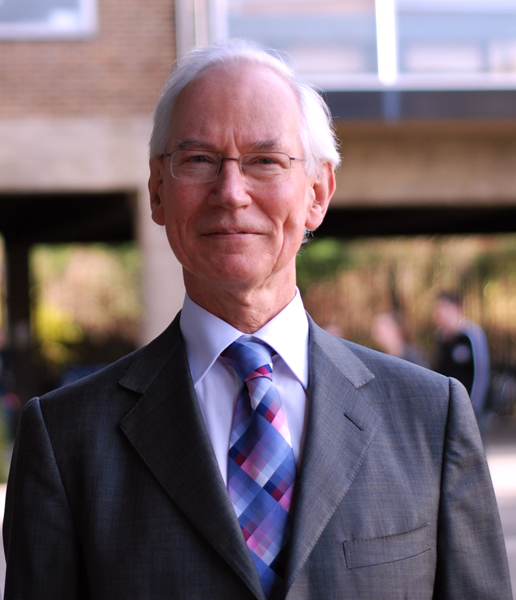
David Newbery serves as Professor of Applied Economics at the University of Cambridge's Faculty of Economics since 1988 and Research Director of the Electricity Policy Research Group (EPRG). His career spans prestigious appointments including Visiting Professorships at Stanford, Princeton, UC Berkeley, and Imperial College London, alongside significant policy roles at the World Bank and IMF. His research focuses on electricity market design , climate policy economics , and transport pricing , addressing critical challenges in energy transition and regulatory frameworks. Key contributions include foundational work on supply function equilibria, market power assessment in liberalized utilities, and optimal climate policy instruments. Analysis of his publications reveals consistent leadership in energy market restructuring (1990s-2000s) renewables integration economics (2000s-2010s) climate policy-market power interactions (2000s-present) with methodological strengths in game theory and empirical industrial organization. Major recognitions include: CBE (2012 Birthday Honours) Frisch Medal (1990) Fellowships of Econometric Society and British Academy IAEE Outstanding Contributions Award (2003) Honorary Degree from University of Antwerp (2004) Newbery's policy impact extends through World Bank advisory roles (1981-83 as Division Chief of Public Economics), IMF consultations (1987), and sustained engagement with European energy regulators via EPRG. His work informs critical infrastructure pricing frameworks globally, particularly in electricity and transport sectors. He leads the Electricity Policy Research Group at Cambridge, fostering interdisciplinary collaboration between economists, engineers, and policy experts to address energy transition challenges through rigorous market design analysis.
Stephan Glatzel is a Professor at the Faculty of Earth Sciences, Geography and Astronomy , University of Vienna , affiliated with the Department of Geography and Regional Research . He leads multiple active research projects including Austrian Moor Restoration (2024-2033), MOIST (2024-2025), and Biodiversity Conservation in Austrian Peatlands (2022-2026). Key research areas: Peatland Ecology, Methane Cycling, Ecohydrology, Land Use Impacts SDG contributions: Climate Action (SDG13), Life on Land (SDG15) His recent publications focus on: Land use effects on peat degradation (Soil Use and Management, 2025) Asgard archaea in saline sediments (Frontiers in Microbiology, 2025) Ecohydrology of peatlands in Eswatini (Wetlands Ecology and Management, 2025) Research collaborations span Austria and international partners in Eswatini, with a strong emphasis on applied climate science . He actively engages in public outreach through lectures and media appearances, including topics like 'Die unterschätzte Rolle der Moore im Klimawandel' (2022) and 'Langfristige Studien im Schilf' (2019).
Maria Papathoma-Köhle is an Associate Professor at the Institute of Alpine Natural Hazards , University of Natural Resources and Life Sciences, Vienna. She holds a PhD in Tsunami Vulnerability Assessment from Coventry University (UK) and has held roles as Academic Coordinator of the MSc 'Risk Prevention and Disaster Management' at University of Vienna. Her research focuses on natural hazard vulnerability , particularly wildfire and flood risks in alpine regions, with methodological expertise in indicator-based vulnerability assessment and physical vulnerability indices . Education: PhD in Natural Hazards (Coventry University, UK) MSc in Environmental Management (University of Durham, UK) Geology Degree (University of Athens, Greece) Research: Specializes in wildfire vulnerability indices, flood risk modeling, and climate change adaptation frameworks. Developed the Physical Vulnerability Index (PVI) for buildings and contributed to EU-funded projects like FLOODLABEL and EXTEND. Awards: Elise Richter Scholarship (2016) Back to Research Grant (2012) Young European Scientist Award (2002) Projects: Led FWF-funded research on physical vulnerability indicators and collaborated on EU programs for wildfire preparedness. Current work includes climate change adaptation tools for Austrian infrastructure. Advising: Supervised 6 Master's/PhD students on wildfire and flood vulnerability topics. Publications: Over 106 peer-reviewed works; recent articles focus on wildfire indices, IPCC risk diagrams, and dynamic flooding assessment.
Alexandra Brausmann is an Associate Professor in Environmental and Resource Economics at the Department of Economics, University of Vienna, and a member of the Environment and Climate Research Hub. She holds a Master's in International Economics (MIS) from The Graduate Institute (Geneva) and a PhD in Economics/Resource Economics from ETH Zürich. Research Focus: Climate change impacts (macro/micro), environmental migration, resource management, climate policy, agricultural economics, growth and sustainability. Recent Publications: Co-authored works on endogenous climate shocks, undocumented migration economics, and climate policy effectiveness, published in journals like Journal of Environmental Economics and Management and Environmental and Resource Economics . Teaching: Offers courses in Environmental Economics (MA) and Resource and Environmental Economics (BA) at the University of Vienna. News: Co-organizing a workshop on the Political Economy of the Environment in February 2025 at the University of Vienna.
Erich Striessnig is an Associate Professor at the University of Vienna's Department of Demography, serving as Deputy Head of the department. He actively contributes to teaching courses such as Population Forecasting and Population, Climate Change and Sustainable Development , and collaborates with the Environment and Climate Research Hub. Research Focus : Striessnig integrates demography with climate change, sustainability, and human capital. His work examines how environmental concerns interact with fertility decisions, the role of education in climate risk mitigation, and the relationship between aging populations and temperature-related mortality. He also investigates demographic metabolism, intergenerational equity, and computational reproducibility in research. Scientific Contributions : His recent publications in Global and Planetary Health and Demographic Research include analyses of sustainable wellbeing metrics (e.g., 'Years of Good Life'), demographic responses to climate change, and methodological studies on data uncertainty. A key project, Climate, Health and Population (CHAP) , explores vulnerability differences in Vienna's metropolitan region.
Bano Mehdi-Schulzمشاهده پروفایل
استادیار
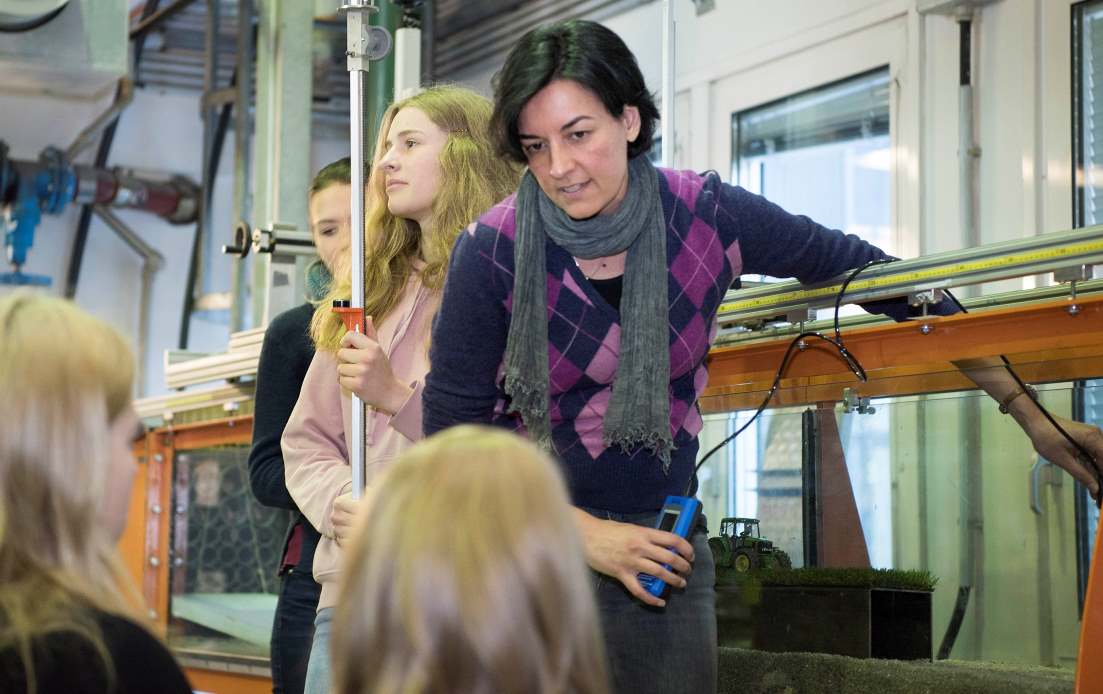
Bano Mehdi-Schulz is an Assistant Professor at the University of Natural Resources and Life Sciences, Vienna (BOKU), leading the 'Eco-hydrological and Land Use Modelling' group at the Institute of Hydrology and Water Management. She is a Substitute Member of the Ethics Committee. Her research focuses on ecohydrology, integrating hydrological and agricultural sciences to address water quality impacts from anthropogenic changes and future climate scenarios. Education: B.Sc. in Soil Science, M.Sc. in Agricultural Engineering, and Ph.D. from McGill University's Department of Geography. Awards include the Alexander Graham Bell Canada Graduate Scholarship (2009) and FWF Elise Richter Fellowship (2019). Her work bridges natural and social sciences, employing models to assess land use change and water resource management. Research Interests: Quantifying impacts of land use and climate change on water quality, ecohydrological modeling uncertainty, sustainable intensification strategies, and nitrate transport dynamics. Her team explores how farming practices and climate interact to influence water systems, with projects like ALUCSI (FWF-funded) and NitroClimAT (ACRP). Grants & Projects: Recent projects include ALUCSI (2019-2023), NitroClimAT (2018-2022), and UnLoadC3 (2014-2017). Current student advisees include researchers studying SWAT model uncertainty, sustainable intensification pathways, and water quality in East African basins. Labs/Teams: Leads the Eco-hydrological and Land Use Modelling group, collaborating with institutions like IIASA and SEC. Research emphasizes model coupling (e.g., SECLAND-SWAT) and satellite data integration for data-scarce regions.
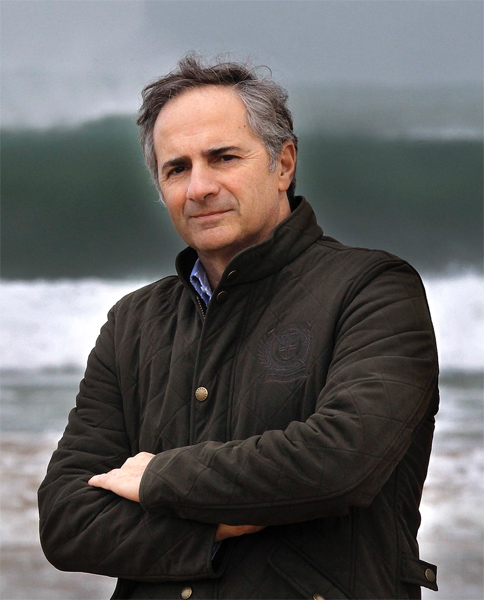
Iñigo J. Losada is a Full Professor at the School of Civil Engineering, University of Cantabria, and Research Director at the Environmental Hydraulics Institute (IHCantabria). He co-founded the Cantabria-Cornell Engineering Exchange Program and serves as Scientific Director of the Cantabria Coastal and Ocean Wave Basin. His work focuses on coastal dynamics, climate change adaptation, and ocean renewable energy. Coordinating Lead Author for IPCC reports (2014-2019) Editor-in-Chief of Coastal Engineering Ranked 2nd in Ocean Engineering citations (1992-2019) His research emphasizes: Coastal protection using green and grey solutions Wave interaction modeling with coastal features Climate change risk assessment and adaptation Wind and wave energy conversion systems Recent publications analyze global wave power variability, coral reef flood protection benefits, and nature-based coastal defenses. His work bridges experimental facilities (Cantabria Coastal Basin) with policy impact across 25+ countries. Scientific Awards King Jaime I Award (2018) John G. Moffat-Frank E. Nichol Award (2017) Navy Medal of Merit (2017) Member of Spanish Royal Academy of Engineering Losada has led over 25 EU/national projects, >80 technology transfer initiatives, and supervised 23 PhD students, shaping coastal protection policies and ocean energy development in Europe. His experimental infrastructure ranks 6th globally in Ocean Engineering (Shanghai Ranking, 2017).
Alina Lengauerمشاهده پروفایل
دانشیار
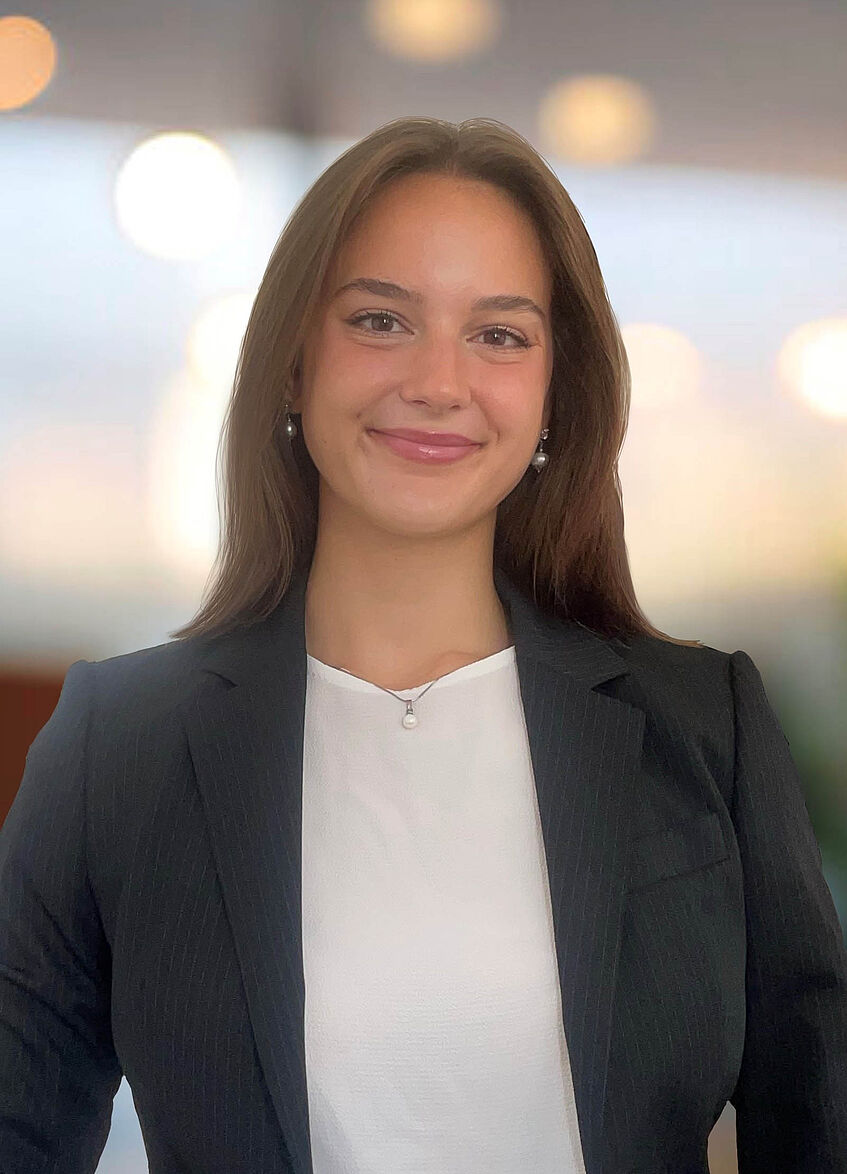
Associate Professor Dr. Alina Lengauer, LL.M. , Jean Monnet Professor of European Law ad personam , is affiliated with the University of Vienna at the Institute for European, International and Comparative Law under the Faculty of Law . Her research focuses on European constitutional law , EU internal market law , and international energy law , with a particular emphasis on principles of European law and climate change implications . Languages: German, French, English, Romanian, Italian, Hungarian LL.M. from the College of Europe, Bruges Doctor of Law from the University of Vienna (1998) Habilitation in European Law (2009) Her supervision criteria for dissertations and master's theses require German, English, and French language proficiency , with optional knowledge of other EU languages. She has co-edited the Journal of European Law, Private International Law and Comparative Law since 2008 and served on the Board of the Institute for the Danube Region and Central Europe (2013–2018). She conducted research at the Max Planck Institute and Humboldt University. Academic awards include the DOC Award, Maria Schaumayer Prize, and Figdor Prize from the Austrian Academy of Sciences. She coordinates the "European Law in Depth" Specialization Area (since 2025) and teaches courses in EU Energy Law , EU Constitutional Law , and European Law Case-Solving in English and German.
Christine Stumpp is a Professor at the Institute of Soil Physics and Rural Water Management , affiliated with the University of Natural Resources and Life Sciences Vienna (BOKU) . Her work integrates hydrology , soil physics , and stable isotope analysis to address critical issues in groundwater recharge , climate change impacts on water systems , and microplastic transport in soils .
- Hydrology
- Hydrogeology
- Soil Physics
- +۵ مورد دیگر
Thomas Ertl is a Professor at the University of Natural Resources and Life Sciences, Vienna (BOKU), leading the Institute of Sanitary Engineering and Water Pollution Control. His research focuses on urban water systems, emphasizing sustainable drainage, climate change adaptation, and nature-based solutions. He has coordinated 55 projects, including international initiatives in Albania and Austria, addressing stormwater management, wastewater heat recovery, and sewer infrastructure resilience. Key Projects : Analysing re-activated watercourses for urban resilience (2024–2028) Resilient rainwater management in Austria (2024–2028) Assessing pollutant emissions in Albania (2024–2027) Research Themes : Building Information Modeling (BIM) in wastewater systems Uncertainty analysis under climate change Stormwater pollution and heat island mitigation Awards : 2018: Goldene Ehrennadel des ÖWAV 1993: Best student award at AGIT 93 His recent publications highlight multidisciplinary approaches to wastewater energy recovery, spatial compatibility of nature-based solutions, and prioritization of stormwater management sites. He has supervised numerous theses and contributed to media discussions on urban climate resilience, including articles in Austrian outlets like futurezone.at and Der Kurier.

Sonja Wogrin is a University Professor (Univ.-Prof.) at Graz University of Technology (TU Graz), where she has been heading the Institute for Electricity Economics and Energy Innovation since August 2021. She holds a Dipl.-Ing. in Technical Mathematics from TU Graz (2008), a Master of Science in Computation for Design and Optimization from MIT (2008), and a doctorate in Electricity Systems from Universidad Pontificia Comillas (2013). Her educational background includes: Doctorate in Electricity Systems, Universidad Pontificia de Comillas (June 2013) Dipl.-Ing. in Technical Mathematics, Graz University of Technology (October 2008) Master of Science in Computation for Design and Optimization, MIT (June 2008) Professor Wogrin's research focuses on decision support systems in the energy sector, optimization methodologies, and particularly the problem of generation capacity expansion. Her work spans several key areas including bilevel programming, capacity expansion planning, energy storage systems, and time series aggregation for energy system optimization. She has made significant contributions to understanding how to integrate renewable energy sources into power systems while maintaining economic efficiency and grid stability. Her research often addresses the challenges of decarbonizing electricity systems through advanced mathematical modeling and optimization techniques. Her recent publications demonstrate a strong focus on improving the computational efficiency of energy system models while maintaining accuracy, with particular attention to the integration of renewable energy sources, energy storage systems, and the development of resilient energy communities. She has pioneered work on time series aggregation methods that balance computational tractability with model accuracy, which is crucial for long-term energy planning under uncertainty. Professor Wogrin has received several prestigious awards and fellowships including: 4th EASE Student Award for "Co-Optimisation of energy storage technologies in tactical and strategic planning models" (2019) Beca de movilidad para investigadores "NILS Ciencia y Sostenibilidad" (2015) Beca Erasmus "Personal Docente/Investigador" de formación (2016) Beca Iberdrola de ayuda a la investigación en energía y medio ambiente (2020) She leads multiple significant research projects including EU - NetZero-Opt, RINGs, iKlimET, V2G-QUESTS, and CIDEAL, which focus on optimizing energy systems for net-zero emissions, resilient energy networks, climate and energy system modeling, vehicle-to-grid integration, and industrial decarbonization. Her work has substantial practical implications for energy policy and grid operations in Austria and beyond. Professor Wogrin collaborates extensively with industry partners including Austrian Power Grid AG, KELAG, and Netz Niederösterreich, ensuring her research addresses real-world energy challenges. Professor Wogrin leads the research group at the Institute for Electricity Economics and Energy Innovation, which develops advanced optimization models for energy systems. Her team has created the LEGO (Low-carbon Expansion Generation Optimization) model, an open-source tool for energy system optimization that has gained international recognition. The group's work spans from fundamental optimization methods to practical applications in energy system planning and operation, with a strong emphasis on computational efficiency and model accuracy.