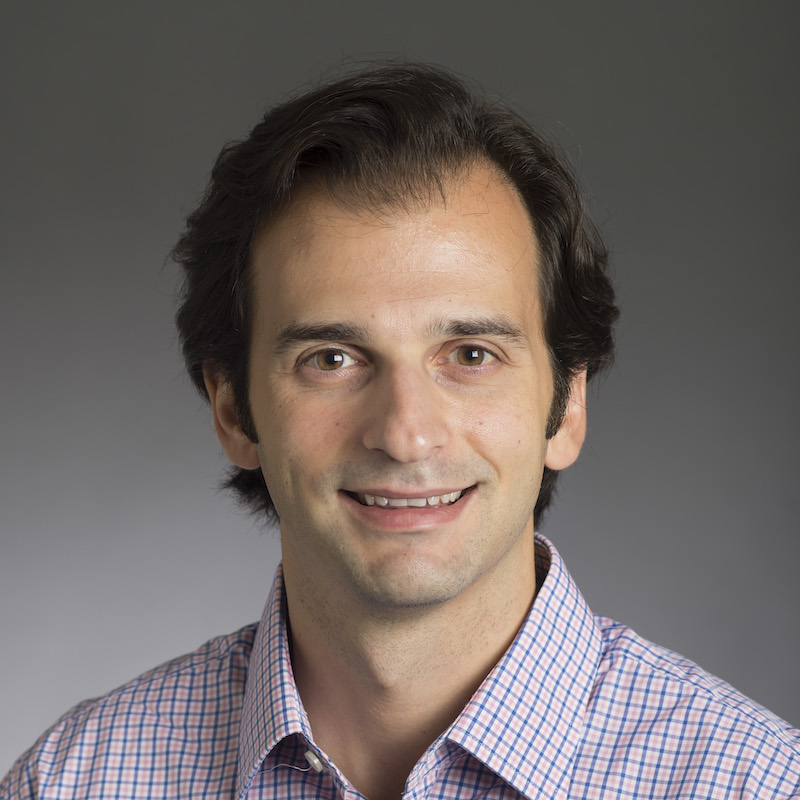
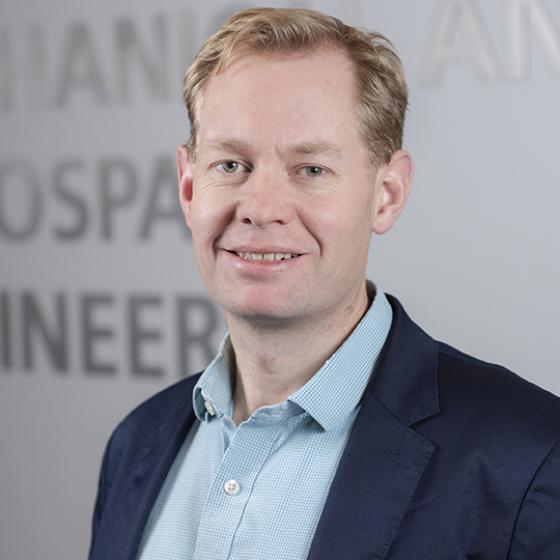
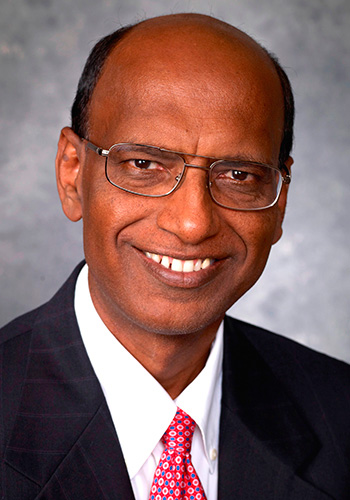
Nini Pryds is a Professor and Head of the research section 'Functional Oxide Materials' at the Department of Energy Conversion and Storage, Technical University of Denmark (DTU). He leads a team of 25+ researchers focusing on memristors, piezoelectricity, thermoelectricity, electrostriction, and functional oxide thin films. His work bridges physics and chemistry to design novel electronic states in oxide interfaces. Education: UDTU (likely Technical University of Denmark, potential typo). External roles include Editor of Applied Surface Science and Editorial Board Member of APL-Materials . Research interests revolve around quantum phenomena in oxide interfaces, stability enhancement of ionic conductors via coherent interface design, and mechanically tunable magnetism. Key contributions include modulation-doping at oxide interfaces, high mobility 2DEG discovery, and stabilizing δ-Bismuth oxide through multilayer structures. Recent publications emphasize oxide metamaterials, strain-mediated properties, and defect dynamics. Supervises active PhD projects on oxide heterostructures, thermoelectrics, and piezoelectricity. His work aligns with UN Sustainable Development Goals related to clean energy and innovation.
Albert Presto is a Research Professor in the Department of Mechanical Engineering at Carnegie Mellon University with a courtesy appointment in Civil and Environmental Engineering. He serves as Director of the Center for Atmospheric Particle Studies (CAPS) and is a Faculty Affiliate at the Steinbrenner Institute for Environmental Education and Research. His work spans multiple interdisciplinary collaborations across environmental science, engineering, and public health domains. Department of Mechanical Engineering, College of Engineering Center for Atmospheric Particle Studies (CAPS) Steinbrenner Institute for Environmental Education and Research Africa Clean Air Network Advisory Council Health Effect Institute's Energy Review Committee Presto's research focuses on pollutant emissions from energy extraction and consumption and their subsequent atmospheric transformations. His work examines how gas and oil wells emit methane, how vehicles emit carbon monoxide and particulate matter, and how these pollutants undergo oxidation in the atmosphere to create secondary pollutants like ozone and secondary particulate matter. His approach combines ambient measurements, laboratory experiments, source testing of pollution sources, and atmospheric models to provide a holistic view of pollutant emissions and transformations. His recent publications reveal a strong emphasis on air quality monitoring technologies, particularly low-cost sensor networks deployed internationally. There's a clear trend toward studying air pollution in African cities (especially Nairobi, Kampala, and Addis Ababa), examining spatial and temporal variability of particulate matter, and investigating the health impacts of air pollution exposure. His work increasingly integrates machine learning approaches for pollution forecasting and leverages international collaborations to address global air quality challenges. Member of Africa Clean Air Network Advisory Council Collaborator with US embassies worldwide on air quality data collection Quoted in The Guardian on inequality of air pollution exposure, specifically noting how people of color are more likely to be exposed to harmful air pollution Collaborated on research regarding chemicals released during the Ohio train derailment Presto actively collaborates with medical professionals to develop neighborhood-by-neighborhood studies of pollutant exposure and to understand relationships between emissions and health effects like childhood asthma. His work includes investigating racial-ethnic exposure disparities to airborne pollutants and examining how proximity to pollution sources like fast-food restaurants affects pediatric asthma outcomes. He has received seed funding from the Scott Institute for Energy Innovation for research in clean hydrogen production, AI hardware efficiency, and decarbonizing transportation. As Director of CAPS, Presto leads a research team focused on atmospheric particle studies with applications ranging from local Pittsburgh air quality to global monitoring initiatives. His lab develops and deploys advanced air quality monitoring technologies, including low-cost sensor networks that have been implemented in multiple cities across Africa. The CAPS research group works at the intersection of environmental engineering, atmospheric science, and public health to address critical air quality challenges worldwide.
David Erickson is the SC Thomas Sze Director and Sibley College Professor at Cornell University's Sibley School of Mechanical and Aerospace Engineering. He also holds a joint professorship in the Division of Nutritional Sciences. His research focuses on global health technologies, medical diagnostics, microfluidics, photonics, nanotechnology, and energy systems. He previously served as Associate Dean of Engineering for Research and Graduate Programs. Erickson leads the NIH-funded PORTENT Center for Point-of-Care Technologies in Global Health and has co-founded companies like Dimensional Energy and VitaScan to commercialize diagnostic and energy technologies. Education: B.Sc., Mechanical Engineering, University of Alberta (1999) M.A.Sc., Mechanical Engineering, University of Toronto (2001) Ph.D., Mechanical Engineering, University of Toronto (2004) Postdoctoral Scholar, Electrical Engineering, California Institute of Technology (2005) Research Interests: Erickson’s work spans global health diagnostics , nanobio applications , and clean energy innovation . He develops portable medical devices for low-resource settings, including smartphone-integrated diagnostic tools for malaria, iron deficiency, and cancer. His lab also pioneers photothermal reactors for CO2 conversion into sustainable fuels. Key areas include: Point-of-care testing for infectious diseases and nutritional deficiencies Nanofluidic and optofluidic technologies for biomolecular analysis Solar-driven energy systems for carbon-neutral fuels Awards: Presidential Early Career Award for Scientists and Engineers (2011) Fellowships from the Optical Society, ASME, and Canadian Academy of Engineering Carbon X-Prize Finalist (2019) for Dimensional Energy’s CO2-to-fuel technology Grants & Industry Collaboration: Erickson’s research is funded by NIH, NSF, ARPA-E, DOE, and USAID. His lab’s innovations have spun off start-ups addressing global health and energy challenges. Notable projects include: - Portable cancer diagnostics in sub-Saharan Africa using mobile phone-based systems - Solar-powered CO2 conversion reactors tested in Wyoming and Arizona Labs & Teams: The Erickson Lab collaborates with the Cornell Atkinson Center for Sustainability and the McGovern Center for Entrepreneurship. Key initiatives include the PORTENT Center and the Dimensional Energy CO2-to-fuel project.
Allan Larsen is a Professor and Deputy Head of Division at the Department of Technology, Management and Economics (DTU Management) at the Technical University of Denmark. He heads the Operations and Supply Chain Management Section. His academic background includes an MSc in Applied Mathematics and a PhD in Operations Research, both from DTU. He teaches courses in Operations Management and Simulation at both undergraduate and graduate levels. Research Focus: His work applies operations research methodologies to complex planning problems in supply chain management, logistics, healthcare operations, and public transport. Key areas include urban freight transport, healthcare supply chains, and optimization of public transport resources like crew and fleets. Collaborations with industries, especially in freight transport, have been extensive. He previously co-directed the Transport DTU research center and co-chaired Denmark’s Transport Innovation Network. Education: MSc in Applied Mathematics (1989–1995), PhD in Operations Research (1997–1999), both from DTU. Recognition: Recipient of the Hedorf’s transportpris award in 2022 for contributions to transport research. Research Projects: Supervises multiple PhD students (e.g., on electric freight transport, healthcare resource optimization, and Industry 4.0 applications). Active in projects like 'Pioneering Electric Heavy-Duty Freight Transport' and 'Resource optimization in healthcare.' Labs/Teams: Leads the Operations and Supply Chain Management research group and collaborates in initiatives like the Transport Innovation Network, focusing on sustainable transport solutions.
Christopher R. Knittel is the George P. Shultz Professor of Energy Economics and Professor of Applied Economics at the Massachusetts Institute of Technology (MIT) Sloan School of Management . He serves as Director of MIT’s Center for Energy and Environmental Policy Research (CEEPR), Director of the MIT Climate Policy Center, and Deputy Director for Policy at the MIT Energy Initiative (MITEI). PhD, University of California, Berkeley (1999) M.A., University of California, Davis (1996) B.A., California State University, Stanislaus (1994) His research focuses on energy economics, environmental policy, and machine learning applications in energy systems. He leads interdisciplinary initiatives like the Climate Action Through Education program for high schools and co-directs the E2e Project with UC Berkeley and University of Chicago. Recent publications analyze data center energy dynamics, hydrogen technologies, Russian oil sanctions, and transportation policy reforms. His work emphasizes policy cost-effectiveness, emissions equity, and energy market responses to regulation.
Joël Brugger is a Professor of Synchrotron Geosciences at Monash University, where he is affiliated with the School of Earth, Atmosphere and Environment. He earned his PhD from the University of Basel in 1996 and has held academic and research positions at the University of Adelaide and South Australian Museum before joining Monash in 2014. His research leverages advanced synchrotron techniques to investigate geochemical processes in natural and anthropogenic systems. His research interests include: Synchrotron-based geochemistry Formation of rare earth element deposits Biogeochemical cycling of critical and toxic elements (e.g., tellurium) Environmental behavior of radioactive particles (e.g., plutonium at Maralinga) Mineral-microbe-fluid interactions Sustainable mineral extraction technologies His recent publications highlight the use of high-energy X-rays to study ore formation, nanoparticle dynamics, and environmental contamination. These works demonstrate a strong trend toward interdisciplinary, experiment-driven geochemistry with implications for renewable energy and environmental safety. His research is frequently published in high-impact science communication platforms and peer-reviewed journals. Scientific awards and recognitions include: No specific awards listed in the source material. He actively engages in research supervision, consulting, and media outreach. His work is supported by the Australian Research Council and industry partners in the mining sector. He leads a multidisciplinary team and collaborates internationally, particularly in synchrotron science facilities in Europe. He has contributed to studies involving nanoscale imaging, environmental risk assessment, and clean technology development. He is involved in research teams and labs such as: Minerals, Microbes and Solutions research group (formerly at University of Adelaide) Monash Centre for Electron Microscopy Collaborations with Diamond Light Source (UK) and European Synchrotron Radiation Facility (France)
Professor Wei Cui is a distinguished scholar at the Peter A. Allard School of Law at the University of British Columbia, where he joined the faculty in 2013. His expertise spans tax law and policy, international taxation, and Chinese legal studies, with significant contributions to understanding the intersection of tax policy, climate change, and global economic governance. Professor Cui's educational background includes a BA from Harvard College, an MA in Philosophy from Tufts University, a JD from Yale Law School, and an LLM in Taxation from New York University School of Law. He maintains strong institutional affiliations with the Centre for Asian Legal Studies, Centre for Chinese Research, and Centre for Business Law at UBC. Professor Cui's research focuses on tax law and policy with particular emphasis on international taxation, carbon pricing mechanisms, Chinese fiscal systems, and the relationship between tax policy and development. His work bridges theoretical insights with practical applications in tax administration, examining how tax systems function in different political and economic contexts. He has made significant contributions to understanding China's tax system and its implications for developing countries, as well as analyzing innovative approaches to carbon pricing and digital taxation. His recent publications demonstrate a clear trajectory toward addressing contemporary challenges in tax policy, particularly the intersection of taxation with climate change mitigation and digital economy regulation. Professor Cui's research on carbon contracts for difference, output-based pricing systems, and digital services tax reflects his engagement with pressing policy questions facing Canada and the international community. Insight Grant from the Social Sciences and Humanities Research Council of Canada Insight Grant from the Social Sciences and Humanities Research Council of Canada Professor Cui has engaged in significant scholarly supervision and research collaboration, with his work supporting numerous graduate students and research projects. His professional background includes over 10 years of tax law practice with global law firms in New York and Beijing, service as Senior Tax Counsel at the China Investment Corporation (2009-2010), and consultancy roles with China's National People's Congress, Ministry of Finance, State Administration of Taxation, and the United Nations. Professor Cui maintains active research laboratories and teams focused on comparative tax systems, with particular attention to China's fiscal development and its implications for global tax governance. His current research projects examine the evolution of international tax design as part of the post-WWII international economic order and tax/subsidy policies designed to combat climate change and support innovation.
Philippe Aghion is a Professor at the College de France holding the chair in Economics of Institutions, Innovation and Growth, and a Professor at INSEAD. He also serves as a visiting professor at the London School of Economics. His academic work has established him as a leading figure in growth economics, particularly through his development of the Schumpeterian Growth paradigm. Professor Aghion's research focuses on the economics of growth, innovation, productivity, and income mobility. He has pioneered the Schumpeterian Growth theory with Peter Howitt, which examines economic growth through the lens of "creative destruction" - where innovation drives progress by replacing outdated technologies and business models. His work analyzes the design of growth policies, the role of competition and industrial policy, the relationship between innovation and inequality, and solutions to the "secular stagnation" observed in developed economies. A recurring theme in his research is understanding how institutions shape innovation and growth dynamics. The analysis of his recent publications reveals a strong focus on innovation economics, environmental sustainability, and the relationship between technological change and economic outcomes. His work spans theoretical developments in growth models and empirical investigations using firm-level data, particularly from France. Key trends include examining how market competition affects innovation, the dynamics of green technology adoption, the impact of globalization on firm behavior, and the relationship between automation and labor markets. His research consistently connects theoretical frameworks with empirical evidence to inform policy design. Professor Aghion has received numerous prestigious awards for his contributions to economics: 2001: Yrjo Jahnsson Award (best European economist under age 45) 2009: John Von Neumann Award March 2020: BBVA "Frontier of Knowledge Award" (shared with Peter Howitt) Fellow of the Econometric Society Fellow of the American Academy of Arts and Sciences As the holder of the Economics of Institutions, Innovation and Growth chair at the College de France (established in 2015), Professor Aghion leads a research team comprising more than twenty researchers. His chair focuses on cutting-edge research examining the economics of innovation, environmental sustainability, productivity dynamics, and household income mobility. His influential books, including "Endogenous Growth Theory" (1998), "The Economics of Growth" (2009), "Competition and Growth" (2006), and "The Power of Creative Destruction" (2021), have shaped the field of growth economics and provided frameworks for understanding modern economic challenges.
Ben McWilliams is a Research Fellow at Bruegel, focusing on Energy and Climate Policy . His work combines data-driven analysis to critique and inform European public policy, with particular emphasis on energy sector decarbonisation , industrial policy , and hydrogen-based economic geography . Recently, he has analyzed European energy crises and proposed policy responses , while tracking clean tech trends and natural gas dynamics across Europe. Education : MSc in Economic Policy (Utrecht University, thesis on carbon taxation in British Columbia); BSc in Economics (University of Warwick) with exchange year at Monash University Research Focus : Energy Security , Climate Policy , Hydrogen Economics , and Industrial Decarbonisation Key Contributions : Co-authored 15 major analyses (2021-2025) on topics including EU-Russia energy divorce , transatlantic clean investment , and hydrogen strategy Awards : No scientific awards mentioned in available records Affiliations : Bruegel (Affiliate Fellow), dual citizenship (British/Dutch)
Constantine (Costa) Samaras is the Trustee Professor of Civil and Environmental Engineering and Director of the Wilton E. Scott Institute for Energy Innovation at Carnegie Mellon University. He is also affiliated with the Department of Engineering and Public Policy and holds a courtesy appointment in the Heinz College of Information Systems and Public Policy. Director, Scott Institute for Energy Innovation Trustee Professor, Civil and Environmental Engineering Affiliated Faculty, Engineering and Public Policy Courtesy Faculty, Heinz College of Information Systems and Public Policy His research focuses on systems engineering approaches to climate resilience , clean energy transitions , and infrastructure security . Key areas include: Transportation electrification and automation Climate adaptation for infrastructure Energy policy under uncertainty AI impacts on energy systems Equity in decarbonization National security implications of energy Costa Samaras co-authored 15 recent studies spanning energy burden analysis, climate hazard indices, AI training energy optimization, and nature-based infrastructure solutions. His work emphasizes transdisciplinary collaboration between engineering, policy, and climate science. Notable scientific recognition includes being named Professor of the Year by the Pittsburgh Section of the American Society of Civil Engineers in 2018. He has led significant policy engagements including White House service (2021-2024) as Principal Assistant Director for Energy and Chief Advisor for Clean Energy Transition. Current affiliations include: Founder/Director, Center for Engineering and Resilience for Climate Adaptation Founder/Director, Power Sector Carbon Index Former Senior Researcher, RAND Corporation (2009-2014) Former Adjunct Senior Analyst, RAND Corporation (2014-2021)
Dr. Zhifu Mi is a Professor of Climate Change Economics at the Bartlett School of Sustainable Construction , University College London. His research focuses on carbon footprint analysis, climate change economics, air pollution and health, sharing economy sustainability, and input-output modeling. He has published extensively in top journals like Nature Sustainability , Lancet , and Science Advances . Co-Editor-in-Chief, Structural Change and Economic Dynamics (2020–present) Executive Editor, Journal of Cleaner Production (2019–present) President, Chinese Economic Association (UK/Europe) Council Member, International Input-Output Association Fellow of the Royal Geographical Society His research explores: Carbon Footprints: Economic development and emission convergence in Chinese households Climate-Health Linkages: Air pollution impacts, ultra-low emission policies Sharing Economy: Sustainable societies through shared micro-mobility Policy Analysis: Synergies between environmental regulations Recent publications analyze decarbonization employment gaps, polycentric urban structures, and health-environment policy intersections. Awards include the World Sustainability Award (2018), multiple Clarivate Highly Cited Researcher honors, and UCL's Outstanding Research Supervision Award (2022). He teaches modules on construction economics and input-output analysis.
Sarah Pink is a leading Professor at Monash University , holding a joint appointment across the Faculty of Art, Design and Architecture and the Faculty of Information Technology . She serves as Director of the FUTURES Hub and Emerging Technologies Research Lab , focusing on human futures in digital and net zero transitions. PhD in Social Anthropology, University of Kent Honorary Doctorates from Malmö and Halmstad Universities Fellow, Academy of the Social Sciences in Australia Her research spans design anthropology, emerging technologies, automated decision making, and future mobilities . Recent work examines: AI ethics in clean energy Smart homes for seniors Automated mobility futures Selected 2025 article trends show focus on technological ethics, urban data systems, and human-machine interaction across 6 subfields including automated decision making and sensory design. Major awards: CIOB Award for Best International Paper (2016) Asia Pacific Eldercare Innovation Gold (2021) Good Design Awards (2023) As research director for Monash Grid Innovation Hub and Human-Centred Computing , she leads projects funded by Australian Research Council, EU, and national research councils across five countries. Her lab engages 20 active projects and 20+ industry partners globally.
John Psarras is a Professor at the National Technical University of Athens (NTUA) in the School of Electrical and Computer Engineering, specifically within the Division of Industrial Electric Devices and Decision Systems. He serves as the Director of the Decision Support Systems Laboratory (DSSlab) and the University Research Institute of Communication and Computer Systems. He holds a Diploma in Mechanical Engineering (1982) and a Ph.D. in Electrical and Computer Engineering (1989), both from NTUA. His research specializes in decision support systems with applications in energy management, environmental analysis, and information systems. Key areas include: Multi-criteria analysis for energy policy and renewable integration AI-driven optimization of smart grids and building efficiency Sustainable finance mechanisms for green projects Blockchain applications in education and data security His recent publications (2023–2025) demonstrate a strong focus on AI-enhanced decision tools for energy transitions, smart infrastructure, healthcare diagnostics, and cross-border renewable cooperation, reflecting interdisciplinary innovation. He has supervised 22 PhD theses and coordinates EU-funded projects in energy policy, clean technology, and capacity building. No scientific awards are listed in available sources. He leads the Decision Support Systems Laboratory (DSSlab), advancing research in energy analytics, and directs the University Research Institute of Communication and Computer Systems, facilitating large-scale interdisciplinary collaborations.
Dr. Daniel Carrión is an Assistant Professor of Epidemiology at the Yale School of Public Health, Department of Environmental Health Sciences. His work bridges climate science , energy transitions , and health equity , focusing on structural inequality’s role in exposure and health disparities. Education: PhD in Environmental Health Sciences (Columbia University, 2019); MPH in Environmental Health Sciences (New York Medical College, 2011); BA in Environmental Studies (Ithaca College, 2008). His research examines how home and neighborhood environments serve as intervention points for climate and health equity . Recent studies include modeling heat vulnerability in U.S. housing, geospatial analysis of lead water lines, and clean cooking interventions in Ghana. Articles span climate change , air pollution , and social determinants , with methodological focus on exposure science and case-crossover designs . Scientific honors include: Senior Fellow, Agents of Change in Environmental Justice (2022) Fellow, New York Academy of Medicine (2022) Senior Fellow, Environmental Leadership Program (2019) He contributes to community service as a member of the New York State Minority Health Council (2016–present) and the International Society for Environmental Epidemiology (2018–present). His work integrates satellite data , machine learning , and policy evaluation to address energy insecurity , racial segregation , and climate justice .
Dr. Kaushik Rajashekara is a Distinguished Professor of Engineering at the University of Houston, affiliated with the Department of Electrical & Computer Engineering. He holds leadership roles in academic and industry research, including prior positions at the University of Texas at Dallas, Rolls-Royce, and Delphi Corporation. His expertise spans power electronics, transportation electrification, and renewable energy systems. Education: MBA, Indiana Wesleyan University, 1992 Ph.D., M.S., B.S. in Electrical Engineering, Indian Institute of Science, 1984, 1977, 1974 B.S. in Science & Maths, Bangalore University, 1971 Research Interests: Power electronics and drive systems, subsea electrical systems, electric/hybrid vehicles, aircraft electrification, renewable energy, and microgrids. His work emphasizes sustainable energy solutions and advanced propulsion technologies. Awards: 2022 Global Energy Prize (highest international energy award) Member of U.S. National Academy of Engineering (2012) IEEE Medal for Environmental and Safety Technologies (2021) Multiple fellowships from IEEE, NAI, and SAE Grants & Advising: Extensive industry collaborations, including roles as Chief Technologist at Rolls-Royce and Chief Scientist at Delphi. His research focuses on cutting-edge technologies like flying cars and subsea power systems. Labs/Teams: Active in the PEMSEC lab at UH, advancing power electronics and energy systems. Collaborates globally on projects like offshore renewable energy integration and aircraft electrification.