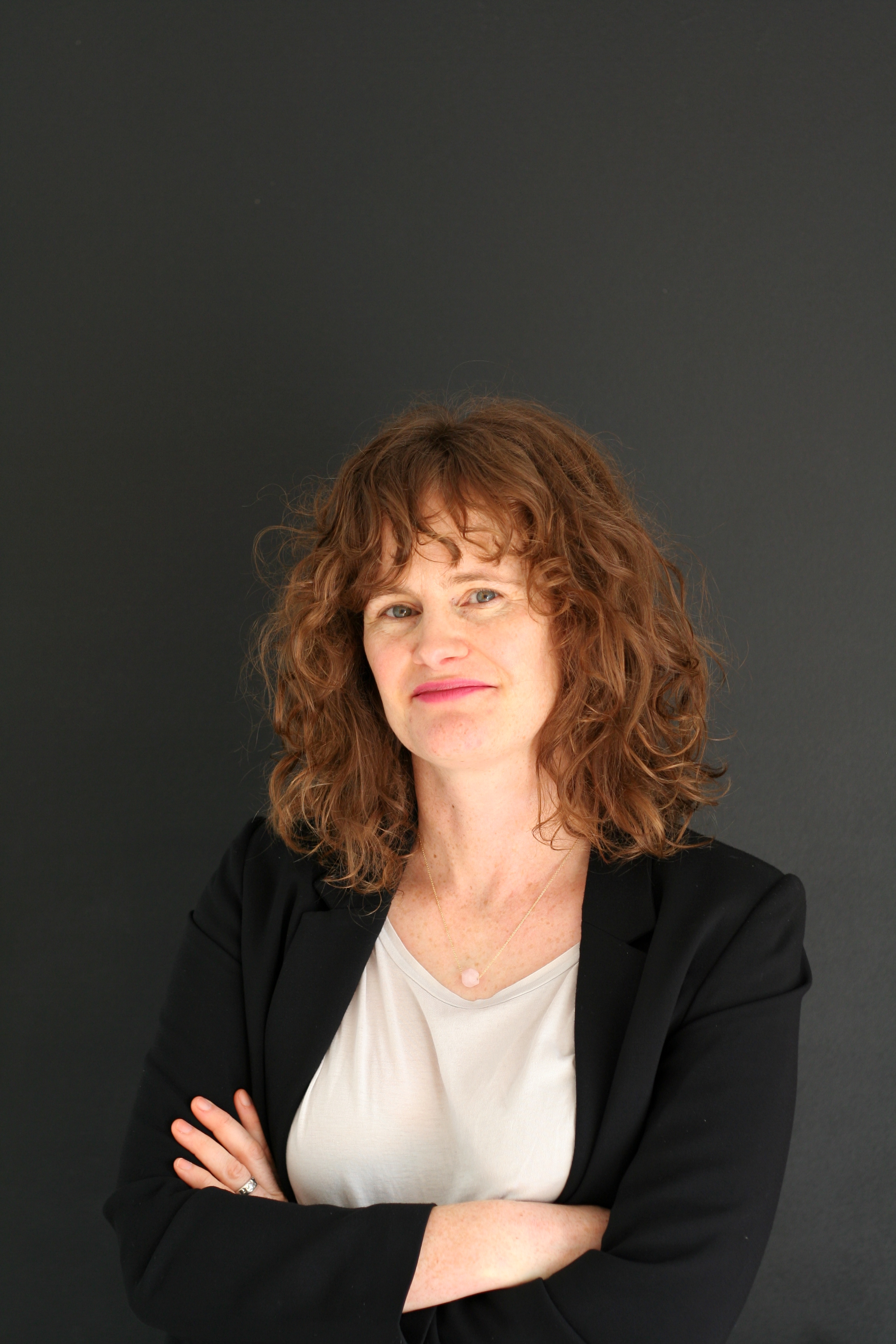
Professor Amelia Thorpe of the University of New South Wales School of Law specializes in planning, property and environmental law with a focus on mobility and urban governance. Her sociolegal approach integrates professional experience in public interest environmental law and planning, including acting as Commissioner in the Land and Environment Court of NSW and membership on the Independent Liquor and Gaming Authority. BEnvDes & BArch (Hons), University of Western Australia BPolSt (Hons), Murdoch University BA (Jurisprudence), Oxford LLM, Harvard Law School PhD, Australian National University Her research explores urban governance through projects like Owning the Street: The Everyday Life of Property (MIT Press, 2020) and current $2M+ in competitive funding including: Australian Research Council Linkage Project (2025-2028): Aboriginal-led pathways James Martin Institute Policy Challenge Grant (2023-2024): Data-driven mobility Reliable Affordable Clean Energy CRC (2020): EV infrastructure She has held visiting appointments at UC Berkeley, McGill, and Paris IAS. Her 12 PhD supervisees include: Matthew Idiculla (constitutional law) Amarnath Boopalam Manjunath (street vendors) Alice Palithorpe (climate displacement) Major awards include: Australian Legal Research Awards (2022) Legal Innovation Index winner (2016) Vice-Chancellor’s Teaching Excellence (2014)
Dr. Wei Li is a Senior Lecturer in International Business at the University of Sydney Business School , where she co-leads research initiatives on China-Australia economic relations and serves as Program Director for the Master of International Business. Her work bridges academic rigor with industry impact through partnerships with KPMG and the China Studies Centre. Education : BA (Renmin University), MSc (London School of Economics), PhD (Macquarie University) Research Focus : Globalization of Chinese enterprises, RMB internationalization, renewable energy in Asia-Pacific, and diaspora entrepreneurship Leadership : Inaugural Program Director for the Executive Global Unicorn Program with Cheung Kong Graduate School of Business Her research analyzes how Chinese firms navigate regulatory environments in advanced economies, build cross-border legitimacy, and adapt to structural shifts like carbon neutrality policies and geopolitical tensions. Recent work explores employability challenges for international students and digital payment trends in Asia-Pacific. Articles reveal a focus on CSR strategies in conflicting institutional contexts, renewable energy economics , and investment pattern analysis across 15 most recent publications. She has received grants from KPMG and industry partners for research on China-Australia business ecosystems. Dr. Li actively engages in experiential learning through SDG-focused practicum courses and teaches units like MIBS6005 International Business Capstone. She supervises research students on topics including SME informality in emerging markets.
Ridoan Karim is a Senior Lecturer at the Department of Business Law & Taxation, School of Business, Monash University Malaysia. His work bridges Business Law, International Trade Law, Environmental Law, Energy Law, and Technology Policy , with a focus on energy justice, AI ethics, blockchain applications, and legal frameworks for emerging technologies . Primary Research Areas: Energy Justice, AI Ethics, Blockchain Legal Issues, Privacy Law, and Sustainable Development Geographic Focus: Malaysia, Bangladesh, and broader Southeast Asian contexts Recent Research Trends His publications from 2018-2025 show consistent exploration of: Legal implications of AI integration in energy, healthcare, and manufacturing Blockchain technology for energy systems, health coverage, and financial transparency Energy justice frameworks across Southeast Asia and emerging economies Privacy law development in smart cities and digital environments Comparative legal studies between common law and Islamic/Shari'ah frameworks Scientific Awards No specific awards mentioned in available texts.
Professor Roberta Ryan is an Honorary Professor at the University of Newcastle, serving as the founding Executive Director of the Institute for Regional Futures and the University’s inaugural Professor of Local Government. She holds ministerial appointments as a member of NSW Regional Planning Panels and has led institutions like the UTS Institute for Public Policy and Governance. Her expertise spans social planning, strategic planning, and stakeholder engagement, advising governments on development challenges and policy reforms. Notably, she was the Independent Community Commissioner for Sydney’s Western Sydney Aerotropolis project. Ryan holds BAs from the University of Sydney. Her research focuses on local governance, urban development, and community engagement, with over 300+ projects and grants exceeding $7.8 million. She co-authored the Handbook of Research on Sub-National Governance and frequently publishes on regional futures, energy policy, and public value frameworks. Ryan’s work emphasizes equitable urban growth and participatory decision-making.
Dr. Scott Dwyer serves as an Associate Professor and Research Director at the Institute for Sustainable Futures (ISF) at the University of Technology Sydney (UTS). With 20 years of experience across multiple jurisdictions, he is an industry-focused leader in sustainability research and engagement, specializing in energy and transport sectors. As a senior member of the Energy Futures group at ISF and leader of its work on customer energy innovation, he delivers award-winning research through close collaboration with public and private sector partners. Dr. Dwyer holds a PhD in Engineering (Energy) from the University of Ulster, Belfast (2004-2009), an MSc in Energy Systems and the Environment from the University of Strathclyde, Glasgow (2002-2003), and a BSc (Honours) in Environment from Glasgow Caledonian University (1998-2002). His academic foundation spans electrical energy transmission, environment policy, and environmental engineering disciplines. His research focuses on the opportunities and challenges posed by disruption in energy and transport sectors, particularly regarding markets, customers, technologies, policy, and business models. Dr. Dwyer undertakes applied research primarily aimed at informing policy and practice, with expertise spanning solar, batteries, VPPs, microgrids, embedded networks, UrbanREZ, water and space heating/cooling, demand flexibility, HEMS/BEMS, fuel cell, hydrogen, electric vehicles, and related infrastructure. His work bridges technical, economic, and social dimensions of energy transition, with particular emphasis on community engagement and practical implementation pathways. Analysis of his recent publications reveals a strong focus on microgrid feasibility, community energy solutions, and the integration of distributed energy resources. His research demonstrates consistent attention to the intersection of technical possibilities and social acceptance, particularly in rural and remote communities. There's a clear pattern of investigating practical implementation challenges while developing frameworks for policy and business model innovation in the energy transition space. Dr. Dwyer regularly provides expert advice to policymakers and is a frequent media contributor on energy topics, appearing on ABC News, SBS World News, Nikkei-Asia, The Conversation, The Guardian, The Sydney Morning Herald, and The Monthly. His work involves leading transdisciplinary teams on complex research projects for diverse organizations including energy utilities, manufacturers, startups, industry bodies, communities, businesses, and government entities. As Research Director at ISF, he leads a team focused on customer energy innovation, working closely with partners to deliver research that informs real-world energy transition challenges. His approach emphasizes collaboration with communities and stakeholders throughout the research process, particularly evident in his microgrid and community energy projects across Australia.
Professor Heather Lovell is a leading academic at the University of Tasmania, holding a joint appointment in the School of Social Sciences and the School of Geography, Planning & Spatial Sciences. Her work bridges policy and technology change, with an emphasis on energy innovation and climate action. PhD from University of Cambridge (2005) Previously Associate Professor at Edinburgh University Active in interdisciplinary energy research Her research interests focus on geographies of innovation , policy dynamics , and institutional memory within energy systems. She combines Human Geography , Political Science , and Science and Technology Studies to explore how societies adapt to emerging energy technologies. Key recent publications address hydrogen certification , smart grid trials , and household energy storage . Her work spans climate policy, energy transitions, and the sociotechnical dimensions of renewable systems. Scientific recognition includes: Nuffield Foundation Fellowship (2008) ARC Future Fellowship (2014) Clean Energy Council Community Engagement Award (2018) Engineers Australia Engineering Excellence Award (2018) Energy Networks Australia Industry Innovation Award (2018) Professor Lovell supervises doctoral research on energy citizenship, green hydrogen governance, and climate justice. She has contributed to significant Australian energy projects, including large-scale smart grid trials and policy development for sustainable energy systems.
Animesh Ghimire serves as a Lecturer at Monash University's School of Nursing and Midwifery within the Faculty of Medicine, Nursing and Health Sciences, while concurrently holding a Research Fellow position at Sustainable Prosperity Initiative Nepal. His work critically examines health and educational equity in the Global South through lenses of ethics, migration, and climate justice, employing applied philosophy and qualitative methodologies to address frontline healthcare challenges. His academic credentials include a Masters in Public Health (University of Wollongong, 2024-2025), Masters in Education (Research) (Deakin University, 2023-2024), Masters of Science in Nursing (University of Tasmania, 2020-2022), and Bachelor of Science in Nursing (Western Sydney University, 2015-2018). Ghimire's research centers on Global Health Ethics , Health Workforce Migration , and Climate Change-Public Health intersections , with particular focus on Nepal. His investigations into energy justice reveal gendered impacts of thermal labor on women's health in Madhesh Province, while analyses of Nepal's Female Community Health Volunteer model propose transformative global health paradigms beyond traditional hospital-centric approaches. His 26 recent publications (2024-2025) in journals including The Lancet and BMC series demonstrate consistent thematic focus: 62% address nursing education/migration (e.g., ethical toll of brain drain on Nepalese nurse managers), 23% examine climate-health links (e.g., clean cooking impacts), and 15% explore gender dynamics (e.g., hidden curriculum in female medical graduates' careers). Geographically, 78% of studies center on Nepal with Australian comparative elements. No scientific awards were documented in the provided materials. As a lecturer, Ghimire contributes to Monash's nursing curriculum while conducting externally funded research through Sustainable Prosperity Initiative Nepal and Chitwan Medical College appointments. His media engagements—including July 2025's Too Hot to Cook feature—translate research into policy advocacy, particularly regarding women's health in climate-vulnerable communities. He maintains active international networks through conference presentations (International Council of Nurses Congress 2025, Precision Public Health Asia 2025) and collaborations with KU Leuven's Centre for Biomedical Ethics, focusing on transnational nursing ethics and climate-resilient healthcare education.
Dr. David Fleming-Muñoz is a Professor at La Trobe University and an Honorary Senior Fellow at The University of Queensland's School of Economics. With over 20 years of policy and research experience spanning Chile, the US, New Zealand, and Australia, he specializes in econometric modeling, impact assessment, and forecasting. His research addresses market and public policy challenges in agricultural/resource economics, trade, energy transitions, climate change, and economic resilience. His research integrates advanced statistical methods with multidisciplinary approaches to evaluate sustainability transitions, agricultural workforce dynamics, climate risk mitigation, and resource management in complex systems. Recent publications focus on energy transition impacts in rural communities, decarbonization strategies, and climate-resilient agricultural practices. Educational background includes a PhD and MS in Applied Economics from The Pennsylvania State University, and a BA in Agricultural Engineering from Pontificia Universidad Católica de Chile.
Mark Dean is an Adjunct Professor at RMIT University, affiliated with the College of Business and Law. His role involves research and academic contributions focusing on industrial transformation, climate policy, and socio-economic dynamics. He is based at City Campus, Australia, and engages with issues such as deindustrialization, renewable energy workforce futures, and smart city governance. Dean’s research interests include the intersection of technology and society, industrial policy-making, and the challenges posed by economic restructuring. He explores how public policy can navigate the transition to sustainable industries, particularly in manufacturing and renewable sectors, while addressing workforce development and regional economic resilience. His work also critiques conventional economic systems, emphasizing alternative approaches to climate action and urban development. His recent articles highlight trends in manufacturing revival, EV industrial opportunities, and post-COVID policy responses to climate change. These themes reflect a focus on leveraging technology and policy for equitable economic futures. While no awards are listed, his contributions to the Australian Industrial Transformation Institute and collaborations with unions like the AEU underscore his commitment to applied research. Dean has no listed advisees or students. Though no grant details are provided, his research aligns with institutional priorities around innovation hubs (e.g., Tonsley) and the socio-economic impacts of Industry 4.0. He is also involved in studies on parliamentary dynamics, particularly in South Australia, and the ethical dimensions of smart cities through projects like the Carmichael Centre.
Daniel Ooi is a Senior Lecturer in the First Year College at Victoria University and a Research Fellow at the Institute for Sustainable Industries and Liveable Cities. He coordinates and teaches units in community and international development, sociology, and human services, with a particular focus on students from culturally diverse backgrounds, first-in-family students, and those from working-class backgrounds, emphasizing student-centered learning that draws upon students' rich life experiences. His academic credentials include a BPsych (Hons) from the University of Sydney (2002), an MA from the University of Sydney (2003), a PhD from the University of Melbourne (2011), and a Graduate Certificate in Higher Education from Victoria University (2019). His research focuses on social inclusion and participatory democracy in urban planning, particularly concerning water and the environment in Australia and Latin America, using mixed methods to examine community-environment relationships and strategies to reduce youth social marginalization. His recent publications reveal a strong interdisciplinary approach spanning social work, environmental studies, and urban planning, with significant work on the 'Hope to Home' homelessness intervention project, community water reuse perceptions, and workforce development in public transportation. His research frequently occurs in multidisciplinary settings involving ecologists, economists, and engineers. Received research funding from Australian Water Recycling Centre of Excellence Collaborated on National Centre of Excellence in Desalination Australia projects Active contributor to The Conversation on water security topics ORCID: 0000-0002-6246-4148 Daniel is available for Masters and PhD supervision across Human Society, Environmental Sciences, and Biomedical fields, with alignment to UN Sustainable Development Goals for Sustainable Cities, Clean Water, and Good Health.
Dr. Cristian Birzer is a Senior Lecturer at the University of Adelaide's School of Electrical and Mechanical Engineering, focusing on Sustainable Energy and Humanitarian Engineering. He leads the Humanitarian and Development Solutions Initiative (HDSI), which develops affordable technologies for resource-constrained regions. His research areas include clean cookstove design, biochar applications in waste management, and renewable energy systems. Dr. Birzer’s work emphasizes open-source solutions and local implementation, aiming to reduce preventable deaths and improve quality of life globally. He has deployed in disaster zones like East Timor, the Solomon Islands, and post-earthquake Nepal. His expertise spans mechanical engineering, combustion science, and humanitarian technology dissemination. Recent research highlights include optimizing in-stream water wheel performance (2024), biochar-enhanced anaerobic digestion (2023), and humanitarian engineering education frameworks (2022). He received the Tall Poppy Award in 2014 for outstanding scientific achievement and communication. His teaching integrates complex global challenges, such as sustainable energy access and disaster resilience. Professional activities include advising NGOs and military humanitarian missions, reflecting his dual focus on technical innovation and practical impact. Lab affiliations include the Humanitarian & Development Solutions Initiative (HDSI), where interdisciplinary teams address energy poverty, water sanitation, and post-crisis infrastructure needs.
Dr Sue McAvoy is a Senior Research Fellow at the University of Queensland’s Centre for the Business and Economics of Health, with dual roles as a Non-Executive Director at Sunshine Coast Hospital and Health Service. She holds a PhD (2015), MBA, and Honours in Econometrics from UQ, complemented by executive education from Oxford Said and London Business School. Her expertise lies at the intersection of systems thinking and healthcare innovation, with 15 years of board leadership experience across healthcare and corporate sectors. Education: PhD in System Dynamics (UQ, 2015) MBA (UQ) Bachelor of Economics (Honours in Econometrics, UQ, 1983) Research interests focus on applying systems thinking to healthcare challenges, including emergency department efficiency, Indigenous health equity, and disruptive innovation in agriculture. She co-leads projects funded by MLA and Metro North HHS, developing decision support tools for outpatient access. Her work with Indigenous communities emphasizes participatory modelling to address pandemic responses and misinformation. Her funded projects include: Strategic Referral Allocation Tool for Metro North HHS (2021-2023) COVID-19 pandemic preparedness in urban Indigenous communities (2021) Comparative analysis of traditional vs artificial meat production (MLA grant) Labs/Teams: Core member of UQ Business School’s Future of Health Hub, collaborating with Mater Hospital’s Data & Analytics team to implement predictive ED models. Engages with industry through group model-building workshops for healthcare leaders.
Dr. Cristyn Meath is a Senior Lecturer in Sustainability at the University of Queensland Business School and Hub Director of the Sustainable Infrastructure Research Hub (SIRH). She specializes in sustainable infrastructure transitions, circular economy principles, and decision-making frameworks for sustainability. Her work focuses on collaboration between industry, government, and academia to accelerate decarbonization, circularity, and digitization in infrastructure sectors. Dr. Meath teaches Decision Making & Reporting for Sustainability in the Master of Business program and co-founded the Infrastructure CoLab, a platform addressing systemic challenges in infrastructure design and procurement. Her research spans climate change, energy transition, natural capital decline, and emerging technologies. She holds a PhD and Master’s from The University of Queensland, with prior experience in sustainability consulting and industry collaboration. Dr. Meath leads projects such as the ARC Research Hub to Advance Timber for Australia’s Future Built Environment and contributes to global initiatives like the Hydrogen System Dynamics Modelling Tool. She is actively involved in policy development, workforce transition studies, and sustainable micro-investment platforms. Publications highlight her work on sustainable healthcare design, organizational mindsets for sustainability, and circular supply chains. She supervises PhD candidates exploring biodiversity loss, infrastructure resilience, and digital engineering. Dr. Meath collaborates with global institutions, including the University of Sussex and Kühne Logistics University, to build a transdisciplinary research network addressing infrastructure transitions.
Dr. Chris Briggs is a Research Director at the University of Technology Sydney's Institute for Sustainable Futures (ISF), specializing in renewable energy transitions, corporate power purchase agreements (PPAs), and clean energy workforce development. With over 20 years of experience spanning federal/state policy, advocacy, and academic research, he co-founded the Business Renewables Centre-Australia, a non-profit supporting corporate renewable procurement. His expertise includes climate policy design, energy market reform, and Indigenous engagement in renewable projects. Briggs holds a PhD and Bachelor of Economics (First Class Honors) from the University of Sydney. His research integrates labor economics, energy systems, and policy analysis. His work focuses on accelerating equitable energy transitions through: Corporate PPAs : Developing scalable models for business renewable procurement Demand Flexibility : Optimizing grid integration of renewables via load management Workforce Development : Addressing skills gaps in renewable energy construction and operations First Nations Engagement : Creating inclusive employment pathways in clean energy projects Briggs' recent publications demonstrate a consistent focus on workforce scalability, policy-enabled market transformation, and Indigenous economic participation in renewable energy zones. Articles emphasize labor forecasting methodologies, demand-side innovation, and regulatory frameworks for just transitions. He leads major grants including ARENA-funded projects on demand flexibility and RACE CRC initiatives on workforce planning. As Program Lead for Energy Futures at ISF, he oversees cross-disciplinary teams developing policy tools for governments and industry. His collaborations include the First Nations Clean Energy Network and state energy agencies.