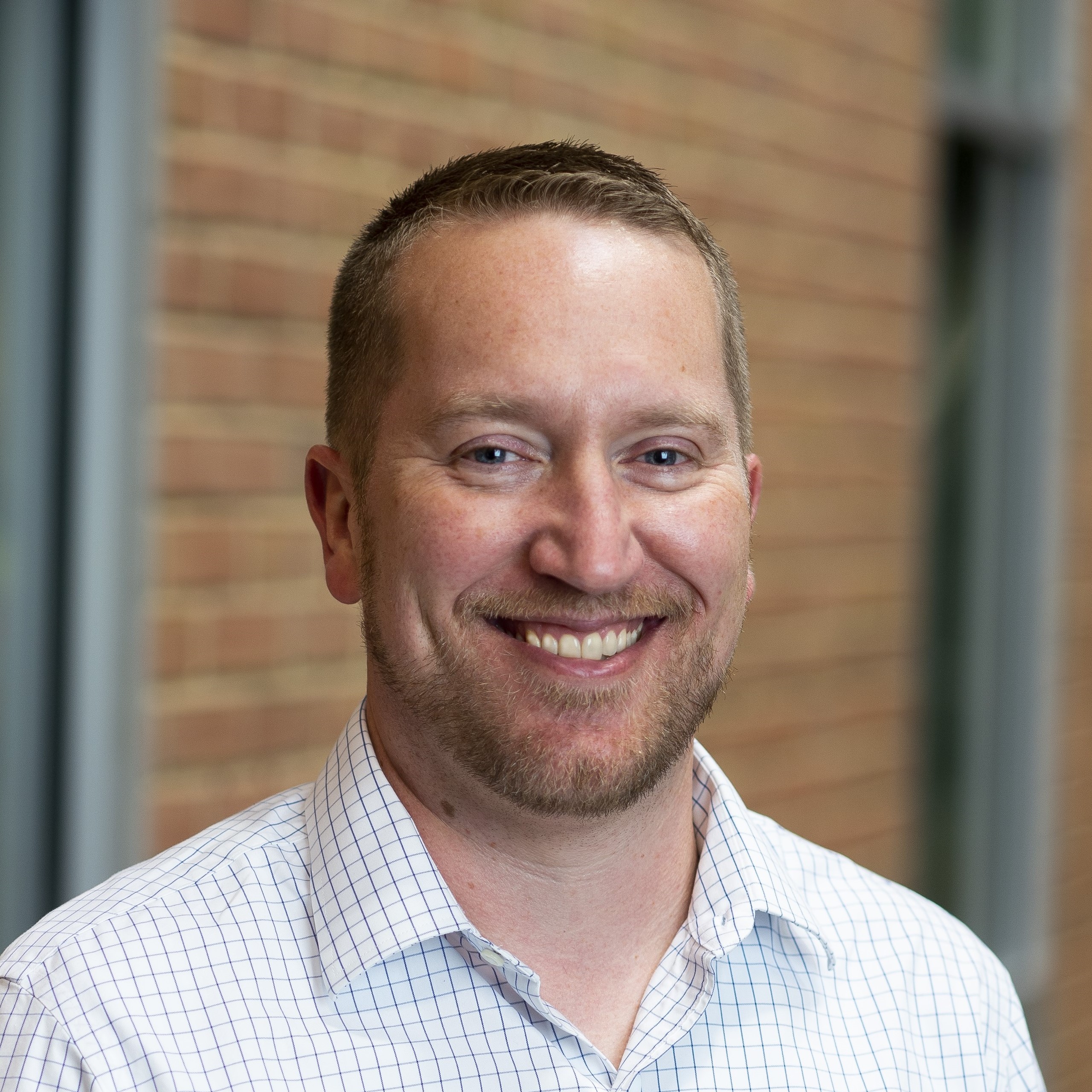
Vignesh Ram Somnath is a Professor in the Biosciences of Sports at the University of Hildesheim since 2018. Previously, he served as an Acting Professor (2016-2018) and Research Associate (2010-2016) at the Institute of Sports Science, German Sports School Cologne. His work bridges molecular biology with sports science, focusing on skeletal muscle adaptation. Current: University Professor W2, University of Hildesheim 2016-2018: Acting Professor, University of Hildesheim 2010-2016: Research Associate, German Sports School Cologne 2005-2007: Research Assistant, German Sports School Cologne Research Interests: Regulation of molecular signaling pathways in skeletal muscle Mechanoprotective mechanisms during exercise Protein degradation dynamics Optimization of training and nutrition in competitive sports Integration of molecular biology with traditional sports science Key Publications (2020-2017) demonstrate expertise in: Metabolomics of muscle hypertrophy AMPK signaling in training Mitochondrial adaptations Extracellular vesicle analysis Calcium signaling pathways
Tohru Fukai is a Professor and holds the Barbara A. Schnuck Endowed Chair in Translational Medicine at the Medical College of Georgia, Augusta University, where he serves in the Department of Pharmacology and Toxicology. His research is centered at the Vascular Biology Center, where he leads a productive laboratory investigating the molecular mechanisms of oxidative stress and dysfunctional copper metabolism in cardiovascular and metabolic diseases. Dr. Fukai earned his MD in 1988 and PhD in Medical Science in 1995, both from Kyushu University in Japan. Following his medical and doctoral training, he completed postdoctoral fellowship at Emory University School of Medicine in Atlanta from 1995-1999. His research focuses on oxidative stress in cardiovascular and metabolic disease pathogenesis, particularly investigating the role of extracellular SOD (ecSOD, SOD3) and copper transport proteins. His lab has pioneered research on copper transport proteins CTR1, Atox1, and ATP7A in regulating vascular function, demonstrating their critical roles in hypertension, vascular remodeling, inflammatory angiogenesis, atherosclerosis, and diabetes. Notably, his team discovered that copper chaperone Atox1 functions as a copper-dependent transcription factor regulating cell proliferation and inflammatory responses. Analysis of Dr. Fukai's recent publications reveals a strong focus on the intersection of redox signaling, copper metabolism, and vascular function. His work increasingly explores how oxidative stress and copper transport mechanisms contribute to conditions like diabetes, atherosclerosis, Alzheimer's disease, and ischemic injury. A prominent theme across his recent work is the role of protein modifications (particularly sulfenylation and SUMOylation) in regulating vascular responses to oxidative stress, with significant implications for therapeutic interventions. Dr. Fukai's scientific achievements have been recognized with numerous awards including the Barbara A. Schnuck Endowed Chair in Translational Medicine (2017), World Science Leaders in Human Biology Program (2021), and multiple Circulation Research Reviewer Awards. He has served on editorial boards for prestigious journals including Scientific Reports, Journal of Molecular and Cellular Cardiology, and American Journal of Physiology-Heart and Circulatory Physiology. As a mentor, Dr. Fukai has advised numerous graduate students and postdoctoral fellows, including several who have received AHA awards and trainee recognition. He serves on various committees including the VBC post-doc evaluation committee and the CNVAMC Subcommittee for Research Safety. His lab has secured significant funding, including a recent $11.3 million NIH grant for vascular disease research. Dr. Fukai leads an active research group at the Vascular Biology Center comprising senior research associates, assistant research scientists, postdoctoral fellows, and graduate students working collaboratively on multiple projects related to copper transport, redox signaling, and vascular disease mechanisms. His lab has made seminal contributions to understanding how copper transport proteins function as key regulators of vascular antioxidant enzymes and as unexpected signaling molecules in inflammatory disease processes.
Robert Falconer serves as Professor of Medicinal Chemistry and Director of the Institute of Cancer Therapeutics (ICT) at the University of Bradford. A registered pharmacist with the General Pharmaceutical Council, he leads a multidisciplinary research team focused on tumor glycocalyx targeting and protease-activated anticancer prodrugs. His academic journey spans from pharmacy training at The School of Pharmacy, University of London to establishing the medicinal chemistry program at ICT in 2005. Pharmacy Degree: The School of Pharmacy, University of London (now UCL School of Pharmacy) PhD in Medicinal Chemistry: London (2000) Professional Registration: General Pharmaceutical Council Professor Falconer's research centers on tumor glycocalyx modulation through polysialyltransferase inhibition and protease-activated drug delivery systems. His work spans osteosarcoma, neuroblastoma, breast, and prostate cancers with emphasis on developing targeted therapies that minimize systemic toxicity. The Falconer group employs computational design, solid-phase synthesis, and advanced biological evaluation techniques to develop novel anticancer agents. His publication portfolio demonstrates consistent focus on tumor-specific activation mechanisms (2023-2025), glycocalyx-targeted metastasis inhibition (2019-2021), and prodrug development (2010-2014). Recent work emphasizes theranostic applications and DNA repair targeting for pediatric cancers. Fellow of the Royal Society of Chemistry Former Honorary Treasurer, RSC Central Yorkshire Local Section Trust (2012-2018) Registered Pharmacist with General Pharmaceutical Council As principal investigator, Falconer has secured substantial funding from Breast Cancer Now, Bone Cancer Research Trust, Worldwide Cancer Research, and Neuroblastoma UK. He leads the £2m ICT Doctoral Training Centre and co-founded spin-out company Incanthera plc, which is advancing the MMP-targeted prodrug ICT2588 to clinical trials. His mentorship includes three PhD students and multiple postdoctoral researchers developing next-generation cancer therapeutics. The Falconer group operates within the ICT's state-of-the-art facilities, collaborating with Stanford University, University of Sheffield, and Ellipses Pharma. Current projects address unmet needs in pediatric oncology while developing platform technologies applicable across multiple cancer types.
Dr. Zoi Diamantopoulou is a Beatson Research Fellow at the Cancer Research UK Scotland Institute (School of Cancer Sciences), Glasgow. Previously, she held Senior Postdoctoral Marie Curie Fellowships at ETH Zürich and University of Basel. Her research focuses on the interplay between circadian rhythms and cancer metastasis, particularly through circadian regulation of Circulating Tumour Cells (CTCs). Education: PhD in Cellular Biology (2010), University of Patras, Greece BSc in Biology (2005), University of Patras, Greece Her work employs in vivo mouse models, microfluidics, genetic engineering, and next-generation sequencing to explore how circadian disruptions influence metastatic progression. She also investigates chronotherapy for optimized drug administration and analyzes patient blood samples to identify circadian-related molecular vulnerabilities. Scientific Awards: 2021 Marie Skłodowska-Curie Postdoctoral Fellowship 2018 The BACR Chris Marshall Prize for Cell Signalling Lab Members: Senior Scientific Officer Gurman Pall, PhD Student Sara Ortega.
Antonio SICA is a Full Professor in the Department of Pharmaceutical Sciences at the University of Eastern Piedmont 'Amedeo Avogadro'. With an extensive research career spanning over three decades, he has published 189 research outputs including articles, reviews, and conference contributions. His ORCID profile (0000-0002-8342-7442) documents his significant contributions to immunology and cancer research. Professor SICA's research primarily focuses on myeloid cells in cancer , particularly tumor-associated macrophages and myeloid-derived suppressor cells . His work explores how these cells contribute to tumor progression, immunosuppression, and response to therapy. Key research areas include immunometabolism, epigenetic regulation of myeloid cells, and the intersection of inflammation with cancer development. Analysis of his recent publications (2021-2024) reveals a strong emphasis on myeloid cell heterogeneity in cancer, immunometabolic pathways , and the role of myeloid cells in age-related diseases . His 2023-2024 work has particularly examined connections between cancer immunology and infectious diseases like COVID-19, demonstrating how immunometabolic interference affects disease outcomes. Advancing the knowledge of human neutrophils displaying polymorphonucler myeloid-derived suppressor cell (PMN-MDSC) functions (2023-2025) BioTher19: Biological bases of immune response in fragile COVID-19 patients Deciphering the molecular and functional heterogeneity of myeloid cells in cancer (2019-2023) Deciphering the epigenetic basis of Myeloid-derived immunosuppression in cancer and therapy (2018-2023) Professor SICA has supervised 5 students throughout his career and maintains active research collaborations across multiple institutions. His work contributes significantly to UN Sustainable Development Goals related to good health and well-being, particularly through advancing cancer immunology and immunotherapy approaches.
Steven Prior is an Associate Professor and Associate Chair for Research in the Department of Kinesiology at the University of Maryland's School of Public Health. His research focuses on translational exercise interventions to reduce aging-associated vascular and functional impairments in older adults, particularly those with cardiometabolic disorders. His work explores molecular, cellular, and whole-body contributors to diseases like type 2 diabetes and sarcopenia. Education : PhD in Kinesiology, University of Maryland College Park (2005) MA in Sport and Exercise Science, Ohio State University (2001) BS in Sports Medicine, University of Pittsburgh (1999) Postdoctoral Fellowship in Gerontology and Metabolism, University of Maryland School of Medicine (2008) Research Interests : Prior investigates mechanisms of vascular dysfunction and aging, leveraging advanced techniques like contrast-enhanced ultrasound and cell culture models. His lab studies angiogenesis, skeletal muscle capillarization, and exercise-induced improvements in vascular health. Grants & Funding : Supported by NIH and VA grants examining exercise's role in restoring angiogenesis and metabolism in peripheral arterial disease and sarcopenia. Awards : 2022 Winston Family Honors Award (Faculty Mentor) 2019 Maryland Research Excellence Honoree 2012 Paul B. Beeson Scholar 2007 New Investigator Research Award (The Obesity Society) Labs/Teams : Directs a lab integrating exercise science, vascular biology, and aging research. Collaborates with clinical teams on translational studies.
Menglin Chen is an Associate Professor at Aarhus University's Department of Biological and Chemical Engineering (Medical Biotechnology). Their research focuses on advanced biomaterials and biofabrication for regenerative medicine, including neural, cardiac, and skeletal tissue engineering. Key projects include the Optomed initiative developing injectable nanofibrous optoelectronics and 3D nano-biointerfaces for cancer cell analysis. Primary affiliation: Department of Biological and Chemical Engineering Medical Biotechnology Research emphasizes biomaterial design for cell transplantation, drug delivery systems, and mechanical reinforcement of biomaterials. Recent work explores electromagnetic stimulation of hydrogels for neuronal growth and pH-responsive wound dressings. Publications span biofabrication innovations, tumor cell modeling, and diabetes therapy strategies. Collaborative projects include the 2017-2019 3D Nano-biointerfaces study for metastasis research and the 2025 Optomed project integrating nanofibrous optoelectronics with regenerative therapies.
Pingchuan Zhang, M.D., Ph.D., is a faculty member at the Mayo Clinic College of Medicine in the Department of Laboratory Medicine and Pathology . He is based in Rochester, Minnesota, and specializes in Renal Pathology and Cardiovascular Surgery . His work spans Kidney Transplantation , Glomerulonephritis , and Tissue Engineering for cardiac repair. Education: Ph.D. in Surgery, Peking Union Medical College (2006) Masters in Surgery, Sun Yat-sen University (2003) MD, Peking University Medical School (1997) Dr. Zhang's research focuses on Renal Immunopathology (e.g., IgG4-related nephritis, monoclonal immunoglobulin deposits), Diagnostic Accuracy in kidney biopsies (mass spectrometry vs. immunofluorescence), and Cardiovascular Regeneration using biopolymers and progenitor cells. His publications highlight collaborations with leading institutions like Mayo Clinic and University of Ottawa. Article trends show emphasis on Renal Allograft Monitoring , Autoimmune Kidney Diseases , and Advanced Diagnostic Protocols . Key subfields include Transplant Prognostication , Mass Spectrometry Applications , and Cardiac Biomaterials . Scientific Awards: 2nd place podium presentation, Texas Society of Pathologists Annual Meeting (2013) Lawrence Soloway Research Fellowship (University of Ottawa, 2009) Honorable Mention in Basic Science Research (University of Ottawa, 2008) Dr. Zhang maintains active memberships in the American Society of Nephrology , Renal Pathology Society , and United States and Canadian Academy of Pathology . His clinical work includes Kidney Biopsy Analysis and Heart Valve Surgery retrospective studies. Labs and teams: Collaborated with Mayo Clinic's Renal Transplantation Group , University of Ottawa's Cardiovascular Regeneration Lab , and SUN Yat-Sen University's Cardiac Surgery Department .
Professor Rachel C Myles is the Chair of Cardiac Electrophysiology at the University of Glasgow’s School of Cardiovascular and Metabolic Health, and an Honorary Consultant Cardiologist in the West of Scotland Inherited Cardiac Conditions Service. She holds a first-class degree in Physiological Sciences from the University of Oxford and trained in medicine at Guy’s and St. Thomas’ before completing a PhD in experimental electrophysiology under Prof Godfrey Smith. Her research combines clinical expertise in inherited arrhythmias with experimental work investigating arrhythmia mechanisms in heart failure and cardiomyopathy. Key areas include ventricular arrhythmia initiation, calcium handling defects, and therapeutic target identification. She has held a Wellcome Trust Intermediate Fellowship to establish her independent lab and currently leads projects on cardiac tissue engineering, cardiotoxicity screening in cardio-oncology, and electrophysiological biomarkers for sudden death risk stratification. Education: MB ChB from Guy’s/King’s/St Thomas’ Medical School; DPhil in Cardiovascular Physiology from University of Glasgow. Research focuses on cellular mechanisms underlying ventricular arrhythmias, particularly the role of repolarization alternans and ryanodine receptor dysfunction. Her group uses optical mapping, stem cell-derived models, and computational approaches to bridge cellular findings with clinical arrhythmia outcomes. Notable contributions include defining adrenergic receptor subtype roles in arrhythmia promotion and developing methods to assess myocardial infarction models in small animals. Recent work highlights include engineering heart tissues for cardiac repair, identifying IL-6 as a prognostic marker in heart failure, and investigating hypothermia’s dual effects on arrhythmia risk. Over 35 peer-reviewed papers published in journals like Circulation Research and Cardiovascular Research, with grants from BHF, Wellcome Trust, and Academy of Medical Sciences. Supervised students Eleanor Dickson-Murray (palmitoylation studies) and Kyle Shead (cardio-oncology toxicity screening). Grants/Awards: Wellcome Trust Intermediate Fellowship (2015-2020), multiple BHF Project Grants (2010-2025), Academy of Medical Sciences Starter Grant (2013-2015).
Professor Manu Vatish holds the position of Professor of Obstetrics and Consultant Obstetrician at the University of Oxford. He serves as Principal Investigator, Research Group Leader, Grant Holding Senior Scientist, and Clinical Consultant in Obstetrics. Additional leadership roles include NIHR CRN Clinical Director for Thames Valley & South Midlands, RCOG College Tutor for Oxford, and Academic Training Programme Director for OUCAGS. He is also an Associate Group Leader at the Wellcome Centre for Human Genetics. His educational background includes preclinical medicine at Keble College, Oxford, followed by a DPhil at Brasenose College, Oxford under Dr. Richard Boyd, and clinical training at Cambridge (Queens' College). Specialist training in obstetrics & gynaecology on the Oxford training rotation was followed by clinical and senior lectureships at Warwick, with Fulbright and Churchill Fellowships in New York and Yale preceding his return to Oxford in 2013. Professor Vatish's research focuses on translational obstetrics, particularly pregnancy complications like preeclampsia and gestational diabetes. His work centers on placental biology with specific streams in extracellular vesicles, mitochondrial therapy, circulating angiogenic biomarkers, computerized CTG systems, genetic screening of newborns, and vaccines in pregnancy. His research spans from basic molecular mechanisms to clinical applications of diagnostic tools in obstetric practice. His recent publications (2024-2025) demonstrate strong focus on placental biology, preeclampsia biomarkers, and pregnancy-related complications, with significant contributions to understanding molecular mechanisms and developing clinical applications. His notable awards include: 2008 Fulbright Distinguished Scholar Award 2011 Churchill Fellowship 2019 HSJ Partnership Award 2019 UNIVANTS of Healthcare Excellence Professor Vatish currently supervises numerous DPhil students and postdoctoral researchers including Toluwalase Awoyemi (Rhodes Scholar), William Cooke (Wellcome Trust), Shuhan Jiang (CNSF), and Gabriel Jones (Clarendon Scholar). His research is supported by multiple grants including those from Silence Therapeutics, Roche Diagnostics, MRC, Janssen Pharmaceuticals, and the Helmsley Trust through GPADD. He leads a vibrant research group focused on translational obstetrics with specific research streams on pre-eclampsia, mitochondria, extracellular vesicles, and biomarker development. The group collaborates with industrial partners like Sysmex/JVCKenwood and LUCA Science to develop diagnostic tools and therapeutic approaches for pregnancy complications.
Assoc. Prof. Seçil Aksoy is an Associate Professor at Bursa Uludag University, affiliated with the Medical Faculty in the Basic Medical Sciences department and the Experimental Animal Breeding and Research Unit . She also holds a position at İnegöl MYO under the Medical Services and Techniques department. Doctorate (2013–2019) and Postgraduate (2010–2013) in Medical Biology from Bursa Uludag University Undergraduate (2006–2010) in Biology from Bursa Uludag University Her research focuses on molecular oncology , particularly the role of non-coding RNAs (lncRNAs, miRNAs) in cancer progression, drug resistance, and post-transplant recurrence. She investigates glioblastoma multiforme , colorectal cancer , hepatocellular carcinoma , and pancreatic ductal adenocarcinoma , integrating epigenetic mechanisms and nano-drug delivery systems . Recent publications highlight her work on olive leaf extract modulating tumor behavior, epigenetic alterations in pancreatic cancer, organoid models for tumor heterogeneity, and lncRNA MALAT1 as a biomarker for cancer prognosis. Her studies span clinical applications of RNA-based biomarkers and nano-therapeutics . Assoc. Prof. Aksoy leads and collaborates on multiple funded projects, including TÜBİTAK-supported research on flavonoid-based nano-therapies for liver cancer and organoid models for high-grade brain tumors. Her work has significant implications for personalized cancer treatment and post-transplant monitoring .
Valentina Comunanza is an Associate Professor at the Department of Oncology, University of Turin. She holds affiliations with the School of Advanced Studies Ferdinando Rossi and the International PhD Programme in Translational Oncology. Her research focuses on oncology, particularly malignant mesothelioma and chemoresistance mechanisms, integrating angiogenesis inhibition and drug development strategies. She teaches Biochemistry courses at the undergraduate and graduate levels. Roles: Academic Leadership in Oncology Research Affiliations: Department of Oncology, University of Turin Key Research Areas: Tumor Microenvironment, Redox Systems in Metastasis, Targeted Therapies Her work spans 30+ peer-reviewed articles, emphasizing preclinical drug testing (e.g., lurbinectedin efficacy) and mechanistic studies in chemoresistance. She collaborates with institutions like the Red Hook Community Justice Center and CLIHHR on translational projects. Grants: Not explicitly listed Labs/Teams: Active in Department of Oncology research groups
Honorary Professor Vicki Clifton is a distinguished researcher at Mater Research Institute affiliated with the University of Queensland's School of Biomedical Sciences. With over 250 journal publications, her research program bridges basic placental biology with clinical obstetrics, focusing on mechanisms underlying pregnancy complications and their long-term developmental consequences. Professor Clifton's research interests center on placental biology and its critical role in fetal development. She investigates how maternal conditions like asthma, obesity, and stress impact placental function through glucocorticoid receptor signaling pathways, with particular attention to sex-specific differences in fetal outcomes. Her work demonstrates that the placenta acts as a dynamic interface that translates maternal environmental exposures into developmental programming effects. Using both clinical cohorts and animal models (particularly sheep and baboons), her research has established that maternal asthma alters fetal lung development, while maternal stress and nutrition affect placental glucocorticoid metabolism in sex-dependent ways. Analysis of Professor Clifton's recent publications reveals a consistent focus on translational placental research. Her team employs advanced imaging techniques like placental elastography alongside molecular approaches to identify biomarkers of placental dysfunction. A distinctive feature of her work is the emphasis on sex differences, demonstrating that male and female fetuses respond differently to maternal challenges through distinct placental adaptations. Her Queensland Family Cohort study provides valuable longitudinal data connecting maternal factors with child health outcomes. Professor Clifton leads a multidisciplinary research team involving basic scientists, clinicians, and epidemiologists. Her work has significant implications for improving prenatal care and understanding the developmental origins of chronic diseases. Through the Queensland Family Cohort and collaborations with Mater Research Institute, she continues to advance our understanding of how placental function mediates the relationship between maternal health and fetal development.
Dr. R. Daniel Bonfil serves as Professor and Chair of the Division of Pathology at Nova Southeastern University's Dr. Kiran C. Patel College of Allopathic Medicine, where he joined in 2017 after a 15-year tenure at Wayne State University School of Medicine. At NSU, he actively teaches across multiple health science programs including MD, Osteopathic Medicine, Dental Medicine, and Optometry curricula, demonstrating his commitment to interdisciplinary medical education. Dr. Bonfil earned his Licentiate (equivalent to combined B.Sc. and M.Sc. in the United States) and Ph.D. from the University of Buenos Aires, Argentina, followed by post-doctoral training at the Fox Chase Cancer Center in Philadelphia. Prior to his U.S. appointments, he served as a Tenured Research Investigator at Argentina's National Council for Scientific and Technological Research (CONICET), directing research groups at the National Academy of Medicine and Center for Pharmacological Studies (CEFYBO). A leading expert in Cancer Biology, Dr. Bonfil's research focuses on elucidating mechanisms of cancer invasion, metastasis, and angiogenesis, with particular emphasis on bone metastasis in prostate and breast cancers. His pioneering work on 'concomitant antitumor resistance' laid foundations for anti-angiogenic cancer therapies including Avastin. Current research examines receptor tyrosine kinases like c-kit and discoidin domain receptors (DDRs) in tumor microenvironment interactions, with recent publications exploring DDR1's role in prostate cancer aggressiveness and liquid biopsy applications. Analysis of Dr. Bonfil's publication record reveals a consistent trajectory from fundamental molecular mechanisms to translational applications, with increasing focus on prostate cancer biology, circulating tumor cells, and novel therapeutic targets. His work bridges laboratory discoveries with clinical relevance, particularly in understanding how cancer cells interact with bone tissue during metastasis. Dr. Bonfil serves on the Editorial Board of three medical journals and as Editor of the Section Oncologic Pathology for Current Oncology, reflecting his standing in the scientific community. He has contributed as a reviewer for numerous health sciences journals and served on Department of Defense (DOD) Study Sections evaluating cancer research proposals. Throughout his career, Dr. Bonfil has directed numerous Ph.D. theses and mentored postdoctoral, master's, and undergraduate students. His research has been substantially funded by National Institutes of Health (NIH) and Department of Defense (DoD) grants, supporting an active laboratory investigating prostate cancer bone metastasis mechanisms for over 15 years at Wayne State University before continuing this work at NSU. Dr. Bonfil's laboratory maintains a strong focus on tumor microenvironment interactions, particularly examining how matrix metalloproteinases and receptor tyrosine kinases facilitate cancer progression in bone. Current research directions include liquid biopsy approaches for prostate cancer interrogation and further exploration of DDR signaling pathways as potential therapeutic targets, demonstrating his commitment to advancing both basic science understanding and clinical applications in cancer metastasis.
Professor John Greenwood serves as the Davson Professor of Biomedical Research at the Institute of Ophthalmology, University College London (UCL) . His work spans neurosciences, immunology, and ophthalmology, focusing on vascular mechanisms in diseases like multiple sclerosis (MS), age-related macular degeneration (AMD), diabetic retinopathy, and cancer. Notable achievements include pioneering the clinical trial of statins in MS and identifying LRG1 as a pro-fibrotic vascular factor. Appointments : Davson Professor of Biomedical Research (1993–present); Head of Cell Biology Department (2008–2016) Education : PhD (University of London, 1983); BSc (University of Reading, 1977) Research Focus The Greenwood lab investigates vascular pathology in CNS and retinal diseases. Key areas include: Molecular mechanisms of blood-brain/retinal barrier dysfunction LRG1's role in vascular destabilization and fibrosis Therapeutic targeting of angiogenic pathways (e.g., TGFβ, HER3) Retinal pigment epithelial (RPE) cell biology in AMD Scientific Awards Renee Hock Fellowship Member of the Royal College of Pathologists Teaching & Collaborations He supervises postgraduate students and contributes to UCL's BSc/MSc courses. His research has led to the formation of Senya Therapeutics , a UCL spinout commercializing LRG1-targeted therapies.