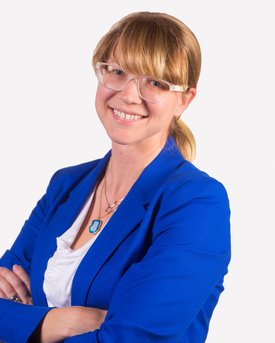
Jennifer Ross is a Professor of Physics and Associate Dean for Creativity, Scholarship, and Research at the College of Arts & Sciences of Syracuse University . As a biophysicist, she investigates how cells organize their interiors through self-assembly and active matter principles, focusing on the microtubule cytoskeleton and enzyme-driven systems using single-molecule imaging . Her research bridges fundamental physics with biological organization . Education: Ph.D. in Physics, University of California, Santa Barbara (2004) B.A. in Physics and Mathematics, Wellesley College (2000) Research Focus: Self-organization of cytoskeletal networks Active matter dynamics in biological systems Motor protein interactions and cargo transport Programming circadian materials via biomolecular systems Microtubule severing mechanisms Recent Article Trends: 2025 studies explore kinesin-driven cytoskeletal composites, urease-DNA origami engineering, and crosslinker-regulated network mechanics 2024-2023 work examines ionic strength effects on microtubules, programmable circadian materials, and motor-cargo dynamics Earlier studies analyze actin-microtubule composites, liquid crystal phase control, and severing enzyme mechanisms Scientific Awards: Fellow of the American Physical Society (APS) and American Association for the Advancement of Science (AAAS) Cottrell Scholar (2025) and STAR Award Margaret Oakley Dayhoff Award (Biophysical Society) Grants: Leads multiple NSF, Sloan Foundation, and Research Corporation grants for projects like "Energy and Entropy Sculpting" and "Explorations: SUPER-Tech SHIP" . Teaching: Offers courses in experimental physics, microscopy, and biophysics, including a globally adopted hands-on microscope-building curriculum. Lab: Heads the Bio-Active Matter Lab , studying how cells harness noisy systems for autonomous organization.
Thamani Freedom Gondo is affiliated with the Lund University Centre for Analysis and Synthesis , focusing on Food Science and Bioactive Compounds . Their work emphasizes analytical techniques for plant-based and marine food resources, particularly using supercritical fluid extraction . Key affiliations: Lund University, FORMAS-funded projects Research themes: Bioactive compound analysis, polyphenol characterization, sustainable food processing Recent publications highlight advancements in phlorotannin analysis from brown seaweeds and Lactiplantibacillus plantarum applications in non-dairy fermentation. Their 2023 work on ternary solvent systems demonstrated high selectivity in seaweed extraction.
Cristian Gómez Canela is a Full Professor in the Department of Analytical and Applied Chemistry at the School of Engineering, Ramon Llull University (IQS). He serves as Coordinator of the Master's Degree in Analytical Chemistry and is an active member of the Catalan Chemical Society (SCQ), representing SCQ in EuChems-EYCN. His academic journey includes a PhD in Chemistry from the University of Barcelona (2014), followed by postdoctoral research at IDAEA-CSIC and King's College University. Dr. Gómez Canela's research focuses on environmental analytical chemistry, particularly the optimization and validation of analytical methods based on liquid chromatography coupled with tandem mass spectrometry (LC-MS/MS) and high-resolution mass spectrometry (HRMS) for determining organic pollutants in environmental samples. His work extends to metabolomics applied to aquatic organisms and the analysis of neurotoxic compounds in water systems. His research fingerprint reveals strong expertise in zebrafish models (100%), neurotransmitter analysis (66%), Daphnia magna studies (64%), and neurotoxicity assessment (21%). His recent publications (2024-2025) demonstrate a clear trend toward environmental neurotoxicology, with emphasis on the effects of pharmaceuticals and industrial pollutants on aquatic organisms. His work integrates advanced analytical techniques with biological endpoints to assess environmental risks, particularly focusing on neurological and cardiovascular impacts. The research spans method development for pollutant detection, environmental monitoring, and mechanistic studies of neurotoxic effects. Dr. Gómez Canela leads multiple significant research projects including CHEMIPARK (2024-2027) on passive sampling methodologies for environmental pollutants, GESPA (2022-2025) as part of the Environmental Process Engineering and Simulation Group, and several projects on neuroactive compounds in water systems. He has an impressive research output with 91 scientific publications from 2011-2025 and an h-index of 27 with over 2,000 citations. As a dedicated educator, he contributes to multiple academic programs including the Master in Analytical Chemistry, Master in Pharmaceutical Chemistry, and undergraduate degrees in Chemistry and Chemical Engineering. His research group GESPA represents a multidisciplinary team combining chemical engineering, biotechnology, and chemical analysis to advance environmental sustainability through theoretical and experimental approaches.
Lee Yong Lim is a Professor of Pharmaceutics at The University of Western Australia (UWA), leading the Laboratory for Drug Delivery. She specializes in innovative drug delivery systems, particularly for pediatric populations and marine aquaculture. Her work focuses on overcoming medication challenges for children through taste-masked formulations and stable drug-loaded scaffolds for ear diseases. She has secured over $4.5 million in research grants from diverse funding bodies. Education: BSc (Pharmacy) Hons, National University of Singapore PhD, University of Manchester Research: Her team developed a patented chocolate-based formulation for bitter drugs and conducts pediatric trials. Collaborations include WA hospitals for safe compounded medicines and international projects in nanotechnology. Key research areas include pediatric medicinal products, veterinary drug delivery, and sustainable drug formulations aligned with UN SDGs. Grants & Funding: Major supporters include NHMRC, ARC, Telethon, and industry partnerships. Current active grants focus on pre-procedural chewables for children and perioperative analytics. Labs/Teams: Heads the Laboratory for Drug Delivery and collaborates with the Centre for Optimisation of Medicines and Institute for Paediatric Perioperative Excellence.
Scott Hopkins is a Professor in the Department of Chemistry at the University of Waterloo, specializing in Physical Chemistry. His research integrates machine learning with experimental techniques to study ion mobility, mass spectrometry, and spectroscopic analysis. He directs the Hopkins Laboratory, focusing on computational predictions of chemical behaviors and molecular interactions. His work addresses fundamental questions in gas-phase chemistry, cluster formation, and analytical method development. Research interests span physical chemistry, computational modeling, and analytical instrumentation, with a strong emphasis on developing predictive tools for complex chemical systems. Recent investigations explore ion-solvent dynamics, fragmentation mechanisms, and machine-learning applications for spectral interpretation.
Leibniz Institute of Freshwater Ecology and Inland FisheriesGermany
Dr. Stephanie Spahr is a Research Group Leader at the Leibniz Institute of Freshwater Ecology and Inland Fisheries (IGB) in Berlin, Germany, where she leads the Organic Contaminants research group within the Department of Ecohydrology and Biogeochemistry. Previously, she served as a Junior Research Group Leader at the University of Tübingen's Center for Applied Geoscience (2019-2021) and as a Postdoctoral Researcher at Stanford University's Department of Civil and Environmental Engineering (2016-2019). Dr. Spahr earned her PhD in Environmental Chemistry from the Swiss Federal Institute of Technology Lausanne (EPFL) and the Swiss Federal Institute of Aquatic Science and Technology (Eawag) in 2016. Her doctoral research focused on the formation of N-nitrosodimethylamine during water disinfection with chloramine. She completed her MSc in Geoecology at the University of Tübingen in 2012, with thesis work on carbon and nitrogen isotope analysis of benzotriazoles conducted at Eawag, and her BSc in Geoecology/Ecosystem Management at the same institution in 2010. Dr. Spahr's research focuses on trace organic contaminants in aquatic systems, with particular expertise in transformation processes of contaminants in natural and engineered systems, advanced oxidation processes for water treatment, urban blue-green infrastructure, and compound-specific isotope analysis. Her work bridges environmental chemistry, engineering, and ecology to address water quality challenges in urban and natural water systems. She employs advanced analytical techniques to track contaminant sources and transformation pathways, with a strong emphasis on practical applications for water treatment and environmental protection. Her recent publications demonstrate a strong focus on biochar-based water treatment technologies, particularly for stormwater management. She investigates how biochar amendments can remove trace organic contaminants from urban runoff, with recent work examining persulfate activation mechanisms, the role of chloride in reactive species formation, and the performance of engineered media filters under dynamic conditions. Her research also extends to understanding contaminant transport in rivers, the ecological impacts of pollutants, and developing analytical methods for environmental monitoring. The interdisciplinary nature of her work connects chemical processes with ecological outcomes. Outstanding Review Paper Award 2023 in Environmental Science: Water Research & Technology Selected for the Falling Walls Female Science Talents Intensive Track 2023 Selected mentee in the Leibniz Mentoring Programme 2022-2023 Best poster award (1st prize) at the Wasser 2022 of the Water Chemistry Society Selected fellow in the Postdoc Academy for Transformational Leadership 2020-2022 (Robert Bosch Stiftung) Selected fellow in the Athene Program for early female career researchers at the University of Tübingen, 2020-2021 As a Research Group Leader, Dr. Spahr supervises multiple research projects including 'POllution in UrbaN ponds, eco-evolutionary Dynamics, and Ecosystem Resilience (POUNDER)', 'Dynamic hyporheic zone', 'NYMPHE', and the 'Incident-related special investigation programme for the environmental disaster in the Oder River'. She serves on the Executive Board of the German Water Chemistry Society and heads its Expert Committee on 'Oxidative Processes'. Her collaborative work spans numerous institutions across Germany and internationally, addressing critical water quality challenges through interdisciplinary approaches. Dr. Spahr leads the Organic Contaminants research group at IGB Berlin, which focuses on understanding the fate and treatment of organic pollutants in water systems. Her team employs advanced analytical techniques including compound-specific isotope analysis to track contaminant sources and transformation pathways. The group collaborates extensively with other departments at IGB and with international partners on projects addressing urban water challenges and ecological impacts of pollution. Current research emphasizes innovative water treatment technologies, particularly biochar-based systems for stormwater management, and investigating the complex interactions between contaminants, aquatic ecosystems, and human activities.
Dr. Leon Barron is a Reader in Analytical & Environmental Sciences at the School of Public Health, Imperial College London. His expertise spans chemical contaminant analysis, wastewater epidemiology, and environmental forensics. He leads the Emerging Chemical Contaminants team within the Environmental Research Group, focusing on pharmaceuticals, PFAS, and illicit drugs. Education: BSc(Hons) in Analytical Science (2001), PhD in Analytical Chemistry (2005), and a Postgraduate Certificate in Academic Practice (2011). Previously held roles at King's College London as Lecturer (2009–2015) and Senior Lecturer (2015–2020). Research interests include trace environmental analysis (LC, GC, MS), chemical risk assessment, and wastewater-based epidemiology. Key projects include global drug use monitoring via sewage analysis and PFAS removal from drinking water. His work has produced over 100 peer-reviewed articles, with recent focus on PFAS accumulation, biochar filtration, and urban pollution source apportionment. Awards include Fellowships from Royal Society of Chemistry and Chartered Society of Forensic Sciences. Supervises PhD students on topics like pesticide exposure, opioid monitoring, and machine learning in ecotoxicology. Collaborates internationally via initiatives like the Sewage Analysis CORE Group and NIHR HPRU in Environmental Exposures.
Ying Ge is a Professor at the University of Wisconsin–Madison, jointly appointed in the Department of Cell and Regenerative Biology and the Department of Chemistry. Her research integrates chemistry, biology, and medicine, focusing on advanced mass spectrometry-based proteomic and metabolomic technologies to address cardiovascular diseases. Education: B.S., Peking University (1997) Ph.D., Cornell University (2002) Ying Ge's work centers on developing ultra high-resolution mass spectrometry platforms for top-down proteomics and metabolomics, applied to systems biology studies of heart failure and regenerative medicine. Key projects include myofilament protein modification mapping, stem cell therapy evaluation, and biomarker discovery for cardiac conditions. The 15 most recent articles highlight her lab's methodological innovations (e.g., photocleavable surfactants, native mass spectrometry) and biological discoveries in AMPK structural heterogeneity, RBM20-mediated cardiotoxicity, and sarcomere-metabolism cross-talk during regeneration. These publications span proteomics, metabolomics, structural biology, and clinical applications.
Xian Wu, Ph.D., serves as a Research Assistant Professor in the Department of Pharmacology & Toxicology at East Carolina University's Brody School of Medicine. Her research leverages human stem cell models to investigate developmental vulnerabilities to environmental contaminants in cardiovascular and neural systems, with emphasis on epigenetic mechanisms and disease modeling. Dr. Wu's academic credentials include: Ph.D. in Toxicology from the University of Georgia M.S. in Biomedicine from East China Normal University B.S. in Biotechnology from Anhui University Her postdoctoral training comprised a Fellowship at the National Institute of Environmental Health Sciences and an ORISE Fellowship at the U.S. Food and Drug Administration. Research focuses on creating human stem cell-derived organoid systems to model developmental toxicology, particularly examining cardiac and neural development under chemical exposure. The laboratory employs fluorescence reporter systems and RNA-seq to identify critical vulnerability windows during early development, with recent work targeting Parkinson's disease mechanisms through dopaminergic neuron models and cardiac fibrosis via advanced organoids. Methodological innovations include high-content imaging for neurogenesis quantification and epigenetic pathway analysis. Publication trends (2016-2025) demonstrate consistent advancement in stem cell-based toxicology testing, with increasing emphasis on micro/nanoplastics risk assessment, arsenic neurotoxicity mechanisms, and doxorubicin cardiotoxicity modeling. The work bridges environmental health, epigenetics, and regenerative medicine through interdisciplinary approaches. Scientific recognition includes: 2025 SPARC Award (ECU) 2024 Top Abstract Award (Developmental Origins of Health and Disease Society) 2024 NIEHS P30 Center Travel Award 2023 ECU Research and Creative Activity Award Dr. Wu actively mentors graduate researchers including Ph.D. candidate Cate Duncan and M.S. students Kamilah Muhammad and Bailey Skeen, alongside undergraduate Bryce Tilghman. Former trainees McKyrah Brown and Monica Cross completed honors theses in the laboratory. Current grants include ECU's SPARC Award funding stem cell model development for environmental contaminant testing. The BSOM 6S-11 laboratory maintains specialized capabilities in cardiac and cerebral organoid generation, fluorescence-based toxicity screening, and RNA-seq epigenetic analysis. Collaborative networks include the National Institute of Environmental Health Sciences and ECU's Center for Human Health and the Environment, supporting translational research on developmental vulnerability periods.
Dr. Qing Jin is an Assistant Professor of Food Science at the School of Food and Agriculture, College of Natural Sciences, Forestry and Agriculture, University of Maine. Her research focuses on economically-viable and environmentally-friendly food system innovation, with emphasis on value-added utilization of food waste and by-products through advanced processing technologies. Education: Ph.D. (2020) from Virginia Tech She teaches courses on food engineering principles (FSN 485), food engineering lab (FSN 486), food preservation (FSN 502), and co-teaches an advanced graduate seminar (AVS 633/FSN 671). Supported by the Maine Agricultural and Forest Experiment Station, her current Hatch project (ME022423) explores sustainable food industry solutions through biorefinery approaches. Her work spans food waste valorization, biofuels, bioproducts, and techno-economic analysis. Recent publications highlight her expertise in dietary fiber modification, fermentation optimization, biochar development, and polyphenol extraction from agricultural waste streams. She actively seeks undergraduate and graduate research assistants for her lab. Contact: qing.jin@maine.edu | Office: 109 Hitchner Hall | Phone: 207-581-1687
Professor Sylvia Urban is a distinguished academic at RMIT University, serving as a Professor of Chemistry in the School of Science. She leads the Marine and Terrestrial Natural Product (MATNAP) research group and is the Program Manager for the Bachelor of Science degree, the largest and flagship program in the School of Science. Professor Urban also holds significant leadership roles including Reconciliation and Responsible Practice Facilitator in the School of Science (STEM College) and member of the Nugulu Committee at RMIT University. Her expertise spans natural products chemistry and separation science, with particular focus on chromatography for purification and instrumental analysis for structural characterisation and elucidation. Professor Urban's research interests encompass natural product chemistry isolation and structural elucidation, NMR spectroscopy and mass spectrometry for characterisation of natural products, High Performance/Pressure Liquid Chromatography (HPLC) and other chromatographic techniques for natural product purification, hyphenated spectroscopic techniques such as HPLC-NMR and HPLC-MS for natural product profiling, and biological evaluation of natural products for drug discovery applications. Her work primarily focuses on exploring the biodiversity of Australian marine and terrestrial organisms including plants, fungi, sponges, and algae to discover new compounds with therapeutic potential. She has developed various dereplication and chemical profiling strategies to expedite the discovery process. Professor Urban's publication record demonstrates a strong focus on natural products derived from Australian flora and marine organisms, with particular emphasis on their chemical characterisation and biological evaluation. Her research spans ethnobotanical studies of Indigenous Australian medicinal plants, phytochemical profiling of Australian species, anthelmintic and antimicrobial assessments of natural compounds, and development of analytical methodologies for natural product research. The interdisciplinary nature of her work connects chemistry with pharmacology, ethnobotany, and sustainable development goals related to health, education, and gender equality. STEM College Learning & Teaching Award (Award for Values in Action) 2024 STEM College Athena Swan Award 2023 Top STEM College Media Star 2022 School of Science Reconciliation Champion Award for 2021 School of Science Associate Dean's Impact Award (Applied Chemistry) for 2021 STEM Female Educator of the Year Award in the STEM College in 2021 Fellow of the Royal Australian Chemical Institute (RACI) in 2020 2019 Australian Award for University Teaching (AAUT) Citation for Outstanding Contributions to Student Learning Professor Urban actively supervises Masters and PhD students, with recent projects focusing on nanoparticle synthesis, natural product evaluation from Australian plants and marine organisms, food science applications, and biomedical imaging agents. She has received numerous teaching grants including the SteLR Grant 2017 for Pen-enabled, Real-time Student Engagement for Teaching in STEM Subjects, SteLR Plus Learning and Teaching Grant 2016 for Contextualizing Learning Chemistry, and Global Learning by Design (GLbD) Learning and Teaching Grant 2014. As the leader of the MATNAP research group, Professor Urban oversees a team focused on exploring Australian biodiversity for drug discovery. She has been instrumental in establishing the VICS Molecular Resolution Facility (chromatography node at RMIT University) as part of "The Pipeline – An Integrated Approach to Drug Design and Development." Her research involves collaborations both within and external to RMIT University, including Australian and international university and industry partners.
Charles J. Taylor is Professor of Chemistry and Chair of the Chemistry Department at Pomona College, where he has served since 2002. An analytical chemist specializing in instrumental techniques for volatile organic compound (VOC) analysis, his work bridges medical diagnostics, environmental monitoring, and chemical sensing applications. His educational background includes: Ph.D. from University of Minnesota Bachelor of Arts from Macalester College Taylor's research focuses on developing rapid diagnostic methods through VOC analysis, leveraging microhotplate arrays, Raman spectroscopy, and polymer-carbon composites. His work spans biological systems (nematode chemotaxis, wine fermentation flavor compounds) and environmental applications (trace element profiling in coffee beans). Students in his lab gain hands-on experience with advanced analytical instrumentation and multivariate data analysis. Analysis of his publications reveals consistent themes in chemical sensing materials development, with strong emphasis on microsensor arrays, NASA-collaborative electronic nose projects, and applications in medical/environmental diagnostics. His work demonstrates interdisciplinary integration of materials science, analytical chemistry, and data analysis. His scientific achievements have been recognized with: NASA Board Award for Copolymers for Sensors (2013) NASA Board Award for SO 2 Detection (2012) Provisional U.S. Patent #60/861-617 (2007) Multiple NASA Tech Brief Awards (2007) Taylor actively mentors undergraduate researchers, with students co-authoring publications on diverse projects from medical diagnostics to environmental trace analysis. His teaching includes Advanced Analytical Chemistry, Environmental Chemistry, and General Chemistry, emphasizing practical laboratory experience. Research funding has supported instrumentation development and NASA-collaborative sensor projects. His laboratory focuses on chemical sensing materials development, particularly microhotplate-based sensor arrays and VOC analysis systems, with ongoing collaborations with NASA's Jet Propulsion Laboratory for electronic nose applications and environmental monitoring solutions.
Marjo Yliperttula is a Professor at the Department of Pharmaceutical Biosciences, Faculty of Pharmacy, University of Helsinki. She serves as a supervisor in the Doctoral Programmes in Biomedicine, Drug Research, and Materials Research and Nanosciences, with expertise in biomaterials and pharmaceutical technology. Her research focuses on nanofibrillated cellulose (NFC) hydrogels for wound healing and drug delivery, extracellular vesicle (EV) engineering for therapeutic applications, and freeze-drying technologies for biomaterial preservation. Key contributions include NFC-based wound dressings that enhance platelet-rich plasma release (2024), Raman spectroscopy methods for monitoring freeze-drying-induced mutarotation (2024), and tandem chromatography techniques for high-purity EV isolation (2023). Her work bridges pharmaceutical sciences with regenerative medicine, emphasizing translational applications in chronic wound treatment and targeted drug delivery. Recent publications (2022-2025) reveal three dominant trends: (1) Optimization of NFC hydrogels for controlled drug release and tissue regeneration, (2) Advanced characterization of EV phenotypes under hypoxic conditions for improved therapeutic efficacy, and (3) Development of analytical methods (Raman spectroscopy, chromatography) to address manufacturing challenges in biopharmaceuticals. These themes reflect her group's commitment to solving critical problems in biomaterial stability, EV-based delivery, and precision wound care. Professor Yliperttula has supervised 10 doctoral theses, including recent work on NFC for skin substitutes (Elle Koivunotko), freeze-drying of hydrogels (Arto Merivaara), and mesenchymal stromal cells for wound healing (Jasmi Snirvi). She currently leads the Academy of Finland-funded GeneCellNa project (2024-2026) on gene/cell/nanotherapy for chronic diseases and a Finnish Red Cross project (2023-2024) on NFC for blood products, with cumulative project funding spanning 18 initiatives since 2005. She heads the Biopharmaceuticals Group within the Drug Research Program, fostering collaborations across pharmaceutical biosciences, materials science, and clinical medicine to advance next-generation therapeutic platforms.
University of California , Santa Barbara (UCSB)United States
Christopher Bates is an Associate Professor in the Department of Chemistry & Biochemistry at the University of California, Santa Barbara (UCSB), with a joint appointment in the Division of Chemistry and Biochemistry (DCB). He leads the Bates Research Group, focusing on the design, synthesis, and application of soft materials. His lab develops advanced polymers and copolymers with tailored properties for applications in electronics, energy storage, and sustainable materials. Contact information includes cbates@ucsb.edu and an office in Engineering II Building. Research interests emphasize polymer architecture design, including block copolymers, bottlebrush networks, and degradable materials. Key areas include molecular cross-linking for photovoltaic stability, slide-ring gels for mechanical performance, and physics-informed machine learning for phase identification. The group also explores recyclable materials and sustainable synthesis methods. Recent work highlights advancements in α-lipoic acid-based materials, dynamic covalent networks, and electrochemical degradation strategies. The Bates Lab collaborates on projects such as tunable polyborosiloxane networks and self-healing elastomers. Advising includes Dr. Elizabeth Murphy (PhD 2025). No scientific awards are explicitly listed in the provided texts. The lab’s work is supported by grants such as the NSF CAREER award (2019) for block copolymer research. Labs and teams: The Bates Group operates within the UCSB Materials Department, leveraging interdisciplinary approaches to materials science challenges.
Joshua J. Coon is a Professor at the University of Wisconsin-Madison with appointments in the Department of Biomolecular Chemistry and the Department of Chemistry. He leads the Coon Group, focusing on advancing mass spectrometry technologies for proteomics, metabolomics, and lipidomics. His research addresses fundamental questions in cell biology, including stem cell differentiation, epigenetic regulation, and cancer biomarker discovery. Affiliations : Director of the NIGMS National Center for Quantitative Biology of Complex Systems. Research Emphasis : Instrumentation development, data analysis software, ion chemistry, and biological applications of proteomics. Laboratory : Located in the Genome Center of Wisconsin with a dozen hybrid mass spectrometers, including Orbitrap systems. Collaborations : Long-term partnership with Thermo Fisher Scientific and the Wisconsin Alumni Research Foundation (WARF) for technology commercialization. Training : Mentored 27 Ph.D. students since 2009, emphasizing interdisciplinary research and professional development.