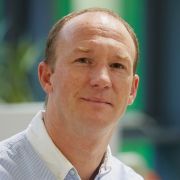
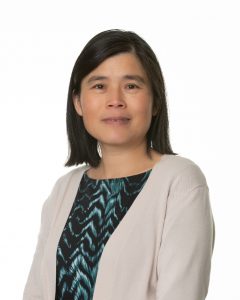
Katherine West is a Senior Lecturer in Molecular Biosciences at the University of Glasgow. Her research focuses on chromatin-binding proteins, particularly the HMGN family, and their roles in DNA repair, gene expression, and stem cell biology. She has contributed to advancements in CRISPR-Cas9 technology, epigenetic regulation of pluripotency, and cancer-related education methodologies. Key Research Themes: Epigenetic mechanisms in stem cell differentiation HMGN protein function in chromatin dynamics CRISPR-Cas9 optimization for transgene integration Interdisciplinary medical education innovations Grant History: Research funded by Tenovus Scotland, BBSRC, AICR, and European Commission for projects spanning DNA repair, HMGN protein engineering, and cancer therapy sensitization.
Professor Joanna B Wilson is a leading academic at the University of Glasgow , affiliated with the School of Molecular Biosciences and the Department of Molecular Genetics . Her research focuses on molecular pathways in cancer development, particularly those linked to Epstein-Barr virus (EBV) oncogenesis, with a strong emphasis on translating these findings into novel therapeutic strategies. Wilson's work has extensively analyzed EBV proteins like LMP1 and EBNA1 , exploring their roles in chronic inflammation , immune evasion , and carcinogenesis . Her lab has developed transgenic mouse models to study EBV-driven lymphomas and epithelial cancers, revealing critical interactions with host pathways such as IL-2 signaling , PI3Kδ , and Mdm2-p53 . Recent publications highlight advancements in EBV-targeted therapies , including anti-inflammatory agents (e.g., NAC) and prime-boost vaccination approaches. These studies span oncology , virology , and molecular signaling , reflecting her interdisciplinary expertise. Wilson has contributed to key methods in transgenic modeling and EBV research through co-authored book sections and protocols. Her lab's work remains foundational in understanding how EBV manipulates cellular mechanisms to promote cancer.
Sumana Sharma is a Wellcome Career Development Fellow and Group Leader at the MRC Weatherall Institute of Molecular Medicine (University of Oxford). Her research focuses on T-cell signaling and next-generation immunotherapy design , particularly through inhibitory receptor signaling manipulation . PhD in genetic screening (Wellcome Sanger Institute, University of Cambridge) Postdoc in computational analysis (EMBL-EBI, Cambridge) Former Sir Henry Wellcome Postdoctoral Fellow (MRC-TIDU, Oxford) Her work integrates CRISPR-based functional genomics , omics technologies , and primary T-cell editing to uncover regulatory mechanisms in immune suppression. Key contributions include developing CEN-tools for cancer gene analysis and creating high-throughput assays for T-cell signaling. Recent publications span 2025-2015 , emphasizing T-cell antigen detection , inhibitory signaling , and transcriptional reprogramming . Her research trends combine structural immunology , computational genomics , and therapeutic engineering . Wellcome Career Development Award Sir Henry Wellcome Postdoctoral Fellowship Her lab uses multidisciplinary approaches to study immune regulation in cancer and chronic infections , with potential applications in autoimmune disease and tumor immunotherapy .
Hashem Koohy is a Professor of Systems Immunology with a focus on computational approaches to decode T cell interactions with pathogens. His work bridges machine learning and immunology to advance understanding of antigen specificity, immune responses, and applications in cancer therapy and infectious diseases. Primary research areas: Systems Immunology, Computational Biology, T Cell Receptor dynamics, and Machine Learning. Recent studies span SARS-CoV-2 cross-reactivity, CAR T-cell therapy for cancer, and single-cell multi-omics of immune cell interactions. Notable 2024 works: AlphaFold integration in immunology, B-cell clonal analysis, and global education disparities—a unique cross-disciplinary contribution.
Professor Mark Dickman, affiliated with the School of Chemical, Materials and Biological Engineering at the University of Sheffield, is a leading expert in Bioanalytical Science and Engineering . His research focuses on developing advanced analytical techniques for characterizing nucleic acid therapeutics, particularly oligonucleotide and mRNA-based drugs. Industry collaborations include ThermoFisher, AstraZeneca, Syngenta, and RedShift Bio. Academic Background : First Class BSc (Biochemistry/Chemistry), PhD at the Krebs Institute (University of Sheffield). Professional History : Research Scientist at Transgenomic Ltd (1993-2003), then academic staff at the University of Sheffield. Key research areas include: Bioseparations (HPLC, 2D-LC, ion-pair chromatography) Biological Mass Spectrometry for RNA and protein analysis Nucleic Acid Therapeutics (mRNA vaccines, oligonucleotide drugs) CRISPR-Cas Systems and RNA interference His publications (over 40) demonstrate expertise in chromatographic methods, bacterial cell wall analysis, and epigenetic studies. Recent work explores: mRNA critical quality attribute monitoring RNA biocontrol purification Peptidoglycan structural characterization Mass spectrometry-based RNA sequence mapping Professional memberships include the Royal Society of Chemistry and American Society for Mass Spectrometry . He contributes to teaching through the CPE 240 Engineering From Living Systems course.
Professor Olwyn Byron is a Professor of Biophysics (Bacteriology) and Director of Education (Immunology & Infection) at the University of Glasgow. Based in the Sir Graeme Davies Building, Professor Byron leads research focused on understanding the solution behavior of biological macromolecules and their complexes through advanced biophysical techniques including Analytical Ultracentrifugation (AUC), Small Angle X-ray Scattering (SAXS), Small Angle Neutron Scattering (SANS), and Hydrodynamic Bead Modelling (HBM). Professor Byron's research centers on the structural and functional characterization of biological macromolecules, with particular emphasis on bacterial enzymes (especially AdhE and its spirosome architecture), protein-protein interactions, and macromolecular complexes. The work has significant implications for understanding bacterial metabolism, virulence mechanisms, and the development of novel antimicrobial strategies. Professor Byron has made substantial methodological contributions to biophysical techniques, particularly in integrating multiple approaches for comprehensive structural analysis. Analysis of Professor Byron's publication record reveals a strong focus on structural biology and biophysics with applications across microbiology and immunology. The research demonstrates expertise in characterizing complex macromolecular assemblies, from bacterial enzymes to viral proteins and chromatin components, using a multidisciplinary approach that bridges traditional disciplinary boundaries.
Jose Carlos Del Valle is a researcher affiliated with the Department of Molecular Biology and Biochemical Engineering at the Universidad de Sevilla. His work intersects genomics, chromatin biology, and developmental processes, with a focus on gene regulatory mechanisms and genome integrity. Thesis: Studied roles of NPL3, NUP84, and mRNA transport factors in genome stability (2014) Academic Groups: Sistemática y Evolución Vegetal His research explores chromatin organization, transcription-replication conflicts, and hypoxia-induced cellular adaptations, particularly in cancer and developmental contexts. Articles reveal expertise in zebrafish embryogenesis, CTCF/CTCF knockout studies, and retinoic acid signaling mechanisms. Recent publications (2024) emphasize hypoxia in ovarian cancer stemness, neural crest migration dynamics, and CRISPR-based discovery of post-translational regulators. Earlier works (2021-2023) analyze chromatin looping, enhancer-promoter interactions, and transcription factor networks in development.
Dr. Selene Fernandez Valverde is a Senior Lecturer at the School of Biotechnology and Biomolecular Sciences , UNSW Sydney. She is a genomic scientist and bioinformatician with a focus on long non-coding RNAs (lncRNAs) and their role in gene regulatory landscape evolution across eukaryotes. BSc in Genomic Sciences, National Autonomous University of Mexico (2007) PhD , University of Queensland (2013), studying small RNAs with Prof. John Mattick Her research explores the evolutionary dynamics of lncRNAs in plants and animals, using bioinformatic tools to predict functions. She investigates how lncRNAs contribute to food production, human disease, and gene regulation in crops and metazoans. The 15 most recent articles highlight her work on lncRNA evolution across species, genomic approaches to functional validation, and bioinformatics applications. Key themes include Arabidopsis thaliana lncRNAs, X-chromosome dosage compensation in reptiles, and comparative genomics of gene clusters. Gender Equality Award , International Union of Immunological Societies (2019) International Rising Talents Fellowship , L’Oréal-UNESCO (2018) L’Oréal-UNESCO-CONACYT Fellowship (2016) She has mentored 19 students and postdocs, including Irving Jair García (PhD) and Gabriel Martinez (MSc). Her grants include a Newton Advanced Fellowship (2018, £105,500) for studying lncRNA and chromatin structure in plants. Dr. Valverde leads the RegRNALab , which employs bioinformatic and genomic data to study gene regulatory mechanisms. She co-founded Mas Ciencia por Mexico and Mexican Network of Bioinformatics , and is part of the Homeward Bound climate leadership program (#TeamHB8).
Xu-dong Zhu is a Professor in the Department of Biology at McMaster University's Faculty of Science, where he leads a research laboratory focused on DNA repair mechanisms and genomic integrity. His work has significant implications for understanding cancer development and aging processes, with research spanning molecular pathways of DNA damage repair and their connections to disease. Dr. Zhu's educational background includes: B.Sc. in Biochemistry from Nanjing University M.Sc. in Biochemistry from University of Regina Ph.D. in Molecular and Medical Genetics from University of Toronto Dr. Zhu's research primarily focuses on elucidating molecular mechanisms by which human cells maintain genomic integrity. His laboratory investigates how Cockayne syndrome group B (CSB) protein, a chromatin remodeler, helps prevent genomic instability, an underlying hallmark of cancer and aging. His work spans DNA repair pathways, telomere maintenance mechanisms, and the molecular basis of cancer development. Through detailed molecular studies, his research aims to identify potential targets for cancer therapeutics and biomarkers for cancer diagnosis. The knowledge gained from these studies is expected to aid in the design of anti-cancer therapeutics and improve treatment of cancer patients. Analysis of Dr. Zhu's recent publications reveals a strong focus on DNA repair mechanisms, particularly the role of CSB protein in replication stress response and double-strand break repair. His work increasingly connects basic DNA repair mechanisms with cancer therapeutics, showing how understanding these pathways can identify vulnerabilities in cancer cells. There's also a consistent thread exploring telomere maintenance mechanisms and their relationship to DNA repair pathways, which has implications for both cancer and aging research. Dr. Zhu teaches several courses at McMaster University including Experimental Approaches in Cell Biology (MOLBIOL 3D03), Research Advances in Biology of Aging (MOLBIOL 4K03), and Topics in Molecular Genetics (BIOLOGY 723). His laboratory serves as a training ground for graduate students and postdoctoral fellows interested in molecular mechanisms of DNA repair and genomic stability. The Zhu laboratory is actively investigating how Cockayne syndrome group B (CSB) protein functions as a chromatin remodeler to prevent genomic instability. Current research focuses on understanding how CSB regulates DNA replication stress response, double-strand break repair pathway choice, and telomere maintenance mechanisms. This work has significant implications for developing new cancer therapeutics and understanding the molecular basis of aging.
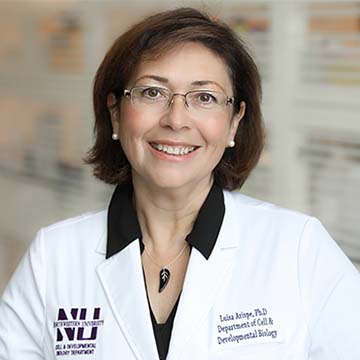
Luisa Iruela-Arispe, PhD, is the Chair of the Department of Cell and Developmental Biology and Stephen Walter Ranson Professor at Northwestern University Feinberg School of Medicine. She previously held positions at Harvard Medical School (1994-1998) and UCLA (1998-2019). Her work focuses on molecular regulation of angiogenesis, vascular malformations, and mechanotransduction in vascular biology. Doctoral Degree: 1989, Argentina/Brazil Postdoctoral Training: University of Washington, Seattle Her research spans vascular development, aging-related neurodegeneration, blood-brain barrier dysfunction, and mechanosensitive endothelial responses. Current projects include studying NOTCH signaling in vascular diseases and transcriptional-metabolic interactions under shear stress. Recent publications highlight vascular development (2025), cilia dynamics in lung vasculature (2025), and shear stress effects on microtubules (2024). Articles emphasize Notch3 aging mechanisms (2024), mechanotransduction (2023), and transcriptional drifts in vascular pathology (2023). Awards include AAAS Fellowship (2022), Judah Folkman Award (2009), and UCLA's Distinguished Teaching and Gold Shield Awards. She leads the Leducq ReVAMP network ($7M award) targeting vascular malformations. As mentor, she has guided 242 PhD and graduate students, including Danielle Pi (MD/PhD), Katiannah Moise (UChicago postdoc), and Jocelyn Salvador (2025 PhD). Her lab at Northwestern investigates vascular tumors, resilience mechanisms, and neurovascular injuries.
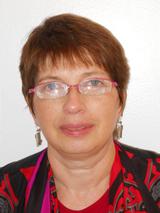
Irina V Budunova, MD, PhD, is a Professor in the Department of Dermatology and Department of Urology at the Feinberg School of Medicine, Northwestern University. Her research focuses on glucocorticoid receptor biology in skin and prostate cancer, stem cell regulation, and translational applications including drug development for reducing side effects of glucocorticoids. Education: MD from N. Pirogov State Medical School (1976) PhD from National Cancer Research Center (1982) Dr. Budunova's research spans glucocorticoid receptor signaling, skin and prostate cancer development, and stem cell regulation. She investigates the mechanisms of glucocorticoid-induced skin atrophy and osteoporosis, and develops selective glucocorticoid receptor modulators (SEGRAM) to improve therapeutic index. Recently, her lab has explored inflammatory signaling differences in African American skin compared to White Non-Hispanic skin using 3D skin organoids. Her recent publications (2023-2025) highlight work on anticancer plant metabolites, novel glucocorticoid receptor agonists, and the role of REDD1 in glucocorticoid receptor function in skin cells. These studies bridge molecular biology, dermatology, and drug development, with a focus on translational applications. Professional Affiliations: Editorial Board Member, PLOS ONE (2017-Present) Member, European Society for Dermatological Research (2013-Present) Member, Society For Investigative Dermatology (2012-Present) Member, AACR (1994-2018) Dr. Budunova is affiliated with several research centers at Northwestern, including the Center for Reproductive Science, the Robert H. Lurie Comprehensive Cancer Center, and the Skin Biology and Diseases Resource-Based Center.
Sinisa Dovat, MD, PhD is an Adjunct Associate Professor in the Biochemistry Division of the School of Medicine at Pennsylvania State University. His research focuses on molecular mechanisms of leukemia development and therapeutic interventions, with particular emphasis on epigenetic regulation in high-risk leukemia cases. Dr. Dovat's research interests center on: Epigenetic regulation in leukemia, particularly the role of IKAROS and Casein Kinase II (CK2) signaling pathways Molecular mechanisms underlying high-risk B-cell and T-cell acute lymphoblastic leukemia CRLF2 alterations and their role in childhood leukemia, especially among Hispanic populations Development of targeted therapies for leukemia based on molecular understanding of disease mechanisms Health disparities in pediatric leukemia outcomes His extensive publication record (over 160 publications from 1991-2025) demonstrates a consistent focus on molecular mechanisms of leukemia, with recent work emphasizing precision medicine approaches for high-risk cases. Current research examines novel therapeutic targets including the CK2/IKAROS axis, WDR5/ATAD2 signaling, and TSLP-based interventions for CRLF2 B-cell ALL. Dr. Dovat has been involved in significant research projects including: Epigenetic Regulation in High-Risk Leukemia (2017-2021) Federal Targeting CRLF2 and Ikaros Alterations to Reduce Health Disparities in Childhood Leukemia (2016-2023) Xenograft Model to Study Impact of CRLF2-Ligand in Hispanic Childhood B-ALL (2012-2015) His laboratory investigates the molecular pathways involved in leukemia development, with particular focus on transcriptional regulation, epigenetic modifications, and signal transduction pathways that drive leukemogenesis. The research team employs both in vitro and in vivo models to study these mechanisms and develop targeted therapeutic approaches.
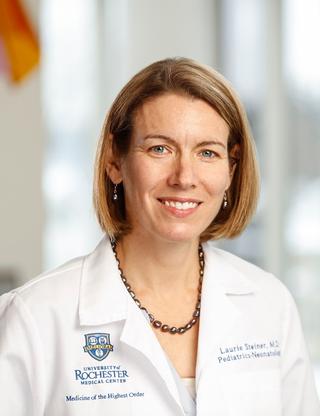
Laurie A. Steiner, M.D., is a Professor in the Department of Pediatrics, Neonatology at the University of Rochester School of Medicine and Dentistry. Her research focuses on the molecular mechanisms of erythroid maturation and hematology disorders. Education: MD from Icahn School of Medicine at Mount Sinai (2003) Residency: Yale New Haven Hospital (2003-2006) Fellowship: Yale New Haven Hospital (2006-2010) Dr. Steiner's research integrates genomics, epigenetics, and hematology to investigate DNA sequences, chromatin structure, and transcription factors during red blood cell development. Her lab has published groundbreaking work on erythroid self-renewal, chromatin remodeling, and disease-related disruptions in these processes. Scientific awards include the Ruth Lawrence Academic Faculty Service Award (2022, 2016), Society for Pediatric Research induction (2015), and Pediatric Scientist Development Program (2006). She leads the Steiner Lab, which studies neonatal hematology and erythropoiesis mechanisms.
Alistair Boettiger is an Associate Professor in the Department of Developmental Biology at Stanford University School of Medicine, with affiliations to Bio-X and the Biophysics Program. His academic journey spans Princeton University (A.B. in Physics), UC Berkeley (Ph.D. in Biophysics), and postdoctoral training at Harvard University in single-molecule imaging. His research focuses on the interplay between 3D genome organization and gene regulation during development. Key areas include enhancer-promoter communication, chromatin architecture, and the role of spatial organization in transcriptional specificity. He employs super-resolution imaging, genetic engineering, and computational modeling to study these mechanisms in organisms like Drosophila and mouse. Recent publications highlight his work on promoter competition, cross-TAD enhancer interactions, and epigenetic feedback models. His lab has developed tools like CARGO-VPR for precise enhancer activation studies. Scientific Awards: New Innovator Award, NIH (2018-2023) Packard Fellowship (2018-2023) Beckman Young Investigator (2018-2022) Kavli Fellow (2018) Searle Scholars Award (2017-2020) CASI Career Award (2016-2021) Dale F. Frey Award (2016-2018) Damon Runyon Fellowship (2012-2016) NSF Graduate Research Fellowship (2009-2011) He mentors doctoral students and postdoctoral researchers, including Tee Udomlumleart, Tianhong Wang, Lynette Chan, and Simon Gaudin. His lab emphasizes interdisciplinary innovation, combining molecular tools, imaging, and computational approaches to decode genome function.
Patrik Ernfors is a Professor of Tissue Biology at the Karolinska Institutet (KI), affiliated with the Department of Medical Biochemistry and Biophysics. He is a leading researcher in pain biology and glioblastoma, with a focus on the cellular and molecular mechanisms underlying somatic sensation and chronic pain. Member of the Nobel Assembly (2007–present) Scientific Advisory Board, Knut and Alice Wallenberg Foundation (2022–present) His research employs single-cell RNA sequencing, mouse genetics, and neurophysiological methods to classify sensory neuron types, identify pain transduction mechanisms, and explore glioblastoma origins. He discovered a novel pain-sensing organ in the skin comprising glial cells and nerve fibers, and revealed that glioblastomas arise from blood vessel cells, not glial cells. Recent publications highlight his work on pain coding, Schwann cell roles in neuropathic pain, and molecular mechanisms in neuroblastoma. He has secured major grants from the Swedish Research Council, Deutsche Forschungsgemeinschaft, and Knut and Alice Wallenberg Foundation. Scientific awards include three ERC Advanced Grants and advisory roles in prestigious foundations. His lab at KI includes a team of researchers working on sensory neuron diversity, pain pathways, and glioma biology.