John Rouse is a Professor and Scientific Programme Leader (MRC) of Chromosome Biology at the MRC PPU. His research focuses on DNA repair mechanisms, chromatin structure, and genome maintenance. He leads projects funded by the Medical Research Council (MRC) and other institutions, including collaborative efforts on chromatin remodelling and DNA interstrand crosslink repair. Key roles: MRC QQR Programme Leader (2018–2024), Investigator on multiple collaborative grants. Research interests: Chromosome biology, DNA damage response, histone chaperones, and kinase signaling pathways. His work contributes to understanding genome integrity and has implications for cancer therapy and neurodegenerative diseases. Notable projects include the study of NEK1 kinase in ALS and the development of targeted cancer therapies using PROTAC technology. John has been involved in public engagement activities, such as the Discovery Days 2012 event, promoting science outreach.
Simone Bachleitner is a Researcher at the Institute of Microbiology and Microbial Biotechnology within the Department of Biotechnology and Food Science at University of Natural Resources and Life Sciences, Vienna (BOKU) . Her work focuses on fungal genetics, epigenetic regulation, and metabolic engineering of yeast for organic acid production. She actively investigates chromatin structure's role in secondary metabolite gene expression in Fusarium species and develops engineered Komagataella phaffii strains for bio-based acid production from methanol. Her research bridges molecular biology, industrial biotechnology, and plant pathology. Recent publications highlight her contributions to: H3K27me3 epigenetic regulation in plant pathogens Mxr1/Mit1 transcriptional activation for lactic acid production Nonribosomal peptide synthetase cluster analysis in Fusarium Methanol-based itaconic acid bioprocess optimization She supervises graduate students and contributes to collaborative projects funded by the Austrian Science Fund (FWF) and European Commission.
Rachel O'Neill serves as a Board of Trustees Distinguished Professor in the Department of Molecular and Cell Biology at the University of Connecticut's College of Liberal Arts and Sciences. Her research bridges molecular genetics, cytogenetics, and computational genomics to investigate fundamental mechanisms of genome stability and evolution across diverse eukaryotic species. Her primary research interests focus on retroelement transcription, centromere function, chromosome evolution, and species-specific genomic adaptations. O'Neill's lab pioneers telomere-to-telomere (T2T) genome assembly methodologies using next-generation sequencing technologies, establishing non-traditional model organisms including marsupials, monotremes, birds, marine species, plants, and insects for comparative genome biology studies. Human Telomere-to-Telomere Consortium Primate T2T Consortium Gibbon T2T Consortium Earth Biogenomes Project Ruminant T2T Consortium Fly T2T Consortium Deep Ocean Genomes Project Antarctic Genomes Consortium Colossal Foundation UConn’s Biodiversity and Conservation Genomics program O'Neill's recent publications (2021-2025) demonstrate leadership in large-scale genomics initiatives, with significant contributions to understanding centromere biology, sex chromosome evolution, and conservation genomics. Her work spans marsupial mole genomics, ruminant chromosome evolution, and epigenetic regulation of X-chromosome inactivation, reflecting her lab's broad impact across evolutionary biology, conservation, and fundamental genome science. Her laboratory actively trains students through cohort-based programs including the RaMP Cohort and Biodiversity and Conservation Genomics Program, securing substantial collaborative funding through multi-institutional consortia. The lab maintains strong infrastructure for advanced genome assembly and epigenomic analysis, with particular expertise in challenging repetitive regions and non-model organism genomics.
Ole Nørregaard Jensen is a Professor in Biomedical Mass Spectrometry and Systems Biology at the Department of Biochemistry and Molecular Biology, University of Southern Denmark . His research integrates advanced mass spectrometry, proteomics, and bioinformatics to study chromatin biology, post-translational modifications, and cellular signaling networks. He is actively involved in major research initiatives funded by Novo Nordisk Foundation and Lundbeck Foundation. His research interests include Mass Spectrometry, Proteomics, Posttranslational Modification, Histone Biology, Chromatin Biology, Bioinformatics, Systems Biology, Lipidomics, and Protein Chemistry . He employs cutting-edge techniques such as tandem mass spectrometry and ion mobility spectrometry to analyze protein isomers and dynamic modifications. His work has significant implications for understanding gene regulation, DNA replication, and disease mechanisms. His recent publications demonstrate a strong trend in chromatin dynamics, epigenetics, and integrated omics approaches , combining proteomics with transcriptomics and lipidomics to unravel complex biological systems. His research spans from fundamental molecular mechanisms to translational applications in biomedicine and food science. He has been recognized with several prestigious awards: MCP Lectureship Award Juan Pablo Albar Proteomics Pioneer Award 2019 EliteForsk 2009 prize Knight Order of Dannebrog (Ridder af Dannebrogordenen) Jensen is deeply involved in academic service, including peer review for journals like Nature Communications and Molecular and Cellular Proteomics , organizing conferences, and supervising students. He teaches courses such as Biomedical Mass Spectrometry - Principles and Applications and coordinates the Computational Biomedicine international Master’s program. He leads multiple active research projects, including PLATO and INTEGRA, focusing on health data, imaging, and protein networks. He is a key member of a vibrant research environment in biomedical mass spectrometry at SDU, contributing to both national and international scientific collaborations. His lab is at the forefront of developing and applying novel mass spectrometry methodologies for systems biology.
Ritwick Sawarkar is a Principal Investigator at the MRC Toxicology Unit and affiliated with the Department of Genetics under the School of Biological Sciences at the University of Cambridge. He leads the Sawarkar Group, focusing on molecular mechanisms linking chromatin biology, environmental stress response, and transcriptional regulation. Education: PhD in Genetics (Indian Institute of Science, 2010) Previous roles: Postdoctoral Fellow at ETH-Zürich (2010-2014), Independent Group Leader at Max Planck Institute (2014-2019) Research Interests : The Sawarkar Group investigates how chromatin interprets environmental stress signals to modulate transcriptional responses. Key questions include: (i) Cellular pathways sensing stress/toxins, (ii) Chromatin's role in stress adaptation, and (iii) Transcriptional mechanisms for cellular survival. Their work integrates genomics, single-cell transcriptomics, proteomics, and mouse models to explore stress response pathways. Article Trends : Recent publications highlight his expertise in chromatin-mediated stress responses, non-coding RNA interactions, and proteostasis networks. Collaborations with pharmaceutical companies emphasize translational applications for drug toxicology and RNA therapeutics. Scientific Awards : ERC Consolidator Grant (2018) Alfred Tissières Young Investigator Award (2019) Group Members : His team includes PhD students (Dimitris Aspri, Roberto Campalastri), Research Associates (Simone Baldan, Christo Christov), and MPhil students (Anfas Muhammed, Keely Xia), among others.
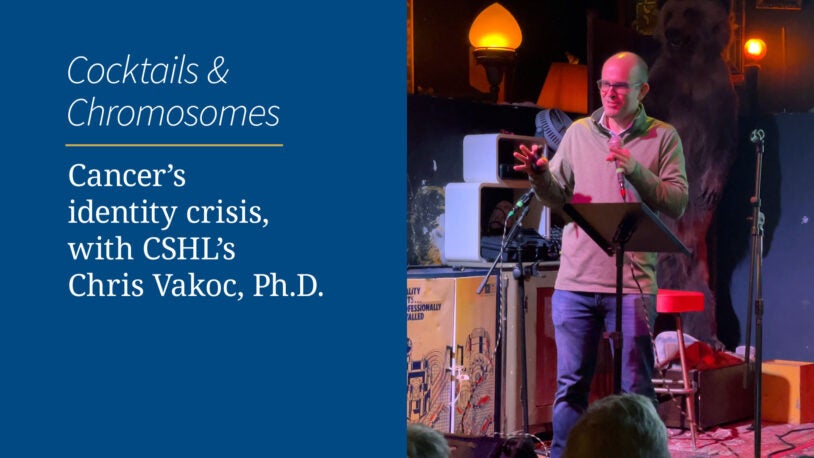
Christopher Vakoc is a Professor at Cold Spring Harbor Laboratory (CSHL), holding the Alan and Edith Seligson Professorship of Cancer Research and serving as Deputy Director of the Cancer Center. His work focuses on understanding how epigenetic dysregulation contributes to cancer pathogenesis, with particular emphasis on epigenetic dependencies and lineage plasticity. Dr. Vakoc's research investigates how transcription factors and chromatin regulators control gene expression in cancer cells. His lab employs high-throughput CRISPR-based genetic screens to identify critical epigenetic regulators in specific cancers. A significant finding from his work demonstrated that blood cancers are often vulnerable to targeting transcriptional coactivators like BRD4 and the SWI/SNF chromatin remodeling complex. His team showed that BRD4 inhibition has therapeutic effects in leukemia mouse models, leading to ongoing clinical trials. Analysis of Vakoc's recent publications reveals a strong focus on pancreatic cancer mechanisms, particularly basal-like identity and lineage plasticity. His work on the MED12-ΔNp63 interaction in pancreatic cancer represents a major breakthrough in understanding how cancer cells lose their original identity. Additionally, his research spans acute myeloid leukemia, sarcoma, lung cancer, and glioma, with consistent themes of epigenetic regulation and identification of novel therapeutic targets. Scientific awards recognizing his contributions include: Paul Marks Prize for Cancer Research AACR Outstanding Achievement in Cancer Research Award Pershing Square Sohn Prize Long Island Excellence in Healthcare Award (2023) Burroughs Welcome Fund Career Award for Medical Scientists Dr. Vakoc actively mentors numerous graduate students and postdoctoral fellows, with several former trainees now holding prominent positions in academia and industry. His research is supported by multiple grants including funding from the National Cancer Institute, Pershing Square Sohn Cancer Research Alliance, and National Institutes of Health. The Vakoc Laboratory serves as a hub for innovative cancer epigenetics research, employing cutting-edge CRISPR screening technologies to reveal new therapeutic opportunities across multiple cancer types.
Steven McMahon is a Professor and Chair of the Department of Biochemistry & Molecular Biology at Thomas Jefferson University. He also serves as Senior Associate Dean for Basic Science Research at Sidney Kimmel Medical College and Senior Associate Provost for Programmatic Science. His research focuses on transcriptional deregulation in cancer, particularly MYC and p53 pathways. PhD in Immunology, University of Pennsylvania MS in Physiology, Temple University BS in Biology, Albright College Research Interests: Dr. McMahon's work investigates how mutations in transcription factors like MYC and p53 alter cellular processes in cancer. Specific projects include mitochondrial transcriptional regulation, post-translational modifications of tumor suppressors, and genetic lesions in coactivator complexes. His findings highlight novel therapeutic targets in transcriptional networks. Scientific Awards: Sidney Kimmel Comprehensive Cancer Center Mentorship Award Ralph and Marian Falk Medical Research Trust Catalyst Award Gertrude Elion Award (AACR) Special Fellow Award (Leukemia and Lymphoma Society) Research Scholar Award (American Cancer Society) Scholar Award (V Foundation) Labs & Collaborations: Leads the McMahon Research Lab at Thomas Jefferson University, focusing on biochemical pathways in cancer. Collaborates with teams in the Basic Science Research division and Programmatic Science initiatives.
Monica Rolando is a researcher at the Institut Pasteur in Paris, France, specializing in the study of intracellular bacterial pathogens, particularly Legionella pneumophila , the causative agent of Legionnaires' disease. She is affiliated with the Biology of Intracellular Bacteria department and teaches in the Pasteur Microbiology Course, sharing her expertise in bacterial pathogenesis and host-pathogen interactions. Dr. Rolando obtained her PhD in Cellular and Molecular Biology from the University of Nice-Sophia Antipolis, where she studied bacterial toxins targeting the host endothelium. In 2009, she joined the laboratory of Carmen Buchrieser at the Institut Pasteur for postdoctoral training, shifting her focus to non-toxin-mediated aspects of host-pathogen interactions. Her research primarily focuses on how bacterial pathogens manipulate host cellular processes, with particular emphasis on epigenetic regulation. Dr. Rolando investigates how Legionella pneumophila employs bacterial effectors that target the host cell nucleus to modify epigenetic marks, thereby subverting host cell functions to facilitate bacterial replication. Her work explores the fascinating co-evolution between L. pneumophila and its eukaryotic hosts, which has led to the acquisition of proteins through horizontal gene transfer that allow the bacterium to mimic eukaryotic functions. Analysis of Dr. Rolando's recent publications reveals a strong focus on patho-epigenetics - the manipulation of host epigenetic machinery by bacterial pathogens. Her research spans molecular mechanisms of bacterial effectors, particularly histone-modifying enzymes like methyltransferases, and their role in subverting host defenses. A significant portion of her work examines how Legionella and related pathogens target chromatin structure and nuclear processes to promote intracellular survival and replication. Dr. Rolando has contributed to numerous collaborative research projects at the Institut Pasteur, working with various research teams investigating bacterial pathogenesis. Her work bridges molecular microbiology, cell biology, and epigenetics, providing novel insights into host-pathogen interactions at the molecular level. Her laboratory focuses on identifying and characterizing bacterial effectors that target host nuclear processes, with particular attention to how these effectors modify epigenetic marks to benefit bacterial replication. This research has important implications for understanding bacterial pathogenesis and potentially developing novel anti-infective strategies targeting pathogen epigenetic manipulation.
Ralph G. Meyer is a Professor and Department Head at the College of Veterinary Medicine , Utah State University (USU). He holds a PhD in Molecular Cell Biology (University of Kaiserslautern, 1998) and completed postdoctoral training in Molecular Toxicology at University of Tuebingen and University of Arizona. Education : PhD (1998), MS (1994) in Molecular Cell Biology Academic Roles : Faculty at University of Pennsylvania, Interim Head at USU CVM’s VCLS department Research Interests focus on: Reproductive toxicology and developmental biology Epigenetic regulation of sperm chromatin NAD+ metabolism in aging and disease Scientific Awards : Biology of Reproduction Top Reviewing Editor (2017, 2018) NIH Ruth-Kirschstein-NRSA Fellowship (T32, 2002-2004) Edward A. Smuckler Memorial AACR Poster Award (2004) Teaching : Course director for Fundamentals of Pharmacology (VM7522) and Veterinary Toxicology (VM7523) since 2013. Mentored graduate students including Renata Hoskova and Chelsea Ketchum.
Colin R Campbell is an Associate Professor in the Department of Pharmacology at the University of Minnesota Medical School . His research focuses on DNA repair mechanisms , particularly DNA-protein crosslink repair , homologous recombination , and mitochondrial DNA stability , with significant contributions to understanding cancer mechanisms and genetic toxicology . Research Themes DNA-Protein Crosslink Repair Homologous Recombination Pathways Mitochondrial DNA Maintenance Chemotherapy-Induced DNA Damage Enzymatic Processing Mechanisms Article Trends 2024-2025 work emphasizes transcription-coupled DNA repair and ubiquitin-mediated repair pathways 2020-2023 studies explore mitochondrial crosslink repair and interdisciplinary sustainability leadership 2000-2018 publications cover rad51 interactions , nitrogen mustard effects , and calpain-mediated repair enzyme degradation Grants & Projects NIH/NHLBI: Summer Research (2024-2029) NIH/NIEHS: DNA-Protein Crosslink Repair (2019-2025) NIH/NHLBI: Cellular Repair Mechanisms (2018-2024) Collaborations Natalia Tretyakova (Chemistry) Hoang D Nguyen (Microbiology) Paul B Bitterman (Medicine) Beverly S Moriarity (Genetics)
Professor Torsten Nielsen is a clinician-scientist at the University of British Columbia 's Department of Pathology & Laboratory Medicine (Faculty of Medicine), based at Vancouver General Hospital and BC Cancer . He directs UBC's MD/PhD Program , contributes to cancer clinical trials with the Canadian Cancer Trials Group , and chairs the international Connective Tissue Oncology Society 's Research Committee. Key affiliations: UBC, Vancouver General Hospital, BC Cancer, Molecular and Advanced Pathology Core Academic focus: Translational research in sarcomas and breast cancer His research prioritizes translating genomic discoveries into clinical diagnostics and treatments, particularly for synovial sarcoma , breast cancer subtypes , and tenosynovial giant cell tumors . He develops FDA-cleared molecular assays like the PAM50 (Prosigna) test and leads pan-Canadian precision oncology initiatives . Collaborative efforts include work with Stanford, Leiden, and DKFZ Heidelberg. Recent publications highlight advancements in epigenetic therapies , immune biomarker validation , and synovial sarcoma pathogenesis . His lab's work on CSF1/CSF1R signaling inspired new treatment strategies for joint-destructive tumors. Scientific Awards: Fellow, Canadian Academy of Health Sciences Fellow, Royal Society of Canada As director of UBC's MD/PhD Program, he trains future clinician-scientists. His lab team includes experts in epigenomics , proteomics , and mouse modeling . Current projects focus on precision oncology for sarcomas and Ki67 standardization in breast cancer.
Bradley E. Bernstein is a Professor of Pathology and Cell Biology at Harvard Medical School, Chair of the Department of Cancer Biology at Dana-Farber Cancer Institute, and an institute member at the Broad Institute. His research focuses on epigenetics, particularly chromatin modifications in stem cells and cancer. He also co-directs the Broad’s Epigenomics Program and collaborates with multiple research teams. Education: B.S. in Physics from Yale University M.D. and Ph.D. from the University of Washington School of Medicine Research interests: Dr. Bernstein investigates epigenetic mechanisms in mammalian development, gene regulation via chromatin structure, and epigenetic dysregulation in human cancers such as glioblastoma, leukemia, and Ewing sarcoma. His work also includes technology development for single-cell epigenomic profiling and large-scale perturbation studies. Scientific awards and honors: Howard Hughes Postdoctoral Research Fellowship for Physicians Burroughs Wellcome Fund Career Award in the Biomedical Sciences Culpeper Foundation junior faculty award Election into the American Society for Clinical Investigation Howard Hughes Medical Institute Early Career Scientist award Labs and teams: The Bernstein Lab develops sequencing-based technologies to profile and perturb chromatin states and epigenetic landscapes. His group collaborates extensively with computational scientists and disease researchers at the Broad Institute and partner hospitals, and oversees a production center for the NHGRI-sponsored ENCODE project.
Dr. Evelina Charidemou is an Assistant Professor at the Department of Life Sciences, School of Life and Health Sciences, University of Cyprus. She holds a PhD in Biochemistry from the University of Cambridge and a Bachelor's degree (Honors) from Imperial College London, where she earned the Royal College of Science Associateship (ARCS). Her research focuses on developing metabolomics and lipidomics tools to investigate metabolic syndrome, particularly Type II diabetes and non-alcoholic fatty liver disease, using high-performance liquid chromatography and multivariate bioinformatics. Specialties: Nutritional Biochemistry, Metabolism, Histone Acetylation Collaborations: University of Oxford, University of Aarhus, Imperial College London Leadership: President of Cyprus Metabolomic Network Key Awards: Marie Skłodowska-Curie Individual Fellowship, Best Presentation (Metabolomics Sardinian Scientific School) Her work has been published in high-impact journals including Trends in Biochemical Sciences , EMBO Journal , and Hepatology , with a focus on the interplay between epigenetic mechanisms and metabolic diseases. She actively presents at international conferences such as the Metabolomics Society meetings and contributes to the International Journal of Biochemistry and Cell Biology.
Professor Adele Murrell is a Professor of Epigenetics in the Department of Life Sciences at the University of Bath's Faculty of Science. She serves as Co-Director of the Centre for Therapeutic Innovation and is affiliated with both the Centre for Mathematical Biology and the Centre for Bioengineering & Biomedical Technologies (CBio). She is currently accepting doctoral students and maintains an active research program with multiple ongoing projects. Her research focuses on understanding how cells establish and maintain their specific identities through epigenetic mechanisms. Her work centers on epigenetic barriers and cell identity, genomic imprinting as a model epigenetic system, long-range epigenetic silencing in cancer, and epigenetic reprogramming during metastasis. She investigates how higher-order chromatin structure and epigenetic modifications shape the genome within the nucleus to constitute cell identity and provide memory of developmental origins. Her current work examines colon cancer and liver metastasis, focusing on changes in DNA methylation and its demethylation intermediates such as 5-hydroxymethylcytosine. Analysis of Professor Murrell's recent publications reveals a strong focus on DNA hydroxymethylation patterns in cancer progression, particularly in colorectal cancer metastasis. Her work bridges molecular epigenetics with clinical applications, exploring how epigenetic changes during metastasis could be targeted to prevent cancer spread. She has developed novel techniques for detecting epigenetic modifications and has made significant contributions to understanding allele-specific chromatin domains and genomic imprinting mechanisms. Professor Murrell leads multiple research projects including 'Two stages of genome wide 5-hydroxymethylcytosine (5hmC) reprogramming during colorectal carcinogenesis and liver metastasis' funded by the MRC until February 2024, and 'Modelling the fits and starts of how genes burst into expression' funded by The Leverhulme Trust until June 2024. She was also a Co-Investigator on the 'Multi User High-Content Confocal Microscope' project funded by the Biotechnology and Biological Sciences Research Council. Her laboratory work connects with UN Sustainable Development Goals, particularly those related to health and well-being. Her fingerprint analysis shows strong activity in Epigenetics (100%), DNA Methylation (94%), Allele research (73%), Methylation studies (69%), Genomic Imprinting (60%), CTCF research (56%), Promoter Region analysis (44%), and Differentially Methylated Regions (34%).
Mar Sobral Bernal is a Professor at the Department of Geography, University of Santiago de Compostela, Spain, affiliated with the Faculty of Geography and History. She holds a PhD from the same institution (2010) focusing on selection pressures on fruit traits in Crataegus monogyna . Her work emphasizes evolutionary ecology of plant-animal interactions and global change impacts on biodiversity, particularly carbon cycling. She has conducted research at CNRS (France) and Stanford University (USA), and collaborates with groups like ANTE and EcoPast. Research interests include plant defense mechanisms, transgenerational plasticity, functional diversity effects on soil carbon, and science outreach addressing gender equity. Key findings explore how mammal biodiversity influences soil organic matter composition and how herbivory shapes plant phenotypic traits across generations. Publications span plant-animal interactions, climate impacts on ecosystems, and biodiversity-carbon links. Her recent work highlights the role of functional traits in carbon dynamics and transgenerational effects of herbivory. She advocates for equitable science through outreach and policy engagement.