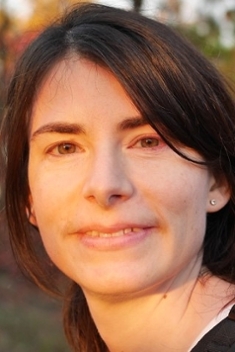
Dr. C.A.T. Zijdewind is an Associate Professor at the Faculty of Medical Sciences, University of Groningen. Her research focuses on neurosciences, neuroimaging, and physiology, particularly addressing fatigue mechanisms, interhemispheric interactions, and motor unit behavior in clinical populations such as spinal cord injury patients and multiple sclerosis sufferers. She has received grants from NIH-NINDS, stichting MS Research, and NWO-Cognition. Research Interests: Her work explores cerebral and spinal mechanisms underlying fatigue, motor performance, and neural adaptation post-injury. Techniques include functional MRI, electromyography, and neurophysiological assessments to study motor control and rehabilitation strategies. Grants: NICHD FORE-SCI: Cortical activation in spinal cord injury patients (2007–2008) stichting MS Research: Central fatigue in MS (2006/2007) NWO-Cognition: Interaction between cognitive and motor fatigue (2002–2006) Labs/Teams: Collaborates with neuroimaging and neurorehabilitation teams, focusing on translational research bridging clinical and experimental neuroscience.
Laura N. Smith is an Assistant Professor in the Department of Neuroscience & Experimental Therapeutics at Texas A&M University's School of Medicine. Her research focuses on molecular and circuit mechanisms underlying complex behaviors, particularly addiction and neurodevelopmental disorders like autism spectrum disorders (ASD). She investigates how proteins like FMRP (Fragile X Mental Retardation Protein) and ARC (Activity-Regulated Cytoskeleton-Associated Protein) influence synaptic plasticity in brain reward circuits, contributing to addiction and psychiatric conditions. Education: PhD in Psychology from George Mason University (2008) Postdoctoral Fellow/Instructor at Harvard Medical School's Department of Psychiatry Postdoctoral Fellow at University of Texas Southwestern Medical Center's Department of Psychiatry Research Interests: Role of FMRP in synaptic remodeling linked to addiction behaviors Impact of developmental proteins on reward dysfunction in ASD Development of non-opioid analgesics Long-term effects of prenatal substance exposure Cocaine-induced synaptic changes in nucleus accumbens and dorsal striatum Publications Overview: Her work emphasizes drug-induced synaptic adaptations, particularly how addiction co-opts normal plasticity mechanisms. Key themes include FMRP's role in regulating reward-related plasticity, alcohol's impact on cognitive flexibility, and the mechanisms behind behavioral inflexibility in addiction models. Studies often use mouse models to explore these pathways, linking molecular changes to behavioral outcomes. Awards & Grants: No specific awards listed, though her work likely involves NIH grants given the nature of her research topics. Lab & Collaborations: The Smith Lab collaborates on non-opioid analgesic development and fetal alcohol exposure studies. Ongoing projects include cell-type specific analysis of FMRP's role in striatal neurons and reward function.
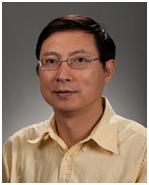
Xin Wu, MD is an Adjunct Assistant Professor and Research Assistant Professor in the Department of Neuroscience & Experimental Therapeutics at Texas A&M University's School of Medicine. His work focuses on mechanotransduction pathways in cardiovascular and neuronal systems, integrating advanced techniques like atomic force microscopy and electrophysiology. Dr. Wu holds dual appointments in cardiology and neuroscience research. Education: MD from Nantong Medical College (1985), MS in Medical Physiology from Suzhou Medical College (1993). Research Interests: Mechanical stress effects on ion channels Integrin-mediated signaling in neurons and cardiomyocytes Epilepsy mechanisms and neurosteroid therapies Drug development for refractory seizures ECM-integrin interactions in disease Technical Expertise: AFM-based cellular mechanics analysis In vivo electrophysiology and imaging Single-cell isolation techniques Lymphatic/vascular modeling LC-MS/MS drug analysis Laboratory Focus: Cardiomyocyte mechanosensitivity, neuronal plasticity in epilepsy, and translational neuropharmacology. Current projects explore sex differences in antiseizure efficacy and novel neuroprotectant development.
Irina Esterlis is a Professor of Psychiatry at Yale School of Medicine and Director of the Molecular Imaging Program at the VA's National Center for PTSD. She also leads the Mood, Anxiety, and Cognitive Sciences Division. Her research focuses on translational neuroimaging studies of neuropsychiatric disorders, including depression, trauma, and suicide, using PET and MRS techniques to investigate glutamatergic and cholinergic systems. Dr. Esterlis holds secondary appointments as Associate Professor in Psychology and Radiology & Biomedical Imaging, reflecting her interdisciplinary work. Education: PhD (2005), MA (2003), BA (1999) from University of Connecticut and SUNY Buffalo. Research interests include synaptic density biomarkers, metabotropic glutamate receptor (mGluR5) imaging, and ketamine's neurobiological effects. Her lab pioneered in vivo imaging of acetylcholine and glutamate systems, linking synaptic alterations to psychiatric symptoms. Key findings include synaptic deficits in depression, PTSD, and autism spectrum disorder. Recent studies highlight synaptic density's role in pain modulation, trauma-cannabis interactions, and resilience among mental health workers during conflicts like the Russia-Ukraine war. She leads clinical trials on synaptic imaging in mood disorders and collaborates on NIH-funded studies. Awards include recognition from the Society of Nuclear Medicine and AAAS. Her work bridges basic science and clinical applications, advancing understanding of neuropsychiatric disorders' pathophysiology.
Zubin Bhagwagar is a faculty member at the Yale School of Medicine , affiliated with the Department of Psychiatry . He holds the academic rank of Professor and has contributed extensively to research in neuropsychopharmacology, neuroimaging, and psychiatric disorders. Education : MBBS, MD, FRCPsych, DPhil His research interests span Major Depressive Disorder , Bipolar Disorder , Neurotransmitter Systems , Mitochondrial Genetics , and Alzheimer's Disease . He has published seminal work on serotonin receptors , ketamine effects , and neurochemical imaging in psychiatric conditions. Dr. Bhagwagar’s recent studies focus on lumateperone for treating depression and bipolar disorder with anxious distress. His work also includes clinical trial methodologies , drug safety assessments , and neurochemical biomarkers in mood disorders. He has collaborated on interdisciplinary projects involving mitochondrial gene expression , neuroimaging , and pharmacogenomics , though no specific scientific awards or student advisement details are mentioned in the provided texts.
Professor Helen Cox is a Professor of Pharmacology at King's College London, affiliated with the School of Neuroscience and the Department of Pharmacology. She leads the Cox research group at Guy’s campus, focusing on nutrient and microbial metabolite sensing in the gastrointestinal (GI) tract, hormone signaling, and epithelial ion transport. Her work contributes to understanding obesity, diabetes, and metabolic disorders. She holds a PhD in Cellular Pharmacology from the University of Southampton (1983) and a BSc in Physiology & Biochemistry (1979). Research Interests: Her team investigates gut hormone release (e.g., GLP-1, PYY) and enteric neurotransmission, using electrophysiological and pharmacological methods. Key areas include microbial metabolite effects on GI function and the role of receptors like GPR119 and FFA receptors. Her work addresses metabolic syndrome, inflammatory bowel disease, and healthy aging through the Ageing Research at King's (ARK) consortium. Publications & Activities: Over 88 publications, including work in Cell , Nature , and Neuropeptides . Active in editorial roles (e.g., Current Opinion in Pharmacology ) and global collaborations (e.g., with University of Copenhagen, Vanderbilt University). Her research is funded by grants from EPSRC, BBSRC, and industry partners like Heptares Therapeutics. Awards: 2017 Fellowship of the British Pharmacological Society. Supervised 11 students, advancing pharmacology and GI research. Labs & Teams: Based in the Wolfson Sensory, Pain and Regeneration Centre (Wolfson SPaRC), she collaborates across disciplines in neuroscience and metabolism. Current projects include GPCR signaling in GI pathologies and therapeutic development for colitis.
Dr. Thomas Heinbockel is a Professor and former Interim Chair at the Department of Anatomy, Howard University College of Medicine , with adjunct appointments at the University of Maryland School of Medicine in Physiology and Anatomy & Neurobiology. His research spans translational neuroscience , focusing on the olfactory and limbic systems through electrophysiological, pharmacological, and epigenetic approaches. Education: Biology (Philipps-University Marburg), M.S. in brain research (Max-Planck-Institute), Ph.D. in Neuroscience (University of Arizona) Current Roles: Professor & former Interim Chair at Howard University, Adjunct Assistant Professor at University of Maryland As a leader in neural signaling and synaptic transmission , Dr. Heinbockel's work explores how endocannabinoids and other neurotransmitter systems regulate olfactory circuits. His lab has contributed to understanding COVID-19-related chemosensory loss as a key biomarker for disease progression, and developed anti-epileptic drug discovery platforms using olfactory bulb slice preparations. Recent publications focus on phytochemical interactions with neural pathways, sex-dependent neuromodulation , and epigenetic mechanisms in neurological disorders. His research has been funded by NIH, NSF , and private foundations, with extensive collaborations across DC-CFAR, DC-IDDRC , and the Global Consortium on Chemosensory Research . Key Scientific Awards Howard University Graduate Faculty Research Exemplar (2019) NIH/NINDS Neurotherapeutics Training Fellowship (2014) Multiple Faculty Author Certificates (2004-2012) Research Mentorship Mentored students like Eugene Park and Zejun Wang to award-winning presentations Lab members recognized in Howard University Research Symposia (2010-2017) The Heinbockel Lab employs patch-clamp electrophysiology , voltage-sensitive dye imaging , and microarray analysis to study neural circuits in mice, rats , and gene-targeted models . Current projects examine the intersection of chemosensory dysfunction , epigenetic health disparities , and novel therapeutic development for neurological disorders.
Karsten Vestergård serves as Leading Chief Physician at Aalborg University Hospital, holding dual appointments in the Faculty of Health Sciences and Department of Neurology and Neurophysiology at Aalborg University. His clinical leadership spans neurology and neurophysiology with emphasis on neurodegenerative disorders and stroke management. Dr. Vestergård's research program focuses on Alzheimer's Disease , Stroke Pathophysiology , and Neurodegenerative Mechanisms . His work integrates clinical neurology with advanced biomarker discovery through NMR spectroscopy, metabolomics, and nationwide registry analyses. Current projects investigate cholinergic dysfunction in Lewy body dementia, pre-diagnostic morbidity patterns in young-onset Alzheimer's, and pharmacological interventions for post-stroke depression. His recent publications demonstrate a strong emphasis on Alzheimer's Disease biomarker validation , with particular attention to lipoprotein subfractions, amino acid metabolism, and prescription drug patterns preceding clinical diagnosis. Collaborative work spans Denmark's national health registries, multi-center stroke trials, and neuropathological investigations of peripheral nervous system involvement in dementia. Professional activities include supervision of doctoral candidates and participation in major neurological conferences including the European Stroke Conference and Karolinska Stroke Update. His research receives attention from clinical practitioners and researchers worldwide, with multiple studies featured in international media and cited across neuroscience platforms.
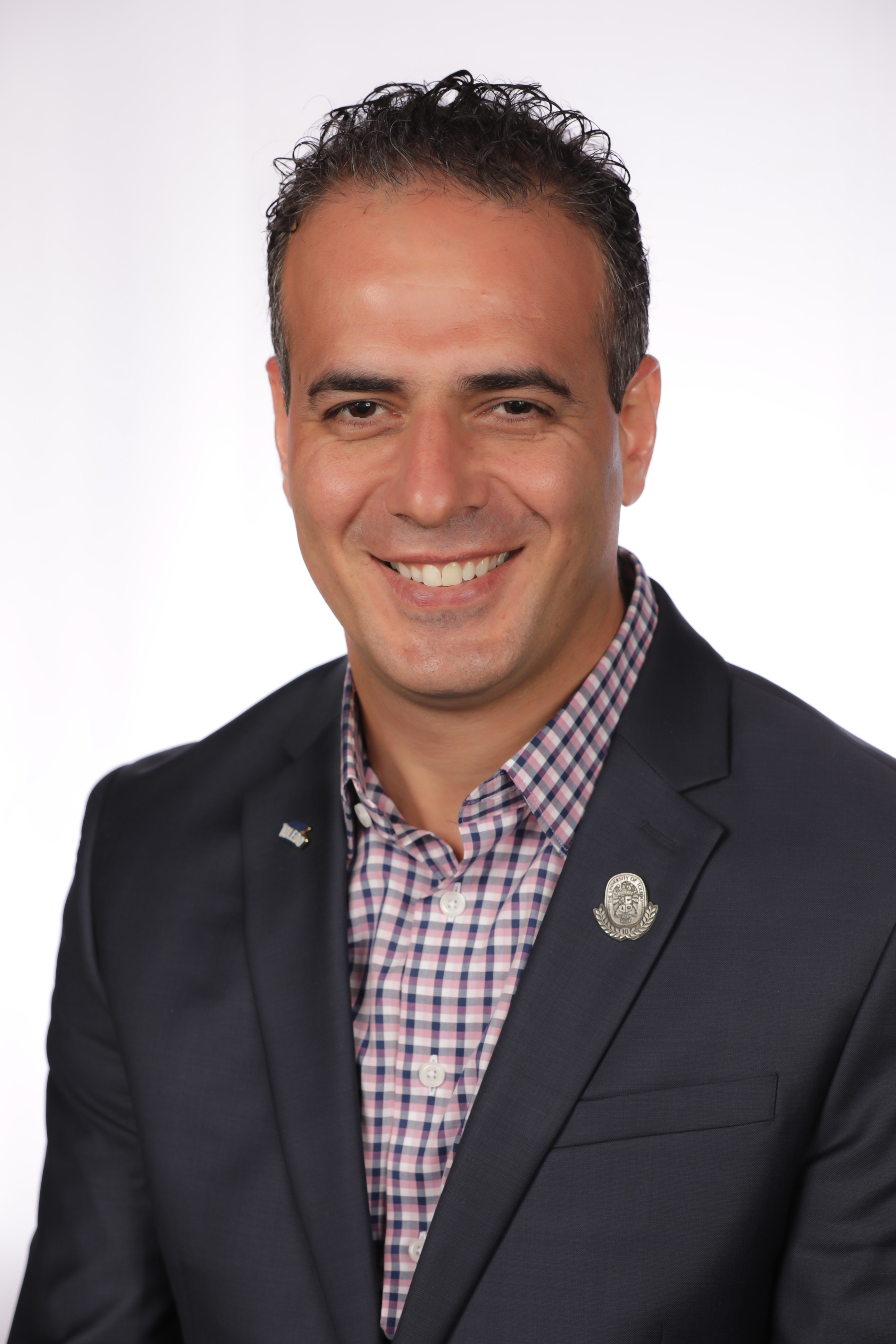
Dr. Wissam AbouAlaiwi is a Professor in the Department of Pharmacology and Experimental Therapeutics at the University of Toledo College of Pharmacy and Pharmaceutical Sciences. He serves as Vice Chair of the University of Toledo Graduate Council and is a Fellow of the American Heart Association (FAHA). His research focuses on the role of primary cilia in kidney, cardiovascular, and neurodegenerative diseases, with particular expertise in Polycystic Kidney Disease (PKD). Dr. AbouAlaiwi's educational background includes a Ph.D. in Biology with outstanding achievement from the University of Toledo (2007), an M.S. in Biology from the American University of Beirut (2002), and equivalent U.S. M.S. in Biology from Lebanese University (2000). He completed post-doctoral training at the University of Toledo Department of Pharmacology after working with Dr. Surya Nauli, who came from Harvard Medical School. His research program investigates primary cilia as mechanosensory organelles that extend from cell membranes into blood vessels and kidney tubules, with a focus on how ciliary dysfunction contributes to PKD and associated cardiovascular complications. Dr. AbouAlaiwi's lab proposes that cilia function as fluid sensory organelles required for sensing fluid shear stress within cardiovascular and renal systems. His work bridges basic science with translational applications, particularly in hypertension mechanisms and therapeutic development. Analysis of Dr. AbouAlaiwi's publication record reveals a consistent trajectory of research focused on primary cilia structure and function, with increasing emphasis on cardiovascular implications of ciliary dysfunction. His work spans molecular mechanisms, cellular physiology, and disease pathogenesis, with recent publications exploring connections between cilia, nitric oxide signaling, and cardiovascular function. The research demonstrates strong interdisciplinary connections between nephrology, cardiology, and cell biology. Fellow of the American Heart Association (FAHA) American Association of Colleges of Pharmacy (AACP) New Investigator Award American Heart Association National Scientist Development Grant Award NIH/NHLBI Academic Research Enhancement Award (AREA/R15) Multiple travel awards and Research Leaders Academy participation Dr. AbouAlaiwi actively mentors PhD, MS, undergraduate, and pre-professional students in his laboratory. His research is supported by multiple NIH grants including an R15 AREA award ($378,984), an AHA Scientist Development Grant ($231,000), and an NSF MRI grant ($545,650) for advanced microscopy equipment. His lab has produced numerous publications in high-impact journals including Circulation, Advanced Science, and Hypertension, demonstrating significant contributions to understanding ciliary function in disease processes. The AbouAlaiwi Lab maintains active collaborations across disciplines, with current research focusing on the intersection of primary cilia dysfunction, hypertension, and neurodegenerative conditions. The lab's work on muscarinic receptors in cilia represents a novel therapeutic approach to cardiovascular complications in PKD patients.
Karen Hoppens Gylys is a Professor in the Department of Physiological Nursing at the University of California, San Francisco (UCSF) School of Nursing, where she has served as Department Chair since 2023. She previously held faculty positions at the UCLA School of Nursing and UCLA Brain Research Institute from 1998 to 2023, and participated in the UCLA Neuroscience Interdepartmental Program. PhD in Neuroscience (Neuropharmacology), UCLA (1993) MS in Human Development, University of Texas, Dallas BSN and Nursing Diploma, University of Texas, Dallas Her research focuses on synaptic dysfunction in Alzheimer's disease (AD), particularly examining neuroinflammation, APOE genetics, and exosome-mediated pathology. She pioneered flow cytometry for synaptosome analysis and uses human postmortem AD samples and mouse models to study microglial/astrocyte interactions and exosomes as both biomarkers and pathological agents. Recent publications highlight trends in synaptic pathology , tau propagation , APOE4 mechanisms , and exosome-based diagnostics in AD. Her work on neuroinflammation and cell-type-specific biomarkers reveals novel therapeutic avenues. Grants from NIH (R21AG082014, R21AG063767, R01AG027465) support her investigations into synaptic degeneration and exosome biology. Dr. Gylys has not been explicitly associated with formal scientific awards in the provided text. She collaborates with institutions like UCLA, USC, and UCSD on AD research and leads projects involving iPSC-derived microglia models and synaptic energetics in neurodegeneration.
Hua Su, MD is a Professor in Residence in the Department of Anesthesia at the University of California San Francisco (UCSF). She serves as the Associate Director for the Center for Cerebrovascular Research and Vice Chair of the UCSF Institutional Animal Care and Use Committee. Her work spans molecular and cellular biology with a specific focus on cerebrovascular and cardiovascular research. Dr. Su's research interests encompass adeno-associated viral vector (AAV)-mediated tissue specific gene transfer, the pathogenesis of cerebrovascular malformation, development of new therapies for ischemic stroke and arteriovenous malformation, and the impact of aging, peripheral injury (such as bone fracture), and innate immune response on stroke recovery. Her work bridges basic science with clinical applications, particularly in understanding how bone fractures exacerbate stroke outcomes and identifying therapeutic targets to improve recovery. Analysis of her recent publications reveals a strong focus on arteriovenous malformations (AVMs), with particular emphasis on genetic factors like endoglin and ALK1, inflammatory processes, and therapeutic approaches including gene therapy. Her research consistently explores the intersection of vascular biology, neuroinflammation, and recovery mechanisms following cerebrovascular events. Dr. Su leads a productive research group with numerous publications featuring consistent collaborators who appear to be her trainees and research staff. Her work has significant translational potential, particularly in developing gene therapies for vascular malformations and interventions to improve stroke recovery, especially in the context of comorbid conditions like bone fractures.
Michael Winder is a Professor in Pharmacology at the Institute of Neuroscience and Physiology, University of Gothenburg. His research focuses on autonomic neuroscience, particularly the role of nitric oxide signaling, neurotransmitter interactions, and smooth muscle physiology in pathological conditions such as chronic pelvic pain syndrome, cystitis, and Parkinson's disease-related bladder dysfunction. Affiliation: Department of Pharmacology, Institute of Neuroscience and Physiology, University of Gothenburg Research Group: Autonomic Neuroscience Unit His research explores mechanisms of bladder overactivity, cross-organ sensitization between the prostate and bladder, and the therapeutic potential of soluble guanylate cyclase activators like BAY 60-2770. He investigates how inflammation, neurodegeneration, and pharmacological interventions affect smooth muscle contractility and neurotransmission in urological and gastrointestinal systems. Publications highlight trends in nitric oxide dependency, purinergic/cholinergic interactions, and drug combination therapies for bladder disorders. His work spans preclinical models, receptor signaling, and translational pharmacology. Email: michael.winder@pharm.gu.se Visiting Address: Medicinaregatan 11, 41390 Göteborg Postal Address: Box 430, 40530 Göteborg Winder collaborates extensively within the Autonomic Neuroscience Unit and with researchers in urology, neuroscience, and pharmacology. He has contributed to conferences like the International Continence Society meetings and journals such as Neurourology and Urodynamics and European Journal of Pharmacology .
Henna-Kaisa Wigren is a University Lecturer at the Molecular and Integrative Biosciences Research Programme within the Faculty of Biological and Environmental Sciences at the University of Helsinki. Her research focuses on the intersection of neurosciences , biomedicine , and physiology , with particular emphasis on sleep regulation and its neurobiological mechanisms. Biomedicine Neurosciences Genetics Developmental Biology Physiology Biochemistry Cell and Molecular Biology Over her career, Wigren has published extensively on topics including: Sleep-wake cycle regulation Microglial activity in sleep Neurochemical mechanisms of arousal Brain energy metabolism Comparative sleep research (including veterinary applications) Developmental neurobiology Her recent publications (2024-2025) focus on microglial morphology and pharmacological interventions in neuropathic pain-related sleep disturbances. Earlier works (2016-2020) examine anesthesia effects on brain proteomes, sleep homeostasis, and neurotrophic factor signaling. Scientific Recognition : 2010: Finnish Physiological Society Thesis Award Academic Contributions : Supervision of doctoral thesis (2022-present) Peer review for Physiology & Behavior , Behavioural Brain Research , and Neuroscience Letters Participation in international conferences (Society for Neuroscience, European Sleep Research Society) Collaborations in translational sleep research Current Projects : 2024-2025: Microglia in the sleeping brain.STS 25 (Finnish Society of Sciences and Letters) 2020-present: Sleepless in the stable (equine sleep disorders) 2011-2013: Aivoverkko (neuroscience network)
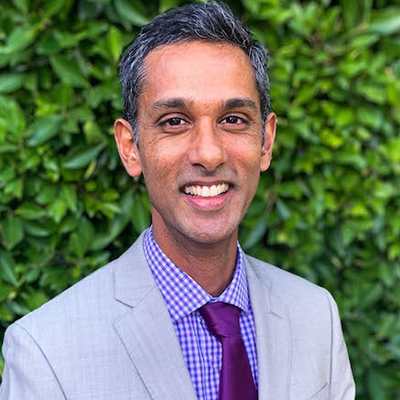
Ranmal Samarasignhe, MD, PhD is an Assistant Professor in the Department of Neurology at the David Geffen School of Medicine, University of California, Los Angeles (UCLA). His research focuses on understanding neural network formation and dysfunction in neurological disorders. MD and PhD from University of Pittsburgh (2013) Adult Neurology Residency at UCLA (2017) NIH-Funded Postdoctoral Research and Clinical Fellowship at UCLA (2017-2020) Clinical expertise in epilepsy and neurophysiologic intraoperative monitoring Research interests include: Human brain organoid models for epilepsy and autism Neural network development and dysfunction Multiphoton calcium imaging and voltage sensors High-throughput genomic screening Super-resolution synaptic imaging Translational neuroscience applications Key publication trends reveal a research trajectory centered on: Development of 3D stem cell-based brain models Investigation of network-level dysfunction in neurodevelopmental disorders Integration of electrophysiology and advanced imaging techniques Exploration of molecular mechanisms underlying neural connectivity
Christine DeLorenzo serves as Associate Professor of Psychiatry and Biomedical Engineering at Stony Brook University's Renaissance School of Medicine, where she directs neuroimaging research focused on biomarker discovery for Major Depressive Disorder. Her work bridges clinical psychiatry and engineering through multimodal brain imaging techniques and novel PET radioligand development. Her academic training includes: BA in Engineering Sciences from Dartmouth College (1999) MS in Engineering from Thayer School of Engineering, Dartmouth College (2002) PhD in Biomedical Engineering from Yale University (2007) Research Fellowship in Neuroscience at Columbia University (2011) Dr. DeLorenzo's research centers on predicting antidepressant treatment response through multimodal neuroimaging biomarkers , with particular expertise in PET radioligand development and glymphatic system assessment. Her laboratory investigates how obesity, sleep disturbances, and childhood trauma modulate brain structure and function in depression, utilizing advanced techniques like dynamic 18F-FDG PET for cerebrospinal fluid clearance quantification. Recent work explores neuroinflammatory mechanisms in post-COVID neurological sequelae using [18F]-FEPPA imaging. Analysis of her 150+ publications reveals three dominant trajectories: 1) Technical innovation in PET quantification and image reconstruction, 2) Depression biomarker validation across structural, metabolic and neurotransmitter systems, and 3) Expansion into age-related neurodegeneration and post-viral neuroinflammation. Her work increasingly integrates machine learning for low-count PET recovery and treatment prediction. As Principal Investigator, Dr. DeLorenzo leads two major NIH-funded projects: Uncovering Biomarkers of Major Depressive Disorders Using Multimodal Imaging and Characterization of a New Metabotropic Glutamate Receptor Subtype 5 PET Ligand . These initiatives support her laboratory's development of quantitative imaging protocols for clinical translation. Her neuroimaging laboratory operates within Stony Brook's PET Center, utilizing simultaneous PET/MRI systems and advanced computational pipelines for kinetic modeling. The team collaborates with biomedical engineers on AI-driven image reconstruction and with psychiatrists on clinical validation of imaging biomarkers, maintaining active partnerships with Columbia University and Yale.