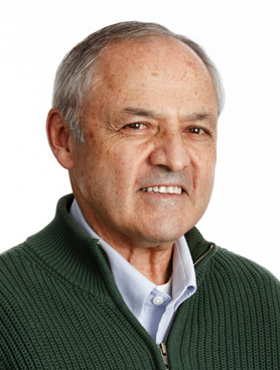
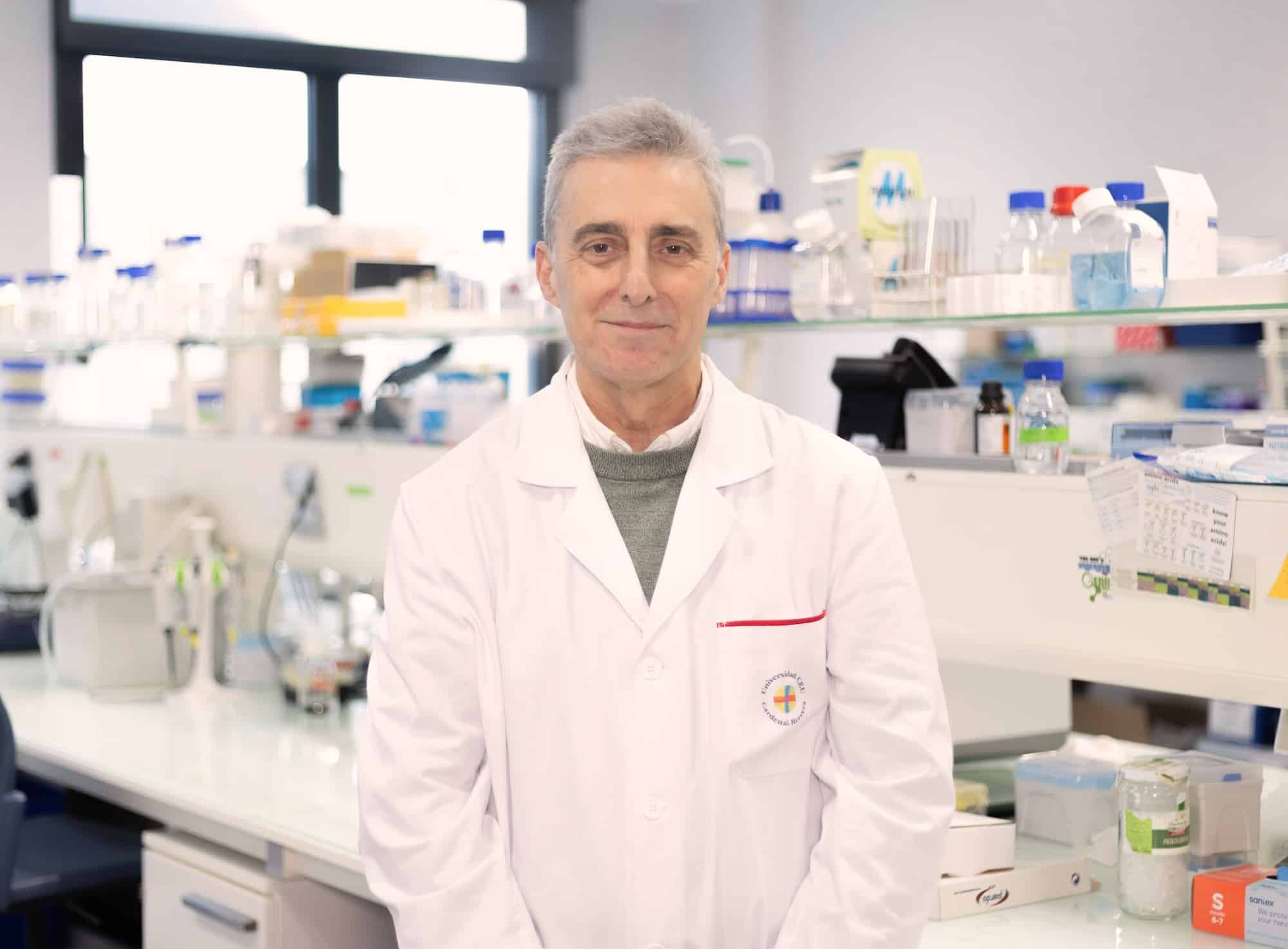
Dr. Leslie Khawli is a Professor of Clinical Pathology at the Keck School of Medicine of the University of Southern California, where he also serves as the Director of the Pathology Graduate Program. His academic journey began with a bachelor's degree in biology from the American University of Beirut, Lebanon, followed by a PhD in bioorganic chemistry from the University of Southern California. After completing an NIH postdoctoral research fellowship in experimental nuclear medicine at Harvard Medical School, he joined the USC faculty and eventually achieved full professor status. Dr. Khawli's research focuses on the interface of chemistry and biology, specifically in the design, characterization, and delivery of antibody, ADC, fusion protein, and cell-based therapeutics. His laboratory works collaboratively with Dr. Alan Epstein and other interdisciplinary teams at USC to support the preclinical development of biotherapeutics that translate to clinical applications. His work has resulted in over 100 peer-reviewed publications and several US and international patents related to targeted delivery of biotherapeutics. His research publications demonstrate a strong focus on pharmacokinetics, biodistribution, and the structural and functional properties affecting the safety and efficacy of targeted biotherapeutics. Recent work has centered on CAR T-cell therapies, antibody-drug conjugates, and immunoconjugates for cancer treatment, with particular attention to brain delivery mechanisms and tumor targeting strategies. Dr. Khawli has maintained a long-standing commitment to mentoring and training graduate students and young researchers for careers in academia or the biotech and pharma industry. He has received numerous teaching, research, and service awards throughout his career. His industrial experience includes an 8-year tenure at Genentech/Roche in San Francisco, where he led research scientists in applying his expertise to practical drug development challenges before returning to USC to bridge the gap between industry experience and academic research.