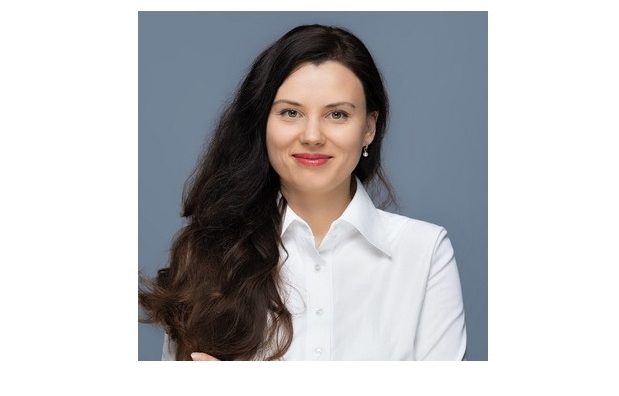
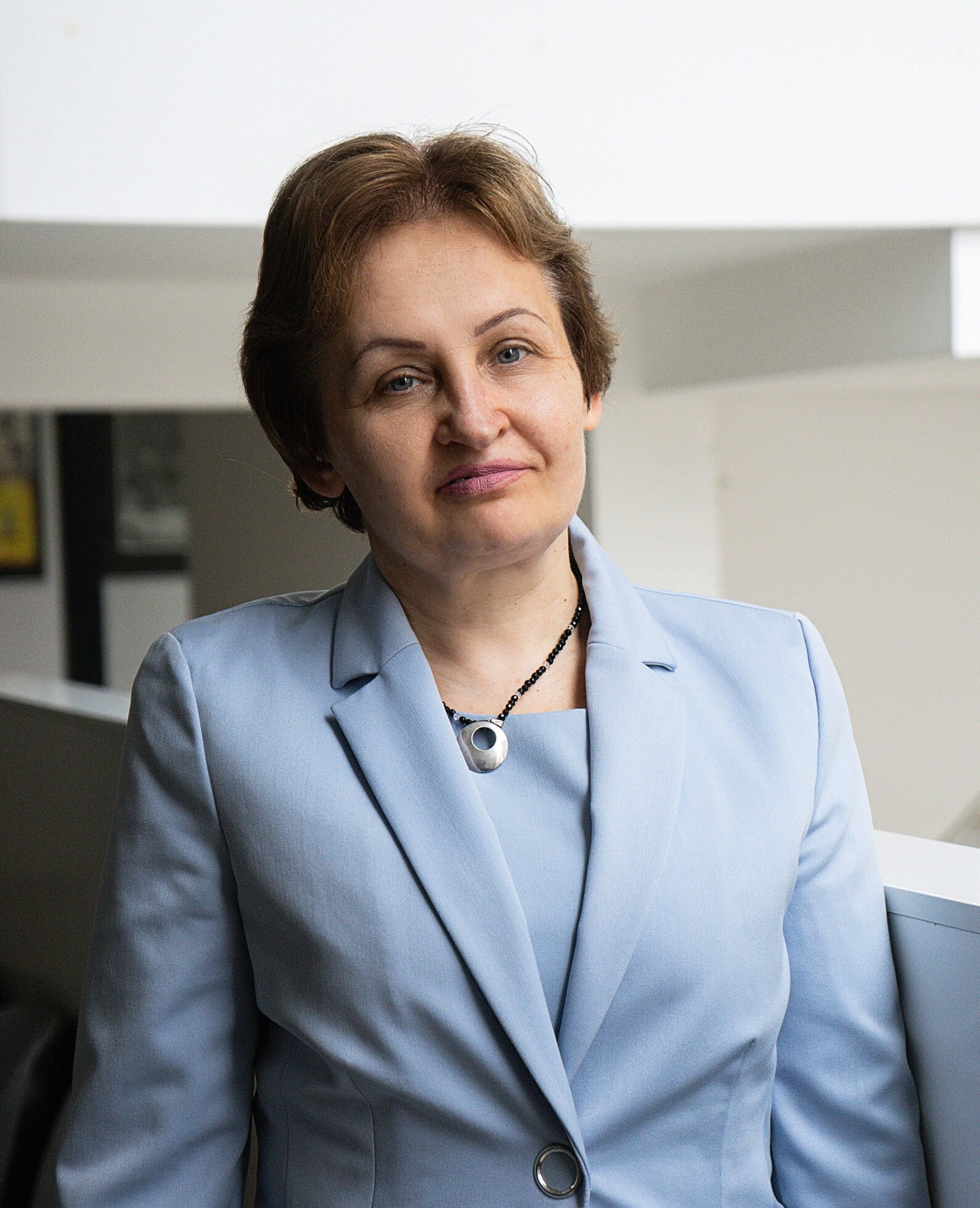
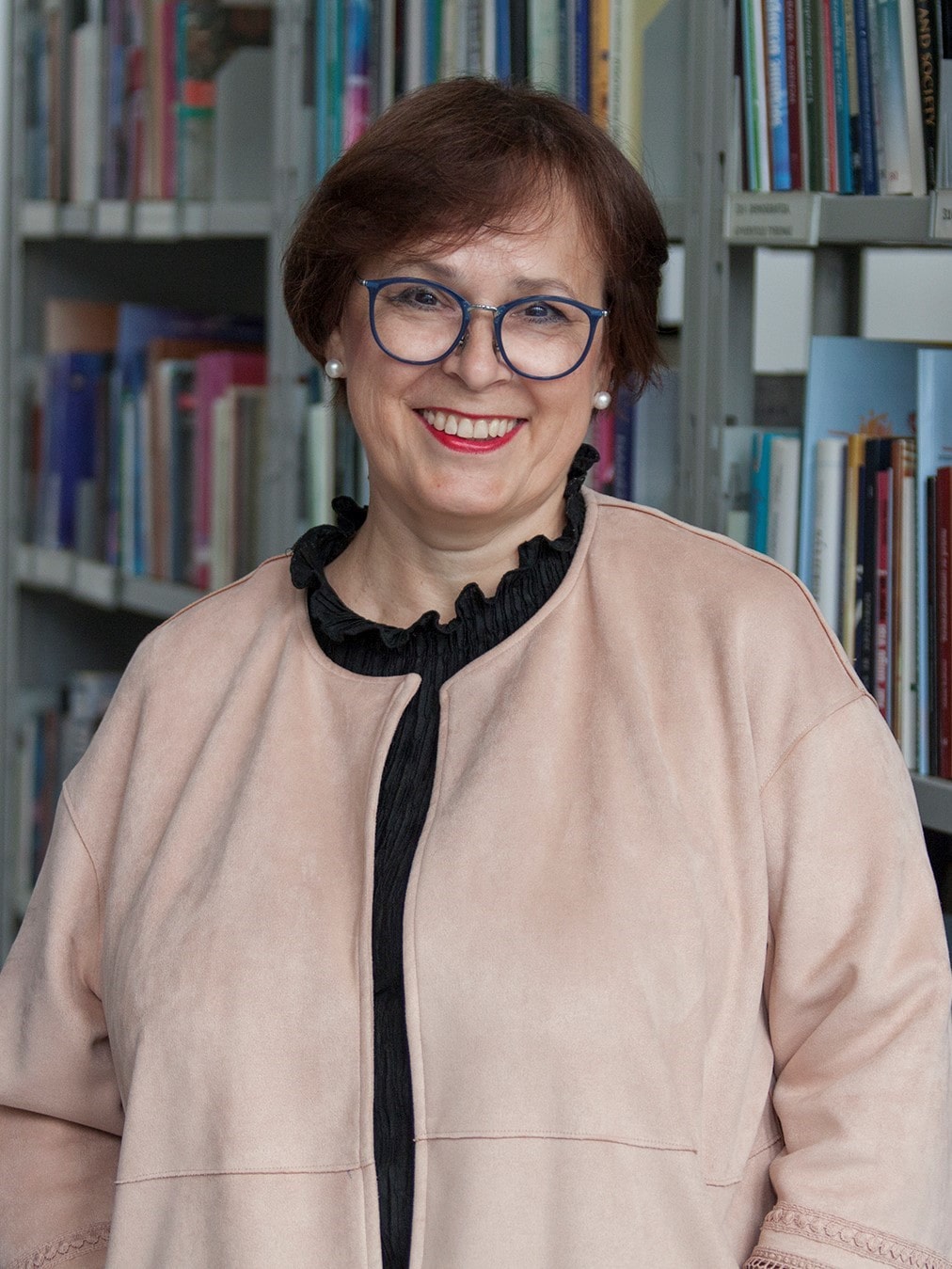
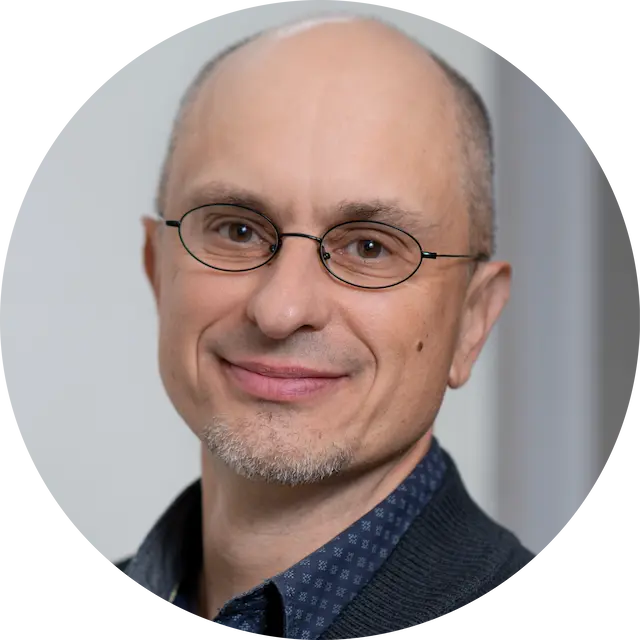
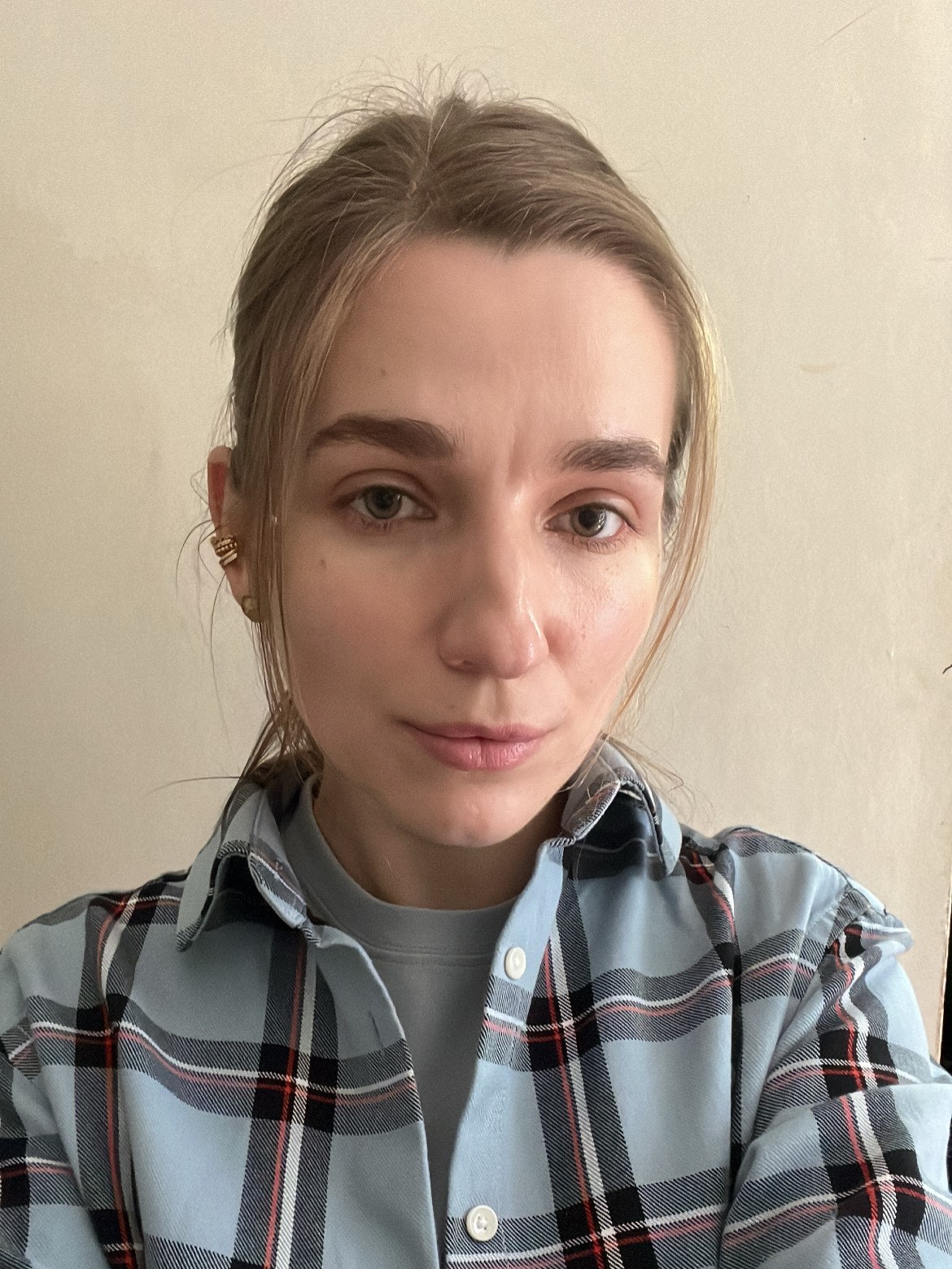
Katažyna Bogdzevič is a Professor at Mykolas Romeris University (MRU) Law School, specializing in Private International Law , European Law , Human Rights , and Environmental Law . She leads the MRU Human Rights LAB and contributes to the Environmental Management Research LAB, focusing on legal frameworks for ecosystem services, climate change mitigation, and stakeholder engagement. Key Research Themes: Integration of Private International Law with Environmental Law , analysis of legal conflicts in nature-based solutions, and name rights under international human rights conventions. Policy Engagement: Serves as advisor to Lithuania's Minister of Justice Ewelina Dobrowolska , emphasizing knowledge transfer to legislative and judicial practices. Email: roffice@mruni.eu
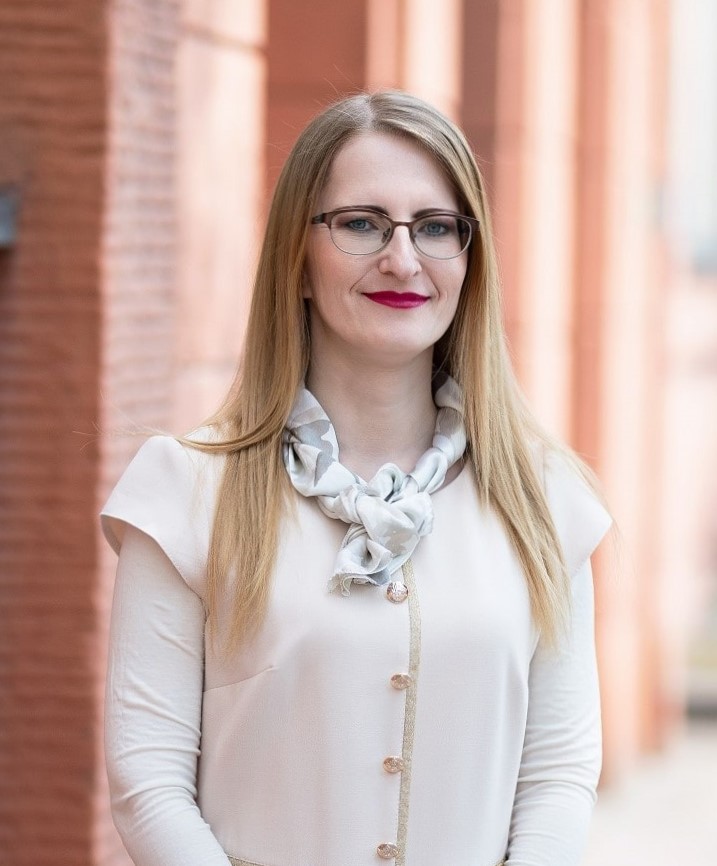
Renata Bilbokaitė is a Professor and Director of the Šiauliai Academy of Vilnius University, leading strategic initiatives in education and quality management. She holds academic appointments in the Institute of Education and oversees research in pedagogical practices, sustainable education, and STEAM integration. Bilbokaitė has extensive administrative experience, including roles as Vice-Rector and Director of Strategic Processes, and has managed EU-funded projects focusing on educational quality and international collaboration. Her work emphasizes teacher training, inclusive education, and policy reforms. She actively engages in media commentary on education challenges, teacher shortages, and youth well-being. Awards include recognition from the Lithuanian Parliament for contributions to education. Education: Music (2006), Master's in Education (2008), PhD in Social Sciences (2012), Master's in Economics (2019) Administrative Roles: Director of Vilnius University Šiauliai Academy (2020–present), Head of Quality Management (2013–2020) Key Projects: UNIQMAS (Quality Management), SOCNET (Joint Study Programs), HONOR (Public Sector Training) Research Interests: Strategic education management, STEAM pedagogy, music education, visualization in teaching, and policy-driven educational reforms. Her recent work addresses global competencies in leadership, sustainable teacher training, and crisis responses to pedagogical workforce shortages. Publications focus on educational leadership, global challenges in education, and inclusive practices. Media engagements often address national educational policy debates, emphasizing pragmatic solutions for systemic issues like teacher recruitment and youth development.
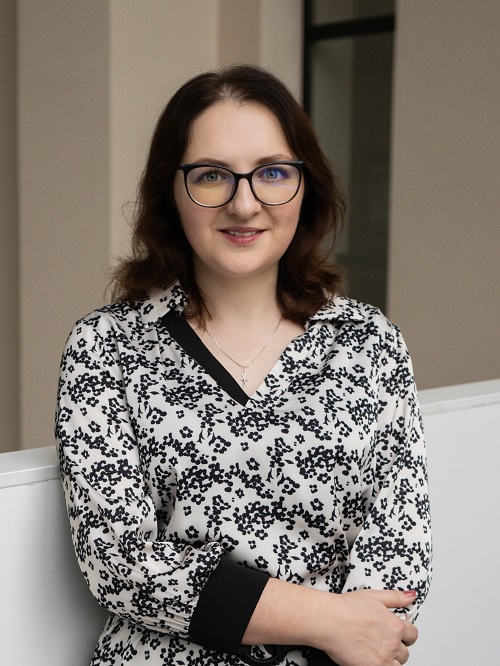
Jurgita Lenkauskaitė is an Associate Professor in the Department of Education Sciences and Psychology at Vilnius University Šiauliai Academy. She holds a PhD in Education Sciences (Šiauliai University, 2014), alongside a Master’s (2008) and Bachelor’s (2006) degree in the same field. Her research focuses on teacher training, teaching/learning processes, multicultural education, and problem-based learning (PBL). She currently chairs the Committee of Study Programmes in Education at her institution and has led multiple national and international projects, including optimizing higher education networks and improving teacher training systems. Education: PhD in Education Sciences, Šiauliai University (2014) Master’s in Education Sciences, Šiauliai University (2008) Bachelor’s in Education Sciences, Šiauliai University (2006) Research Interests: Dr. Lenkauskaitė’s work emphasizes transformative pedagogies such as cooperative learning, ICT integration in education, and leadership development in educational institutions. She has explored multilingualism in pre-school settings, digital competencies of teachers, and classroom collaboration dynamics. Her projects bridge theory and practice, addressing challenges in PBL implementation and teacher professionalization. Grants/Projects: Optimization of higher education networks between Šiauliai University and Vilnius University (2021–present) Supervision of teacher internships under the EU-funded TĘSK project (2018–2021) Academic expert for Lithuania’s Higher Education Admission System (2020) Professional Memberships: Active in international associations like the European Educational Research Association (EERA), World Educational Research Association (WERA), and the European Alliance for Social Sciences and Humanities. International Experience: Completed internships at the University of Zurich (2012–2013) and Technical University of Dortmund (2011).
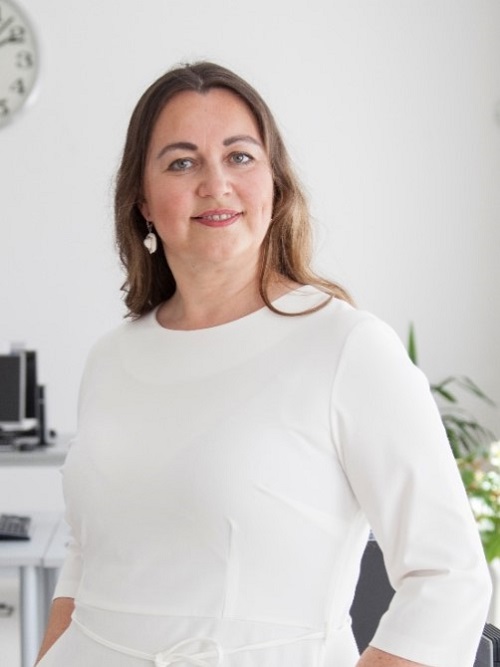
Roles and Affiliations: Currently holds the rank of Professor at Vilnius University Šiauliai Academy, within the Faculty of Education's Department of Education. Previously served as Dean of the Faculty of Education at Šiauliai University (2008–2013) and held academic roles such as Associate Professor and Head of various departments related to education and mathematics didactics. Education: Earned a Doctor of Social Sciences (Education) degree. Extensive academic background in educational theory and practice, with specialization in mathematics education and pedagogical methodologies. Research Interests: Focuses on teaching and learning processes, early mathematical education, self-directed and personalized learning, and educational quality management. Her work emphasizes sustainable education practices, teacher training innovations, and the integration of critical thinking in digital contexts. Key areas include social media literacy for educators, flipped classroom models, and interdisciplinary mathematics curricula. Publications Trends: Recent work explores the impact of social media on teacher education, critical thinking development, and sustainable educational practices. Prominent contributions include co-authored books on self-directed learning systems and methodological guides for educators. Research often addresses teacher well-being, resilience, and systemic challenges in education quality. Consulting and Grants: Played a pivotal role in creating Lithuania's pre-school education programs and competence frameworks. Involved in EU-funded projects like 'INTERPEARL' (teacher education innovation) and 'CTIS' (critical thinking in education). Active in national and international educational networks, including the Lithuanian Educational Research Association (LERA) and European Educational Research Association (EERA). Professional Networks: Board member of LERA and Chair of the General Education Network. Member of global organizations such as the World Education Research Association (WERA) and European Alliance for Social Sciences and Humanities (EASSH). Engaged in strategic educational initiatives like Researchers' Excellence Network (RENET).
Giedrius Prunskus is an Associate Professor at the Singing Department of the Music Academy within Vytautas Magnus University . His academic career spans research, supervision of graduate theses, and contributions to vocal pedagogy. Research Interests: Vocal performance, ethics in musical theater, choral singing, vocal hygiene, stage anxiety, and pedagogical methods. Key Article Trends: Focused on practical and ethical challenges in vocal arts, balancing technique with emotional and physiological factors, and adapting to post-pandemic performance realities. Supervised Theses: Examined topics like soprano vocal fatigue, self-assessment in performers, musical theater ethics, and attention techniques for preschool music education. Languages: Native Lithuanian, fluent in Polish and Italian, advanced German and Russian, basic French and Spanish. Professional Reach: ORCID 0000-0002-0894-9064; active in academic advising and research from 2020 to 2025.
Rima Bakutytė is an Associate Professor at Vilnius University Siauliai Academy's Institute of Education, holding leadership roles as Head of the Lifelong Learning Center and Chair of the Subject Pedagogy and Pedagogy study programs. She earned her PhD in Social Sciences (Education) from Siauliai Pedagogical Institute (1998), focusing on 'The Education of Humaneness of Students in Primary School.' Her research interests span adult education, comparative education, and fostering humaneness in primary education. She has led EU-funded projects such as 'Lets Continue' (STEAM education innovation), 'SOCPEDKOM' (pedagogical staff training), and 'IDEAL' (validation of non-formal competencies). Her work emphasizes teacher training, lifelong learning, and educational policy. Recent publications (2013–2022) address topics like parental expectations in preschool education, patriotic upbringing in vocational contexts, and formal/non-formal musical education. She has contributed to journals like Pedagogika and international conferences like INTED and ICERI. Bakutytė has coordinated requalification programs for teachers and authored guides on academic writing and mentorship. She has also held administrative roles such as Member of the Lifelong Learning Programmes Committee and Project Partner in EU initiatives.
Daiva Malinauskienė is a Professor and Director of the Institute of Education at Vilnius University Šiauliai Academy. She holds a doctoral degree in Social Sciences (Education) from Šiauliai University (1995–2000) and a qualification as a primary school teacher from Šiauliai Pedagogical Institute (1981–1985). Her work spans leadership in educational institutions, preschool and pre-primary education, and childhood pedagogy. Her research focuses on metaphorical thinking in children, quality preschool education, and leadership development. She has led projects on early childhood education policies, bilingual teacher training, and STEAM programs. Awards include recognition for contributions to education policy and international collaboration. Malinauskienė has authored over 50 publications, emphasizing sustainability in education, multilingualism in preschools, and teacher development. She actively participates in EU-funded initiatives and serves on editorial boards of education journals. Her leadership roles include directing the Institute of Education and spearheading national research programs on education quality and aging populations.
Jolita Butkevičienė is a Lecturer at the Department of Art History within the Faculty of Arts at Vytautas Magnus University. She holds a Doctor of Sciences degree (awarded in 2010) and has been employed as academic staff since 2011. Her work is closely associated with the Research on Lithuanian Art and Cultural Heritage: Identities, Memories, Policies cluster at the university. Dr. Butkevičienė's educational background, while not explicitly detailed in the available information, is reflected in her doctoral degree in sciences obtained in 2010. Her academic journey has positioned her as a significant contributor to Lithuanian art and architectural history studies. Her research interests center on Lithuanian architecture, cultural heritage preservation, and the intersection of historical architecture with contemporary urban development. She has made significant contributions to understanding Kaunas as the Temporary Capital during the interwar period, examining fine street architecture, manor house preservation, and the adaptation of historical buildings for modern use. Her work often explores how cultural heritage can be leveraged for tourism development while maintaining authenticity and historical value. Analysis of her supervised theses reveals consistent focus areas across multiple years: Lithuanian architectural history (particularly Kaunas as the Temporary Capital), cultural heritage management, sustainable tourism development based on cultural resources, and the relationship between urban spaces and cultural identity. Her most recent work shows increasing attention to digital applications for heritage presentation and child-friendly urban design considerations. While no specific scientific awards are listed in the available information, Dr. Butkevičienė has demonstrated significant academic leadership through her supervision of numerous bachelor's and master's theses across various aspects of cultural heritage and architectural history. Dr. Butkevičienė has advised a substantial number of students across multiple graduating classes, with her supervision spanning topics from residential architecture trends to manor house preservation and cultural tourism development. Her students frequently conduct field research, surveys, and architectural analyses, indicating her emphasis on empirical research methods. She appears to collaborate with students on projects that have practical applications for regional development and heritage management. Her research activities are closely tied to the Department of Art History's laboratories and research teams focused on Lithuanian cultural heritage. She participates in interdisciplinary projects that connect architectural history with tourism studies, urban planning, and cultural policy development. Her work often involves field research across various Lithuanian regions, examining local heritage resources and their potential for sustainable development.
Dr. Žilvinas Židonis is an Associate Professor at the Faculty of Economics and Business Administration, Vilnius University, and currently serves as head of the Business department. He holds a PhD from Vilnius Technical University and has extensive teaching experience across multiple Lithuanian universities and SSE Riga in Latvia. His visiting research positions include Aalborg, Odense (University of Southern Denmark), Uppsala, and Bern Universities. His core research focuses on public management, urban entrepreneurship, internationalization of companies, and international supply chains. He is currently leading an RCL-funded project collaborating with ISM researchers. Education: PhD from Vilnius Technical University. Earlier academic qualifications are not explicitly stated. Research Interests: Public sector modernization and quality management Crisis management and organizational resilience International business strategies and global supply chains Educational service innovation and value co-creation His recent work emphasizes systematic reviews in crisis purchasing behavior and resilience mechanisms. Current projects include a multi-institutional effort with ISM researchers exploring crisis-related purchasing and consumption patterns. No explicit grant funding details are provided in the text. Professional Roles: In addition to his academic position, he coordinates the Business department's activities and maintains visiting scholar status at multiple European institutions.
Reda Ponelienė is a Lecturer at Vilnius University’s Institute of Education, specializing in early childhood education, sustainable education, and the sociocultural impacts of consumerism on children. Her work focuses on developing pedagogical strategies, institutional management, and parental engagement to foster resilience against commercial influences and promote holistic child development. She collaborates on projects like the Šakaliukai ieško tvarumo lobių books, which integrate sustainability into educational practices. Key research areas include pre-school leadership challenges, creative arts in education, and the representation of children in media advertising. Her contributions span Lithuania and international contexts, addressing global and regional educational policies. Expertise: Education Policy, Child Development, Consumer Culture, Pre-school Education, Sustainable Pedagogy Notable Works: Books on sustainable education, studies on advertising’s impact on children, and institutional case studies.
Vaida Padgurskytė is a Lecturer at the Šiauliai Academy of Vilnius University, specializing in Educology with a focus on childhood research and metaphorical thinking. Her academic background includes a Bachelor's degree in Family Education and Protection of Children's Rights (2012-2018) and a Master's in Education Management (2018-2020). Her research interests span game pedagogy, preschool education, and family education dynamics. Notable work includes developing educational board games for preschoolers and analyzing metaphorical expression in primary school textbooks. She has presented at international conferences such as INTED 2024 and the Paris Conference on Education 2023. Publications highlight innovative teaching methods, family involvement in early education, and policy analysis of school leadership practices. Her work bridges theoretical research with practical educational tools, emphasizing interdisciplinary approaches.
Visvaldas Legkauskas is an Associate Professor at the Department of Psychology , Vytautas Magnus University . His research focuses on self-concept , identity , basic needs , and social media usage patterns across age groups. Key Research Areas : Psychological aspects of social media, social influence, motivation, creativity. Students Advised : Greta Žitkutė (2025), Joana Markauskienė (2025), Monika Pranckevičiūtė (2024), and others in psychology and education domains. Publications (2025–2019) analyze correlations between self-esteem and learning motivation , gender roles in romantic relationships , and social media usage impacts on psychosocial adjustment . Methodologies include quantitative surveys and standardized scales like Rosenberg Self-Esteem Scale and BSMS. Collaborations span psychology, education, and gender studies, addressing topics like conflict resolution and marital satisfaction in Lithuanian contexts.
Linas Aidokas is a Researcher at the Artificial Intelligence Laboratory within the Institute of Data Science and Digital Technologies at Vilnius University . His work focuses on humanoid robots, robotics, and human-robot interaction, particularly in educational and assistive contexts. Education: Not explicitly mentioned in the text. Research Interests: Linas specializes in humanoid robots and robotics, with a strong emphasis on their applications in education and therapy. His research also explores human-robot interaction, including communication control systems using the Lithuanian language. Additionally, he investigates data visualization techniques to address cognitive biases like exponential growth bias. Recent Publications: His 2024 studies examine humanoid robots' potential for autism therapy and Lithuanian language integration in robot interaction systems. Earlier 2023 works focus on exponential growth bias in data visualization and educational interventions to mitigate it. Other Activities: Linas served as a judge for the VILIPO competition and participated in the Science Popularization Festival "Spaceship Earth" from 2021 to 2022. Contact: Reach him at Akademijos St. 4, 621, Vilnius, or via phone at +370 69 34 8901.
Danutė Jočienė is a Professor at Mykolas Romeris University's Law School and Head of the Constitutional Court of Lithuania since 2021, the first woman to hold this position. Her work bridges academic research with constitutional governance. Research Focus: Human rights, international law, European Union law, and constitutional principles. Publications: Her recent articles analyze judicial independence, sustainability in constitutions, and pandemic-era legal frameworks. International Engagement: She contributes to Council of Europe's HELP program and EU legal education networks. Key Themes: Over 30 years of constitutional jurisprudence, balancing state security with individual rights, and integrating international law into national systems. Projects: Led subprojects like FAMEDU-CHILD on informal education in transnational families under MRU's Excellence Center initiative.
Dr. James Francis Reardon holds dual roles as a Visiting Professor at ISM (Institute for Social Marketing?) and as the Department Chairperson and Professor of Marketing at the University of Northern Colorado. He specializes in International Marketing, Marketing Research, and Retail Management. His research explores cross-cultural consumer behavior, digital marketing strategies, and the impact of social media advocacy on brand perception. Education: PhD in Marketing, University of North Texas MBA in General Business, University of Montana BS in Decision Information Systems, University of Montana Professional Experience: Director (2012–Present) Editorial Board Member, Journal of Marketing Education (2007–Present) Board of Directors, Marketing Educators Association (2004–Present) Dr. Reardon’s research focuses on consumer decision-making , including adolescent influence on parental purchases, cultural antecedents to purchase behavior, and the role of parasocial relationships in social media advocacy. His work bridges academic and practical insights, addressing challenges in transitional economies and global marketing strategies. Awards & Grants: No specific awards or grants are listed in the provided texts. However, his extensive publications and editorial roles highlight his scholarly impact. He has advised no formally listed students but has contributed to pedagogical innovations, such as fostering creativity through arts-based education and adapting teaching methods for international students.