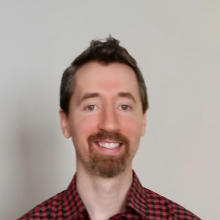
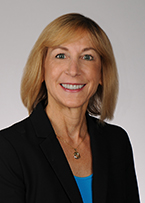
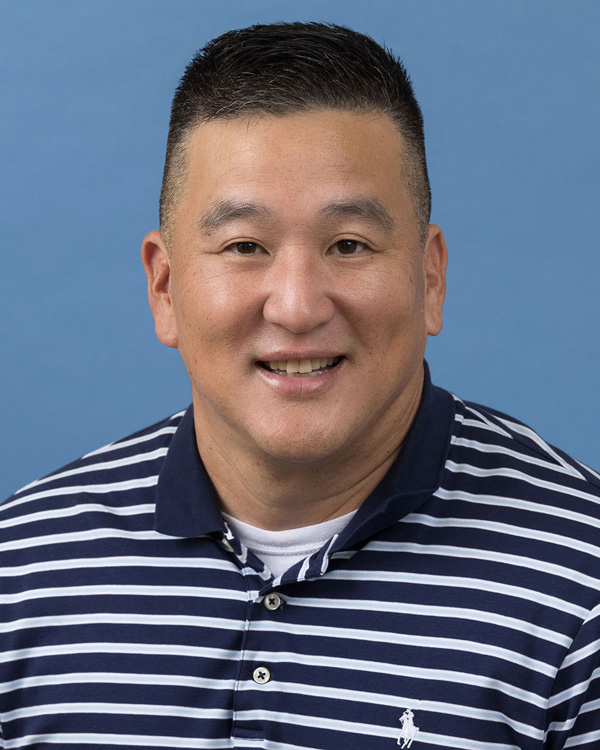
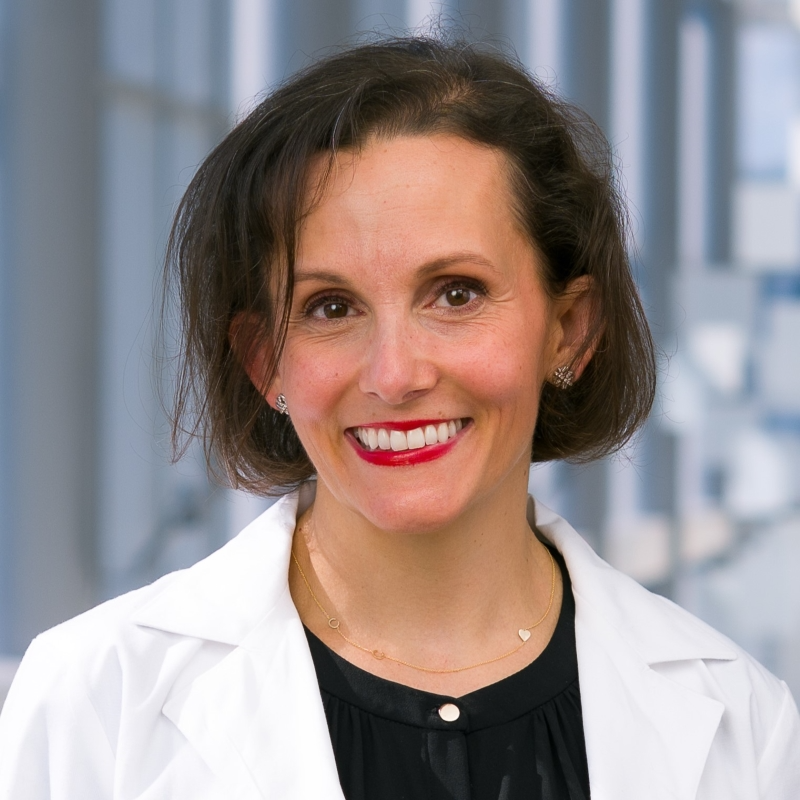
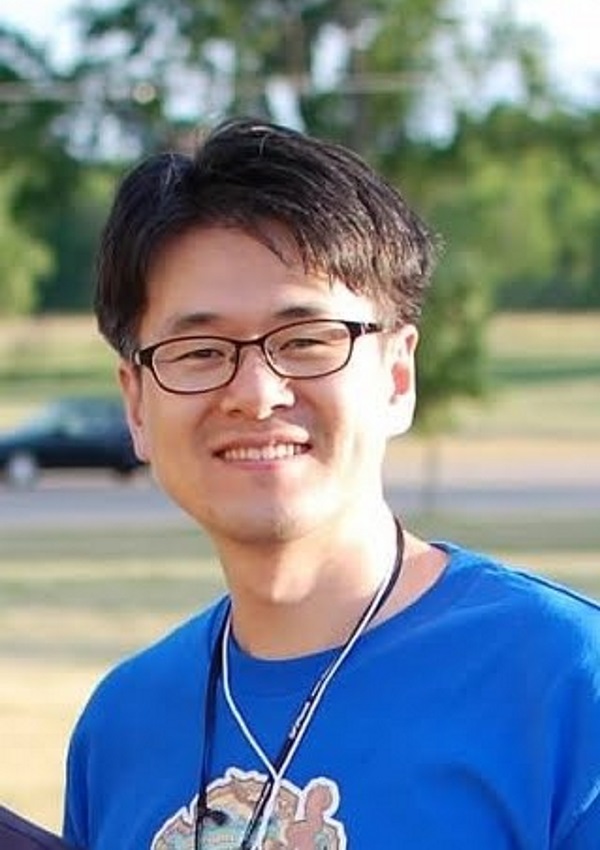
Kasey L. Hamlin-Smith, PhD, is an Associate Professor at the Medical University of South Carolina (MUSC), affiliated with the College of Medicine and the Department of Pediatrics. Their academic focus centers on developmental-behavioral pediatrics, with expertise in Infant, Toddler & Preschool Assessment and Autism Spectrum Disorders. Institution: Medical University of South Carolina College: College of Medicine Department: Department of Pediatrics Academic Rank: Associate Professor Dr. Hamlin-Smith's research emphasizes early childhood developmental evaluation and autism spectrum disorders. They provide clinical care through MUSC's Pediatric Developmental-Behavioral Pediatrics division, with contact details as follows: Email: hamlinsm@musc.edu Phone: (843) 876-1511 Address: 135 Rutledge Ave. Room RT 395A, Charleston, SC
Daniel Wolpert is a Professor of Neuroscience at Columbia University , where he is also Vice-Chair of the Department of Neuroscience and a key member of the Zuckerman Mind Brain and Behavior Institute . Additionally, he holds a part-time position as Director of Research at the Department of Engineering, University of Cambridge, and is a Fellow of the Royal Society and the Academy of Medical Sciences . Education: Medical Doctor (1989), D.Phil. in Physiology from the University of Oxford (1992) Previous Positions: Lecturer at Sobell Department of Motor Neuroscience (Institute of Neurology), Professor of Engineering at University of Cambridge (2005–2018) Wolpert is a world leader in sensorimotor control , combining computational neuroscience , Bayesian inference , and robotic/virtual reality technologies to reverse-engineer how the brain generates movements. His work emphasizes the brain's role in reducing sensorimotor uncertainty through predictive modeling and has implications for understanding disorders like autism and Parkinson’s disease. His awards include: Royal Society Ferrier Medal (2020) Minerva Foundation Golden Brain Award (2010) Royal Society Francis Crick Prize Lecture (2005) Daniel Wolpert actively contributes to public science communication, including a 2011 TED Talk on the computational role of the brain in movement, and leads the Wolpert Lab at Columbia, which investigates the neural basis of decision-making , motor learning , and reinforcement learning in both healthy and clinical populations.
David D. Vachon is an Associate Professor in the Department of Psychology at McGill University. His research focuses on individual differences in deviance across the lifespan, emphasizing the role of personality in externalizing disorders and the absence of internal controls like empathy and constraint. He explores clinical psychology, social/personality dynamics, and developmental science. Research Interests: His work spans Personality etiology of psychopathy, antisocial personality disorder, and narcissism Deviant behaviors (substance use, aggression, crime) as natural outcomes without internal controls Developmental psychopathology and its intersection with race/criminal status Publications: His articles analyze empathy-aggression relationships, psychopathy prevalence, and DSM-5 critiques, reflecting themes of behavioral prediction and forensic psychology. Advising & Grants: No formal advisees or grant details listed. His work is supported by collaborative research networks in clinical and developmental psychology.
Rochelle F Hanson is a tenured Professor in the Department of Psychiatry and Behavioral Sciences at the Medical University of South Carolina (MUSC), affiliated with the National Crime Victims Research and Treatment Center (NCVC). She serves as Director of the NCVC Family and Child Program and holds roles in multiple interdisciplinary initiatives. Her research focuses on implementing trauma-focused evidence-based interventions, particularly in community settings, and improving provider fidelity to these practices. She also leads efforts to integrate mental health services into pediatric primary care. Dr. Hanson specializes in treating trauma in children, adolescents, and adults, with expertise in Trauma-Focused Cognitive Behavioral Therapy (TF-CBT). She has secured grants from NIMH, OVC, SAMHSA, and the Duke Endowment, including projects like Project BEST (Duke Endowment-funded initiative for child trauma care) and the National Mass Violence Victimization Resource Center. She supervises psychology interns and postdoctoral fellows and has been recognized for her mentorship with the 2010 MUSC Teaching Excellence Award. Her current work emphasizes sustaining implementation efforts through learning collaboratives and interprofessional partnerships. She also directs a VOCA-funded pediatric primary care behavioral health initiative.
Sarah Woolf-King is an Assistant Adjunct Professor in the Department of Medicine at the University of California, San Francisco (UCSF), School of Medicine. She is a licensed clinical psychologist (CA PSY28178) whose research bridges psychology and health, with a strong focus on substance use, HIV, and mental health in families affected by congenital heart defects. Her educational background includes a B.S. in Psychology from Arizona State University (2002), an M.S./Ph.D. in Clinical Psychology from Syracuse University (2010), an M.P.H. in Epidemiology from UC Berkeley (2011), a clinical internship in Behavioral Medicine at VA Palo Alto (2010), and a T32 Postdoctoral Fellowship at UCSF’s Center for AIDS Prevention Studies (2013). Dr. Woolf-King’s research centers on two primary areas: (1) the impact of alcohol use on HIV treatment and prevention, particularly among HIV-positive men who have sex with men (MSM) and in East African populations, and (2) the mental health needs of parents of children with critical congenital heart defects (CHD). Her work employs diverse methodologies, including daily data collection, qualitative interviews, randomized trials, and biomarker validation (e.g., PEth). She aims to develop integrated behavioral interventions to improve health outcomes for individuals and families coping with chronic illness. Her recent publications (2023–2025) reflect a consistent focus on alcohol use in the context of HIV, with studies on counseling interventions, digital screening, remote biomarker collection, and behavioral mechanisms. There is also growing attention to mental health in vulnerable populations, including college students and parents of children with genetic or cardiac conditions. Her work is increasingly interdisciplinary, combining psychology, epidemiology, public health, and global health. Scientific Awards: Hellman Fellow, Hellman Fellows Fund (2015–2017) Mentored Research Scientist Development Award (K01), NIH/NIAAA (2013–2018) Loan Repayment Program in Clinical Research, NIH/NIAAA (2011–2016) Ruth L. Kirschstein National Research Service Award (F31), NIH/NIAAA (2008–2010) Mentored Scientist Award in HIV/AIDS, UCSF CFAR (2012–2014) Dr. Woolf-King has served as Principal Investigator on NIH-funded projects, including an R34 grant for a brief ACT intervention for HIV-positive hazardous drinkers and a K01 grant on alcohol and sexual risk behavior. She collaborates extensively with researchers at UCSF and in East Africa, particularly Uganda. While her adjunct title suggests a part-time or non-tenure-track role, she maintains an active research program with significant grant support and a robust publication record. There is no indication of retirement or former staff status.
Subir Biswas is a Professor in the Department of Electrical and Computer Engineering (ECE) at Michigan State University (MSU), part of the College of Engineering. His research focuses on wireless networking, low-power protocols, vehicular networks, and health monitoring systems, conducted through the NeEWS laboratory. He holds a Ph.D. from the University of Cambridge and degrees from Jadavpur University. Education: Ph.D., Computer Engineering, University of Cambridge (1994) M.S., Electrical Engineering, Jadavpur University (1989) B.S., Electrical Engineering, Jadavpur University (1987) Professional Experience: Professor, MSU ECE (2011–present) Associate Professor, MSU ECE (2003–2010) Research interests include traffic analysis firewalls, pricing calculus for social wireless networks, low-energy green networking, and ultrasound-based sensor systems . He leads the NeEWS lab, exploring embedded systems and network middleware. His work spans IoT, cybersecurity, and biomedical applications like wearable sensors for autism monitoring and hydration tracking. Publications emphasize innovative protocols (e.g., pulse position coding) and machine learning for network optimization. Collaborations include NSF-funded projects and industry partnerships (e.g., Tellium Optical Systems).
Nathaniel D. Daw serves as the Huo Professor in Computational and Theoretical Neuroscience and Professor of Neuroscience and Psychology at Princeton University, based at the Princeton Neuroscience Institute. His research integrates computational modeling with experimental neuroscience to investigate fundamental mechanisms of learning and decision-making. Daw's research focuses on computational and theoretical neuroscience, specializing in reinforcement learning, memory systems, and decision-making processes. He examines how neural circuits represent value, update beliefs through experience, and balance model-based versus model-free control strategies. His work frequently bridges theoretical frameworks with behavioral and neural data to explain phenomena ranging from habitual behavior to flexible cognitive control. Analysis of his 2025 publications reveals dominant themes in neural replay mechanisms, individual differences in learning trajectories, and clinical applications to eating disorders. His work increasingly incorporates large language models for psychological assessment while maintaining core focus on interpretable cognitive architectures and hierarchical planning. Daw maintains active research operations through the Princeton Neuroscience Institute, an interdisciplinary hub fostering collaboration between computational modelers, neuroscientists, and psychologists to advance understanding of neural mechanisms underlying cognition.
Steve S. Lee is a Professor and Area Chair of Clinical Psychology at the University of California, Los Angeles (UCLA), conducting research on developmental psychopathology with emphasis on ADHD and disruptive behavior disorders through longitudinal methodologies to identify risk factors and causal mechanisms. Education: Ph.D. in Psychology from the University of California, Berkeley His research investigates how trait negative emotionality, family dynamics, peer interactions, and neuropsychological factors contribute to child behavior problems, with specialized focus on sex differences in conduct disorder outcomes and long-term developmental trajectories of psychopathology. Analysis of his 2016-2020 publications reveals consistent exploration of parenting influences (negative parenting, maternal health), environmental factors (childhood maltreatment, digital media exposure), and demographic variables (gender-specific comorbidity patterns) affecting externalizing behaviors, utilizing longitudinal and meta-analytic approaches across diverse developmental stages. Information regarding student advising and research grants was not provided in the source material. Dr. Lee directs the Lee Lab at UCLA, which maintains an active research program in developmental psychopathology as evidenced by ongoing publications in high-impact journals including JAMA and Developmental Psychobiology.
Dr. Vasileios Stavropoulos is the Associate Dean, Higher Degree Research at RMIT University's Department of Health and Biomedical Sciences. His research focuses on behavioral addictions, digital phenotyping, and the psychological impacts of digital media, particularly in gaming and social media contexts. He supervises numerous research projects addressing topics like cyber-phenotyping via text mining, disordered gaming, and the interplay between digital media and mental health. Key research interests include the psychological mechanisms underlying problematic gaming and social media use, network analysis of addiction symptomologies, and the role of user-avatar bonds in behavioral disorders. His work integrates machine learning and behavioral science to predict and analyze addictive behaviors. Dr. Stavropoulos has published extensively on gaming disorder, social media addiction, and the mental health implications of digital media use. His collaborations span clinical psychology, public health, and computational methods, reflecting his interdisciplinary approach to addressing modern behavioral challenges. He is actively engaged in higher degree research governance at RMIT, overseeing doctoral programs and fostering innovation in research methodologies. His contributions include developing scales for measuring addiction behaviors and advancing longitudinal studies on mental health correlations with digital engagement.
Cara Keifer, PhD, is an Assistant Professor of Child Psychology in the Child Study Center at Yale University's Yale School of Medicine. Her research focuses on autism spectrum disorder (ASD), particularly social cognition, electrophysiological measures of face processing, and neurodevelopmental outcomes. She holds a PhD in Clinical Psychology from Stony Brook University (2021), an MA from the same institution (2017), and a BA in Psychology from Haverford College (2013). Her work integrates behavioral and neural methodologies to understand social perception deficits in ASD. Key studies include investigations into face inversion effects, emotional face recognition biases, and EEG correlates of anxiety treatment responses. She collaborates with the McPartland Lab and contributes to translational research initiatives. Recent publications highlight advancements in phenotypic classification of ASD using machine learning and exploration of social motivation constructs. Her interdisciplinary approach bridges clinical, cognitive, and neuroscientific perspectives to advance ASD diagnosis and intervention strategies.
Glenn Roisman is a Professor at the Institute of Child Development , University of Minnesota. He holds the Distinguished McKnight University Professor and Robert Holmes Beck Chair of Ideas in Education titles, reflecting his scholarly influence and teaching excellence. Education: PhD (2002), University of Minnesota Roisman’s research examines how early relationship experiences shape lifespan psychological, interpersonal, physical, and cognitive health . His work integrates longitudinal data from birth to adulthood, focusing on normative and atypical caregiving environments. Recent publications analyze the predictive validity of attachment assessments (Strange Situation, Adult Attachment Interview), genetic/environmental contributions to attachment styles, and pathways from early adversity to cardiometabolic health. His projects leverage data from the NICHD Study of Early Child Care and Youth Development , Minnesota Longitudinal Study , and Minnesota Twin Registry . Scientific Awards : Distinguished McKnight University Professor Robert Holmes Beck Chair of Ideas in Education Roisman’s collaborations with institutions like Pennsylvania State University and grants from NHLBI , NICHD , and NIA underscore his leadership in developmental science. He is open to advising new PhD students in 2026, emphasizing multi-method and multi-informant research approaches.
Professor Louis Schmidt is a leading academic in the Department of Psychology, Neuroscience & Behaviour at McMaster University , with a research focus on developmental psychophysiology, temperament, and the long-term effects of early adversity. His work bridges neuroscience, psychology, and behavioral science, emphasizing the interplay between brain function and socio-emotional development across the lifespan. Key research themes: Shyness, social anxiety, autism spectrum disorder, schizophrenia, and outcomes of extremely low birth weight. Recognized for mentoring postdoctoral fellow Kristie Poole, who was celebrated as a role model in the Child Emotion Laboratory. Scientific Awards : Royal Society of Canada recognition for contributions to research and scholarship. Research Trends from 15 recent publications include: Neurophysiological mechanisms of shyness (EEG, ERP, RSA) Impact of antenatal corticosteroids on adult brain function Intergenerational effects of maternal mental health interventions Cross-cultural comparisons of temperamental shyness Developmental consequences of preterm birth Behavioral and neural correlates of social anxiety in diverse populations Grants & Collaborations : Led the SNACS randomized controlled trial on antenatal corticosteroids, with applications in obstetrics and developmental neuroscience. Collaborates extensively on topics like autism spectrum disorder, schizophrenia, and emotion regulation. Labs & Teams : Directs the Child Emotion Laboratory at McMaster University, fostering interdisciplinary research on developmental psychopathology and neural mechanisms of temperament.
Veronica Bordes Edgar is a Professor in Psychiatry and Pediatrics at UT Southwestern Medical Center. She holds dual roles as co-Director of the Division of Developmental-Behavioral Pediatrics and Director of Clinical Training for the Doctoral Program in Clinical Neuropsychology. Her academic journey includes a PhD in counseling psychology from Arizona State University, clinical training at Harvard Medical School, and a postdoctoral fellowship in neuropsychology at the University of Minnesota. Dr. Edgar specializes in pediatric neuropsychology, focusing on neurodevelopmental disorders (both acquired and genetic) and cultural/bilingual neuropsychological assessment. She is board certified in Clinical Neuropsychology and Pediatric Neuropsychology, and currently serves as President of the American Board of Clinical Neuropsychology. Her research emphasizes culturally competent assessment practices, neurodevelopmental disorder interventions, and the application of teleneuropsychology. Notable contributions include studies on autism spectrum disorder, ADHD caregiver burden, and genetic syndromes like CLN7 and aspartylglucosaminuria.
Han Joo Lee is a Professor and Director of Graduate Studies in the Department of Psychology at the University of Wisconsin-Milwaukee (UWM). He holds appointments in both the College of Letters & Science and the Clinical Psychology program. Lee earned his Ph.D. from the University of Texas at Austin in 2009. His research focuses on adult psychopathology, particularly anxiety disorders (e.g., OCD, social anxiety, PTSD), cognitive-perceptual processing abnormalities, and web-based psychological interventions. He has developed online assessment systems for anxiety disorders and conducted experimental studies on attentional biases and error-monitoring processes in clinical populations. Key research themes include: (1) maladaptive cognitive-perceptual mechanisms underlying anxiety disorders, (2) digital tools for mental health assessment, and (3) behavioral interventions targeting compulsive behaviors. His work integrates experimental, clinical, and neuroscientific approaches to understand symptom maintenance and treatment development. Lee's recent studies explore functional connectivity in skin-picking disorders, predictive factors for OCD treatment outcomes, and dual-hormone stress reactivity in PTSD. He collaborates with institutions like the UWM Psychology Clinic and maintains active grant-funded research projects. No specific awards are listed, but his extensive publication record reflects sustained contributions to clinical psychology. He advises the graduate program at UWM, overseeing training for clinical psychology doctoral students. His lab develops innovative interventions, including computerized response inhibition training for trichotillomania and interpretation-based treatments for thought-action fusion.
Ada M. Fenick, MD, is a Professor of Pediatrics (General Pediatrics) at Yale School of Medicine. She holds multiple leadership roles including Associate Director for Pediatrics in the Biopsychosocial Approach to Health clerkship, Medical Director of School-Based Health Centers, and Medical Director of the Medical-Legal Partnership Project. Her clinical practice focuses on economically disadvantaged pediatric populations, emphasizing developmental aspects of child health and addressing toxic stress impacts. Education: BS in Biomedical Sciences (University of Michigan, 1990), MD (University of Michigan, 1993), Pediatric Residency (Weill-Cornell/NY Medical Center, 1996) Research: Centers on pediatric primary care innovations such as group well-child care models, medical-legal partnerships, and obesity prevention. Key themes include health equity, social determinants of health, and curriculum development. Her recent work emphasizes leveraging medical student experiences to improve curricula addressing social drivers of health. Over 20 peer-reviewed publications since 2020 focus on topics like electronic phenotyping algorithms for obesity screening and frameworks for group pediatric care implementation. Awards: Includes Howard A Pearson MD Teaching Award (2013) and multiple institutional recognitions for clinical excellence and innovation. She leads initiatives like the Yale Primary Care Pediatrics Curriculum and collaborates with community organizations to enhance access to early intervention services for vulnerable children. Her work integrates clinical care, education, and policy advocacy to promote holistic child health outcomes.