Karen M. Barkel, PhD, is a Professor of Biology in the Department of Biological Sciences at Ferris State University's College of Arts, Sciences and Education. Her academic credentials include a PhD in Biology (Environmental and Evolutionary) from the University of Louisiana at Lafayette and a BS in Marine Science-Biology from the University of Tampa. Her research focuses on marine crustacean ecology, with emphasis on larval development dynamics, population biology of ghost shrimp ( Callichirus spp., Sergio trilobata , Axianassa australis ), symbiotic relationships (e.g., copepod-host interactions), and environmental influences on settlement and distribution. Key areas include: Larval responses to salinity/trace metals Substrate-specific settlement behavior Population structure of burrowing shrimp Hermit crab community ecology Her publication portfolio (1999-2007) reveals consistent specialization in thalassinidean shrimp ecology, integrating laboratory experiments with field observations from Gulf of Mexico and Atlantic Coast habitats. Research methodologies span larval cultivation, morphometric analysis, sediment chemistry, and sympatric population comparisons. No awards, student advisees, or grants are documented in the available information.
Dr. Karl A. Sanders is a Clinical Associate Professor of Medicine in the Department of Internal Medicine at the University of Utah School of Medicine, serving as Pulmonary and Critical Care Medicine Fellowship Training Program Director within the Division of Respiratory, Critical Care and Occupational Pulmonary Medicine. His clinical practice is exclusively based at the George E. Wahlen VA Medical Center where he manages critically ill patients in the medical ICU and outpatient pulmonary clinics. Dr. Sanders' educational background includes: Medical Degree (M.D.): University of Kansas Undergraduate Degree (B.A. in History): University of Kansas Residency in Internal Medicine: University of Minnesota Hospitals Fellowship in Pulmonary Medicine: University of Utah School of Medicine His research focuses on molecular mechanisms in pulmonary diseases, particularly oxidative stress pathways, mitochondrial dysfunction, and immune responses. Key investigations include RAGE signaling in lung injury and cancer metastasis, NADPH oxidase in oxygen sensing, and sex hormone effects on airway inflammation. His work bridges basic science with clinical applications for conditions like COPD, asthma, and pulmonary hypertension. Analysis of his publication record reveals consistent exploration of receptor-mediated pathways (RAGE, NOX4) in pulmonary pathophysiology, with recent emphasis on immunometabolism and hormonal influences. His collaborative studies frequently examine mitochondrial adaptations to environmental stressors like cigarette smoke and hypoxia. As Fellowship Training Program Director, Dr. Sanders oversees comprehensive education for future pulmonary/critical care specialists, actively mentoring medical students, residents, and fellows in clinical pulmonary medicine. His leadership coordinates the division's mission to develop clinicians, investigators, and educators in this specialty.
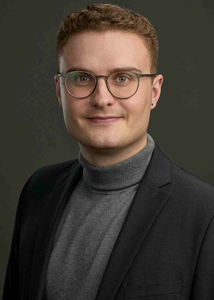
Dr. Phil Richter is a Research Fellow (Postdoc) at the Leibniz Institute for Food Systems Biology at the Technical University of Munich, conducting pioneering research in the Metabolic Function & Biosignals Research Group on extra-oral chemoreceptor physiology. His academic credentials include: PhD in Natural Sciences (summa cum laude) from Leibniz Institute for Food Systems Biology at TUM (2020-2025) Master of Science in Organic Chemistry from University of Bayreuth, Elite Graduate Program (2017-2020) Master of Education from University of Bayreuth (2017-2020) First state teaching examination (Biology/Chemistry) in Bavaria (2019) Dr. Richter's research centers on chemosensory mechanisms beyond classical perception , investigating how food metabolites interact with gastrointestinal receptors to influence physiological processes. His work reveals how sweet proteins like thaumatin are digested into bitter peptides that activate gastric TAS2R receptors , triggering anti-inflammatory pathways and modulating acid secretion. Current projects examine environmental pollution effects on nutrient sensing and industry-backed applications of bitter plant extracts for gastric health. His 2022-2025 publication record demonstrates consistent innovation in molecular food-gut interactions , employing advanced techniques like atomic force microscopy to characterize receptor binding without calcium signaling. This research bridges food chemistry and gastrointestinal physiology to develop novel dietary interventions for inflammation-related conditions. As Postdoc Representative (since 2025), Dr. Richter actively shapes the institute's research culture while contributing to Leibniz Association-funded projects. Though not supervising students directly, he mentors junior researchers in the group's collaborative environment focused on translating chemosensory discoveries into health applications. The Metabolic Function & Biosignals Research Group operates at the intersection of food science and human biology, utilizing cutting-edge infrastructure at the Freising campus to decode how dietary compounds influence health through chemoreceptor-mediated pathways.
Dr. Harold Bell serves as Professor of Physiology and Assistant Dean of Foundational Sciences Education at Central Michigan University College of Medicine, where he has provided leadership since joining as inaugural faculty in 2012 and assuming his administrative role in 2018. His responsibilities include oversight of the pre-clerkship medical curriculum and course direction for Cardio Pulmonary Wellness and Disease since 2013. His educational foundation includes comprehensive training at the University of Toronto: B.Sc.(Hons), University of Toronto M.Sc., University of Toronto Ph.D., University of Toronto Postdoctoral Fellowship, University of Calgary Postdoctoral Fellowship, Penn State University College of Medicine Dr. Bell's research investigates fundamental mechanisms of respiratory control, specializing in opioid-induced respiratory depression, hypoxia responses, and autoresuscitation phenomena. His work bridges basic physiological mechanisms with clinical implications, particularly regarding breathing pattern disorders and pharmacological interventions. Using rat models and cellular approaches, he examines how morphine suppresses augmented breaths, how hydrogen sulfide modulates chemoreception, and the neural basis of respiratory pattern generation during oxygen deprivation. His publication record demonstrates consistent productivity in high-impact physiology journals over the past decade, with recurring themes in respiratory neurobiology, opioid pharmacology, and hypoxia responses. This body of work reveals strong collaboration patterns, particularly with Dr. Philippe Haouzi, and maintains relevance to both basic science and clinical respiratory medicine. Dr. Bell's professional recognition highlights his research contributions: Young Investigator Award from the International selection committee of the Xth Oxford Conference on Modelling and Control of Breathing Scholarship from the University of Toronto Faculty of Medicine As an educator, he champions student-centered active learning and integrates research experiences into medical education. His dual role as Professor and Assistant Dean enables him to connect foundational science with clinical training while maintaining active research engagement. Dr. Bell's leadership in curriculum development and accreditation reflects his commitment to innovative medical education. His research program operates within the CMED Research Building without a formally named laboratory, focusing on respiratory control disorders through collaborative projects and student involvement. Professional memberships in the American Physiological Society and American Thoracic Society anchor his engagement with broader scientific communities.
Gary C. Mouradian, PhD is an Assistant Professor in the Department of Physiology at the Medical College of Wisconsin's School of Medicine. He maintains dual affiliations with both the Cardiovascular Research Center and the Neuroscience Research Center, reflecting his interdisciplinary research approach that bridges cardiovascular and neural systems. His work focuses on the molecular and cellular mechanisms underlying blood pressure regulation, respiratory control, and the role of serotonin systems in these physiological processes. Dr. Mouradian's research interests center on cardiovascular neuroscience, with particular emphasis on hypertension mechanisms, oxygen sensing, and the neural control of breathing. His work frequently examines the renin-angiotensin system, brainstem cardiorespiratory nuclei, and developmental aspects of physiological control systems. He employs sophisticated rodent models to investigate fundamental mechanisms related to blood pressure regulation, hydromineral balance, and respiratory control. His recent publications (2022-2023) demonstrate continued productivity with multiple high-impact papers focusing on transcriptomic analyses of brainstem neurons, mechanisms of hypertension, and metabolic adaptations during obesity. His research shows a strong trajectory of increasingly complex molecular and physiological investigations while maintaining focus on fundamental questions in cardiovascular and respiratory physiology. Dr. Mouradian's work has been supported through collaborative research efforts with prominent investigators in the field, including Hodges MR, Grobe JL, and Sigmund CD. His research program appears to be well-established with consistent publication output across multiple high-impact physiology journals. His work has significant implications for understanding the pathophysiology of hypertension, respiratory control disorders, and developmental aspects of cardiorespiratory function, potentially informing future therapeutic approaches for these conditions.
Professor Esperanza Rodriguez Matarredona is a distinguished faculty member in the Department of Physiology at the University of Seville's Faculty of Biology. With over 25 years of academic experience, she has established herself as a leading researcher in neural regeneration and neuroscience. Her work bridges fundamental neuroscience with potential clinical applications, particularly in the areas of neural repair and neuro-oncology. Her research interests focus on neural regeneration mechanisms, particularly in the oculomotor system, neural precursor cell biology, neurotrophic factors, and the relationship between neural stem cells and brain tumors. She has pioneered studies on neural progenitor cell implants for CNS repair and their interactions with host neural tissue. Professor Rodriguez Matarredona's recent publication record (2018-2023) shows consistent output across multiple high-impact journals, with research evolving from neural repair mechanisms toward understanding the role of neural stem cells in glioblastoma. Her work demonstrates increasing interdisciplinary connections between regenerative neuroscience and neuro-oncology. As an educator, she teaches courses including Neurophysiology, Principles of Instrumentation in Zoology and Physiology, and Biology of Nervous Cells, bringing her research expertise directly into the classroom. She has directed multiple doctoral theses and mentored numerous students through their research careers. Her research group maintains active collaborations within Spain and internationally, as evidenced by co-authorships across multiple institutions. She has successfully secured continuous research funding for over two decades, demonstrating sustained research productivity and relevance in her field.
Peter Ratcliffe is a distinguished physician-scientist and Nobel Laureate currently serving as Director of Clinical Research at the Francis Crick Institute since 2016, while maintaining an active position at the University of Oxford as Director of the Target Discovery Institute and member of the Ludwig Institute of Cancer Research. Previously, he was Nuffield Professor of Clinical Medicine and Head of the Nuffield Department of Clinical Medicine at Oxford from 2004-2016. His career spans decades of groundbreaking research in oxygen sensing mechanisms and hypoxia biology, beginning with his medical training at Gonville and Caius College, Cambridge and St. Bartholomew's Hospital, London. His research interests focus on the molecular mechanisms of oxygen sensing, particularly the HIF (hypoxia inducible factor) pathway and protein hydroxylation. Ratcliffe's laboratory has made fundamental discoveries about how cells sense and adapt to changes in oxygen availability, demonstrating that the oxygen sensing process operates across virtually all animal cells and directs a broad range of cellular and systemic responses to hypoxia including altered energy metabolism, angiogenesis, and cell survival/differentiation decisions. His current work aims to understand the biological roles of signaling through protein hydroxylation and related oxidations, linking these biochemical pathways to physiological control and the pathophysiology of human diseases including cancer and ischemic vascular disease. Analysis of Ratcliffe's recent publications (2022-2025) reveals a continued focus on the HIF pathway and oxygen sensing mechanisms across multiple biological contexts. His research spans cancer biology (particularly kidney cancer), developmental biology, immunology, and neuroscience, with particular emphasis on how oxygen sensing pathways interact with other cellular systems. Recent work has expanded into single-cell transcriptomics, tumor heterogeneity, immune microenvironment interactions, and the application of these findings to potential therapeutic approaches. Fellowship of the Royal Society (2002) Academy of Medical Sciences (2002) Member of EMBO Foreign honorary member of the American Academy of Arts and Sciences Louis-Jeantet Prize in Medicine Canada Gairdner International Award Lasker Award for Basic Biomedical Research Knighted for services to medicine (2014) Nobel Prize in Physiology or Medicine (2019) Ratcliffe has led the Hypoxia Biology laboratory since establishing it in 1990 at the Weatherall Institute of Molecular Medicine, Oxford, with funding as a Wellcome Trust Senior Fellow. His research has been consistently supported by major funding bodies including the Wellcome Trust, and his work has had significant translational impact. While specific grant amounts aren't detailed in the provided text, his leadership roles at major institutions and the volume of high-impact publications suggest substantial research support. His laboratory has trained numerous scientists who have gone on to make their own contributions to the field, though specific student names aren't provided in the source material. Ratcliffe's primary research base is the Hypoxia Biology laboratory, which he established at the Weatherall Institute of Molecular Medicine in Oxford in 1990. Currently, his research continues through his role as Director of Clinical Research at the Francis Crick Institute, where he collaborates with numerous research groups across multiple disciplines. His work involves extensive collaborations with researchers in biochemistry, cell biology, oncology, and physiology, as evidenced by his co-authorship on papers spanning these fields. The laboratory's research integrates molecular, cellular, and physiological approaches to understand oxygen sensing mechanisms and their implications for human health and disease.
Rob Dunn serves as a Visiting Professor at the Section for Hologenomics within the Globe Institute at the University of Copenhagen. His research bridges urban ecology, microbiome science, and evolutionary biology, focusing on human-impacted ecosystems and host-microbe interactions. The institute's location at Øster Farimagsgade 5 in Copenhagen serves as his primary academic base. Dunn's research interests center on urban biogeography and hologenomics , examining how species evolve in human-dominated landscapes and how host organisms interact with their microbial communities. His work on urban species evolution reveals novel speciation processes in cities, while his hologenomics research integrates host and microbiome genetics to understand complex symbiotic systems. Notable projects include investigations into insect biomass decline in urbanizing landscapes and the evolutionary ecology of food preparation across species. Analysis of his recent publications shows a strong emphasis on host-microbe coevolution and anthropogenic ecosystem dynamics . His work spans theoretical frameworks for urban biodiversity, methodological standards for microbiome research, and cross-species analyses of food microbiology. Key trends include the development of hologenomic approaches to complex biological systems and the documentation of biodiversity responses to urbanization. Dunn actively collaborates across disciplines, with research outputs including high-impact reviews in journals like Nature Reviews Genetics and empirical studies in Frontiers in Conservation Science . His work receives significant attention across academic and public spheres, with multiple publications picked up by news outlets and widely discussed on social media platforms. His laboratory work focuses on hologenomic methodologies and urban ecosystem monitoring, with recent projects examining ant evolution, insect biomass trends, and microbial contributions to food systems. Future research directions appear to center on expanding hologenomic frameworks to diverse taxa and refining urban biogeography theories through global collaborative networks.