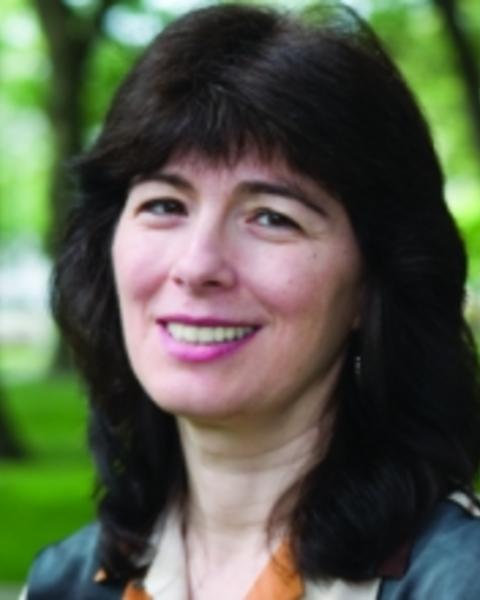
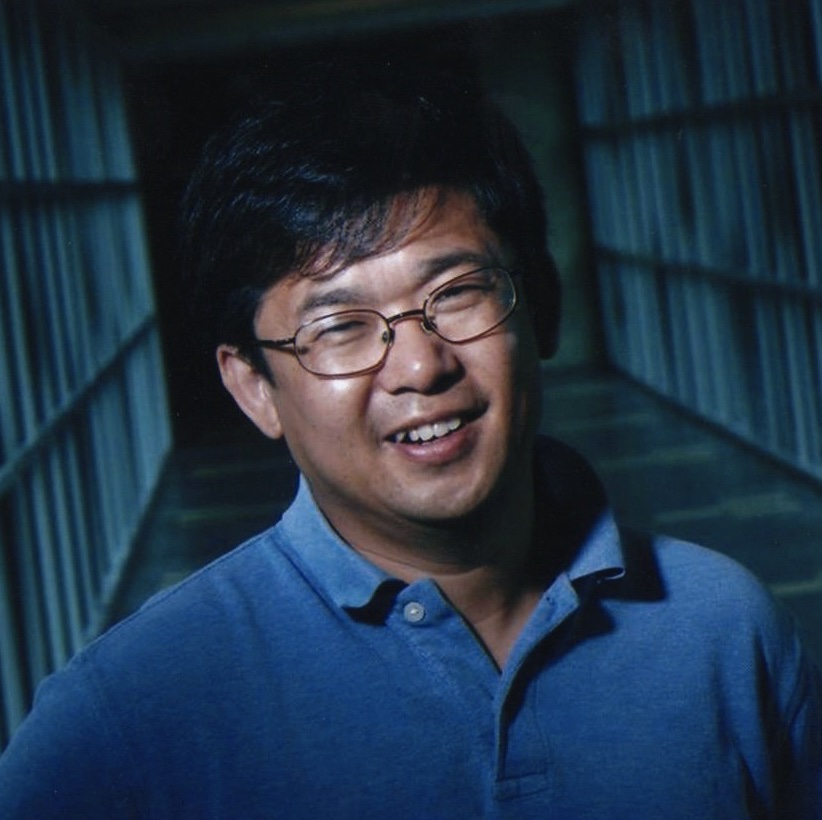
Joanna Aizenberg is the Amy Smith Berylson Professor of Materials Science and Professor of Chemistry and Chemical Biology at Harvard University’s School of Engineering and Applied Sciences (SEAS). She is a Core Faculty Member at the Wyss Institute for Biologically Inspired Engineering and Co-Director of the Kavli Institute for Bionano Science and Technology. Her research focuses on understanding biological architectures and applying these principles to develop advanced synthetic materials and devices. Current Positions: Amy Smith Berylson Professor of Materials Science, Harvard SEAS Professor of Chemistry and Chemical Biology, Harvard Core Faculty Member, Wyss Institute Co-Director, Kavli Institute for Bionano Science and Technology Research Interests: Joanna Aizenberg’s lab explores adaptive materials, biomineralization, surface science, bio-inspired optics, self-assembly, and bio-nano interfaces. The group investigates how biological systems economically design multifunctional, adaptive materials to inspire new synthetic routes and nanofabrication strategies. These advancements aim to impact fields such as architecture, energy efficiency, and medicine. Recent Article Trends: Her recent publications emphasize bio-inspired materials, catalysis, surface engineering, and fluid dynamics. Topics include superhydrophobic coatings, PdAu alloy catalysts, liquid crystal elastomers, and microbial contamination reduction. The interdisciplinary work integrates nanofabrication, computational modeling, and environmental applications. Research Group Members: Kathy Liu Gurminder Paink Haritosh Patel Atalaya Wilborn Garrick Lim
Dr. Ed E. Moret is an Associate Professor of Computational Medicinal Chemistry at Utrecht University, where he serves as Managing Director of the Utrecht Institute for Pharmaceutical Sciences. He is a member of the Departmental Executive Board and Chair of the Board of Examiners of the School of Pharmacy. His academic career spans over three decades with significant contributions to pharmaceutical sciences. Utrecht University, Utrecht Institute for Pharmaceutical Sciences School of Pharmacy, Department of Chemical Biology and Drug Discovery Managing Director since January 2010 Dr. Moret's educational background includes completing Gymnasium-b at Gymnasium Camphusianum in Gorinchem in 1979, followed by pharmacy studies at Utrecht University until 1988. He earned his PhD in 1993 with research on calculations and simulations of DNA-alkylating cytostatics under supervision of Prof. L.H.M. Janssen and Prof. J.P.A.E. Tollenaere. He also conducted postdoctoral research at the Scripps Research Institute with Prof. A.J. Olson. His primary research interests focus on molecular recognition, particularly in auto-immune diseases, with expertise spanning computational medicinal chemistry, computer-aided drug discovery, cheminformatics, and bioinformatics. Dr. Moret's work bridges the gap between theoretical calculations and experimental validation in drug design. His research portfolio demonstrates a consistent trajectory from fundamental molecular interactions to applied drug discovery, with particular emphasis on enzyme inhibitors, carbohydrate-protein interactions, and molecular recognition processes. Analysis of his publication record reveals a strong focus on structure-based drug design, with significant contributions to the development of inhibitors for enzymes like β-glucocerebrosidase, NNMT, and neuraminidase. His work spans multiple therapeutic areas including lysosomal storage disorders, cancer metabolism, and infectious diseases. The interdisciplinary nature of his research is evident in the integration of computational approaches with experimental validation across biochemistry, pharmacology, and medicinal chemistry. Teacher of the Year (awarded three times by Pharmacy students) Member of editorial boards for Medicines and Conceptuur journals Secretary of Board of FIGON (2016) Secretary of Raad voor de Farmaceutische Wetenschappen (2024) Member of Board of Stichting Farmaceutische Erfgoed (2024) Dr. Moret has been actively involved in educational innovation, developing and coordinating the master's programme Drug Innovation, the profile Drug Regulatory Sciences, and the Honours programme Pharmaceutical Sciences. He has taught courses for pharmacy, chemistry, UCU and medical sciences students, as well as PhD courses in bioinformatics and computer-aided drug discovery. His educational contributions include developing an inquiry-based elective course on drug discovery, for which he published educational research. He holds BKO and SKO teaching qualifications and participated in the Centre of Excellence in University Teaching program. As Managing Director of the Utrecht Institute for Pharmaceutical Sciences, Dr. Moret leads research initiatives across chemical biology, drug discovery, and pharmaceutical sciences. His leadership extends to multiple advisory and editorial roles within the pharmaceutical research community, reflecting his significant contributions to both academic and professional spheres of pharmaceutical sciences.
Prof. Wouter Roos is a Professor at the University of Groningen's Faculty of Science and Engineering, affiliated with the Molecular Biophysics department at the Zernike Institute for Advanced Materials. His research focuses on viral dynamics, membrane assemblies, and protein mechanics, utilizing advanced techniques like High Speed Atomic Force Microscopy (HS-AFM) and optical tweezers. Education: Studied Physics at the Universiteit van Amsterdam, earned a PhD from the Universität Heidelberg under Joachim Spatz. Conducted postdoctoral research at Max-Planck-Institut, Institut Curie, and Vrije Universiteit before joining Groningen in 2015. Research Interests: Physical Virology (viral material properties and dynamics), membrane biophysics (synthetic cells and lipid interactions), and molecular motor systems. His work bridges physics, chemistry, and biology to understand nanoscale biological processes. Recent Article Trends: Studies on hybrid membranes for synthetic cells, leukemic cell mechanics, and antibiotic-membrane interactions highlight his interdisciplinary approach. Key techniques include HS-AFM and single-particle tracking. Awards: Received a VIDI grant and multiple national/international grants. His lab leads the oLife Co-Fund consortium and participates in the MOSBRI research infrastructure. Grants & Leadership: Coordinates the oLife Fellowship Programme and chairs the Molecular Biophysics Lab. Active in steering committees for EU-funded initiatives. Labs/Teams: Heads the Molecular Biophysics Lab, focusing on viral dynamics and membrane systems. Collaborates globally on projects like ESCRT-III polymerization and antibiotic mechanisms.
F. Ömer Ilday is a distinguished physicist and Alexander von Humboldt Professor at Ruhr University Bochum since July 2023, holding a joint appointment in the Faculty of Electrical Engineering and Information Technology and Faculty of Physics and Astronomy. His pioneering work in ultrafast laser technology has transformed non-linear laser-matter interactions, with applications spanning precision manufacturing, medical surgery, and nanofabrication. Education: PhD in Physics, Cornell University (2003) Postdoctoral Research Scientist, Massachusetts Institute of Technology (2003-2005) Ilday's research centers on ultrafast laser development and materials science, focusing on GHz-repetition-rate burst-mode systems, nonlinear laser lithography, and self-organization phenomena. His interdisciplinary approach bridges photonics, plasma physics, and materials engineering to enable breakthroughs in nanostructuring, silicon processing, and laser-based manufacturing. Current work emphasizes developing high-power laser sources and exploring fundamental laser-matter interaction mechanisms for next-generation applications. His recent publications (2023-2025) reveal dominant trends in high-repetition-rate burst-mode lasers (up to 50 GHz), ablation efficiency optimization, and nonlinear laser lithography for 3D silicon structuring. These works demonstrate strong convergence between fundamental physics and industrial applications, particularly in medical surgery, nanofabrication, and materials synthesis, with increasing emphasis on self-organization principles in laser systems. Scientific awards: Turkish Academy of Sciences Outstanding Young Scientist Award (2006) Marie Curie International Reintegration Grant (2006) ERC Consolidator Grant (2014) - Turkey's first ERC Advanced Grant (2022) Election to Academia Europaea Election to Turkish Academy of Sciences Membership in Turkish and American Physical Societies Ilday has secured major competitive grants including two ERC awards and a Marie Curie fellowship, directing research teams at Bilkent University's Ultrafast Optics & Lasers Laboratory (UFOLAB) which developed technologies adopted globally. At RUB, he is establishing the Center for Complex Laser-Matter Interactions as an interdisciplinary hub fostering collaborations between photonics, plasma research, and materials science, with explicit goals for spin-off company formation and transdisciplinary innovation in manufacturing technologies. As founding director of UFOLAB at Bilkent University, Ilday developed laser systems deployed by research institutions worldwide and established Turkey's first laser company. His RUB center integrates electrical engineering and physics expertise to advance complex laser-matter interaction research, focusing on self-organizing laser systems, nanostructuring techniques, and applications in semiconductor manufacturing and medical technology through close industry partnerships.
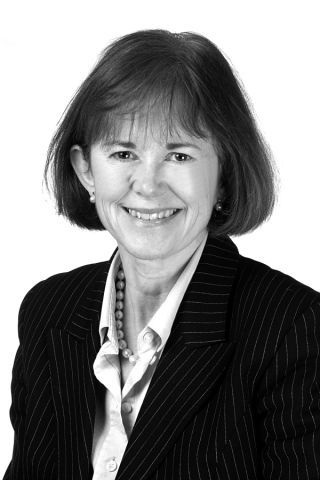
Moira Whyte serves as Sir John Crofton Professor of Respiratory Medicine and Head of Edinburgh Medical School at the University of Edinburgh, while directing the MRC University of Edinburgh Centre for Inflammation Research. Her leadership spans clinical academia and major research initiatives focused on respiratory pathophysiology. Her educational background includes a 1st Class B.Sc. (1981), M.B., B.S. (1984), and Ph.D. (1993) from the University of London, complemented by professional qualifications: M.R.C.P. (1987), F.R.C.P. (1998), and F.Med.Sci. (2005) from the Academy of Medical Sciences. Whyte's research centers on neutrophil biology, macrophage function, and hypoxia signaling pathways in respiratory diseases. Her work explores how oxygen-sensing mechanisms like HIF pathways regulate immune cell function in COPD, pulmonary fibrosis, and bacterial infections, with particular focus on cellular metabolism and inflammation resolution. Analysis of her 15 most recent publications reveals consistent focus on neutrophil and macrophage biology within respiratory diseases, with growing emphasis on metabolic regulation of immune responses. Her work bridges basic science (using zebrafish models) with clinical applications, particularly in COPD and pulmonary fibrosis. Her scientific recognition includes: 2014 OBE for Services to Respiratory Medicine 2014 Foundation Fellow of the European Respiratory Society 2005 Fellow, Academy of Medical Sciences 2002 Tudor Edwards Lecturer of the Royal College of Physicians 1994 Wellcome Trust Advanced Fellowship 1989 MRC Clinical Training Fellowship Whyte directs substantial research funding, including a £6.4M Wellcome Trust Clinical PhD Programme (ECAT-Plus) and multiple grants investigating macrophage function in COPD, hypoxia pathways in pulmonary fibrosis, and neutrophilic inflammation regulation. Her collaborative approach is evident in multi-institutional projects like the EME-TIPAC study on pulmonary fibrosis. As Director of the MRC Centre for Inflammation Research, she leads a multidisciplinary team investigating fundamental mechanisms of inflammation across multiple disease contexts, with particular strength in respiratory immunology and translational applications.
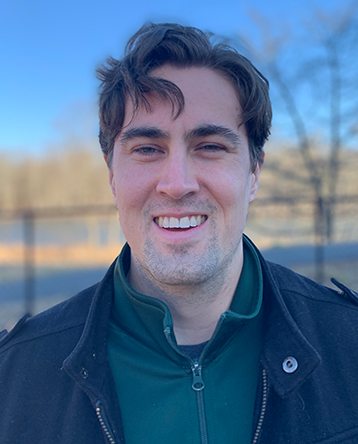
Trevor J Jones is an Assistant Professor in the Department of Mechanical Engineering at Carnegie Mellon University's College of Engineering, where he leads the Mechanically Intelligent Engineered Structures (MInEnS) Lab. His research integrates soft matter mechanics, nonlinear dynamics, and indigenous knowledge to develop novel technologies in soft robotics, meta-materials, and manufacturing. Education: Ph.D., Chemical Engineering, Princeton University (2023) B.S., Chemical Engineering, Vanderbilt University (2017) His research focuses on harnessing mechanical instabilities, fluid-solid interactions, and granular matter to create intelligent, adaptive materials. Inspired by natural phenomena and Ojibwe beadwork traditions (reflected in the MInEnS Lab's name from the Ojibwemowin word manidoominens ), his work spans soft robotics, deployable structures, and beadwoven metamaterials. He employs an interdisciplinary approach combining crafting, experimentation, and theoretical modeling. His recent publications (2022–2024) demonstrate a strong trend in leveraging buckling, plasticity, and fluid dynamics to achieve emergent intelligence and multifunctionality in soft engineered systems, particularly through innovative fabrication techniques like bubble casting and beadwork-inspired design. Scientific Awards: AISES Lighting the Pathway Fellow Trailblazer in Engineering Rising Star in Soft and Biological Matter Jones actively mentors graduate and undergraduate researchers, including PhD students Eddie Beck and Angela Lee, and undergraduates Eleni Georgountzos and Adela Qiu. He is currently recruiting PhD students and postdocs for projects in bead-woven materials and soft matter mechanics. The MInEnS Lab fosters a highly interdisciplinary environment that values curiosity, craftsmanship, and the integration of diverse cultural perspectives in scientific inquiry.
Shabaz Mohammed is an Associate Professor of Proteomics at the University of Oxford, holding joint appointments in the Departments of Chemistry and Biochemistry. Since 2020, he has served as Head of the Mechanistic Proteomics research programme at the Rosalind Franklin Institute. His research focuses on advancing proteomics technologies to study protein post-translational modifications and their roles in cellular processes, with applications in viral infections and disease mechanisms. Education: BSc in Chemistry, UMIST (now The University of Manchester), 1999 PhD in Biological Mass Spectrometry, University of Manchester, 2003 Postdoctoral Research, University of Southern Denmark (with Ole Jensen), 2005-2008 Postdoctoral Research, Utrecht University (with Albert Heck), 2008 Professor Mohammed's research centers on developing novel mass spectrometry approaches for large-scale characterization of protein post-translational modifications (PTMs). His group innovates in chromatographic techniques for single-cell proteomics, creates materials for PTM enrichment (glycosylation/phosphorylation), and applies these tools to study viral infections (SARS-CoV-2), cell cycle regulation, and signaling pathways. His work bridges chemistry, biochemistry, and cell biology to understand dynamic protein functions in health and disease. His recent publications (2023-2025) demonstrate strong emphasis on viral proteomics, particularly virus-host RNA-binding protein interactions, and innovations in mass spectrometry fragmentation techniques and chromatography. Key themes include viral remodeling of host cells, new labeling strategies for PTMs, and advancements in single-cell proteomics, with significant implications for understanding viral pathogenesis. Scientific Awards: No specific awards or fellowships were detailed in the source material. Advising and Grants: Information regarding graduate students supervised or specific research grants was not provided in the available text. As an active research group leader, Professor Mohammed likely mentors PhD students and secures competitive funding for proteomics research. Laboratories and Collaborations: Professor Mohammed leads a research group at Oxford focused on proteomics technology development. He collaborates extensively with the Ben Davis group on PTM detection materials and across the university on biochemical applications. At the Rosalind Franklin Institute, he heads the Mechanistic Proteomics programme to unravel protein functions through advanced proteomic methods.
Dr. Golo Storch is a Junior Fellow and Research Group Leader at the Technical University of Munich (TUM), where he leads the Emmy Noether Research Group funded by the German Research Foundation and holds an ERC Starting Grant. He is affiliated with the TUM School of Natural Sciences and the Department of Organic Chemistry I, focusing on flavin-based catalysis for organic synthesis. Dr. Storch completed his undergraduate and graduate studies in Chemistry at Heidelberg University (2007-2012), followed by a doctorate in 2016 under Prof. Oliver Trapp, focusing on stereodynamic ligands and self-amplifying catalysis. He then conducted postdoctoral research at Yale University (2016-2018) with Prof. Scott Miller, exploring quinone redox-interconversion and peptide ligands for site-selective catalysis. Since 2019, he has led his independent research group at TUM. Dr. Storch's research centers on designing molecular flavin catalysts for selective organic transformations, inspired by flavoenzyme chemistry. His work focuses on position- and stereoselective catalysis, particularly using non-covalent interactions to control catalytically active sites. Key research directions include photochemical excitation of flavins for oxidation/reduction reactions, activation of molecular oxygen for selective oxygenation, and applications in modifying peptide natural products and complex organic molecules. His group combines synthetic methodology, photochemistry, DFT calculations, and spectroscopy to develop sustainable alternatives to precious metal catalysts. Dr. Storch's recent publications demonstrate significant contributions to flavin catalysis, showing how tailored flavin structures can enable diverse chemical transformations including hydrogen atom abstraction, C-H functionalization, selective oxygenation, and deracemization reactions. His work bridges photochemistry and organocatalysis, with applications in natural product modification and sustainable synthesis. Research Award of the Dr. Otto Röhm Memorial Foundation (2023) ERC Starting Grant 2023 (2023) ADUC Prize of the German Chemical Society (2023) Member of the Young College of the Bavarian Academy of Sciences and Humanities (2023) Exploration Grant, Boehringer Ingelheim Foundation (2024) ORCHEM Award 2024, German Chemical Society Emmy Noether Programme, German Research Foundation (since 2021) Liebig Fellowship, Chemical Industry Fund (2019-2021) Dr. Storch actively mentors PhD and Master's students in his research group, with several successful PhD completions. His research is supported by multiple prestigious grants including the ERC Starting Grant "BifurCAT," the DFG Emmy Noether Programme, and the Boehringer Ingelheim Foundation Exploration Grant for hybrid macrolide natural products research. He is also an Associate PI at the Catalysis Research Center (CRC) and participates in the newly funded CRC 392 on Molecular Evolution. The Storch Lab, part of the TUM Catalysis Research Center, focuses on "Designed Flavins for Catalysis" with the motto "Tailor-Made Catalysts - New Reactivity - Selective Editing." The group collaborates extensively with other research teams at TUM, including the de Vivie-Riedle group, Hauer lab, Bach group, and Dreuw labs, demonstrating strong interdisciplinary connections within the university's chemistry and physics departments.
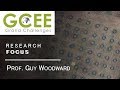
Professor Guy Woodward is a Professor of Ecology at Imperial College London's Department of Life Sciences (Silwood Park), part of the Faculty of Natural Sciences. He leads the NERC ERCITE Programme and holds affiliations with the Freshwater Biological Association, serving on its Board of Directors. His research focuses on the impacts of stressors like chemical pollution, climate change, and habitat alteration on aquatic ecosystems, particularly food web dynamics and metabolic theory. Woodward has secured over £13M in grants, including a £2.5M ERCITE grant, and collaborates with international experts such as Dr. Jose Montoya and Prof. Owen Petchey. His work emphasizes individual-based approaches to ecological networks and the application of allometric scaling laws. Key contributions include studying geothermally heated streams in Iceland and experimentally warming mesocosms to understand climate impacts. Woodward has supervised numerous PhD students, including Dr. Gabriel Yvon-Durocher, Dr. Julia Reiss, and Dr. Eoin O'Gorman. Education: PhD in Ecology from the University of London and BSc (Hons) in Ecology & Environmental Management from Cardiff University. His research spans over 20 years, with notable grants from NERC, the European Science Foundation, and AXA Insurance. He co-authored the Next Generation Biomonitoring series and serves as Series Editor for Advances in Ecological Research (Elsevier). Current affiliations include the Georgina Mace Centre for the Living Planet and the Grantham Institute. Research highlights include quantifying climate-warming effects on food webs, developing metabolic theory applications, and investigating synergistic stressor impacts. His team explores ecological resilience, with projects like 'Restoration of Chalk Rivers' and 'Climate Change Impacts on Freshwater Food Webs'. Woodward's work bridges theoretical and applied ecology, aiming to inform conservation and ecosystem restoration strategies.
Laura Alvarez is a Junior Chair (Tenure Track) at the University of Bordeaux since 2022, conducting research at the Paul Pascal Research Center (CRPP), a joint CNRS-University of Bordeaux unit. Her office is located at B-224, 115 Avenue du Dr Albert Schweitzer, 33600 Pessac, France, with contact via (+33) 05 56 84 30 27 or laura.alvarez-frances@u-bordeaux.fr. She leads the BIO 2.0 team's research on active matter and colloidal systems. Her educational trajectory includes: PhD at University of Bordeaux and KU Leuven (2013-2016) under Prof. MP Lettinga and Dr. Eric Grelet Postdoctoral research at ETH Zurich (2017-2021) with Prof. Lucio Isa SNSF Spark postdoctoral fellowship (2020-2021) Her research centers on Active Matter , Chemical Communication , and Bio-inspired microsystems , investigating active liposome design, colloidal-lipid membrane interactions, and collective colloidal behavior. Key methodologies include optical tweezers and microfluidics for studying enzymatic particle navigation and colloidal lattice assembly. Her publication record (2017-2023) reveals a strong focus on programmable active colloids and microfluidic applications , with significant contributions to artificial microswimmers and reconfigurable systems appearing in Nature Communications, PNAS, and Physical Review Letters. Emerging trends show increasing emphasis on biomedical applications of active matter. Key recognitions include: Spark postdoctoral grant (SNSF, 2020) IdEx PhD fellowship (2013) She secured major grants including ANR JCJ Project MYMESYS (2023) and France-Berkeley Fund (2023), while her mentoring role involves graduate student supervision through University of Bordeaux's tenure-track framework. As BIO 2.0 team lead at CRPP, she directs experimental work on active colloidal particles using microfluidic platforms and optical manipulation, maintaining active collaborations with ETH Zurich, University of Bordeaux, and international partners across Europe.
Sami Hietala serves as a Senior Lecturer at the Department of Chemistry, University of Helsinki. He holds a Docent title in the same department and acts as a supervisor for doctoral programmes in Chemistry and Molecular Sciences, as well as Materials Research and Nanosciences. University: University of Helsinki Department: Department of Chemistry Academic Rank: Senior Lecturer His research focuses on polymers, microgels, and responsive materials. Key projects include Functional Microgels, Multiresponsive Polymers, and Hydro- and Organogels. He collaborates internationally on polymer science and nanotechnologies, with extensive outputs in pharmaceutical and food hydrocolloids. Recent publications highlight innovations in lignin nanoparticle interfacial behavior (2025), amniotic stem cell hydrogels (2025), and oleogel systems (2025). Earlier works (2024) emphasize lignin adsorption dynamics and polysaccharide characterization. Scientific Awards: Teaching Award (2007) Karl Clason Rheology Award (2022) Hietala has organized Nordic Polymer Days (2024) and served on doctoral thesis committees. His ORCID (0000-0003-1448-1813) and contact details are publicly listed.
Hui Zhang is a Professor in the Computer Science Department at Carnegie Mellon University. His research focuses on data-driven networking systems, video streaming optimization, and network control frameworks. He has contributed to innovations in adaptive resource allocation, real-time analytics, and sustainable strategies for resource utilization. Key research themes include time-state analytics, network anomaly detection, and integrating machine learning for enhanced performance. His work addresses challenges in content delivery networks (CDNs), peer-to-peer systems, and environmental applications like waste management. Recent publications (2021–2024) highlight advancements in neural network-based prediction, timeline frameworks, and sustainable material science innovations. No scientific awards are mentioned in the provided text. His research emphasizes practical solutions for improving video quality of experience (QoE), network efficiency, and cross-disciplinary applications.
John Rowan is a Professor of Physical Geography and Director of the UNESCO Centre for Water Law, Policy & Science at the University of Dundee. His roles include advancing sustainable development, particularly SDG6 (water and sanitation), and leading interdisciplinary initiatives. Previously, he served as Vice Principal for Research and inaugural Dean of the School of Social Sciences. His research focuses on environmental change, climate impacts on water resources, and policy-driven solutions, with global collaborations in Bangladesh, India, and Kenya. He has held advisory roles in Scottish Government’s Centres of Expertise and chairs UNESCO’s UK International Hydrological Committee. Research Interests: Environmental change, climate-water-food nexus, river basin management, sediment dynamics, and policy integration. His work bridges academic and applied domains, emphasizing governance and sustainable practices. Key projects include enhancing water security under climate uncertainty, developing risk frameworks for drinking water, and addressing the water-food-energy nexus. Publications: Over 111 articles, focusing on climate adaptation, water resource vulnerabilities, and ecohydrological modeling. Recent highlights include studies on the Karakoram Anomaly’s hydrological tipping points and frameworks for climate-resilient water safety plans. Awards: Gold Engage Watermark Award (2020), United Nations Risk Award (2019). Projects span international collaborations and policy advisory roles. He has supervised 12 students and led over 33 research projects, including the Hydro Nation Scholars Programme. Labs/Teams: UNESCO Centre for Water Law, Policy & Science; Centre for Environmental Change and Human Resilience (CECHR), collaborating with the James Hutton Institute. Active in global forums like the UNFCCC Climate Assembly and World Water Forum.
Thomas Ouldridge is a Royal Society University Research Fellow and Reader in Biomolecular Systems at the Department of Bioengineering, Faculty of Engineering, Imperial College London. He leads the 'Principles of Biomolecular Systems' group, which focuses on theoretical and computational modeling of complex biochemical systems, particularly exploring the interplay between molecular details and emergent behaviors like sensing, replication, and self-assembly. His work integrates natural systems analysis with synthetic biology applications, aiming to engineer artificial analogs of biological processes. His research spans interdisciplinary areas including stochastic thermodynamics, DNA-based computation, and molecular reaction networks. Key affiliations include the Physics of Life, Synthetic Biology Hub, and the Leverhulme Centre for Cellular Bionics. He has contributed to over 60 peer-reviewed articles since 2009, with recent work emphasizing energy-efficient molecular information processing and thermodynamic limits of biochemical systems. Awards: Royal Society University Research Fellowship (current). Labs/Teams: Principles of Biomolecular Systems Group, collaborating with multiple centers including the Centre for Synthetic Biology and Institute of Chemical Biology. Grants/Positions: Maintains research funding through the Royal Society and UKRI grants, focusing on non-equilibrium biomolecular systems and synthetic biology tools. Recent publications highlight advances in DNA templating networks, stochastic thermodynamic modeling of computation, and optimal protocols for molecular copying systems. His work bridges foundational physics with applied biotechnology, aiming to push the boundaries of synthetic biological engineering.
Katrina Campbell is a Professor at the School of Biological Sciences , Queen's University Belfast , where she leads the Biosensors Strand within the Centre for ASsured, SafE and Traceable food (ASSET) . She holds dual Fellowships from the Royal Society of Biology and Royal Society of Chemistry , and is affiliated with the Irish Toxicology Society , SFET , and International Society for the study of harmful algae . Education: BSc (Hons) in Biochemistry (1995), Queen's University Belfast MMedSc in Ultrastructural Anatomy and Pathology (1996), Queen's University Belfast PhD in Pharmacy (transdermal drug delivery), Queen's University Belfast Katrina's research focuses on rapid biosensor-based detection of toxins, chemical contaminants, and pathogens throughout the "environment to farm to fork" food supply chain. She develops antibodies, phage, and aptamers for bioanalytical methods on platforms like Biacore AB, SAW Instruments, and Neogen Lateral Flow , aiming to enhance food safety , sustainability , and traceability . Her work aligns with UN Sustainable Development Goals including Zero Hunger ( SDG 2 ), Climate Action ( SDG 13 ), Life Below Water ( SDG 14 ), and Life on Land ( SDG 15 ). Recent publications address plant-based milk contaminant detection , marine biotoxin monitoring , and PFAS regulation impacts on food sustainability. She leads projects like Seafoodtomorrow , Eurobiotox , and Mychif , collaborating with the Food and Drug Administration (USA) and through Safefood funded initiatives. Scientific Awards: Fellow of the Royal Society of Biology (2023) Fellow of the Royal Society of Chemistry (2023) Katrina supervises PhD students and contributes to technology transfer workshops . She serves as EITFOOD Education Programmes Co-ordinator at Queen's University Belfast. Labs & Collaborations: She leads the Biosensors Strand in ASSET, collaborating with multi-centre EU projects (BioCop, Conffidence, Midtal, Atlantox), industrial partners , and international institutions to create state-of-the-art biosensor tools for food safety.