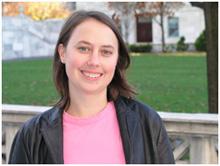
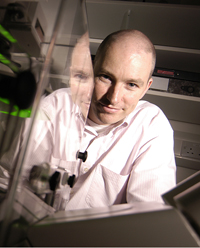
Dr. Geng Liu is a Researcher in the Department of Oncology at the University of Oxford, working under Prof. Nick La Thangue. His research focuses on post-translational modifications (acetylation, methylation, ubiquitination) of key transcription factors like E2F1 and p53 in regulating cell cycle and apoptosis in cancer. He also investigates molecular mechanisms of HDAC and PRMT inhibitors as cancer therapies. Dr. Liu holds a PhD in cancer biology from the University of Dundee. His work bridges basic molecular mechanisms with translational applications, particularly in immunomodulatory and epigenetic therapies. His research interests include: Epigenetic regulation via histone modifications HDAC inhibitor mechanisms in cancer immunotherapy Ubiquitin-proteasome system in cancer progression Recent publications highlight his exploration of immune modulation by HDAC inhibitors and the role of non-coding RNA-derived peptides in anti-tumour responses. His work also delves into genomic profiling of proteasome inhibitors' effects and NEDDylation pathways. No scientific awards or grants are explicitly mentioned in the provided information.
Associate Professor Omar Kujan is a leading academic at The University of Western Australia's Dental School, where he serves as Lead Discipline in Oral Pathology, Head of the Oral Diagnostic and Surgical Sciences Division, and leads the Oral and Maxillofacial Biology and Diseases Research Stream. AHPRA-registered oral and maxillofacial pathology specialist, he holds fellowships from the Royal College of Pathologists (UK and Australasia) and maintains active clinical and research roles at the Oral Health Centre. His educational background includes a PhD from the University of Manchester School of Dentistry (2006), followed by clinical training at Guy's Hospital, King's College London. He joined UWA in 2016 after significant contributions to the WHO Collaborating Centre for Oral Cancer, where his binary oral epithelial dysplasia grading system was adopted in the WHO Head and Neck Tumours classification. Dr. Kujan's research focuses on critical areas in oral oncology including biomarker discovery for early oral cancer detection, risk stratification of oral potentially malignant disorders, molecular mechanisms of oral carcinogenesis, and chemopreventive strategies. His work directly addresses UN Sustainable Development Goals related to good health and well-being through advancements in early cancer detection and prevention. His recent publications reveal a strong emphasis on systematic reviews of biomarker validity (particularly chemokines in oral cancer), diagnostic methodology refinement, and global epidemiological studies of oral diseases. This reflects his commitment to evidence-based practice and international standardization in oral pathology diagnosis. Dental School Award for Research Mentorship (2024) Dental School Senior Research Award (2024) Dental School Award in Research Impact and Innovation (2022) Australia’s research field leader in Oral & Maxillofacial Surgery (2020) Stanford University's top 2% scientists list (2022-2024) As Graduate Research Coordinator, he supervises 8 PhD students while securing competitive grants including NHMRC Ideas grants and Australian Dental Research Foundation projects totaling over $13,000. His editorial leadership as Associate Editor for Journal of Oral Pathology and Medicine, Frontiers in Oncology, Scientific Reports, and Frontiers in Oral Health demonstrates his influence in shaping oral cancer research discourse. The Oral and Maxillofacial Biology and Diseases Research Stream under his direction integrates molecular pathology, clinical diagnostics, and translational research to address oral cancer challenges.
Professor Helen Rizos is a leading academic at Macquarie University, holding roles as Principle Investigator of the Macquarie University Cancer Biobank and Head of the Precision Cancer Therapy research team within the Macquarie School of Medicine, Faculty of Medicine, Health and Human Sciences. She completed her PhD at Macquarie University and has been an independent group leader since 2000. Her research focuses on melanoma biology, treatment resistance, and liquid biomarkers, with over 170 publications and 9,218 citations. She leads key initiatives like the ACRF Centre for Advanced Cancer Modelling (COMET) and has received prestigious awards, including the Jim Piper Award for Research Leadership (2023). Education: Bachelor of Science (Honors I) from University of New South Wales PhD from Macquarie University Research Themes: Liquid biomarkers for treatment resistance prediction Mechanisms of therapy resistance in melanoma Development of novel cancer models Affiliations: Faculty member, Melanoma Institute Australia Principal Investigator, Macquarie University Cancer Biobank Her research has advanced understanding of ctDNA dynamics in melanoma prognosis, immunotherapy response, and targeted therapy resistance. Key projects include AI-driven cancer modeling (BioInnoMQ) and liquid biopsy applications for cancer care. Awards: Jim Piper Award for Excellence in Research Leadership (2023) Wildfire Highly Cited Publication Award (2017) Grants & Collaborations: ACRF Centre for Advanced Cancer Modelling (2024–2030) CRE-USYD Oral Cancer Excellence Centre (2024–2029) Labs/Teams: Leads the Precision Cancer Therapy team and collaborates with institutions like Westmead Institute for Medical Research and Melanoma Institute Australia.
Dr. Wouter Meijers is a researcher at the University of Groningen, specializing in cardiovascular diseases and biomarker discovery. His work bridges cardiology and oncology, focusing on systemic biological markers in heart failure patients. Active in Heart Failure research with 100% expertise. Key areas include Galectin-3 , Oxidative Stress , and Cardio-Oncology . Research Trends from 15 recent articles show a focus on: Metabolic and oxidative stress markers in heart failure. Immune therapy-related cardiac toxicity. Intersection of cancer and cardiovascular diseases. Grants : Awarded half a million euros in grants (2021) for heart research at UMCG. Network : Collaborates internationally on cardiovascular biomarkers, with expertise in galectin-3 , troponin , and oxidative stress quantified in publication metrics.
Associate Professor Helen McGuire is affiliated with the University of Sydney, holding a position in the School of Medical Sciences, Faculty of Medicine and Health. She is a member of the Sydney Southeast Asia Centre and the Charles Perkins Centre. Her research focuses on applying cytometry techniques, particularly mass cytometry (CyTOF), to study immune system dynamics in diseases such as cancer, infections, and cardiovascular conditions. She has been instrumental in launching mass cytometry in Australian medical research as part of Prof Barbara Fazekas’ team at the Ramaciotti Facility for Human Systems Biology. Education: BMedSci (UNSW), PhD in Immunology from Garvan Institute of Medical Research (2011). Professional Roles: Councillor of the International Society for Advancement of Cytometry, Marylou Ingram Scholar, past President of the Australasian Cytometry Society, and past Councillor of the Australian & NZ Society for Immunology. Her research interests emphasize translational immunology, with a focus on immune checkpoint blockade in cancer, cytokine signaling in inflammatory diseases, and biomarker discovery for atherosclerosis. She investigates T cell responses, CAR T cell therapy, and immunological mechanisms in conditions like multiple sclerosis and endometriosis. Her work bridges clinical applications and advanced cytometry methodologies for disease prediction and treatment efficacy. Recent publications highlight her expertise in mass cytometry for immune profiling, T cell exhaustion, and the interplay between microbiota and immune modulation in diabetes. She has also contributed to guidelines for immunological studies and protocols for phosphorylated signaling marker analysis in mass cytometry. Awards: 2019 Sydney Catalyst Best Oral Presentation, 2013 Stanford Postdoctoral Mentor of the Year, 2012 NHMRC Early Career Fellowship. In advising and grants, she mentors students like Natalie Smith (melanoma immunotherapy) and Shuwen Ye (pancreatic cancer therapies). She leads or co-leads grants on topics such as immune monitoring in cancer, cardiovascular precision medicine, and nanotechnology for contraception. Her grants include collaborations on inflammatory biomarkers in arthritis and AI-driven analysis of high-dimensional cytometry data. She is affiliated with the Ramaciotti Facility for Human Systems Biology and collaborates closely with Prof Fazekas de St Groth’s team. Her research also explores immune reconstitution post-hematopoietic stem cell transplants and cytokine profiles in viral infections.
Dr. Richard Parker is a Clinical Senior Lecturer affiliated with the Save Sight Institute, part of the Faculty of Medicine and Health at the University of Sydney. His work focuses on ophthalmology, orbital surgery, and telemedicine applications in healthcare. He has contributed to research on orbital tumors, cancer treatment strategies, and innovative surgical techniques. His research interests include the management of orbital pathologies such as meningiomas and lacrimal gland tumors, alongside advancements in telemedicine for ophthalmic care. His articles explore topics like immune checkpoint inhibitors for conjunctival melanoma and the impact of video-based consultations during and beyond the pandemic. Richard Parker’s publications reflect a commitment to improving clinical outcomes through surgical innovation and evidence-based practices. He has not listed any awards or grants in the available profile, but his contributions to neuro-ophthalmology and orbital surgery are evident through his peer-reviewed work. His academic role at the Save Sight Institute underscores his dedication to advancing medical education and clinical research in ophthalmology.
Deborah Perlstein is an Associate Professor at Boston University, with research spanning the intersection of chemistry and biology. Her work focuses on bioinorganic chemistry , particularly the biophysical and biochemical mechanisms of iron-sulfur cluster-containing proteins and bacterial cell division . She employs techniques such as enzymology , microscopy , and molecular biology to dissect these systems. Education: B.S. in Biological Chemistry, Tulane University (1998) Ph.D. in Biochemistry, Massachusetts Institute of Technology (2005) Postdoctoral Fellowship in Microbiology and Chemical Biology, Harvard Medical School (2010) Research Interests delve into: Iron-Sulfur Proteins: Ancient cofactors enabling non-standard amino acid chemistries. Key goals include elucidating enzymatic mechanisms and in vivo assembly pathways for these clusters. Bacterial Cell Division: Targeting cytoskeletal proteins like MreB and FtsZ to develop antibiotics against drug-resistant pathogens. Studies include protein dynamics regulation in vitro and in vivo. Publications highlight her contributions to understanding iron-sulfur cluster maturation, ATPase roles, and bacterial growth mechanisms. Recent work integrates machine learning for experimental biochemists and structural studies of scaffold proteins like Met18. Students include undergraduates and summer researchers such as Darlene S. Douglas (MIT, B.S. 2001) and Mia Lassier (Harvard Summer Program, 2009). Contact: Email dperl@bu.edu | Phone 617.358.6180
Wenwen Tang, PhD is a Research Scientist in the Department of Pharmacology at Yale School of Medicine. She earned her PhD from Fudan University in 2007 and has since focused on elucidating mechanisms underlying inflammation, neutrophil biology, and acute lung injury. Her work integrates molecular biology, genomics, and immunology to study cellular communication pathways and therapeutic targets for vascular and immune-related disorders. Research Interests: Dr. Tang’s research explores the roles of Wnt signaling, extracellular RNA, and lipid transport proteins in regulating neutrophil function, myelopoiesis, and vascular integrity. She investigates mechanisms of acute lung injury, ischemia-reperfusion injury, and inflammatory responses in colitis and other diseases. Her studies often involve single-cell RNA sequencing, mouse models, and collaborative interdisciplinary approaches. Publications: Recent work highlights discoveries in VEGF-D’s role in lung vascular repair, LDLR5-mediated fatty acid transport, and Wnt5-driven myeloid cell reprogramming. These studies contribute to understanding pathological processes and potential therapeutic strategies involving cell surface RNAs and E3 ligase complexes. Lab/Teams: Collaborates closely with departments including Cell Biology, Immunobiology, and Pulmonary Medicine at Yale. Key collaborators include Dianqing Wu, Jun Lu, and Hongyue Zhou.
Yung-Chi Cheng is the Henry Bronson Professor of Pharmacology at Yale School of Medicine and chairs the Consortium for the Globalization of Chinese Medicine (CGCM). His research focuses on antiviral drug mechanisms, particularly against HBV, HIV, EBV, and HCV, alongside exploring synergistic effects of traditional Chinese medicine (TCM) in cancer therapy and infectious diseases. He holds honorary professorships at Chang Chun and Hua Qiao Universities and received the Cheung on Tak Intl Award for contributions to TCM. Education: PhD in Pharmacology from Brown University (1972). Research affiliations include the Yale Cancer Center, Liver Center, and Microbiology Department. Key projects include developing PHY906/YIV-906 as an adjuvant for chemotherapy and immune checkpoint inhibitors, and investigating botanical medicines' roles in antibiotic resistance and MRSA treatment. Notable achievements: Pioneered mechanism-based quality control (MBQC) for herbal formulations. Led clinical trials combining TCM with standard oncology treatments. His lab's work on cavtratin and YIV-818-A demonstrates advancements in targeted cancer therapies. Advising/Grants: While specific student names aren't listed, his lab supports postdoctoral researchers and graduate students. Grants include NIH-funded studies on TCM-antibiotic synergies and cancer drug discovery. Lab collaborations span virology, pharmacology, and translational medicine. Labs/Teams: Directs the Pharmacology laboratory at Yale, collaborating with interdisciplinary teams like the Developmental Therapeutics program and the Stem Cell Center.
Jiawei Dai is a Research Fellow in the Department of Medical Oncology and Hematology at the Yale School of Medicine, Yale University. Their research focuses on cancer biology, immunotherapy, and genomic analysis, with a particular emphasis on lung cancer and breast cancer subtypes. Dr. Dai's work integrates computational approaches and artificial intelligence to predict therapeutic outcomes and driver genes in preclinical models. Key research interests include understanding immune-related adverse events in clinical trials, genomic alterations in precancerous tissues, and drug resistance mechanisms in tumor microenvironments. Their studies have explored synergistic effects of therapies targeting lipid metabolism in cancer, molecular profiling of breast cancer subtypes, and machine learning applications in oncology. Publications highlight contributions to lung cancer mutational profiling, DNA damage response pathways, and the prognostic value of gene expression patterns. Collaborative work bridges basic science and clinical translation, aiming to improve patient outcomes through personalized medicine strategies.
Jack Marquez is a Research Assistant Professor at the University of Tennessee, Knoxville, affiliated with the College of Engineering and the Department of Electrical Engineering and Computer Science. He is a member of the Global Computing Laboratory directed by Michela Taufer. PhD in Software Engineering (2022), Universidad Autónoma de Occidente, Colombia BS in Software Engineering (2013), Universidad Autónoma de Occidente, Colombia His research focuses on High Performance Computing (HPC) and Cloud Computing, with a particular emphasis on heterogeneous storage systems, scientific workflows, and performance optimization techniques. He has developed scalable algorithms for motif counting, dynamic simulation management, and data fabric integration, bridging computational efficiency with data-intensive science. His recent publications highlight expertise in: Optimizing HPC performance in cloud environments In-situ analysis for molecular dynamics simulations Machine learning-driven resource allocation Checkpointing and fault tolerance mechanisms Community-driven scientific data infrastructure Previously, he served as a researcher and adjunct professor at Universidad Autónoma de Occidente (2013–2016), contributing to software engineering pedagogy and industry collaboration as a software developer. He is based in the Min H. Kao Building, Room 351, and can be reached at jmarque4@utk.edu .
Stephen Taylor is a Professor of Cell Biology and Cancer Research at the University of Manchester, Faculty of Life Sciences, and holds a UK Senior Research Fellowship. His research focuses on spindle checkpoint mechanisms and mitotic regulators, with significant translational applications in cancer therapy. Undergraduate: B.Sc. in Biochemistry (1991), University of Manchester, with industrial placement at AstraZeneca D.Phil in Biochemistry (1995), University of Oxford, Wolfson College His lab investigates molecular mechanisms ensuring accurate chromosome segregation during mitosis, with key contributions to understanding anti-mitotic chemotherapy agents like Taxol and developing Aurora kinase inhibitors. Current projects explore drug resistance mechanisms in Aurora B inhibitors. Active research grants include funding from BBSRC, Cancer Research UK, and Wellcome Trust for studies on Cenp-F, Mps1 kinase, Tao1, and mitosis-based anti-cancer strategies. 2004: Translational Research Award (British Association for Cancer Research) 2008: Best Collaboration with Industry Prize (Faculty of Life Sciences) 2009: Kilburn-Williams Medal (University of Manchester) 2010: Elected to Academia Europaea Stephen has supervised seven PhD graduates (two securing EMBO Fellowships), served as external examiner for 11 PhD students, and held leadership roles including Section Head for Cellular Systems (40+ staff) and Graduate Training Program Director. He contributes to undergraduate teaching through lectures, tutorials, and PBL sessions.
Matthew Knepley is a Professor and Co-Director of Graduate Studies in the Department of Computer Science and Engineering at the University at Buffalo, affiliated with the School of Engineering and Applied Sciences. He also holds an affiliation with the Department of Mechanical and Aerospace Engineering within the same school. His research focuses on scalable numerical methods for multiphysics problems, including geophysical modeling (e.g., crustal deformation, mantle convection), scientific library development (e.g., PETSc, PyLith), and high-performance computing techniques for GPUs and exascale systems. Dr. Knepley earned his PhD in Computer Science from Purdue University (2000), MS in Computer Science from the University of Minnesota (1996), and BS in Mathematical Physics from Case Western Reserve University (1994). His research interests include the development of efficient solvers for partial differential equations, mesh adaptation, and the integration of advanced numerical methods into computational frameworks. He leads the Engineering Laboratory for Advanced Computational Science, advancing tools like PyLith for crustal dynamics and PETSc for parallel scientific computing. Recent publications highlight advancements in mesh transformations, finite difference stencils, and landau collision operators, reflecting his commitment to computational efficiency and portability. His work bridges theoretical numerical methods with real-world applications in geophysics, fluid dynamics, and climate modeling.
Dr. Paras Prasad is SUNY Distinguished Professor at University at Buffalo with joint appointments in Chemistry (College of Arts & Sciences) and Electrical Engineering (School of Engineering). As Director of the Institute for Lasers, Photonics, and Biophotonics, he leads cutting-edge research. Research: Pioneers nanostructured photonic materials for applications in biophotonics, nonlinear optics, and nanomedicine. Develops advanced materials like chiral plasmonic nanocomposites and lanthanide nanoscintillators. Publications: Recent work demonstrates strong focus on nanophotonic therapeutics and diagnostics, with innovations in chiral plasmonics, laser-synthesized nanotherapeutics, and multimodal imaging probes. Research consistently bridges fundamental nanoscience and clinical applications.
Martine Lamfers is an Associate Professor in the Department of Neurosurgery at Erasmus MC, a leading university medical center in the Netherlands. Her research is centered on advancing therapies for malignant brain tumors, particularly glioblastoma, through innovative approaches in oncolytic virotherapy, drug repurposing, and gene editing. She is actively involved in translational neuroscience and cancer immunology, contributing to both preclinical and clinical advancements in neuro-oncology. Her research interests span a wide range of topics in neuro-oncology and molecular therapeutics. Dr. Lamfers focuses on glioblastoma biology , oncolytic virus therapy , immune modulation in the tumor microenvironment , and strategies to overcome therapy resistance . She also explores CRISPR-based gene editing to target oncogenic mutations like IDH1 R132H , and develops computational models to predict drug responses. Her work integrates wet-lab experimentation with bioinformatics and clinical data analysis. The recent articles highlight a strong trend toward translational and interdisciplinary research , combining virology, immunology, pharmacology, and artificial intelligence. There is a consistent focus on improving treatment efficacy for glioblastoma by addressing challenges such as immune suppression, blood-brain barrier penetration, and tumor heterogeneity. Collaborative efforts are evident across multiple institutions and disciplines. Dr. Lamfers has supervised at least 8 research projects, indicating an active role in mentoring students and junior researchers. While no specific grants are mentioned in the provided text, her publication output suggests involvement in funded research programs. She is part of a robust research network with national and international collaborations, particularly in the field of oncolytic virotherapy and neuro-oncology. She leads or participates in a research team focused on brain tumor therapeutics, likely within a dedicated neuro-oncology or virotherapy lab at Erasmus MC. The team engages in both experimental and computational research, aiming to bridge the gap between basic science and clinical application in neuro-oncology.