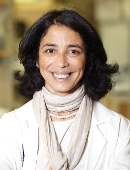
Associate Professor Meredith O'Keeffe is an NHMRC Senior Research Fellow and Head of the Laboratory of Dendritic Cell Driven Immunity in Health and Disease at Monash University. She holds a PhD in Biochemistry from Monash University (1998) and has extensive experience in dendritic cell biology, including roles at WEHI, Bavarian-Nordic GmbH, and the Burnet Institute. Her research focuses on understanding dendritic cell function in autoimmune diseases (e.g., Lupus), malaria, and bone marrow malignancies like Myelodysplasia. Research interests include dendritic cell activation by pathogens and self-nucleic acids, cytokine/interferon signaling, and age-related immune differences. Her work contributes to UN Sustainable Development Goals related to health and disease. Recent projects include investigating cross-strain influenza immunity, cytokine receptor cross-talk, and immunotherapy roles of checkpoint receptors. She leads a lab studying dendritic cell-driven immunity, with collaborations in Australia and internationally. Awards include NHMRC Senior Research Fellow status. Key activities include editorial roles (e.g., Immunology and Cell Biology ) and membership in the Monash Antimicrobial Resistance Group. She accepts PhD students and has published over 89 research outputs, with a focus on immunology, virology, and cell biology.
Anthony Covarrubias is an Assistant Professor in the Department of Microbiology, Immunology & Molecular Genetics (MIMG) at the David Geffen School of Medicine, University of California Los Angeles. His research focuses on the intersection of aging biology, immune metabolism, and cellular senescence mechanisms. Key research themes include: NAD+ metabolism during aging Senescence-associated macrophage activation Immune-metabolic crosstalk in age-related diseases Multi-omics approaches to biological aging His most impactful work includes: Groundbreaking 2020 Nature Metabolism paper on CD38+ macrophages driving tissue NAD+ decline during aging Influential 2021 Nature Reviews Molecular Cell Biology review on NAD+ metabolism 2024 Trends in Genetics paper on senescence biomarkers Recent publications demonstrate expanding applications of his work to: COVID-19 pathogenesis in older adults Gut barrier dysfunction in metabolic diseases Deep learning approaches to cellular aging His work has been cited extensively across: NAD+ homeostasis (505+ citations) Macrophage metabolic programming (273+ citations) Aging-related inflammation (224+ citations)
Julia Jeannine Mack is an Assistant Adjunct Professor in the Department of Medicine at UCLA. Her research program focuses on vascular biology, endothelial mechanotransduction, and lipid metabolism. She investigates molecular pathways linking hemodynamic forces, cholesterol transport, and inflammatory responses in cardiovascular diseases. Her primary research interests include: Mechanisms of endothelial cell response to shear stress and mechanical stimuli Cholesterol metabolism and its impact on vascular inflammation Lipid-mediated signaling in atherosclerosis development Metabolic regulation of immune-vascular interactions Novel therapeutic targets for vascular protection Analysis of her recent publications reveals a strong emphasis on vascular mechanobiology, lipid metabolism, and inflammation. Her work consistently integrates molecular biology techniques with physiological models to explore endothelial adaptations to hemodynamic forces, cholesterol trafficking pathways, and their roles in atherosclerosis. The research demonstrates advanced methodologies including in vivo imaging, lipidomics, and genetic manipulation across multiple model systems.
Steven J. Bensinger is a Professor in the Department of Microbiology, Immunology, and Molecular Genetics (MIMG) and the Department of Molecular and Medical Pharmacology at the University of California, Los Angeles (UCLA). He holds a VMD (Veterinary Medicine) from the University of Pennsylvania School of Veterinary Medicine and a PhD in Immunology from the University of Pennsylvania School of Medicine. His research focuses on understanding how lipid metabolism influences cell fate, with a particular emphasis on immune cells and cancer biology. Key areas include the role of lipids in inflammation, host defense, and cancer progression. Dr. Bensinger leads the Bensinger Lab, which employs cutting-edge techniques such as lipidomics and stable isotope labeling to study lipid metabolic pathways. His work has led to significant findings in areas like ferroptosis sensitivity in glioblastoma, cholesterol regulation in T cells, and the impact of lipid metabolism on tumor immunity. He has secured major grants from the NIH, including roles as Principal Investigator or Co-Investigator on projects related to lipid metabolism in diseases like atherosclerosis and cancer. Recent publications highlight his team's advancements in drug development (e.g., Tegavivint), metabolic reprogramming in immune cells, and the interplay between diet, lipid transport, and immune function. His interdisciplinary approach bridges basic science with translational research, aiming to translate metabolic insights into therapies for cancer, autoimmune disorders, and infectious diseases.
Benjamin E Bonavida is a Distinguished Research Professor and Professor Emeritus at the University of California, Los Angeles (UCLA), affiliated with the Department of Microbiology, Immunology, and Molecular Genetics at the David Geffen School of Medicine. He holds academic rank as a Research Professor. His career spans over five decades, including roles as Assistant Professor (1971–1977), Associate Professor (1977–1982), and full Professor (1982–2011) at UCLA before transitioning to his current position in 2011. Education: BA in Microbiology (UCLA, 1964–1968), PhD in Microbiology (UCLA, 1964–1968, with distinction), and postdoctoral research at the Weizmann Institute (1969–1971). Research Focus: Cancer immunobiology, tumor resistance mechanisms, and molecular pathways (e.g., YY1, RKIP, nitric oxide). His work addresses drug resistance in cancer, immune evasion, and therapeutic strategies. He organizes international conferences on topics like YY1 and RKIP. Editorial Roles: Editor-in-Chief of Critical Reviews in Oncogenesis , and series editor for over 35 books on cancer therapies and sensitizing agents. He has authored over 500 publications and reviews. Teaching: Leads the graduate course IMMUNOBIOLOGY OF CANCER (M262 series) and mentors undergraduate researchers. Recent teaching topics include immunotherapy resistance and neoantigen targeting. Grants & Advising: Advised numerous students (see list). His research spans drug resistance reversal, macrophage roles, and molecular signaling in cancer progression.
Dr. Lili Yang is a Professor of Microbiology, Immunology, and Molecular Genetics at the University of California, Los Angeles (UCLA). She holds a Ph.D. in Biology from the California Institute of Technology (2004). Her research focuses on understanding immune system mechanisms in cancer, infections, and autoimmune diseases, with an emphasis on translating discoveries into clinical and commercial therapies. Her lab’s two main research directions are developing novel immune checkpoint therapies and creating off-the-shelf allogeneic immune cell therapies using unconventional T cells and engineered stem cells. Education: Ph.D. in Biology from Caltech (2004) Research interests include tumor immunology, cancer immunotherapy, immune checkpoint blockade, and gene/cell therapy. Her work has led to over 70 peer-reviewed publications, 24 patents, 2 clinical trials, and 2 biotech startups. Key achievements include identifying new immune checkpoints (e.g., creatine), developing CAR-NKT cell therapies, and advancing stem cell engineering for cancer treatment. Recent research highlights include engineering allorejection-resistant CAR-NKT cells and synthetic antigen-presenting platforms to enhance cancer therapy efficacy. Her lab’s interdisciplinary approach integrates immunology, stem cell biology, and gene therapy. Awards: CIRM 2024 Translational Award, BIOS 2023 Top Women in Academic Entrepreneurship Dr. Yang advises on grants and clinical trials, with a focus on advancing immunotherapies. The Yang Engineering Immunity Lab is a leader in developing next-generation cancer therapies.
Dr. Kelly McNagny is a Professor at the University of British Columbia, holding joint appointments in the School of Biomedical Engineering and the Department of Medical Genetics. His career spans immunology, stem cell biology, and biomedical engineering with a focus on inflammatory disease, cancer biology, and regenerative medicine. PhD in Cellular Immunology from University of Alabama at Birmingham Postdoctoral Fellowship at European Molecular Biology Laboratory Co-Director of Biomedical Research Centre Principal Investigator at Centre for Heart Lung Innovation Research focuses on hematopoietic stem cell biology through signaling networks and microenvironment interactions , addressing applications in chronic allergy , asthma , and inflammatory diseases . Recent work explores innate lymphoid cells (ILC2/ILC3), microbiome-driven immunity , and podocalyxin-targeted therapies for pancreatic cancer and ovarian carcinoma . Key article trends include: ILC2/ILC3 roles in intestinal fibrosis and lung inflammation Microbiome analysis linking neonatal microbial exposure to life-long immune skewing Podocalyxin as therapeutic target across solid tumors and kidney disease Computational immunology tools like IQCELL for single-cell trajectory analysis Scientific recognition : Michael Smith Foundation for Health Research Senior Scholar Leadership roles in Stem Cell Network , Immunotherapeutics Cluster , and AllerGen NCE Advisory and Collaborative Efforts : Mentorship of PhD and MSc students (Refaeli, Canals Hernaez, Messing, Shin, Jan-Abu, Yip) Grants from CIHR , NIH , Heart and Stroke Foundation , and NCE Networks Lab team includes Michael Hughes (RA), Julyanne Brassard (PDF), and Kristen Li (Technician)
Dr. Ankita Garg is an Assistant Professor in the Department of Infectious Diseases at the University of Georgia's College of Veterinary Medicine. She holds a Ph.D. in Medical Microbiology and has over 15 years of translational research experience in infectious diseases and immunology. Her work is supported by federal, foundation, and international grants. Her research focuses on HIV-Mtb co-infections, innate immunity mechanisms, myeloid-derived suppressor cells (MDSCs), and metabolic regulation of immune responses. She investigates immune dysfunction in HIV patients and develops novel diagnostic/therapeutic approaches. Publications (2014-2023) primarily explore immunological mechanisms in HIV/TB co-infections, MDSC biology, and cytomegalovirus interactions. Recent work (2021-2023) examines IL-27-mediated macrophage inhibition and clinical management of aging HIV patients.
Karl-Uwe Reusswig is a Research Fellow at Harvard Medical School's Dana-Farber Cancer Institute, specializing in molecular mechanisms of DNA replication and genome stability. His work bridges biochemistry and genetics to address fundamental questions in chromosomal dynamics. Education: PhD in Biology, Max Planck Institute of Biochemistry, Munich, Germany Diploma in Biochemistry, University of Tuebingen, Germany Research Focus: Dr. Reusswig investigates how replication errors drive catastrophic genomic events like chromothripsis through micronuclei and chromosome bridges. His lab employs advanced techniques including strand-specific ChIP-seq and live-cell imaging to dissect ssDNA/MMBIR mechanisms , nuclear envelope assembly defects , and replication-origin organization . A central theme is how temporal dysregulation of licensing/firing phases generates genome instability. Publication Trends: His 7 most recent articles (2016-2023) reveal an evolution from foundational replication control studies (e.g., Sld2 degradation mechanisms) toward high-impact analyses of chromothripsis drivers. 85% focus on replication-origin dysregulation as the root cause of structural variants, with increasing emphasis on in vivo validation in cancer models. Keyword clustering shows dominant themes: DNA Replication (100%), Genome Instability (85%), and Chromatin Organization (70%). Scientific Recognition: Walter Benjamin Fellowship (postdoctoral independence grant) Boehringer Ingelheim Fonds PhD Fellowship (2014-2016) Research Ecosystem: Supported by competitive fellowships, Dr. Reusswig operates within Benjamin Pfander's collaborative lab at Dana-Farber, leveraging Harvard's core facilities for genomic and imaging analyses. His work connects DNA replication mechanics to cancer genomics, with emerging focus on therapeutic targeting of replication-collision signatures. Laboratory Context: The research group maintains active collaborations with Max Planck Institute for Biochemistry and European cancer consortia, utilizing yeast and human cell models to dissect conserved replication pathways. Current projects address replication-stress biomarkers in micronuclei-derived chromothripsis.
Maureen An-Ping Su is a tenured Professor in Microbiology, Immunology, and Molecular Genetics (MIMG) and Pediatrics at the University of California, Los Angeles (UCLA) School of Medicine. She holds the Morrison Family Endowed Chair and serves as Associate Director of the UCLA/Caltech Medical Scientist Training Program (MSTP). Dr. Su is a physician-scientist who cares for pediatric patients with autoimmune endocrinopathies while leading an immunology research group focused on autoimmunity, anti-cancer immunity, and sex differences in immunity. Dr. Su's educational background includes: Combined AB/AM in Biology from Harvard College (1995), where she graduated Summa Cum Laude and was elected to Phi Beta Kappa MD from Harvard/MIT Health Sciences and Technology program (2000) Pediatrics Residency and Chief Residency at UCSF (2004) Fellowship in Pediatric Endocrinology at UCSF (2009) Dr. Su's research focuses on autoimmunity, anti-cancer immunity, and sex differences in immunity . Her laboratory investigates the epigenetic regulation of immune cells, particularly how the X-linked histone demethylase UTX (KDM6A) controls sex-specific immune responses. Her work has important implications for understanding autoimmune diseases like type 1 diabetes, chronic inflammatory demyelinating polyneuropathy (CIDP), and immune-related adverse events from cancer immunotherapy. She also studies how sex hormones influence T cell responses and autoimmune susceptibility. Analysis of Dr. Su's recent publications reveals a strong focus on T cell biology in autoimmune conditions, particularly the role of IL-21-producing T cells in checkpoint inhibitor-induced autoimmune toxicities. Her work bridges basic immunology with clinical applications, especially in understanding the mechanisms behind autoimmune endocrinopathies. A significant theme across her publications is the investigation of epigenetic regulators like UTX in controlling immune cell differentiation and function. Dr. Su has received numerous scientific awards and honors: Senior Investigator Award, Pediatric Endocrine Society (2025) Benson Research Award, GBS/CIDP Foundation (2022) Undergraduate Research Mentor Award, UCLA (2022) Elected Member, American Society of Clinical Investigation (2019-present) Clinical Scientist Development Program, Doris Duke Foundation (2012-2015) NIH NICHD, Pediatric Scientist Development Program (2005-2008) Dr. Su actively mentors undergraduate and graduate students, as evidenced by her Undergraduate Research Mentor Award from UCLA in 2022. She currently leads multiple NIH-funded research projects, including "Identifying New Immunotherapeutic Targets for Endocrine Autoimmunity" (NIH/NIAID 1U19AI181729-01, 2024-2029) and "Sex Differences in NK Cells Mediated by X-Linked UTX" (NIH/NIAID R01 AI174519, 2023-2028). Her research program is well-funded with multiple concurrent grants totaling millions of dollars in support. Dr. Su leads the Su Lab at UCLA, which focuses on understanding the mechanisms of autoimmune diseases with particular emphasis on sex differences in immunity. Her laboratory investigates how epigenetic regulators like UTX control immune cell differentiation and function, with implications for autoimmune diseases and cancer immunotherapy. The lab employs a range of techniques including mouse models of autoimmunity, human immune cell analysis, epigenetic profiling, and translational studies connecting basic findings to clinical applications.
Dr. Hossam Abdelsamed is an Assistant Professor of Physiology at the Medical College of Georgia, specializing in cellular and molecular immunology with a focus on T cell biology and autoimmune mechanisms. His work examines self-reactive T cells in chronic inflammatory diseases like atherosclerosis, employing human PBMCs, mouse models, and organoid systems. Education: PhD in Biomedical Sciences from the University of Tennessee Health Science Center (2012), and a BS in Biochemistry from Ain Shams University (2001). Teaching: Courses include MOIM 9210 (Investigation of a Problem), BIOM 8230 (Biology of Proteins in Disease), and CURS 4990 (Undergraduate Research III). Teaching emphases include innate immunity, T cell biology, and tolerance/autoimmunity. Research Trends: Recent studies explore bystander T cell activation, epigenetic regulation in immune cells, and cytokine roles in viral infections. His work highlights cross-talk between T cell subsets and their implications in autoimmune and chronic inflammatory conditions. Advising & Grants: No formal advisee list is provided, but his research activities suggest involvement in grant-funded projects related to T cell biology and immunotherapeutic targets. No specific grants mentioned.
Ismail Akturk serves as an Adjunct Assistant Professor in the Electrical Engineering and Computer Science (EECS) department with a courtesy appointment. His research bridges hardware architecture, neuromorphic computing, and security, focusing on energy-efficient systems and novel computational paradigms. His research interests center on neuromorphic engineering with significant contributions to Intel's Loihi architecture, implementing bio-realistic neural models and exploring scaling limits. He investigates hardware security through microarchitectural vulnerability assessments and develops frameworks for secure edge computing. His work in heterogeneous systems includes optimizing parallel programming models across GPUs and CPUs while pioneering techniques like weight update skipping and value recomputation to accelerate deep learning. Recent publications demonstrate a strong trajectory toward secure, energy-efficient neuromorphic systems with practical applications in edge environments. Dr. Akturk's publication record reveals a strategic evolution from distributed storage systems (2009-2012) toward cutting-edge neuromorphic and security research. His 2023-2025 work shows increasing focus on secure miniservers, RTL code generation via LLMs, and bio-realistic neural implementations – indicating convergence of AI, hardware security, and neuromorphic computing. The consistent emphasis on energy efficiency across publications suggests this remains a core research thread. His scientific contributions include novel frameworks like ACR (Amnesic Checkpointing and Recovery) and Holistic Hardware Security Assessment, though formal awards aren't documented in available sources. His methodology consistently combines theoretical modeling with hardware implementation, particularly evident in Loihi processor optimizations. As an adjunct faculty member, Dr. Akturk contributes to EECS education while maintaining active research output. His current trajectory suggests growing involvement in secure edge computing systems and neuromorphic AI acceleration, with potential implications for low-power IoT security and real-time neural processing applications.
Pooja Jain, PhD, is a Professor in the Department of Microbiology & Immunology at Drexel University College of Medicine, with a joint appointment in Neurobiology & Anatomy. She co-directs the Master of Science in Immunology Program and chairs the 2024 Biennial Conference on Retrovirology. Her research focuses on retrovirus-associated cancers (e.g., HTLV-1/HTLV-2), neuroinflammation mechanisms, and exosome biology. Education: PhD - Microbiology, Central Drug Research Institute, India (2001) MS - Biology, CSJM Kanpur University (India) BS - Biology/Chemistry, CSJM Kanpur University (India) Research Interests: Risk factors for AIDS-related lymphomas linked to EBV and ART use MEF-2 signaling as a therapeutic target for HTLV-1-induced ATLL Role of exosomes/ESCRT machinery in HTLV-1 neuroinflammation (HAM/TSP) Her work investigates immune checkpoint modulation, exosome cargo dynamics, and drug repurposing (e.g., apigenin) to combat retroviral diseases. Awards & Honors: AAI Travel Awards (2022-2024) Elected AOA Medical Honor Society (2023) 20-year Drexel Service Award (2023) Advising & Grants: Advises graduate students Salwa Ahmed (MS) and Noor Qureshi (MD) Recipient of NIH/NIDA grants and institutional funding Leads SKCC HIV-Cancer Team 4 collaborations Labs & Affiliations: Member of the Sidney Kimmel Cancer Center’s Immune Cell Regulation Program, American Society for Exosomes and Microvesicles, and multiple retrovirology societies. Her lab studies HTLV-1 pathogenesis using exosome isolation, CRISPR-Cas9, and in vivo imaging of myeloid cell trafficking.
Miriam Merad is a Professor of Immunology at the Icahn School of Medicine at Mount Sinai, where she holds an Endowed Professorship. Her primary affiliation is with the Tisch Cancer Institute and the Marc and Jennifer Lipschultz Precision Immunology Institute. Her research focuses on dendritic cells and macrophages in cancer and inflammatory diseases, aiming to develop novel therapies. She completed her MD at the University of Algiers, a residency at University Paris VII, an MS at University Paris VII, and a PhD at Stanford University, followed by postdoctoral training at Stanford. Her research interests include the role of innate immune sensors in cancer immunity, tumor microenvironment dynamics, and long-term immune memory. She has pioneered studies on tissue-resident immune cells, their contributions to disease pathogenesis, and strategies to modulate them for therapeutic benefit. Her work is supported by grants from the National Cancer Institute (NCI), National Heart, Lung, and Blood Institute (NHLBI), and the Histiocytosis Association of America (HAA). Awards include the 2014 Endowed Professorship at Mount Sinai. Her clinical trials and experimental models explore combination therapies targeting IL-4/IL-13 pathways and immune checkpoints in solid tumors. Collaborations span immunology, oncology, and translational medicine, with a focus on spatial genomics and multi-omics approaches to understand cancer heterogeneity. Her lab’s contributions include defining macrophage heterogeneity in Crohn’s disease, identifying circulating biomarkers for long COVID, and developing lipid nanoparticle-based vaccines. She leads initiatives in precision immunology, including spatial transcriptomics and CAR T-cell engineering for solid tumors.
Allison A. Aka, MD, FACS, FASCRS is an Assistant Professor in the Department of Surgery, Colorectal Division at Loma Linda University School of Medicine. She holds a medical degree from Loma Linda University (2013). Her research focuses on colorectal surgery, surgical oncology, and innovative surgical techniques. Key interests include anastomotic complications, endoscopic interventions, and immunotherapeutic approaches to colorectal cancer. Her work spans 13 peer-reviewed publications since 2009, with recent emphasis on endoscopic stent applications, anorectal malignancies, and pediatric surgical outcomes. Notable contributions include studies on transanal mesorectal excision complications and guanylyl cyclase C as a therapeutic target. Education: MD from Loma Linda University (2013) Research Trends: Surgical innovation, cancer immunotherapy, and rare tumor management Professional Honors: Fellowships in American College of Surgeons (FACS) and American Society of Colon and Rectal Surgeons (FASCRS)