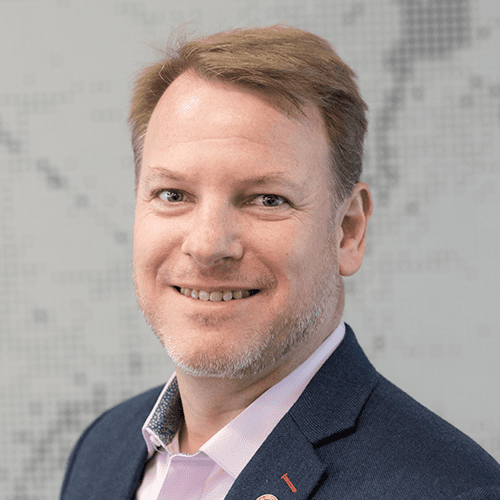
Chris B. Schaffer is a Professor in the Meinig School of Biomedical Engineering at Cornell University, specializing in developing advanced optical techniques to study neurovascular dynamics in neurological diseases. His lab focuses on Alzheimer’s disease mechanisms, leveraging multiphoton microscopy and in vivo imaging to explore capillary stalling, cerebral blood flow deficits, and their cognitive impacts. He holds a Ph.D. in Physics from Harvard University and postdoctoral training in neuroscience at UC San Diego. Research interests include biomedical imaging instrumentation, neurodegenerative disease modeling, and science education innovation. Awards include AAAS Fellowship (2021), AIMBE Fellowship (2019), and multiple teaching accolades. His work bridges engineering and medicine, with contributions to spinal cord injury studies, epilepsy, and vascular contributions to dementia (VCID). Notable discoveries include identifying neutrophil-induced capillary stalls as a key Alzheimer’s disease mechanism and demonstrating cerebral blood flow improvements can restore memory in mouse models. His lab also develops educational tools emphasizing science as a discovery process, used in K-12 and university settings.
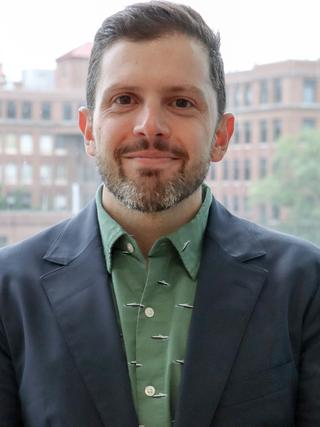
Frank E. Garcea, Ph.D., is a Research Assistant Professor in the Department of Neurosurgery and Neuroscience at the University of Rochester School of Medicine and Dentistry. His research focuses on the cognitive and neural mechanisms underlying tool use, apraxia, and stroke recovery. He employs neuropsychological testing, fMRI, and lesion-symptom mapping to study brain injury effects on functional connectivity and action knowledge. Education: Bachelor of Science in Psychology, St. John Fisher College (2006–2010) PhD in Brain and Cognitive Sciences, University of Rochester (2012–2017) Research Interests: Dr. Garcea investigates how brain regions like the parietal cortex and dorsal/ventral streams mediate object manipulation and tool use. His work explores stroke-related disconnection syndromes, motor speech coordination networks, and translational brain mapping to preserve neural function during surgery. He collaborates on projects involving epilepsy patients undergoing electrocorticography to study action-related neural pathways. Labs & Affiliations: Principal Investigator of the Garcea Lab at URMC, focusing on tool use deficits in brain tumor/stroke survivors. Affiliated with the Del Monte Institute for Neuroscience and the Neurobiology & Anatomy Program. His lab integrates neuroimaging, lesion analysis, and clinical care to advance personalized brain mapping strategies.
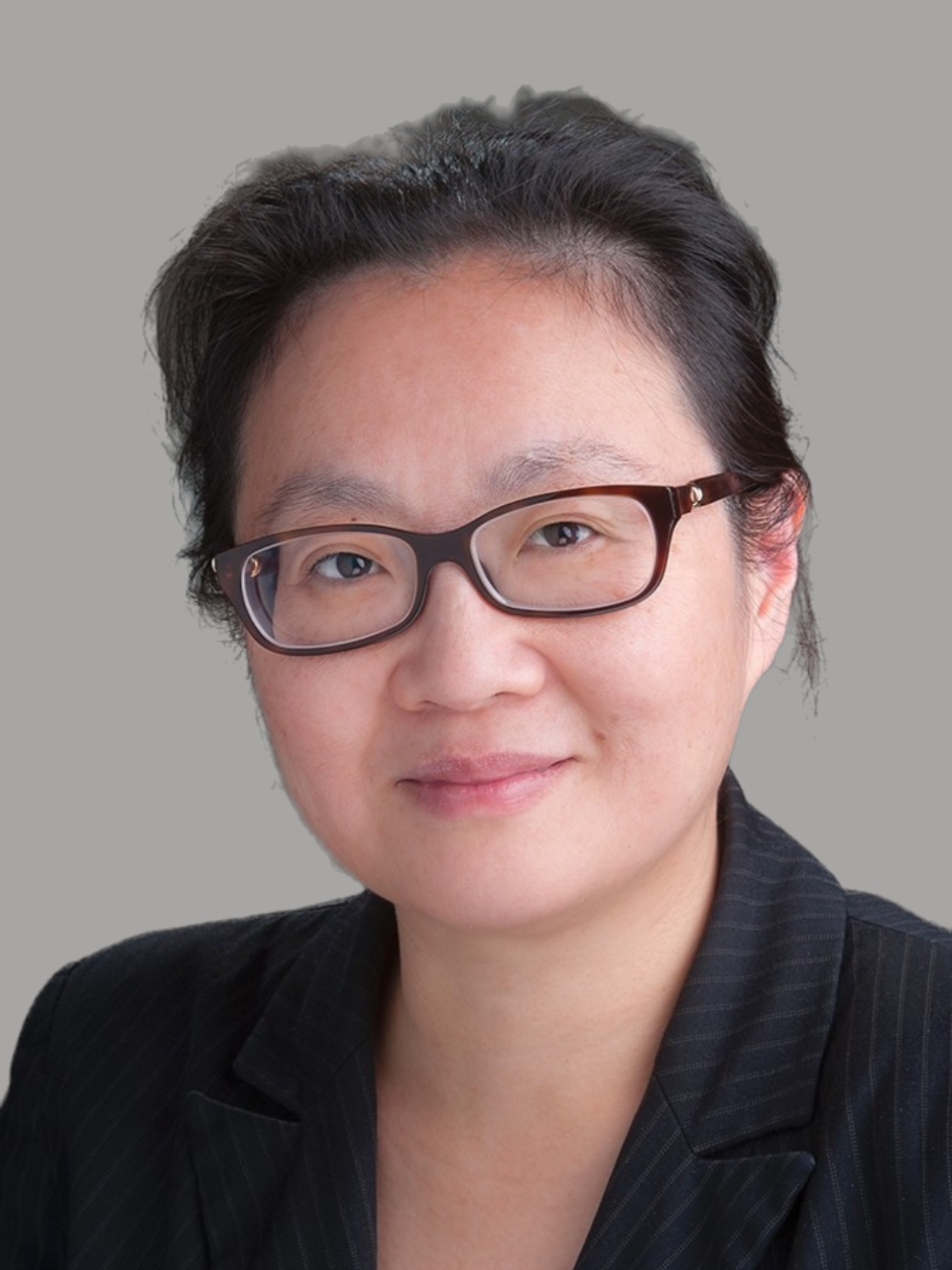
Teresa Cheung is an Adjunct Professor in the Department of Engineering Science at Simon Fraser University’s Faculty of Applied Sciences. Her research focuses on neuroimaging techniques, particularly magnetoencephalography (MEG), and their applications to understanding brain networks in health and disease. She holds a Ph.D. in Physics from SFU (2012) and completed a postdoctoral fellowship at the University of Cambridge (2012–2013). Research interests include: MEG instrumentation and optically pumped magnetometers (OPM) Cortical-cerebellar networks and cerebellar activity localization Neuroimaging of neurological disorders like major depressive disorder and epilepsy Functional and structural connectome analysis across the human lifespan Multimodal integration of MEG, MRI, fMRI, and DTI data Recent work emphasizes the relationship between cardiovascular health, brain aging, and cognitive resilience. Her studies span clinical applications (e.g., depression biomarkers) and technical advancements in neuroimaging systems. Collaborations include multi-site studies on depression and aging cohorts like the Cam-CAN project. Publications highlight innovative methods in MEG system design, neural network dysfunction analysis, and lifespan brain dynamics. Her work bridges engineering, neuroscience, and clinical research to advance non-invasive brain imaging and neurophysiological understanding.
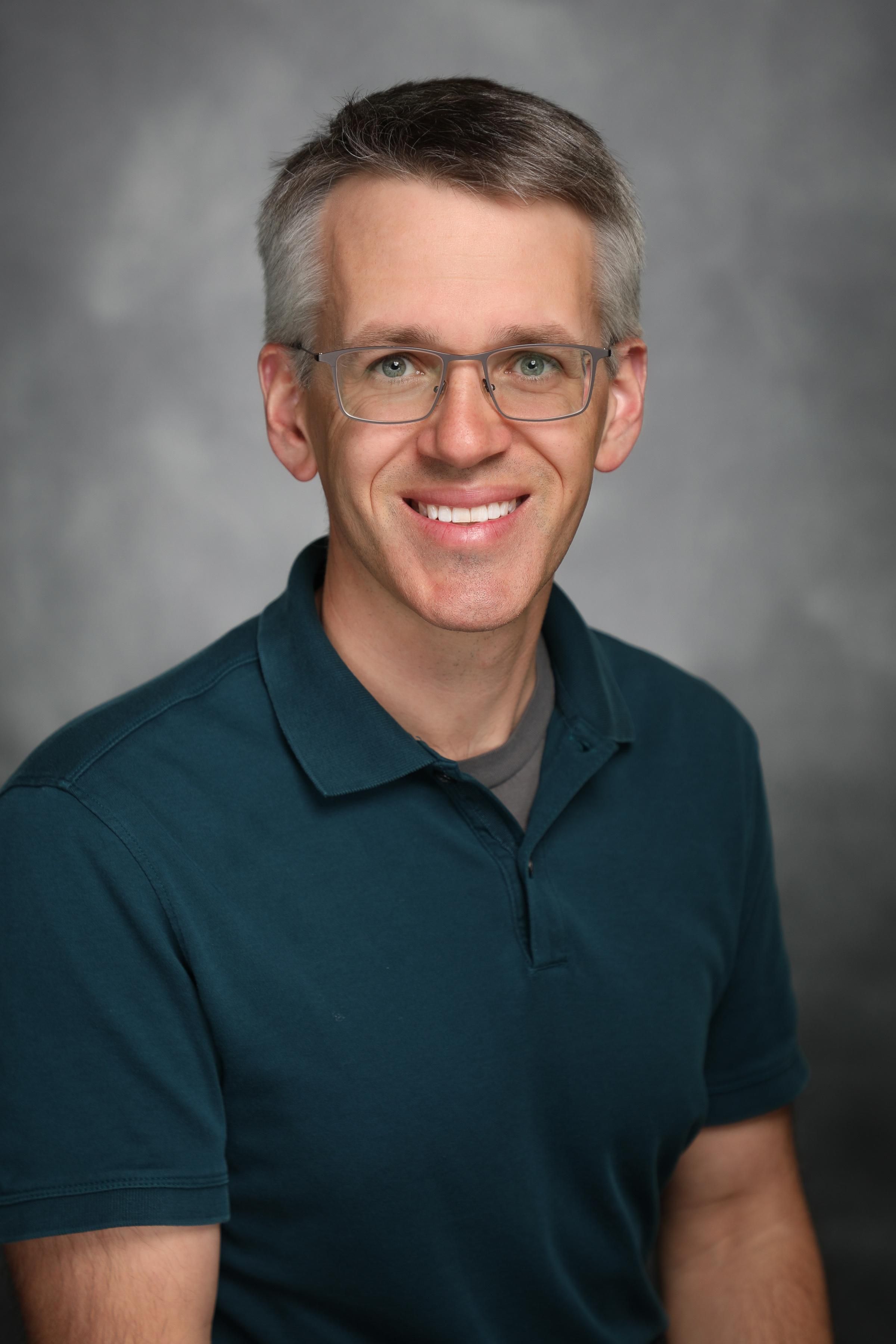
Thomas Longden is an Associate Professor in the Department of Physiology at the University of Maryland School of Medicine. He leads a research group focused on neurovascular interactions in health and disease, with particular emphasis on understanding how blood flows through the brain under normal conditions and how this process is disrupted in diseases like Alzheimer's. Dr. Longden received his B.Sc (Hons) and Ph.D. in Pharmacology from the University of Manchester in the UK (2006 and 2010), followed by postdoctoral training at the University of Vermont under Professor Mark Nelson (2011-2015). He was promoted to Assistant Professor at Vermont in 2015 before joining the University of Maryland in February 2019. His research focuses on the control of blood flow in the brain, particularly the mechanisms of neurovascular coupling where neuronal activity triggers changes in blood flow. His lab has made significant discoveries including identifying the brain's capillary network as a 'sensory web' that translates neural activity into vasodilatory electrical signals, and demonstrating how pericytes function as metabolic sentinels that control blood flow through KATP channel-dependent mechanisms. Analysis of Dr. Longden's recent publications reveals a strong focus on pericyte function in neurovascular coupling, electrical signaling in the capillary network, and how these mechanisms are disrupted in Alzheimer's disease and other dementias. His work increasingly incorporates advanced imaging techniques, computational approaches, and innovative tools to study vascular plasticity. 2023: Fellow of the American Physiological Society Cardiovascular Section 2020: NIH Director's New Innovator Award 2017: American Heart Association Scientist Development Grant Multiple travel awards and postdoctoral fellowships Dr. Longden currently mentors several graduate students and postdoctoral fellows in the Longden Lab, which is supported by multiple NIH grants including an NINDS New Innovator Award and an NIA R01 grant. His lab develops and employs advanced techniques including multiphoton microscopy, electrophysiology, optogenetics, and molecular biology to study vascular cells in the brain. The lab is particularly focused on understanding vascular signaling plasticity and how pericytes control brain blood flow in health and Alzheimer's disease.
William Mayhan is a Professor in Biomedical Sciences at the University of South Dakota . His research focuses on cerebral microcirculation and vascular biology , particularly examining endothelial cell function in disease states like diabetes and alcohol consumption. Education: PhD in Biomedical Sciences, University of Nebraska Medical Center (1983) Post-Doctoral Fellowship, University of Iowa (1985) BS in Biology, Creighton University (1977) His work investigates blood-brain barrier permeability and cerebral vasculature responses to hypertension, diabetes, and alcohol. Key findings include mechanisms of nitric oxide synthase (NOS) dysfunction and oxidative stress in diabetic and alcoholic models. Recent publications analyze prenatal alcohol exposure effects on cerebral arterioles and CB2 receptor agonists for vascular protection in diabetes. His studies span in vivo models, potassium channel dynamics , and inflammatory mediators in stroke pathogenesis.
Stuart Allan is Professor of Neuroscience at the University of Manchester's Faculty of Life Sciences, Division of Neuroscience. His research focuses on neuroinflammation mechanisms in stroke and neurodegenerative diseases, with particular expertise in cytokine signaling (especially IL-1) and neuronal injury pathways. He leads projects targeting interleukin-1 for acute brain injury treatment and investigates stroke-immune mediated pathways in cognitive trajectory. Research Interests: Neuroinflammatory responses, cytokine-mediated neuronal injury, stroke pathophysiology, Alzheimer's disease mechanisms, and neurovascular coupling. His work bridges experimental paradigms (in vitro and in vivo) with clinical applications. Education: PhD Biomedical Sciences (University of Aberdeen, 1990-1993) BSc Pharmacology (University of Dundee, 1986-1990) Professional Appointments: Professor of Neuroscience (2012-present) Senior Lecturer (2008-2012) Lecturer (2002-2008) Postdoctoral Research Associate (1993-2002) Research Beacons & Institutes: Dementia@Manchester, Manchester Regenerative Medicine Network, Lydia Becker Institute, Christabel Pankhurst Institute, Manchester Institute for Collaborative Research on Ageing. Scientific Output: 179 research outputs including articles on cerebrovascular health, neurovascular coupling, and cytokine mechanisms in stroke models. Research demonstrates consistent focus on translational neuroscience and neuroinflammatory pathways.
Ashley Moseman serves as an Assistant Professor of Integrative Immunobiology and Assistant Professor of Cell Biology at Duke University School of Medicine. She holds significant affiliations as a Faculty Network Member of the Duke Institute for Brain Sciences and a Member of the Duke Cancer Institute. Her pioneering research examines the delicate balance between neuronal function and immune protection at the olfactory neuroepithelial barrier, where sensory neurons directly interface with the external environment while protecting the central nervous system from pathogens. Dr. Moseman completed her Ph.D. at Harvard University in 2011, establishing the foundation for her interdisciplinary career at the intersection of immunology and neuroscience. Her research program focuses on understanding how immunological surveillance operates at the unique olfactory barrier, where neurons must contact the external environment to perform chemosensory functions while preventing pathogens from entering the CNS. The Moseman Lab employs cutting-edge multiphoton intravital imaging to visualize immune responses in vivo, revealing dynamic cellular interactions during viral infections and responses to pathogens like Naegleria fowleri. Current projects investigate olfactory barrier mechanisms, neuroimmune crosstalk, host-pathogen dynamics, and immune responses to deadly neurotropic pathogens. Analysis of Dr. Moseman's publication record demonstrates a cohesive research trajectory centered on neuroimmunology and mucosal defense mechanisms. Her work spans fundamental immunological processes, host-pathogen interactions at neural interfaces, and translational applications for understanding neurological complications of infections. A significant portion of her recent research addresses SARS-CoV-2-related olfactory dysfunction and the immunological basis of pathogen invasion through the olfactory system into the central nervous system. Dr. Moseman has secured substantial research funding including 'Using tissue-specific Naegleria opportunism to dissect olfactory immunity' (2025-2030), 'Characterizing olfactory plasma cell dynamics and survival niche within the upper airway' (2024-2029), and the 'Advanced Immunobiology Training Program for Surgeons' (2019-2029). She actively contributes to graduate education through the Medical Scientist Training Program (2022-2027) and teaches advanced immunology courses including IMMUNOL 736 and IMMUNOL 494. The Moseman Lab represents a leading center for neuroimmunology research, utilizing in vivo imaging to visualize immune responses within the central nervous system. Their work has significant implications for understanding how pathogens breach neurological barriers and how the immune system protects the brain while preserving essential sensory functions, with potential applications for treating neurological infections and inflammatory conditions.
Dr. Merve Fritsch is a Specialist in Psychiatry and Psychotherapy and a Senior Physician in ward 152A at Charité - Universitätsmedizin Berlin. Her affiliation is with the Department of Psychiatry and Neurosciences, part of the Neurology, Neurosurgery and Psychiatry division at Campus Charité Mitte. Dr. Fritsch's research focuses on neurological and psychiatric conditions, particularly thalamic aphasia, fronto-thalamic networks, and the role of the inferior frontal cortex in conscious perception. Her work integrates clinical neurology with cognitive neuroscience, addressing topics such as stroke recovery, perceptual decision-making, and NMDA receptor dysfunction. Her studies investigate ischemic lesions' effects on visual and language functions, stroke outcomes, and the mechanisms underlying consciousness. She employs advanced techniques like TMS-EEG to explore neural connectivity in conditions like autism spectrum disorder. Dr. Fritsch’s research also addresses clinical applications, such as cerebral embolism during cardiac interventions and the localization of aphasia in stroke patients. While no formal awards are listed, her contributions span peer-reviewed publications in high-impact journals, reflecting her expertise in neurology, psychiatry, and translational neuroscience. She actively engages in clinical practice and academic research, bridging theoretical insights with patient care.
Naftali Raz is a Professor of Psychology at Stony Brook University, specializing in Integrative Neuroscience. He holds a Ph.D. from the University of Texas at Austin (1985) and a B.A. from the Hebrew University of Jerusalem (1979). His research focuses on understanding age-related changes in the brain and cognition, particularly exploring metabolic, vascular, and inflammatory risk factors influencing cognitive aging. He employs neuroimaging techniques such as MRI, MRS, and fMRI to study brain structure, function, and metabolism in healthy aging populations. Raz’s research emphasizes the 'FRIENDS' model (Free-Radical Induced Energetic and Neural Decline in Senescence), linking aging to energy production decline. His work includes longitudinal studies on brain atrophy, myelin content, and iron accumulation. He investigates how physiological risk factors like cardiovascular disease and metabolic syndrome impact neurocognitive trajectories. Current grants include NIA funding for neural correlates of cognitive aging and hippocampal glutamate modulation studies. Education: Ph.D. in Psychology, University of Texas at Austin (1985) B.A. in Psychology, Hebrew University, Jerusalem, Israel (1979) Labs/Facilities: Integrative Neuroscience Group, SCAN Center (Stony Brook Advanced Neuroimaging) His publications span over three decades, with recent works on recognition memory strategies, hippocampal subfield analysis, and cerebral blood flow dynamics. Collaborations include multi-institutional projects on neuroimaging protocols and aging mechanisms.
Cam Ha Tran is an Assistant Professor in the Department of Physiology and Cell Biology at the University of Nevada, Reno, affiliated with the Institute of Neuroscience. Her research focuses on neurovascular unit interactions, particularly how blood flow regulation impacts brain function under health and disease conditions such as stroke and dementia. She employs advanced techniques like two-photon imaging, optogenetics, and electrophysiology to study astrocyte-endothelial communication and vascular reactivity. Education: PhD in Cardiovascular and Respiratory Sciences from the Cumming School of Medicine, University of Calgary (Canada); Master of Biomedical Technology and Bachelor of Science from the University of Alberta (Canada). Research emphasizes understanding how astrocytes and endothelial cells coordinate to maintain cerebral blood flow, with implications for neurological disorders. Her recent work explores TRPA1 channels in neurovascular coupling, astrocyte dysfunction in Alzheimer’s, and seizure-induced vascular changes. Techniques include in vivo imaging and chemogenetic approaches to dissect cellular mechanisms. Key contributions include uncovering astrocyte roles in functional hyperemia and identifying therapeutic targets for cerebrovascular diseases. Her lab’s findings bridge basic science and clinical applications, aiming to improve diagnostics and treatments for stroke and neurodegenerative conditions.
Jakob Körbelin is a Principal Investigator at the University Medical Center Hamburg-Eppendorf (UKE), affiliated with the Faculty of Medicine and the II. Medical Clinic and Polyclinic. His research focuses on vascular biology, gene therapy, and neurological disorders, particularly targeting the blood-brain barrier using adeno-associated viral (AAV) vectors. He leads studies on pulmonary hypertension, neurovascular interactions, and genetic diseases like Niemann-Pick type C2. His work bridges basic science and translational medicine, emphasizing AAV engineering and therapeutic applications. Key research interests include endothelial cell biology, neuroinflammation, and the pathophysiology of vascular diseases. Notably, he received the UCCH Hubertus Wald Young Investigator Award 2013 for his contributions. His lab explores mechanisms of vascular dysfunction, gene delivery optimization, and the impact of viral vectors in treating rare diseases. Collaborations span molecular neurobiology, immunology, and translational oncology. Publications highlight breakthroughs in AAV-mediated therapies, such as reversing neurodegeneration in NPC2 models and identifying novel targets for pulmonary hypertension. Ongoing projects address microvascular brain pathology in SARS-CoV-2 infection and the role of transcription factors in vascular diseases.
Michael Markl is the Lester B. and Frances T. Knight Professor of Cardiac Imaging and Professor of Biomedical Engineering at Northwestern University's McCormick School of Engineering and Feinberg School of Medicine. His research focuses on developing multi-parametric imaging techniques, particularly 4D Flow MRI, to understand cardiovascular hemodynamics in diseases like heart failure, stroke, and aortic valve disorders. He leads the Markl Lab, advancing applications in clinical diagnostics and therapeutic assessment. Key areas include AI integration for automated analysis, environmental sustainability in MRI, and translational imaging for pediatric and adult cardiovascular conditions. Education: PhD from University of Freiburg (2000). Research emphasizes hemodynamic biomarkers for disease progression, surgical outcomes, and therapy efficacy. Notable contributions include establishing 4D Flow MRI as a standard for aortic valve and pulmonary hypertension evaluation. Scientific Awards: None explicitly listed. Grants and funding details are inferred through lab activities and collaborative initiatives like the Center for Translational Imaging. Advising and Grants: Oversees a multidisciplinary team in the Markl Lab, collaborating on NIH-funded projects and industry partnerships. Focus areas include AI-driven diagnostics, MRI efficiency, and cardiovascular disease modeling. Labs/Teams: Director of the Cardiovascular MRI Group and Co-Director of the Center for Translational Imaging. Active in professional societies like the Society for Cardiovascular Magnetic Resonance (SCMR).
Associate Professor Christopher Delaney is an academic Vascular Surgeon affiliated with Flinders University's College of Medicine and Public Health and the Southern Adelaide Local Health Network. He serves as a Consultant Vascular Surgeon at Flinders Medical Centre and leads research within the Department of Vascular and Endovascular Surgery. Professor Delaney's research spans multiple areas of vascular medicine with particular focus on: Vascular surgery and endovascular techniques Vascular restenosis and calcification Deep venous disease and reconstruction Cardiovascular imaging techniques, particularly Intra-Vascular Ultrasound Breath metabolomics in cardiovascular disease Endothelial function Nutritional requirements of cardiovascular patients His recent publications demonstrate a strong focus on peripheral arterial disease, with research spanning from basic science investigations of vascular biology to clinical applications of novel endovascular technologies. His work particularly emphasizes the intersection of nutrition science and vascular disease, as well as innovative approaches to complex wound healing and limb salvage procedures. The establishment of a biobank for patients with peripheral arterial disease and cerebrovascular disease represents a significant advancement in his research program, enabling more comprehensive translational studies. Professor Delaney is an active HDR supervisor with registered supervisory interests in nutrition in surgery, vascular surgery, intra-vascular ultrasound, and vascular dysfunction. He serves as an investigator in several global clinical trials focused on reducing vascular restenosis rates using novel technologies, including a first-in-man trial for surgical arterio-venous fistulae. His research group maintains strong clinical connections through the Southern Adelaide Local Health Network and Flinders Medical Centre, where they translate research findings into improved patient care for complex vascular conditions including renal access surgery, deep venous reconstruction, and limb salvage procedures.
Daniela Carnevale is a Full Professor at Sapienza University of Rome, where she serves in the Department of Medical-Surgical Sciences and Biotechnologies within the Faculty of Medicine. She directs the Laboratory of Neuro and Cardiovascular Immunology at the Department of Molecular Medicine, based at IRCCS Neuromed in Pozzilli. Her academic career spans over a decade with a permanent position as Assistant Professor since 2012, progressing to her current role as Full Professor. Education: PhD in Neuroscience (2010) - Faculty of Medicine and Surgery, Catholic University of the Sacred Heart in Rome Professional qualification in Biology (2006) - Sapienza University of Rome Degree in Biological Sciences (2005) - Sapienza University of Rome, final mark 110/110 cum laude Daniela Carnevale's research primarily focuses on the intersection of cardiovascular medicine, neuroscience, and immunology. She investigates neuroimmune mechanisms in hypertension, exploring how the nervous and immune systems interact to influence blood pressure regulation and organ damage. Her work encompasses biotechnologies and translational approaches to understand arterial hypertension, chronic heart failure, Alzheimer's related dementias, and adaptive immune responses. She has pioneered research on brain-spleen communication pathways in hypertension, demonstrating how neural signals prime immune responses that contribute to cardiovascular pathology. Analysis of her recent publications reveals a strong emphasis on neuroimmune cardiovascular interfaces, with particular focus on hypertension-induced cognitive impairment, cerebrovascular remodeling, and organ damage mechanisms. Her work increasingly integrates advanced imaging techniques, genetic analyses, and immune profiling to uncover novel therapeutic targets for cardiovascular and neurodegenerative conditions. Scientific Awards: Fellow of the American Heart Association (FAHA) (2016) Council on Hypertension Mid Career Award for Research Excellence (2019) International Patent in medical technology (2010) Multiple research awards from the Italian Society of Arterial Hypertension Research Award from the Foundation "Roberto Cornelli" (2009) Professor Carnevale has secured significant research funding as Principal Investigator, including grants from Sapienza University, Istituto Pasteur-Fondazione Cenci Bolognetti, and the Italian Ministry of Health. She has supervised numerous PhD students, post-doctoral fellows, and undergraduate students across various biomedical programs. Her laboratory collaborates internationally with leading researchers from Harvard University, Vanderbilt University, University of Glasgow, and University of Munich. At IRCCS Neuromed, Professor Carnevale directs the Laboratory of Neuro and Cardiovascular Immunology, where her team investigates the cellular and molecular mechanisms underlying neuroimmune interactions in cardiovascular diseases. Her research facility includes advanced preclinical imaging capabilities, including a 7Tesla MRI for small animal research, which she secured through competitive grant funding.
Dr. Charles Harrington is a Senior Research Fellow at the University of Aberdeen's School of Medicine, Medical Sciences and Nutrition. With a background in microbiology, he has transitioned to become a leading researcher in neurodegenerative diseases, particularly focusing on Alzheimer's disease and tau protein biology. His career spans over four decades, with significant contributions to understanding the molecular mechanisms of protein aggregation in neurodegenerative conditions. BSc (Hons) Microbiology, University of Glasgow (1977) PhD Microbiology, University of Glasgow (1980) Harrington's research interests center on the biology of tau protein in aging and Alzheimer's disease, with emphasis on diseases characterized by protein aggregation and methods to prevent these processes. His work has evolved from early studies on microbial cell walls to current investigations of tau pathology, demonstrating remarkable interdisciplinary expertise. He has developed assays for screening tau aggregation inhibitors and has extensively studied the therapeutic potential of hydromethylthionine. Analysis of his recent publications (2021-2025) reveals a strong focus on tau protein aggregation mechanisms, neuroinflammation, synaptic dysfunction in neurodegenerative diseases, and the therapeutic effects of tau aggregation inhibitors. His work frequently examines interactions between different therapeutic approaches, particularly how cholinesterase inhibitors might interfere with tau-targeting treatments. Harrington's research bridges molecular mechanisms with clinical applications, contributing significantly to the development of biomarkers and therapeutic strategies for Alzheimer's disease and related tauopathies. As Chief Scientific Officer for TauRx Therapeutics Ltd, Harrington oversees non-clinical activities for a company conducting phase 3 trials of hydromethylthionine. His collaborative work spans multiple international institutions, with numerous co-authors across neuroscience, biochemistry, and clinical research fields. While specific grant information isn't detailed in the provided text, his extensive publication record suggests substantial research funding support over his career. Harrington's laboratory work appears focused on tau transgenic mouse models, particularly investigating how tau pathology affects synaptic function, neurotransmitter systems, and behavioral outcomes. His research team has developed sophisticated methods for studying protein aggregation and its consequences in neurodegenerative disease models.