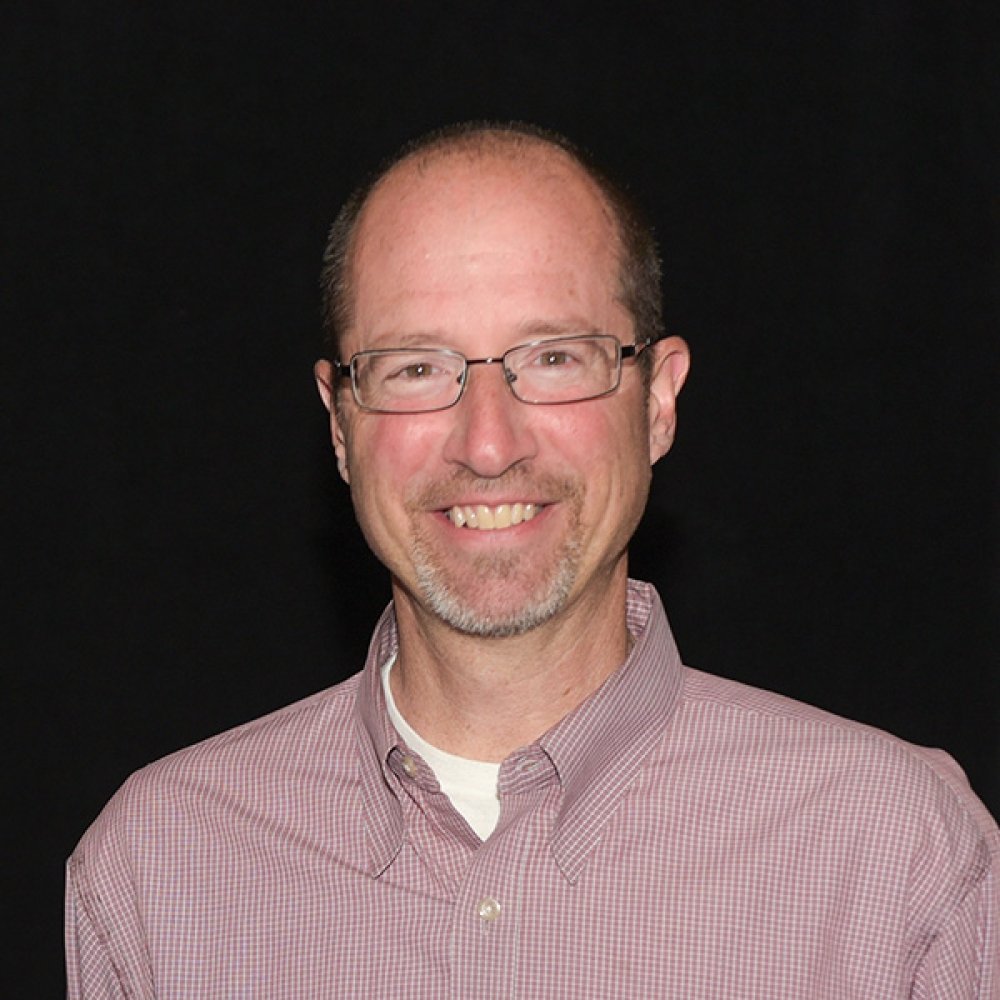
Dr. Brett M. Frye is an Assistant Professor of Biology at Emory & Henry College, specializing in aging biology and environmental influences on health. His research focuses on nonhuman primate models to study Alzheimer's-related neuropathology, diet effects on physiology, and social behavior impacts on aging. He holds a PhD from Clemson University and completed a postdoctoral fellowship at Wake Forest School of Medicine. Education: BS in Biology & Chemistry from Emory & Henry College MS in Biology from Winthrop University PhD in Biological Sciences from Clemson University Postdoctoral Research Fellowship at Wake Forest School of Medicine His research explores three core areas: 1) Environmental factors promoting Alzheimer's-like neuropathology, 2) Links between aging declines and Alzheimer's pathology in vervets, and 3) Sibling interactions' effects on primate health. He also studies canine aging mechanisms. His work integrates neuroimaging (PET), cognitive testing, and physiological measurements to uncover aging mechanisms. Recent studies emphasize Mediterranean/Western diet comparisons in primates, showing diet's impact on brain structure, inflammation, and social behavior. Professional activities include leadership roles in the American Society of Primatologists and Alzheimer's Association ISTAART. His research has advanced understanding of diet-stress interactions, ovarian function in midlife, and white matter pathology in primate models. Current efforts focus on translating nonhuman primate findings to human aging interventions.
Peter McPherson, PhD, is a Professor in the Department of Neurology and Neurosurgery at McGill University 's Faculty of Medicine and Health Sciences . He is based at the Montreal Neurological Institute (MNI), where his laboratory is part of the MNI’s Neurodegenerative Disease Research Group. University: McGill University School: Faculty of Medicine and Health Sciences Department: Department of Neurology and Neurosurgery Lab Affiliation: Brain Tumour Research Centre, Montreal Neurological Institute Research Focus : Dr. McPherson’s lab investigates molecular mechanisms regulating endosomal membrane trafficking and its role in neurological disorders. Key areas include: Clathrin-coated pit/vesicle dynamics in neurons Links between trafficking defects and neurodevelopmental/neurodegenerative diseases (e.g., Parkinson’s, ALS, ARSACS, glioblastoma) Antibody validation via YCharOS initiative with industry partners Structural and functional characterization of trafficking proteins Recent Trends : Publications emphasize antibody validation protocols (2024-2025), α-synuclein pathology in Parkinson’s, and DENND5A/RAB35 mutations in epileptic encephalopathy. Collaborative work spans lysosomal positioning , autophagy regulation , and C9orf72/SMCR8 complexes in inflammation. Labs & Teams : The lab operates at the Montreal Neurological Institute in the Brain Tumour Research Centre , collaborating with 14 antibody manufacturers and knockout cell line providers through YCharOS. The team uses biochemical, molecular, structural, and cellular approaches to study endo/lysosomal pathways.
Angel Merchan Perez is a faculty member at the Universidad Politécnica de Madrid , affiliated with the College of Computer Science and the Computer Systems Architecture and Technology Department . He is a key member of the Center for Biomedical Technology (CTB) since 2011 and the Technologies for Health Sciences Research Group since 2018. His work bridges neuroscience and computational technologies, focusing on ultrastructural analysis of the brain. Doctoral Postdoc: Harvard Medical School (1992-1995) Current Projects: Cajal Blue Brain Project, Human Brain Project His research focuses on developing advanced 3D electron microscopy techniques (FIB-SEM) for synaptic reconstruction, enabling quantitative analysis of synapse distribution and density in rat, mouse, and human cerebral cortex . He also contributed to image-analysis software like Espina for automated synapse detection. Recent publications highlight his expertise in: 3D Synaptic Mapping in Hippocampal Neurons Neurodevelopmental Disorder Pathology (Schizophrenia, Autism) Thalamocortical Circuit Complexity Mitochondrial Distribution in Neuropil Software Tools for Electron Microscopy
Jean-Michel Rozet is the Team Leader of a research group focused on genetic mechanisms underlying rare hereditary sensory disorders and mitochondrial diseases. His work bridges clinical practice and research to improve diagnostics and therapies, supported by collaborations with national networks in France and international institutions. The team investigates genetic mutations in conditions affecting vision, hearing, and mitochondrial function, aiming to develop novel diagnostic tools and targeted treatments. Research priorities include identifying disease-causing genes, modeling pathogenic mechanisms in vitro and in vivo, and translating findings into clinical applications. Key areas of study involve ciliopathies, retinal dystrophies, and optic neuropathies. The team leverages patient cohorts and advanced genetic technologies to uncover genetic heterogeneity and therapeutic targets. Key Focus Areas: Retinal degeneration, mitochondrial dysfunction, ciliopathy syndromes, and neurodevelopmental disorders Clinical Translation: Developing biomarkers for personalized medicine and gene therapy applications Collaborations: National networks for rare diseases (Ophthalmology, Genetic Deafness, Mitochondrial Disorders) and international consortia Publications highlight breakthroughs in understanding genetic variants linked to sensory organ defects and mitochondrial disorders, with recent work emphasizing therapeutic interventions and disease mechanisms in ciliopathies.
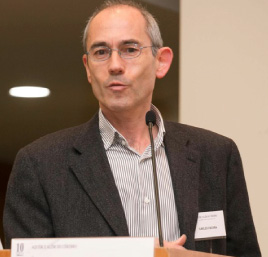
Carles Escera is a Professor of Cognitive Neuroscience at the Department of Clinical Psychology and Psychobiology, Faculty of Psychology, University of Barcelona. He has directed major research institutes including the Institute of Neuroscience (accredited as a Maria de Maeztu Excellence Centre) and currently coordinates the Brainlab Research Group (SGR2017-974). His research focuses on auditory perception, attention mechanisms, and neurodevelopmental disorders, with a recent emphasis on subcortical speech encoding in neonates and its clinical implications. He has received the ICREA Academia Prize three times (2010, 2015, 2020). Education: Licenciatura in Psychology (1987), PhD in Psychology (1993). Postdoctoral training at University of Helsinki (1993–1999). Visiting professorships at University of Bremen and Hanse Wissenschaftskolleg (2004–2005). Research Interests: Investigates cerebral mechanisms of auditory perception, attention, and cognitive control. Explores subcortical auditory processing via FFR, clinical applications of MMN, and interdisciplinary studies on prehistoric rock art acoustics. Grants & Awards: Lead researcher on projects funded by Ministerio de Ciencia, ICREA, and Alicia Koplowitz Foundation. Projects include FFR biomarkers for neurocognitive disorders and acoustic analysis of Neolithic rock art sites. Lab Members & Collaborations: Directs Brainlab with over 20 researchers. Collaborates internationally with institutions in Finland, Germany, Israel, and Japan. Former members include prominent neuroscientists like Kimmo Alho and Manuel S. Malmierca.
Stephen E. Asmus is the H.W. Stodghill, Jr. and Adele H. Stodghill Professor of Biology and Biochemistry & Molecular Biology at Centre College, where he has been a faculty member since 1996. He holds a PhD from the University of Michigan and completed postdoctoral training in Neurosciences at Case Western Reserve University. Education: BS, Cleveland State University PhD, University of Michigan Postdoctoral Fellowship, Department of Neurosciences, Case Western Reserve University Dr. Asmus specializes in developmental neurobiology, focusing on how neurons determine and potentially change their neurotransmitter identity during development. His research combines cell staining and microscopy to study neurotransmitter expression in sympathetic and cortical neurons. More recently, he has expanded into pedagogical research, exploring innovative methods in biochemistry and molecular biology education. His recent publications reflect a dual focus: neuroscience research on neurotransmitter plasticity and educational scholarship on active learning, student-driven labs, and the use of primary literature. These works demonstrate sustained engagement with both scientific discovery and teaching excellence. Scientific Awards: Kirk Award for Excellence in Teaching (2001, 2016) Centre Scholar (2002, 2011) Dr. Asmus has secured research funding from the National Institutes of Health and regularly collaborates with undergraduate students on both research and educational publications. He mentors students in laboratory research and co-authors scholarly articles with them, fostering early scientific development. His work bridges fundamental neuroscience and transformative teaching practices. He is actively involved in the Biochemistry & Molecular Biology and Biology programs, contributing to curriculum development and student research initiatives. His lab emphasizes hands-on microscopy and cellular analysis techniques, providing students with authentic research experiences.
Associate Professor Kai-Hsiang Chuang is a Principal Research Fellow at the School of Biomedical Sciences within the Faculty of Health, Medicine and Behavioural Sciences at the University of Queensland. He is also affiliated with the Queensland Brain Institute and the Centre for Advanced Imaging. His research focuses on understanding brain networks, developing advanced imaging techniques, and translating these findings to improve diagnosis and intervention for neurological disorders. Dr. Chuang received his Ph.D. in electrical and biomedical engineering from the National Taiwan University, Taiwan, in 2001. His doctoral research focused on improving the detection of brain activity using functional magnetic resonance imaging (fMRI). Ph.D. in Electrical and Biomedical Engineering, National Taiwan University (2001) Dr. Chuang's research spans multiple areas of brain imaging and neuroscience. His primary focus is on functional brain mapping , where he develops in vivo imaging techniques including functional MRI and multimodal integration with optogenetics, calcium imaging, and electrophysiology. He applies these techniques in both humans and animal models to improve understanding and intervention of brain function, disease processes, and treatment effects. Another key area is brain networks in learning, memory, and dementia . His work explores how brain network wiring and activity underpin cognition and behavior, with particular focus on understanding the causal relationship between brain network activity and memory formation. He develops techniques to modulate behavior by manipulating brain network activity. More recently, Dr. Chuang has expanded into brain waste clearance research, studying the brain's fluid drainage system that clears waste and toxic molecules like amyloid plaques. His lab is developing imaging techniques to track this system's function and understand its regulatory mechanisms, which could provide new treatment targets for dementia. Analysis of Dr. Chuang's recent publications reveals a strong focus on advancing functional MRI techniques for brain network analysis, particularly in rodent models. His work consistently bridges basic neuroscience with clinical applications, especially in understanding memory formation and dementia. A notable trend is the development of multimodal approaches that combine fMRI with optogenetics, calcium imaging, and electrophysiology to establish causal relationships in brain networks. His research increasingly addresses the translation of preclinical findings to human applications, with growing emphasis on Alzheimer's disease mechanisms and potential interventions. Dr. Chuang serves on the editorial boards of multiple prestigious journals including Frontiers in Neuroscience: Brain Imaging Methods , Imaging Neuroscience , and Scientific Reports , reflecting his standing in the field. Editorial Board Member, Frontiers in Neuroscience: Brain Imaging Methods Editorial Board Member, Imaging Neuroscience Editorial Board Member, Scientific Reports Dr. Chuang is actively involved in research supervision, currently serving as Principal Advisor for one PhD student working on "Developing imaging and neuro-technologies for decoding memory formation" and Associate Advisor for two other PhD projects. He has successfully completed supervision of three PhD students on topics related to resting-state networks, memory consolidation, and functional MRI. ARC Discovery Projects (2024-2028): "Decoding the brain network of memory formation" ARC Training Centre for Innovation in Biomedical Imaging Technology (2017-2024) NHMRC-NIH BRAIN Initiative Collaborative Research Grants (2016-2023) Universities Australia - Germany Joint Research Co-operation Scheme (2017-2018) Mater Medical Research Institute Limited grant for mindfulness-based cognitive therapy research (2017-2020) Dr. Chuang leads the Functional and Molecular Neuroimaging Group at the Queensland Brain Institute. His laboratory focuses on understanding the functional connectome of the brain and developing functional and molecular imaging techniques to study brain connectivity associated with behavior. The group has developed various MRI techniques to track neuronal connections, map large-scale brain synchrony, and quantify cerebral blood flow and metabolism in vivo. His research team collaborates extensively with other experts at UQ and internationally, including collaborations with Associate Professor Darryl Eyles, Professor Jürgen Götz, Professor Tianzi Jiang, Dr. Fatima Nasrallah, Professor Linda J. Richards, Professor Pankaj Sah, Professor Elizabeth Coulson, Dr. Patricio Opazo, Professor Feng Liu, and Professor Markus Barth.
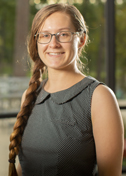
Dr. Lauren Kirby is an Associate Professor of Psychology at the University of Texas at Tyler, specializing in cognitive and affective neuroscience. Her research focuses on emotion regulation, mindfulness, and the application of neuroimaging techniques such as fMRI. She holds a Ph.D., MS, and BA in Psychology from Auburn University and the University of North Alabama. Dr. Kirby teaches courses in Cognitive Psychology and Physiological Psychology. Her work explores academic emotions, teaching methodologies, and psychophysiological measures of mental states. Key interests include emotion elicitation, mindfulness interventions in education, and the dual continua model of mental health. Her scholarship bridges neuroscience and education, emphasizing practical classroom applications like 'brain breaks' and high-impact teaching practices. Recent studies address work-life balance among educators and the neurofunctional mapping of brain regions like the amygdala and hippocampus. Publications span affective neuroscience meta-analyses, neuroimaging methodological advancements, and educational interventions. She has contributed to developing standardized tools such as the Library of Affective Films (LAF) and the Teacher Behavior Checklist.
Nitish V. Thakor is a Professor of Biomedical Engineering and Neurology at Johns Hopkins University School of Medicine, with secondary appointments in Electrical and Computer Engineering. He directs the Laboratory for Neuroengineering and oversees the NIH Neuroengineering Training Grant. His research focuses on neural prosthetics, brain-machine interfaces, and clinical neurorehabilitation technologies. Education: B.Tech from IIT Bombay (India), M.S. and Ph.D. in Biomedical Engineering from University of Wisconsin-Madison Joined Johns Hopkins faculty in 1983 Research emphasizes translational neuroengineering: developing prosthetic limbs with sensory feedback, advanced neural interfaces, and diagnostic technologies for brain injury monitoring. The lab integrates microfabrication, stem cell biology, and integrated circuit design with clinical applications. Notable projects include DARPA-funded advanced prosthetic systems and temperature-sensitive prosthetic fingertips. Recent lab milestones include robotic hand research published in Science Advances, and student achievements like NIH fellowships and Siebel Scholar awards. Honors: IEEE Fellow (1997), AIMBE Fellow (1996), NSF Presidential Young Investigator (1985) Advising over 20 students/postdocs, he also serves as editor-in-chief of Medical and Biological Engineering and Computing . Active in global biomedical engineering outreach through conferences and educational programs.
Mark T. W. Ebbert, PhD, is an Associate Professor at the University of Kentucky's Sanders-Brown Center on Aging, where he leads the Ebbert Lab. His work focuses on developing biomarkers for neurodegenerative diseases, particularly Alzheimer's disease (AD), leveraging cutting-edge genomic and transcriptomic techniques. He co-leads efforts in the Alzheimer's Disease Research Center's Biomarker Core, aiming to integrate neuroimaging, fluid biomarkers, and genomic data for precision medicine applications. Key research interests include analyzing genetic variants, long-read sequencing for disease resilience, and understanding inflammation's role in neurodegeneration. He has presented at high-profile venues like the Markesbery Symposium, discussing topics such as using long-read sequencing to identify AD biomarkers. His lab has produced over 55 publications, with a focus on resolving genomic 'dark regions' and improving biomarker accuracy through innovative methods like RNApysoforms visualization tools. Collaborating with interdisciplinary teams, Dr. Ebbert explores the interplay between genetics, epigenetics, and environmental factors in neurodegenerative diseases. His work bridges basic science and clinical translation, emphasizing the importance of genomic data integration for advancing AD diagnosis and treatment strategies.
Jeffrey Hutsler is an Associate Professor in the Department of Psychology at the University of Nevada, Reno, affiliated with the Institute of Neuroscience. His research focuses on the microanatomical organization of the human brain, particularly in individuals with autism spectrum disorders. Ph.D. in Physiological Psychology, University of California, Davis (1993) M.A. in Physiological Psychology, University of California, Davis (1991) B.A. in Psychology, San Jose State University (1988) Hutsler's research explores cortical layering, dendritic spine densities, white matter diffusion, and subplate abnormalities in autism. He integrates histological assessments with neuroimaging techniques to study structural and functional brain differences. His recent publications (2025-2011) emphasize autism-related cortical anomalies, visual processing, hemispheric specialization, and computational modeling. Key trends include the use of fNIRS and diffusion MRI to link structural changes to behavioral symptoms. Slifka-Ritvo Award for Innovation in Autism Research (2010) Vada Trimble Outstanding Mentor Award (2013) Hutsler has mentored numerous students through courses like Human Neuropsychology, Developmental Neuropsychology, and the Neuropsychology of Autism. His work often involves collaborations in neuroimaging, developmental neuroscience, and autism research.
Ning Cheng is an Assistant Professor (Teaching & Research) at the University of Calgary's Faculty of Veterinary Medicine, with affiliations to the Alberta Children's Hospital Research Institute (ACHRI) and Hotchkiss Brain Institute (HBI). Their research focuses on neurodevelopmental disorders, particularly autism and Fragile X Syndrome, using rodent models to investigate mechanisms and develop experimental therapeutics. PhD in neuroscience from Johns Hopkins School of Medicine Postdoctoral work on neurological disorders at NIH Research spans molecular mechanisms, neural circuitry, and translational approaches to address social, communication, and behavioral challenges in autism spectrum disorders. The lab utilizes in vivo recording/modulation of brain activity, biochemical analyses, and multidisciplinary collaborations. Recent publications highlight expertise in EEG biomarker discovery, auditory processing abnormalities, ketogenic diet interventions, and ERK pathway modulation in mouse models of neurodevelopmental conditions. Key technologies developed include wireless cortical hemodynamic monitoring systems (TinyIOMS) and open-source electrophysiology tools (OSERR). As part of ACHRI's Precision Medicine & Disease Mechanisms program and HBI's Neurodevelopment/SCNIP strategic initiatives, Cheng contributes to university-wide efforts in Brain and Mental Health (2015-2021) and Child Health and Wellness (2020-2025).
Federico Salas-Lucia is an Assistant Professor in the Department of Medicine, Division of Endocrinology at the University of Chicago's Pritzker School of Medicine. His research integrates neurobiology and endocrinology to investigate thyroid hormone mechanisms in brain development and function, utilizing human iPSC-derived models, transgenic mice, and multi-omics approaches. His educational background includes a BS in Biology from the University of Alicante (2012), an MSc in Neuroscience from University Miguel Hernandez (2014), and a PhD in Neuroscience from the same institution (2018). Dr. Salas-Lucia's research focuses on intracellular mechanisms customizing thyroid hormone action during human brain development. His laboratory examines how thyroid hormones regulate bioenergetic processes supporting neurogenesis, with emphasis on mitochondrial function in neural progenitor cells and epigenetic regulation via DNA methylation. Using cutting-edge iPSC-derived cerebral organoids and advanced imaging, his work bridges molecular mechanisms to clinical correlations between maternal thyroid levels and neurodevelopmental outcomes. Current investigations include thyroid hormone transport via MCT8, deiodinase activity (DIO2/DIO3), and nuclear receptor signaling in neural cells. His publication portfolio since 2018 shows accelerating productivity, with 23 publications through 2025 (8 in 2023 alone). The research demonstrates strong thematic continuity in thyroid-brain interactions , evolving from foundational rodent studies to sophisticated human iPSC models. Recent work increasingly incorporates multi-omics approaches and addresses clinical implications for disorders like Allan-Herndon-Dudley syndrome and Alzheimer's disease. Emerging Group Leader Award, International Society for Neurochemistry (2025) As principal investigator of the Salas-Lucia Laboratory, he directs research on thyroid hormone signaling in neural development. His work receives significant attention, with publications referenced in clinical guidelines and covered by multiple news outlets. The laboratory maintains active collaborations with leading endocrinology researchers including Antonio Bianco and Samuel Refetoff, and participates in interdisciplinary networks exploring metabolic regulation and neurodevelopment. Current projects investigate epigenetic mechanisms in thyroid-mediated cortical development and therapeutic strategies for thyroid hormone transport disorders.
Andrew Charles, M.D., is a Professor at the Department of Neurology within the David Geffen School of Medicine at UCLA. He holds the Meyer and Renee Luskin Chair in Migraine and Headache Studies and serves as Director of the UCLA Goldberg Migraine Program. His research focuses on migraine pathophysiology, cortical spreading depression, and CGRP-targeting therapies. Member, Brain Research Institute Hatos Center for Neuropharmacology Research Interests span migraine mechanisms, neurovascular coupling, headache disorders, and cortical excitability. His work integrates in vivo imaging, pharmacology, and clinical trial data to advance headache therapeutics. Article Trends show sustained focus on migraine mechanisms (particularly cortical spreading depression), CGRP-based therapies, neurovascular imaging, and translational models for headache disorders. Scientific Awards : Meyer and Renee Luskin Chair in Migraine and Headache Studies Member, Brain Research Institute
Prof. Giuseppe Vannozzi is a Full Professor at the University of Rome Foro Italico, based in the Department of Human Motor Sciences and Health. His research focuses on biomechanics, wearable sensor technology, and gait analysis in neurological and运动 disorders. He has contributed to studies on stroke recovery, Parkinson’s disease, multiple sclerosis, and pediatric conditions like cerebral palsy. His work integrates machine learning with clinical assessment, emphasizing wearable sensors for real-world applications. Research interests include motor control, neurorehabilitation strategies, and the application of inertial measurement units (IMUs) in movement analysis. Key areas include gait variability, postural stability, and upper limb recovery. Recent studies explore the use of auditory cues in Parkinson’s gait improvement and sensor-based interventions for stroke survivors. His publications span over a decade, with recent focus on advanced metrics for gait quality, instrumented clinical tests (e.g., iTUG), and the role of biomechanical parameters in aging populations. He has pioneered sensor fusion algorithms for yoga and sports performance evaluation, and his work on Golden Ratio-based auditory cues highlights interdisciplinary创新. He contributes to academic governance as a member of the University Quality Assurance Committee and has collaborated on EU-funded projects. Teaching responsibilities include courses on research methodology, movement therapy, and motor function assessment in health sciences.