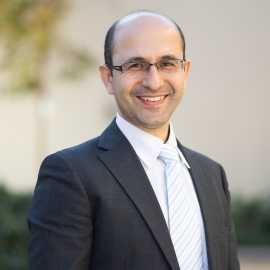
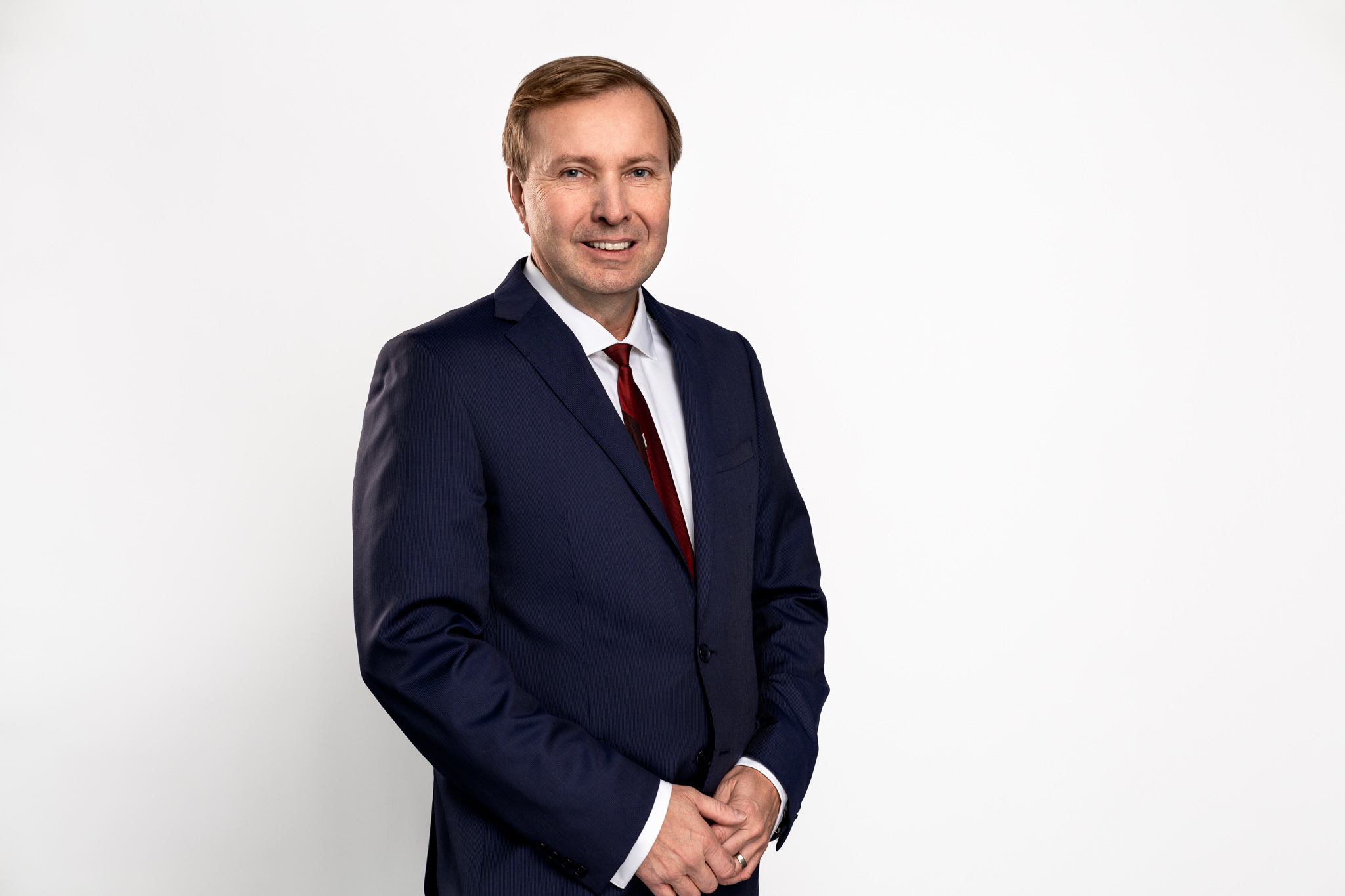
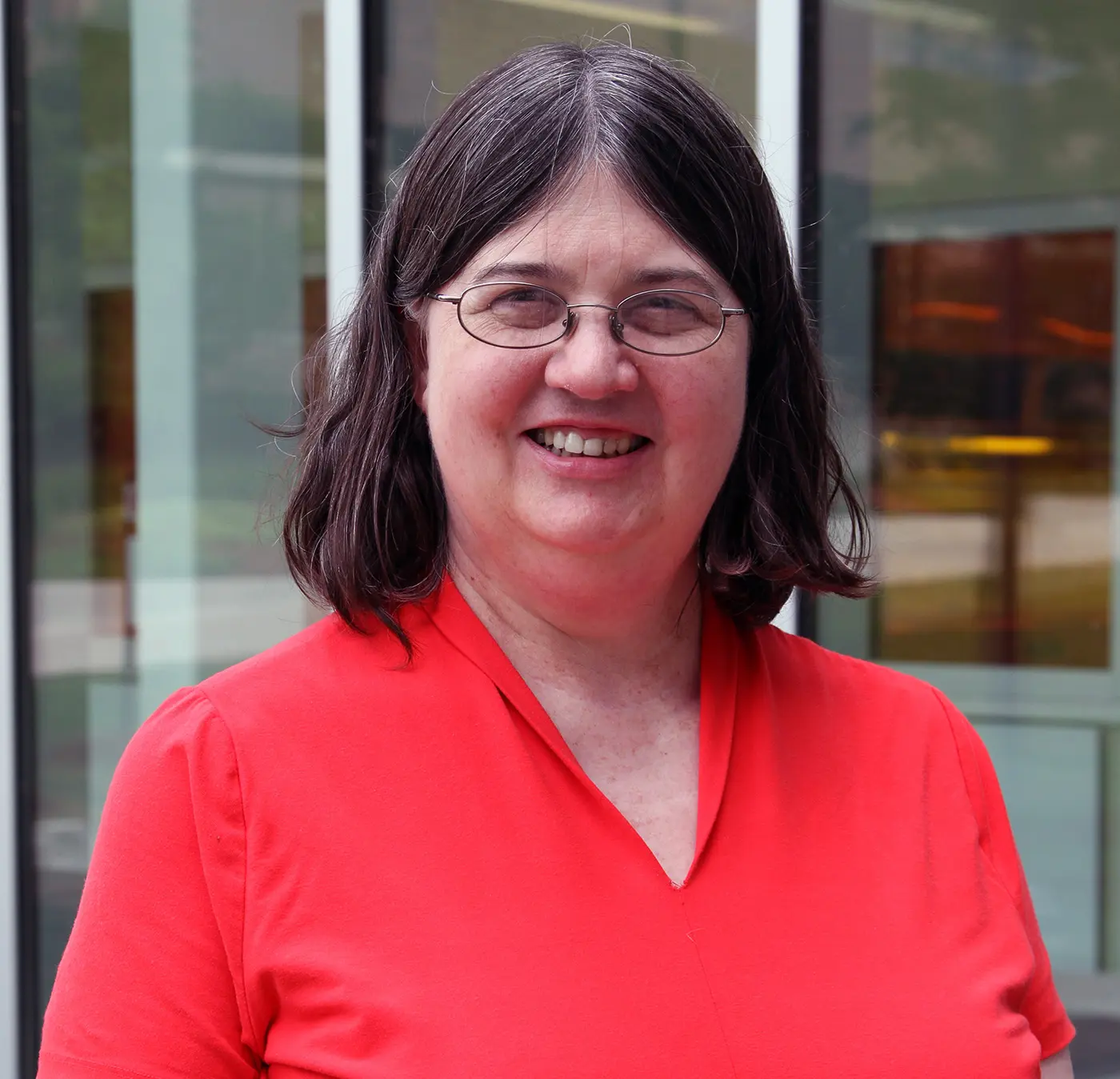
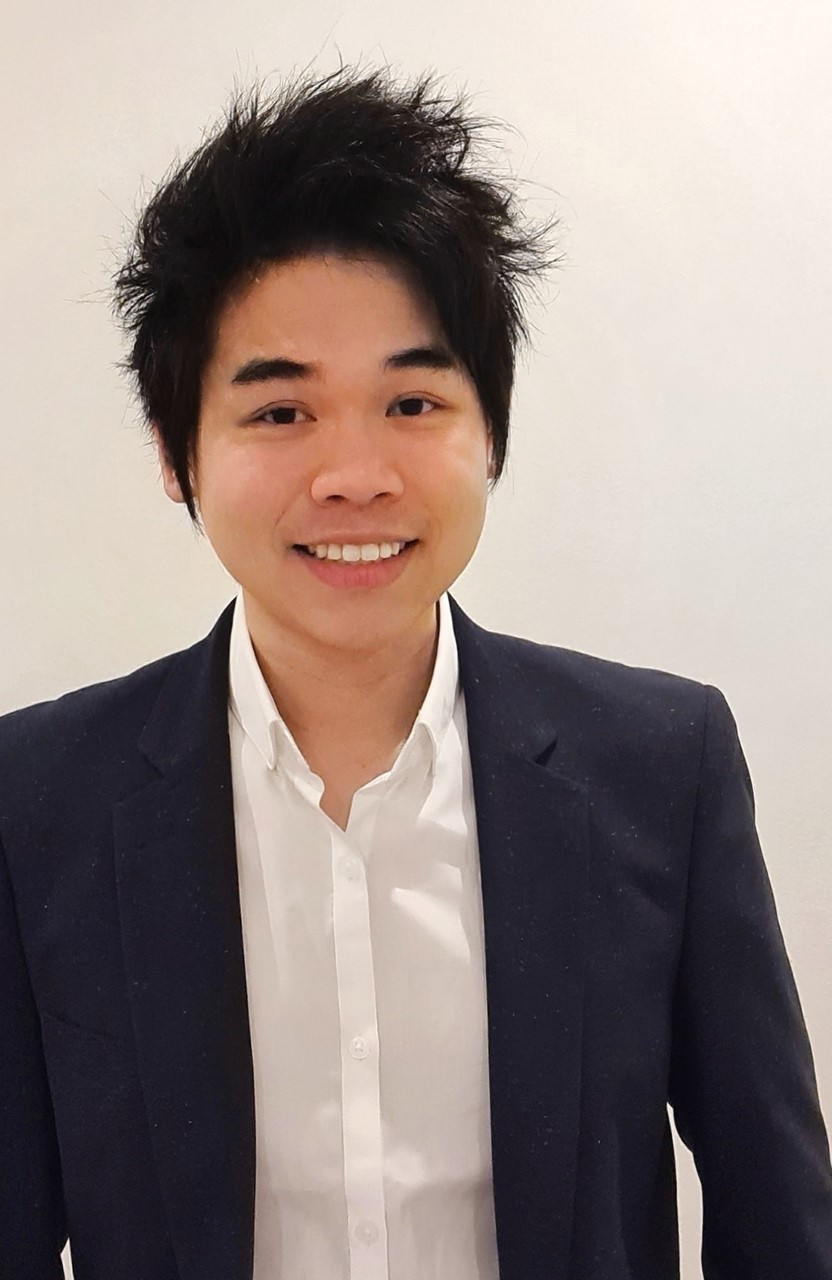
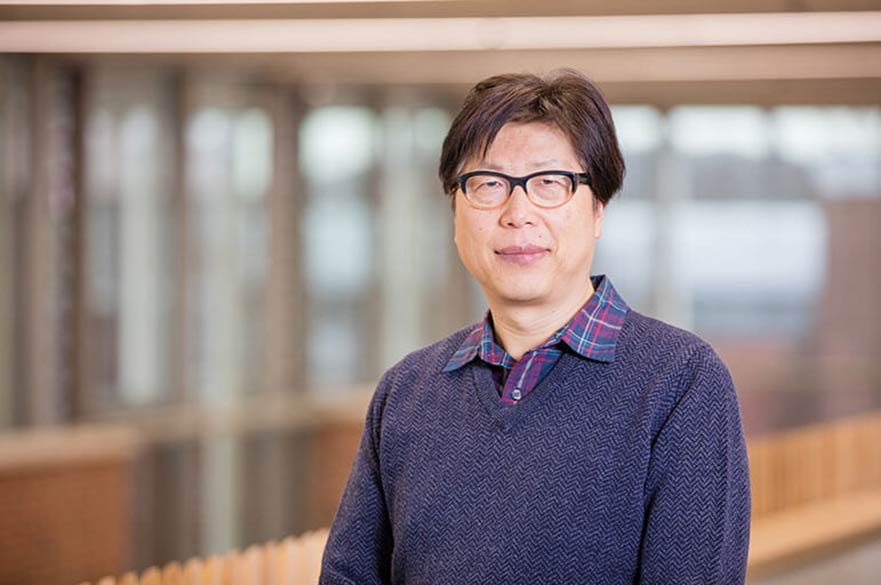
Cenk Misirli is a Professor in the Department of Mechanical Engineering at Trakya University , where he has worked since 1999. He earned his PhD in Mechanical Engineering (2006) with a thesis on gear-like part manufacturing via lateral extrusion and an MSc in Mechanical Engineering (2002) focused on extrusion-type forging processes. Academic Titles: Research Assistant (1999), Assistant Professor (2007), Associate Professor (2018), Professor (2023) His research spans tribology , metal forming , surface coating technologies , and composite materials , with notable work on HVOF-sprayed coatings , friction welding , and micro arc oxidation . Recent publications (2021-2023) examine high-temperature wear behavior in copper alloys, WC-coated brake discs, and electrical conductivity changes in multi-metallic billets. Key scientific contributions include awards like the 3rd R&D Innovation Competition (2019) and multiple TÜBITAK Publication Incentive Awards (2008-2014). He has authored over 30 peer-reviewed papers and contributed to books like Aluminium Alloys: New Trends (Intech, 2012). Projects highlight his expertise in manufacturing process optimization , such as studies on plasma electrolytic oxidation , friction welding , and computer-aided design of industrial systems.
Dr. Farshid Pahlevani is a Researcher at the University of New South Wales (UNSW), Faculty of Engineering, School of Materials Science and Engineering, and a key member of the Centre for Sustainable Materials Research and Technology (SMaRT). With an international research career spanning prestigious institutes in Japan, Singapore, and Australia, Dr. Pahlevani specializes in innovative waste management solutions and sustainable metallurgical processes. His work focuses on transforming industrial waste into valuable resources, contributing significantly to environmental sustainability and cost efficiency in manufacturing. Dr. Pahlevani's primary research interests encompass Waste Management , Metallurgical Processes , Sustainable Materials , High Temperature Processing , Resource Recovery , Green Manufacturing , and Steel Production . His groundbreaking work has led to the development of novel methods for incorporating waste materials into metals manufacturing and transforming non-metallic wastes into green materials. He has published over 100 articles in leading journals, secured 6 international patents (with 4 licensed to companies across Japan, South Korea, Thailand, and Singapore), and attracted millions of dollars in research funding. Analysis of Dr. Pahlevani's recent publications reveals a strong focus on waste-to-resource conversion technologies. His research spans multiple disciplines including materials science, metallurgy, environmental engineering, and sustainable manufacturing. Key themes include thermal transformation of carbon-rich wastes, development of novel composites from recycled materials, surface engineering for corrosion resistance, and advanced recycling techniques for plastics and textiles. His work consistently demonstrates practical applications for industrial waste streams, contributing to the circular economy and sustainable manufacturing practices. Dr. Pahlevani's scientific achievements have been recognized with numerous awards: Most innovative engineer of the year (2020) Licensing award for liquid forging technology (2013) Nominated for Sawamura and Guimaraes awards (2012) Best industrial oriented research at SIMTech, Singapore (2011) Best research at Iron and Steel Institute of Japan (2010) Hata-no award for young researcher, Tohoku University (2009) Best National project for Al casting method in Japan (2007) As a process metallurgist at UNSW's SMaRT Centre since April 2015, Dr. Pahlevani has established strong industry partnerships and secured significant research funding. His work bridges fundamental science with industrial applications, focusing on practical solutions for waste management challenges. He has successfully adapted metallurgy knowledge to achieve the transformation of various waste streams into valuable materials, demonstrating the commercial viability of sustainable manufacturing approaches. The Centre for Sustainable Materials Research and Technology (SMaRT) provides the primary research environment for Dr. Pahlevani's work. This innovative center focuses on developing new technologies for utilizing waste as a resource in the production of next-generation green materials and products. Through this platform, Dr. Pahlevani collaborates with interdisciplinary teams to advance sustainable manufacturing practices and waste transformation technologies.
Grégory Stoclet is a Lecturer at the University of Lille, affiliated with Polytech'Lille and the Materials and Transformations Unit (CNRS UMR 8207). He works within the Polymer Systems Engineering Research team, with his office located in Building C6, 1st Floor, Room 105 at the University of Lille's Scientific City campus in Villeneuve d'Ascq, France. Dr. Stoclet's research focuses on fundamental aspects of polymer behavior and characterization: Structural evolution induced by deformation in polymers Plasticity mechanisms in various polymeric systems Advanced X-ray diffraction and scattering techniques for materials analysis Structure-property relationships in biopolymers and synthetic polymers His extensive publication record demonstrates expertise in polymer characterization, particularly using X-ray techniques to investigate structural changes during deformation processes. Recent work shows increasing focus on sustainable materials including biopolymers and biodegradable composites. Dr. Stoclet actively supervises PhD students working on diverse polymer research topics, from polylactide synthesis to starch-based materials and nanocomposites. His collaborative network spans multiple research groups within the University of Lille and international partners. As part of the Materials and Transformations Unit, he has access to state-of-the-art characterization facilities including the Lille Electron Microscopy Platform (PMEL) and specialized polymer testing equipment that support his research on polymer structure and mechanical behavior.
Dr. Briac Lanfant is a Senior Research Associate and Lecturer at ZHAW School of Engineering's Institute of Product Development and Production Technologies. His expertise centers on metallic and ceramic materials processing with specialization in additive manufacturing, powder metallurgy, and injection molding. Research focus areas: Cost optimization in additive manufacturing Spark plasma sintering of nanostructured ceramics Plasma-assisted nanomaterial synthesis Human-centered digital production systems Sustainable manufacturing processes Lanfant's publications demonstrate strong materials science foundations with recent applications in industrial production optimization. His work bridges fundamental material properties research with advanced manufacturing applications. He teaches courses in additive manufacturing and industrial production, and contributes to continuing education programs including CAS Additive Fertigung. Lanfant maintains industry collaborations through projects like Fairbicycle (steel crankset development) and digitized manufacturing platforms.
Merve Erdal is an Associate Professor in the Department of Mechanical Engineering at Middle East Technical University (METU), Ankara, Turkey. She holds a B.Sc. (1989), M.Sc. (1992) from METU, and a Ph.D. (1998) from the University of Illinois. Her research focuses on transport phenomena in materials processing, composites, structural/functional ceramics, rapid prototyping, and computational fluid mechanics. She leads the Composites Lab, offering graduate research opportunities in vascularized composites, electrically conductive materials, honeycomb structures, and microstructure control in composites. Her work emphasizes advanced manufacturing techniques like selective laser sintering and resin transfer molding. Notable projects include strain monitoring systems in fiber-reinforced composites, CNT dispersion effects, and optimization of sandwich structures. Her research bridges material science with mechanical engineering, addressing challenges in composite design, process-induced defects, and material functionality. Current research topics include: 1) Controlled functionality in composites via vascularized designs, 2) Electrically conductive nanocomposites, 3) Honeycomb sandwich structure processing, and 4) Microstructure homogenization through resin flow control. She collaborates on numerical modeling of void dynamics, warpage characterization, and equivalent material models for sandwich laminates. Dr. Erdal’s publications span journals like Advanced Composite Materials , Results in Physics , and Journal of Composite Materials , reflecting her expertise in composite mechanics, material characterization, and process simulation. Open positions are available for graduate students in her lab, focusing on innovative composite applications and advanced manufacturing processes.
Maria Grazia Guerra is an Assistant Professor at the Department of Mechanics, Mathematics & Management at the Polytechnic University of Bari, Italy . Her work focuses on additive manufacturing, material extrusion processes, and optical monitoring systems for advanced manufacturing technologies. Research Interests: Maria's research spans multiple facets of additive manufacturing, including laser metal deposition, material extrusion, and sintering technologies. She investigates dimensional accuracy, defect detection, and sustainability assessment through exergetic analysis, while also exploring photogrammetry applications for micro-scale measurements and surface characterization. Publications: Maria has published extensively on topics such as layerwise monitoring in laser-powder bed fusion, surface grinding of thermoplastics, and chemical vapor treatment for polymer parts. Her work frequently addresses process optimization, geometric accuracy, and the development of novel methodologies for industrial measurement systems. Contact: Email: mariagrazia.guerra@poliba.it
Roberto Spina is a Full Professor at the Department of Mechanics, Mathematics & Management at Politecnico di Bari, Italy. His research focuses on manufacturing technology, additive manufacturing, and materials engineering. Research Interests: Manufacturing Technology and Systems (ING-IND/16) Additive Manufacturing (Material Extrusion, 3D Printing) Polymer Processing and Thermoplastic Engineering Laser Welding and Surface Treatment Multiscale Modeling and Simulation of Materials Recent Article Trends: His 2021–2025 publications span additive manufacturing of polymers, ceramics, and composites, with interdisciplinary applications in biomedical engineering and astrophysics-related neutrino experiments (possibly collaborative). Contact: roberto.spina@poliba.it | +39 080 596 3228 | Via Orabona 4, Bari, Italy.
Aleksander Czekanski is a Professor in the Department of Mechanical Engineering at York University's Lassonde School of Engineering. He serves as co-Director of the Manufacturing Technology and Entrepreneurship Centre and previously held the NSERC Chair in Design Engineering. His expertise spans Additive Manufacturing, Bioprinting, Material Characterization, and Artificial Intelligence in Engineering Education. He holds an MBA from York University's Schulich School of Business and a Ph.D. in Mechanical Engineering from the University of Toronto. Dr. Czekanski's research focuses on advanced materials, including soft and super-soft materials, topology optimization, and in-situ bioprinting. He has pioneered studies on 4D printing, fatigue analysis of natural rubbers, and microstructural evolution in additive-manufactured alloys. His work bridges computational modeling with experimental validation, addressing challenges in both industrial and biomedical applications. Received the President's University-Wide Teaching Award and Lassonde Innovation Award. Served as CSME Board Director (2014-2024) and President of the Canadian Engineering Education Association (2020-2021). Active in professional leadership roles, including Fellowships in CSME, CEEA, and the Engineering Institute of Canada. His research outputs emphasize cross-disciplinary innovation, with over 80 publications spanning material science, manufacturing processes, and engineering education. Current projects include developing smart hydrogels for 4D printing and optimizing topology for fluid-structure interaction systems.
Carol Barry is a Professor in the Department of Plastics Engineering at the University of Massachusetts Lowell . Her work spans advanced polymer processing, nanomanufacturing, and 3D printing technologies. Research Interests focus on: Plastics processing (extrusion, injection molding, novel techniques) Nanomanufacturing with polymers (nanocomposites, micro/nanostructured surfaces) 3D printing material development and process optimization Article Trends highlight advancements in polymer nanocomposites, microstructured surface fabrication, and thermal/electrical property optimization. Key subtopics include carbon nanotube dispersion, injection molding precision, RAFT polymerization methods, and sustainable bio-based plastics. Grants & Contracts include major funding from the National Science Foundation, U.S. Department of Defense, and industry partners for projects like bio-based plastics education modules, nanocomposite compounding, and tamper-proof stretch wrap development. Labs & Collaborations involve the Nanomanufacturing Center for Excellence and partnerships with researchers like James Mead and Mengwei Li , advancing industrial applications in automotive, electronics, and medical device sectors.
Dr. Heriyanto is a Microfactory engineer/researcher at the SMaRT Centre, University of New South Wales. He graduated with a PhD in Material Science and Engineering from UNSW in April 2019 and has since been working at the SMaRT Centre, focusing on innovative sustainable materials research. His educational background includes: PhD in Material Science and Engineering from University of New South Wales (2019) 3 years of PhD research experience in advanced composite materials 2 years of working experience as a technical engineer/researcher at SMaRT micro-factory Dr. Heriyanto specializes in innovating, designing, and manufacturing green ceramics composite slabs by incorporating waste materials including glass, plastics, textiles, spent coffee, waste cups, shell-based mariculture waste, stone off-cut, and wood dust. His strong innovation skills are reflected in the invention of 10+ novel composite products made from complex non-recyclable wastes. His notable achievements include first authorship of 5 publications in the Journal of Cleaner Production (Impact factor: 7.246), 2 product patents, and securing funding from the NSW physical science fund for the SMaRT Microfactorie project. His recognition includes: SMaRT Microfactorie - Australian Engineering Excellence Award (AEEA) 2020 finalist Dr. Heriyanto provides technical support and lab demonstrations to students and is proficient in a wide range of laboratory and industrial equipment including X-ray Diffractometers (XRD), Scanning Electron Microscope (SEM), Thermogravimetric analysis (TGA), injection molding, hot press, and various woodworking machinery.
Prof. Efrain Carreno-Morelli, a Swiss/Argentinian/Italian citizen born in Argentina in 1966, is a Materials Technology Professor at the University of Applied Sciences and Arts Western Switzerland (HES-SO Valais-Wallis). He leads the Powder Technology and Advanced Materials Research Group since 2011, teaching powder metallurgy, composites, and ceramic materials. With over 100 peer-reviewed publications and 5 patent applications (1 granted), he specializes in powder injection molding , additive manufacturing , and metal-ceramic composites . Metal powder processing (MIM/CIM) 3D printing (SLM/Binder Jetting) Hydrogen storage materials Biocompatible implant development His research spans from carbon nanotube composites to solvent-based 3D printing techniques (SG-3DP). He serves on editorial boards of Papers in Physics and Powder Metallurgy Progress , and participates in multiple technical committees (EuroPM, WorldPM, Powdermet-AMPM). Current projects focus on additive manufacturing of aluminum alloys (Innosuisse 35906.1 IP-ENG) and cemented carbide parts (Innosuisse 28800.1 IP-ENG). Key contributions include: Net-shape processing of shape memory alloys Development of nickel-free stainless steels for medical use Novel solvent-based 3D printing (SG-3DP)
Ignacio Merino SanchezFayos is a Lecturer at the Faculty of Design and Arts, Free University of Bozen-Bolzano, where he teaches Digital Design: 3D CAD Advanced. His academic work integrates theoretical instruction with hands-on design practice, focusing on sustainable innovation within industrial production systems. Merino's research centers on sustainable design methodologies, digital manufacturing processes, and DIY culture's role in redefining industrial production. His work through the Design Friction Lab explores the intersection of high-tech and low-tech solutions, emphasizing ethical production, material longevity, and aesthetic functionality in contemporary design. His design portfolio demonstrates consistent innovation in sustainable object creation, spanning safety equipment, modular furniture, and everyday products. These projects exhibit recurring themes of user-centered adaptation, material efficiency, and reinterpretation of traditional objects for modern urban contexts, often utilizing digital fabrication techniques like 3D printing farms. Merino's work has achieved international recognition through exhibitions at Milan Design Week, Victoria & Albert Museum, and Vitra Design Museum, showcasing how digital manufacturing can enable transparent, fast, and intricate production systems while addressing environmental concerns. His notable recognition includes: Red Dot Award 2020 for the SEVENTWENTY helmet design As co-founder of the Design Friction Lab, Merino leads initiatives like DIYR (Do It Yourself Revolution) and Sustainable Smart Parasites, which investigate how prosumer-driven practices can reshape industrial production. The lab's philosophy combines simplicity, longevity, ethics, and aesthetics to create sustainable technology-enabled systems that challenge conventional manufacturing paradigms.
Dr. Fengge Gao serves as Associate Professor in Chemistry and Forensic Science at Nottingham Trent University's School of Science & Technology, directing the Nanoscience Laboratory and acting as Chief Executive of spin-off company BfhN Technologies Ltd for commercializing antimicrobial polymer nanotechnology. His research spans six interconnected domains: Clay/polymer nanocomposites for mechanical/barrier/fire-retardant enhancement Graphite/polymer systems for smart conductive polymers Carbon nanotube fire-retardant mechanisms Nano-metal particle fire retardancy (with Russian Academy of Science) Biomimetic self-healing and stress-sensitive "pain"-feeling materials Non-leaching antimicrobial nanocomposites with superior physical properties Recent publications (2010-2024) demonstrate consistent focus on polymer nanocomposites, particularly antimicrobial surfaces and fire-retardant applications, with recurring themes in nanofiller-polymer interactions, commercial scalability, and biomimetic design principles across 15+ high-impact journals. Dr. Gao actively supervises MPhil/PhD researchers in polymer science and nanotechnology while securing major funding from EPSRC, East Midlands Development Agency, Royal Society, and industry partners including BAE Systems, Alcoa, and Hilti AG. His grant portfolio exceeds £700,000 since 2000, covering antimicrobial films, stress-sensitive biomaterials, and nanostructured electrical insulators. The Nanoscience Laboratory maintains active collaborations with Russian Academy of Science, European industry partners, and Chinese universities (Sichuan University, Dalian University of Technology), operating specialized facilities for rheology, extrusion, injection molding, and fire retardancy testing.
Alex Aning is an Associate Professor in the Department of Materials Science and Engineering at Virginia Tech's College of Engineering. His research focuses on structure-property relationships in materials, powder processing, and mechanical alloying techniques for metallic, ceramic, and polymeric materials. He has expertise in amorphous phase-strengthened composites and phase transformation studies using internal friction analysis. Educated at Morgan State University (B.S. Physics, 1976) and the University of Missouri-Rolla (Ph.D. Metallurgical Engineering, 1982), Dr. Aning has contributed to both engineering materials research and interdisciplinary education initiatives. His work bridges traditional metallurgy with modern composites, including piezoelectric materials and nanocrystal synthesis from biomass. His publications span material processing innovations, engineering education program design, and fundamental studies of material behavior. Notable contributions include developing rigorous frameworks for graduate engineering education programs and advancing high-damping metal matrix composites for industrial applications. Awards and recognition details are not explicitly listed in the provided materials. His advising record is currently unreported, though his research team likely focuses on graduate students in materials science and engineering education tracks.
Prof. Dr. Neboјša Mitrović is a Full Professor at the Department of Physics and Materials, Faculty of Technical Sciences Čačak, University of Kragujevac. His academic journey includes a BSc in Semiconductor Physics (1988), MSc in Physics and Technology of Amorphous Materials (1993), and a PhD (1999) focusing on structural transformations in amorphous magnetic materials. He has held roles from assistant to full professor since 2008. His research centers on amorphous and nanocrystalline magnetic materials, sensor physics, and applied material science. He has authored over 100 scientific/professional works, including 35 in top journals (h=7, 120+ citations). Key international collaborations include projects with institutions like IFW-Dresden, China’s Institute of Physics, and Slovak University of Technology. Awarded by the Serbian Ministry of Science (2002, 2004) and the City of Čačak (2005), he has coordinated EU-funded projects and organized international conferences like ETRAN and YUCOMAT. His work emphasizes fundamental-to-applied research, with contributions to bulk metallic glasses, soft magnetic alloys, and sensor technologies. He has advised three master’s theses and reviewed for journals like Journal of Magnetism and Magnetic Materials . Professional memberships include IEEE, Serbian Society for Materials, and ETRAN.