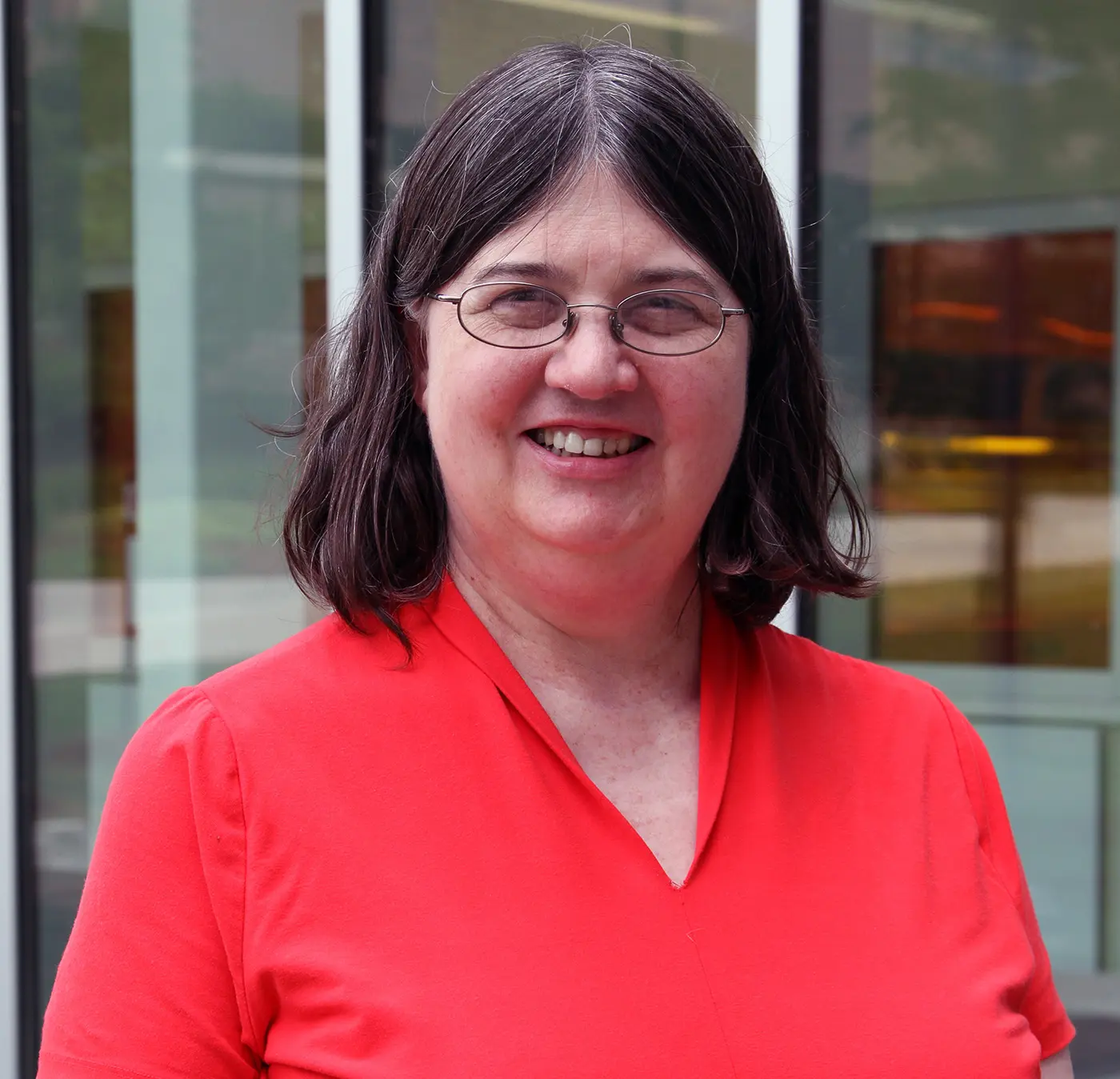
Carol Barry is a Professor in the Department of Plastics Engineering at the University of Massachusetts Lowell . Her work spans advanced polymer processing, nanomanufacturing, and 3D printing technologies. Research Interests focus on: Plastics processing (extrusion, injection molding, novel techniques) Nanomanufacturing with polymers (nanocomposites, micro/nanostructured surfaces) 3D printing material development and process optimization Article Trends highlight advancements in polymer nanocomposites, microstructured surface fabrication, and thermal/electrical property optimization. Key subtopics include carbon nanotube dispersion, injection molding precision, RAFT polymerization methods, and sustainable bio-based plastics. Grants & Contracts include major funding from the National Science Foundation, U.S. Department of Defense, and industry partners for projects like bio-based plastics education modules, nanocomposite compounding, and tamper-proof stretch wrap development. Labs & Collaborations involve the Nanomanufacturing Center for Excellence and partnerships with researchers like James Mead and Mengwei Li , advancing industrial applications in automotive, electronics, and medical device sectors.
Mats Jöesaar serves as an Adjunct Professor at Linköping University within the Department of Physics, Chemistry and Biology (IFM), actively contributing to the Nanostructured Materials (NANO) research group. His work bridges fundamental materials science with industrial machining applications through advanced coating technologies. His research portfolio centers on: Mechanical behavior of hard ceramic coatings Wear mechanisms in metal cutting processes Phase evolution under operational stress Thermal stability of nanocrystalline thin films In operando characterization techniques with particular expertise in titanium aluminum nitride (TiAlN) systems and their alloyed variants. Analysis of his 2021-2024 publications reveals consistent focus on coating performance optimization through structural modifications. Key trends include systematic investigation of alloying elements (Mo, W), nitrogen vacancy effects, and high-aluminum formulations using advanced methods like high-energy X-ray diffraction. This work addresses critical industrial challenges in tool longevity and machining efficiency. No scientific awards were documented in available sources. Student supervision activities and grant funding details were not specified in the institutional records. As a core member of the Nanostructured Materials (NANO) group, Dr. Jöesaar participates in cutting-edge research on nanoscale material synthesis and characterization, with strong industry-academia collaboration in manufacturing applications.
Ting Zhu is the Carter N. Paden, Jr. Distinguished Chair and Woodruff Professor at the Georgia Institute of Technology's Woodruff School of Mechanical Engineering. He directs the Zhu Research Group, focusing on multiscale mechanics of advanced materials. His affiliations include the George W. Woodruff School of Mechanical Engineering at Georgia Tech, where he has been a faculty member since 2005. Education: Ph.D., Massachusetts Institute of Technology (2004) Ph.D., Tsinghua University (1999) B.S., Tsinghua University (1995) Research Interests: Dr. Zhu's work explores mechanical behavior across scales—from atomic to macroscopic—in structural and energy materials. Key areas include deformation mechanisms in ultra-strength materials, additive manufacturing of alloys, electrode degradation in batteries, fracture in 2D materials, irradiation damage, hydrogen embrittlement, and multiscale modeling methods. His research integrates atomistic simulations, continuum mechanics, and experimental validation. Publication Trends: Recent articles (2023-2025) emphasize computational and experimental studies of nanoscale deformation, fracture mechanics, battery materials, and additive manufacturing. Over 80% involve in situ microscopy or multiscale modeling, reflecting a focus on real-time material behavior under stress. Awards: Young Investigator Medal, Society of Engineering Science (2014) Sia Nemat-Nasser Early Career Award, ASME (2013) Research Group & Facilities: Leads the Zhu Research Group at Georgia Tech's MRDC building, utilizing advanced computational resources and experimental setups for nanomechanical testing. Collaborates with national labs on energy material projects.
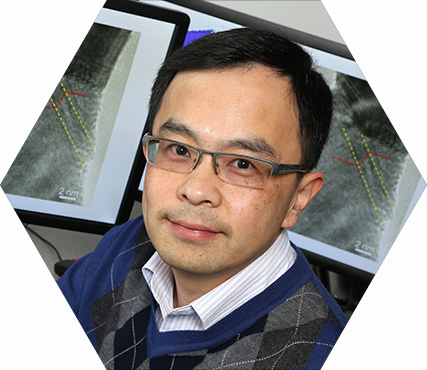
Professor Xiaozhou Liao is a distinguished academic in the School of Aerospace, Mechanical & Mechatronic Engineering at the University of Sydney, where he has been a faculty member since 2006. He is also a member of The University of Sydney Nano Institute and leads research at the Australian Centre for Microscopy and Microanalysis. With a PhD from the University of Sydney (2000), he previously held positions at Los Alamos National Laboratory (2001) and the University of Chicago (2004-2006). Professor Liao's research focuses on the atomic-scale characterization of advanced materials using cutting-edge electron microscopy techniques. His work bridges fundamental understanding of material structures with practical applications in semiconductor, automobile, and aviation industries. He has established Australia's first research group dedicated to in-situ deformation electron microscopy of advanced materials, enabling groundbreaking insights into how atomic interactions determine material properties. His recent publications (2024-2025) demonstrate a strong focus on additive manufacturing, nanocrystalline materials, ferroelectric systems, and high-entropy alloys. These works reveal trends toward increasingly sophisticated in-situ characterization techniques, multi-scale hierarchical material designs, and the exploration of novel phenomena at nanoscale interfaces. His research spans traditional metallurgy while embracing emerging fields like metal-organic frameworks and advanced ceramics. Ross Coffin Purdy Award, The American Ceramic Society, 2020 John Sanders Medal, Australian Microscopy and Microanalysis Society, 2014 Future Fellowship, Australian Research Council, 2011 Queen Elizabeth II Fellowship, Australian Research Council, 2007 Director's Funding Postdoctoral Fellowship, Los Alamos National Laboratory, 2001 Professor Liao actively supervises PhD students including Samia RAZZAQ, whose work focuses on microstructural evolutions in additively manufactured dissimilar structures. His research group collaborates extensively with international institutions and industry partners, securing significant funding from the Australian Research Council and other major funding bodies. The group maintains strong connections with facilities at Los Alamos National Laboratory and leverages advanced microscopy infrastructure at the Australian Centre for Microscopy and Microanalysis. His laboratory specializes in advanced electron microscopy techniques, particularly in-situ deformation studies that allow real-time observation of material behavior under mechanical stress. The team works closely with the Centre for Advanced Materials Technology and maintains strong collaborative ties with researchers across materials science, engineering, and physics disciplines.
Dr. Jong-Leng Liow is a Senior Lecturer at the School of Engineering and Information Technology , UNSW Canberra. His research focuses on sustainable construction materials , fluid mechanics , and microfluidic systems , with significant work on geopolymer composites and pillow-plate heat exchangers. Key Research Areas: Sustainable Masonry Units Thermohydraulic Optimization Rheology of Non-Newtonian Fluids Waste Material Valorization Recent Publications (2025-2019) demonstrate expertise in: Geopolymer Cement Development Heat Exchanger Channel Modeling Fly Ash Paste Dispersal Mechanisms Micromachining Force Analysis Multi-Phase Flow Separation Hydrocyclone Efficiency Studies His work bridges experimental and computational approaches, emphasizing environmental sustainability in material science and thermal systems.
Dr. Hongxu Wang is a Lecturer at the School of Engineering and Technology , University of New South Wales (UNSW) Canberra. His research focuses on composite materials , additive manufacturing , and impact dynamics , with applications in energy absorption structures , biomimetic engineering , and dynamic mechanical testing . Recent work includes studies on: 3D-printed fractal structures for improved energy absorption Bio-inspired designs (e.g., fish-scale composites, cornstalk-inspired structures) Dynamic response of polymer and metal composites under impact Vibration-based damage detection in composite materials Notable contributions appear in journals like Thin-Walled Structures , International Journal of Impact Engineering , and Composites Science and Technology . He serves as Guest Editor for special issues in Polymers , Biomimetics , and Frontiers in Materials , and was an Early Career Editorial Board Member for Defence Technology (2023-2025).
Shaul Hanany is a Professor in the School of Physics and Astronomy and the Minnesota Institute for Astrophysics at the University of Minnesota. His research focuses on building instruments to observe the cosmic microwave background radiation (CMB), a relic remnant from the Big Bang that provides tremendous information about the evolution of the universe. Hanany's group develops balloon-borne instruments launched to altitudes above 100,000 feet to study the CMB, with flights conducted from locations including Texas, Sweden, and Antarctica. His research interests include: Cosmic Microwave Background (CMB) radiation studies Instrumentation for millimeter-wave astronomy Sub-wavelength structure anti-reflection coatings 3D printed alumina for millimeter-wave optical elements Kinetic inductance detectors for cosmological observations OLIMPO instrument development for studying intercluster medium dynamics Professor Hanany's research spans from fundamental detector technology development to cosmological data analysis and interpretation. His recent publications reveal a strong focus on instrumentation development for CMB observations, particularly in creating advanced optical components like anti-reflection coatings and specialized detectors. The research group utilizes both hardware development and sophisticated data analysis techniques, often leveraging the facilities of the Minnesota Supercomputing Institute. Hanany has received numerous scientific honors: Land McKnight professorship Named 'Best Professor of Physics' by students (twice) George W. Taylor Award for Distinguished Teaching Morse-Alumni Distinguished University Teacher CMB measurements named by Science magazine as 'one of the ten most important breakthroughs in science' Professor Hanany has mentored numerous students throughout his career, including more than 55 undergraduate and high school students, approximately 20 graduate students, and several postdoctoral researchers. His group welcomes students with varying levels of expertise, typically requiring no prior experience. He has also been involved in curriculum development, particularly in integrating computational methods throughout the physics major degree.
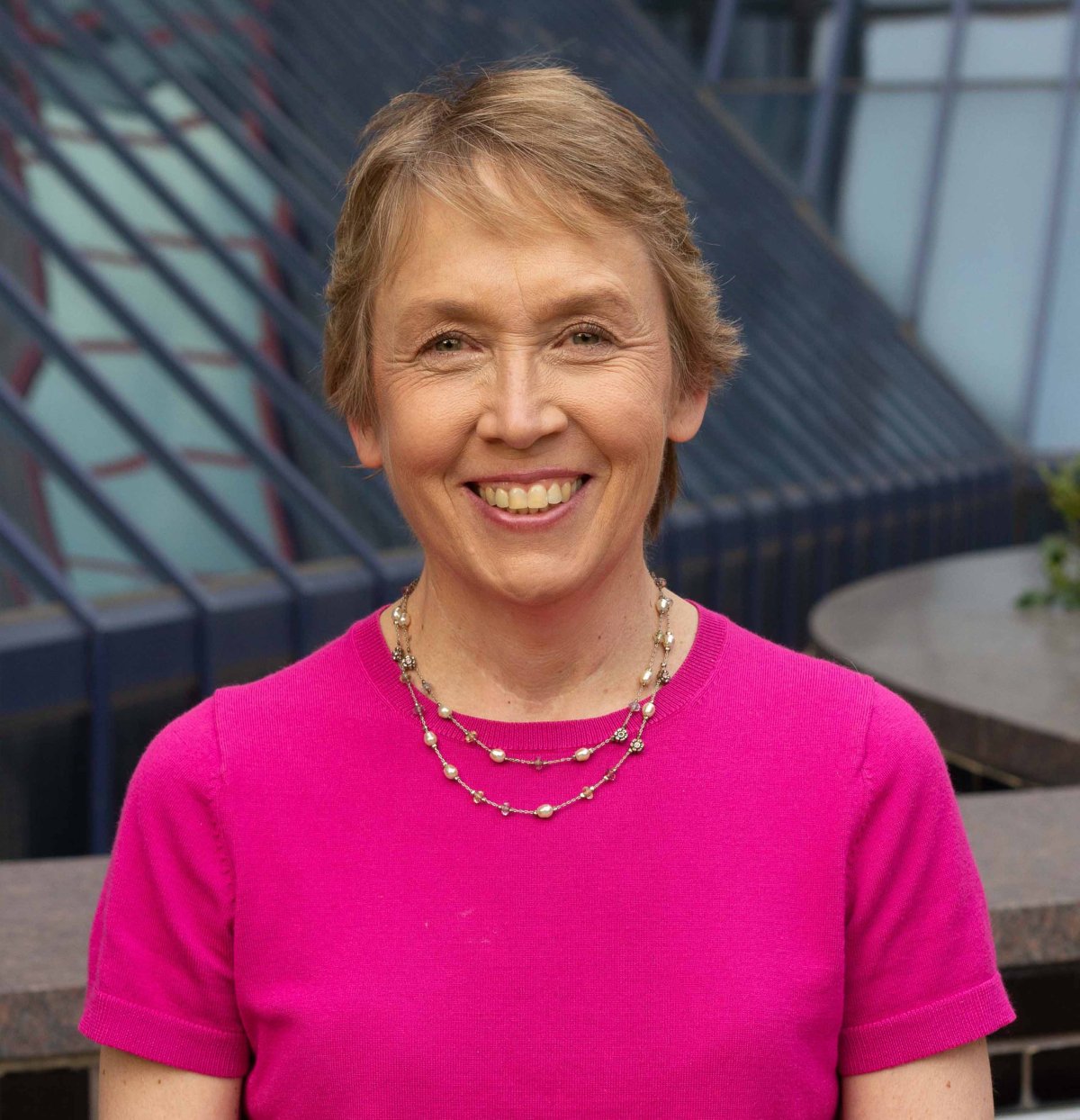
Lorraine Francis is a Distinguished Professor in the Department of Chemical Engineering and Materials Science at the University of Minnesota's College of Science and Engineering. Her research focuses on the materials science and processing of coatings, ceramics, and composites, with emphasis on processing and microstructure control. She leads the Coating Process Fundamentals Program of IPRIME (Industrial Partnership for Research in Interfacial and Materials Engineering) and is principal investigator for the SCALE (Self-Aligned Capillarity Assisted Lithography for Electronics) research initiative. Professor Francis's research interests span multiple areas of materials processing. Her primary focus is on coating and printing processes, which are fundamental to numerous products including adhesive tapes, magnetic storage media, and flexible electronics. She investigates processing and microstructure development of coatings prepared by liquid deposition followed by drying or curing. A significant research thrust involves printed electronics, where her group has developed innovative approaches for roll-to-roll manufacturing of electronic circuits from functional liquid inks. Additional research areas include liquid-based 3D printing, block copolymer modified epoxy composites, and ceramic/polymer composite materials. Her work frequently explores the connections between structure and properties in materials systems. Analysis of Professor Francis's recent publications reveals strong trends in capillary flow phenomena, microstructure control in coatings, and printed electronics manufacturing. Her research demonstrates increasing integration of fundamental fluid mechanics with practical manufacturing challenges, particularly in roll-to-roll processes. The SCALE technology developed by her group represents a significant innovation that combines UV imprinting and inkjet printing to enable high-resolution, multilayer electronics on flexible webs. Her work consistently bridges fundamental scientific understanding with industrial applications through collaborations with IPRIME industry partners. Professor Francis has mentored numerous graduate students and postdoctoral researchers, with recent advisees including Matt Hausladen, Annie Moorhead, and Jonathan Nyugen. Her research is supported through collaborations with industry partners via IPRIME and through grants from NSF and other funding agencies. She regularly presents her research findings at international conferences, including the International Coating Science and Technology Symposium. Professor Francis leads the Francis Research Group, which maintains strong collaborations with other faculty including Professors Dan Frisbie, Frank Bates, Uwe Kortshagen, Xiang Cheng, and Satish Kumar. The group's facilities support research in coating process fundamentals, printed electronics, and materials characterization. Current research directions include advancing SCALE technology for printed electronics manufacturing, exploring fundamental aspects of capillary flow, and developing novel composite materials with tailored properties.
Laurent Gallais is a Full Professor at Centrale Marseille and leads the PICSEL deepening option in laser engineering. His research at the Institut Fresnel focuses on high-power laser-materials interactions , particularly laser damage of optical components , laser processing , and thermal stress analysis for nuclear applications. He has supervised doctoral students like Carlos Cifuentes and Maxime Lemetais. Research Expertise: Laser damage thresholds, optical coatings, nuclear ceramics, and photonic metasurfaces Key Techniques: Lock-in thermography, Z-scan measurements, finite element thermal modeling Recent publications analyze CO2 laser silica microablation , sub-picosecond UV laser contamination , and tungsten recrystallization under extreme heat . His work spans industrial laser applications, nuclear fuel studies, and advanced optical metrology. Collaborations include institutions like ITER and Lawrence Livermore National Laboratory .
Dr. Samane Maroufi is a Lecturer at the School of Materials Science and Engineering, University of New South Wales (UNSW), Sydney, Australia, where she has held positions since 2015. Her current role as EF-Lecturer (2020-Present) follows prior appointments as Lecturer (2018-2020) and Research Associate at the SMaRT Centre. She completed her PhD in Materials Science and Engineering at UNSW (2012-2015) with research stints at CSIRO Melbourne. Her interdisciplinary research focuses on: Sustainable metallurgical processes and iron-steel making Waste recycling technologies for resource recovery Development of green materials from industrial/electronic waste Synthesis of functional nanomaterials for energy storage applications She has pioneered two postgraduate courses: MATS6006 (Recycling of Waste) and MATS6007 (Sustainable Materials Engineering), implementing innovative pedagogy. Her recent publications demonstrate strong emphasis on: Advanced recycling techniques for batteries and e-waste Nanomaterial synthesis from waste streams Electrochemical energy storage systems Sustainable metallurgy and circular economy solutions Awards: Fellow of the Higher Education Academy (FHEA, 2021) Research Funding: ARC Industrial Transformation Hub: Microrecycling of battery/consumer wastes ($3.3M, CI) NSW Research Attraction Program: Microrecycling ($100K) AMGC C240 Project: Polymer injection technology ($750K) Faculty grants for battery cathode materials and equipment She leads research at UNSW's Centre for Sustainable Materials Research and Technology (SMaRT Centre), developing waste transformation technologies with industrial applications.
Dr. Xuebin Yang is an Associate Professor in Stem Cell Therapy and Tissue Engineering at the University of Leeds School of Dentistry, Faculty of Medicine and Health. He serves as the Deputy Pro Dean: International for the Faculty of Medicine and Health and the School Internationalisation Lead for the School of Dentistry. Dr. Yang also holds honorary/visiting professor positions at Nanjing University, Henan University of Science and Technology, Polytechnic Institute of Leiria, and Tokyo Women's Medical University. Dr. Yang received his first degree in medicine from Luoyang Institute of Science and Technology (formerly Luoyang University) in 1984 and an MSc degree in hand surgery from Fudan University (formerly Shanghai Medical University) in 1992. After obtaining a PhD in tissue engineering from the University of Southampton in 2002, he was appointed to a University Research Fellowship at the University of Leeds School of Dentistry in 2004. His research focuses on using human mesenchymal stem cells (from bone marrow, dental pulp, periodontal ligament and adipose tissue) and biomaterials scaffolds (PLA/PLGA, silk, BioGlass, glass ceramics, 3D printed scaffolds, hydrogel) for skeletal tissue engineering (bone, cartilage, osteochondral, dental pulp, dentine, periodontal tissues) both in vitro and in vivo. In collaboration with biologists and material scientists, he works on using signaling pathways, genetic and epigenetic approaches for controlling stem cell functionality and developing biomimetic, functional scaffolds for tissue engineering applications. Analysis of Dr. Yang's recent publications reveals a strong focus on epigenetic regulation of stem cells for bone regeneration, with particular emphasis on the HDAC inhibitor MI192. His work spans biomaterial development (particularly silk-based scaffolds), vascularization of engineered tissues, and innovative approaches to dental and skeletal tissue engineering. The publications demonstrate a progression from fundamental stem cell biology to increasingly translational research with clinical applications. University Research Fellowship at the University of Leeds School of Dentistry (2004) Head of Tissue Engineering Research (2005) Principal Research Fellow (2006) Treasurer/Trustee of British Orthopaedic Research Society Committee Member of regional/national/international panels Chair for prestigious conferences (BORS, TERMIS WC/AP/EU) Dr. Yang has supervised 12 Masters students, 23 PhD students (including co-supervising students at King's College London, Imperial College London and University of York), and 11 Postdoctoral or visiting Fellows in stem cell therapy and skeletal tissue engineering. He has secured significant research funding from organizations including The Royal Society, Bone Cancer Research Trust, The British Council, Welcome Trust, and EU FP7. His current research involves multiple international consortia with partners in the USA, Australia, New Zealand, Japan, China, Korea, India, and EU countries, as well as strong collaborations with industry partners in the UK, USA, Israel, and China. Dr. Yang leads the Tissue Engineering initiative at the School of Dentistry and is actively involved in large research programmes including WELMEC, DTC, CDT, LMBRU, Regener8, and IKC. His laboratory focuses on developing innovative approaches to skeletal tissue engineering using biomimetic scaffolds and epigenetically-modulated stem cells.
Joseph Beaman is a Professor in the Department of Mechanical Engineering at The University of Texas at Austin, holding the Cockrell Family Dean's Chair in Engineering Excellence. With a career spanning over four decades, he has pioneered research in advanced manufacturing, particularly in Solid Freeform Fabrication and Selective Laser Sintering (SLS). His work has revolutionized rapid prototyping and manufacturing, enabling complex geometries across industries like medical and automotive. Education: B.S.M.E. with high honors, The University of Texas at Austin (1972) Sc.D., Massachusetts Institute of Technology (nonlinear control) Beaman's research focuses on manufacturing technologies, control systems, and materials processing. His innovations include thermal control, mold-making techniques, and direct metal fabrication. He co-founded DTM Corporation (now 3D Systems), commercializing SLS technology globally. Recent publications highlight his contributions to fuel cell modeling, superalloy remelting, and ceramic infiltration. Scientific Awards & Honors: NSF Presidential Young Investigator Award (1984) Distinguished Mechanical Engineer (2011) Faculty Excellence Award (UT Austin) DuPont Young Faculty Award Best Paper Awards in Dynamic Systems, Rapid Prototyping, and Vacuum Metallurgy Fellow of ASME He actively mentors graduate students and collaborates with industry partners, while serving on technical committees like the TCOB Committee on Technology Policy. His work continues to shape additive manufacturing and control theory advancements.
Dr. Garam Kim is an Assistant Professor in the School of Aviation and Transportation Technology at Purdue University, where he also earned his BS, MS, and PhD degrees. He serves as Director of the Reisbeck Advanced Composite Laboratory (RACL) and Assistant Director of Manufacturing at the Composites Manufacturing and Simulation Center (CMSC). With FAA Airframe & Powerplant certification and prior experience as an aircraft maintenance technician in the Republic of Korea Air Force, his research bridges academia and industry. Education: PhD in Technology, Purdue University (2021) MS in Aviation and Aerospace Management, Purdue University BS in Aeronautical Engineering Technology, Purdue University His research program focuses on advanced composite technologies with emphasis on additive manufacturing, sustainable materials processing, and aerospace applications. Key areas include: Development of 3D-printed composite tooling and molds with enhanced surface characteristics Recycling/upcycling methodologies for fiber-reinforced thermoset composites Optimization of composites machining processes including waterjet cutting Multi-functional composites for aerospace structural applications Characterization of fluid degradation effects on composite materials Current projects explore stretchable elastomer composites, thermoplastic stamp forming, and ultrasonic welding optimization. Dr. Kim's publication record demonstrates consistent focus on composite manufacturing innovations, with recent work emphasizing sustainable material reuse (2023-2024) and foundational research in additive manufacturing tooling (2019-2021). His articles frequently appear in leading materials science and composites journals including Additive Manufacturing , Composite Structures , and Composites Part B . Awards & Honors: 2023-2024 Outstanding Faculty in Discovery (SATT) Best Paper Awards at SPE ACCE (2022, 2023), SAMPE (2023), ICCM (2019) CAMX/ACE Award Finalist (2023) He actively recruits PhD students for composites research and collaborates with aircraft industry partners on sponsored R&D projects. As co-director of the Composites Additive Manufacturing and Simulation Consortium, he leads initiatives bridging academic research with industrial applications in aerospace composites.
Ronald Sterkenburg is a Professor at Purdue University's Purdue Polytechnic, where he has taught in the Aeronautical Engineering Technology program since 1999. His research focuses on composite materials, additive manufacturing, and aircraft structural repair. He holds FAA certifications including Airframe & Powerplant (A&P) and Inspection Authorization (IA). Research Interests: Aircraft composite structures design and repair 3D printing and additive manufacturing of composites CNC machining for aerospace applications Effects of aviation fluids on material performance Recycled carbon fiber technologies His publications emphasize experimental approaches to improving composite manufacturing, with recurring themes of 3D printing optimization, fluid resistance testing, and sustainable material reuse. Recent work demonstrates strong focus on aerospace-grade composite tooling and environmental durability. Laboratory Affiliation: Raisbeck Advanced Composite Laboratory at Purdue
Leiming Gao is a Senior Lecturer in the Department of Engineering within the School of Science of Technology at Nottingham Trent University (NTU), a position she has held since May 2019. Her academic role includes module leadership for Industrial Design and Product Case Studies and coordination of Department of Engineering Open Days, contributing significantly to educational outreach and curriculum development. Dr Gao's educational trajectory features a PhD in Biotribology from the University of Leeds (2005-2010), followed by a postdoctoral researcher position at the same institution (2010-2013). She then secured a prestigious Junior Research Fellowship at Imperial College London (2013-2018) before transitioning to her current senior academic position at NTU. Her research program centers on computational biotribology with direct applications to orthopedic implant longevity and performance. Key focus areas include elastohydrodynamic lubrication simulation for joint replacements, numerical wear prediction of hip/knee implants during physiological activities, musculoskeletal force analysis, and surface texturing optimization for friction reduction. This work bridges fundamental tribological principles with clinical biomechanics through advanced numerical modeling techniques. Analysis of Dr Gao's publication record reveals consistent specialization in joint replacement biotribology since 2014, with increasing emphasis on transient lubrication phenomena, novel bearing materials (including ceramic-on-ceramic and polymer composites), and multiscale modeling approaches. Her recent work (2023-2025) demonstrates expanding research scope into biomaterials development, spinal biomechanics, and medical device innovation while maintaining core expertise in computational implant analysis. Professional recognition includes: Imperial College Research Fellowship (2015-2018) Fellow of the Higher Education Academy (FHEA) (2018-present) IMechE Chartered Engineer status (2019-present) Guest Editor for Lubricants Special Issue 'Modelling in Tribology and Biotribology' (2022) Her research program is sustained through major funding from EPSRC, Leverhulme Trust, European 7th Framework Programme, NIHR i4i, and UK Defence and Security Accelerator. Dr Gao actively disseminates findings through invited international presentations including the Sino-European Youth Forum on Tribology (Beijing, 2022) and University of East Anglia (2021), while maintaining collaborative networks across UK and European institutions. Dr Gao operates within NTU's engineering research ecosystem, contributing to the university's strategic focus on applied biomechanics and medical technology innovation through her computational expertise and industry-relevant research on orthopedic implant performance.