Swetlana Tornoمشاهده پروفایل
پژوهشگر ارشد
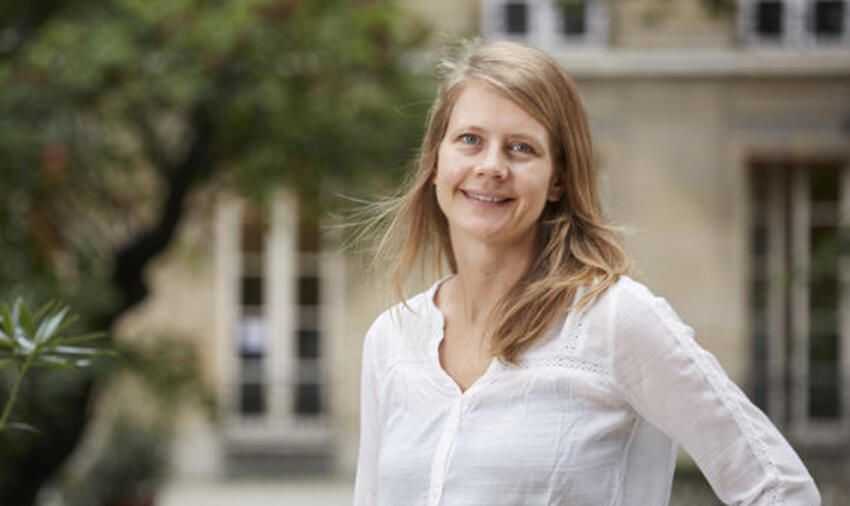
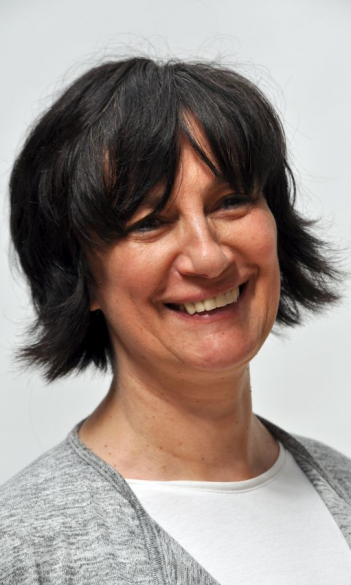
Dr. Swetlana Torno is a postdoctoral research fellow at the Max Planck Research Group 'Ageing in a Time of Mobility' at the Max Planck Institute for the Study of Multicultural Societies (MPI-MMG) in Göttingen, Germany. She earned her doctoral degree in Social Anthropology from Heidelberg University after studying Anthropology, Geography and Biology at the Universities of Tübingen and McGill. Prior to her current position, she was an associated member of the Heidelberg Centre for Transcultural Studies and held a doctoral scholarship at the Cluster of Excellence 'Asia and Europe in Global Context'. Dr. Torno's research focuses on ageing, mobility, intergenerational relations, care, and gender in Central Asia, with extensive ethnographic fieldwork in Tajikistan. Her work reveals how care norms shape women's life courses and mobility patterns across different life stages in Tajik society, where conservative gender roles significantly influence freedom of movement. Her current postdoctoral project investigates how mass labor migration to Russia impacts elderly mobility and care arrangements, documenting gendered differences in how older men struggle with retirement transitions while older women often experience increased freedom as caregiving responsibilities evolve. Analysis of her publications shows consistent focus on Central Asian ageing contexts with particular attention to Tajikistan's family-based care systems. Her work demonstrates how remittances from labor migration shape household economies and care practices, while new technologies like smartphones help maintain family connections across distances. Despite limited state support systems (only eight nursing homes serving approximately 1,020 people nationwide in 2016), her research reveals the resilience of extended family structures in providing care while adapting to migration pressures. Dr. Torno's scholarly contributions include significant publications in Historical Social Research, Journal of Eurasian Studies, and Problems of Post-Communism, with her forthcoming book manuscript 'Aspirations, Obligations, Linked Lives: Care and Women's Life Courses in Tajikistan' representing a major contribution to the field. Her research combines long-term ethnography with attention to how Soviet legacies continue to shape contemporary social practices, particularly regarding political discourse on women that she characterizes as 'Tajik in Content—Soviet in Form'. As an engaged scholar, Dr. Torno contributes to public discourse through interviews like her 2025 NAR seminar participation and blog posts reflecting on ageing in rural Tajikistan. Her work challenges simplistic narratives about family breakdown under migration pressures, instead documenting how families creatively adapt care practices while maintaining core values of respect for elders—a principle reinforced by both social pressure and religious obligations in Tajik society.