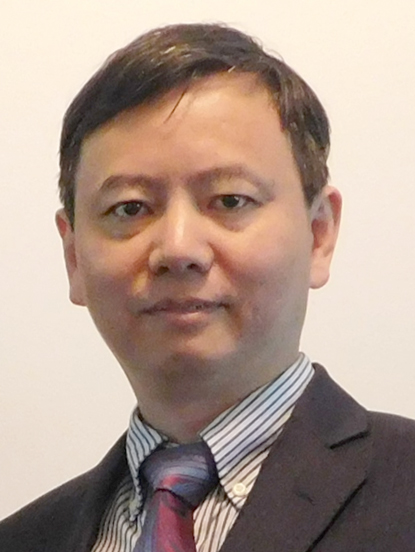
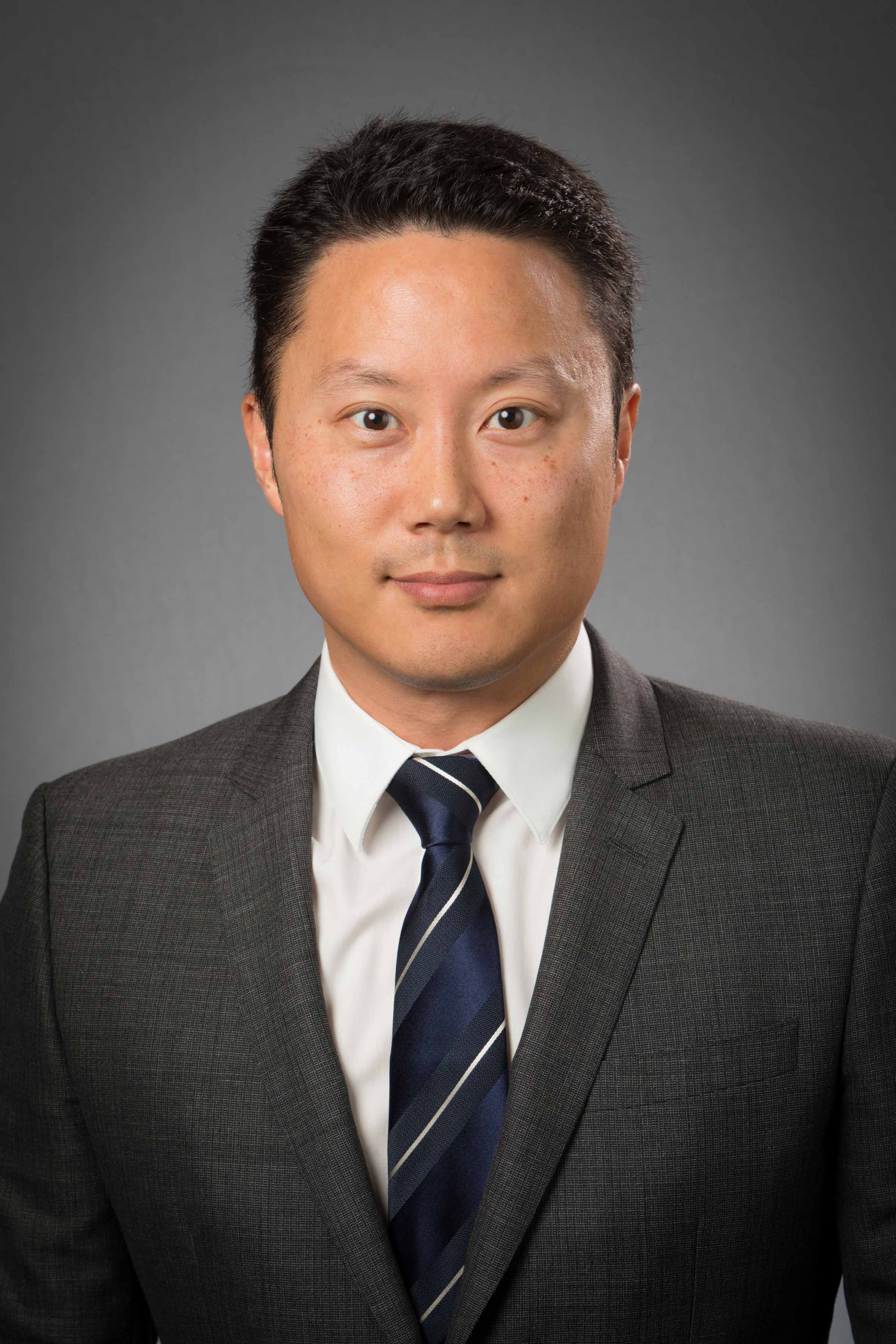
Professor Sungheon Gene Kim holds a faculty position at the Weill Cornell Medicine Graduate School of Medical Sciences within the Department of Radiology . His research focuses on quantitative MRI methodology for oncological applications , particularly in breast cancer and head and neck cancer . Kim's lab develops advanced dynamic contrast-enhanced MRI (DCE-MRI) and diffusion MRI (dMRI) techniques to assess tumor microenvironment and treatment response . Key research areas include: Tumor vascular properties via 3D UTE-GRASP MRI Cellular microstructural analysis through POMACE framework Adipose-tissue cancer interaction via MR spectroscopic imaging His lab has received continuous funding from the National Cancer Institute (R01CA219964, UG3/UH3CA228699, R01CA160620). Recent publications demonstrate technical advancements in ultrafast MRI reconstruction , deep learning-enhanced perfusion analysis , and multi-parametric tumor characterization . Collaborations with the National Institutes of Health Quantitative Imaging Network have produced novel cellular water exchange rate measurements that correlate with patient survival outcomes .
Vaishnav Krishnan, M.D., Ph.D., is an Associate Professor at Baylor College of Medicine with joint appointments in the Department of Neurology, Neuroscience, and Psychiatry and Behavioral Sciences . He also holds an Adjunct Associate Professor position in Electrical and Computer Engineering at Rice University. As a physician-scientist, he leads the Laboratory of Epilepsy and Emotional Behavior , focusing on the neurobiological mechanisms linking epilepsy to psychiatric comorbidities. Education: BS in Neuroscience and Chemistry, New York University (2003) MD-PhD in Behavioral Neuroscience and Molecular Neuroplasticity, UT Southwestern Medical Scientist Training Program (2010) Internship and Residency in Internal Medicine and Adult Neurology, Parkland Memorial Hospital (2011) and Beth Israel Deaconess Medical Center (2014) Postdoctoral Fellowship in Seizures and Autism-Related Behavior, Beth Israel Deaconess Medical Center (2016) His research employs genetically valid mouse models and home-cage behavioral monitoring to study interictal behavioral derangements, using EEG and wearable devices to translate findings to humans. His work has been supported by grants from NINDS , the American Epilepsy Society , Gulf Coast Center for Precision Health , and the Mike Hogg Fund . He has received awards such as the NINDS K08 Career Development Award and American Epilepsy Society Fellow . The Krishnan Lab has published extensively on epilepsy spectrum disorders , circadian and ultradian rhythms , and seizure prediction algorithms , with recent studies in Journal of Comparative Neurology , Brain Communications , and Epilepsia . He collaborates with epilepsy-focused labs, including those of Dr. Jeffrey Noebels and Dr. Berge Minassian. Scientific Awards and Recognitions: Outstanding Resident Teaching Award (Harvard Medical School, 2013) NINDS R25 Award (2014-2015) Clinical Research Training Fellowship in Epilepsy (American Academy of Neurology, 2016-2018) Mentored Clinical Scientist Research Career Development Award K08 (NINDS, 2019-2024) Junior Investigator Award (American Epilepsy Society, 2020-2021) Mike Hogg Fund Award (2021-2022) Gulf Coast Center for Precision Health Pilot Award (2022-2023) Fellow of the American Epilepsy Society (2022) Lab Members and Trainees: The lab includes current researchers like Medical Students Vanuli Arya and Anna Norman , Research Technician Saifina Karedia , and Postdoctoral Associate Arindam Mazumder . Former trainees include Paarth Kapadia (MD, BCM 2023) and Anney Tuo (Rice B.S., now in medical school), among others pursuing careers in medicine, research, and engineering.
Kevin T. Vaughan is an Associate Professor in the Department of Biological Sciences at the University of Notre Dame, with a research focus on the cell biology of cancer and neurodegenerative diseases. He is a member of the Harper Cancer Research Institute and conducts mechanistic studies on mitosis, organelle transport, and cholesterol trafficking. Research Interests: Cell Biology of human diseases Mitosis and cell cycle regulation Neurodegeneration, particularly Niemann-Pick Type C disease Cancer therapeutics and combinatorial drug treatments Cholesterol transport mechanisms Cytoplasmic dynein function in cellular dynamics His research employs mass spectrometry and animal models to investigate novel regulatory pathways in mitosis and to develop new therapies for pancreatic and breast cancer. The lab has discovered a new cholesterol transport pathway disrupted in NPC disease and is exploring potential corrective strategies. Recent Research Trends: Dr. Vaughan's recent publications emphasize the role of cytoplasmic dynein in mitotic processes, kinetochore dynamics, and organelle transport. His work bridges fundamental cell biology with translational applications in cancer and rare genetic disorders. Key themes include motor protein regulation, mitotic spindle assembly, and intracellular trafficking defects in disease. Scientific Affiliations: Member, Harper Cancer Research Institute Faculty, College of Science, University of Notre Dame Advising and Research Support: As a principal investigator, Dr. Vaughan leads a research laboratory focused on cellular mechanisms of disease. He collaborates on interdisciplinary projects related to cancer therapeutics and neurodegeneration. His lab receives institutional support through the University of Notre Dame and the Harper Cancer Research Institute, enabling studies in both basic and applied biomedical research. Laboratory and Team: The Vaughan Laboratory is based in the Galvin Life Science Center and conducts research on mitotic regulation and cholesterol transport. The team utilizes biochemical, cellular, and imaging approaches to study disease mechanisms and test novel therapeutic strategies in model systems.
Réka Szabó is an Assistant Professor at the Bernoulli Institute for Mathematics, Computer Science and Artificial Intelligence, University of Groningen, Netherlands, since October 2022. Her academic trajectory includes a postdoctoral fellowship at Université Paris-Dauphine (2019–2022) and a Ph.D. in Mathematics (2015–2019) at the University of Groningen under Daniel Valesin. Education: B.Sc. in Mathematics, Budapest University of Technology and Economics (2008–2011) M.Sc. in Applied Mathematics, Budapest University of Technology and Economics (2011–2015) M.Sc. in Computer Science, University of Trento and Eötvös Lóránd University (2012–2014) Ph.D. in Mathematics, University of Groningen (2015–2019) Réka’s research focuses on Interacting Particle Systems and Percolation Theory , with significant contributions to understanding phase transitions, critical behavior, and stochastic dynamics in models like the Contact Process, Oriented Percolation, and Bootstrap Percolation. Her work combines rigorous mathematical analysis with applications to statistical physics and complex networks. She is actively involved in academic service, including organizing the Workshop On Randomness and Discrete Structures (WORDS 2025) and co-organizing the Probability and Statistics Seminar in Groningen. Réka teaches advanced courses such as Stochastic Processes, Interacting Particle Systems, and Mathematics and its Environment.
Dr. Zhengqing Hu is a tenured, full-time Professor in the Department of Otolaryngology – Head and Neck Surgery at Wayne State University School of Medicine. He holds joint appointments in the Department of Physiology/Cell Biology and has active research programs in stem cell-based hearing restoration. Dr. Hu's academic journey includes dual MD and PhD training in China, a second PhD at Karolinska Institute, Sweden, and postdoctoral work at the University of Virginia. Education : MD from Shanghai Medical University, PhD in neurotology from China, second PhD in cell replacement therapy at Karolinska Institute Grants : NIH R01, DoD grants, VA SPiRE, and Wayne State OVPR funding His research focuses on auditory synapse regeneration , epigenetic reprogramming for hair cell repair, and development of biological hearing restoration models . The Hu lab employs stem cell biology, in vitro and in vivo transplantation, advanced microscopy, and electrophysiology to investigate inner ear progenitor cell differentiation and neural integration. Recent publications highlight DNA demethylation strategies for hair cell regeneration and auditory neuron synaptogenesis. Dr. Hu serves on multiple NIH, VA, and international grant review panels. He teaches graduate courses in Stem Cell Biology , Molecular Physiology , and Cell Biology at Wayne State University, including directing the Embryonic Stem Cell Biology course. His lab's work aims to establish a Biological-EAR model for future hearing loss treatments.
Dimitrios (Dimitris) Anastasiou is a Senior Group Leader at The Francis Crick Institute in London, UK, specializing in cancer metabolism research. Previously, he served as a Group Leader at the Medical Research Council National Institute for Medical Research (NIMR) starting in 2012 before transitioning to the Crick Institute in 2015. His research career includes postdoctoral work and an Instructor position at Beth Israel Deaconess Medical Center and the Department of Systems Biology, Harvard Medical School under Lewis Cantley, where he focused on metabolic reprogramming in cancer. University College London, UK - BSc Molecular Biology (2001) University of Basel, Basel, Switzerland - PhD in Biochemistry (2006) Anastasiou's research centers on understanding how cancer cells generate energy and utilize nutrients differently from normal cells. His laboratory conducts detailed analyses of metabolic pathways in cancer, investigating how tumor cells rewire their metabolism to support rapid growth and evade the body's defenses. His work spans biochemistry, proteomics, computational systems biology, human physiology, and tumor biology, with particular emphasis on identifying metabolic vulnerabilities that could be targeted for cancer therapy. His innovative approaches include developing chemical 'sensors' to monitor metabolic changes in cancer cells over time as tumors develop. Analysis of his recent publications reveals a consistent focus on metabolic regulation in cancer, particularly regarding glycolysis, hypoxia response, amino acid metabolism, and nucleotide biosynthesis. His work frequently examines enzyme regulation (particularly PKM2), metabolic adaptation to environmental stressors, and the intersection between metabolism and signaling pathways. A notable trend is his exploration of how metabolic enzymes function beyond their traditional roles, influencing cellular signaling and gene expression in cancer contexts. Anastasiou has made significant contributions to understanding metabolic reprogramming in cancer, particularly regarding pyruvate kinase M2 regulation, hypoxia responses, and nutrient utilization in tumor microenvironments. His work bridges basic biochemical mechanisms with potential therapeutic applications, focusing on identifying metabolic vulnerabilities in cancer cells that could be exploited for treatment. As a Senior Group Leader at the Crick Institute, Anastasiou leads a research group investigating how metabolism contributes to disease, particularly cancer. His laboratory utilizes a range of techniques including metabolomics, bioinformatics, structural biology, and high-throughput screening to study metabolic pathways. The group's work aims to identify fundamental differences between metabolic pathways in tumors and healthy tissue to discover new therapeutic targets against cancer.
Dr. Gary K. Owens is a Professor in the Department of Molecular Physiology and Biological Physics at the University of Virginia , with a secondary appointment in the Department of Medicine, Division of Cardiology. He serves as Director of the Robert M. Berne Cardiovascular Research Center and leads groundbreaking research on vascular smooth muscle cell (SMC) dynamics in atherosclerosis. His work challenges conventional paradigms about SMC roles in plaque stability and thromboembolic events. Primary Affiliation: University of Virginia Key Titles: Robert M. Beirne Professor of Cardiovascular Research, Professor, Director of CVRC Research Themes include: Cardiovascular Biology Atherosclerosis Pathogenesis Smooth Muscle Cell Plasticity Epigenetic Regulation Inflammatory Signaling Tumor Metastasis Mechanisms Publication Trends (2015–2024) reveal expertise in Nature Medicine and Circulation studies, focusing on SMC gene regulation (Klf4/Oct4), plaque stability, and cross-talk between vascular cells and tumors. His work demonstrates that SMCs account for >80% of advanced lesion cells and that Klf4 inhibition reduces metastasis by >70%. Lab Leadership includes mentoring PhD students Anita Salamon and Victoria Milosek , alongside senior scientists and postdocs. Collaborations span with Dr. Gwen Randolph (Washington University) and Dr. Rosey Kaplan (NIH) on IL1β signaling and metastasis.
Dr. Ramsey Faragher is a Senior Research Associate at the Computer Laboratory , University of Cambridge, and a Bye-Fellow at Queens' College. His work focuses on infrastructure-free indoor positioning systems, sensor fusion, and improvements to smartphone sensing capabilities. Academic Affiliation : University of Cambridge (Computer Laboratory) Professional Roles : Bye-Fellow at Queens' College, Senior Research Associate His research spans multiple disciplines within computer science and engineering, emphasizing innovative navigation solutions and signal processing techniques. Key areas include GNSS robustness, wireless security, and machine learning applications for positioning systems. Recent publications highlight advancements in supercorrelation for automotive GNSS, sensor data calibration, and motion-compensated signal processing. Articles frequently address challenges such as spoofing mitigation, urban navigation, and infrastructure-free localization. Scientific Recognition Fellow of the Royal Institute of Navigation Chartered Physicist (CPhys)
Luigi Bruno is an Associate Professor of Machine Design at the Department of Mechanical, Energy and Management Engineering (DIMEG), University of Calabria. He has held this position since 2014, following 12 years as an Assistant Professor at the same institution and Visiting Professorships at IIT Gandhinagar (2012), University of Alabama at Birmingham (2013-2017), and Free University of Bozen-Bolzano (2021). 1999 : Master's in Mechanical Engineering, University of Calabria (110/110 cum laude) 2003 : PhD in Mechanical Engineering, University of Pisa His research interests span: Experimental Mechanics : Pioneering speckle interferometry for micro-displacement measurement and residual stress analysis. Materials Science : Elastic characterization of anisotropic materials, biomedical applications of soft substrates, and 3D-printed composites. Biomedical Engineering : Mechanical behavior of biological tissues, ocular biomechanics, and dental implant material testing. Recent research trends focus on: Integrating artificial muscles into rehabilitation devices Advancing full-field optical measurement via microCT/DVC Optimizing 3D printed polymer adhesion for industrial components Exploring neuronal biomechanics on soft surfaces Scientific contributions include: CS2007A00010 patent for dual-focus speckle interferometers Deputy Editor of Optics and Lasers in Engineering (2019-present) Guest Editor for special issues on optical methods in experimental mechanics and nanobiotechnology Academic leadership extends to coordinating Mechanical Engineering committees (2021-present), serving on editorial boards, and organizing international conferences like AIAS National Conference (2018). He has secured multiple MIUR research grants and industry collaborations with Alfagomma, 3DNA, and Ferrovie della Calabria. His laboratory, Mechanics of Materials and Structures , supports both research and teaching activities with advanced optical measurement systems and computational tools for mechanical design.
Prof. Alessandra Moretti is a Professor of Regenerative Medicine of Cardiovascular Diseases at the Technical University of Munich (TUM), School of Medicine and Health. She leads research in stem cell biology and cardiovascular development, with a focus on regenerative therapeutic approaches for heart diseases. Her educational background includes a degree in Chemistry and Pharmacy from the University of Padua, Italy, where she earned her doctorate in 1997. She completed four years of postdoctoral research at the University of California, San Diego, and Harvard Medical School's Massachusetts General Hospital. Prof. Moretti's research centers on cardiovascular progenitor cells, cellular plasticity, and human induced pluripotent stem cells for modeling cardiovascular diseases. Her work bridges fundamental developmental biology and clinical applications, targeting cardiac cell specification mechanisms and novel treatments for heart failure and muscular dystrophies through regenerative approaches. Her publication trajectory shows progression from foundational discoveries in cardiac progenitor cells (e.g., Isl1+ lineage studies) to translational applications like gene editing for Duchenne muscular dystrophy. The research consistently integrates molecular mechanisms of cardiomyocyte identity with disease modeling using patient-specific stem cells. She has received several prestigious awards, including: ERC Advanced Grant (2018) German University Medicine Innovation Award (2013) Biology Prize of the Göttingen Academy of Sciences (2012) Principal Investigator of the German Center for Cardiovascular Research (DZHK) (since 2011) Astra-Zeneca Prize for Cardiovascular Research (2006) Prof. Moretti leads a research group at Klinikum rechts der Isar focusing on stem cell-based cardiovascular regeneration. Her laboratory investigates molecular pathways in heart development and disease using advanced stem cell models, supported by major grants including the ERC Advanced Grant and DZHK funding. She continues to advance therapeutic strategies for cardiac repair through gene editing and stem cell engineering.
Dr. Dandolo Flumini is a Researcher at the Zurich University of Applied Sciences (ZHAW), School of Engineering, specializing in Applied Complex Systems Science. His research focuses on artificial life, morphological computation, blockchain applications, and computational modeling. He serves as team member or project lead in multiple interdisciplinary initiatives including Bio-HhOST (bio-hybrid tissues), Agroforestry Carbon Token System, and blockchain-based voting solutions. His primary research interests include: Complex Systems Science : Emergent behaviors in biological and artificial systems Morphological Computation : Physical systems performing computational tasks Artificial Chemistry : Programmable chemical systems using droplet networks Blockchain Applications : Decentralized finance and voting systems Computational Ethics : Responsible implementation of AI and modeling Flumini's recent publications (2019-2023) demonstrate strong focus on microfluidic systems, droplet agglomeration physics, programmable chemistry, and ethical AI. His work frequently appears in artificial life and computational modeling venues, with increasing emphasis on real-world applications in sustainability and decentralized systems. He maintains active collaborations through the Applied Complex Systems Science research group at ZHAW, contributing to projects involving microfluidic device design, blockchain architectures, and bio-hybrid tissue engineering.
Andrew C. Shin is an Assistant Professor at Texas Tech University within the Department of Nutritional Sciences . His work bridges metabolic health , neuroendocrinology , and neurodegenerative diseases , with a focus on how the brain regulates glucose homeostasis , BCAA metabolism , and bariatric surgery mechanisms . Ph.D. in Neuroscience, Michigan State University (2008) Postdoctoral Fellow, Pennington Biomedical Research Center and Icahn School of Medicine at Mount Sinai Dr. Shin’s research explores the neural pathways involved in appetite regulation , nutrient partitioning , and metabolic resistance . His NIH-funded projects investigate insulin signaling in POMC neurons , BCAA dynamics , and nicotine’s metabolic effects . Recent work highlights the role of the autonomic nervous system in BCAA regulation and its implications for obesity and diabetes . His 15 most recent publications reflect a focus on AI applications in nutrition , BCAA-related pathologies , Alzheimer’s disease , and metabolic surgery outcomes . Key themes include neuroendocrine control , nutritional interventions , and environmental impacts on metabolism . Scientific Awards NIH K01 Award Dr. Shin directs the Mouse Metabolic Phenotyping Facility and collaborates on synbiotic trials for cognitive aging . His work spans basic science and translational research , addressing metabolic disorders and their neurological consequences .
Professor Udo Oppermann serves as Professor of Molecular Biology and Director of Laboratory Sciences at the Institute of Musculoskeletal Sciences, Botnar Research Centre, University of Oxford. He is also Deputy Director of the Oxford Centre of Translational Myeloma Research and a fellow at St Catherine's College. His educational background includes a Diploma in Human Biology (1990) and PhD in Pharmacology and Toxicology (1994), both earned with distinctions from Philipps University Marburg. Prior academic appointments include Associate Professor at Karolinska Institutet (until 2004) and sabbatical work at Yale University. Research focuses on epigenetic mechanisms in disease through drug and target discovery using systems biology and single-cell approaches . Key disease targets include metabolic disorders, inflammatory conditions, and malignant diseases—particularly multiple myeloma and secondary bone cancers. His group pioneers chemical biology applications in primary tumor microenvironments. Current funding sources include Cancer Research UK, Innovate UK, EPSRC, Royal Society-Newton Fund, Bristol Myers Squibb, Bayer Healthcare, GlaxoSmithKline, Blood Cancer UK, and Leducq Foundation. Notable research trends show increasing emphasis on epigenetic regulation in immune cells (2020-2024), single-cell technologies for myeloma (2022-2024), and translational applications of chromatin modifiers (2016-2019). Recent work integrates metabolomics with epigenetic mechanisms in gynecological and hematological disorders. He supervises doctoral research including Singh K.'s 2024 thesis on sonodynamic therapy mechanisms. Leadership roles encompass directing Oxford's Molecular Laboratory Sciences division and co-leading translational myeloma research initiatives.
Lauren Weiss, PhD is a Professor of Psychiatry at the University of California, San Francisco (UCSF) School of Medicine and a faculty member at the UCSF Weill Institute for Neurosciences. Her research focuses on understanding the genetic architecture of autism spectrum disorder through genome-wide genetic data analysis and human induced pluripotent stem cell (iPSC) models. Dr. Weiss's laboratory investigates the genetic mechanisms by which DNA variants influence autism risk, examining questions about copy number vs. SNP variation, rare vs. common variation, gene-sex interaction, gene-gene interaction, and gene-environment interaction. Her team uses rich genetic datasets to identify susceptibility loci and the physiological pathways these risk loci implicate. Additionally, they employ iPSC models to study known mutations or copy number variants predisposing to autism, first identifying the effects of genetic risk variants and then determining whether these effects can be modified at the cellular level by environmental or pharmacological agents. Analysis of Dr. Weiss's recent publications reveals a strong focus on sex differences in autism genetics, the role of specific copy number variants (particularly 16p11.2 and 22q11.2), maternal environmental factors during pregnancy, and the integration of multi-omics data to understand neurodevelopmental pathways. Her work bridges basic genetic research with potential clinical applications for improving understanding, prevention, diagnosis, and treatment of autism and related traits. Dr. Weiss has secured significant research funding as Principal Investigator on multiple NIH grants, including R01MH114924 (Decoding the Genetics of Sexual Dimorphism in Autism Spectrum Disorders), R01MH107467 (Utilizing eQTL networks to gain biological insight into multigenic CNVs), and DP2OD007449 (Dissecting Epistasis and Pleiotropy in Autism towards Personalized Medicine). Her laboratory offers research opportunities for students interested in analytical genetics projects related to gene-environment effects, gene-sex effects, gene-gene effects, and the relationship between ASD and brain size. Dr. Weiss actively collaborates with numerous researchers across institutions, particularly on large-scale genomic studies of autism and other neurodevelopmental disorders. Her work has contributed significantly to our understanding of the complex genetic architecture underlying autism spectrum disorder and related conditions.
Panagiotis Politis serves as a Visiting Professor at the European University Cyprus (EUC) School of Medicine and Frankfurt, while maintaining his primary role as Principal Investigator at the Biomedical Research Foundation of the Academy of Athens (BRFAA) since 2015. His academic journey includes a PhD in Biochemistry from Oxford (2000) focusing on chromatin regulation in yeast, preceded by a NASA Planetary Biology Internship at the Salk Institute (1998) and BSc in Biology from Patras (1996). His research qualifications include: PhD in Biochemistry, University of Oxford (2000) BSc in Biology, University of Patras (1996) Dr. Politis's research program centers on neurodegenerative mechanisms , particularly Parkinson's disease pathophysiology, where he investigates long non-coding RNAs, nuclear receptor signaling, and neural stem cell dynamics. His work integrates molecular, cellular, and systems neuroscience approaches to dissect epigenetic regulation in neurodevelopment and neurodegeneration, with significant contributions to understanding transcription factor networks (Prox1, NR5A2) in neuronal fate decisions and disease progression. Current projects explore auto-antibody pathophysiology and RNA splicing mechanisms in brain development. Analysis of his 2004-2019 publications reveals a consistent trajectory from chromatin biology toward neurological disease mechanisms, with increasing focus on human iPSC models, non-coding RNA networks, and translational applications in neurodegeneration and neuro-oncology. Key thematic clusters include transcriptional regulation in neural development (2010-2017), Parkinson's disease modeling (2017-2019), and cancer-related neural mechanisms (2013-2018). His scientific distinctions include: Fulbright Research Scholar Fellowship (2008) NASA Planetary Biology Fellowship (1998) Multiple Oxford-based awards including Florey EPA studentship Young Scientist Travel Award from International Society of Biochemistry Dr. Politis has secured €2M+ in research funding as Principal Investigator for 10+ projects from Greek Secretariat of Research (Excellence/SYNERGASIA schemes), Fondation Sante, and EU COST actions. His grants investigate Parkinson's mechanisms, neural development, and renal fibrosis, with recent focus on anti-GAD65 auto-antibodies (2017-present) and RNA splicing in brain development (2017-present). He actively mentors junior researchers through BRFAA's training programs and has organized major conferences including FENS symposia and Hellenic Neuroscience Society meetings. His research is conducted through the BRFAA Molecular Neurobiology Laboratory, which employs advanced techniques in iPSC modeling, molecular genetics, and neuropathology to investigate neurodegenerative mechanisms and therapeutic targets.