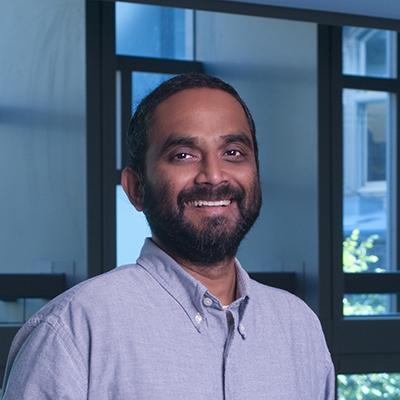
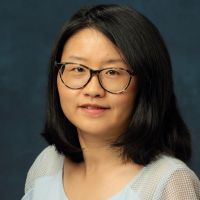
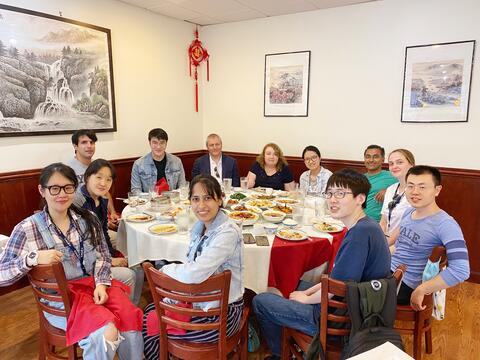
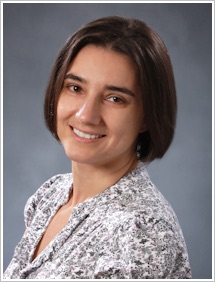
Prof. Marcy Zenobi-Wong is a Full Professor at ETH Zurich's Department of Health Sciences and Technology, specializing in biofabrication and tissue engineering. Her research focuses on cartilage regeneration using advanced biomaterials, including nanofilm coatings and 3D printing techniques. She holds patents in tissue engineering and has pioneered methods like filamented light (FLight) biofabrication for creating anisotropic tissues. Her academic journey includes a B.Sc. from MIT (1985), M.Sc. and Ph.D. from Stanford (1987, 1990), followed by postdoctoral work at the University of Michigan. She leads the Biofabrication Group at ETH, developing therapies for joint repair and regenerative medicine. Courses taught include Biomedical Engineering and Materials and Mechanics in Medicine . Research highlights include engineered hydrogels for cartilage protection, CRISPR-driven gene editing in chondrocytes, and biohybrid neural interfaces. Her work bridges material science, cell biology, and clinical applications, with a focus on translational medicine. Collaborative projects involve creating elastic cartilage grafts for microtia reconstruction and volumetric printing of complex tissue constructs.
Vivek Shenoy is the Eduardo D. Glandt President's Distinguished Professor at the University of Pennsylvania, with primary appointments in the Department of Materials Science and Engineering and secondary appointments in Bioengineering and Mechanical Engineering and Applied Mechanics. He leads the Multiscale Mechanobiology and Biomaterials Laboratory, which focuses on developing theoretical frameworks and numerical methods to understand complex biological and engineering systems across multiple length scales. Shenoy's research spans mechanobiology, chromatin organization, cell mechanics, and biomaterials. His work addresses the fundamental challenge of modeling how small-scale cellular phenomena couple with long-range tissue-level interactions across micrometers to centimeters. By integrating insights from soft matter physics, solid mechanics, chemistry, and applied mathematics, his group develops multiphysics continuum and mesoscale theories to elucidate mechanisms controlling both biological and engineering systems. His recent publications demonstrate an increasing focus on nuclear mechanics, chromatin organization, and the interplay between mechanical forces and gene regulation. Analysis of Shenoy's publication record reveals a strong interdisciplinary approach, with high-impact papers spanning biophysics, materials science, and cell biology. His work shows consistent evolution from fundamental mechanics of materials to complex biological systems, with recent emphasis on the mechanical regulation of chromatin architecture, cell migration dynamics in 3D environments, and mechanotransduction in development and disease. His publications appear regularly in top journals including Nature, Science, and their affiliated publications, demonstrating significant influence across multiple fields. Eduardo D. Glandt President's Distinguished Professor Multiple publications in Nature, Science, and PNAS Active research program with publications through 2025 Shenoy actively mentors students and postdocs through his laboratory, with numerous co-authored publications indicating strong mentorship. His research program appears to be well-funded through multiple grants supporting his work in mechanobiology and biomaterials. The Multiscale Mechanobiology and Biomaterials Laboratory maintains active collaborations across disciplines and institutions, reflecting the interdisciplinary nature of his research. The Multiscale Mechanobiology and Biomaterials Laboratory, housed within the Department of Materials Science and Engineering at the University of Pennsylvania, serves as the primary research hub for Shenoy's work. The lab maintains an active presence on social media (Twitter: @ShenoyLab) for updates on activities and publications. Their research approach combines theoretical modeling with experimental validation to address fundamental questions at the interface of mechanics, materials science, and biology.
Michel M. Maharbiz is a Professor in the Department of Electrical Engineering and Computer Science at the University of California, Berkeley. He leads research on miniaturized bioelectronic interfaces, including neural dust implants and cyborg insects. He holds affiliations with the Berkeley Sensor & Actuator Center (BSAC), Center for Neural Engineering & Prostheses (CNEP), and SWARM Lab. His education includes a Ph.D. in EECS from UC Berkeley (2003) and a B.S. in EE from Cornell University (1997). Maharbiz's research integrates MEMS, ultrasonic systems, and synthetic biology to develop wireless neural interfaces, implantable sensors, and biohybrid devices. Key focus areas are neural dust technology for peripheral nerve recording, magnetoelastic strain sensors for medical applications, and electrochemical biosensing using bacterial flagellar motors. His publications emphasize neural interfaces, ultrasonic implants, and biomedical monitoring. Recent articles explore ultrasonic power delivery (2025), radiation detectors for oncology (2025), and fracture-healing smart plates (2019). Trends include miniaturization of wireless implants, closed-loop therapeutic systems, and novel biomaterials. Scientific Awards: McKnight Technological Innovations in Neuroscience Award (2017) Chan-Zuckerberg Biohub Investigator (2017) NSF CAREER Award (2009) MIT TR10 Top Emerging Technology (2009) Bakar Fellows Spark Award (2012) He directs the Maharbiz Lab, advancing neural dust and bioelectronic interfaces. Projects include impedance-based fracture monitoring, carbon fiber neural arrays, and hernia repair sensors. Funding includes NSF and industry partnerships for implantable device development.
Ning Zhang is an Assistant Professor in the Biology Department at James Madison University (JMU), joining in 2024. Her research focuses on enhancing crop resilience through molecular and biochemical studies of plant defense mechanisms against bacterial pathogens, alongside developing genome editing technologies for trait improvement. She holds a PhD in Horticulture and Crop Science from The Ohio State University (2016), an MS in Silviculture from Zhejiang Agriculture and Forestry University (2011), and a BS in Landscape Architecture from Shandong Agricultural University (2008). Research Interests: Dr. Zhang's lab investigates plant immunity pathways, CRISPR/Cas9 genome editing applications, and engineering crops for disease resistance. Her work integrates molecular biology, genetics, and biochemistry to tackle challenges posed by climate change and biotic/abiotic stresses. Recent Trends in Publications: Her articles concentrate on MAPK signaling pathways, NLR protein interactions, PP2C phosphatase regulation, and bacterial effector mechanisms in tomato and other crops. Key themes include immune system activation, pathogen recognition diversity, and transgenic plant development. Lab Information: The Zhang Lab at JMU is part of the Department of Biology, focusing on plant biotechnology solutions for agricultural sustainability. They collaborate on projects involving CRISPR-based gene editing and stress tolerance research.
Andre Levchenko is the John C. Malone Professor of Biomedical Engineering at Yale University, with secondary appointments in the Department of Neurosurgery and affiliations with the Cancer Signaling Networks, Immunology, and the Yale Program in Neurodevelopment and Regeneration. His research focuses on systems biology, signal transduction, and cell-cell communication, utilizing microfluidics and computational modeling to study cancer progression, stem cell behavior, and neurological disorders. PhD, Columbia University MEng, Moscow Institute of Physics and Technology Levchenko's work explores how cells process dynamic signals to make critical decisions, particularly in glioblastoma migration, organoid development, and cardiovascular tissue engineering. His lab develops innovative microfluidic platforms and mathematical models to dissect multicellular communication and signaling networks. Recent publications highlight his contributions to understanding YAP-driven cancer invasion , NOTCH signaling in angiogenesis , and metabolic regulation of hypoxia responses . He has pioneered methods for organoid modeling and single-cell analysis , advancing precision in biological signaling studies. Scientific Awards : Computational Molecular Biology Post-Doctoral Fellowship (Burroughs Wellcome Fund) National Academies Keck Futures Conference Invitee Distinguished Guest Lecturer, University of Virginia American Asthma Foundation Early Excellence Award Fellow, American Institute for Medical and Biological Engineering Levchenko leads the Levchenko Lab at the Yale Systems Biology Institute, collaborating with institutions like Mayo Clinic and Yale Cancer Center. His research has received recognition in Faculty of 1000 and multiple journal highlights.
Michael McAlpine is a Professor in the Mechanical Engineering department at the University of Minnesota . He also holds affiliations with the Biomedical Engineering and Electrical and Computer Engineering departments. His research focuses on 3D printing functional materials & devices , Nanoscale inks , Biomedical devices , Bioelectronics , and Flexible Microsystems . Research Interests : 3D Printing, Biomedical Engineering, Nanotechnology, Flexible Electronics, Microfluidics Labs : ME 361/363 Contact : mcalpine@umn.edu , (612) 626-3303, ME 117 Recent Research Trends include 3D Printed Biomedical Devices , Flexible Electronics , and Bioprinting Applications . His work spans from Spinal Organoid Formation to Programmable Drug Release Capsules . Scientific Award : Circulation Research 2020 Best Manuscript Award
Réka Albert is a Distinguished Professor of Physics at Pennsylvania State University, affiliated with the Eberly College of Science. Her research focuses on the application of network science to biological systems, including signal transduction networks, ecological interactions, and cancer systems biology. She holds editorial roles at npj Systems Biology and Applications , IET Systems Biology , and Bulletin of Mathematical Biology . Education: Ph.D. in Physics from the University of Notre Dame (2001), M.S. and B.S. from Babeș-Bolyai University, Romania (1995-1996). Research Interests: Modeling complex systems using network theory; Boolean network analysis of biological pathways; ecological community dynamics; systems-level understanding of disease mechanisms (e.g., cancer, AML). Her work bridges theoretical physics, computational biology, and experimental data to predict system behavior and therapeutic strategies. Awards: External member of the Hungarian Academy of Sciences (2016), APS Maria Goeppert-Mayer Award (2011), NSF CAREER Award (2007), and Alfred P. Sloan Fellowship (2004). Grants/Support: NSF awards (MCB 1715826, IIS 1814405), ARO MURI on hyperuniform systems, and collaborations with biologists like Sarah Assmann (plant signaling) and Katriona Shea (ecology). Labs/Teams: Leads a multidisciplinary research group at Penn State, mentoring over 20 PhD alumni and current students like Eli Newby and Fatemeh Nasrollahi. Active in developing tools like pystablemotifs for Boolean network analysis.
Manuel R. Amieva is a Professor at Stanford University School of Medicine , holding joint appointments in Pediatrics - Infectious Diseases and Microbiology & Immunology . He is also a member of the Maternal & Child Health Research Institute (MCHRI) . His clinical practice at Stanford Medicine Children's Health focuses on pediatric infectious diseases. Education: Medical Education: Stanford University School of Medicine (1997) Fellowship: Stanford University Pediatric Infectious Disease Fellowship (2004) Internship & Residency: Stanford Health Care at Lucile Packard Children's Hospital (1998-1999) Dr. Amieva's research investigates host-pathogen interactions at epithelial barriers, with specific expertise in Helicobacter pylori , Listeria monocytogenes , Salmonella enterica , and Staphylococcus aureus . His lab develops innovative organoid culture systems with controlled polarity to study microbial colonization and oncogenic mechanisms. Key discoveries include: H. pylori's manipulation of epithelial junctions via the CagA protein Listeria's exploitation of cell extrusion sites for invasion Staphylococcus toxin interactions with adherens junctions Gastric stem cell activation by pathogens Recent publication trends show continued leadership in infectious disease mechanisms (2020-2025), with a focus on: Pathogen-specific epithelial breach strategies Organoid modeling of viral/bacterial interactions Redox-dependent host factor regulation Single-cell spatial transcriptomic analyses Multi-institutional educational frameworks His scientific collaborations span disciplines including: Gastric cancer genomics initiatives COVID-19 lung infection models Stem cell-microbe interactions Medical education reform projects Dr. Amieva maintains active clinical research while mentoring students in both the Microbiology & Immunology and Pediatrics programs. His lab at Stanford employs advanced 3D confocal microscopy and organ-on-a-chip technologies to visualize epithelial colonization dynamics.
Assoc Prof Ng Teng Yong is an Associate Professor at the School of Mechanical & Aerospace Engineering (NTU), specializing in numerical modeling and simulation. With a background as Research Manager at A*STAR Institute of High Performance Computing, his work spans materials science, nanotechnology, and aerospace engineering. Current focus on graphene-based desalination membranes Expertise in molecular dynamics simulations Investigates nanoscale fluid mechanics and structural dynamics Recent publications highlight advancements in energy-efficient electrodialysis, smart robotics, and nonlinear vibration analysis. His interdisciplinary approach integrates computational methods with experimental validation in additive manufacturing and soft material mechanics.
Professor Guy Williams is a leading academic at the University of Cambridge with a focus on imaging science and clinical neurosciences, affiliated with Downing College and the Wolfson Brain Imaging Centre . Holding a PhD in Physics from his initial Natural Sciences degree, he specializes in nuclear magnetic resonance (NMR) and MRI techniques for brain imaging. Education: BA, PhD in Physics His research centers on non-invasive imaging of brain structure and function, particularly in traumatic brain injury (TBI) and dementia. His work involves developing novel MRI pulse sequences and advanced data analysis algorithms, including AI-based diagnostic tools. He leads studies on white matter integrity post-trauma, longitudinal dementia assessment, and applications of MRI in disorders of consciousness and addiction. Recent publications highlight collaborations in traumatic brain injury outcomes, AI-guided dementia prediction, and neuroimaging of post-COVID cognitive deficits. His team's work on ultra-high field laminar fMRI and distortion correction methods has advanced clinical neuroscience applications. Key techniques include diffusion tensor imaging (DTI), 7 Tesla MRI, and positron emission tomography (PET/MR). His research spans from basic NMR physics to clinical translation, with a strong emphasis on multi-site studies and real-world diagnostic implementation.
Callista Yee will join the University of British Columbia as an Assistant Professor in the Department of Zoology (Faculty of Science) starting September 2025. Her research focuses on decoding molecular mechanisms governing nervous system development and synaptogenesis using Caenorhabditis elegans as a model organism. Research Focus Dr. Yee's work investigates: Transcriptional programs activated by neuronal activity Role of Groucho co-repressors in cellular switches Proteostasis and stress resilience in neurons Molecular regulation of synapse formation Publication Trends Her recent articles (2017–2025) span developmental biology, neuroscience, and molecular genetics, with a consistent emphasis on C. elegans as a model system. Key themes include transcriptional regulation of cell invasion, protein degradation tools, and aging-related pathways.
Professor Hala Zreiqat AM is a leading biomedical engineer at The University of Sydney , serving as the Director of the ARC Training Centre for Innovative BioEngineering . A Fellow of all major Australian academies (AAS, ATSE, FAHMS, FRSN), she develops 3D printed bioceramics for bone regeneration while championing diversity through initiatives like the IDEAL Society and BIOTech Futures mentorship program. Her work bridges academia, clinical practice, and industry in musculoskeletal research . Research Focus: Her lab creates synthetic bone scaffolds that mimic natural bone architecture, strength, and porosity, enabling non-rejected bone regeneration via patient-matched implants. Key applications include orthopaedic, dental, and maxillofacial repair , with over $18M in competitive funding and multiple patents. Current projects explore AI-driven scaffold performance prediction and anti-senescence strategies for aging-related bone loss. Scientific Trends: Recent publications highlight 3D printed nanovoxelated ceramics , antisenescence biomaterials , and multifunctional theranostic platforms . Her team integrates machine learning for scaffold design, atom probe tomography for interface analysis, and two-photon imaging for cellular monitoring in 3D environments. 2021-2022 Fulbright Senior Scholar 2018 NSW Premier's Woman of the Year 2019 Eureka Prize for Innovative Use of Technology Fellow of Australian Academy of Science (2021) Over $18M in research funding Teaching & Leadership: She designed core courses like Tissue Engineering and Nanomaterials in Medicine , mentoring 158 students in 2020 alone. As Chair of CAAR (2020-2023), she strengthens Australia-Arab collaborations. Her lab trains early-career researchers , with alumni now in academia and industry.
Ryan M Hebert, MD, is an Assistant Professor of Neurosurgery at the Yale School of Medicine, affiliated with the Neurosurgery department. He specializes in neurovascular disorders, including open and endovascular treatments for intracranial aneurysms, arteriovenous malformations, carotid disease, and dural arteriovenous fistulas. He also focuses on interventions for ischemic and hemorrhagic strokes. His practice locations include Yale New Haven Hospital and Lawrence and Memorial Hospitals in Connecticut. Education & Training: Bachelor’s in Molecular, Cellular, and Developmental Biology from the University of Colorado – Boulder (Howard Hughes Undergraduate Research Grant recipient) MD from Yale School of Medicine (NIH-funded thesis on CCM3 in cerebral cavernous malformations) 7-year Neurosurgery Residency at Yale New Haven Hospital, including enfolded neuro-interventional training CAST-accredited fellowship in Endovascular Neurosurgery and Neurovascular Critical Care at Thomas Jefferson University Hospital (2016) Research Interests: Dr. Hebert’s work centers on emerging surgical and endovascular techniques for neurovascular disorders, risk stratification in carotid disease, vasospasm prediction/post-subarachnoid hemorrhage treatment, and outcomes of minimally invasive spine surgery. His studies often integrate clinical practice with translational research, emphasizing patient outcomes and procedural optimization. Key topics include flow diverters, cranial nerve palsies, hospital frailty risk scores, and immune mechanisms driving aneurysm rupture. Publications Trends: His recent articles emphasize clinical outcomes of endovascular procedures, stroke interventions, and immune mechanisms in aneurysm rupture. He frequently collaborates on meta-analyses and systematic reviews to evaluate treatment efficacy and complication rates, particularly involving cranial nerve recovery and thrombectomy volumes. Awards & Grants: He secured an NIH-funded thesis and a Howard Hughes Undergraduate research grant. No explicit scientific awards are listed, but his work has been recognized via peer-reviewed publications and contributions to clinical guidelines. Advising & Grants: While no students are listed, he collaborates with prominent researchers like Charles Matouk, Kevin Sheth, and Joseph Antonios on NIH-funded projects. His research addresses healthcare resource utilization and procedural volume impacts on mortality, indicating a focus on translational and clinical studies. Labs & Teams: Active in interdisciplinary teams at Yale School of Medicine, particularly in neurovascular critical care and endovascular surgery. Collaborates with the Stroke Center and Janeway Society for physician-scientist development.
Prof. Dr. Simon Schäfer leads the Schäfer Lab at the Technische Universität München , focusing on engineering advanced organoid systems to study human brain development, disease modeling, and repair mechanisms. His work bridges stem cell biology, gene editing, and bioengineering to develop personalized therapies for brain disorders. Stem Cell & Organoid Technology Neurodevelopmental Mechanisms Neurodegenerative Disease Models Gene Editing & Neuroimmune Interactions Translational Neuroscience Recent research emphasizes brain organoid development, microglia phenotypes, and neurodevelopmental timing anomalies in autism. His team’s work also explores zika virus interactions with glioblastoma stem cells and neuronal plasticity in psychiatric disorders. Scientific awards and funding include support from the Deutsche Forschungsgemeinschaft (DFG), Brain & Behavior Research Foundation (BBRF), and Munich Cluster for Systems Neurology (SyNergy). Collaborations span institutions like the TUM Center for Organoid Systems. Advises 6 students (2 PhD, 1 MSc, 3 associated) Labs include Schäfer Lab, COS@TranslaTUM Contact: simon.schafer@tum.de
Ovijit Chaudhuri is an Associate Professor of Mechanical Engineering at Stanford University, with a courtesy appointment in Bioengineering. He leads research at the interface of mechanics and biology, focusing on how cellular and extracellular mechanical properties influence biological processes like cancer progression and tissue formation. His work employs advanced tools such as atomic force microscopy and 3D cell culture systems. Education: Ph.D., University of California, Berkeley/San Francisco (Bioengineering, 2009) B.S., University of California, Berkeley (Engineering Physics, 2003) Postdoctoral Fellow, Harvard University (Biomaterials, 2013) Research Interests: His lab explores molecular mechanisms behind cellular mechanics, extracellular matrix dynamics, and how mechanical cues regulate cell behavior. Key areas include cancer metastasis, mechanotransduction, and engineered biomaterials for 3D cell culture. Publications Trends: Recent work emphasizes viscoelastic hydrogels, matrix mechanics in cancer progression, and mechanistic insights into cell migration. Over 50 publications since 2015 highlight interdisciplinary approaches in biomaterials and mechanobiology. Awards: Not explicitly listed in provided materials. Advising & Labs: No specific advisee names listed, but his lab focuses on collaborative projects in mechano-biology. Active in developing biomaterial systems for drug discovery and tissue engineering applications. Labs/Teams: Leads the Chaudhuri Lab at Stanford, which integrates engineering principles with biological systems to address complex disease mechanisms and therapeutic strategies.