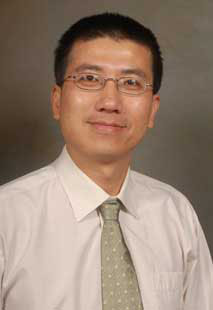
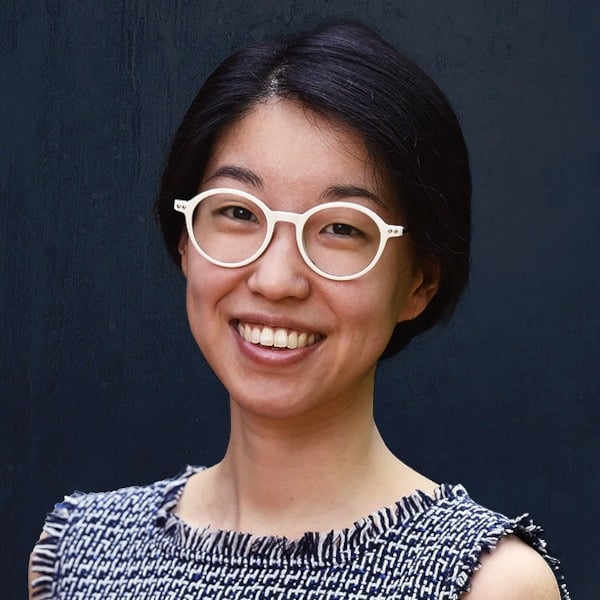
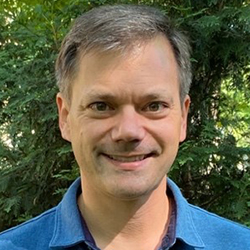
Jonas Stålhand is a Professor at Linköping University, affiliated with the Department of Management and Engineering (IEI) and the Division of Solid Mechanics (SOLMEK). His research focuses on biomechanics, smart textiles, haptic technologies, and cardiovascular mechanics. He leads interdisciplinary projects such as a study on pain relief using smart textile garments, combining neuroscience, materials science, and biomechanics. His work spans arterial wall mechanics, wearable haptic systems, and biomaterial characterization. Recent projects include parameter identification in arteries and the development of electroactive yarn actuators for wearable applications. Collaborations involve multidisciplinary teams across engineering, medicine, and textile science. Research interests emphasize translating biomechanical insights into clinical and industrial applications. Notable contributions include studies on aortic stress analysis, acetabular cup stability, and electroactive polymer-based actuators. His publications address both fundamental and applied aspects of soft tissue mechanics and medical engineering. No scientific awards are explicitly listed, but his work has been highlighted in university news for its innovative potential in healthcare and technology.
Aditi Majumder is a Professor of Computer Science at the University of California, Irvine (UCI), affiliated with the School of Engineering and Information Sciences. Her research focuses on multi-projector display systems, augmented reality (AR), and their applications in scientific and medical fields. She holds a Ph.D. from the University of North Carolina, Chapel Hill (2003). Her work addresses challenges in geometric, chromatic, and luminescent corrections for tiled displays, with applications in surgical assistance and deformable surface visualization. Recent projects include precision stencils for surgical sites and dynamic projection mapping on non-rigid surfaces. Notable achievements include the Inaugural Hasso Plattner Endowed Chair in Artificial Intelligence (2025). Her research spans AR in medicine, real-time multi-projector synchronization, and color gamut optimization. Dr. Majumder also engages in public discourse on computer science education, emphasizing its societal importance and foundational skills like programming and discrete mathematics. Her 15 most recent articles (2021–2024) highlight advancements in surgical AR, deformable surface projection systems, and medical visualization. These contributions bridge computer graphics, vision, and biomedical engineering, reflecting her interdisciplinary approach to solving complex display and interaction challenges.
David Tosh is a Professor in the Department of Life Sciences at the University of Bath. His research focuses on cellular reprogramming, developmental biology, and regenerative medicine, with applications to cancer and stem cell therapy. He leads a lab investigating cell type conversions (e.g., pancreatic to liver cells) and their implications for disease like Barrett’s metaplasia. Current lab members include Heather Bone, Christopher Brimson, Zoe Burke, and others listed in the text. He collaborates on projects such as the NextGen-O2k High-Resolution Respirometry initiative and contributes to animal-free 3D tissue modeling. Key research themes include understanding transcription factors driving cell fate decisions, translational applications of reprogramming for therapy, and links between cellular plasticity and cancer progression. His work aligns with UN Sustainable Development Goals related to health and innovation.
Dr. Jang Ah Kim is a Lecturer at the Hamlyn Centre, Department of Mechanical Engineering, Imperial College London. She leads the Micro-Nano Innovation Lab and focuses on developing micro/nanostructured biomedical sensors and robotic strategies for diagnostics and minimally invasive therapies. Her work integrates light-matter interaction principles to innovate in areas like localized drug delivery and cellular surgery. Education: BSc (2011) and PhD (2017) in Mechanical Engineering/Nano Engineering from Sungkyunkwan University, South Korea. Prior roles include Research Associate positions at Imperial College London's Department of Computing and Department of Materials, where she specialized in fiber-optic biosensors and SERS-based diagnostics. Research Interests: Biomedical sensing, nanophotonics, medical robotics, diagnostics (biosensors), and nanomaterial applications. Key projects include plasmonic sensors for infection screening, bacterial swarming manipulation, and advanced fabrication techniques like two-photon polymerization. Lab Affiliations: Hamlyn Centre, Institute of Global Health Innovation. Her work bridges engineering and medicine to address unmet clinical needs in precision diagnostics and surgical robotics.
Associate Professor Zihuai Lin leads the IoT in Healthcare and Radar Imaging group at the University of Sydney's School of Electrical and Computer Engineering. He holds a PhD from Chalmers University of Technology and has prior experience at Ericsson Research and Aalborg University. His research focuses on IoT, 5G/6G systems, healthcare AI, TeraHertz communications, radar imaging, and wireless signal processing. Education: PhD in Electrical Engineering, Chalmers University of Technology, Sweden (2006) Postdoctoral work at Ericsson Research, Sweden Associate Professor, Aalborg University, Denmark (pre-Sydney role) Research Interests: IoT wireless sensing and healthcare applications 6G/THz communications and radar imaging Artificial Intelligence in signal analysis and network optimization MIMO/OFDMA systems and resource allocation Current Projects: 6G/THz communications and holographic MIMO Edge AI for healthcare IoT (eGate system) Ultra-low latency techniques for short-packet 5G Millimeter-wave power transfer and safety protocols Awards: 2021 IoT Awards Health Category Finalist (eGate system) Nominated for 2022 iTnews Best Health Project Advising & Labs: Supervising 8 PhD students in AI-driven healthcare, federated learning, and quantum imaging Led 10+ completed PhD projects in 5G/6G and wireless systems Affiliated with the Center of IoT and Telecommunication (CIoTT) and Sydney Nano Institute
Sanjiv Sinha is a Professor in the Department of Mechanical Science and Engineering at the University of Illinois, serving as the Associate Head for Undergraduate Programs. He is also affiliated with the Micro and Nanotechnology Lab. His research focuses on thermal conductivity, nanomaterials, thermoelectrics, energy storage, and advanced manufacturing. Key contributions include innovations in thermochemical energy storage systems, nanowire thermal properties, and hybrid material fabrication techniques. Sinha has been recognized with prestigious awards including the DARPA Young Faculty Award (2011) and NSF CAREER Award (2010). His recent work spans hydrogel thermal characterization, nanoporous crystalline materials, and intracellular thermometry. Articles highlight interdisciplinary approaches to energy systems, environmental engineering, and biomedical applications. Ongoing projects include developing smart water management systems and advanced thermal interfaces for electronics cooling. Collaborations emphasize sustainable technologies and nuclear materials science. Research Highlights: Thermoelectric materials, nanostructured phase change systems, and ultrasonic welding of metal-polymer composites. Grants & Funding: Supported by DARPA, NSF, and industry partnerships focused on thermal energy storage and nanofabrication. Labs & Teams: Leads the Micro and Nanotechnology Lab, collaborating with interdisciplinary teams in materials science and energy engineering.
Bernhard Thomaszewski is a Lecturer at the Department of Computer Science at ETH Zürich. His research focuses on computational mechanics, robotics, and computer graphics, with an emphasis on simulation-based design and material modeling. He explores topics such as deformable contact, flexible materials, and robotic mechanisms. His work bridges theoretical foundations and practical applications, including medical imaging, garment simulation, and biomechanical systems. Notable research interests include the development of novel algorithms for real-time simulation, optimization-driven design of mechanical systems, and integration of machine learning with physical models. He has contributed to advancements in finite element modeling, differentiable simulation, and topology optimization for robotic and biomedical applications. His recent projects highlight interdisciplinary collaboration, addressing challenges in areas like orthodontic treatment prediction, automated pipeline design, and neural network-driven material characterization. While no specific grants or awards are explicitly listed, his prolific publication record underscores his impactful contributions to computational engineering and computer science.
Lu Cheng is a Visiting Professor in the Department of Computer Science at the University of Helsinki, affiliated with the Vehtari Aki Professorship. He holds a Doctor of Philosophy in Natural Sciences from the University of Helsinki (2013). His research focuses on computational genomics, bioinformatics, and microbial genetics, with emphasis on DNA sequence analysis, nanopore sequencing technologies, and systems biology. He leads projects on alternative splicing in cancer and the impact of microbiota on human health. Notable contributions include the NanoBaseLib benchmark dataset and methods for RNA modification analysis. His work addresses UN Sustainable Development Goals related to good health and innovations in data science. Education: Doctor of Philosophy in Natural Sciences (2013), University of Helsinki; Doctoral degree in Natural Sciences (2013), University of Helsinki. Research Interests: Genomics, computational biology, microbial ecology, RNA sequencing technologies, and bioinformatics tool development. His projects explore bacterial population dynamics, host-pathogen interactions, and applications of machine learning in genomics. Advising: Supervises doctoral researchers including Guangzhao Cheng and Chengbo Fu. Active in grants such as the Academy of Finland Research Fellowship (2023-2025). Labs/Teams: Leads research groups focused on single-cell genomics and computational methods for biological systems.
Skirmantas Janusonis is an Associate Professor in the Department of Psychological and Brain Sciences at the University of California, Santa Barbara (UCSB). He is a core faculty member of the UCSB Neuroscience Research Institute and the Interdepartmental Graduate Program in Dynamical Neuroscience, and a member of the California NanoSystems Institute. His research program lies at the intersection of neuroscience, complex systems, and computational modeling. Education: Ph.D. in Neuroscience and Behavior, University of Massachusetts Amherst Postdoctoral Research, Department of Neuroscience, Yale University School of Medicine B.S./M.S. in Biology, Vilnius University, Lithuania Dr. Janusonis's research focuses on the stochastic (random walk-like) behavior of serotonergic axons in the brain, particularly within the ascending reticular activating system and the broader serotonergic matrix. His work integrates molecular neurobiology, comparative neuroanatomy (from sharks to rodents to humans), advanced microscopy, and supercomputing simulations. He investigates how these complex systems self-organize and their relevance to mental disorders, especially autism and the enigma of platelet hyperserotonemia. His lab collaborates with physicists, mathematicians, and engineers to model anomalous diffusion and fractional Brownian motion in 3D brain spaces. His recent publications reveal a strong trend toward computational and theoretical neuroscience, using high-resolution data and mathematical generalizations to model axonal distributions. Key themes include reflected fractional Brownian motion, self-organization of serotonergic densities, and the interface between central and peripheral serotonin systems. His work challenges traditional views of the blood-brain barrier and proposes interdisciplinary solutions involving immunology, physiology, and computer science. Scientific Awards and Recognition: Elected to the Board of Directors of the Organization for Computational Neurosciences (2024) NSF, NIMH, and California NanoSystems Institute grant funding Multiple student awards under his mentorship, including the Harry J. Carlisle Award and NIH IRTA NSF CRCNS and Frontera supercomputing grants UCSB Art of Science People's Choice Award (awarded to lab member) Dr. Janusonis actively mentors PhD students such as Justin Haiman and Dahyana Arroyo, and has advised alumni including Dr. Angela Chen, Dr. Kasie Mays, and Dr. Melissa Hingorani. His lab has received numerous grants from the NSF and NIH, supporting research on stochastic axon systems and super-resolution imaging. He teaches graduate and undergraduate courses including Neuroanatomy (Psy 269), Neurobiology of Brain States (Psy 136), and Complex Systems (Psy 113L). Research Team and Collaborations: The Janusonis Lab is an interdisciplinary group combining neuroscience, mathematics, and engineering. It collaborates with institutions such as UC San Diego, the University of Pisa, and MIT. The lab is equipped with advanced imaging tools and has access to Frontera, a leading NSF supercomputer. Outreach includes science nights at local schools and public lectures at the Santa Barbara Museum of Natural History.
Dr Manuela Truebano is a Lecturer in Marine Molecular Biology at the University of Plymouth, affiliated with the School of Biological and Marine Sciences (part of the Faculty of Science and Engineering). She holds a BSc in Marine Biology from the University of Liverpool, an MSc in Shellfish Biology from Bangor University, and a PhD in Molecular Ecophysiology (focusing on thermal stress) from Swansea University and the British Antarctic Survey. Her research group is part of the Ecophysiology and Development Research group within the Marine Biology and Ecology Research Centre. Her teaching portfolio includes module leadership roles in Marine Molecular Biology, Ecophysiology of Marine Animals, Conservation Physiology, and field courses. She has supervised two postgraduate research degrees: Michael Collins (PhD, 2019) and George Mason (ResM, 2021). Dr Truebano’s research focuses on thermal tolerance, hypoxia, and environmental stress responses in marine organisms, particularly invertebrates. She employs molecular and physiological approaches to study climate change impacts, including the development of tools like Dev-ResNet and HeartCV for automated phenotyping. Her work intersects with global sustainability goals, emphasizing organismal resilience to environmental shifts. Her recent publications highlight advancements in understanding transgenerational plasticity, thermal acclimation, and the interplay of multiple stressors. Teaching and learning grants include a 2015 initiative exploring video tutorials for lab skill training. She collaborates extensively in interdisciplinary projects, contributing to both academic and applied marine science.
Dr. Xiangchun (Schwann) Xuan is a Professor in the Department of Mechanical Engineering at Clemson University. He joined in December 2006 and specializes in thermal/fluid sciences with a focus on microfluidic devices and Lab-on-a-chip technology. His research explores electrokinetic phenomena, viscoelastic fluid dynamics, and particle manipulation in micro/nano-scale systems. Education: Ph.D., University of Toronto, 2006 DENG, Shanghai Institute of Technical Physics, 2000 B.S., University of Science and Technology of China, 1995 Research Interests: Dr. Xuan's work centers on micro- and nano-fluidics, including electroosmotic flow, dielectrophoresis, and the effects of viscoelasticity on particle behavior. He investigates applications in lab-on-a-chip devices, separation techniques, and fluid rheology in confined geometries. Publications: His recent work emphasizes nonlinear electrokinetic flows, shear-thinning fluid dynamics, and particle focusing in non-Newtonian systems. Key topics include electroosmotic instabilities, dielectrophoretic separation, and the interplay between fluid elasticity and microscale transport. Awards & Grants: No specific awards are listed, but his contributions are reflected in his extensive publication record and academic roles. He is a member of ASME, APS, and AES. Labs/Teams: His research is conducted within Clemson’s Mechanical Engineering facilities, focusing on experimental and analytical studies of microfluidic systems and electrokinetic phenomena.
Paul Gratzer is an Associate Professor in the Department of Process Engineering and Applied Science at Dalhousie University, affiliated with the School of Biomedical Engineering. His research focuses on developing decellularization technologies for soft-tissue regeneration, including skin, blood vessels, and cartilage. He leads a collaborative team translating research into clinical applications through DeCell Technologies Inc., a company he co-founded to commercialize wound-healing matrices for diabetic patients and surgical reconstructions. Key projects include decellularized porcine auricular cartilage for ear reconstruction (collaborating with Dr. Paul Hong) and advanced tissue products addressing chronic wounds. His work emphasizes biocompatible scaffolds, cell-matrix interactions, and technology transfer. Notable publications span reviews on tympanic membrane regeneration to foundational studies on decellularization techniques in ligament engineering. Gratzer’s innovations aim to bridge biomedical engineering and clinical practice, with media coverage highlighting breakthroughs in diabetic wound solutions and bioengineered skin substitutes. His research integrates biomaterials science, tissue engineering, and clinical partnerships to advance regenerative medicine.
Associate Professor Yan Wong is a faculty member at Monash University's Department of Electrical and Computer Systems Engineering and Monash Biomedicine Discovery Institute. His research focuses on neural prosthetics, brain-machine interfaces, and restoring sensory functions through cutting-edge neural recording and stimulation techniques. He leads the Neurobionics Laboratory, advancing technologies like the Gennaris vision system, a wireless cortical implant for restoring vision in the blind. Yan holds a PhD in Biomedical Engineering from UNSW and has conducted postdoctoral research at New York University and the University of Melbourne. His work bridges engineering and medicine, addressing critical healthcare challenges such as quadriplegia, epilepsy, and hearing loss. He actively supervises students and contributes to teaching biomedical engineering courses at Monash, fostering the next generation of researchers. Key research interests include visual cortex stimulation, cochlear implants, spike-LFP interactions in movement planning, and endovascular neural interfaces. He has led or collaborated on multiple ARC-funded projects, including studies on neural prosthetic efficacy, chronic pain modulation, and visual attention mechanisms. His interdisciplinary approach integrates neuroscience, biomedical engineering, and clinical translation, aiming to deliver impactful medical technologies. Yan’s contributions have advanced neural prosthetics toward commercialization, with a focus on improving healthcare outcomes through innovative biomedical solutions.
Jean Fan, PhD is an Assistant Professor of Biomedical Engineering at Johns Hopkins University, affiliated with the Center for Computational Biology and Institute for Computational Medicine. Her research focuses on developing machine learning methods to analyze spatially resolved and single-cell omics data. Her team, the JEFworks Lab, creates open-source tools for analyzing high-dimensional biological data to understand cellular identity, tissue organization, and disease progression. Dr. Fan's work bridges computational biology with clinical applications, particularly in leukemia and pediatric brain cancers. Education: BS in Biomedical Engineering & Applied Math from Johns Hopkins (2013); PhD in Bioinformatics from Harvard Medical School (2018); Postdoc in Chemical Biology/Physics at Harvard (2018–2020) under Xiaowei Zhuang, focusing on spatial transcriptomics. Research emphasizes spatial genomics and computational tool development, with key contributions to spatial alignment algorithms (STalign), normalization techniques, and cell-type deconvolution methods. Her lab's work has advanced understanding of kidney ischemic injury, glioblastoma spatial dynamics, and CLL pathogenesis. Awards include Forbes 30 Under 30, NSF CAREER Award, and 2025 PECASE. She founded CuSTEMized, a nonprofit providing STEM storybooks for girls. Recent collaborative projects include HuBMAP 3D reference atlas construction and Discovery Award-funded interdisciplinary initiatives. Labs/Teams: JEFworks Lab (primary); active collaborations with Dana-Farber Cancer Institute and Harvard Medical School. Current efforts focus on spatially resolved multi-omic integration and clinical translation of computational tools.
Gregory J. Wagner is an Associate Professor of Mechanical Engineering and Director of Graduate Studies at Northwestern University's McCormick School of Engineering. His research focuses on developing computational methods for multi-scale and multi-physics problems in additive manufacturing, fluid dynamics, and heat transfer. He leads the Wagner Research Group, which specializes in high-performance computing tools for complex engineering simulations. Education includes a Ph.D., M.S., and B.S. in Mechanical Engineering from Northwestern University and Boston University. His work integrates machine learning with traditional computational methods to model material behavior, microstructure evolution, and process-structure-property relationships in advanced manufacturing. Notable contributions include the GO-MELT framework for thermal simulations and the C-HiDeNN neural network approach for large-scale systems. Research interests span additive manufacturing process modeling, multiphysics coupling, and data-driven approaches for material design. Awards include the Bette and Neison Harris Chair in Teaching Excellence. Publications emphasize thermal modeling, phase change phenomena, and computational fluid dynamics innovations. His lab's work bridges mesoscopic and multiscale modeling, with applications in energy systems, biomedical devices, and environmental engineering. Collaborations focus on experimental validation and industrial-scale simulation challenges.