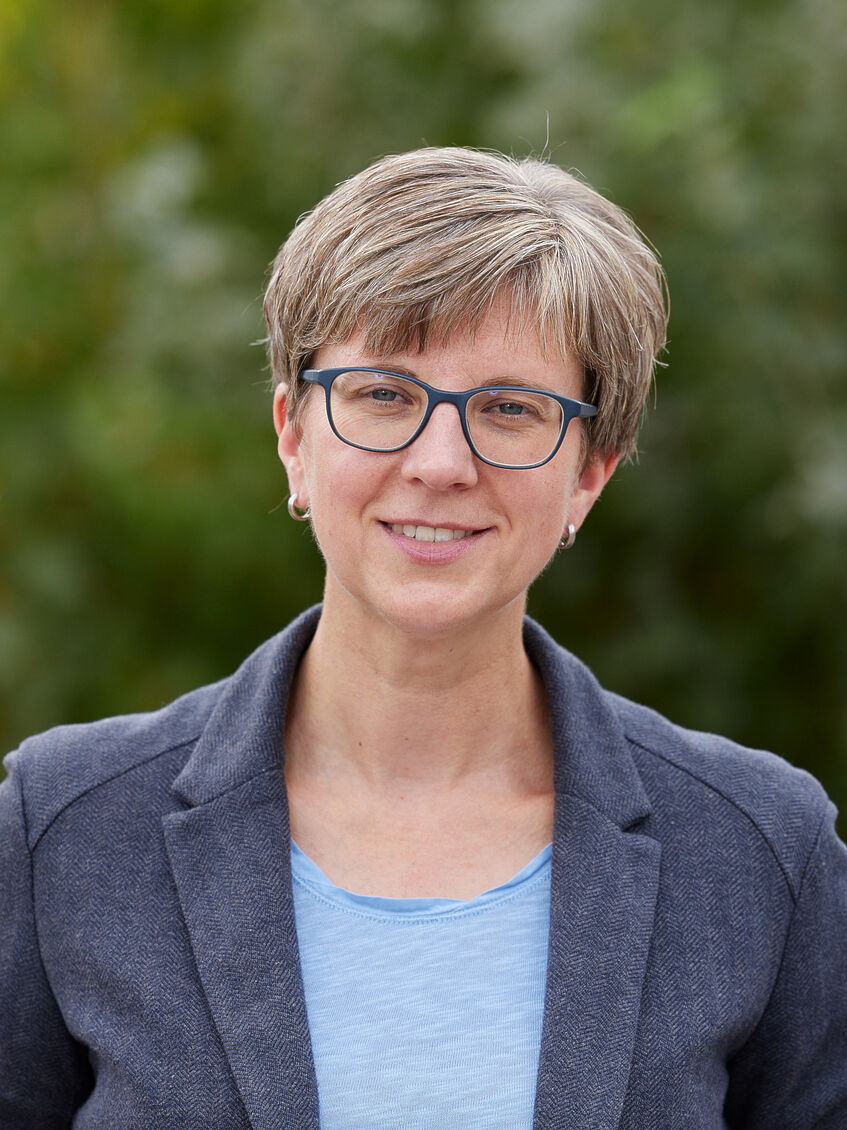
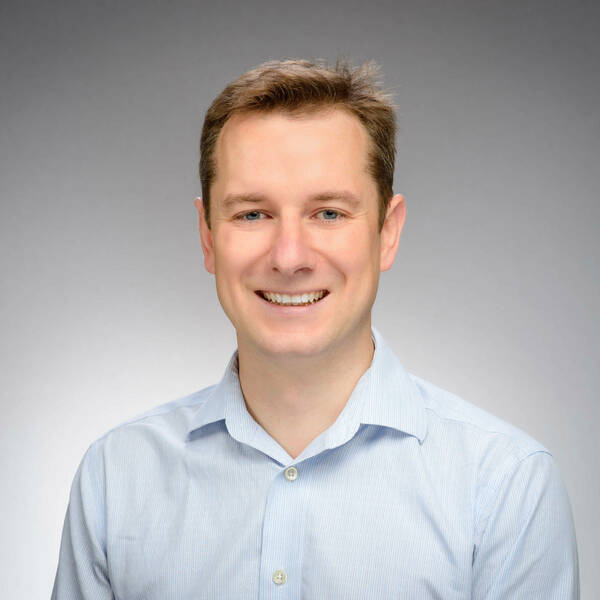
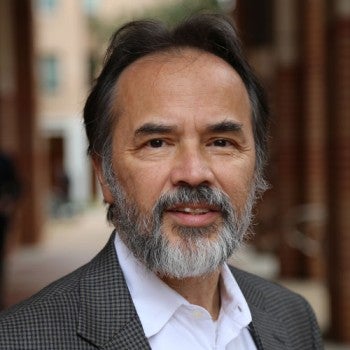
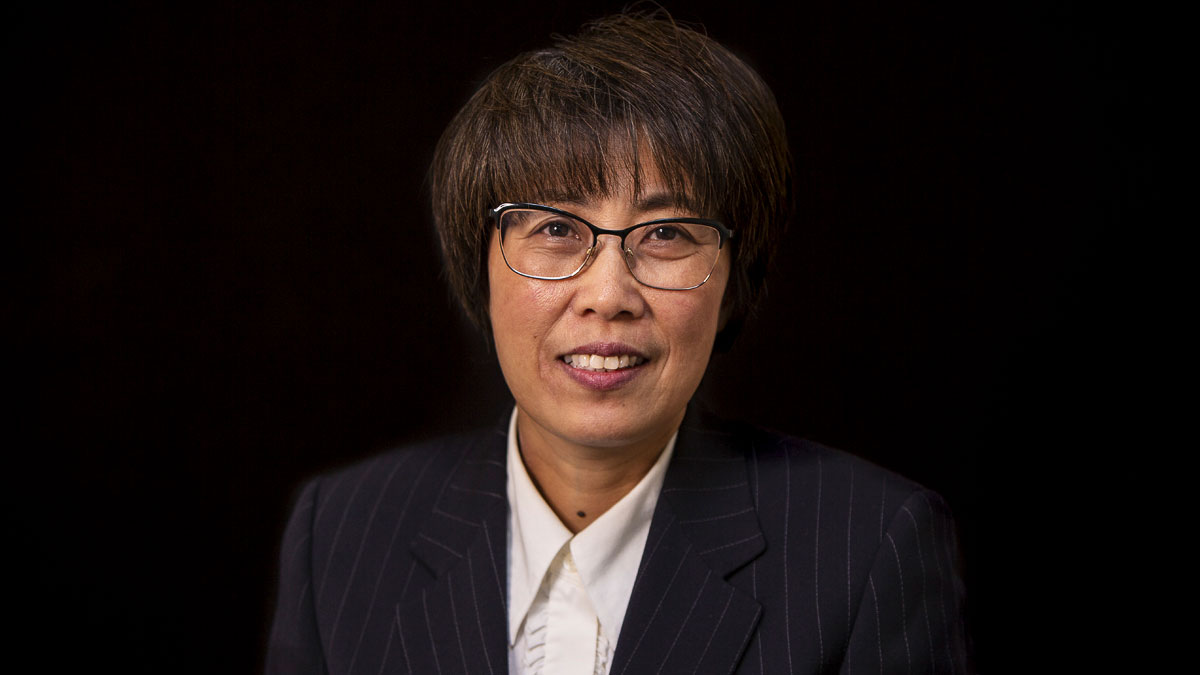
Dagmar Woebken is Associate Professor and Head of the Department for Microbiology and Ecosystem Science at the University of Vienna, where she leads the Division of Microbial Ecology. Her research investigates microbial survival strategies in challenging soil habitats, particularly focusing on adaptation mechanisms to environmental stressors. Research encompasses three primary themes: Dormancy and reactivation dynamics in desert soil microbial communities Assembly and function of plant-associated microbiomes Ecological success factors of Acidobacteria in terrestrial environments Her group employs molecular techniques including metagenomics, stable isotope probing, and single-cell approaches (NanoSIMS, Raman microspectroscopy) combined with cultivation-based methods. Publications demonstrate expertise in: Microbial adaptation to extreme environments Plant-microbe-nutrient interactions Genomic basis of bacterial ecological strategies Recent work increasingly utilizes advanced imaging and isotopic tracing to investigate microbial processes at cellular scales. Dr. Woebken pioneered the NifMAP bioinformatic pipeline for analyzing nitrogen-fixing communities and developed methods combining Gold-FISH with NanoSIMS for targeted analysis of plant-associated bacteria. She leads research projects on microbial symbioses funded by the Austrian Science Fund (FWF). She directs a research group investigating microbial ecology across ecosystems from deserts to forests. Current projects include studies of ant-plant-microbe associations and microbe-mediated nitrogen cycling in grasslands. The group maintains collaborations with international institutions and participates in public outreach through science communication platforms.
Enrique M. De La Cruz is the William R. Kenan Jr. Professor of Molecular Biophysics and Biochemistry and Head of Branford College at Yale University. He specializes in the study of actin cytoskeleton dynamics, molecular motor proteins, and nucleotide signaling enzymes. His research integrates biophysical, biochemical, and structural approaches to understand cellular mechanisms. Dr. De La Cruz holds a Ph.D. from Johns Hopkins University and completed postdoctoral training at the University of Pennsylvania. He has been recognized with prestigious awards, including Fellowships from AAAS and ASBMB, and is an advocate for minority participation in STEM. His lab collaborates with researchers globally and employs advanced techniques like cryo-electron microscopy and computational modeling. Education: Bachelor's in Biology (Rutgers University) Ph.D. in Biochemistry, Cell & Molecular Biology (Johns Hopkins University) Research Interests: Actin filament mechanics and cation effects Molecular motor protein interactions Structural biology of cytoskeletal proteins Awards: Fellow, AAAS (2022) ASBMB Inaugural Fellow (2021) Cell Press's 100 Hispanic/Latinx Scientists (2020) Grants & Advising: NSF CAREER Award (2006) Extensive NIH-funded research Labs & Collaborations: De La Cruz Lab at Yale Cross-disciplinary partnerships with institutions like Institut Curie and ESPCI Paris Tech
Alan Lindsay is an Associate Professor in the Department of Applied and Computational Mathematics and Statistics (ACMS) at the University of Notre Dame, within the College of Science. He holds a Ph.D. from the University of British Columbia (2010) and a B.S. from the University of Edinburgh (2005). His research focuses on computational and analytical methods for partial differential equations (PDEs) modeling physical and biological systems, including Micro-Electromechanical Systems (MEMS), mathematical ecology, imaging, and inverse problems. His email is a.lindsay@nd.edu, and he is based in Crowley Hall. Education: Ph.D., Applied Mathematics, University of British Columbia, 2010 B.S., Mathematics, University of Edinburgh, 2005 Research Interests: Applied Partial Differential Equations Numerical Methods for PDEs Mathematical Biology and Biophysics Scientific Computing and Simulation MEMS and Micro-Electromechanical Systems Mathematical Modeling of Biological Processes Recent Research Trends: Lindsay’s work emphasizes computational techniques like boundary integral methods, kinetic Monte Carlo simulations, and bifurcation analysis to study diffusion processes, first passage times, and pattern formation in biological and physical systems. His studies bridge theoretical analysis and practical applications, such as optimizing T cell antigen recognition and modeling moth mating strategies. Grants & Advising: While no students are listed, his research is supported by grants in computational mathematics and biological modeling. His work often involves interdisciplinary collaborations with biologists and engineers. Labs/Teams: His research is conducted within the ACMS department, leveraging Notre Dame’s computational infrastructure.
Rudy Guerra is a Professor and Chair of the Department of Statistics at Rice University, where he has been since 2000. His research spans biomedical applications of statistics, including bioinformatics, statistical genetics, and medical imaging, alongside sociological research in education and Mexican migration. He holds academic leadership roles, including Director of the Data Science Minor and member of the BRIDGE and Doerr Institute steering committees. Guerra earned his Ph.D. in Statistics from UC Berkeley, M.A. in Mathematics from UC Berkeley, and B.S. in Applied Mathematics from UT San Antonio. Education: Ph.D., Statistics, UC Berkeley (1992) M.A., Mathematics, UC Berkeley (1987) B.S., Applied Mathematics, UT San Antonio (1984) Key Roles: Department Chair, Statistics (2019–present) Associate Chair, Statistics (2016–2019) Former Jones College Magister (Residential College Leader, 2005–2011) Research Interests: Dr. Guerra’s work integrates statistical methods with biomedical and social science challenges. His biomedical focus includes cancer genomics (e.g., osteosarcoma metastasis, biomarker discovery), medical imaging (e.g., CT ventilation analysis), and bioinformatics. In social sciences, he examines educational inequities and Mexican migration impacts on health. His recent projects include collaborations with Texas Medical Center institutions and sociologists at Rice. Articles Trends: His publications emphasize interdisciplinary applications, combining statistical rigor with domain-specific insights. Recent work spans oncology, public health, and computational biology, reflecting a commitment to bridging theory and practical medical/sociological challenges. Awards & Roles: Panel Member, Ford Foundation Fellowship (2016–present) Associate Editor, BMC Genetics (2014–present) Former Residential College Master of Jones College (2005–2011) Advising & Grants: Guerra advises students on statistical research and curricula. He has led initiatives like the Keck Center for Quantitative Biomedical Sciences Training and co-founded the Empowering Leadership Alliance (ELA) to support underrepresented minorities in STEM. His grants include funding for bioinformatics consortia and educational outreach programs. Labs & Teams: Active in the Gulf Coast Consortia for Bioinformatics and collaborates with multidisciplinary teams at MD Anderson, Baylor College of Medicine, and UT Health Science Center.
Professor Runming Yao is a leading academic in building and urban sustainability at the University of Reading's School of Construction Management and Engineering. He holds roles as Director of Design and Management of Sustainable Built Environments and Module Convenor for Sustainable Design and Management Principles. His research focuses on energy efficiency, urban microclimates, indoor environmental quality, and thermal comfort, with particular emphasis on UK and China contexts. Yao is an EPSRC College member and serves on editorial boards for journals like the Journal of Building Engineering and Renewable Energy . He has led numerous high-impact projects funded by bodies like the European Commission, EPSRC, and the Chinese government, addressing topics such as low-carbon cities, green building technologies, and climate-resilient urban design. His professional memberships include Fellowships of CIBSE, the Chartered Institute of Building, and FHEA. Yao’s work bridges engineering, policy, and environmental science, with contributions to international standards and guidelines for sustainable construction. Education and Qualifications: BSc, MSc, PhD Research Interests: Yao’s research integrates technical innovation with societal needs, exploring: - Energy-efficient building systems and urban-scale simulations, - Impact of climate change on building design, - Sensor technology for smart building management, - Health implications of indoor/outdoor environmental quality. His work emphasizes cross-disciplinary solutions for sustainable urban development and climate resilience. Projects and Grants: Recent initiatives include: - LoHCool (EPSRC-funded low-carbon heating/cooling of cities), - REELCOOP (EU-funded renewable energy cooperation), - Halton Foundation-funded studies on school ventilation. He has secured over £10M in research funding, spanning academic and industry partnerships. Awards and Recognition: While no formal awards are listed, Yao’s leadership in global sustainability networks and his role in shaping policy frameworks reflect his significant influence in the field. Labs and Collaborations: He leads the Energy and Environmental Research Group and collaborates internationally with institutions like Chongqing University, Cambridge University, and the China Green Building Council. His work frequently involves cross-border initiatives to address climate challenges in rapidly urbanizing regions.
Ole Nørregaard Jensen is a Professor in Biomedical Mass Spectrometry and Systems Biology at the Department of Biochemistry and Molecular Biology, University of Southern Denmark . His research integrates advanced mass spectrometry, proteomics, and bioinformatics to study chromatin biology, post-translational modifications, and cellular signaling networks. He is actively involved in major research initiatives funded by Novo Nordisk Foundation and Lundbeck Foundation. His research interests include Mass Spectrometry, Proteomics, Posttranslational Modification, Histone Biology, Chromatin Biology, Bioinformatics, Systems Biology, Lipidomics, and Protein Chemistry . He employs cutting-edge techniques such as tandem mass spectrometry and ion mobility spectrometry to analyze protein isomers and dynamic modifications. His work has significant implications for understanding gene regulation, DNA replication, and disease mechanisms. His recent publications demonstrate a strong trend in chromatin dynamics, epigenetics, and integrated omics approaches , combining proteomics with transcriptomics and lipidomics to unravel complex biological systems. His research spans from fundamental molecular mechanisms to translational applications in biomedicine and food science. He has been recognized with several prestigious awards: MCP Lectureship Award Juan Pablo Albar Proteomics Pioneer Award 2019 EliteForsk 2009 prize Knight Order of Dannebrog (Ridder af Dannebrogordenen) Jensen is deeply involved in academic service, including peer review for journals like Nature Communications and Molecular and Cellular Proteomics , organizing conferences, and supervising students. He teaches courses such as Biomedical Mass Spectrometry - Principles and Applications and coordinates the Computational Biomedicine international Master’s program. He leads multiple active research projects, including PLATO and INTEGRA, focusing on health data, imaging, and protein networks. He is a key member of a vibrant research environment in biomedical mass spectrometry at SDU, contributing to both national and international scientific collaborations. His lab is at the forefront of developing and applying novel mass spectrometry methodologies for systems biology.
Anton Baysa is a Senior Lecturer at the University of Oslo's Department of Pathology within the Faculty of Medicine. His research focuses on cardiovascular pathophysiology, particularly mechanisms of inflammation, mitochondrial dysfunction, and cellular repair following myocardial infarction and ischemia-reperfusion injury. He has published extensively on topics including Toll-like receptor signaling, mitochondrial DNA-induced inflammation, and the role of adaptor proteins in cardiac healing. His work integrates molecular biology, immunology, and clinical cardiology to understand and mitigate cardiac damage. Collaborative projects include studies on extracellular vesicles in surgery-related complications and growth factor pathways in myocardial repair. Key Research Themes: Cardiac inflammation mechanisms, mitochondrial damage responses, post-infarction healing, oxidative stress mitigation Recent Projects: Investigating p66ShcA protein signaling, nucleolin inhibition effects, and BMP-mediated cardiac remodeling
Paola Ayala is a Professor at the Faculty of Physics of the University of Vienna, specializing in the Electronic Properties of Materials . Her research focuses on nanomaterials, particularly carbon nanotubes, graphene, and carbyne, exploring their electronic, magnetic, and optical properties. She leads the Doctoral College Advanced Functional Materials (DCAFM) (2020–2025), fostering interdisciplinary training in nanotechnology. Key research areas include nitrogen doping of carbon nanotubes, magnetic coupling in nanoclusters, and sensor applications of nanocomposites. She has pioneered studies on confined carbyne synthesis and the environmental stability of 1D nanocarbons. Ayala’s work bridges theoretical modeling (e.g., DFT simulations) and experimental techniques like Raman spectroscopy and XPS analysis. Her 2017 Matilde Hidalgo Prize recognizes contributions to nanomaterials science. She actively promotes STEM equity, co-authoring reports on women in physics in Austria and Ecuador. Ayala has supervised over 97 publications since 2007, with recent emphasis on functional nanomaterials for energy, sensing, and biomedical applications. Notable projects include developing flexible formaldehyde sensors and investigating magnetic properties of iron nanoclusters. She collaborates globally, presenting at conferences like the 2024 UNIVIE NanoteC Symposium and the 2023 International Nanotechnology Congress.
Xue Han is a Professor of Biomedical Engineering at Boston University (BU), affiliated with the Han Lab. His primary academic appointment is in the Biomedical Engineering department, with additional affiliations in Neuroscience & Neuroengineering, and Photonics & Optical Systems. He holds a PhD in Physiology from the University of Wisconsin-Madison and a B.S. in Biophysics from Beijing University, China. Dr. Han’s research focuses on addressing unmet medical needs in brain disorders by developing novel neuromodulation therapies. His work combines genetic, molecular, pharmacological, optical, and electrical tools to study neural circuit dynamics, with a particular emphasis on optogenetics and optical neural modulation. Key projects include pioneering light-based neuron silencing techniques and pre-clinical testing of neurotechnologies like transcranial ultrasound stimulation. His lab investigates how neural synchrony contributes to cognition and pathology, aiming to link neural activity to behaviors like movement, attention, and decision-making. His recent publications emphasize high-frequency electrical stimulation effects, membrane voltage imaging, and the impact of neuromodulation on brain rhythms. Notable themes include the role of PV neurons in cortical coding, ultrasound-based neuron activation, and the interplay between neural oscillations and disease states. While no formal awards are listed, his prolific output highlights contributions to neurotechnology and systems neuroscience. Dr. Han’s lab develops advanced imaging tools like targeted-illumination confocal microscopy (TICO) and collaborates on projects involving exosome-mediated therapies and brain-computer interfaces. Ongoing work explores translational applications of neurophotonic tools and the mechanistic basis of neuromodulation therapies for disorders like Parkinson’s and epilepsy.
John Albeck is a Professor in the Department of Molecular and Cellular Biology at the University of California, Davis, within the College of Biological Sciences. He leads the Albeck Lab, which is dedicated to understanding the dynamic behavior of signaling pathways such as ERK, Akt, AMPK, and mTOR in regulating cell growth, survival, and metabolism. His research combines live-cell imaging with computational modeling to decode how temporal signaling patterns determine cell fate decisions. He is affiliated with the Biochemistry, Molecular, Cellular and Developmental Biology (BMCDB) Graduate Group and actively mentors graduate students and postdoctoral researchers. Position: Professor Institution: University of California, Davis Department: Molecular and Cellular Biology Graduate Program: BMCDB Lab Website: albecklab.ucdavis.edu Education: B.A. in Biological Sciences, Cornell University, 2000 Ph.D. in Computational and Systems Biology, Massachusetts Institute of Technology, 2007 Dr. Albeck's research focuses on the information flow in signal transduction networks , particularly how dynamic activation patterns encode specificity in cellular responses. His lab uses genetically encoded fluorescent biosensors to track signaling events in real time across single cells, integrating this data with computational models to predict cellular behaviors. This approach addresses how a limited set of pathways can control diverse outcomes like proliferation, apoptosis, and autophagy. A major goal is to improve cancer therapies by predicting how cells respond to targeted inhibitors, especially in the context of heterogeneous and adaptive responses. His recent publications highlight work on ERK signaling dynamics , inflammatory responses in airway cells , and the development of biosensors for FGF and AMPK. These studies employ advanced techniques such as cyclic immunofluorescence (4i) , machine learning , and ordinary differential equation (ODE) modeling to infer signaling history from fixed-cell data. The lab also develops computational tools for data analysis, including automated cluster detection and spectral unmixing. Scientific Contributions and Trends: Deciphering how temporal patterns in ERK activity correlate with downstream gene expression (e.g., Fra-1, pRb, Egr-1) Modeling signaling dynamics to predict cell fate under therapeutic inhibition Investigating spatiotemporal signaling clusters in epithelial inflammation Developing Red-FRET biosensors for AMPK and ERK Exploring metabolic signaling and immune modulation by lactate Dr. Albeck advises a diverse group of graduate students and has trained several postdoctoral researchers who have gone on to careers in academia and biotechnology. His lab fosters a collaborative environment that bridges experimental biology and computational analysis. While no formal awards are listed in the provided text, his lab's recognition through publications in high-impact journals and integration into major research initiatives (e.g., UC Davis Lung Center T32 training) underscores his impact. The lab also supports research through internal grants and collaborative projects focused on cancer signaling and lung biology. Laboratory and Team: The Albeck Lab includes graduate students, postdoctoral researchers, and staff scientists working on projects ranging from biosensor development to single-cell data analysis. Current team members include Christi Abbate, Elijah Kofke, and Marion Hardy (graduate students), and staff such as Michael Pargett and Carolyn Teragawa. The lab emphasizes interdisciplinary training and open science, with code and methods shared via GitHub.
Siegrid Löwel is a Full Professor of Systems Neuroscience at the University of Göttingen, affiliated with the Department of Systems Neuroscience within the Johann-Friedrich-Blumenbach-Institute for Zoology and Anthropology. She is also a Board Member of the Göttingen Campus Institute for Dynamics of Biological Networks since 2021, highlighting her leadership in interdisciplinary neuroscience research. Her educational background includes a Dr. phil. nat. from the University of Frankfurt am Main, completed under Prof. Wolf Singer at the Max Planck Institute for Brain Research. Her career includes professorships at the University of Jena (2005–2010), a guest professorship at Magdeburg, and a research associate professorship at the University of California, San Francisco. Siegrid Löwel's research focuses on the development and plasticity of neuronal circuits in the mammalian cortex. Her lab employs optical and 2-photon imaging, electrophysiology, and viral gene knockdown to study how experience and learning shape neural networks. Her work has pivotal implications for brain regeneration and rehabilitation after injury or disease. She was among the first to demonstrate that correlated neural activity underlies long-range cortical circuit development—famously summarized as 'neurons that fire together, wire together.' The recent publications reflect a strong focus on structural and functional cortical plasticity, particularly in the visual system. Themes include silent synapses, critical period regulation, optogenetic interventions for blindness, and the impact of environmental enrichment and exercise on neural plasticity. These studies span molecular, cellular, and systems levels, contributing to both basic neuroscience and translational applications. Scientific awards and recognitions include: Hertie Excellence Program Scholarship in Neurosciences (2004–2005) Dorothea Erxleben Guest Professorship, University of Magdeburg (2003–2004) Löwel leads an active research group and is affiliated with the Göttingen Graduate Center for Neurosciences (GGNB) in multiple programs, including Systems Neuroscience and Sensory and Motor Neuroscience. She has secured long-term research support through institutional roles and collaborative networks. While specific grant details are not listed, her sustained publication record and leadership positions indicate robust funding and research activity. Her lab continues to explore mechanisms of neural plasticity with potential clinical applications in stroke recovery, amblyopia, and neurodegenerative conditions. She is associated with the research group homepage: http://systemsneuroscience.uni-goettingen.de .
Danika Hill is a Senior Research Fellow in the Department of Immunology and Pathology at Monash University. Her research focuses on understanding cellular and molecular mechanisms of immune responses to vaccination and infection, particularly in T follicular helper cells and germinal center biology. She investigates pathogens such as Group A Streptococcus, malaria, and influenza using advanced techniques like high-parameter flow cytometry and single-cell sequencing. Education: BSc in Biomedical Science (University of Adelaide), PhD (Walter and Eliza Hall Institute). Postdoctoral training at the Babraham Institute (Cambridge) before joining Monash in 2020. Funded by NHMRC CJ Martin Fellowship and Michelson Prize. Recognized as a 'Rising Star in Immunology' by the Norwegian Society for Immunology. Research Interests T follicular helper cell dynamics and germinal center regulation Long-lived antibody responses and vaccine design Age-related immune dysfunction Immune responses to infectious diseases Awards Michelson Prize (2020) Margaret Baird Women in Immunology Award (2022) NHMRC CJ Martin Fellowship (2018) Best Oral presentation awards (2020, 2022) Grants & Projects "Discovering molecular signatures of human T follicular helper cells and antibody-producing B cells" (NHMRC, 2018–2023) "Structure-based antigen design for mRNA vaccines" (2023–2025) Labs/Teams: Leads her own lab at Monash, collaborating internationally on vaccine efficacy and immune mechanisms.
Michelle Krogsgaard is an Associate Professor in the Department of Pathology at NYU Grossman School of Medicine, where she leads the Krogsgaard Lab at the Smilow Research Center in New York. Her research focuses on the molecular mechanisms of T-cell receptor (TCR) signaling in the context of cancer immunology, autoimmunity, and immunotherapy development. Research Interests: Dr. Krogsgaard's work lies at the intersection of immunology, biophysics, and structural biology. Her lab investigates how T cells recognize antigens, with a particular emphasis on TCR sensitivity, receptor signaling dynamics, and the structural basis of immune recognition. This includes studying neoantigens, TCR-CD3 complex assembly, and strategies to enhance immunotherapy while minimizing autoimmune side effects. Publication Trends: Her recent publications, appearing in high-impact journals such as Nature , Cell Reports , and PNAS , reflect a strong trajectory in structural immunology and translational cancer research. Themes include TCR engineering, phosphopeptide immunogenicity, mitochondrial influences on immune response, and the balance between antitumor efficacy and autoimmunity. The work combines molecular, structural, and clinical approaches to advance precision immunotherapy. Scientific Awards: No specific awards are listed in the provided text. Advising and Grants: Dr. Krogsgaard leads an active research laboratory and mentors trainees in immunology and cancer research. Her lab has received support from programs such as the Blood Cancer Pilot Grants, which fund translational research in novel immunotherapies. While specific grant amounts and student names are not provided, her extensive publication record and lab leadership indicate a robust program of funded research and academic mentorship. Labs and Teams: The Krogsgaard Lab is based at the Smilow Research Center and employs a multidisciplinary approach, including structural biology, animal models, and human tissue analysis. The team investigates fundamental TCR signaling mechanisms to inform the development of safer and more effective cancer immunotherapies.
Marie Carlén is a Professor of Neuronal Networks at the Department of Neuroscience, Karolinska Institutet, where she leads the Neural Circuits of Cognition research group. Her work focuses on the prefrontal cortex (PFC), a brain region central to cognitive functions such as attention, decision-making, working memory, and goal-directed behavior. She employs cutting-edge techniques including optogenetics, large-scale electrophysiology, calcium imaging, and circuit tracing in rodent models to unravel the cellular and circuit mechanisms underlying cognition and their disruption in psychiatric disorders. Her academic journey began with a Ph.D. in medicine from Karolinska Institutet in 2005, followed by postdoctoral training at MIT’s Picower Institute under Professor Li-Huei Tsai. She returned to Karolinska Institutet in 2010 and was promoted to full Professor in 2022. She is also a Docent (2017) and has held prestigious fellowships including ERC Starting Grant and Wallenberg Scholar (2019, 2024). Marie Carlén's research spans systems and cellular neuroscience, with a strong emphasis on inhibitory interneurons (especially parvalbumin-expressing cells), neural oscillations, and PFC-striatum interactions. Her recent publications reveal a consistent focus on decoding prefrontal circuit dynamics, the role of specific neuron types in cognition, and comparative brain architecture. She collaborates extensively with her partner, Konstantinos Meletis, also a KI researcher. She has been recognized with numerous scientific honors: Member, Nobel Assembly at Karolinska Institutet (2025–) Member, The Royal Swedish Academy of Sciences (2024–) Wallenberg Scholar (2024, 2019) ERC Starting Grant (2013) Wallenberg Academy Fellow (2012) NARSAD Young Investigator Awards (2010, 2008) She actively mentors students and researchers, with open applications welcomed to her lab. Her work is supported by major grants, including from the Knut and Alice Wallenberg Foundation, enabling high-risk, high-reward research in brain function and disease. Her lab investigates the functional definition of the prefrontal cortex across species, develops novel tools for neural recording, and explores circuit imbalances in conditions like autism and schizophrenia. She is a strong advocate for ethical animal research and promotes gender equality in science.
Memorial Sloan Kettering Cancer CenterUnited States
Kushal Dey, PhD, is an Assistant Professor in the Computational and Systems Biology Program at Memorial Sloan Kettering Cancer Center (MSKCC). His research develops machine learning models that integrate genetic, genomic, and epigenomic data (e.g., RNA-seq, ChIP-seq, Perturb-seq, spatial transcriptomics) to decode the causal functional architecture of heritable complex diseases, including immune-related disorders like Alzheimer’s and inflammatory bowel disease, as well as heritable cancers such as breast and prostate cancer.