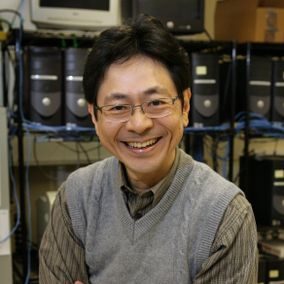
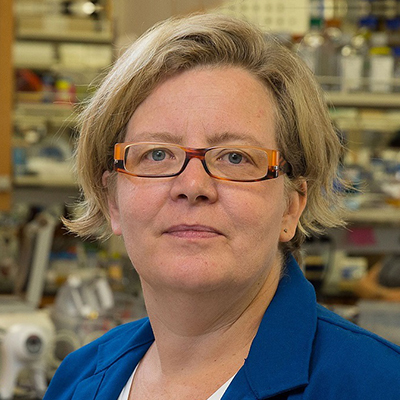
Josh Koenig is an Assistant Professor in the Department of Medicine at McMaster University , focusing on adaptive immunity , allergy , cellular immunology , and humoral immunology . His work bridges fundamental immunology with clinical applications to address challenges in food allergy and respiratory immunology . Research Interests : Dr. Koenig investigates B cell memory in allergic responses, IgE dynamics , and microbial regulation of immunity. His studies explore how commensal organisms and environmental factors (e.g., cigarette smoke) influence Th2 immunity and allergen immunotherapy . He co-led the discovery of a new cell type that remembers allergies, with implications for transformative treatments . Recent Publications highlight his work on disease tolerance in intestinal infections, microbial metabolism of allergens, IgG1-independent memory , and novel imaging techniques for immune cell analysis. His teaching roles include courses in cell biology and immunology (2015–2025). Dr. Koenig’s lab collaborates with ALK-Abello A/S and utilizes mucosal vaccine delivery strategies against SARS-CoV-2 .
Antonio Garrido del Solo is a Professor in the Department of Computer Systems at the School of Computer Engineering, University of Castilla-La Mancha (UCLM). He has been affiliated with UCLM since 1986, becoming a Catedrático (Full Professor) in the area of Computer Architecture and Technology (ATC) in 2003. He served as Director of the School of Engineering at UCLM (2000-2008), Director of the Information Technology section at the Regional Development Institute (IDR) of UCLM (1996-2000), and Deputy Director of the Informatics Department at UCLM (1993). Professor Garrido earned his Licentiate in Physical Sciences from the University of Granada in 1986 and his Doctorate from the University of Valencia in 1991. Since 1993, he has been the co-founder of the High-Performance Networks and Architectures (RAAP) research group at UCLM, which currently includes 23 doctors. His academic leadership includes heading the Computer Architecture and Technology area from 2008 to 2021. His research interests span wireless networks, multimedia communications, video transcoding, software-defined networking, edge computing, and energy efficiency in networks. Professor Garrido has focused on digital image processing, broadband video transmission, video transcoding, and multimedia data transmission over wireless networks. His recent work demonstrates a strong emphasis on software-defined networking applications for wireless LANs, particularly in multicast transmission, load balancing, and energy efficiency. His publication record shows a clear evolution from video transcoding and wireless communications to software-defined networking and edge computing. The past decade reveals a significant shift toward SDN-based solutions for wireless networks, with particular attention to quality of service, resource allocation, and energy efficiency in enterprise WLAN environments. His work often combines theoretical networking principles with practical implementations for real-world applications. Professor Garrido has been deeply involved in university quality evaluation since 2000, serving as an external evaluator for Spain's National University Quality Evaluation Plan (PNECU), ANECA's Evaluation Plan (PEI), and multiple ANECA programs including VERIFICA, MONITOR, and ACREDITA. Since 2018, he has been a member of the EURO-INF seal commission, which he has chaired since 2022. He has also collaborated with regional quality agencies (ACCUEE, AQUIB, DEVA) in evaluating university programs and faculty. His research has been supported by numerous competitive research projects, including MECODIVI (2018-2021), excellence networks in computer architecture and advanced communications (2017-2019), and multiple projects focused on multimedia content delivery, wireless sensor networks, and energy management systems. He has led the RAAP research group for nearly three decades, securing funding from both regional and national sources. Professor Garrido co-founded the RAAP (High-Performance Networks and Architectures) research group at UCLM in 1993, which has grown to include 23 doctors. The group has maintained a consistent research focus on network architectures, wireless communications, and multimedia systems, while adapting to emerging technologies like software-defined networking and edge computing. Their collaborative approach has resulted in numerous publications in top-tier networking journals and conferences.
Josh Baker is a Professor and Associate Vice President for Research at the University of Nevada, Reno, affiliated with the University of Nevada School of Medicine's Department of Pharmacology. His research focuses on the thermodynamics of muscle contraction, quantum heat engines, and entropic stability of biological systems. Ph.D. in Biochemistry, Biophysics, and Molecular Biology (University of Minnesota, 1999) B.S. in Physics (Hamline University, 1987) Research interests span muscle thermodynamics, mechanochemical coupling, and multiscale modeling of biological systems. His work explores the intersection of physics and biology to understand fundamental cellular processes. Current research trends examine quantum thermodynamics in muscle systems, entropic forces in cellular stability, and multiscale modeling approaches. Publications analyze phenomena from single molecule dynamics to whole-cell behaviors. Notable roles include Director of NIH NV INBRE since 2016 and leadership in research innovation at the University of Nevada. His work bridges experimental and theoretical approaches in biophysics.
Sal Baker is an Associate Professor in the Department of Physiology and Cell Biology at the University of Nevada, Reno School of Medicine, where his research centers on smooth muscle physiology in the gastrointestinal tract and urinary bladder. His work investigates the regulatory mechanisms of contractility through pacemaker interstitial cells of Cajal and neural neurotransmission, with emphasis on calcium signaling pathways in health and disease states. Education: Diploma in Biomedical-Industrial Studies with Distinction, University of Ulster, United Kingdom B.Sc. (Hons.) in Biomedical Sciences, University of Ulster, United Kingdom Ph.D. in Cellular and Molecular Physiology and Pharmacology, University of Nevada, Reno Dr. Baker's research program focuses on elucidating molecular mechanisms of calcium signaling in interstitial cells of Cajal and smooth muscle tissues. His investigations span gastrointestinal motility disorders, bladder dysfunction, and the electrophysiological basis of pacemaker activity, with particular attention to how ion channels and neural inputs regulate contractile behaviors. This work has direct implications for understanding functional bowel disorders and developing targeted therapies. Analysis of his publication record reveals a consistent trajectory in gastrointestinal and urinary physiology, with a significant expansion into computational approaches since 2022. His recent work integrates machine learning techniques for medical image analysis—particularly in ophthalmology and gastrointestinal imaging—while maintaining core focus on calcium dynamics in interstitial cells. This dual trajectory demonstrates translational innovation from basic cellular physiology to diagnostic applications.
Robert Sills is a Professor and Chief of the Comparative and Molecular Pathogenesis Branch at the National Institute of Environmental Health Sciences (NIEHS) . With a background in veterinary medicine and molecular biology, his research focuses on elucidating the molecular and cellular mechanisms of chemical-induced carcinogenesis in the liver, lung, and other organ systems. He also investigates the application of molecular pathology techniques to evaluate non-neoplastic tissue changes caused by environmental exposures. Research Interests Molecular pathology of chemical-induced diseases Development of animal models for toxicological studies Computational approaches to gene expression analysis Epigenetic and immune responses to environmental agents Key Trends in Recent Publications His recent work spans toxicology, molecular biology, and computational pathology , with specific emphasis on: Epidermal growth factor receptor (EGFR) signaling in hepatocarcinogenesis Transcriptomic profiling of chemically exposed tissues Epigenetic alterations in response to arsenic and endocrine disruptors Advances in laser microdissection and immunohistochemistry Mechanistic insights into oxidative stress and fibrosis Multi-omics integration for predictive toxicology Scientific Awards Fellow, International Academy of Toxicologic Pathology (IATP) Technological Contributions Sills has pioneered the use of laser capture microdissection and multi-omics data harmonization to improve precision in toxicological pathology. His team has developed standardized protocols for gene expression analysis in rodent models and epigenetic profiling of chemically induced lesions.
Luis Sanchez Fernandez is a Full Professor at the Department of Telematics Engineering, Carlos III University of Madrid. His research focuses span Smart Cities, Semantic Web, and Distributed Systems. Contact information includes email luis.sanchez@uc3m.es and office location 4.1.F08 in Leganés. His research program integrates Blockchain Governance , Urban Mobility Analysis , and Complex Systems Modeling . Recent work examines approval-based voting mechanisms in decentralized networks and fractional transport equations for physical simulations. Publications demonstrate a strong emphasis on fair algorithm design for societal applications. Key article themes show convergence of Smart City Data Integration Multiwinner Election Algorithms Cellular Automaton Dynamics Semantic Annotation Frameworks As Deputy Director of Teaching Affairs, he leads curriculum innovation in Telematics Engineering. His educational background includes a Doctorate from Universidad de Salamanca, focusing on Wikipedia as a teaching resource in higher education.
Dr. John D. Fryer is a Professor and the inaugural Director of the Center for Accelerated Nanotherapeutics at the Translational Genomics Research Institute (TGen) within the Bioinnovation and Genome Sciences Division. His research focuses on translational neuroscience with emphasis on Alzheimer's disease and related dementias, neuroinflammation mechanisms, and development of novel biologics including nanobodies and picobodies. Dr. Fryer's laboratory pursues NIH-funded research at the intersection of genetics, aging, and neuroinflammation. His work spans multiple critical areas of neuroscience including: Alzheimer's disease and related dementias, particularly the inflammatory aspects of neurodegeneration Nanobody and picobody development for therapeutic targeting of disease-critical proteins Sepsis and acute inflammation and their impact on brain function in aged individuals Psilocybin and mood disorders, studying differential brain responses to micro- versus macro-dosing Brain tumor interactions with the immune system and neurons, including the intriguing inverse relationship between Alzheimer's disease and brain tumor susceptibility Analysis of Dr. Fryer's publication record reveals a strong focus on APOE variants, microglial responses in neurodegeneration, and innovative biologics development. His research increasingly integrates multi-omic approaches including single-cell RNA sequencing and spatial transcriptomics to uncover novel therapeutic targets. His lab has developed searchable databases like www.fryerlab.com/ribotag and https://fryerlab.shinyapps.io/LBD_CWOW/ to share research data with the scientific community. Dr. Fryer has published extensively in high-impact journals including Nature Immunology, Nature Neuroscience, Science Translational Medicine, Science, and Neuron. His recent work on nanobody development for targeting Alzheimer's pathology represents a promising translational approach with potential clinical applications. His laboratory maintains active collaborations, as evidenced by the extensive co-author networks in his publications, and continues to secure NIH funding for innovative neuroscience research addressing critical challenges in neurodegenerative disease, brain inflammation, and novel therapeutic development.
Prof. Dr. Katharina Kohls serves as a Professor at Ruhr University Bochum specializing in system security, with research spanning mobile network vulnerabilities (4G/5G), privacy/anonymity systems, and internet censorship detection. Her work addresses critical security flaws in cellular infrastructure and anonymity networks through empirical attack simulations and defensive techniques. Her primary research domains include: Mobile Network Security : Investigating protocol vulnerabilities in 4G/5G including fake base stations, bidding-down attacks, and voice call eavesdropping (ReVoLTE/IMP4GT) Privacy & Anonymity : Analyzing traffic on Tor, location leaks in messaging apps, and information leakage in mobile VPNs Internet Measurement : Leading censorship monitoring initiatives like Censored Planet for longitudinal internet freedom analysis Analysis of her 2019-2024 publications reveals escalating focus on 5G security challenges and machine learning applications for intrusion detection, with consistent contributions to identifying practical attack vectors against real-world communication systems. Her methodology combines large-scale simulations with field measurements to expose systemic vulnerabilities. No scientific awards or student advising information was documented in the provided materials. Her contact details (room MC 4.137, tel +49 (0)234 32-27814) confirm active faculty status without indication of specialized labs or research teams in the source data.
John Kececioglu is a Professor in the Department of Computer Science at the University of Arizona, maintaining his office in Gould-Simpson Hall (GS 727). Holding a Ph.D. from the University of Arizona (1991), he bridges theoretical computer science with practical applications in biology and astronomy through rigorous algorithmic development. His research spans computational biology, algorithm design, and combinatorial optimization, with significant contributions to protein sequence alignment, metabolic network analysis, and astronomical alert systems. Recent work focuses on hypergraph-based pathway inference in cellular reaction networks and robust optimization for metabolic engineering, while his astronomy collaborations include the ANTARES broker system for real-time classification of transient events. Analysis of his 2018-2024 publications reveals a dual research trajectory: bioinformatics work emphasizing hyperpath algorithms for metabolic networks (60% of recent output) and astronomy projects developing machine-learning brokers for time-domain discovery (40%). Both streams demonstrate his signature approach of transforming complex biological and astronomical problems into combinatorial optimization challenges with efficient algorithmic solutions. No scientific awards were documented in the source material. While specific advising records and grant histories remain unreported in available texts, his extensive publication record spanning protein alignment (1989-2020) and metabolic engineering (2022-2024) suggests sustained mentorship of graduate researchers. His methodology of "parameter advising" for sequence alignment indicates innovative approaches to algorithm configuration that likely shaped student projects. Kececioglu leads computational efforts within the ANTARES (Arizona-NOAO Temporal Analysis and Response to Events System) collaboration, developing software infrastructure for next-generation astronomical surveys. His bioinformatics work implies active participation in interdisciplinary teams combining computer science, systems biology, and metabolic engineering, though specific lab affiliations are not explicitly stated in source materials.
Hans Van Oosterwyck serves as a full Professor in the Department of Mechanical Engineering at KU Leuven's Faculty of Engineering Sciences. He leads the Prometheus-Mechanobiology subdivision and actively contributes to the iSi Health and LIMNI research institutes, driving interdisciplinary work at the engineering-biology interface. His research centers on cellular mechanobiology in vascular and musculoskeletal pathologies, with pioneering work in traction force microscopy and organ-on-chip systems . Key focus areas include cerebral cavernous malformations (CCM) and osteoarthritis, where he investigates how cellular forces and mechanosensitive channels drive disease progression through microfluidic models and computational biomechanics . Analysis of his 2023-2025 publications reveals a dominant trend toward 3D force measurement techniques in disease modeling, particularly using degradable hydrogels for chondrocyte studies and vessel-on-chip platforms for CCM. Over 60% of recent work targets CCM pathomechanics, emphasizing Piezo/TRPV channels and cellular force dynamics. Prof. Van Oosterwyck directs multiple FWO-funded projects including "Cerebrale caverneuze misvormingen op een chip" (2023-2026) and "De relatie tussen osteoarthritis en krachten" (2023-2027). His team develops advanced tools like the Confocal BioAFM nano-opto-mechanical platform for multiscale biological analysis. He heads the Prometheus-Mechanobiology subdivision within KU Leuven's Biomechanics unit, leveraging collaborations through iSi Health for physics-based in silico health modeling and LIMNI for micro-nano technology integration. This ecosystem enables translational research from cellular mechanics to clinical applications.
Dr. Yuliya Volodymyrivna Tanasyuk is an Associate Professor at the Department of Computer Systems and Networks, Chernivtsi National University named after Yu. Fedkovych . She holds a Candidate of Physical and Mathematical Sciences degree (2003) and has been an active researcher and educator in computer science and physics domains. Academic Rank: Associate Professor Email: y.tanasyuk@chnu.edu.ua Her research spans multiple disciplines: Cryptography Cellular Automata Internet of Things (IoT) Software Engineering Network Technologies Project Management Notable trends in her publications include: Applications of cellular automata in cryptographic hash functions (2017–2021) Advancements in CdTe semiconductor materials (2003–2007) Interdisciplinary work bridging physics and computer science Scientific recognition includes: Multiple Cisco certifications (CCNA Security, DevNet Associate) 2023 UGEN Uni-Biz Bridge award for teaching flexibility British Council Academic Teaching Excellence (2016) International conference presentations at E-MRS and ISCP As an academic advisor, she has supervised numerous student research projects including: TensorFlow-based pattern recognition Traffic sign tracking systems Blockchain interaction frameworks University event planning software Smart parking detection systems Her work often intersects hardware-software integration and security protocols, with educational contributions through methodological guides in C++ programming and network technologies.
Abhishek Kumar Gupta is an Associate Professor in the Department of Electrical Engineering at the Indian Institute of Technology Kanpur. His educational background includes: Ph.D. in Electrical and Computer Engineering from the University of Texas at Austin (2016) B.Tech.-M.Tech. dual degree in Electrical Engineering from IIT Kanpur (2010) Dr. Gupta specializes in Wireless communications , with research interests spanning 5G/6G Technologies including mmWave, THz, RIS, vehicular, and molecular communication, Quantum communications, and Stochastic geometry. His work focuses on advancing the theoretical foundations and practical implementations of next-generation wireless systems, particularly in the areas of millimeter wave communications, spectrum management, and network densification. His research has significant implications for the development of future wireless networks that can support the exponentially growing demand for mobile data. Analysis of Dr. Gupta's publications reveals a strong focus on millimeter wave cellular systems, with several papers examining modeling approaches, spectrum licensing strategies, and network analysis using stochastic geometry. His work bridges theoretical mathematics with practical wireless communication challenges, particularly addressing the fundamental limits of network densification and performance scaling in ultradense urban environments. The recurring themes in his research include spectrum efficiency, interference management, and novel approaches to wireless network architecture. Dr. Gupta has received notable recognition for his academic achievements: GE-FS Leadership Award by General Electric Foundation and Institute of International Education (2009) IITK Academic Excellence Award for four consecutive years (2006-2009) Prior to his academic career, Dr. Gupta gained valuable industry experience working with Samsung Research America as a Sr. Standards Engineer, as well as with Applied Microelectronics Circuit Corporation, FutureWei Technologies, and Nokia Networks. This industry experience informs his research approach, ensuring practical relevance alongside theoretical rigor.
Katsushi Arisaka is a Distinguished Professor in the Department of Physics and Astronomy at the University of California, Los Angeles (UCLA), within the College of Physical Sciences. His research spans multiple disciplines including particle physics, cosmology, biophysics, and neurophysics. Dr. Arisaka began his academic journey at the University of Tokyo in 1979 as a graduate student under Professor Masatoshi Koshiba, working on the development of the world's largest 20-inch photomultiplier for the Kamiokande Experiment. He moved to the United States in 1985 and established his research group at UCLA in 1988. His educational background includes a Ph.D. from the University of Tokyo, though specific dates are not provided in the available materials. Professor Arisaka's research interests center around answering fundamental questions about the universe and life itself. His work explores three primary areas: the origin of the universe through dark matter research and cosmic ray studies; the origin of life through biophysics and molecular tracking; and the origin of consciousness through neurophysics. His approach consistently leverages advanced photon detection technologies across these diverse fields. Early in his career, he focused on rare decay processes of kaons to understand CP-violation at BNL and Fermilab, then shifted to cosmology in 1998, participating in the Pierre-Auger Cosmic Ray Observatory and CMS Endcap Muon Chambers for LHC at CERN. Since 2007, his main focus has been dark matter experiments including XENON100 at Gran Sasso in Italy and its successor XENON 1Ton, while also collaborating with DarkSide and MAX projects. His recent publications (2020-2023) reveal a strong trend toward interdisciplinary research, particularly at the intersection of physics, neuroscience, and consciousness studies. The 2022-2023 publications show a significant focus on visual perception, neural holographic tomography, and the grand unified theory of mind and brain. Earlier works (2017-2020) demonstrate continued activity in dark matter detection with experiments like XENON and DarkSide, as well as applications of advanced photon detectors to biological imaging. Grand Unified Theory of Mind and Brain (2022 series) Visual Perception of 3D Space and Shape (2022 series) Transverse sheet illumination microscopy (2023) DarkSide direct dark matter search (2017) Dr. Arisaka has been actively involved in major international collaborations including the CMS experiment at CERN's Large Hadron Collider, the XENON dark matter project at Gran Sasso in Italy, and the DarkSide experiment. His laboratory has developed innovative imaging techniques such as the Spatio-Temporal Multiplexing (STEM) microscope for multiple plane imaging and high-speed confocal microscopy systems capable of capturing 1,000 frames per second. The STEM microscope, developed with Adrian Cheng, allows simultaneous scanning of multiple planes using time differences between beams. At UCLA, Professor Arisaka has established productive collaborations across campus, particularly with the Medical School, where his advanced photon detection technologies have been applied to neuroscience research. His laboratory has contributed to significant discoveries in hair cell oscillation measurements and neural development studies. He teaches several physics courses including Physics 6B, 6C, 89 for 6B, 89 for 6C, and Physics 19, and regularly seeks graduate and undergraduate students interested in his research directions. His group has developed virtual reality systems for rats to study spatial recognition in the hippocampus in collaboration with Prof. Mayank Mehta's group. The Arisaka Lab maintains state-of-the-art facilities including a Photon Detector Lab and collaborates with multiple research groups on campus. Current research directions include the development of Transverse Sheet Illumination Microscopy (TransIM) and continued work on dark matter detection with next-generation XENON experiments. His lab's philosophy centers on using physics principles to answer the fundamental questions: 'Where do we come from? What are we? Where are we going?' through experimental approaches rather than philosophical speculation.
Kathrin Plath, Ph.D., is a Professor and Vice Chair in the Department of Biological Chemistry at the David Geffen School of Medicine, University of California, Los Angeles (UCLA) . Her research focuses on epigenetic regulation of cell fate transitions, particularly in stem cell biology, reprogramming, and X-chromosome dynamics. Education: Ph.D., Biochemistry, Humboldt University, Germany (1999) Post-doctoral Fellowships: Stem Cell Biology (Whitehead Institute, 2006), Chromatin Biology (UC San Francisco, 2003), Cell Biology (Harvard Medical School, 2000) Research Interests: Plath investigates mechanisms governing pluripotency, X-chromosome inactivation, and nutrient regulation of stem cell differentiation. Her lab develops single-cell omics technologies like SEC-seq to study transcriptomes and secretomes simultaneously, and explores 3D genome organization's role in gene regulation. Scientific Awards: HHMI Faculty Scholar (2016) ISSCR Board of Directors (2011-2017) NIH Director’s New Innovator Award (2007) Kimmel Foundation Scholar (2007) V Foundation Scholar (2007) Advising & Collaborations: Mentors students like Clara Cano and Sasha Barinsky. Collaborates with Jason Ernst (UCLA), Dino Di Carlo (UCLA), and international researchers on projects involving iPSC reprogramming, X-chromosome dosage compensation, and lung disease modeling.
Jean-François Trempe is an Associate Professor in the Department of Pharmacology and Therapeutics at McGill University's Faculty of Medicine and Health Sciences. He serves as a Researcher at the McGill University Health Centre Research Institute (IR-MUHC) at the Glen site, where he is affiliated with the Program in Brain Repair and Integrative Neuroscience and the Center for Translational Biology. Dr. Trempe's research program focuses on the structural and pharmacological aspects of proteins involved in Parkinson's disease, particularly Parkin and PINK1. His laboratory investigates how mutations in these proteins lead to early-onset familial Parkinson's disease through disruptions in mitochondrial quality control processes essential for neuronal survival. Using techniques including proteomics, structural biology, crystallography, NMR, and mass spectrometry, his team has made significant contributions to understanding the activation mechanism of Parkin by PINK1 and how these proteins function in mitochondrial maintenance. Current research directions include leveraging 3D structural information to design therapeutic strategies for pathogenic Parkin mutations, exploring how PINK1 detects damaged mitochondria, and investigating the role of Parkin/PINK1 in clearing mitochondrial damage using stem cell-derived neurons and animal models. Dr. Trempe's publication record demonstrates a strong interdisciplinary approach spanning structural biology, biochemistry, and neuroscience. His most recent work includes discoveries regarding molecular glue compounds that activate Parkin, the role of the PINK1-TOM-TIM23 supercomplex in mitochondrial import stress, and connections between Parkin activation and tumor progression. His highly cited 2014 Nature paper demonstrating that ubiquitin is phosphorylated by PINK1 to activate parkin represents a landmark contribution to the field. His research has significant translational implications for developing targeted therapeutic interventions for Parkinson's disease and understanding fundamental cellular quality control mechanisms. Dr. Trempe maintains extensive collaborations within McGill University and with international research teams, particularly with Dr. Edward Fon's laboratory, as evidenced by numerous co-authored publications across multiple high-impact journals.