Raf Hussain is a researcher at Newcastle University with extensive contributions to immunology, genetics, and ocular biology. Their work spans from 2002 to 2025, focusing on disease mechanisms in aging, cancer, and eye disorders. University: Newcastle University Academic Role: Researcher Research interests include: Regulatory T cell communication patterns in aging populations Immune dysregulation in autoimmune diseases like psoriatic arthritis Role of PD-1 receptor deficiency in melanoma progression Stem cell biology applications in papillary cancer and retinal diseases Genotype-phenotype correlations in Stargardt disease Recent publications highlight collaborations in single-cell sequencing, mitochondrial DNA variation, and ocular immunity. The work spans both fundamental developmental biology (retinal progenitor cells) and translational medicine (SARS-CoV-2 ocular entry routes).
Ki Won Sung is an Associate Professor at KTH Royal Institute of Technology, specializing in wireless communication systems and network optimization. His research focuses on 5G/6G technologies, integrated sensing-communication systems, cell-free massive MIMO, and stochastic network modeling. Research interests include: Wireless network architecture design and optimization Resource allocation in multi-user communication systems Integrated sensing and communication (ISAC) Stochastic modeling of ultra-dense networks Energy-efficient communication protocols Millimeter wave and massive MIMO systems His recent publications demonstrate strong emphasis on beyond-5G systems, particularly cell-free massive MIMO deployments and URLLC applications. Research trends show consistent focus on network optimization through advanced signal processing, geometric decomposition methods, and cross-layer protocol design. Teaching activities include course management and examination for multiple degree projects and core courses: Communication Systems (IK2200) Mathematical Statistics (IX1501) Mobile Networks and Services (IK2560) Radio Networks (IK2510) Stochastic Simulation (II2206) Wireless Systems (IK1330)
Jens B Nielsen is a Professor of Quantitative Systems Biology at Chalmers University of Technology , Sweden, where he leads a research group of over 60 people. He previously served as full Professor and founded the Center for Microbial Biotechnology at Danish Technical University (DTU) , and as Chief Science Officer of the Novo Nordisk Foundation Center for Biosustainability (2013-2018). Current CEO of BioInnovation Institute (Denmark) since 2019 Member of National Academy of Engineering (USA), National Academy of Science (USA), and multiple European academies His research spans systems biology , metabolic engineering , and industrial biotechnology , with over 700 publications and 50 patents. Key innovations include CRISPR-based yeast engineering , enzyme-constrained metabolic models , and microbiome-host interaction frameworks . He has founded several biotech companies and supervised 100+ PhD students. Recent publications highlight work on: Antimicrobial resistance dynamics in microbiomes CRISPRi/a for yeast tolerance mechanisms Metabolism-driven enzyme evolution over millennia Precision modeling of gut microbiota Scientific Awards : Nature Mentor Award for academic leadership ENI Award for energy innovation Novozymes Prize for biotech impact Gold Medal from Royal Swedish Academy of Engineering Sciences He has received continuous recognition as a Highly Cited Researcher (2015-2018) and serves on editorial boards of leading journals like Nature Communications and Trends in Biotechnology .
Michael Johansson serves as a Research Professor at Northeastern University's Roux Institute, maintaining offices in London, UK and Portland, ME. His work bridges public health research and operational response through advanced statistical and mathematical modeling of infectious diseases, with primary focus on vector-borne pathogens including dengue, Zika, chikungunya, and West Nile virus. Previously with the CDC in Puerto Rico for over a decade, he co-founded the Epidemic Prediction Initiative and led modeling efforts during Zika, COVID-19, and dengue emergencies. His research integrates biological, ecological, climatic, socioeconomic, and behavioral factors to understand disease emergence and transmission dynamics. Key methodologies include network-based forecasting models, climate-disease interaction analysis, and development of early warning systems. Current work emphasizes improving surveillance, burden estimation, and control strategy evaluation for arboviral diseases through quantitative tools. Recent publications demonstrate expertise in dengue synchronization across the Americas, West Nile virus forecasting, and addressing biases in mobility data for outbreak modeling. His work spans from molecular-level antibody response analysis to global risk mapping, consistently emphasizing operational implementation of research findings. Johansson actively contributes to public health practice through conference presentations including the 2025 American Mosquito Control Association Annual Meeting. His modeling frameworks have directly informed CDC emergency responses and the development of collaborative forecasting initiatives that pioneer open, transparent disease prediction.
Katherine Laura Chen is an Assistant Professor-in-residence in the David Geffen School of Medicine at the University of California, Los Angeles (UCLA), where she contributes to medical education, clinical care, and health services research. Her academic home is within the Department of Medicine, and she maintains an active research profile focusing on social determinants of health, particularly the intersection of housing policy and health outcomes. Dr. Chen received her BA in Molecular, Cellular, and Developmental Biology from Yale University in 2010, followed by her MD from UCLA David Geffen School of Medicine in 2015. She completed her Internal Medicine Residency & Chief Residency at UCLA Health in 2019, participated in the National Clinician Scholars Program at UCLA in 2021, and earned her PhD in Health Policy & Management from the UCLA Fielding School of Public Health in 2023. Her research program investigates how housing instability, affordability, and policy interventions impact health outcomes across diverse populations. With over 17 publications spanning from 2012 to 2025, her work demonstrates an evolving focus from cancer prevention behaviors to comprehensive analyses of housing as a social determinant of health. Her recent publications (2023-2025) reveal a concentrated effort examining housing instability's effects on chronic disease management, maternal and child health, cancer care access, and health disparities, often using California health data. Dr. Chen's scholarly work has been featured in high-impact journals including JAMA Network Open, JAMA Pediatrics, and Journal of General Internal Medicine, with several articles gaining significant attention in policy circles and news outlets. Her research demonstrates methodological diversity, employing retrospective cohort studies, systematic reviews, and policy analyses to address critical questions at the intersection of housing and health. As an active member of the UCLA academic community, Dr. Chen collaborates with researchers across multiple departments and institutions, including notable co-authors such as Katherine Kahn, Paul Shekelle, and Teryl Nuckols. Her work has implications for health policy development, particularly regarding housing interventions as health promotion strategies.
Md. Abul Hassan Samee is an Associate Professor at Baylor College of Medicine , specializing in Integrative Physiology . He is affiliated with the Computational and Integrative Biomedical Research Center (CIBR) , THINC@BCM , and the Cardiovascular Research Institute (CVRI) . Education: Postdoctoral Fellowship at Gladstone Institutes, University of California San Francisco PhD in Computer Science from University of Illinois Urbana Champaign Research Interests: Development of machine learning algorithms for biological datasets Single-cell and spatial omics analysis Comparative genomics in regeneration and aging Computational models for cancer and neurodegenerative diseases Publications focus on spatial transcriptomics, cardiac regeneration, and interpretable AI in genomic research. Recent projects include SPaSE for pathology scores and GraphAge for epigenetic aging. Grants from the National Institutes of Health support his work on Alzheimer's disease and MYH7 variant interpretation.
Xiuchun (Cindy) Tian is a Professor in the Department of Animal Science at the University of Connecticut. She earned her PhD and MS from Cornell University and a BS from China Agricultural University. Her academic leadership includes serving as Interim Department Head of Animal Science since 2021, and she teaches courses such as ANSC 3194 (Career Paths in Animal Science), ANSC 3323 (Animal Embryology and Biotechnology), and ANSC 5621 (Frontiers in Animal Embryo Biotechnology). Education: PhD, Cornell University MS, Cornell University BS, China Agricultural University Dr. Tian’s research focuses on reproductive biology and biotechnology, with emphasis on pre-implantation embryo development, somatic cell nuclear transfer, and bovine stem cell derivation. Her work bridges developmental genetics with agricultural applications, including genetic engineering in livestock species and assisted reproductive technologies. News coverage of her research highlights breakthroughs in cultivated meat development (e.g., induced pluripotent bovine stem cells overcoming decades-long challenges) and antiviral therapies for porcine viruses. She also leads initiatives like a NIFA-funded program to teach youth biotechnology and develop career readiness, while contributing to public understanding of GMOs and food labeling through outreach platforms. Lab & Affiliations: Office: Ag. Tech Bldg., Room 220D Lab: Ag. Tech Bldg., Room 231
Wen Lu, PhD is a Research Assistant Professor in the Department of Cell and Developmental Biology at Northwestern University's Feinberg School of Medicine. Her primary research focuses on cytoskeletal regulation and molecular motor coordination in super-large cells including oocytes and neurons, utilizing Drosophila melanogaster as a model organism. She employs high-resolution live microscopy, genetic engineering, optogenetics, and pharmacological manipulations to investigate microtubule and F-actin dynamics in cellular development and regeneration. Her educational background includes a BS from Peking University (2004) and a PhD from The University of Chicago (2010), followed by postdoctoral training at Northwestern University Feinberg School of Medicine. Dr. Lu maintains active affiliations with the American Society for Cell Biology (2019-2024) and the Genetics Society of America (2022-2023), and serves on the FlyBase Community Advisory Group since 2014. Research interests center on cytoskeletal dynamics in cellular polarization, with particular emphasis on oocyte specification, growth mechanisms, and neuronal regeneration after injury. Her work bridges developmental biology and neurobiology through innovative imaging techniques that reveal molecular transport mechanisms in cellular systems. Current investigations explore microtubule movement regulation and the interplay between cytoskeletal elements during critical developmental processes. Publication trends demonstrate strong interdisciplinary focus spanning cell biology, neurobiology, and imaging sciences, with recent work increasingly incorporating translational elements in ophthalmology and oncology. Her articles reveal consistent methodological innovation in live-cell imaging and genetic manipulation techniques applied to fundamental biological questions. Winner 2025 Drosophila Art Contest, The FlyStuff / Genesee Scientific Team Winner of CDB Graphic Design Contest, CDB Special Events Committee (2024) Winner in Category 2, Microscopy Image Competition 2024, ProteinTech Group 2nd Prize in Published Category, Microscopy Today Micrograph Awards (2024) BINA 2022 Image Contest- People's Choice Award, BioImaging North America Dr. Lu serves on the FlyBase Community Advisory Group and maintains industry relationships including ownership in Quantum Music LLC. Her laboratory work integrates advanced microscopy with genetic models to address fundamental questions in cellular organization, with potential implications for understanding developmental disorders and neurodegenerative conditions.
Jessica F Brinkworth is an Associate Professor at the University of Illinois at Urbana-Champaign's Department of Anthropology within the College of Liberal Arts & Sciences. She directs the Evolutionary Immunology and Genomics Lab while holding affiliations with the Carl R. Woese Institute for Genomic Biology, Department of Evolution, Ecology and Behavior, and Center for Social and Behavioral Sciences. Research focuses on evolutionary immunology, human immune variation, and host-pathogen interactions Active in community-based health initiatives like LHEAP Recipient of NSF and sustainability grants Education: PhD in Anthropology (2012) from City University of New York Graduate Center. Her research explores why certain individuals develop severe infections through evolutionary, ecological, and social lenses. The lab investigates primate immune system evolution, pandemic-driven genomic changes, and occupational impacts on innate immunity, with specific attention to sepsis, plague, pneumonia, Toxoplasma, and SARS-CoV-2. Recent publications show thematic focus on pandemic ecology, evolutionary trade-offs in immunity, and social determinants of health. Lab members include PhD students Grace Shaw, Abby Long, and Brett Stallone-Dwyer working on stress-epigenetics, trauma immunology, and neural reward systems in physical activity. 2021 LAS Impact Award for community pandemic response NSF BCS-1750675 Grant recipient 2019 Gabriel W. Lasker Award winner The lab pioneers sustainability initiatives like SUPER Labs, reducing plastic waste in research environments, and operates the Carbon Garden at Davenport Hall.
Kizzmekia S. Corbett-Helaire is an Assistant Professor of Immunology and Infectious Diseases at Harvard T.H. Chan School of Public Health and a Howard Hughes Medical Institute Freeman Hrabowski Scholar. She holds a Radcliffe Institute Shutzer Assistant Professorship and Ragon Institute associate membership. Education: BSc in Biological Sciences (University of Maryland), PhD in Microbiology and Immunology (University of North Carolina) Her research focuses on viral immunology and vaccine development for pandemic preparedness, particularly targeting coronaviruses, influenza, and other respiratory viruses. She led the development of mRNA-1273 (Moderna's SpikeVax) against SARS-CoV-2, which achieved 94.1% efficacy in Phase 3 trials and received global authorization. Recent publications highlight her work on MERS-CoV spike antigens , mRNA vaccine structural serology , and nanoparticle-based vaccine platforms . These studies span viral immunology, protein engineering, and pandemic response strategies. Scientific accolades include: Golden Goose Award (2020) Theodore Roosevelt Government Leadership Award (2020) Hans Sigrist Prize (2024) Benjamin Franklin NextGen Award (2021) Clinton Global Citizen Award (2021) She mentors postdoctoral fellows and graduate students (including Connor Eastman, Megan Garcia, and Hannah Matthews) while advocating for STEM education in underserved communities. Her lab operates in FXB Building, Room 425, Boston, MA.
Ariel Alperstein is an Assistant Professor in the Department of Chemistry & Biochemistry at the University of Delaware's College of Arts & Sciences. She leads the Alperstein Lab, which focuses on developing advanced ultrafast vibrational spectroscopy techniques for nanoscale biological research. Education: B.A. from Skidmore College (2014), Ph.D. from University of Wisconsin-Madison (2020), Postdoctoral Researcher at University of Minnesota (2020-2022) Research Overview : Dr. Alperstein's lab specializes in creating super-resolution stimulated Raman (SRS) and two-dimensional infrared spectroscopy (2DIR) methods to study protein structures and interactions at the nanoscale. Key research areas include: Ultrafast vibrational spectroscopy instrumentation development Live cell imaging of erlotinib resistance in non-small cell lung cancer Desmin fragment-related cardiomyopathy and chaperone protein interactions Protein structural changes induced by microplastics Her work bridges optics development with biochemical applications, emphasizing interdisciplinary approaches to cellular health challenges. Lab Environment : The Alperstein Lab promotes inclusivity through weekly diversity, equity, and inclusion discussions, and maintains a zero-tolerance policy for hate while fostering open communication and collaboration.
Professor Stuart Rushworth is a faculty member at Norwich Medical School, University of East Anglia, where he serves as the scientific group leader for molecular haematology research. His work focuses on the tumour microenvironment in haematological malignancies, particularly Acute Myeloid Leukaemia and Multiple Myeloma, and the impact of infection and ageing on haematopoietic stem cells. Education: Bachelor's Degree – University of Sunderland PhD in Immunology – University of Cambridge Post-doctoral Training – University of Cambridge and University of East Anglia His research explores metabolic reprogramming, mitochondrial transfer, and stromal interactions in cancer. He has made significant contributions to understanding how leukaemia cells exploit the bone marrow microenvironment for survival and proliferation. His studies have identified key mechanisms such as fatty acid release from adipocytes and intercellular mitochondrial transfer via tunnelling nanotubes. His work bridges basic science and clinical translation, with implications for drug resistance and novel therapeutic strategies. The most recent articles highlight trends in immunometabolism, infection-induced haematopoietic stress responses, and metabolic crosstalk in cancer. Key themes include mitochondrial dynamics, metabolic adaptation, and innate immune signaling pathways like STING. His publications appear in high-impact journals such as Cell Reports , Nature Communications , and Blood . He is actively funded by major research bodies including the British Heart Foundation, The Big C Appeal, Academy of Medical Sciences, and BBSRC. While no formal scientific awards are listed in the provided text, his research has led to clinical trials involving BTK inhibitors in myeloma patients. Professor Rushworth mentors several PhD researchers, including Dominic Fowler-Shorten, E. E. Wojtowicz, A. Jibril, J. A. Moore, and J. Mistry. He leads the Rushworth Group, which is part of the Metabolic Health Research Centre at UEA, focusing on metabolic processes in the tumour microenvironment.
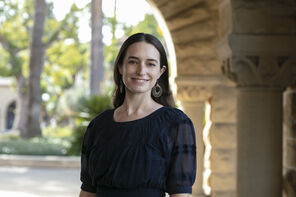
Lauren O'Connell is an Associate Professor in the Department of Biology at Stanford University, where she investigates how genetic and environmental factors contribute to biological diversity and adaptation. Her research focuses on the neural basis of parent-offspring communication, spatial cognition evolution, and toxin sequestration mechanisms in amphibians. She earned her Ph.D. in Cellular and Molecular Biology from the University of Texas at Austin (2011) B.S. in Biological Sciences from Cornell University (2006) A.A. in Natural Sciences from Tarrant County Community College (2004) Research interests span evolutionary neuroscience and physiology, particularly exploring: Neural mechanisms of parent-offspring communication in poison frogs Spatial cognition evolution in amphibians Physiological adaptations for chemical defense acquisition Vertebrate pair bonding mechanisms Her work integrates field studies in Ecuador, Madagascar, and Australia with laboratory experiments on brain function and toxin metabolism. Recent publications highlight innovations in Amphibian electrophysiology methods Microbiome interactions with alkaloids Neural correlates of social behavior Chemical defense ecology Scientific honors include 2023 Camille Dreyfus Teacher-Scholar Award 2018 Frank A. Beach Award 2015 For Women in Science Fellowship 2013 Capranica Prize 2012 Young Investigator Award 2011 Early Career Award She mentors a diverse team across multiple projects, emphasizing inclusivity and equity in science training programs. Her lab supports community college students through NSF-funded initiatives and engages in international collaborations with institutions like Flinders University and Centro Jambatu.
Ileana M. Cristea is the Henry L. Hillman Professor of Molecular Biology and an Associate Professor in the Department of Molecular Biology at Princeton University. She serves as the Director of Graduate Studies and leads the Cristea Lab, which focuses on the interplay between virology and proteomics. Her research aims to understand cellular defense mechanisms against viruses and viral strategies for immune evasion. Dr. Cristea's research interests lie at the interface of virology, proteomics, and molecular biology. Her lab investigates dynamic host-virus interactions, including protein-protein and protein-nucleic acid interactions during infection, DNA sensing in the nucleus, innate immune responses to herpesviruses, the role of deacetylases (HDACs and SIRTs) in viral infections, and global remodeling of cellular organelles. She develops and applies advanced proteomic tools integrated with genomics, microscopy, and bioinformatics to study these processes. Her recent publications demonstrate a strong focus on herpesviruses and human cytomegalovirus (HCMV), exploring mechanisms of viral immune evasion, host defense via DNA sensors like IFI16, organelle remodeling, and targeted proteomic assays. The research leverages cutting-edge mass spectrometry and multi-omics approaches to uncover fundamental biological insights with therapeutic implications. Her scientific achievements have been recognized with several awards: Bordoli Prize, British Mass Spectrometry Society (2001) NIDA Avant-Garde Director Pioneer Award (2008) Human Frontiers Science Program Young Investigator Award (2009) Early Career Award in Mass Spectrometry, ACS NJ Section (2011) American Society for Mass Spectrometry Research Award (2012) Molecular & Cellular Proteomics Lectureship (2013) Mallinckrodt Scholar Award (2015) Dr. Cristea is actively involved in mentoring and education. She advises PhD students, including Ji Woo Park. She is a head instructor for the summer Proteomics Course at Cold Spring Harbor Laboratory and has taught workshops at major conferences (ASMS, HUPO). She holds leadership roles in professional organizations, serving on the Executive Board of US-HUPO and chairing the Infectious Disease initiative of HUPO World. She also serves on the editorial boards of several high-impact journals, including Molecular & Cellular Proteomics , Proteomics , and Journal of Proteome Research . The Cristea Lab operates as a multidisciplinary research team, fostering collaborations with groups worldwide. Their work is supported by partnerships with organizations like the CHDI Foundation (Huntington's disease) and the Paul G. Allen Family Foundation (organelle remodeling). The lab continues to develop innovative proteomic and computational tools, such as machine-learning pipelines for predicting protein interactions.
Desalegn Etalo is an Assistant Professor at the Laboratory of Phytopathology at Wageningen University & Research. His research focuses on plant-pathogen interactions, particularly on Striga (a parasitic weed) and its impact on sorghum production in agricultural systems. Dr. Etalo's research interests center on understanding plant-microbe interactions, with emphasis on soil microbiome dynamics and their role in plant defense mechanisms. His work explores how rhizobacteria influence plant growth and resistance to parasitic weeds through metabolomic approaches. Key research areas include Striga suppression mechanisms, sorghum resistance traits, Fusarium diversity in plant-pathogen systems, and molecular detection of weed seedbanks in agricultural soils. His recent publications demonstrate a strong focus on the intersection of plant pathology, microbiome science, and agricultural sustainability. The research trends show increasing integration of metabolomics, molecular biology, and ecological approaches to address challenges in crop protection, particularly in vulnerable agricultural systems. Dr. Etalo actively mentors PhD students, serving as co-promotor on multiple doctoral projects addressing critical plant pathology challenges including Basal Stem Rot in Oil Palm, potato-rhizosphere interactions, tomato immune responses, and Fusarium wilt in banana. His research has garnered significant attention, with publications cited in Scopus, covered by multiple news outlets, and widely shared on social media platforms including X (Twitter) and Bluesky, indicating substantial impact in both academic and broader scientific communities.