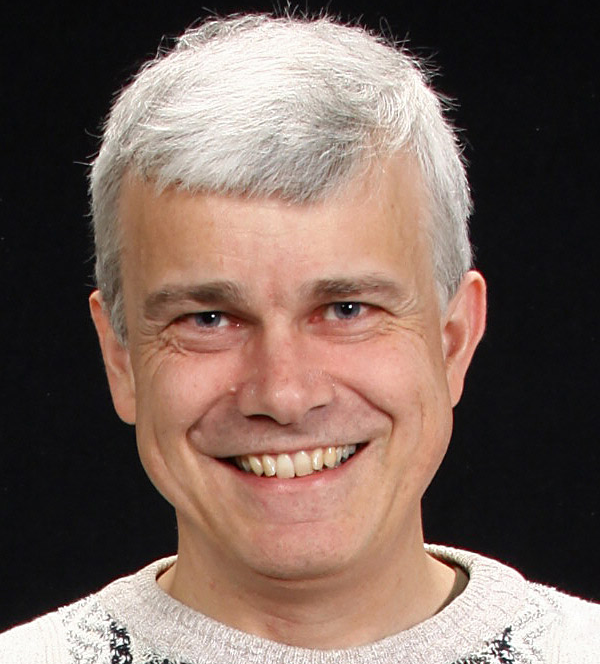
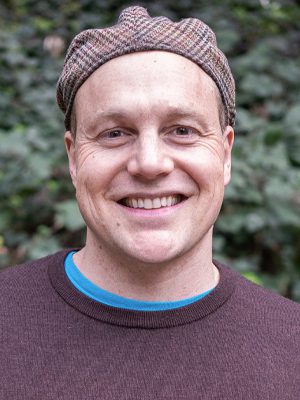
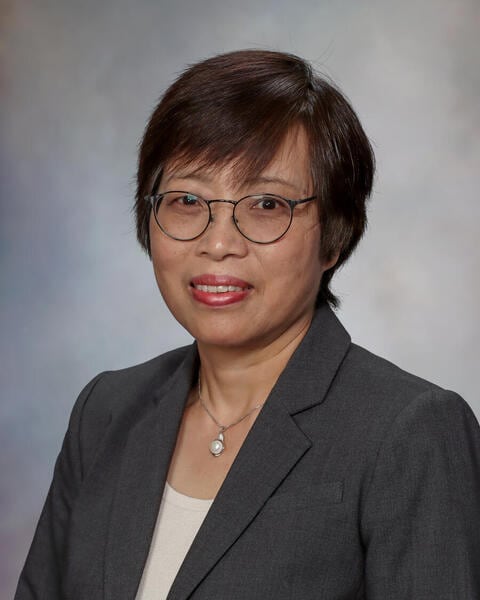
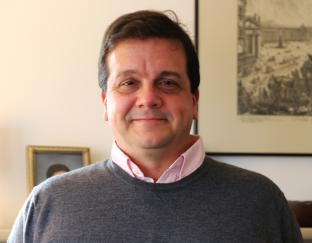
Gary M. Shaw is the Rosemarie Hess Professor and Professor (Research) at Stanford University , with courtesy appointments in the Department of Epidemiology and Population Health and Department of Obstetrics & Gynecology - Maternal Fetal Medicine . He serves as Co-PI of the March of Dimes Prematurity Research Center at Stanford and PI of the California Center for Finding Causes and Preventives of Birth Defects . His research focuses on the Epidemiology of birth defects Gene-environment interactions in perinatal outcomes Nutritional factors in reproductive health . He has developed machine learning approaches for precision parenteral nutrition and predictive models for preterm birth, while investigating persistent metabolomic signatures following hypertensive pregnancy disorders. Shaw's recent work explores Climate change impacts on reproductive health Maternal-fetal immune interactions Epigenetic mechanisms in perinatal disease with applications of multiomics to neonatal intensive care units. As a member of Bio-X and the Maternal & Child Health Research Institute , he contributes to translational research networks while serving as Associate Editor for Birth Defects Research and American Journal of Medical Genetics . He supervises Med Scholar Project student Richard Liang Doctoral co-advisor for Saskia Comess and Richard Liang Master's advisor for Lenae Joe while leading the Division of Neonatology as Associate Chair for Clinical Research (2012-2025). His laboratory work integrates Metabolomic profiling Proteomic analysis Computational modeling Machine learning for biomedical data to advance neonatal care through precision medicine approaches.
Ueli Grossniklaus is an Ordinary Professor at the University of Zurich within the Faculty of Mathematical and Natural Sciences , affiliated with the Department of Plant and Microbiology . His work focuses on plant developmental biology, particularly epigenetic and genetic mechanisms governing reproduction and adaptation. Key Courses: Epigenetics, Plant Biology Workshop, Group Seminars on Current Research Laboratory Techniques: Advanced methods in plant cell mechanics, transcriptomics, and genome editing Research Interests span plant epigenetics, reproductive biology, and the interplay between environmental stress and genetic regulation. He investigates: Mechanistic control of gametogenesis and fertilization Epigenetic contributions to plant adaptation Evolutionary implications of asexual reproduction Biophysical forces in plant cell growth Publication Trends (2025–2018) reveal expertise in: Arabidopsis and fern model systems Epigenetic regulation (DNA methylation, histone dynamics) Apomixis and hybrid seed failure mechanisms Biomechanics of pollen tubes and carnivorous plants Genome editing tools (CRISPR) and long-read sequencing Scientific Collaborations include interdisciplinary projects on: Microfluidic devices for plant cell analysis Gene drive ecology and ethics 3D imaging of plant reproductive structures Advising and Grants focus on mentoring through research internships in developmental biology, genetics, and systems biology. His lab engages in: Epigenetic response to environmental stress Cell wall mechanics in reproduction Computational modeling of plant growth Laboratory Teams integrate plant biologists, bioengineers, and computational scientists to study: Mechanistic gene regulation Evolutionary developmental biology Microrobotics for cellular force measurement
Peer Bork is a Professor at the European Molecular Biology Laboratory (EMBL) in Heidelberg, where he serves as Strategic Head of Bioinformatics and co-head of the Structural and Computational Biology Unit. He also holds honorary professorships at the University of Würzburg (Germany) and Fudan University (China). Educational background: PhD in Biochemistry (1990) Habilitation in Theoretical Biophysics (1995) Research interests span bioinformatics , systems biology , and microbiome analysis , focusing on functional prediction, comparative genomics, and data integration. His work explores global patterns in microbial communities, including enterotypes, drug-microbiome interactions, and planetary-scale gene fluxes. Scientific impact includes over 550 publications (70+ in Nature , Science , and Cell ) and groundbreaking discoveries like the human gut enterotypes and microbiome-based cancer biomarkers . Key projects include the SPIRE microbiome resource and the TARA Oceans expedition . Honors and leadership: EMBO member (2000) Nature Creative Mentoring Award (2008) ERC Advanced Investigator Grants (2011, 2015) Leopoldina member (2014) Honorary doctorate (University of Utrecht, 2017) Co-founder of 5 biotech companies Collaborative networks include partnerships with institutions in Berlin (Max-Delbrück-Center), Würzburg (Germany), and Shanghai (China), as well as global initiatives like the TREC expedition for environmental microbiome analysis.
Timothy D. O'Brien is a Professor and Division Head of Comparative Pathology in the Department of Veterinary Population Medicine at the University of Minnesota College of Veterinary Medicine. He holds multiple affiliations including the Stem Cell Institute, Masonic Cancer Center, and Institute for Engineering in Medicine. Dr. O'Brien also serves as faculty for the Masters Program in Stem Cell Biology. Dr. O'Brien earned his BS, DVM, and PhD degrees from the University of Minnesota in 1976, 1978, and 1985 respectively. He is a Diplomate of the American College of Veterinary Pathologists (Anatomic Pathology, 1984). His research spans veterinary pathology, transplantation biology, stem cell research, and cancer biology with a focus on comparative pathology models. He has made significant contributions to understanding interspecies organogenesis, islet xenotransplantation, and animal models for human diseases. His work bridges veterinary and human medicine, exploring translational applications of findings from animal models to human conditions. Recent publications highlight innovative approaches to transplantation without long-term immunosuppression and studies on hemangiosarcoma biology. Dr. O'Brien's publication record demonstrates expertise across multiple disciplines including diabetes research using feline models, lung cancer heterogeneity, and innovative transplantation techniques. His work frequently involves interdisciplinary collaborations across veterinary medicine, engineering, and human medical specialties, reflecting the integrative nature of modern biomedical research. His research program involves extensive collaborations across the University of Minnesota and beyond, working on projects related to stem cell biology, cancer research, and transplantation medicine. As Division Head of Comparative Pathology, he oversees diagnostic pathology services while maintaining an active research program that contributes to advancing our understanding of disease mechanisms through comparative approaches.
Christoph J. Fahrni is a Professor at the School of Chemistry and Biochemistry, Georgia Institute of Technology. He earned his M.S. from the Federal Institute of Technology (ETH) in Zurich and a Ph.D. in Chemistry from the University of Basel in 1995. After postdoctoral work at Northwestern University, he joined Georgia Tech in 1999, where his research focuses on metal ion biochemistry, particularly copper and zinc, using fluorescent probes and X-ray fluorescence imaging. Education: M.S., Federal Institute of Technology (ETH), Zurich Ph.D., University of Basel, 1995 His research integrates synthetic fluorescent probes and X-ray fluorescence microscopy to study intracellular metal ion dynamics, including copper trafficking, zinc homeostasis, and their roles in diseases like Menkes syndrome. The lab develops high-affinity ligands for copper buffering, investigates P-type ATPase transporters, and uses 3D X-ray tomography to map metals in zebrafish embryos. Key methodologies include ratiometric two-photon microscopy and bioorganometallic catalyst design. Recent publications highlight advancements in subzeptomolar copper probes, dynamic zinc imaging during development, and metal chelation therapy applications. Collaborative projects with Prof. Robert Dickson explore low-background fluorescent protein imaging. The Fahrni group trains graduate students like Daisy Bourassa and Adam McCallum, focusing on biochemical copper/zinc interactions and probe development.
Eilis Hannon is an Associate Professor in Bioinformatics at the University of Exeter Medical School and leads the Complex Disease Epigenetics Group. She holds a prestigious 5-year EPSRC Research Software Engineering Fellowship and serves as Assistant Director for Education in the Institute of Data Science and Artificial Intelligence, driving initiatives in reproducible research and data science education. Education: BSc in Mathematics, Cardiff University (2010) PhD in Bioinformatics, Cardiff University Centre for Psychological Medicine and Clinical Neurosciences (2014) Her research integrates statistical genetics, epigenomics, and bioinformatics to investigate molecular mechanisms in schizophrenia, bipolar disorder, and neurodegenerative diseases. She develops novel computational methods for analyzing DNA methylation dynamics across the lifespan and cell-type-specific epigenetic changes in brain disorders, with strong emphasis on open science and reproducible research practices. Recent publications demonstrate her leadership in multi-omics integration, particularly in cell-type-specific epigenetic epidemiology, biomarker development for neurological conditions, and methodological advances in long-read sequencing. Her work spans psychiatric disorders, Alzheimer's disease, and ALS, consistently linking genetic risk variants to functional epigenetic consequences through innovative analytical frameworks. Scientific Awards: EPSRC Research Software Engineering Fellowship NARSAD Young Investigator Award Alan Turing Pilot Project award Alzheimer's Society PhD studentship Software Sustainability Institute fellowship Alan Turing Institute Skills Policy Award As an educator, she directs the Coding for Reproducible Research training programme and mentors over 20 PhD students. She has secured substantial funding from MRC, NIA, ARUK, and the Brain and Behaviour Research Foundation, serving as PI on the EPSRC Fellowship and co-applicant on multiple international grants. Her leadership extends to the MRC GW4 Biomed DTP and the MSc module Statistics for Health and Life Sciences. She co-leads the Exeter Brain Health Analytics network within the NIHR Exeter Biomedical Research Centre and the Institute for Data Science and Artificial Intelligence, fostering cross-disciplinary collaborations in neurogenetics and computational biology.
Ralph G. Meyer is a Professor and Department Head at the College of Veterinary Medicine , Utah State University (USU). He holds a PhD in Molecular Cell Biology (University of Kaiserslautern, 1998) and completed postdoctoral training in Molecular Toxicology at University of Tuebingen and University of Arizona. Education : PhD (1998), MS (1994) in Molecular Cell Biology Academic Roles : Faculty at University of Pennsylvania, Interim Head at USU CVM’s VCLS department Research Interests focus on: Reproductive toxicology and developmental biology Epigenetic regulation of sperm chromatin NAD+ metabolism in aging and disease Scientific Awards : Biology of Reproduction Top Reviewing Editor (2017, 2018) NIH Ruth-Kirschstein-NRSA Fellowship (T32, 2002-2004) Edward A. Smuckler Memorial AACR Poster Award (2004) Teaching : Course director for Fundamentals of Pharmacology (VM7522) and Veterinary Toxicology (VM7523) since 2013. Mentored graduate students including Renata Hoskova and Chelsea Ketchum.
Dr. Hilary Martin is a Group Leader in Human Genetics at the Wellcome Sanger Institute and a College Research Associate at St John's College, Cambridge. Her research focuses on medical and population genomics, analyzing high-throughput sequence and genotype data from large cohorts to address various medical and population genetic questions. She leads the Martin Group which studies the genetic architecture of rare and common disorders in diverse populations, with particular emphasis on populations with high levels of parental relatedness. BSc (Human Genetics) from the University of Queensland, Australia PhD from the Wellcome Trust Centre for Human Genetics in Oxford Postdoctoral research at Sanger Institute with Jeff Barrett Group Leader at Sanger Institute since September 2018 Dr. Martin's research program spans several key areas in human genetics. Her group analyzes large-scale genetic and electronic health record data to explore fine-scale population structure, its impact on disease risk, and the genetic architecture of both rare and complex diseases. A particular focus is on populations with high levels of parental relatedness (consanguinity), where her team investigates how autozygosity affects disease risk across the phenotypic spectrum. Her work on developmental disorders examines the role of rare recessive variants and polygenic risk, while her research with South Asian populations explores the genetic basis of cardiometabolic diseases. Analyzing her recent publications reveals a strong trend toward multi-ancestry studies, particularly focusing on British Pakistani and Bangladeshi populations through the Genes & Health project. Her research increasingly integrates rare variant analysis with polygenic risk scores to understand the full genetic architecture of complex traits. There's also a growing emphasis on understanding how population structure, consanguinity, and founder effects influence disease risk across diverse populations. Her work bridges fundamental population genetics with clinical applications, particularly in neurodevelopmental disorders and cardiometabolic diseases. Extensive publication record in top journals including Nature, Cell, and Nature Genetics Leadership in major collaborative projects like Deciphering Developmental Disorders (DDD) Key contributions to understanding the role of consanguinity in disease architecture Development of methods for analyzing recessive variants in diverse populations Dr. Martin leads a dynamic research group comprising PhD students, postdoctoral fellows, and staff scientists. Her group works closely with multiple large-scale studies including the Avon Longitudinal Study of Parents and Children (ALSPAC), Millennium Cohort Study, Born in Bradford, Deciphering Developmental Disorders study, Genomics England, and Genes & Health. She maintains strong collaborations with clinical and research teams across the UK and internationally, particularly with groups studying South Asian populations. Her research has secured significant funding through institutional support and collaborative grants that enable large-scale genomic analyses. The Martin Group operates within the Human Genetics Programme at the Wellcome Sanger Institute, maintaining close ties with the Hurles Group and other related teams. They collaborate extensively with the East London Genes and Health project, which is one of the world's largest community-based genetics studies focusing on people of Pakistani and Bangladeshi heritage. The group maintains strict data security and confidentiality procedures while working closely with the communities they study through community engagement and dissemination of scientific findings.
John Marshall is a Professor in the Department of Biostatistics and Epidemiology at the School of Public Health, University of California, Berkeley. His research focuses on using mathematical models to inform novel genetics-based strategies for mosquito control and to support efforts to control and eliminate mosquito-borne diseases such as malaria, dengue, and Zika virus. Dr. Marshall received his PhD in biomathematics from UCLA in 2008, with a dissertation on the use of GM mosquitoes to control malaria transmission. Prior to joining UC Berkeley, he worked on several aspects of this project as a PostDoc at the UCLA Center for Society & Genetics, the Malaria Research and Training Center in Mali, Caltech, and Imperial College London. His research interests include mathematical modeling of infectious diseases, genetics-based strategies for mosquito control, malaria elimination, dengue control, Zika virus control, gene drive systems, and vector control. He has developed the Mosquito Gene Drive Explorer (MGDrivE), a framework for testing gene-drive releases for mosquito-borne diseases control that models inheritance matrices, life-history, and migration across spatial landscapes. Dr. Marshall has secured significant funding for his research, including an $800,000 grant from the Bill & Melinda Gates Foundation in 2021 for genetics-based malaria mosquito control and an NIH grant in 2020 for mosquito movement and control research. He leads the Marshall Lab which collaborates with researchers from Tecnológico de Monterrey and IHME through the Mosquito Networks Taskforce (MoNeT). His recent publications demonstrate interdisciplinary work spanning epidemiology, genetics, computational biology, and vector control, with a focus on gene drive systems, surveillance methods, and cost-effectiveness analyses for malaria elimination. $800,000 grant from the Bill & Melinda Gates Foundation (2021) NIH grant for mosquito movement and control (2020) Dr. Marshall mentors numerous students and researchers including Héctor M. Sánchez C. (lead of MoNeT), Kevin Islas Abud, Luis Rodrigo Careaga Sotomayor, and others working on machine learning applications, network theory, and spatial analysis related to mosquito-borne diseases. He teaches courses PH 252B Modeling the dynamics of infectious disease processes and PH 295 Infectious disease modeling seminar at UC Berkeley.
Zeying Du, M.D., Ph.D. is a Laboratory Immunologist and Associate Director of Histocompatibility Laboratory at the Mayo Clinic in Jacksonville, Florida . She previously served as Director of Clinical Histocompatibility Laboratory and Assistant/Associate Professor in the Department of Pathology and Laboratory Medicine at Loyola University Medical Center , Illinois. Education: MD (1986), MS (1989), PhD (1998), Postdoctoral Fellow in Immunogenetics (2008), Director-in-training Fellowship in Transplant Immunology (2010) Professional Memberships: Member of American Society of Transplantation and Cellular Therapy (ASTCT), International Society of Heart and Lung Transplantation (ISHLT), American Society of Histocompatibility and Immunogenetics (ASHI) Dr. Du’s clinical and research interests focus on identifying pre- and post-transplant biomarkers of immunological risk to improve solid organ transplant outcomes and using genetic markers for hematopoietic cell transplant donor selection to reduce graft-versus-host disease. Her work has emphasized HLA typing , next-generation sequencing , and transplant immunogenetics . Her 15 most recent publications (2015–2025) center on HLA allele discovery , antibody-mediated rejection in organ transplant recipients, and immunogenetic risk factors in transplantation. These studies leverage advanced sequencing technologies to refine histocompatibility testing and improve donor-recipient matching. Scientific Awards: Paul E. Strandjord Young Investigator Award (2010) Extraordinary Young Investigator Award (2000) Second-place Award for Progress in Natural Sciences (1998) Servier Young Investigator Award (1998) Presidential Scholarship (1998) Dr. Du actively participates in HLA laboratory inspections (College of American Pathologists, ASHI), contributes to scientific review panels (ISHLT, ACHI), and leads histocompatibility testing at Mayo Clinic’s laboratory. Her research integrates clinical immunology with genetic analysis to advance precision medicine in transplantation.
Dr. Reena Kartha is an Associate Professor in the Department of Experimental and Clinical Pharmacology at the University of Minnesota College of Pharmacy, where she also serves as the Associate Director of Translational Pharmacology. Her research focuses on rare diseases, particularly investigating the pathophysiological role of oxidative stress and inflammation in rare disorders occurring due to inherited errors of metabolism. Dr. Kartha directs the Center for Orphan Drug Research and leads multiple translational research projects with pharmaceutical industry partners including Sanofi, Takeda, and Pfizer. Dr. Kartha's educational background includes: Molecular and Cellular Biology from Indian Institute of Science, Bangalore, India Biotechnology from Tamil Nadu Agricultural University, India Agriculture from Kerala Agricultural University, India Dr. Kartha's research program is dedicated to deciphering the pathophysiological role of oxidative stress and inflammation in rare disorders, particularly those caused by inherited metabolic errors. Her laboratory conducts studies to elucidate the mechanism of action of drugs using cellular and animal models, with the long-term goal of developing new therapies or optimizing existing treatments for rare diseases. A significant focus of her work involves the identification of novel protein- or miRNA-based biomarkers for early diagnosis, prognosis, and treatment response using patient-derived samples. Her expertise spans molecular pharmacology, biomarker analysis, and rare inherited metabolic disorders, particularly Gaucher disease and adrenoleukodystrophy. Analysis of Dr. Kartha's recent publications reveals a strong focus on rare diseases, particularly Gaucher disease and related lysosomal storage disorders. Her work consistently explores the role of oxidative stress and inflammation in these conditions, and investigates potential therapeutic interventions such as N-acetylcysteine. There is a clear progression from basic mechanistic studies to clinical applications, with an increasing emphasis on biomarker discovery and validation. Her research demonstrates significant collaboration with clinical teams and pharmaceutical industry partners, reflecting the translational nature of her work. Dr. Kartha has received numerous awards and recognitions for her contributions to research and mentorship: CTSI Outstanding Junior Mentor of the Year (2017) NIH Rare Disease Clinical Research Network (RDCRN) Certificate Training Scholar (2016-17) Lysosomal Disease Network Clinical Fellow (2016-18) Senior Research Fellowship from Council for Scientific and Industrial Research, New Delhi, India M.S. Swaminathan award for best scholar in Biotechnology, Coimbatore, India Merit scholarship from Department of Biotechnology, New Delhi, India Dr. Kartha is actively involved in mentoring students and junior researchers, as evidenced by her CTSI Outstanding Junior Mentor award. She leads multiple significant research projects funded by pharmaceutical companies including Sanofi, Takeda, and Pfizer, with a focus on translational pharmacology for rare diseases. Her current projects include investigating extracellular vesicles as potential biomarkers and therapeutic targets in Gaucher disease, and exploring the use of antioxidant or anti-inflammatory medications to mitigate oxidative stress in Type 1 Gaucher Disease. Dr. Kartha directs research activities at the Center for Orphan Drug Research within the Department of Experimental and Clinical Pharmacology. Her laboratory collaborates with multiple research teams across the University of Minnesota and with external partners in the pharmaceutical industry. Her work frequently involves interdisciplinary teams including pharmacologists, biochemists, clinicians specializing in rare diseases, and bioinformaticians for biomarker analysis.
Wendy P. Robinson is a Professor in the Department of Medical Genetics at the University of British Columbia Faculty of Medicine , and a Senior Scientist at the BC Children’s Hospital Research Institute . She holds the CIHR Sex and Gender Science Chair . Research Interests: Genetics and epigenetics of early human development, placental function in pregnancy complications (fetal growth restriction, preterm birth), DNA methylation, non-coding RNA, sex differences, and polymorphisms. Her lab employs genomic and bioinformatic tools to study placental health and its impact on newborn outcomes. Recent Publications (2025-2024) focus on X-chromosome inactivation patterns in placenta, cell-type specific DNA methylation, maternal socioeconomic effects on placental epigenetics, and modeling placental development with organoids. Key themes include sex-specific epigenetic regulation , maternal-fetal interactions , and human placental methylome . Awards: UBC Faculty of Medicine Distinguished Achievement Award (2018), with trainees receiving the James Miller Memorial Prize and Mary-Jane Carroll Trainee Award. Students & Collaborations: Supervised PhD/MSc students include Li Qing Wang, Icíar Fernández Boyano, Giulia Del Gobbo, Victor Yuan, and Magda Price. Collaborators span the Alex Beristain Lab and University of Toronto institutions. Laboratory Activities: Regular team-building events like mountain hikes, climbing outings, and kayaking trips, alongside providing open access to epigenetic tools (e.g., Bisearch, SeqDoc) for the research community.
Anthony Antonellis is a Professor of Human Genetics at the University of Michigan Medical School. His research focuses on transcriptional regulation and the genetic and molecular mechanisms of Mendelian disease, particularly mutations in aminoacyl-tRNA synthetases linked to neuropathies and neurodevelopmental defects. He is affiliated with the Antonellis Laboratory and the Cell and Molecular Biology (CMB) program. Implicit Bias Training Allayship Training Anti-Racism Training Disability Awareness Training Bystander Training Gender Bias/Discrimination Training Research areas include studies of gene regulation via cis-acting elements in myelinating cells, and the role of tRNA charging enzymes in neurodegenerative and developmental disorders. His group employs model organisms like yeast and zebrafish to explore clinical heterogeneity and disease mechanisms. Articles highlight Mendelian disorders, neuropathy genetics, tRNA synthetase dysfunction, and neurogenetics, with emphasis on translation to clinical diagnostics and therapeutics. Contact: antonell@umich.edu
Professor Tayfun Özçelik serves as Dean of the Faculty of Science at Bilkent University, where he chairs the Department of Molecular Biology and Genetics. A distinguished human geneticist, his career spans foundational work in identifying genes for inherited disorders and pioneering DNA identification in Turkish judiciary systems. He has led diagnostic genetics laboratories at both Istanbul and Bilkent Universities. 1986: MD, İstanbul University Medical School Postdoctoral: Physiology (Munich), Human Genetics (Yale), Howard Hughes Medical Institute (Stanford) His research focuses on molecular characterization of inherited disorders including Prader-Willi syndrome, Charcot-Marie-Tooth disease, and Parkinson’s. Current projects examine complex phenotypes like obesity and polycystic ovarian syndrome through genetic mapping and reverse phenotyping in consanguineous families. Recent work explores type I IFN immunity in severe COVID-19 cases. Key scientific contributions include discoveries of SNRPN for PWS, PMP22 for CMT1A, and HTRA2 for Parkinson’s. His lab also identified genes VLDLR , WDR81 , and ATP8A2 linked to cerebellar hypoplasia. Scientific Awards TÜBİTAK Young Investigator Award (1996) Bayındır Medical Award (2006) TÜBİTAK Science Award (2012) Dr. Özçelik has advised numerous graduate students and collaborates internationally, particularly with Rockefeller University. His work extends to X chromosome inactivation patterns in autoimmune diseases and establishing genomic medicine infrastructure in Turkey.
Dr. Nadia Ameen is a Professor of Pediatrics (Gastroenterology) and Cellular and Molecular Physiology at Yale University School of Medicine. As an NIH-funded physician-scientist with over two decades of laboratory leadership, she investigates mechanisms of diarrheal diseases with focus on CFTR chloride channel regulation in genetic and non-genetic intestinal disorders including Cystic Fibrosis. Her research spans trafficking mechanisms, kinase signaling pathways, and translational applications for drug therapies like Linaclotide and Lubiprostone. MBBS from University of West Indies (1985) Her research program combines: CFTR trafficking regulation Microvillus Inclusion Disease (MVID) pathogenesis SGK1 kinase signaling effects Neuropod cell biology Translational organoid models Pediatric gut health promotion Key contributions include: Discovery of CFTR trafficking mechanisms Identification of BEST4+ neuropod cells Development of humanized mouse models Elucidation of stress-induced signaling pathways Advancement of nutritional interventions for children Scientific recognition includes the 2020 NASPGHAN Award for Study of Disorders Associated with Carbohydrate Malabsorption. She leads the Ameen Lab at The Anlyan Center (300 Cedar Street, New Haven) and participates in the Discovery to Cure Internship program.