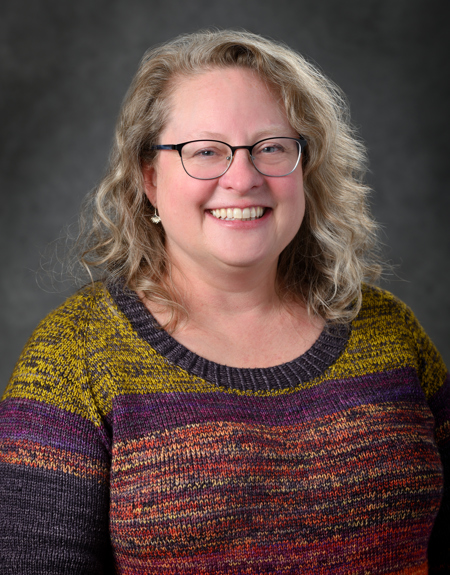
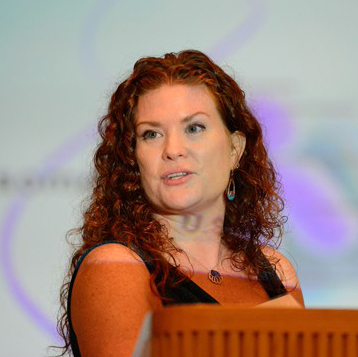
Xiang Zhang is a Professor in the Department of Molecular and Cellular Biology at Baylor College of Medicine (BCM), serving as Director of the Lester and Sue Smith Breast Center and holder of the William T. Butler, M.D., Endowed Chair. He also holds roles as a McNair Scholar and member of the Dan L. Duncan Comprehensive Cancer Center. Zhang’s research focuses on metastasis mechanisms and immunology, particularly in breast cancer bone metastasis. His work bridges tumor cell behavior with the tumor microenvironment, emphasizing spatiotemporal co-evolution and therapeutic development. Education: Ph.D. from Columbia University (2006), Postdoctoral Fellowship at Memorial Sloan Kettering Cancer Center (2011), and B.S. from Fudan University (2000). Honors include the Era of Hope Scholar Award (2016-2021) and NIH Pathway to Independence Award (2010-2014). Research Themes: 1) Breast cancer bone metastasis mechanisms, including niche interactions and osteogenic signaling. 2) Tumor immunology, focusing on immune suppression, myeloid cell dynamics, and therapy resistance. Recent breakthroughs include lipid-driven immune evasion in triple-negative breast cancer and single-cell profiling of metastatic ecosystems. Publications highlight discoveries in bone microenvironmental reprogramming, myeloid-B cell crosstalk, and therapeutic vulnerabilities. His lab actively explores biomarkers for therapy response and novel combination therapies. Grants and Awards: Over $15M in NIH/NCI grants, Department of Defense funding, and foundation support. Notable recognition includes the Michael E. DeBakey Award (2018) and Laura Zisken Prize (2020). Lab Team: Includes postdoctoral researchers (Noa Peled, Xuan Li) and students (Michael Dieffenbach). Current projects investigate lipid metabolism in therapy resistance and systemic immunosuppression mechanisms. Laboratory: Established in 2011, the Zhang Lab employs preclinical models, single-cell analysis, and translational approaches to combat metastasis. Active collaborations include work with the BCM Immunity Center and Stand Up To Cancer initiatives.
Dr. Yuuki Obata is an Assistant Professor in the Department of Immunology and Neuroscience at UT Southwestern Medical Center, USA. He holds an Investigator role at the O'Donnell Brain Institute. Previously, he served as a postdoctoral fellow at the Francis Crick Institute (2016-2021) and the University of Tokyo (2015-2016). His research focuses on how environmental signals (microbiota, diet, circadian rhythms) shape intestinal neural circuits and immune networks. He employs advanced techniques including imaging, viral tracing, gnotobiotic systems, and multi-omics approaches. Education: PhD in Immunology from Chiba University (RIKEN Joint Graduate School Program), Japan. Postdoctoral training included JSPS Superlative Postdoctoral Fellowships (Japan) and EMBO/HFSP fellowships (UK). Research interests span microbiota-immune interactions, enteric nervous system development, gut-brain axis communication, and epigenetic regulation of immune responses. His lab investigates mechanisms linking microbial metabolites to host physiology, particularly in metabolic and neural contexts. Key findings include microbiota's role in IgA responses, T cell differentiation, and neuronal programming. Collaborations emphasize inter-organ communication and translational applications in immunology and neuroscience. Laboratory: The Obata Lab at UT Southwestern employs interdisciplinary methods to address how environmental factors reprogram gut neural and immune systems. Future work includes exploring microbiota-based therapies and neuroimmune interactions in disease models.
Jill A Kreiling is an Associate Professor (Research) in the Department of Molecular Biology, Cell Biology, and Biochemistry at Brown University School of Medicine. She also serves as the Associate Director of the Brown Center on the Biology of Aging since July 2018. Her research focuses on the molecular mechanisms of aging, particularly examining the role of transposable elements, epigenetic changes, and cellular senescence in the aging process. Dr. Kreiling's research interests span several key areas in aging biology and molecular mechanisms of age-related changes. Her work has significantly contributed to understanding how retrotransposable elements become active during aging, how heterochromatin formation changes with age, and how these molecular changes impact tissue function and age-related diseases. She has developed innovative approaches to study aging processes using various model systems including mouse models, zebrafish, and cell culture systems. Her research program has been consistently supported by NIH funding, including her current role as Principal Investigator on an R01 grant focused on identifying biomarkers in salivary vesicles for preclinical Alzheimer's disease. She has published extensively in high-impact journals including Nature, Cell, and Aging Cell, with her work being cited widely in the aging research community. Dr. Kreiling has received several prestigious awards including the Mentored Research Scientist Development Award (K01) from the National Institute on Aging (2011-2017). Her collaborative network includes prominent researchers in the aging field such as John Sedivy and Nicola Neretti at Brown University. As an educator, Dr. Kreiling has taught Introductory Microbiology and has mentored numerous students and postdoctoral fellows in her laboratory. Her research program provides valuable training opportunities for students interested in aging research, molecular biology, and translational approaches to age-related diseases.
Coleen T. Murphy is the James A. Elkins Jr. Professor in the Life Sciences and Professor of Molecular Biology and the Lewis-Sigler Institute for Integrative Genomics at Princeton University. She serves as Director of the Lewis-Sigler Institute and Director of the Paul F. Glenn Laboratories for Aging Research, highlighting her leadership in aging and genomics research. Her work bridges molecular biology, genetics, and computational approaches to understand aging and age-related decline. Her research focuses on the molecular mechanisms of aging, particularly using the nematode C. elegans as a model organism. Key interests include longevity pathways, insulin/IGF-1 signaling, reproductive aging, neurodegenerative diseases, transgenerational inheritance, and mitochondrial function. Her lab integrates genomic, transcriptomic, and functional screening techniques to identify genes and pathways that regulate aging and healthspan. The recent publications of her lab demonstrate a strong trend in interdisciplinary research combining genetics, neuroscience, and computational biology. Themes include cognitive aging, learned behavior, pathogen avoidance, metabolic regulation, and drug discovery in neurodegenerative models. Her work increasingly employs high-throughput methods and cross-omics analysis to uncover conserved mechanisms relevant to human health. HHMI Faculty Scholar, Howard Hughes Medical Institute (2016) Pioneer Award, National Institutes of Health (2015) Innovation Award, Department of Molecular Biology, Princeton University (2014) Glenn Foundation for Medical Research Award (2012) Dr. Murphy leads a vibrant research group and mentors numerous students and postdoctoral researchers. Her lab has secured significant funding from HHMI, NIH, and the Glenn Foundation, supporting innovative projects in aging and longevity. She also directs major research initiatives, including the Simons Foundation’s SCPAB (Plasticity and the Aging Brain), underscoring her national leadership. The Murphy Lab at Princeton is a multidisciplinary team employing C. elegans to study aging, cognitive decline, and intergenerational signaling. The lab utilizes cutting-edge tools including microfluidics (e.g., CeLab), transcriptomics, and behavioral assays. It is part of the Department of Molecular Biology and the Lewis-Sigler Institute, fostering collaboration across genomics, neuroscience, and computational biology.
Professor Torsten Nielsen is a clinician-scientist at the University of British Columbia 's Department of Pathology & Laboratory Medicine (Faculty of Medicine), based at Vancouver General Hospital and BC Cancer . He directs UBC's MD/PhD Program , contributes to cancer clinical trials with the Canadian Cancer Trials Group , and chairs the international Connective Tissue Oncology Society 's Research Committee. Key affiliations: UBC, Vancouver General Hospital, BC Cancer, Molecular and Advanced Pathology Core Academic focus: Translational research in sarcomas and breast cancer His research prioritizes translating genomic discoveries into clinical diagnostics and treatments, particularly for synovial sarcoma , breast cancer subtypes , and tenosynovial giant cell tumors . He develops FDA-cleared molecular assays like the PAM50 (Prosigna) test and leads pan-Canadian precision oncology initiatives . Collaborative efforts include work with Stanford, Leiden, and DKFZ Heidelberg. Recent publications highlight advancements in epigenetic therapies , immune biomarker validation , and synovial sarcoma pathogenesis . His lab's work on CSF1/CSF1R signaling inspired new treatment strategies for joint-destructive tumors. Scientific Awards: Fellow, Canadian Academy of Health Sciences Fellow, Royal Society of Canada As director of UBC's MD/PhD Program, he trains future clinician-scientists. His lab team includes experts in epigenomics , proteomics , and mouse modeling . Current projects focus on precision oncology for sarcomas and Ki67 standardization in breast cancer.
Arunika Das is an Assistant Professor in the Department of Biomedical Sciences at the Cornell University College of Veterinary Medicine , where she leads the Das Lab. Her research focuses on the genetic and epigenetic mechanisms governing chromosome inheritance during meiosis and early development, with a particular emphasis on centromere biology and aneuploidy. Education: PhD in Cell and Developmental Biology (Rutgers University, 2016), MS in Biochemistry (University of Calcutta, 2009), BS in Chemistry (St. Xavier’s University, 2007) Research Highlights: Investigates centromere inheritance through reproductive and embryonic challenges Studies aneuploidy mechanisms in early embryos Uses mouse, fly, and horse models for comparative genome stability analysis Active in Cornell Center for Reproductive Sciences and Center for Vertebrate Genomics Scientific Awards: Society for the Study of Reproduction - Emerging Investigator Award (2024-2025) S. Walter Englander Postdoctoral Research Award (2022) Keith R. Porter Award Honorable Mention (2022) Marine Biological Laboratory Fellowship (2017) Teaching: Leads curriculum development for a reproductive medicine MS program and teaches in Cornell’s Veterinary School. Mentors graduate, undergraduate, and capstone projects.
Angelo Porciuncula is an Associate Research Scientist in the Department of Pathology at Yale School of Medicine, affiliated with the Schalper Lab. He holds a PhD from the University of Navarra. His research focuses on immunology, cancer therapy, and stem cell biology, with a particular emphasis on immune microenvironment modulation in oncology and translational drug development. Key projects include studying STING pathway activation via antibody-drug conjugates (e.g., TAK-500) targeting CCR2-expressing myeloid cells, as well as investigating immunotherapeutic biomarkers in lung cancer and glioblastoma. His work spans clinical-stage drug evaluation, tumor immunology, and epigenetic reprogramming of stem cells. Publications highlight contributions to understanding senescence mechanisms in cancer, pancreatic differentiation of iPSCs, and the role of OX40/OX40L pathways in tumor immunity. Porciuncula collaborates widely, including with Kurt Schalper and teams at Takeda Pharmaceuticals. His research bridges basic science and clinical applications, aiming to advance targeted therapies and regenerative medicine strategies.
Xinyan Zhang is a Researcher in the Department of Cell Biology at Yale School of Medicine, Yale University. Her research focuses on understanding the molecular mechanisms of viral infections, particularly cytomegalovirus (CMV), and their interactions with host cellular processes such as autophagy and apoptosis. She investigates how viral infections trigger inflammatory responses and contribute to pathologies in organs like the retina and liver. Her work includes studies on the role of caspase-12 in retinal cell death during CMV retinitis, the impact of autophagy inhibition on viral replication, and the long-term ocular pathologies caused by neonatal CMV infection in mice models. She also explored adipokine involvement in Kawasaki disease and meta-inflammation in obese children during her graduate studies. Zhang collaborates with mentors Dr. Feng Fang (pediatric infectious disease expert) and Dr. Ming Zhang, contributing to interdisciplinary projects at the Su Lab. Her research integrates molecular biology, immunology, and clinical insights to address translational challenges in virology and infectious diseases.
Raul A. Urrutia, MD is a Professor in the Department of Surgery & Biochemistry and the Director of the Linda T. and John A. Mellowes Center for Genomic Sciences and Precision Medicine at the Medical College of Wisconsin. He holds the Warren P. Knowles Endowed Chair of Genomics and Precision Medicine and directs the Pancreas Cancer Program. His research focuses on genomics, epigenomics, and precision medicine, particularly in pancreatic diseases such as cancer and diabetes. He has discovered key tumor suppressor genes and epigenetic pathways operational in pancreatic cancer and other diseases. His lab employs a multidisciplinary team of biochemists, geneticists, and bioinformaticians to advance precision medicine. Education: MD, University of Cordoba Postdoctoral Fellowship, National Institute on Deafness and Other Communication Disorders, NIH Research Interests: Dr. Urrutia’s work integrates genomic and epigenomic approaches to uncover mechanisms underlying pancreatic cancer, diabetes, and other diseases. His lab has made seminal contributions to understanding KLF proteins, histone-modifying enzymes (HDACs, HATs, HMTs), and histone-protein subcodes. Recent studies focus on epigenetic regulators in cancer progression and therapy resistance, mitochondrial genomic variants in transplantation outcomes, and precision medicine simulation models. Publications Trends: Recent articles emphasize targeting epigenetic regulators (e.g., CBX5, EZH2), mitochondrial genomics in hematopoietic transplantation, and systems biology approaches combining germline/somatic mutations for tumor analysis. The work spans disciplines from molecular biology to clinical translation. Awards: Warren P. Knowles Endowed Chair Member, American Society of Clinical Investigation Advising & Grants: Dr. Urrutia has mentored over 50 investigators. His lab is funded by NCI grants, the CIBMTR Data Resource (U24), and philanthropic support like the Theodore W. Batterman Family Foundation. Research units include the Precision Medicine Simulation Unit and collaborations with global institutions. Labs & Teams: Leads the Urrutia Research Laboratory and the Mellowes Center, collaborating with experts in epigenetics, computational biology, and clinical genomics. Key lab members include Angela J. Mathison, PhD (Technology Director) and Gareth Pollin, PhD (Bioinformatics).
Dr. Jae Ho Lee is a research scientist at Newcastle University specializing in stem cell biology and cancer research, with significant publications between 2006-2010 primarily in collaboration with Professor Karim Nayernia and colleagues including Dr. Ingrid Ehrmann and Professor David Elliott. His work bridges molecular oncology, reproductive biology, and regenerative medicine through investigation of stem cell mechanisms in germ cell development and tumorigenesis. His core research examines stem cell plasticity in cancer and reproduction, focusing on Piwil2 protein functions in breast cancer stem cell proliferation/antiapoptosis, derivation of germ cells from bone marrow stem cells, and spermatogonial stem cell regulation. Key contributions include demonstrating Piwil2's role in Stat3/Bcl-XL-mediated tumor survival, in vitro production of functional male gametes from embryonic stem cells, and transdifferentiation pathways between somatic and germ cells. Analysis of his 2006-2010 publications reveals consistent exploration of molecular intersections between stem cell self-renewal and oncogenesis, with emphasis on Piwil2 as a regulatory hub. His work demonstrates translational potential for infertility treatments through germ cell derivation techniques and identifies apoptosis pathways as therapeutic targets in breast cancer. No scientific awards were documented in the source materials. While specific student mentorship isn't listed, his collaborative publications with senior researchers indicate active laboratory leadership in stem cell projects. The consistent co-authorship with Professor Nayernia suggests participation in grant-funded research programs focused on germ cell biology and cancer stem cells, though exact funding sources remain unspecified.
Julie K. Schwarz, MD, PhD, FASTRO is a tenured Professor of Radiation Oncology at Washington University School of Medicine, where she serves as Vice-Chair of Research and Director of the Cancer Biology Division. She also holds appointments as Professor of Cell Biology and Physiology and is affiliated with the Roy and Diana Vagelos Division of Biology & Biomedical Sciences, specifically within the Cancer Biology and Molecular Cell Biology programs. Dr. Schwarz is a key member of the Siteman Cancer Center and co-leads one of only five centers comprising the NIH's Radiation Oncology-Biology Integration Network (ROBIN). Dr. Schwarz completed her BS in Biology at Duke University (1995) followed by an MD/PhD in Cell and Molecular Biology at Washington University School of Medicine (2004) through the Medical Scientist Training Program. She completed her Internal Medicine internship (2005) and Radiation Oncology residency (2009) at Barnes-Jewish Hospital, becoming board-certified by the American Board of Radiology in Radiation Oncology (2010). Her research program focuses on translational studies of gynecologic cancers, particularly cervical cancer, with emphasis on tumor metabolism, biomarker discovery, and treatment resistance mechanisms. Dr. Schwarz's laboratory maintains one of the largest tumor repositories for cervical cancer, which includes specimens collected before and during chemoradiation treatment. Her work has demonstrated the critical role of pretreatment and post-treatment FDG-PET scanning for cervical cancer patients and has identified alterations in PI3K/Akt pathway genes associated with treatment response. Recent research directions include studying obesity's paradoxical favorable impact on cervical cancer outcomes, glucose and glutamine metabolism as targets for cancer therapy, and the role of tumor immunology in therapy resistance. Analysis of Dr. Schwarz's most recent publications reveals a strong focus on cervical cancer biology, tumor metabolism, and novel therapeutic approaches. Her work integrates clinical data with laboratory research to identify biomarkers and develop improved treatment strategies. Current research emphasizes the interface between tumor metabolism, the microenvironment, and response to therapy, with particular attention to HPV-related cancers, tumor imaging, and metabolic targets for radiosensitization. Fellow of American Society for Radiation Oncology (ASTRO) (2024) Danforth WashU Physician-Scientist Scholar Award (2024) Elected into American Society for Clinical Investigation (2022) Michael Fry Research Award for Outstanding Junior Investigator: Radiation Research Society (2012) Fellow: National Cancer Care Network (2008) RSNA Roentgen Resident/Fellow Research Award (2008) As a dedicated mentor, Dr. Schwarz has guided numerous trainees across all levels including undergraduates, graduate students, medical students, residents, fellows, and postdoctoral researchers. Her Schwarz Lab is highly collaborative and actively recruits students and researchers, with recent successes including Leahan Castillo receiving an Honorable Mention at AACR and Brett Tortelli developing significant research on the vaginal microbiome's relationship to cervical cancer treatment response. Dr. Schwarz is R01-funded and leads multiple research projects, including work on the TARGET Center which focuses on understanding the biologic effects of radiation therapy in cancer treatment. She actively participates in national organizations including the ASTRO/NCI Radiobiology Consensus Workshop, AACR Radiation Oncology Think Tank, and the ASTRO Community of Radiation Oncology Physician Scientists. Dr. Schwarz directs the Schwarz Lab, which is growing and actively recruiting postdocs, staff scientists, and graduate students. The lab employs a multidisciplinary approach combining well-annotated clinical databases, prospectively collected patient tumor banks, and state-of-the-art sequencing technologies. Current research directions include single-cell sequencing approaches to study treatment effects on tumor cells and immune cells within the tumor microenvironment, glucose and glutamine metabolism as targets for cancer therapy, and targeting myeloid-derived cells to improve anti-tumor immunity. The lab is highly collaborative and studies multiple tumor types including cervical, pancreatic, and ovarian cancers.
Amy Cherie Ralston is a Professor at Michigan State University's College of Natural Science in the Department of Biochemistry & Molecular Biology , where she also serves as Associate Dean - Graduate Studies . Her research focuses on the genetic and molecular mechanisms governing early mouse embryonic development, particularly the specification of pluripotent and extraembryonic lineages. Education: Ph.D. in Zoology, University of Wisconsin (2004) B.A. in Biochemistry, Oberlin College (1995) Research Interests encompass mouse embryonic development, pluripotent stem cell regulation, HIPPO signaling pathway functions, and transcription factor dynamics during lineage specification. She has extensively studied the roles of OCT4, SOX2, Cdx2, and TEAD4 in developmental fate determination. Publications highlight trends in mouse blastocyst lineage segregation, stem cell maintenance mechanisms, and signaling pathway interactions. Notable work includes studies on HIPPO pathway members' restriction of pluripotency factors and culture condition impacts on developmental signaling. Students and Lab : Dr. Ralston leads the Ralston Laboratory, mentoring graduate and postdoctoral researchers in developmental biology and stem cell research. While specific student names aren't listed, her lab's work has produced significant insights into extraembryonic endoderm stem cell lines and transcription factor functions in reprogramming.
Filipa Simões is a Group Leader and British Heart Foundation Intermediate Basic Science Research Fellow at the Institute of Developmental and Regenerative Medicine (IDRM), University of Oxford. She holds a Hugh Price Fellowship in Regenerative Medicine at Jesus College, Oxford. Her work focuses on immune cell programming in cardiac repair, leveraging genomics, spatial omics, and in vivo/in vitro models to dissect macrophage roles in heart regeneration. She completed her PhD at the University of Coimbra (Portugal) and postdoctoral research at Oxford, identifying epicardial subpopulations and macrophage contributions to cardiac scarring. Education: BSc Microbiology and Genetics, Faculty of Sciences, University of Lisbon PhD Biochemistry, University of Coimbra (research at Oxford’s Weatherall Institute) Postdoctoral Training: Department of Physiology, Anatomy, and Genetics, University of Oxford Research Interests: Filipa’s lab explores how macrophages are programmed by neighboring cells to repair heart attack damage. Key themes include immune-cell-cardiac crosstalk, fibrosis pathways, and regenerative signaling. Techniques employed span spatial genomics, functional assays, and zebrafish models to map cellular microenvironments. Awards: British Heart Foundation Intermediate Basic Science Research Fellowship British Heart Foundation Centre of Research Excellence Transition Fellowship Teaching: Leads undergraduate courses in Cardiovascular Development, Genomics, and Developmental Biology. Oversees postgraduate modules on cardio-immuno genomics and cardiac regeneration. Labs/Teams: Heads a multidisciplinary team at IDRM, integrating developmental biology, immunology, and regenerative medicine approaches to advance cardiac repair strategies.
Rachel O'Neill serves as a Board of Trustees Distinguished Professor in the Department of Molecular and Cell Biology at the University of Connecticut's College of Liberal Arts and Sciences. Her research bridges molecular genetics, cytogenetics, and computational genomics to investigate fundamental mechanisms of genome stability and evolution across diverse eukaryotic species. Her primary research interests focus on retroelement transcription, centromere function, chromosome evolution, and species-specific genomic adaptations. O'Neill's lab pioneers telomere-to-telomere (T2T) genome assembly methodologies using next-generation sequencing technologies, establishing non-traditional model organisms including marsupials, monotremes, birds, marine species, plants, and insects for comparative genome biology studies. Human Telomere-to-Telomere Consortium Primate T2T Consortium Gibbon T2T Consortium Earth Biogenomes Project Ruminant T2T Consortium Fly T2T Consortium Deep Ocean Genomes Project Antarctic Genomes Consortium Colossal Foundation UConn’s Biodiversity and Conservation Genomics program O'Neill's recent publications (2021-2025) demonstrate leadership in large-scale genomics initiatives, with significant contributions to understanding centromere biology, sex chromosome evolution, and conservation genomics. Her work spans marsupial mole genomics, ruminant chromosome evolution, and epigenetic regulation of X-chromosome inactivation, reflecting her lab's broad impact across evolutionary biology, conservation, and fundamental genome science. Her laboratory actively trains students through cohort-based programs including the RaMP Cohort and Biodiversity and Conservation Genomics Program, securing substantial collaborative funding through multi-institutional consortia. The lab maintains strong infrastructure for advanced genome assembly and epigenomic analysis, with particular expertise in challenging repetitive regions and non-model organism genomics.
Dr. Masahiro Ono is a Reader in Immunology at Imperial College London's Department of Life Sciences, within the Faculty of Natural Sciences. He leads research on T-cell regulation, focusing on autoimmunity, infections, and cancer. His lab pioneered the Tocky system, using Fluorescent Timer proteins to study T-cell activity dynamics in vivo. Dr. Ono holds affiliations with the CRUK Convergence Science Centre, Infection and Immunity, and Integrative Systems Biology. His academic journey includes an MD from Kyoto University (1993-1999) and a PhD in regulatory T cells (2002-2006). He was awarded a HFSP Fellowship (2009) and BBSRC David Phillips Fellowship (2012), establishing his UCL lab before joining Imperial in 2015. Research Interests : Dr. Ono's work bridges immunology, genomics, and systems biology. His lab explores T-cell activation mechanisms, tumor immunology, and bioinformatics tools for single-cell analysis. Key innovations include the Tocky system for real-time cell kinetics tracking and integrative approaches like GatingTree for cytometry data analysis. Awards : HFSP Fellowship (2009) BBSRC David Phillips Fellowship (2012) Grants & Advising : Dr. Ono's grants have supported projects on viral latency, tumor microenvironment modulation, and immune checkpoint therapies. His lab actively collaborates on translational research, though specific grant details are not listed here. Labs & Teams : His lab at Imperial focuses on Tocky-based technologies and interdisciplinary convergence science through the CRUK Centre. Collaborations span virology, oncology, and bioengineering to address unmet clinical needs in immunotherapy.