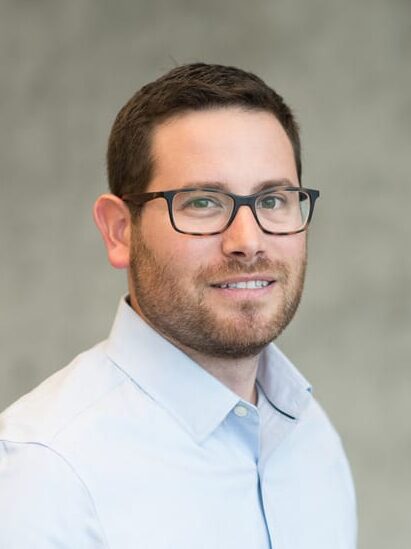
Michael Dustin is the Kennedy Trust Professor of Molecular Immunology and Director of Research at the Kennedy Institute of Rheumatology , University of Oxford. His career spans leadership roles at Washington University School of Medicine (1993–2000) and Skirball Institute of Biomolecular Medicine at NYU School of Medicine (2001–2013). Education : B.A. in Biology, Boston University (1984) Ph.D. in Cell and Developmental Biology, Harvard University (1990) Prof. Dustin's research focuses on the immunological synapse , a specialized interface between T cells and antigen-presenting cells. His work has revealed supramolecular attack particles as autonomous killing entities, synaptic ectosomes for TCR cargo transfer, and mechanistic insights into T cell signaling pathways. His recent publications highlight advancements in vaccine adjuvant response , T cell receptor dynamics , and glycosphingolipid synthesis in immune cells. Collaborations span neuroscience, cancer immunology, and rheumatology. Scientific Awards : Wellcome Trust Principal Research Fellowship European Research Council Advanced Grant (SYNECT) As Director of the NIH-funded Nanomedicine Center for Mechanobiology (2009–2014), he pioneered mechanobiology applications in immunology. Current projects integrate intravital microscopy and clinical translation for human diseases. His laboratory at Oxford investigates T cell regulation in autoimmune and inflammatory diseases, supported by an international network of collaborators including Wenbiao Gan, Dan Littman, and Dorian McGavern.
Judith Litvin Daniels is an Associate Professor at Temple University's Lewis Katz School of Medicine, specializing in Biomedical Education and Data Science. She chairs the Curriculum Committee, serves as Vice Chair of Education, and acts as Ombudsperson and Educator across Medical, Dental, Podiatry, and Graduate levels. PhD in Nutrition-Biochemistry, University of North Carolina Post-doctoral Fellowships at Cornell University Medical School and University of Virginia Her research spans cellular and molecular developmental biology, focusing on avian heart development, cardiac progenitor cells, and the role of Periostin-Like-Factor (PLF) in bone-heart connections. Recent work explores PLF's role in bone formation and disease. Key article trends include cardiac development , bone biology , extracellular matrix proteins , and inflammatory responses . Collaborative studies address clinical applications in traumatic brain injury and cancer biology. She has mentored students at all academic levels, with many winning regional/national awards, and organized faculty mentorship workshops. Publications highlight collaborations in Cell Molecular Life Sciences , J Cell Biochemistry , and Development . Labs and teams at Temple University focus on integrating molecular biology with translational research, particularly in the Fels Cancer Institute for Personalized Medicine.
Leif Andersson is a Professor at Uppsala University's Department of Medical Biochemistry and Microbiology, leading a research group focused on functional genomics in domestic animals and fish. His work bridges genetics, ecology, and evolutionary biology to explore phenotypic variation and adaptation. His research includes comparative genomics of domesticated species, identifying mutations linked to traits like horse gaits , chicken comb morphology , and herring ecological adaptation . Recent studies highlight genetic mechanisms in species such as corn snakes , Grey horses , and Darwin's finches , emphasizing environmental interactions and molecular pathways. Key article trends include supergenes in herring adaptation, RNA-binding proteins in cancer and development, and mutation-discovery in domesticated animals. His group's work spans genetic variation , ecological pressures , and evolutionary genetics . Students in his group include Arianna Cocco Ryan Joseph Daniels Jake Goodall Zheng Li Cheng Ma Giulia Maestri Fahime Mohamadnejad Sangdehi Mats Pettersson Matteo Sebastianelli Leyi Su Dandan Wang His contact details include the email Leif.Andersson@imbim.uu.se and phone number 070-425 02 33 , with an office at BMC, Husargatan 3, Uppsala.
Sergio Burgos, PhD is an Associate Professor in the Department of Animal Science at McGill University's Faculty of Agricultural and Environmental Sciences, and a Scientist at the Research Institute of the McGill University Health Centre (RI-MUHC). He leads an interdisciplinary research program integrating animal nutrition, human health, and environmental sustainability. Pan-American School of Agriculture, Zamorano, Honduras (Agrónomo) University of Florida (BSc Animal Science) University of California, Davis (MSc Animal Science) University of Guelph (PhD Animal Science, 2009) Research Focus examines protein foods' roles in: Human Nutrition & Cardiometabolic Health Dairy Production Systems & Rumen Microbiome Milk Metabolomics & Bioactive Compounds Climate Impact Reduction through Dietary Transitions Publication Trends demonstrate: 2024-2025: Prioritization of plant-animal protein substitutions for climate & health 2020-2023: Mechanistic studies on amino acid regulation of mammary cell function 2016-2020: Foundational work on insulin resistance and dairy nutrition Awards Richard and Edith Strauss Postdoctoral Fellowship (2010-12) Professional Affiliations Regroupement OptiLAIT (2015-present) American Society for Nutrition (2015-present) Canadian Diabetes Association (2012-present) Teaches core courses in animal nutrition, protein metabolism, and computational ration balancing.
Keriann M. Backus is an Associate Professor at the David Geffen School of Medicine , University of California, Los Angeles (UCLA), with a joint appointment in the Department of Chemistry and Biochemistry . Her research focuses on chemical proteomics, cysteine and lysine profiling, and immunomodulatory agents for cancer, infectious, and autoimmune diseases. Education: B.S. in Chemistry and B.A. in Latin American Studies from Brown University (2007), Ph.D. from Oxford University and NIH (2012) Research Interests: She develops chemical tools to study immune system modulation, targeting proteins via small molecules and antibodies. Her work integrates chemical proteomics, activity-based protein profiling (ABPP), and redox biology to explore cell-surface proteomes and inflammation-responsive mitochondrial redoxomes. Article Trends: Recent publications emphasize cysteine chemoproteomics, SP3-FAIMS technology for high-throughput profiling, covalent drug discovery for proteoform-selective inhibitors, proximity labeling for lipid interactomes, and data integration via CysDB. These reflect her expertise in redox-sensitive cysteine mapping and covalent fragment-based screening. Scientific Awards: W.M. Keck Foundation Grant (2024) Ono Breakthrough Science Initiative Award (2023) NIH Director’s New Innovator Award (2021) Packard Fellowship (2020) DARPA Young Faculty Award (2019) Beckman Young Investigator (2019) Rhodes Scholar (2007) NIH Oxford Cambridge Scholar (2007) Advising & Grants: Dr. Backus has secured major grants including the NIH Director’s New Innovator Award and Packard Fellowship. She co-corresponded studies on multi-omic data integration and mentored students in covalent drug discovery and chemoproteomic method development.
Christian Engwer is a full Professor at the University of Muenster in the Institute for Applied Mathematics, specializing in Analysis and Numerics. He leads the Engwer Group focused on Applications of Partial Differential Equations and is actively involved in the Cells in Motion initiative as a supervisor in the CiM-IMPRS Graduate Programme. His research centers on developing numerical methods for partial differential equations, particularly addressing challenges in complex geometries and multi-physics applications. He specializes in Unfitted Discontinuous Galerkin methods, which allow simulations on complex geometries without requiring domain-fitted meshes. His work spans porous media modeling, biological systems, and bioelectromagnetism applications, with significant contributions to EEG/MEG forward modeling in neuroscience. Analysis of his recent publications reveals a strong focus on model order reduction techniques, stabilized numerical schemes for cut-cell meshes, and applications in bioelectromagnetism. His work demonstrates a consistent trajectory toward developing robust, efficient numerical methods applicable to real-world problems in medical imaging and biological modeling, with increasing emphasis on high-performance computing implementations. Professor Engwer actively supervises doctoral students, with recent completions including Lukas Renelt (2025), Michael Wenske (2021), and Maria Carla Piastra (2019), among others working on topics related to numerical methods and biomedical applications. He leads several major research projects including BrainStorm: Highly Extensible Software for Advanced Electrophysiology and MEG/EEG Imaging (NIH-funded since 2019), multiple EXC 2044 Cluster of Excellence projects through 2025, and the InterKI interdisciplinary teaching program on machine learning and artificial intelligence. His group develops several important software packages including DUNE (Distributed and Unified Numerics Environment), duneuro (for bioelectromagnetism applications), and TPMC (Topology Preserving Marching Cubes). These tools support research in numerical methods and their applications to complex scientific problems.
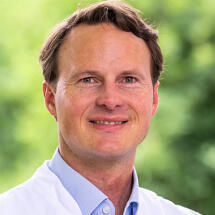
Univ.-Prof. Dr. med. Martin A. Kriegel serves as full Professor and Department Head of the Department of Translational Rheumatology and Immunology at the Institute of Musculoskeletal Medicine, University of Münster, while maintaining an active laboratory at Yale School of Medicine. He leads the Section for Rheumatology and Clinical Immunology (SRKI) at Medical Clinic D, where his team integrates clinical care with cutting-edge microbiome research. His department operates from Röntgenstraße 21 and Von-Esmarch-Str. 54 in Münster, Germany, with extensive collaborations including the "Cells in Motion" research initiative and the CiM-IMPRS graduate program. Dr. Kriegel's research program focuses on the critical interface between host immunity and microbiota, particularly investigating how gut commensals translocate to host tissues and trigger autoimmune responses. His laboratory pioneered the discovery that specific pathobionts like Enterococcus gallinarum and certain Lactobacillus strains can translocate from the gut to mesenteric lymph nodes, liver, and other sites, driving autoimmune responses through molecular mimicry of human autoantigens. His work has established fundamental mechanisms by which microbiota influence rheumatic diseases, cutaneous autoimmunity, and cancer immunology, with particular emphasis on Ro60 autoantigen mimicry, TLR7-dependent pathways, and diet-microbiome interactions. The laboratory employs advanced techniques including gnotobiotic mouse models, humanized systems, and detailed molecular characterization of host-pathobiont interactions. Analysis of Dr. Kriegel's publication record reveals a consistent trajectory of high-impact research connecting microbiome dynamics to autoimmune pathogenesis. His most recent work (2023-2025) demonstrates increasingly sophisticated understanding of how specific bacterial strains influence disease phenotypes across multiple autoimmune conditions, with notable advances in identifying shared microbiome signatures across lupus and inflammatory bowel disease. The publications show progressive refinement from initial observations of microbial translocation to detailed mechanistic insights into tryptophan catabolism pathways, structural basis of molecular mimicry, and diet-sensitive microbial triggers. Dr. Kriegel's scientific recognition includes US Patent No. 11,058,756 B2 for compositions treating autoimmune diseases by reducing enterococcus, reflecting the translational potential of his research. His laboratory receives substantial funding, most notably a $3 million award from the Lupus Research Alliance for the TransLuMi project investigating gut pathobiont translocation in systemic lupus erythematosus. As an educator and mentor, Dr. Kriegel directs a substantial research team including multiple postdocs (Drs. Marcia Pereira, Nathalie Becker), PhD candidates (Anna Brinkhege, Carina Brune, Helen Fuhrmann), and laboratory specialists. He participates in the CiM-IMPRS graduate program and supervises medical students through the MedK program. His laboratory currently manages multiple significant research projects including: (A) intestinal wall permeability and pathobiont translocation in autoimmunity; (B) diet-environment-microbiome interactions; (C) microbiota disruption of immunological tolerance; and (D) microbiome roles in lymphoma development. The Kriegel laboratory maintains state-of-the-art facilities at both Münster and Yale, with specialized capabilities in gnotobiotic research, microbiome analysis, and immune profiling. His team collaborates with international partners including Dr. Eran Elinav at Weizmann Institute, Dr. Nissan Yissachar at Bar-Ilan University, Prof. George Tsokos at Harvard, and Prof. Ilana Brito at Cornell University. The laboratory's website (https://www.medizin.uni-muenster.de/mikrobiom/startseite/) details ongoing projects and research opportunities.
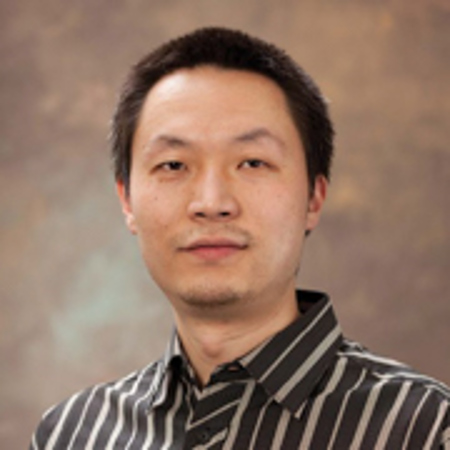
Jian Hu is a Professor at Michigan State University (MSU) in the Department of Biochemistry & Molecular Biology, with joint appointments in the Department of Chemistry and the BioMolecular Science Gateway. His research integrates structural biology, biochemistry, and biophysics to investigate macromolecular mechanisms in biology and biomedicine, focusing on bio-metal utilization and homeostasis. Ph.D., Peking University, 2004 B.S., Beijing Medical University, 1999 Associate Research Scientist, Yale University (2008–2013) Postdoctoral Research Associate, Florida State University (2005–2007) The Hu lab targets three major projects: (1) ZIP metal transporters, exploring alternating access mechanisms and substrate specificity; (2) Lar proteins, analyzing Ni-pincer cofactor biosynthesis and catalytic mechanisms; and (3) PIPK lipid kinases, studying membrane sensing and inhibitor development. Collaborations with Dr. Robert P. Hausinger and Dr. Xuefei Huang advance drug discovery and structural elucidation. Recent publications highlight interdisciplinary work, blending plant biology (phenylalanine metabolism, peroxisome dynamics) with computational methods (watermarking algorithms, signal processing). His collaborations extend to engineering and medicine, emphasizing functional characterization of proteins and drug target validation. Scientific Awards: Invited State-of-the-Art Review, FEBS Journal 2021 Current courses include BMB 829: Special Problems in Macromolecular Analysis & Synthesis and CEM 999: Doctoral Dissertation Research . The lab employs X-ray crystallography, cryo-EM, NMR, and biochemistry to resolve atomic-level structures and functions of critical macromolecules, including ZIP4 and PIP5Kγ.
Rasmus Pagh is a Professor at the Department of Computer Science, University of Copenhagen, specializing in algorithms and complexity. His career includes a 2002 PhD from Aarhus University under Peter Bro Miltersen and a tenure at IT University of Copenhagen until 2020. He leads theoretical research with practical applications in big data, databases, and modern computer architecture parallelism. His research interests span algorithms, data structures, and privacy-preserving computing. Recent work includes the ERC-funded project on Scalable Similarity Search and contributions to the BARC center for basic algorithms research. He has collaborated with Google Research (2019-2020) and focuses on theoretical foundations with real-world impact. Key research trends in his 2023-2024 publications include privacy-preserving data analysis probabilistic data structures distributed secure computation noise-robust coding hashing efficiency continual privacy mechanisms Scientific recognition includes 2024 ACM Fellowship ERC grant leadership multiple top-tier conference publications
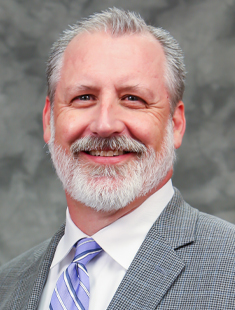
Patrick M. Tarwater is a Professor in the Department of Epidemiology & Biostatistics at Texas A&M University, with research spanning infectious disease epidemiology, traumatic brain injury rehabilitation, sleep science, biostatistical methods, and environmental health impacts on child development. His work integrates clinical, laboratory, and computational approaches to address complex public health challenges. His educational foundation includes: PhD in Biometry from University of Texas Health Science Center at Houston (1999) MS in Mathematics from Texas Tech University (1992) BA in Mathematics from Texas Tech University (1990) Tarwater's research in Infectious Disease Epidemiology features extensive work on HIV/SIV pathogenesis using non-human primate models, SARS-CoV-2 variant dynamics, and microbial risk assessment in environmental settings. His Traumatic Brain Injury and Sleep research includes innovative interventions like the OSABI sleep hygiene protocol and objective sleep monitoring methodologies for rehabilitation patients. The Environmental Health focus centers on the ECHO program's investigation of maternal nutrition and child health outcomes, alongside risk assessments for oil spill contaminants and recreational water safety. Analysis of his 2018-2024 publications reveals three dominant trajectories: (1) viral pathogenesis mechanisms using advanced animal models, (2) neuroimmunological consequences of infections and injuries, and (3) environmental exposure risk modeling. His work consistently employs sophisticated biostatistical techniques and translational approaches bridging laboratory findings to clinical applications. While no specific awards are documented in the source material, Tarwater's prolific publication record in high-impact journals demonstrates significant scholarly contributions. His teaching portfolio includes foundational courses in epidemiology and biostatistics, plus advanced instruction in cohort analysis and epidemiologic inference.
Associate Professor Sara Baratchi heads the Mechanobiology and Microfluidics Laboratory at the Baker Heart and Diabetes Institute and co-leads the Heart Attack Research Program. She holds academic appointments as a supervisor at RMIT University and the University of Melbourne, and is the Alice Baker and Eleanor Shaw Gender Equity Fellow. Her interdisciplinary work bridges engineering, immunology, and clinical science to address cardiovascular pathologies through innovative bioengineering approaches. Dr. Baratchi's research centers on mechanotransduction in vascular and immune cells, particularly how hemodynamic forces and extracellular matrix stiffness regulate cellular behavior in diseases like atherosclerosis and calcific aortic valve disease. She pioneers organ-on-a-chip platforms that replicate human vascular systems under pathological conditions, integrating microfluidics, single-cell omics, and patient-derived samples to develop ethical alternatives to animal testing and identify novel therapeutic targets. Her recent publications demonstrate a cohesive research trajectory focused on Piezo1-mediated mechanosensing, microfluidic device innovation, and the pathophysiological impact of altered hemodynamics. Key themes include endothelial cell responses to shear stress, substrate stiffness effects on vascular cells, and the development of dynamic flow systems for cardiovascular modeling, all aimed at translating mechanobiological insights into clinical interventions. Dr. Baratchi has received significant recognition including: Australian Vascular Biology Society Achievement and Career Development Award (2023) Alice Baker and Eleanor Shaw Gender Equity Fellowship (2023) ARC Discovery Early Career Researcher Award (2017-2020) Best Basic Research Award at Baker Institute (2020) RMIT University Established Researcher Award (2022) She has secured over $2.5 million in competitive funding from ARC and NHMRC, mentoring 20+ PhD researchers who now lead in academia and industry. As President Elect of the Australian Society for Mechanobiology and committee member for MicroTAS 2024-2025, she actively shapes the field through leadership and international collaboration. Her laboratory develops cutting-edge microfluidic platforms adopted globally, collaborating with institutions across 11+ disciplines. Current work focuses on dissecting how matrix stiffness and hemodynamic alterations in cardiovascular conditions drive pathological cellular crosstalk, aiming to establish foundational knowledge for non-invasive disease-modifying therapies.
Dr. Le-Nam Tran is a researcher at the UCD School of Electrical & Electronic Engineering , University College Dublin. His work focuses on optimizing the last hop of 5G/6G wireless networks through mathematical programming, with emphasis on energy efficiency, interference management, and security against eavesdropping. Develops low-cost, low-complexity transmission techniques Projects supported by Science Foundation Ireland Career Development Award Author of over 80 peer-reviewed publications Research Keywords: Wireless Communications Network Security Signal Processing Energy-Efficient Systems Beamforming Optimization Interference Mitigation
Craig Morrell is a Professor at the University of Rochester School of Medicine and Dentistry , with joint appointments in the Departments of Medicine , Microbiology and Immunology , and Pathology and Laboratory Medicine . He serves as Associate Director of the Aab Cardiovascular Research Institute . Education: Sc.B. in Biology, Brown University (1995) D.V.M. , Tufts University School of Veterinary Medicine (2000) Ph.D. in Pathobiology, Johns Hopkins University (2005) His research examines the interface between platelets, vascular biology, and immune cells , focusing on platelet roles in thrombosis, inflammation, and immune regulation. Using advanced mouse models , his lab investigates platelet-derived mediators like β2M and PF4 in diseases such as malaria, stroke, and myocardial infarction. Article trends highlight platelets' dual roles in thrombosis and immune modulation , with recurring themes in vascular inflammation , ERK5 signaling , and age-related immune dysfunction . Scientific Awards: Kenneth M. Brinkous Young Investigators Prize (2008) Deans Gift research award (2006) Multiple travel scholarships and fellowships (2003-2005) Pathology Award-Excellence in Pathology (2000) Mentoring and Teaching : He has mentored 8 doctoral students , 7 undergraduates , and 6 postdoctoral fellows , with a focus on diversity. He serves on thesis committees and the URMC MSTP (MD/PhD) admissions committee . Labs and Collaborations : Leads the Morrell Lab at the Aab Cardiovascular Research Institute, collaborating with institutions like Johns Hopkins and Medical College of Wisconsin.
Overview Soraya Williams is a Researcher at Loughborough University in the School of Sport, Exercise and Health Sciences. She holds a BSc and MSc in Biomedical Sciences from Plymouth University and completed a PhD through the Regenerative Medicine Centre of Doctoral Training Programme at Loughborough University, collaborating with Nottingham University and Keele University. Her PhD focused on optimizing processes for extracellular vesicle (EV) expansion, harvest, and isolation. Currently, she works as a Research Assistant under Dr. Owen Davies, focusing on EV applications in regenerative aesthetics with a private funder. Research Interests Her work centers on extracellular vesicles for regenerative medicine, particularly in dermatology and bone/muscle regeneration. Key areas include EV isolation methodologies, therapeutic applications, and epigenetic modulation of EV efficacy. She has contributed to standardization frameworks like MISEV2023 and explored biomaterial integration for enhanced tissue repair. Publications Trends Her publications emphasize EV isolation techniques, clinical applications in paediatrics, and translational strategies for regenerative therapies. Recent work addresses challenges in EV characterization and large-scale production for translational medicine. Awards & Grants No specific awards are listed, though her PhD training was supported by EPSRC/MRC funding. Current research is privately funded. Advising & Labs Collaborates with industry partners and academic institutions. Her lab focuses on translational EV research in sports medicine and aesthetic applications.
Dr. Scott Rothbart is a Professor in the Department of Epigenetics at Van Andel Institute (VAI), where he leads the Rothbart Laboratory. He earned his B.S. in Food Science and Human Nutrition from the University of Florida and his Ph.D. in Pharmacology and Toxicology from Virginia Commonwealth University. His postdoctoral training was conducted under Dr. Brian Strahl at the University of North Carolina at Chapel Hill. His research focuses on understanding chromatin accessibility, histone post-translational modifications, and DNA methylation's role in disease, particularly cancer. He translates this basic research into epigenetic target identification and drug discovery. Dr. Rothbart has contributed to groundbreaking studies on UHRF1’s role in DNA methylation maintenance and its therapeutic potential in cancer. He co-leads the VAI-SU2C Epigenetics Dream Team and directs the VAI Cancer Epigenetics Training Program. His work has been recognized with awards like the NIH MIRA Award and the American Cancer Society Research Scholar Grant. Research Interests: Chromatin biochemistry, cancer epigenetics, functional proteomics, histone modifications, and epigenetic drug development. His lab develops tools like peptide microarrays and functional proteomics platforms to study histone modifiers and their clinical relevance. Notable Achievements: Published over 122 peer-reviewed papers in 2024, including 63 in high-impact journals. Launched 15 clinical trials through the Epigenetics Dream Team. His lab’s work on viral mimicry therapies and epigenetic drug combinations has advanced cancer treatment strategies. Education: B.S. University of Florida (2004), Ph.D. Virginia Commonwealth University (2009), Postdoctoral Fellowship UNC Chapel Hill (2014).


 grupp.webp)