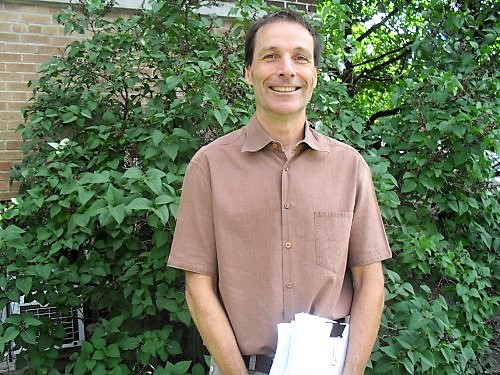
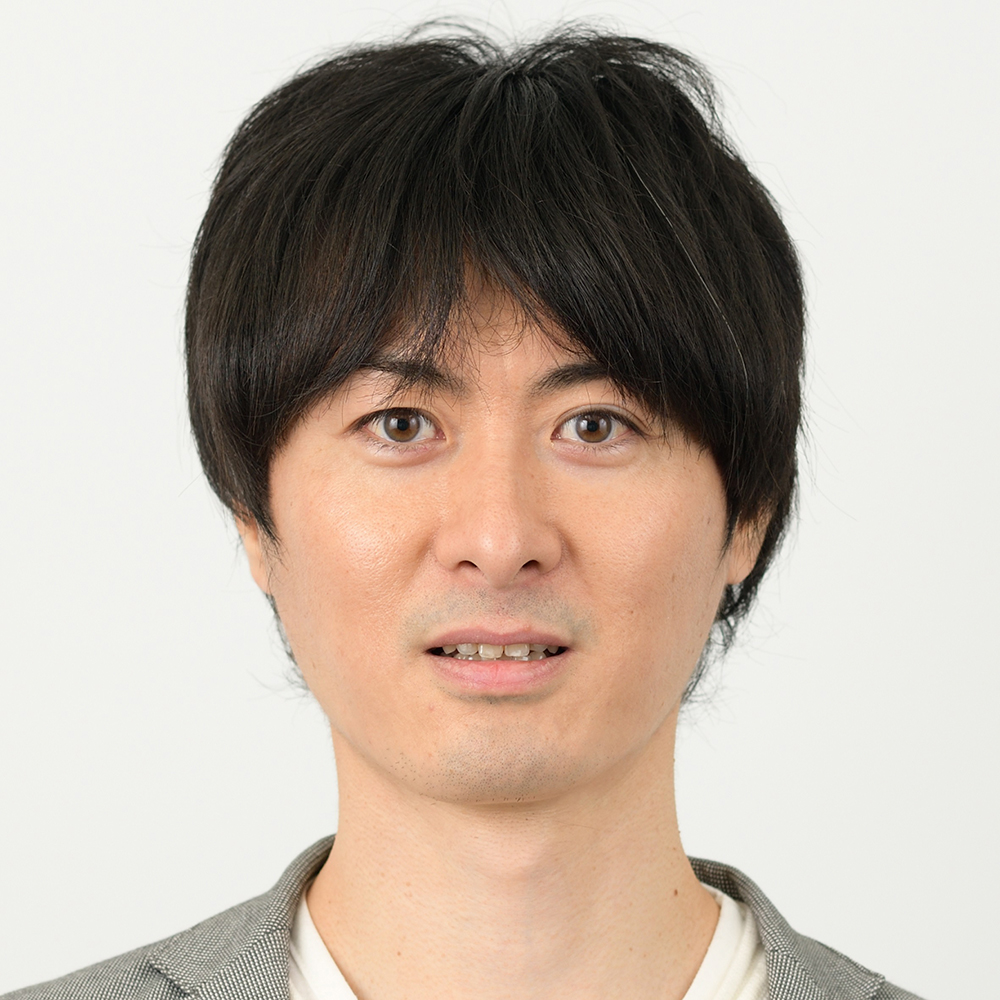
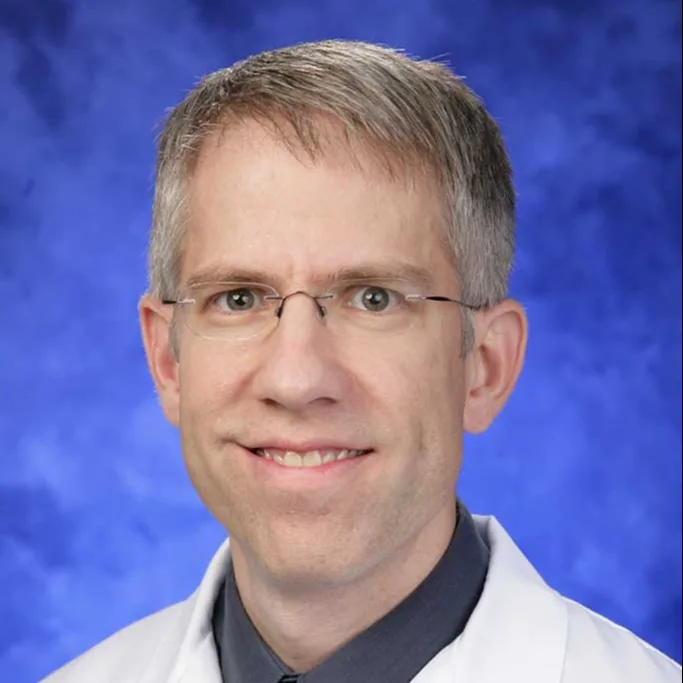
Yves Bourgault is a Full Professor in the Department of Mathematics and Statistics at the University of Ottawa. He holds a MSc and PhD from Laval University. His research focuses on computational fluid dynamics, numerical methods, finite element techniques, and continuum mechanics modeling, with applications in cardiac electrophysiology and ecological systems. Dr. Bourgault has supervised several graduate students, including Edward Boey (co-supervised), Sana Keita, Saint-Cyr Koyagurebo-Ime, and Kak Choon Loy. His work integrates advanced numerical techniques to address complex problems in biomedical engineering, environmental science, and mathematical physics. Key methodologies include finite element methods, deferred correction schemes, and anisotropic mesh adaptation. His research group is part of the Applied Mathematics division at the University of Ottawa, emphasizing interdisciplinary applications. Recent work explores climate change impacts on ecological systems, cardiac tissue modeling using high-resolution MRI data, and robust numerical methods for reaction-diffusion equations. Publications span topics such as bidomain models for cardiac electrophysiology, fluid-structure interaction in heart mechanics, and mathematical modeling of fuel cells. His contributions bridge theoretical numerical analysis with real-world biomedical and environmental challenges.
Ronald Coifman is the Sterling Professor of Mathematics and Professor of Computer Science at Yale University. His research focuses on nonlinear analysis, scattering theory, complex analysis, numerical analysis, and their applications in data science, signal processing, and biomedical imaging. He holds the National Medal of Science and is a member of the National Academy of Sciences and the American Academy of Arts and Sciences. Coifman's work bridges pure mathematics and applied sciences, emphasizing harmonic analysis, manifold learning, and data-driven modeling. His contributions include foundational advancements in wavelet theory, diffusion maps, and nonlinear dimensionality reduction techniques. Key innovations include the development of empirical intrinsic geometry for analyzing complex systems and the use of Wasserstein distances in high-dimensional data analysis. His academic portfolio includes over 250 publications since the 1960s, spanning topics from theoretical mathematics to practical medical diagnostics. Notable applications include methods for stroke detection, medical imaging analysis, and anomaly detection in dynamic systems. Coifman collaborates across disciplines, integrating computational methods with domain-specific challenges in biology, chemistry, and engineering. Education: Ph.D. in Mathematics from the University of Geneva (1965) Awards: National Medal of Science (2001), Member of NAS (1993), Member of AAAS (2006) Key Projects: Development of diffusion maps, manifold learning algorithms, and empirical geometry frameworks Coifman's current research explores the intersection of machine learning and mathematical analysis, with recent focus on intrinsic data organization, emergent dynamical models, and scalable computational methods for large datasets.
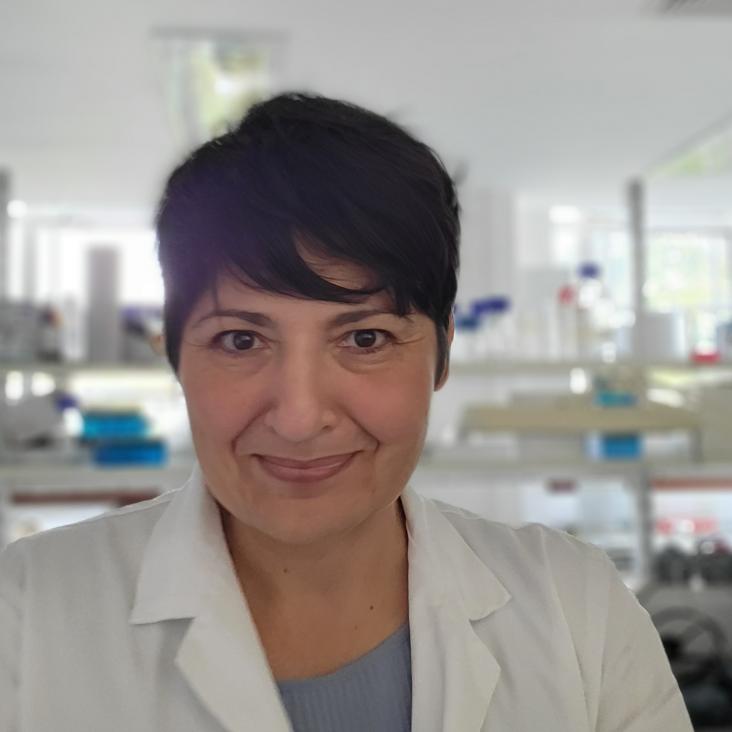
Sonia Antoranz Contera is a Full Professor of Biological Physics at the University of Oxford and Associate Head of the Physics Department. Her research bridges physics, nanotechnology, and biology, focusing on the interplay of mechanics, chemistry, and electricity in biological systems. She leads projects on neural interfaces, sustainable architecture inspired by biological principles, and nanomedicine. Notable collaborations include work with Amanda Levete Architects on bioinspired materials and the EU-funded ZEBAI initiative for carbon-neutral buildings. Her book Nano Comes to Life (Princeton University Press) explores nanotechnology's impact on biology and medicine. She also engages in public discourse through columns in El Pais and academic lectures on the history of physics and ethics in science. Education: PhD in Physics (Osaka University), with postdoctoral work across global institutions. Research Interests: Biomechanics of growth, AFM of biological systems, neuromorphic computing, and sustainable materials. Funding: John Fell Fund, Moore Foundation, EU Horizon Programme (ZEBAI), UKRI (BuildAir). Her lab's recent work includes AI-driven cement microstructure synthesis, PDMS mechanical aging studies, and anaesthesia mechanisms linked to neuronal viscoelasticity. She advises on policy and innovation, advocating for ethical, equitable scientific progress.
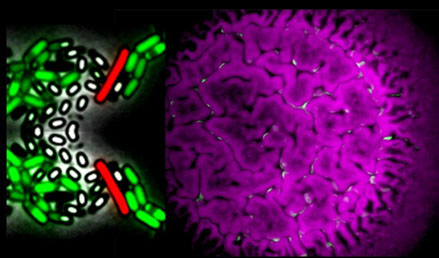
Gurol Suel is a Professor in the Department of Molecular Biology at the University of California San Diego (UCSD), affiliated with the Division of Biological Sciences. His research focuses on understanding electrical signaling in bacterial biofilms and the emergent collective behaviors they exhibit. His lab integrates quantitative biology, mathematical modeling, and synthetic biology approaches to explore principles of microbial organization and coordination. Dr. Suel earned his PhD in Molecular Biophysics from UT Southwestern Medical Center under Dr. Rama Ranganathan, followed by postdoctoral training in Dr. Michael Elowitz's lab at Caltech, combining biology and applied physics. His work has revealed groundbreaking discoveries about ion channel-mediated electrical signaling in biofilms, including their role in nutrient time-sharing between distant communities and the segmentation clock driving cellular differentiation. Key research areas include: biofilm signaling networks, bacterial collective computation, membrane potential dynamics, and engineering controllable microbial systems. His lab develops novel tools for studying bioelectronic interactions, such as potassium ion-based bioelectronic delivery systems. Spatial and temporal patterning in biofilms, including fractal interface formation and memory encoding through membrane potentials, are central themes in his work. Though no specific student names are listed, his lab actively conducts PhD rotations and trains researchers in experimental and theoretical microbiology. His work is supported by grants enabling exploration of biofilm communication and synthetic microbial systems. Contact information includes the UCSD Pacific Hall address and the email 'gsuel@ucsd.edu'. The lab's physical location includes specialized equipment for biofilm electrophysiology and quantitative imaging, as shown in lab photo collections.
Prof. Dr. Jörg Stülke is a full Professor of Microbiology and Head of the Department of General Microbiology at the Institute of Microbiology and Genetics, University of Göttingen. He has held this position since 2003 and leads an active research group focused on bacterial metabolism and gene regulation. His research spans two major model systems: the pathogenic bacterium Mycoplasma pneumoniae and the well-studied Bacillus subtilis . His group employs systems-level approaches including transcriptomics, metabolomics, and bioinformatics to understand metabolic regulation and gene expression. Key interests include protein phosphorylation, RNA-mediated regulation, mRNA processing, and the role of second messengers such as cyclic di-AMP in bacterial physiology and pathogenicity. The recent publications reveal a strong trend in molecular microbiology, functional genomics, and systems biology. His work often integrates experimental and computational methods, particularly evident in the development and maintenance of the SubtiWiki database for B. subtilis . The research bridges fundamental mechanisms of life with applications in understanding bacterial virulence and cellular homeostasis. He is affiliated with several graduate programs under the Göttingen Graduate Center for Neurosciences, Biophysics, and Molecular Biosciences (GGNB), including: Molecular Biology (IMPRS) Biomolecules: Structure - Function - Dynamics (GZMB) Molecular Biology of Cells (GZMB) Microbiology and Biochemistry Genome Science (IMPRS) While no individual students are listed, he clearly supervises doctoral candidates through these programs. His group has secured significant research output, including publications in Science , Nucleic Acids Research , and PLOS Pathogens , indicating successful grant funding and collaborative research. The lab maintains a dedicated website at http://genmibio.uni-goettingen.de/ , which serves as a hub for research activities and resources like SubtiWiki.
Dana Pe'er is Chair of the Computational and Systems Biology Program at the Sloan Kettering Institute (SKI) and an Investigator at the Howard Hughes Medical Institute (HHMI). She holds the Alan and Sandra Gerry Endowed Chair and leads an interdisciplinary lab combining single-cell genomics, machine learning, and computational modeling to study cancer biology, immunity, and development. Pe'er earned her PhD at the Hebrew University in Jerusalem and focuses on cellular plasticity, epigenetic regulation, and tumor-immune interactions. Her lab develops tools like CellRank , Wishbone , and SEACells to analyze single-cell data and uncover mechanisms in cancer progression and immunotherapy. Key research areas: Computational Biology, Single-Cell Genomics, Cancer Systems Biology, Epigenetics, Immunotherapy Recent trends: Articles from 2025-2024 emphasize spatial transcriptomics, tumor microenvironment mapping, and regulatory network inference using machine learning. Scientific honors include the NIH Director’s Pioneer Award , AACR Academy Induction , and Packard Fellowship . Her work has direct clinical implications for precision medicine and cancer immunotherapy. Labs & Teams: Leads the Dana Pe'er Lab at SKI, directs the Single Cell Research Initiative (SCRI), and collaborates with the SAIL program.
Alison Elder, Ph.D., is an Associate Professor in the Department of Environmental Medicine at the University of Rochester School of Medicine and Dentistry. She is affiliated with several research programs including the Environmental Health Sciences Center, the Inhalation Exposure Facility, the Toxicology Training Program (as Co-Director), the Lung Biology and Disease Program, and the Multidisciplinary Training in Pulmonary Research Program. Her research focuses on the toxicology of inhaled ultrafine particles (UFPs) and engineered nanomaterials, with implications for pulmonary, cardiovascular, and central nervous system health. Ph.D. in Environmental Toxicology, University of California, Irvine (1997) B.S. in Chemistry, Chatham College (1992) Post-doctoral Fellow, Department of Environmental Medicine, University of Rochester (1997–2000) Dr. Elder’s research centers on the health impacts of airborne particulate matter, particularly how age, co-pollutants, and health status influence responses to inhaled particles. Her work explores the translocation of particles to extrapulmonary tissues, including the brain, and their role in neurodegenerative diseases like Alzheimer’s. She investigates mechanisms such as oxidative stress, inflammation, and glymphatic dysfunction. Her lab also studies airborne micro- and nanoplastics, focusing on exposure characterization and health implications. Her recent publications span topics including Alzheimer’s disease models, glymphatic impairment, nanoparticle dissolution, and diesel exhaust effects on lung barriers. These works emphasize particle-induced inflammation, neurotoxicity, and the intersection of environmental exposure with neurological outcomes. Young Investigator Award, Society of Toxicology (2009) Cornerstone Alumna Award, Chatham University (2007) Graduate Student Fellowship, U.S. EPA (1995–1996) College Chemistry Award, Society for Analytical Chemists of Pittsburgh (1992) Dr. Elder mentors graduate students in toxicology and has trained numerous postdoctoral fellows and technicians. She leads an active research laboratory funded by NIH and DOD, investigating air pollution’s role in brain health and military burn pit exposures. Her collaborative research includes work with experts in neuroscience, materials science, and environmental engineering. She is also involved in national workshops on nanomaterial risk assessment and children’s environmental health. She leads the Elder Lab, which conducts studies on air pollution and Alzheimer’s disease, characterizes airborne micro- and nanoplastics, and develops models for nanoparticle toxicity. The lab uses advanced techniques in particle characterization, animal modeling, and cellular assays to assess health risks.
Tohru Fukai is a Professor and holds the Barbara A. Schnuck Endowed Chair in Translational Medicine at the Medical College of Georgia, Augusta University, where he serves in the Department of Pharmacology and Toxicology. His research is centered at the Vascular Biology Center, where he leads a productive laboratory investigating the molecular mechanisms of oxidative stress and dysfunctional copper metabolism in cardiovascular and metabolic diseases. Dr. Fukai earned his MD in 1988 and PhD in Medical Science in 1995, both from Kyushu University in Japan. Following his medical and doctoral training, he completed postdoctoral fellowship at Emory University School of Medicine in Atlanta from 1995-1999. His research focuses on oxidative stress in cardiovascular and metabolic disease pathogenesis, particularly investigating the role of extracellular SOD (ecSOD, SOD3) and copper transport proteins. His lab has pioneered research on copper transport proteins CTR1, Atox1, and ATP7A in regulating vascular function, demonstrating their critical roles in hypertension, vascular remodeling, inflammatory angiogenesis, atherosclerosis, and diabetes. Notably, his team discovered that copper chaperone Atox1 functions as a copper-dependent transcription factor regulating cell proliferation and inflammatory responses. Analysis of Dr. Fukai's recent publications reveals a strong focus on the intersection of redox signaling, copper metabolism, and vascular function. His work increasingly explores how oxidative stress and copper transport mechanisms contribute to conditions like diabetes, atherosclerosis, Alzheimer's disease, and ischemic injury. A prominent theme across his recent work is the role of protein modifications (particularly sulfenylation and SUMOylation) in regulating vascular responses to oxidative stress, with significant implications for therapeutic interventions. Dr. Fukai's scientific achievements have been recognized with numerous awards including the Barbara A. Schnuck Endowed Chair in Translational Medicine (2017), World Science Leaders in Human Biology Program (2021), and multiple Circulation Research Reviewer Awards. He has served on editorial boards for prestigious journals including Scientific Reports, Journal of Molecular and Cellular Cardiology, and American Journal of Physiology-Heart and Circulatory Physiology. As a mentor, Dr. Fukai has advised numerous graduate students and postdoctoral fellows, including several who have received AHA awards and trainee recognition. He serves on various committees including the VBC post-doc evaluation committee and the CNVAMC Subcommittee for Research Safety. His lab has secured significant funding, including a recent $11.3 million NIH grant for vascular disease research. Dr. Fukai leads an active research group at the Vascular Biology Center comprising senior research associates, assistant research scientists, postdoctoral fellows, and graduate students working collaboratively on multiple projects related to copper transport, redox signaling, and vascular disease mechanisms. His lab has made seminal contributions to understanding how copper transport proteins function as key regulators of vascular antioxidant enzymes and as unexpected signaling molecules in inflammatory disease processes.
Jonathan Weissman is a Professor of Biology at the Massachusetts Institute of Technology (MIT) and a Member of the Whitehead Institute. He is also an Investigator of the Howard Hughes Medical Institute and the Landon T. Clay Professor of Biology. His research spans protein folding mechanisms, ribosome profiling, CRISPR-based tools (CRISPRi/a), and genetic interaction mapping. Whitehead Institute Member MIT Professor HHMI Investigator Co-founder, Maze Therapeutics & KSQ Therapeutics Research Interests focus on: Protein folding in cellular contexts Endoplasmic reticulum (ER) function and stress responses Genome-wide CRISPR screening for gene regulation High-density genetic interaction maps in mammals Mitochondrial protein targeting and quality control Epigenomic engineering with synthetic tools Scientific Awards include: Protein Society Irving Sigal Young Investigator Award (2004) Raymond & Beverly Sackler Prize (2008) National Academy of Sciences election (2009) NAS Award for Scientific Discovery (2015) Genetics Society of America Ira Herskowitz Award (2020) Labs & Collaborations : Leads the Weissman Lab at MIT/Whitehead Institute, co-leads the Laboratory for Genomic Research with GlaxoSmithKline, and chairs the Stowers Institute Scientific Advisory Board.
Kantaro Fujiwara serves as Associate Professor at the Graduate School of Medicine, The University of Tokyo, with concurrent appointments at the International Research Center for Neurointelligence (IRCN) and the Department of Mathematical Informatics, Graduate School of Information Science and Technology. He also manages the Data Science Core infrastructure for IRCN. His academic background includes a Ph.D. in Information Science and Technology from the University of Tokyo (2008), followed by postdoctoral research at the University of Tokyo (JSPS) and University of Cambridge, then assistant professorships at Saitama University and Tokyo University of Science before joining the University of Tokyo faculty. Dr. Fujiwara's research bridges computational neuroscience and neural data analysis through mathematical modeling of neural networks, development of neural data analysis methodologies, and exploration of brain-inspired machine learning. His work extends to biological information processing with specific applications in pancreatic beta cell modeling for diabetes research, establishing connections between theoretical frameworks and experimental neuroscience. His publication record (2017-2023) reveals consistent interdisciplinary contributions applying echo state networks, recurrence analysis, and nonlinear dynamics to neural data classification, physiological signal processing, and disease modeling. These works demonstrate strong integration of computer science, neuroscience, and biomedical engineering methodologies to solve complex neurobiological problems. As Data Science Core Manager at IRCN, he oversees computational infrastructure and software resources that enable advanced neurointelligence research across the University of Tokyo ecosystem, providing critical support for data-intensive neuroscience projects.
Professor Ross King is a faculty member at the University of Cambridge, affiliated with the Department of Chemical Engineering and Biotechnology. His research focuses on the automation of scientific discovery, machine learning applications in biology and chemistry, and DNA computing. Developed the first autonomous 'Robot Scientist' systems (Adam, Eve, Genesis) capable of hypothesis generation, experimental design, and execution using AI Pioneer in DNA computing, demonstrating the first physical Nondeterministic Universal Turing Machine (NUTM) 35+ years of expertise in machine learning, particularly relational learning for complex biological/chemical data Organizer of the international 'Nobel Turing Grand Challenge' for AI scientists His work in computational biology spans eukaryotic cell modeling, cancer signaling pathways, and AI-driven drug discovery for neglected tropical diseases like malaria and Chagas disease. The Genesis system aims to automate 10,000 simultaneous closed-loop experiments using micro-chemostats to model cellular complexity. The DNA computing research demonstrates exponential theoretical advantages over classical and quantum computing architectures for NP-complete problems, utilizing Thue string rewriting systems and polymerase chain reaction techniques. This work has significant implications for computer science, physics, and practical computing resource utilization. King's machine learning contributions include active learning strategies for compound selection in drug design and meta-learning approaches to optimize ML applications in bioinformatics and chemoinformatics.
Dr. Phyllis I. Hanson is the Minor J. Coon Professor and Chair of Biological Chemistry at the University of Michigan Medical School. She also holds secondary appointments in Neurology and Cell and Developmental Biology, with affiliations to the Rogel Cancer Center and Precision Health Initiative. Research Interests: Her lab investigates mechanisms of cellular membrane stress sensing and repair, focusing on lysosomes and the ESCRT pathway. Her work integrates biochemical, cell biological, and advanced imaging techniques to study organelle membrane dynamics in health and disease. Recent Publications highlight her contributions to understanding ESCRT function in endolysosomal trafficking, membrane resilience under osmotic stress, and protein degradation pathways. These studies intersect with neurodegeneration, cancer biology, and infectious disease. Scientific Awards: AAAS Fellow Keck Scholar Searle Scholar Sloan Scholar McKnight Scholar Grants from NIH and disease-focused foundations since 2018 support her work on ESCRT pathway analysis, HSC70 AMPylation, and signal relay during cell migration. Leadership: She co-chairs Michigan Medicine’s Endowment for the Basic Sciences and chaired the 2024 Gordon Research Conference on Lysosomes & Endocytosis. She serves as Associate Editor of the Journal of Biological Chemistry .
David Lo is the OUB Chair Professor of Computer Science at Singapore Management University's School of Computing and Information Systems, where he directs the Information Systems and Technology Cluster and the Center for Research on Intelligent Software Engineering. An ACM Fellow, IEEE Fellow, and ASE Fellow, his research focuses on AI for Software Engineering (AI4SE), leveraging machine learning, data mining, and NLP to enhance software analytics and automation. Research Highlights: AI4SE, code LLMs, human-AI synergy in software engineering, software reliability, and empirical studies of practitioner pain points Awards: IEEE TCSE Distinguished Service Award, university-wide Teaching Excellence Award, Outstanding Graduate Supervisor Award, 2 Test-of-Time Awards, and 11 ACM SIGSOFT/IEEE TCSE Distinguished Paper Awards Leadership: General Chair of ASE'16 and MSR'22, PC Co-Chair for ASE'20, FSE'24, and ICSE'25, ACM SIGSOFT Executive Committee member His work has received over 20 awards, 37,000 citations, and an H-index of 100. As an educator, he has mentored trainees who became faculty and R&D experts globally.
Edward Gunther, MD is a Professor in the Department of Medicine, Division of Hematology and Oncology at Penn State College of Medicine and the Penn State Cancer Institute. His research focuses on breast cancer mechanisms using genetically modified mouse models to uncover molecular and cell biological mechanisms of cancer development and progression. His research interests include: Breast cancer progression and relapse mechanisms Transgenic mouse modeling of mammary tumors Oncogene function in carcinogenesis Tumor cell heterogeneity and subclone cooperation Minimal residual disease and dormancy Dr. Gunther's recent publications reveal how different oncogenes shape premalignant clone progression in breast cancer models, mechanisms of relapse-proficient subclones with collateral sensitivity to oncogene overdose, and carcinogen-specific mutation patterns in Ras-Raf pathway oncogenes. His work demonstrates how reproductive history influences cancer development and how long-lived premalignant clones can evade natural protective mechanisms. His scientific recognition includes: Outstanding Research Publication award (2014) for his Nature paper on tumor heterogeneity Substantial social media and academic engagement for his research (658 Mendeley readers for the Nature paper) Dr. Gunther has received continuous National Cancer Institute funding as Principal or Co-Principal Investigator for multiple projects spanning nearly two decades: Genetic Analysis of Breast Cancer Progression in Mice Using Inducible Transposition (2017-2018) Modeling breast cancer relapse prevention in mice (2010-2016) Preclinical Modeling of Latent Breast Cancer in Mice (2005-2010) BRCA1 FUNCTION USING AN INDUCIBLE TRANSGENE (1999-2005) His laboratory at the Penn State Cancer Institute's Next-Generation Therapies division maintains an active research program investigating the molecular mechanisms of breast cancer progression, dormancy, and relapse using sophisticated genetically engineered mouse models that closely mimic human disease processes.
Curtis Lee Baker is a Professor in the Department of Ophthalmology & Visual Sciences at McGill University's Faculty of Medicine, with an associate appointment in the Department of Biomedical Engineering. His research focuses on understanding human visual perception through neural mechanisms relevant to real-world visual processing. His laboratory investigates how early visual processing detects complex cues like contrast, texture, and motion to establish figure-ground relationships and depth perception. Key research areas include: Neural mechanisms of second-order vision Texture and motion processing Figure-ground segregation Depth perception from motion parallax Computational modeling of visual cortex Dr. Baker employs diverse methodologies including single-unit electrophysiology, optical imaging, human psychophysics, and machine learning. His recent publications (2022-2014) demonstrate consistent focus on neural processing of visual boundaries, texture perception, and motion-based depth cues, with increasing integration of computational approaches like convolutional neural networks. His work bridges neuroscience, engineering, and computational modeling to understand fundamental visual processing mechanisms. Current students include Ana Ramirez Hernandez, Jinani Sooriyaarachchi, and Ethan Pirso, with several alumni having completed graduate work in neuroscience, physiology, and biomedical engineering. The lab actively recruits students with quantitative backgrounds for projects involving signal processing, machine learning, and neurophysiological data analysis.