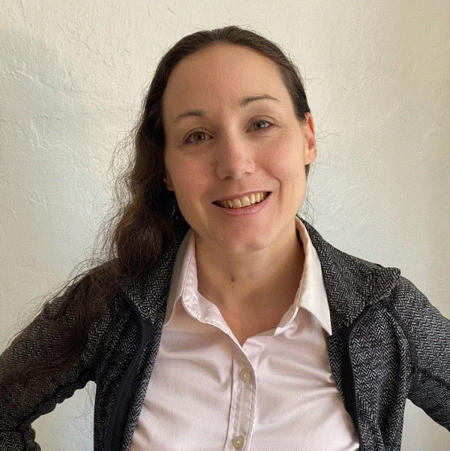
Daniela Strenkert is an Assistant Professor at Michigan State University, affiliated with the MSU-DOE Plant Research Laboratory, Plant Biology Department, Molecular Plant Sciences Program, BioMolecular Science Gateway, and Cell & Molecular Biology Program. Her research focuses on systems biology approaches to understand gene regulation in photosynthetic organisms. Ph.D., University of Kaiserslautern, Germany Her lab investigates photosynthetic performance through multi-omics analysis of chromatin structure, transcriptomes, proteomes, and metabolomes in Chlamydomonas reinhardtii . Key areas include environmental acclimation, histone modification mapping (GreENCODE project), and regulatory RNA characterization. Recent publications emphasize computational modeling of photosynthetic protein interactions, metal homeostasis under stress, and chloroplast protein import mechanisms. Articles span 2025-2010, with 15 most recent from 2025-2022. Her work integrates genome-wide datasets to decode algal regulatory programs under climate change-relevant stressors. She teaches BS 161: Cells and Molecules and maintains a lab at 106 Plant Biology Lab. Contact: strenke2@msu.edu .
Alessandra Luchini serves as Professor in George Mason University's School of Systems Biology and the Center for Applied Proteomics and Molecular Medicine (CAPMM), where she pioneers nanotechnology solutions for cancer and infectious disease diagnostics. Her work bridges biomolecular interface engineering with clinical translation through advanced proteomic platforms. Education Ph.D. from University of Padova, Italy Research Focus : Dr. Luchini's program centers on nanoproteomics for biomarker discovery, specifically developing hydrogel-based affinity capture systems to detect urinary biomarkers of Lyme disease, Chagas disease, and tuberculosis. Her lab innovates in biomimetic membrane models using neutron reflectometry to study pathogen-host interactions, while translating findings into point-of-care diagnostic devices through CAPMM's clinical partnerships. Publication Trends : Recent work (2024-2025) reveals three converging trajectories: (1) urinary peptide diagnostics for tick-borne illnesses validated against clinical symptom scores, (2) engineered nanoparticle networks for pathogen sequestration in blood/plasma, and (3) membrane biophysics studies enabling targeted drug delivery. This integration of basic membrane science with clinical proteomics defines her translational approach. Awards 2023 SCHEV Outstanding Faculty Award for Virginia higher education Research Leadership : As CAPMM principal investigator, Dr. Luchini directs NIH-funded projects developing FDA-cleared diagnostic platforms. Her team collaborates with CDC on Babesia diagnostics and with oncology centers on field cancerization proteomics, while mentoring postdocs in nanoparticle engineering and mass spectrometry techniques. Infrastructure : The CAPMM core facility houses state-of-the-art mass spectrometers, neutron reflectometers, and GMP-compliant nanoparticle synthesis equipment, supporting her lab's work on urinary biomarker validation and affinity capture technology development.
Dr. Albert Koulman is a Principal Research Associate at the University of Cambridge, affiliated with the Metabolic Research Laboratories (MRL) within the Institute of Metabolic Science. His work focuses on developing advanced analytical methods for metabolomics and lipidomics to understand metabolic processes in diseases. Department: Department of Clinical Biochemistry, University of Cambridge Key Roles: Scientific Director of the NIHR BRC Metabolomics and Lipidomics facility Research Interests 1. Metabolism in Pregnancy & Early Life: Collaborates with international teams to study lipid metabolism during pregnancy and infancy, developing biomarkers for gestational diabetes, infant nutrition, and childhood obesity risks. 2. Technological Innovations: Leads development of single-cell lipidomics and organelle-specific lipid profiling, establishing a full pipeline from sample preparation to bioinformatics. 3. Nutritional Biomarker Methodology: Specializes in dried blood spot applications for lipid analysis in clinical and population studies, supported by the MRC Epidemiology Unit. Article Trends Recent publications highlight his expertise in lipid metabolism across diseases (e.g., diabetes, melanoma, NAFLD). Key themes include sexual dimorphism in lipid biosynthesis, vitamin D dynamics during exercise, stromal lipid influences on cancer progression, and malnutrition recovery protocols. Methodological advancements (LC-MS/MS, single-cell analysis) and global health applications (Gambian maternal nutrition, pediatric rehabilitation) are recurring topics. Group Members & Collaborations Dr. Ben Jenkins (Analytical Chemist) Ms. Paulina Guevara Dominguez (Research Assistant) Ms. Nina van der Velde (MPhil Student) Collaborators: Sue Ozanne (Pregnancy Metabolism), MJFF (Parkinson’s research), MRC (Epidemiology Unit) Research Funding Biotechnology and Biological Sciences Research Council (BBSRC) JPI (Joint Programming Initiative) Michael J. Fox Foundation (MJFF) Medical Research Council (MRC) National Institute for Health and Care Research (NIHR)
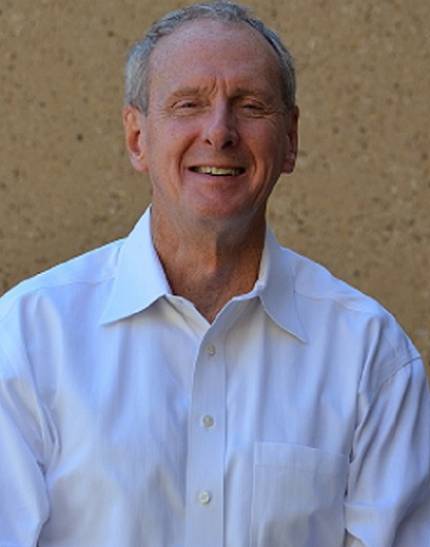
Guillermo A. Ameer serves as the Daniel Hale Williams Professor of Biomedical Engineering at Northwestern University's McCormick School of Engineering and Professor of Surgery in the Feinberg School of Medicine. He directs the Center for Advanced Regenerative Engineering (CARE) and maintains affiliations with the Simpson-Querrey Institute, Chemistry of Life Processes Institute, and the IBiS Graduate Program. His leadership extends to founding the Regenerative Engineering Laboratory, which pioneered citrate-based antioxidant biomaterials known as polydiolcitrates. Americas' leading innovator in regenerative engineering, Ameer's research spans vascular, orthopaedic, and bladder tissue engineering. His lab developed Nanonets™ thermoresponsive oligomers and photoresponsive liquid polymers for applications including wound healing, islet transplantation, and 3D-printed vascular scaffolds. Notable breakthroughs include bioresorbable stents, bladder regeneration scaffolds, and diabetic wound healing technologies that have received FDA clearance and commercial implementation through companies like Acuitive Technologies and VesselTek BioMedical. His publication record demonstrates consistent innovation in biomaterials science, with research trends showing progression from fundamental polymer chemistry to sophisticated clinical applications. Recent work focuses on electroactive bladder scaffolds, 3D-printed vascular devices, and wearable health monitoring systems, reflecting his commitment to translating laboratory discoveries into tangible medical solutions. The 2025 launch of the Regenerative Engineering Institute underscores his growing institutional impact. Percy L. Julian Award (2024) BMES Athanasiou Medal of Excellence in Translational Bioengineering (2023) Election to National Academy of Medicine (2021) National Academy of Inventors Fellow (2019) AAAS Fellow (2018) AIChE Fellow (2017) Ameer has mentored over 30 PhD and Master's students who now lead research at institutions including Penn State, USC, and the FDA. His lab secures substantial NIH funding, including an American Recovery and Reinvestment Act Challenge Grant for liquid cast arterial stents. Current projects include the development of citrate-based biomaterials for bladder regeneration, diabetic wound healing, and bioresorbable vascular scaffolds, with multiple technologies transitioning to clinical applications through partnerships with medical device companies. The Regenerative Engineering Laboratory maintains a collaborative interdisciplinary environment with approximately 20 researchers spanning engineering and natural sciences disciplines. Recent initiatives include the development of wearable skin gas sensors (2025) and CITREPORE™ bone void filler (2024), demonstrating the lab's capacity to address diverse clinical challenges through biomaterials innovation.
George Henderson is a Professor at the Texas Tech University Health Sciences Center in the Department of Pharmacology & Neuroscience . His research focuses on the neurotoxic effects of ethanol and environmental toxins during development, particularly mechanisms of apoptosis and oxidative stress in the brain and placenta. Primary Affiliation: Texas Tech University Health Sciences Center Research Areas: Developmental neuroscience, neurotoxicity, oxidative stress, fetal alcohol spectrum disorder, nanoparticle drug delivery Research Trends: His publications from 1972–2023 show sustained expertise in ethanol-induced developmental damage, placental drug transport mechanisms, and antioxidant therapeutic strategies. Recent work (2023) explores chlorogenic acid as a neuroprotective agent via NFATc4/CSE pathways. Key Collaborations: Institute for One Health Innovation and translational neuroscience teams at TTUHSC.
Pavel P. Kuksa is a Research Assistant Professor in the Department of Pathology and Laboratory Medicine, specializing in bioinformatics, computer science, and functional genomics. His work focuses on high-throughput sequencing analysis, chromatin interaction data, and developing scalable software platforms for genomics research.
Peter R. MacLeish serves as Professor of Neurobiology at Morehouse School of Medicine's School of Medicine, where his laboratory in the Multidisciplinary Research Center (F-22614) investigates fundamental mechanisms of retinal function and regeneration. Education: Undergraduate: Bachelor of Engineering Science (Electrical) from University of Western Ontario Graduate: Doctor of Philosophy from Harvard University Postdoctoral Training: Neurobiology at Harvard Medical School Research Focus: Dr. MacLeish's program encompasses two interconnected domains. First, he characterizes functional properties of mature retinal neurons in salamanders and primates using electrophysiology and optical imaging to dissect phototransduction cascades, synaptic connectivity, and compartmentalized ionic conductances. Second, he investigates retinal regeneration mechanisms in adult newts, examining how retinal pigment epithelial (RPE) cells undergo depigmentation, proliferation, and differentiation to form functional retinas after injury. His innovative approaches include antibody-immobilized substrates to enhance neuronal adhesion for in vitro studies. Publication Trends: His 25-year publication record reveals consistent contributions to vision science, evolving from foundational studies on retinal development (1990s) to contemporary work on primate retinal circuitry (2010s), with his 2015 BRAIN Initiative paper highlighting leadership in large-scale neuroscience collaboration. The body of work demonstrates methodological progression from immunolabeling to advanced electrophysiological techniques across multiple model organisms. Scientific Recognition: Elected Member of the Institute of Medicine (National Academies) Dana Alliance for Brain Initiatives membership NIH BRAIN Initiative Working Group participant Research Operations: While specific grant details aren't provided, his laboratory maintains active research programs in retinal neuroscience with demonstrated capacity for multi-institutional collaboration as evidenced by the BRAIN Initiative publication. The absence of student listings suggests either independent research focus or unreported mentoring activities. Facilities: Research is conducted within the Multidisciplinary Research Center at Morehouse School of Medicine, utilizing specialized equipment for cellular electrophysiology and optical imaging of retinal tissues.
Xiaochen He serves as an Instructor in the Department of Physiology & Biophysics at the University of Mississippi Medical Center's School of Medicine, where he focuses on cardiovascular research and teaching within this foundational medical science department. His research program centers on the intersection of cardiac pathophysiology and immunometabolism, with core interests including: Mechanisms of immune-mediated cardiac inflammation in heart failure Role of T cell subsets (Th17, γδ T, CD8+) in pressure overload models Molecular regulation by IL-12 family cytokines and metabolic enzymes (TIGAR, SIRT3) Endothelial dysfunction in cardiac hypertrophy and failure progression Therapeutic interventions targeting inflammatory pathways Analysis of Dr. He's recent publications (2022-2025) reveals a concentrated research trajectory investigating how specific immune pathways drive heart failure progression. His work consistently employs genetic mouse models to demonstrate that IL-12β inhibition, TIGAR deficiency, and selenium supplementation attenuate cardiac inflammation and dysfunction, while CD8+ T cell metabolic reprogramming exacerbates disease. Key discoveries include GPR174's role in Th17 differentiation and NK1.1 signaling's contribution to cardiopulmonary inflammation, establishing critical immune-metabolic axes in heart failure pathogenesis. No scientific awards were documented in the available profile information. Current departmental records indicate no graduate students are formally listed under Dr. He's mentorship, and no research grants are specified in the public profile. Details regarding laboratory infrastructure, research teams, or collaborative networks were not provided in the available institutional documentation.
Professor Ray Dixon Ray Dixon is a Research Professor and Project Leader at the Department of Molecular Microbiology, John Innes Centre, and co-Director of the CAS-JIC Centre for Excellence in Plant and Microbial Sciences in Beijing/Shanghai. He has been an Honorary Professor at the University of East Anglia's School of Biological Sciences since 1998. His career spans over four decades in bacterial nitrogen fixation research. Education: B.Sc. (Microbiology, University of Reading, 1969), D.Phil. (Microbial Genetics, University of Sussex, 1973). Research Focus: Regulation of biological nitrogen fixation by environmental signals (oxygen/nitrogen/metal availability). His lab pioneers synthetic biology approaches to engineer nitrogen fixation into plants, aiming to enhance sustainable agriculture. Achievements: Elected Fellow of the Royal Society (1999), EMBO Member (1987), recipient of the Adam Kondorosi Award (2019) and Fleming Award (1983). Over 30 years of leadership in international scientific committees and funding panels. Key Contributions: Pioneered understanding of nif gene regulation, discovered novel nitrogenase systems, and developed polyprotein strategies for synthetic biology applications. Collaborates globally through initiatives like CEPAMS and UBNFC.
Liza M. Roger is an Assistant Professor in the School of Molecular Sciences at Arizona State University (ASU) and a Senior Global Futures Scientist at the Global Futures Scientists and Scholars Program. She is affiliated with the School of Ocean Futures and works at the Walton Center for Planetary Health. Education: Ph.D. in Marine Biology and Geochemistry (University of Western Australia, 2017) B.Sc. Hon. in Marine Biology and Natural Resources Management (University of Western Australia, 2011) Associate’s Degree (Université du Littoral Côte d’Opale, France, 2006) Her research explores how environmental change affects marine organisms in symbiotic relationships with microscopic algae, such as corals, mollusks, anemones, and jellyfish. She pioneers coral in vitro methodologies to advance understanding of symbiosis, biomineralization, and stress adaptation. Recent publications highlight her work on nanotechnology for coral reef conservation, thermal stress mitigation using engineered nanoceria, and interdisciplinary collaborations merging art with coral research. Her studies also address trace metal roles in coral nutrition, insulin signaling pathways, and innovative imaging techniques to monitor coral health. Scientific Awards: NSF’s 2021 Coral Bleaching Research Coordination Network Early Career Training Program Award VCU’s 2021 Postdoctoral Independent Research Award Liza’s multidisciplinary approach integrates expertise from oceanography, biochemistry, nanoscience, and sustainability. She previously worked at the Australian Institute of Marine Science and has field experience as a cetacean naturalist in Iceland and a scuba diving instructor in the Mediterranean Sea and Southeast Asia.
Pooya Davari is a Professor and Head of the Section for Applied Power Electronic Systems at Aalborg University , Denmark. He leads the EMI/EMC in Power Electronics Research Group and serves as Vice Chair of the Energy Efficiency Mission. His research focuses on electromagnetic interference (EMI) and harmonic mitigation in power electronic systems, with over 200 publications and significant contributions to renewable energy integration. Education: B.Sc. and M.Sc. in Electronic Engineering (2004, 2008), Ph.D. in Power Electronics from Queensland University of Technology (2013) Prior Roles: Lecturer at QUT (2013–2014), Postdoc at AAU (2014) Research Interests: Harmonic and EMI analysis in grid-tied converters High power density converter design Signal processing for converter modeling Reliability of power electronic systems Article Trends: Recent work emphasizes EMI/EMC in renewable energy systems, wide bandgap semiconductors (SiC/GaN), and reliability modeling for EVs and hydrogen production via electrolysis. Sub-fields include converter topologies, grid integration challenges, and AI-driven diagnostics. Scientific Awards: Equinor 2022 Prize (Denmark’s oldest engineering award) IEEE EMC Society Young Professional Award (2020) World’s Top 2% Highly Cited Scientist (Stanford, 2021–2025) Multiple best paper awards (IEEE, Applied Sciences, etc.) Grants & Editorial Roles: Recipient of grants from Innovation Fund Denmark (Supra-EMC project), Horizon Europe (SOLARIS), and industry partnerships. Serves as Area Editor for IEEE Transactions on Transportation Electrification , Associate Editor for IEEE Transactions on Power Electronics , and Editor-in-Chief of Circuit World Journal (2020–2025). Labs & Standards: Coordinator of the EMC Laboratory at Aalborg University. Member of IEC standardization Working Groups 6 and 8 (TC77A), focusing on EMC strategies for power grids.
Kay C. Wiese is a Professor and Software Systems Chair at the School of Computing Science, Simon Fraser University. His research focuses on computational intelligence and bioinformatics, particularly RNA secondary structure prediction and visualization. He leads the Bioinformatics Research Lab and has contributed to RNA design and gene finding. Wiese holds a PhD in Computer Science from the University of Regina (1999) and degrees in Computer Science and Mathematics from the Universität des Saarlandes (Germany). He has extensive editorial roles, including Associate Editor for the IEEE/ACM Transactions on Computational Biology and Bioinformatics, and has organized major conferences like the IEEE Symposium on Computational Intelligence in Bioinformatics. His teaching interests include Bioinformatics, Computational Biology, and Discrete Mathematics. Wiese has supervised numerous graduate students, including Boris Shabash, Wenbo Jiang, and Andrew Hendriks. His research group developed tools like jViz.RNA for RNA visualization and SARNA-Predict for structure prediction. His work bridges computational methods with biological applications, emphasizing algorithmic innovation and practical software solutions.
Miratul Muqit is a Professor of Experimental Neurology at the University of Dundee, affiliated with the MRC Protein Phosphorylation and Ubiquitylation Unit. His research focuses on molecular mechanisms of Parkinson's disease, particularly the PINK1/Parkin pathway and ubiquitin-mediated signaling in neurodegeneration. Research Interests: His work spans neuroprotective pathways, mitochondrial quality control (mitophagy), and kinase signaling in neuronal survival. Key areas include: Ubiquitin phosphorylation dynamics LRRK2/PINK1 convergence in ciliogenesis Therapeutic targeting of neurodegenerative processes Awards & Recognition: Elected Fellow of Academy of Medical Sciences (2023) Fellow of Royal Society of Edinburgh (2020) Brian Cox Prize for Excellence in Public Engagement Professional Activities: Active in public engagement through Parkinson's research interest groups and science festivals, translating complex neurological concepts for broader audiences.
Stanley Riddell, M.D., is a Professor at the University of Washington School of Medicine's Department of Immunology and holds the Burke O’Reilly Family Endowed Chair in Immunotherapy at Fred Hutchinson Cancer Research Center. He leads the Riddell Lab, focusing on adoptive T-cell therapy, CAR T-cell engineering, and overcoming tumor immune evasion. His work includes clinical trials targeting B-cell malignancies, solid tumors, and viral infections post-transplant. Key contributions include CD19 CAR T-cell therapy for leukemia/lymphoma and identification of tumor antigens like BRAFV600E. He collaborates with institutions like TUM School of Medicine and UW's Institute for Protein Design. Education: MD from University of Manitoba (1979), residency/internal medicine (1983), hematology fellowship (1985). Clinical expertise includes stem cell transplantation and GVHD management. Awards include the American Cancer Society Research Professorship. His lab includes researchers like Josh Veatch, Carla Jaeger, and postdocs Tamer Shabaneh/Sylvain Simon. Research spans immunotherapy safety, T-cell subset optimization, and neoantigen targeting. Current projects address solid tumor CAR T-cell challenges, ROR1-targeted therapies, and synthetic biology innovations.
Michael Grabe is a Professor in the Cardiovascular Research Institute (CVRI) at the University of California San Francisco (UCSF). He holds a joint appointment in the Department of Pharmaceutical Chemistry. His work focuses on computational methods to study biological phenomena, particularly ion transport across membranes and the molecular mechanisms of ion channels/transporters. He has pioneered theoretical approaches to understand membrane protein function and organelle acidity regulation. Education: PhD in Physics, University of California, Berkeley (2002) ScB in Mathematics-Physics, Brown University (1996) Research Interests: Dr. Grabe’s lab investigates ion channel function, membrane remodeling by TMEM16 proteins, lysosomal pH regulation, and computational modeling of membrane-associated processes. Key themes include: Mechanics of ion transport and lipid flipping Protein-induced membrane deformations Simulations of organelle microphysiology Development of computational tools for membrane protein analysis Recent Research Trends: Recent work emphasizes dynamic protein design using AI (e.g., Science 2025), structural studies of K2P channels, and functional insights into TMEM16 scramblases. His team also explores SARS-CoV-2 protein interactions and mitochondrial uncoupling mechanisms. Awards: NSF CAREER Award (2009-2014) Alfred P. Sloan Research Fellowship (2009-2011) Shining Star Community Service Award (2012) Grants & Advising: Principal Investigator of NIH grants studying TMEM16 proteins (R01GM137109) and lysosomal physiology (R21GM100224). His lab trains graduate students and postdocs in computational biophysics and membrane biology. Labs/Teams: Leads the Grabe Lab at UCSF, which collaborates with experimental groups to bridge theory and experiment in membrane systems. Active in developing open-source tools like APBSmem for electrostatic calculations.