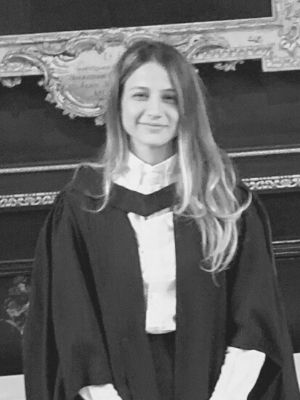
Dr. Evelina Charidemou is an Assistant Professor at the Department of Life Sciences, School of Life and Health Sciences, University of Cyprus. She holds a PhD in Biochemistry from the University of Cambridge and a Bachelor's degree (Honors) from Imperial College London, where she earned the Royal College of Science Associateship (ARCS). Her research focuses on developing metabolomics and lipidomics tools to investigate metabolic syndrome, particularly Type II diabetes and non-alcoholic fatty liver disease, using high-performance liquid chromatography and multivariate bioinformatics. Specialties: Nutritional Biochemistry, Metabolism, Histone Acetylation Collaborations: University of Oxford, University of Aarhus, Imperial College London Leadership: President of Cyprus Metabolomic Network Key Awards: Marie Skłodowska-Curie Individual Fellowship, Best Presentation (Metabolomics Sardinian Scientific School) Her work has been published in high-impact journals including Trends in Biochemical Sciences , EMBO Journal , and Hepatology , with a focus on the interplay between epigenetic mechanisms and metabolic diseases. She actively presents at international conferences such as the Metabolomics Society meetings and contributes to the International Journal of Biochemistry and Cell Biology.
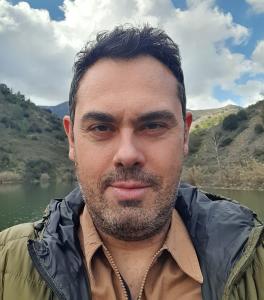
Athanasios Metaxas is an Assistant Professor in the Department of Life Sciences at the School of Sciences, European University Cyprus. He holds a Ph.D. in Biosciences and Medicine (University of Surrey, U.K.), an M.Sc. in Biosciences and Medicine (University of Surrey, U.K.), and a B.Sc. in Pharmacy (Aristotle University of Thessaloniki, Greece). His research focuses on neuroinflammation, synaptic pathology, and molecular mechanisms underlying Alzheimer’s disease, particularly using transgenic mouse models and advanced imaging techniques like PET. Metaxas has received travel awards from the Lundbeck Foundation and the University of Southern Denmark, and his work emphasizes serotonin signaling, tau protein alterations, and the development of diagnostic tools for neurodegenerative conditions. Educations: Ph.D., Biosciences and Medicine, University of Surrey, U.K. (2010) M.Sc., Biosciences and Medicine, University of Surrey, U.K. (2005) B.Sc., Pharmacy, Aristotle University of Thessaloniki, Greece (2004) Research Interests: His studies investigate the interplay between neuroinflammation and synaptic dysfunction in Alzheimer’s disease. Metaxas employs transgenic mouse models to study amyloidosis, tau pathologies, and the role of serotonin transporters (SERT) in disease progression. He is also dedicated to developing PET imaging ligands targeting NMDA receptors and exploring antioxidant therapies that modulate the NRF2 pathway. Recent work highlights the protective roles of cytokines like TNF in cognitive processes under physiological conditions, while his studies on 5-HT2B receptors in microglia cells reveal behavioral impacts of conditional receptor inactivation. Metaxas’ research bridges molecular proteomics with translational neuroscience, aiming to identify novel therapeutic targets and biomarkers. Publications Trends: His articles emphasize Alzheimer’s disease pathogenesis, focusing on synaptic plasticity, neuroinflammation, and age-related biomarkers. He frequently publishes in journals like Cells , Scientific Reports , and Alzheimer’s Research & Therapy , with contributions to both basic science and clinical neuroimaging. Recent work extends to canine models of early Alzheimer’s, suggesting cross-species relevance of microglial activation patterns and perivascular macrophage infiltration. Awards & Recognition: 2018: IMM Travel Award (University of Southern Denmark) 2017: Lundbeckfonden Travel Award (Lundbeck Foundation) 2016: IMM Travel Award (University of Southern Denmark) 2006-2010: Ph.D. Studentship (European Commission) Advising & Grants: Metaxas has served as Principal Investigator for projects on neurofibrillary tangles (2016), SSRIs and amyloid pathology (2015), and Co-Investigator in studies on serotonergic signaling in microglia (2018-2020). He collaborated on LeARN (2010-2014) for Alzheimer’s diagnosis tools and CoPING AD (2015-2018) exploring neuron-glia interactions. As a supervisor, he guided undergraduate and postgraduate theses in multiple institutions (SDU, VUmc, University of Surrey). His leadership roles include Erasmus+ Coordinator at SDU (2016-2017) and Professional Training Year Coordinator at VUmc (2012-2013), emphasizing international collaboration and training program development. Labs & Teams: While specific lab names are not provided, his research is embedded within collaborative projects such as LeARN (Center for Translational Molecular Medicine) and CoPING AD (University of Southern Denmark). These projects involve multidisciplinary teams focusing on neuropharmacology, imaging, and molecular biology, with contributions to preclinical drug evaluation and diagnostic tool development.
Dr. Savvas N. Georgiades is an Associate Professor in the Department of Chemistry at the University of Cyprus, where he also serves as the Head of the Research Laboratory of Synthetic Organic Chemistry and Chemical Biology. He has been with the University of Cyprus since 2011, progressing from Lecturer to Assistant Professor in 2018 and to Associate Professor in 2024. Prior to this, he held academic positions at Kingston University in the UK and completed postdoctoral research at Imperial College London and The Scripps Research Institute in the USA. Dr. Georgiades' educational background includes: BSc in Chemistry from the University of Cyprus (2001), where he received the 2nd Prize of the President of the Republic of Cyprus and 1st Prize of the School of Applied Sciences PhD in Organic Chemistry/Chemical Biology from Harvard University (2006), working under Prof. Jon Clardy Postdoctoral training in Synthetic Organic Chemistry at The Scripps Research Institute (2006-2007) with Prof. Phil Baran Postdoctoral training in Chemical Biology at Imperial College London (2007-2010) with Prof. Ramon Vilar Dr. Georgiades' research spans several interconnected areas in organic and medicinal chemistry. His primary focus is on development of innovative synthetic technologies for CH bond activation , particularly metal-catalyzed methods to form CC or CX bonds. He is also renowned for his work on G-quadruplex DNA targeting , designing novel ligand molecules for anticancer therapies and chemical bioimaging agents. Additional research interests include the synthesis of biomaterials by nucleobase self-assembly for energy applications and the development of small molecules that modulate cellular signal transduction pathways . His work bridges fundamental organic synthesis with biological applications, particularly in cancer research. His recent publications demonstrate a strong trend toward metal-catalyzed C-H activation chemistry and G-quadruplex DNA targeting for anticancer applications. The research spans from fundamental methodology development (photoredox catalysis, novel metal catalysts) to biological applications (oncogene targeting, cancer cell imaging). His work shows increasing interdisciplinary collaboration, combining synthetic organic chemistry, chemical biology, and materials science approaches. Notably, his research has expanded into nuclear medicine applications with radioisotope complexes, demonstrating the translational potential of his chemical approaches. Dr. Georgiades has received several notable scientific awards: 2nd Prize of the President of the Republic of Cyprus (2001) 1st Prize of the School of Applied Sciences (2001) Fellow of the UK Academy of Higher Education Dr. Georgiades is an active mentor who currently supervises 4 PhD students and 1 undergraduate student, having previously guided 1 PhD student, 4 MSc students, and 15 BSc students to successful completion. His research has been supported through various channels including COST Actions (CHAOS: Activation of CH Bonds in Organic Synthesis and Chemical Approaches for Targeting Drug Resistance of Cancer Stem Cells), where he served as Cyprus Representative. He has organized international conferences in Cyprus and participated in European research networks. His editorial work includes serving on the editorial boards of prestigious chemistry journals and acting as a scientific evaluator for over 30 international journals and European funding programs. Dr. Georgiades heads the Research Laboratory of Synthetic Organic Chemistry and Chemical Biology at the University of Cyprus, established in 2012. His lab brings together expertise in organic synthesis, chemical biology, and materials science to tackle challenges in drug discovery and biomaterials development. The team has made significant contributions to G-quadruplex DNA targeting and C-H activation chemistry, with applications spanning from anticancer therapeutics to energy materials. The laboratory maintains active collaborations with researchers across Europe through COST Actions and other international networks.
Paris Skourides is a Professor at the Department of Biological Sciences , part of the School of Natural and Applied Sciences at the University of Cyprus . His research focuses on the molecular and cellular mechanisms underlying tissue morphogenesis and neural tube closure in vertebrates, particularly using the Xenopus laevis model organism. He also develops advanced imaging techniques using quantum dot nanocrystals and investigates the role of focal adhesion proteins in embryonic development and disease. Education PhD (1998-2004), The Rockefeller University: Morphogenetic Movements during Xenopus Gastrulation and Development of Biocompatible Quantum Dots BA Biochemistry (1994-1997), Brandeis University: Summa Cum Laude and Highest Honors in Biochemistry Research Interests include: Elucidating molecular mechanisms of vertebrate body plan formation Developing quantum dot-based imaging methods for morphogenesis studies Investigating focal adhesion proteins' roles in ciliogenesis and tissue mechanics Studying mechanotransduction pathways in embryonic development Creating high-throughput mucociliary flow assays for ciliopathy research His scientific contributions include the Marie Skłodowska-Curie Individual Fellowship. The Skourides Lab employs interdisciplinary approaches combining live imaging, 4D cell tracking, optogenetics, and molecular dynamics simulations to study: Ciliary adhesion complex formation Integrin-FAK signaling in spindle orientation Calcium signaling in apical constriction Quantum dot applications in developmental biology
Chloe Antoniou is an Associate Professor of Biochemistry and Co-Director of the Graduate Entry MD Programme at the University of Nicosia Medical School. She holds a BSc (Honors) in Biochemistry from the University of Illinois at Chicago (Fulbright Scholar) and a PhD in Chemistry from the same institution. She completed postdoctoral work at the University of Chicago's Department of Biochemistry and Molecular Biophysics, followed by a PGCert in Higher Biomedical Education from St George’s University, London. Her research focuses on protein biochemistry, particularly light-activated proteins and spectrin structural dynamics, alongside innovations in medical education. She has contributed to studies on PKAN genetic mutations, optogenetic tools (TULIPs), and protein folding mechanisms. Her work bridges molecular biophysics with clinical education, emphasizing technological integration in medical training. Publications span protein engineering, optogenetic systems, and nitric oxide biochemistry, reflecting her dual expertise in molecular mechanisms and pedagogy. No awards are explicitly listed, though her extensive academic roles suggest recognition in her fields. She advises the Graduate Entry MD Programme but no specific students are named here.
Maria Ioanna Christodoulou serves as Associate Professor and Chairperson in the Department of Life Sciences at the School of Sciences, European University of Cyprus. Her academic career spans immunology, molecular biology, and translational medicine with a focus on autoimmune disorders, cancer mechanisms, and metabolic diseases. She maintains active collaborations with international institutions including the University of Glasgow and National and Kapodistrian University of Athens. PhD in Medical Sciences, National and Kapodistrian University of Athens (2010) MSc in Biology, National and Kapodistrian University of Athens (2015) BSc in Biology, Aristotle University of Thessaloniki (2003) Christodoulou's research integrates molecular profiling, bioinformatics, and clinical data to investigate T-cell regulation in autoimmune diseases (particularly Sjögren's syndrome), tumor microenvironment dynamics in ovarian and breast cancers, and microRNA biomarkers in type-2 diabetes. Her work bridges basic science with clinical applications through extensive analysis of genetic aberrations, immune cell interactions, and metabolic interference pathways. Analysis of her 2019-2021 publications reveals a strong thematic focus on the intersection of immunology and metabolic disorders, with significant contributions to understanding immune-checkpoint inhibitors, myeloid cell modulation in cancer therapy, and computational approaches to diabetes-leukemia comorbidities. Her methodology consistently combines high-throughput sequencing, molecular pathology, and bioinformatics to identify disease mechanisms and potential therapeutic targets. Award for outstanding research presentation on Sjogren's syndrome by American Foundation for Sjogren's Syndrome (2007) Best research paper award by Hellenic Society of Rheumatology (2006) Best research paper award by Hellenic Society of Rheumatology (2004) Christodoulou has supervised 7 BSc and 4 MSc theses while securing competitive research funding including the Excellence Hubs grant for pancreatic cancer immunotherapy (2022-2024), POST-DOC grant for breast cancer dormancy mechanisms (2019-2021), and Arthritis Research UK funding for IL-37 studies (2017-2019). Her editorial roles span 35+ international journals including The International Journal of Immunology and Immunobiology and Obesity and Diabetes Research Journal. She serves on the School Council at European University of Cyprus and acts as Guest Editor for special issues on cancer research. Her research group at the European University of Cyprus investigates tumor microenvironment dynamics in pancreatic cancer, phytochemical applications in oncology, and molecular mechanisms of metastatic dormancy. The team employs multi-omics approaches and collaborates with the Cyprus Digital Security Authority on data infrastructure for precision medicine initiatives.
Philip Calder is a Visiting Professor in Clinical Nutrition & Metabolism at the University of Southampton, with expertise in nutritional immunology, omega-3 fatty acids, and inflammation. His career spans over two decades, focusing on the impact of dietary lipids on immune function, cardiovascular health, and chronic diseases. Academic Qualifications: DPhil in Biochemistry (University of Oxford), PhD in Biochemistry (University of Auckland), and BSc(Hons) in Biochemistry (Massey University) His research explores the metabolic and physiological effects of omega-3 fatty acids, including their role in neonatal immunity, plaque stability in atherosclerosis, and cytokine regulation. Recent projects emphasize personalized nutrition, bioavailability of n-3 fatty acids, and omics-based approaches. Key trends in his publications include: Omega-3 fatty acid incorporation into lipid pools and disease-specific tissues Anti-inflammatory mechanisms in cardiovascular and immune disorders Translational studies from bench to clinical trials Scientific Awards & Honors: DSM Lifetime Achievement Award in Nutritional Science (2017) Danone International Prize for Nutrition (2016) Ralph T. Holman Lifetime Achievement Award (2015) Normann Medal (2012) Nutricia International Award (2007) Cuthbertson Medal (1995) Grants & Research Leadership: Calder has led or co-led major EU-funded projects (H2020, FP7, FP6) and grants from Pronova BioPharma, Vifor Pharma, and the Food Standards Agency, focusing on human studies of omega-3 supplementation in diverse populations.
Charalambos Michailoudis is an Assistant Professor at Imperial College London's Faculty of Medicine, specializing in molecular mechanisms of respiratory diseases. He holds a PhD in Clinical Medicine Research (2009) and MSc in Molecular Life Sciences (2005) from King's College London. Education PhD in Clinical Medicine Research, Imperial College London (2009) MSc in Molecular Life Sciences (Distinction), King's College London (2005) BSc in Medical Biochemistry, King's College London (2003) His research focuses on mitochondrial biology, oxidative stress, and metabolic reprogramming in respiratory diseases like COPD and asthma. Recent work examines mitochondrial transfer mechanisms and endoplasmic reticulum stress regulation in airway cells. Key publication trends include stem cell-mediated mitochondrial repair (2022-2018), epigenetic regulation of antioxidant pathways (2014), and inflammatory signaling in airway diseases (2011). Collaborations span NHLI, British Heart Foundation, and Shenzhen Hospital. Scientific Awards National Heart and Lung Institute Doctoral Scholarship (2005) European Respiratory Society (ERS) Young Scientist Sponsorship (2010, 2020) British Lung Foundation Travel Fellowship (2012) Asthma UK Travel Award (2010) ERS Travel Bursary (2020) Michailoudis serves on the Biomolecules Journal's Topical Advisory Panel and the ERS College of Experts, contributing to peer review and research evaluation. His work on mitochondrial dynamics in COPD and asthma has received funding from the Wellcome Trust, Dunhill Trust, and Shenzhen's Sanming Project.
Dr. Ilgin Cagnan Cakkol serves as an Associate Professor in the Department of Biological Sciences at Eastern Mediterranean University's Faculty of Arts and Sciences. She maintains her office in AS112 and can be reached at +90 392 630 2675 or via email at ilgin.cagnan@emu.edu.tr. Her educational background includes a PhD in Stem Cell research from Hacettepe University (2018), an MS in Life Sciences from the University of Edinburgh (2009), and a BS in Biological Sciences from the University of Edinburgh (2008). Dr. Cakkol's research spans multiple critical areas in molecular biology and medicine, with particular emphasis on stem cell biology, Fanconi anemia, cancer mechanisms, and genetic regulation. Her work demonstrates significant contributions to understanding mesenchymal stem cell behavior in Fanconi anemia patients , breast cancer molecular pathways , and miRNA expression patterns in various disease contexts. Through her research, she has established important connections between genetic factors and disease progression, particularly in hematological disorders and oncology. Analysis of her publication record from 2011-2023 reveals a strong research trajectory focused on molecular mechanisms in stem cells and cancer. Her work shows increasing specialization in Fanconi anemia and mesenchymal stem cell biology after 2015, with several publications examining HOX/TALE gene networks and their implications for bone marrow failure. The most recent publications (2021-2023) demonstrate expansion into women's health research and host genetics related to infectious diseases. Publication Award by EMU (2023) Publication Award by EMU (2022) Publication Award by EMU (2021) (three instances) Meliha Terzioğlu Science Award (2018) 2nd Prize for Poster Presentation (2014) Short Term Scientific Missions (2013) COST Training School (2011) Dr. Cakkol has secured multiple research grants from prestigious funding bodies including TUBITAK and European Union programs. Her current projects include the Cyprus Dysmenorrhea (CypDy) Project and Period Poverty initiative, alongside continued research on HOX/TALE transcription factors in Fanconi Anemia. She has demonstrated success in building international collaborations through projects examining stem cell therapies for lung cancer and breast cancer diagnostics. Her research group likely focuses on molecular characterization of stem cells in disease contexts, with particular attention to genetic and epigenetic regulatory mechanisms.
Lefteris Zacharia is an Associate Professor at the University of Nicosia , School of Life and Health Sciences, Department of Health Sciences. He combines academic expertise with industry experience in pharmacology, drug development, and regulatory affairs. BSc in Biochemistry from Denison University (1998) PhD in Pharmacology from University of Pittsburgh School of Medicine (2002) MBA from Katz Graduate School of Business, University of Pittsburgh (2007) His research focuses on estradiol metabolite biology in Alzheimer’s disease, pre-eclampsia, and ischemia-reperfusion injury, alongside investigating inflammation resolution in cancer and cardiovascular diseases. He also explores peritoneal adhesions and nicotine metabolism inhibition for smoking cessation. Recent publications emphasize animal models for cognitive impairment, adrenergic receptor targeting in neurodegeneration, and in vitro systems for metastatic cancer research. His work bridges translational pharmacology and clinical applications . He has participated in European Union grants as principal investigator and NIH grants as co-investigator, with an h-index of 24 and over 1400 citations.
Christina Kousparou is an Associate Professor in the Department of Medicine at the School of Medicine, University of Cyprus. Her research focuses on cancer biology, immunology, and therapeutic biotechnology, with a particular emphasis on cancer stem cells, microRNA regulation, and innovative drug delivery systems. She leads projects exploring microbial-based therapies, targeted nanomedicines, and immunotherapeutic approaches for oncological applications. Dr. Kousparou has contributed to advancements in understanding the role of microRNAs in cell death pathways, Notch signaling inhibition, and protein engineering for cancer treatment. Her work bridges basic research with clinical translation, including studies on fluorescence-guided surgery and exosome-mediated therapies. Her interdisciplinary approach integrates molecular biology, bioinformatics, and systems biology to address complex challenges in cancer management. Research Interests: Oncology, Cancer Stem Cells, MicroRNA Networks, Drug Delivery Systems, Immunotherapy, and Molecular Medicine Publications: Over 30 peer-reviewed articles since 2000, with recent focus on microbial therapies, polymeric micelles, and TR4 fusion protein applications Awards: Not explicitly listed, but her work has received international recognition in academic circles Her contributions include collaborations on tumor response monitoring, antibody-guided therapies, and the development of innovative cancer diagnostic tools. Dr. Kousparou’s research has implications for personalized medicine and improving treatment efficacy across multiple cancer types.
Kyriaki Bakirtzi is an Adjunct Lecturer in the School of Medicine, specializing in molecular mechanisms of intestinal inflammation, cancer biology, and exosome-mediated signaling. She holds a Ph.D. in Medicine from Boston University (2010), an M.Sc. in Immunology/Cancer Biology from Brunel University London (2000), and a B.Sc. in Biology from Royal Holloway University of London (1999). Her research focuses on miRNA networks, neurotensin signaling pathways, and exosome biology in colonic diseases. Notable contributions include identifying miR-21's role in exosome-mediated cell proliferation and the neurotensin-HIF-1α axis in intestinal angiogenesis. She has received awards such as the Junior Faculty Award (2014) and recognition for high-impact DDW conference presentations. Employment: Scientific Director at ELPEN Pharmaceutical Co, Academic Program Coordinator at Panhellenic Association of Pharmaceutical Industry Research Projects: Over 10 NIH-funded projects on exosome miRNA cargo, neurotensin signaling, and colon cancer mechanisms Awards: Key Note Speaker (highest scoring work, DDW 2017), Research Fellowship Award (CCFA, 2011) Her work bridges molecular biology and clinical applications, with over 10 peer-reviewed publications since 2009. She collaborates on translational projects involving exosome-based diagnostics and therapeutic strategies for gastrointestinal disorders.
Dr. Nicos Grigoriadis is a Visiting Professor of Neurology at the School of Medicine, University of Cyprus. He holds a Medical Degree (1989) and a PhD in Medicine (1996) from Aristotle University of Thessaloniki. His career includes postdoctoral fellowships at Hadassah University Hospital (Jerusalem, Israel) and a sabbatical at Vienna University's Brain Research Institute (Austria). His research focuses on neurodegenerative mechanisms in multiple sclerosis, neuromuscular disorders, and neuroimmunology. Education: M.D., Aristotle University of Thessaloniki (1989) Ph.D. in Medicine, Aristotle University of Thessaloniki (1996) Research Interests: Mechanisms of multiple sclerosis pathogenesis Neuromuscular development and therapy Role of Nogo receptor complexes in neurodegeneration Clinical assessment tools for neurological symptoms Key Research Contributions: His work explores cellular therapies targeting MS, long-term effects of MS medications, and neurobiological pathways in autoimmune encephalomyelitis. Grants & Projects: Neural Stem Cell Transplantation in EAE (Greek Research & Technology Grant, 2001) Bone Marrow Stromal Cell Transplantation in Stroke (EU & Greek Ministry Grant, 2004) Modifier Genes in MS Severity (Cyprus Research Foundation, 2012) Labs/Teams: Collaborates on projects involving stem cell therapy and neuroimmunology research.
Smaragda Diamanti is an Acting Vice-Chairperson and Assistant Professor in Oral Medicine and Pathology at the European University of Cyprus (EUC), School of Dentistry. She holds a PhD in Oral Medicine and Pathology from the National and Kapodistrian University of Athens (2016), where she also earned her MSc (2006) and DMD (2001). Prior to EUC, she served as Head of Oral Medicine Department and Chief of Dental Section at the Hellenic Air Force's 251 General Air Force Hospital in Athens (2007–2019). Her research focuses on salivary gland neoplasms, oral pathology, immunohistochemical analysis of oncogenic pathways, and clinical trials for oral diseases such as lichen planus. Notable projects include a long-term study on the mTOR pathway in salivary gland tumors and comparative drug efficacy trials. She has been recognized with multiple awards, including valedictorian honors for her MSc and PhD, and military commendations for her service. Dr. Diamanti has contributed to peer-reviewed journals with studies on tumor classification, differential diagnosis challenges, and rare oral conditions. She actively participates in academic governance through roles in the Hellenic Society of Oral Medicine and Pathology and served on the Educational Board of the 251 GAFH, overseeing training programs for military doctors.
Vasiliki Gretsi is an Associate Professor in the Department of Life Sciences at European University Cyprus's School of Sciences. She holds a Ph.D. in Cellular and Molecular Pathology from the University of Pittsburgh School of Medicine (2006) and a Biology degree from the National and Kapodistrian University of Athens (2001). Her research focuses on molecular oncology, specifically the mechanisms of cancer metastasis, cell adhesion dynamics, and the roles of proteins like RSU-1, ILK, and GDF-15 in breast cancer and glioblastoma progression. She employs molecular biology techniques, 3D in vitro models, and clinical sample validation to investigate therapeutic targets. Her recent work (2019–2020) demonstrates a consistent focus on metastasis regulation through proteins like RSU-1 and GDF-15, with applications in breast cancer and glioblastoma treatment. Research themes include cytoskeletal dynamics, gene silencing effects, and biomarker discovery. Scientific Awards: EASL Sheila Sherlock Post-Doc Fellowship (2012-2014) International Liver Congress Travel Award (2012) University of Pittsburgh Yellow Ribbon Honoree (2006) Stephen L. Phillips Scientific Achievement Award (2005) ASIP Trainee Travel Award (2004) She leads/co-leads research projects including pharmaceutical plant analysis (2021–2024) and metastasis studies. Editorial roles include organizing special issues for Life and International Journal of Molecular Sciences . Institutional service includes membership in the Bioethics Committee and Quality Assurance Committee.