Lingjia Liu is a Professor and Bradley Senior Faculty Fellow at Virginia Tech's Bradley Department of Electrical and Computer Engineering. Her research focuses on enabling technologies for 5G/6G networks, including massive MIMO systems, dynamic spectrum access, and AI-driven communication networks. She holds a Ph.D. from Texas A&M University (2008). Research Interests : 5G/6G Network Architectures (3D MIMO, cloud-RAN, ultra-low latency) AI in Communications (Reservoir Computing, federated learning) IoT & Cyber-Physical Systems (energy harvesting, privacy protection) Non-Terrestrial Networks (satellite-based connectivity) Recent work emphasizes generative AI for network simulation, explainable AI in communication systems, and secure dynamic spectrum sharing. Her research spans theoretical foundations (e.g., OTFS modulation analysis) and practical implementations (e.g., FPGA-based reservoir computing). Awards : Bradley Senior Faculty Fellow (Virginia Tech). Her contributions bridge communication theory and AI, addressing 6G challenges through innovative algorithmic and architectural solutions. Current projects explore agentic protocol learning, federated multi-agent RL for spectrum access, and resilient ML under adversarial conditions.
Amrinder Nain is a Professor in the Department of Mechanical Engineering at Virginia Tech. His research focuses on bio-inspired engineering, nanotechnology, and mechanobiology, with emphasis on understanding cellular interactions with fibrous environments. He leads the Spinneret-based Tunable Engineered Parameters (STEP) Lab, developing advanced materials and biomaterials for biomedical applications. Nain holds a Ph.D. in Mechanical Engineering from Carnegie Mellon University (2007) and has held faculty positions at Virginia Tech since 2009. Education: Ph.D., Mechanical Engineering, Carnegie Mellon University, 2007 M.S., Chemical Engineering, Carnegie Mellon University, 2007 B.E., Mechanical Engineering, Manipal Institute of Technology, 1990 Research Interests: Cellular dynamics and tissue engineering Nanofiber-based biomaterials Biomechanics of cancer and cellular migration Organ-on-a-chip technologies Advanced manufacturing of fibrous scaffolds Awards & Collaborations: John Jones Faculty Fellowship NIH-funded collaborations on blood-brain barrier models and cancer cell migration Global partnerships with institutions like Weizmann Institute of Science and Nara Institute of Science and Technology Labs & Teams: The STEP Lab pioneers nanofiber platforms to study cell-fiber interactions, with applications in drug testing and tissue engineering. Current projects include coiling dynamics of cellular protrusions, mitotic spindle orientation, and ultra-thin nanofiber mimics of biological membranes.
Guoqiang Yu is a Professor in the Bradley Department of Electrical and Computer Engineering at Virginia Tech. He holds a joint appointment at the Virginia Tech Research Center - Arlington. His research focuses on integrating machine learning, signal processing, and statistical methods to develop computational tools for analyzing multiplatform biomedical data. Key areas include neuroinformatics, bioinformatics, and systems biology, with applications in understanding human diseases through genomic, proteomic, and imaging data integration. Education: Ph.D. in Electrical Engineering, Virginia Tech (2011) Postdoctoral Fellowship at Stanford University (2012) M.S. Tsinghua University (2004) B.S. Shandong University (2001) Research Interests: Machine learning methodologies for biomedical data analysis, pattern recognition in complex datasets, optimization algorithms for high-dimensional data, stochastic signal processing, and their applications in neurodegenerative diseases (e.g., ALS, Alzheimer's), glial cell biology, and precision medicine. His work emphasizes developing open-source tools like ABDS, CAM3.0, and SynQuant for data normalization, deconvolution, and quantitative imaging analysis. Awards & Service: NSF Career Award (2018) Dean's Award for Excellence in Research (2022) Member of NIH BRAIN Initiative Consortium (2021–present) Associate Editor for BMC Bioinformatics (2017–present) Labs & Teams: Leads the Yu Lab at Virginia Tech, collaborating with multidisciplinary teams in neuroscience, bioengineering, and computational biology. Active in NIH-funded consortia focused on brain data science and large-scale neuroimaging initiatives.
Xiaowen Bai, MD, PhD, is a Professor in the Department of Cell Biology, Neurobiology and Anatomy at the Medical College of Wisconsin. His research focuses on leveraging stem cells to model neurodegenerative diseases and cardiac disorders, with a particular emphasis on non-coding RNAs, mitochondria, and environmental stressors like anesthetics and alcohol. He holds a leadership role as Executive Director of Hematology at the World Federation of Chinese Medicine Societies (WFCMS). Education: MD, Shanxi Medical University (1993) PhD, Beijing University Stem Cell Center (2004) Postdoctoral Training, University of Texas MD Anderson Cancer Center (2007) Research Interests: Neurodegeneration mechanisms involving microRNAs, lncRNAs, and mitochondrial dysfunction Stem cell-based therapies for myocardial regeneration Diabetic cardiomyopathy pathogenesis and cardioprotection 3D organoid models for studying anesthetic and alcohol neurotoxicity Recent Work: Recent publications emphasize translational studies using human-induced pluripotent stem cell (iPSC)-derived models to investigate alcohol-induced brain injury, anesthetic neurotoxicity, and cardiac fibrosis. His lab also explores immunomodulatory pathways and redox signaling in inflammatory diseases. Labs/Teams: The Bai Lab develops novel in vitro models for disease modeling and drug testing, focusing on cerebral organoids and cardiac organoids to bridge basic research and clinical applications.
Dr. David R Rowley is a Professor in the Department of Molecular and Cellular Biology at Baylor College of Medicine (BCM), with leadership roles as Faculty Senator, Chair of the Education Committee, Leader of the Tumor Biology Program at the Dan L Duncan Comprehensive Cancer Center, and Assistant Dean of Foundational Sciences in the School of Medicine. He holds a BS (1975) and PhD (1980) from the University of Iowa, followed by a postdoctoral fellowship at BCM. His research focuses on stromal-epithelial interactions in cancer progression, particularly prostate cancer, exploring reactive stroma myofibroblasts and their role in disease progression. He has pioneered studies on mesenchymal stem cell differentiation and tumor microenvironment dynamics, leading NCI-funded Tumor Microenvironment Network projects. Dr. Rowley is also an award-winning educator, recognized for teaching excellence and mentoring. Key awards include the Faculty Excellence Award (Fullbright & Jaworski), Presidential Award (Barbara and Corbin J. Robertson, Jr.), and The John K. Lattimer Award (American Urological Association). His work bridges basic science and clinical translation, emphasizing stromal biology's therapeutic potential. Dr. Rowley's grants include multi-investigator initiatives under the Tumor Microenvironment Network, while his educational contributions span medical and graduate student training. His lab investigates stromal biology, with a focus on prostate cancer progression mechanisms.
Prof Alice Eldridge is Professor of Sonic Systems (Music) at the University of Sussex, School of Media, Arts and Humanities. She holds leadership roles including Director of the Sussex Humanities Lab and Co-director roles in interdisciplinary research centers. Her academic journey includes a BSc Psychology (University of Leeds), MSc Evolutionary and Adaptive Systems, and PhD in Computer Science and AI (University of Sussex). Research focuses on ecoacoustics, soundscapes, and music-technology intersections with ecology. Key areas include acoustic complexity analysis, participatory conservation projects (e.g., WILDSENS projects), and feedback musicianship. Fieldwork spans tropical, temperate, and Arctic regions including Indonesia, Ecuador, and Swedish Lapland. Collaborates with indigenous communities and organizations like Peck Labs and Emute Lab. Music performance includes free jazz, chamber compositions, and pop bassistry with groups like Collectress and Feedback Cell. Grants include AHRC/NERC/EU funding for projects like WILDSENS Arctic mapping and environmental wellbeing studies. Over 70 publications span ecoacoustic methodologies, digital humanities, and sound-based conservation. Labs affiliated with: Sussex Humanities Lab, Peck Labs (ecology), Emute Lab (music tech). Teaching includes BA Music Technology and MA Sonic Media programs.
William L. Kath is the Margaret B. Fuller Boos Professor of Engineering Sciences and Applied Mathematics at Northwestern University's McCormick School of Engineering. He holds affiliations as Deputy Director of the National Institute for Theory and Mathematics in Biology, courtesy faculty in Neurobiology, and member of the Northwestern Institute on Complex Systems. His research bridges quantitative biology, neuroscience, and optics, focusing on dynamical models of biological systems and high-speed optical communication systems. Key projects include the EMBEDR algorithm for single-cell omics analysis and computational models of temperature sensing in Drosophila. Research interests emphasize quantitative and computational biology, particularly circadian rhythms, neuronal circuit modeling, and single-cell genomics. Collaborations include the Gallio lab (Drosophila thermosensation), Daniel Dombeck's lab (hippocampal neuron behavior), and Nelson Spruston's group (hippocampal microcircuits). His work on optics includes nonlinear pulse propagation and rare event analysis in fiber optics. Scientific awards include Fellowships from the Society for Industrial and Applied Mathematics and the Optical Society of America. He advises over 20 graduate students and has developed courses like ESAM 472 (RNA sequencing analysis) and ESAM 370 (Computational Neuroscience). Current students include Richard Suhendra and Nan Ding (jointly advised). Labs/teams: Leads the National Institute for Theory and Mathematics in Biology, co-leads the Gallio lab collaboration on thermosensory circuits, and maintains active projects in computational neuroscience and optics at Northwestern.
Wilson W. Wong is a Professor in the Department of Biomedical Engineering at Boston University's College of Engineering. His research focuses on synthetic biology and engineering cellular therapies, particularly CAR T and CAR-NK cells for cancer, diabetes, and vaccine applications. He leads the Wilson Wong Lab, developing genetic circuits for precise control of cell functions through molecular, chemical, and optogenetic tools. Key achievements include FDA-approved drug-gated circuits, light-inducible recombinases, and saRNA platforms for reduced immunogenicity. Education: PhD in Chemical Engineering (UCLA), B.S. in Chemical Engineering (UC Berkeley). Awards include the Allen Distinguished Investigator Award (2022), NAE German-American Frontiers Invitee (2021), and NIH Director’s New Innovator Award (2013). He collaborates with institutions like MIT and Harvard on lung regeneration projects through the Allen Distinguished Investigators program. Research Highlights: Logic-gated CAR therapies, optogenetic cell patterning, and saRNA-based vaccines Lab Members: Supervises students including Cristina, Huishan, Josh, and Justin Letendre Grants: Allen Foundation, NSF CAREER Award, NIH funding His work bridges synthetic biology with clinical translation, emphasizing spatiotemporal control of cell functions for regenerative medicine and oncology. Recent breakthroughs include multiplex light-inducible circuits and saRNA modifications enhancing therapeutic efficacy.
Dr. Ryszard Nosalski is an Honorary Research Fellow at the School of Cardiovascular & Metabolic Health, University of Glasgow. His research focuses on understanding immune mechanisms underlying hypertension, vascular inflammation, and cardiovascular disease progression. He collaborates extensively with the British Heart Foundation (BHF) Cardiovascular Research Centre. Key research interests include vascular inflammation pathways, T-cell-mediated fibrosis in hypertension, and therapeutic targeting of oxidative stress (e.g., NOX enzymes). His work bridges basic science and translational medicine, addressing clinical challenges such as chemotherapy-induced hypertension and periodontitis-hypertension associations. Recipient of a 2022-2023 grant from Tenovus Scotland for studying the IL-15/IL-15Ra axis in cardiac damage during hypertension. Published over 20 peer-reviewed articles in high-impact journals like Nature Reviews Cardiology , Hypertension , and Circulation Research . His recent work highlights novel therapeutic strategies for vascular inflammation and demonstrates how immune responses contribute to hypertension pathophysiology. Ongoing projects investigate neuroimmune interfaces in atherosclerosis and the role of microRNAs in fibrosis.
Professor Herbert Ho Ching Iu is a distinguished academic at The University of Western Australia, serving in the School of Engineering within the Department of Electrical, Electronic and Computer Engineering. With an impressive research portfolio of over 500 publications and an h-index of 61, Prof. Iu has established himself as a leading authority in power electronics and nonlinear systems research. Prof. Iu received his BEng(Hons) in Electrical and Electronic Engineering from The University of Hong Kong in 1997, followed by a PhD in Electronic and Information Engineering from The Hong Kong Polytechnic University in 2000. After a brief research fellowship at HKPU, he joined The University of Western Australia in 2002 as a Lecturer and has since risen to the rank of full Professor. His primary research focuses on power electronics , renewable energy systems , nonlinear dynamics and chaos , current sensing techniques , and memristive systems . Prof. Iu's work uniquely bridges theoretical exploration with practical implementations, particularly in energy conversion, secure communications, and neuromorphic computing. His research has significant implications for DC microgrids, advanced encryption techniques, and next-generation computing paradigms. Analysis of Prof. Iu's recent publications reveals a strong interdisciplinary trajectory combining memristive systems with chaotic dynamics for applications in image encryption and secure communications . There's a notable emphasis on machine learning techniques applied to power electronics and energy systems , particularly for DC microgrids and battery management. His work demonstrates consistent progression from fundamental research in nonlinear systems to practical engineering solutions with real-world impact. Prof. Iu's significant contributions have been recognized with several prestigious awards: Vice-Chancellor's Award for HDR Supervision (2024) School of Engineering Award for Research Mentorship (2023) Vice Chancellor's Award in Research Mentorship (2023) With 18 supervised research students and leadership on 16 research grants, Prof. Iu has built a robust research program at the forefront of power systems innovation. His grant portfolio includes major projects like 'Mine Electrification' and 'Microgrid Battery Deployment' through the CRC for Future Battery Industry, as well as collaborations with Western Power on 'Project Symphony.' These initiatives demonstrate his ability to secure substantial funding and translate theoretical concepts into practical engineering solutions for industry. Prof. Iu leads a dynamic research team that specializes in hardware implementation of advanced theoretical concepts, particularly in memristive systems and chaotic circuits. The laboratory maintains strong industry connections, especially with energy and mining sectors, ensuring research has tangible real-world applications. Current work emphasizes DC microgrid technologies, advanced battery systems for electrified transportation, and novel applications of chaotic systems in security contexts, positioning the team at the cutting edge of power electronics research.
Paul Jennings is a Full Professor and Chair of Molecular and Computational Toxicology at the Vrije Universiteit Amsterdam (VU), Netherlands. He holds dual appointments in the Faculty of Science (Chemistry and Pharmaceutical Sciences Department) and AIMMS. His research focuses on advancing in vitro toxicology models, particularly for renal and hepatic systems, integrating omics technologies and computational approaches to understand chemical toxicity mechanisms. Jennings has pioneered the use of induced pluripotent stem cells (iPSCs) for developing patient-specific models to study nephrotoxicity and stress response pathways such as Nrf2, p53, and HIF-1α. He has led major EU projects like EUToxRisk and OpenRiskNet, advancing animal-free testing strategies aligned with Adverse Outcome Pathways (AOPs). Education: BSc (Pharmacology, UCD Dublin), PhD (Nephrotoxicity Testing, UCD Dublin), Habilitation (Epithelial Physiology, Innsbruck Medical University). Research Interests: Development of human-relevant in vitro models, systems toxicology, mitochondrial toxicity, xenobiotic metabolism, and translational biomarkers. His work emphasizes integrating omics data (transcriptomics, proteomics) with cheminformatics and computational models to predict chemical hazards. Grants & Projects: Principal Investigator for RISKHUNT3R, CHIAZMA, VHP4SAFETY. Collaborates on EU initiatives like In3 (animal-free nanomaterial safety) and StemBANCC (stem cell-based drug toxicity). Awards: None explicitly listed, though his leadership roles (Editor-in-Chief of Toxicology in Vitro, Vice President of NVT) highlight his professional standing. Labs/Teams: Molecular and Computational Toxicology Division at VU, collaborating with international teams on projects like OpenRiskNet (e-infrastructure for risk assessment) and EUToxRisk (mechanism-based toxicity testing).
Antonios Pantazis is an Associate Professor and Docent at Linköping University, affiliated with the Department of Biomedical and Clinical Sciences (BKV) within the Faculty of Medicine and Health Sciences. He leads the Pantazis Laboratory of Cellular Excitability (PaLaCE), focusing on ion channel biophysics and their role in health and disease. His work integrates electrophysiological, optical, and computational methods to study ion channel structure-function relationships, particularly in cardiac and neuronal systems. Research interests include voltage-gated ion channels, cellular excitability, and the molecular mechanisms underlying arrhythmias and neurological disorders. Key contributions involve understanding mutations in genes like SCN5A and KCNA2, which are linked to epilepsy and cardiac arrhythmias. He has been awarded the Swedish Fernström Prize (2021) for his work on ion channels. Publications span topics such as ion channel regulation, molecular transitions in voltage-dependent processes, and drug targets for arrhythmia suppression. His laboratory also explores cutting-edge techniques like voltage-clamp fluorometry and optical methods to visualize protein dynamics. Collaborations include institutions like the Wallenberg Centre for Molecular Medicine (WCMM) at Linköping University, emphasizing translational research in medical technology and bioengineering.
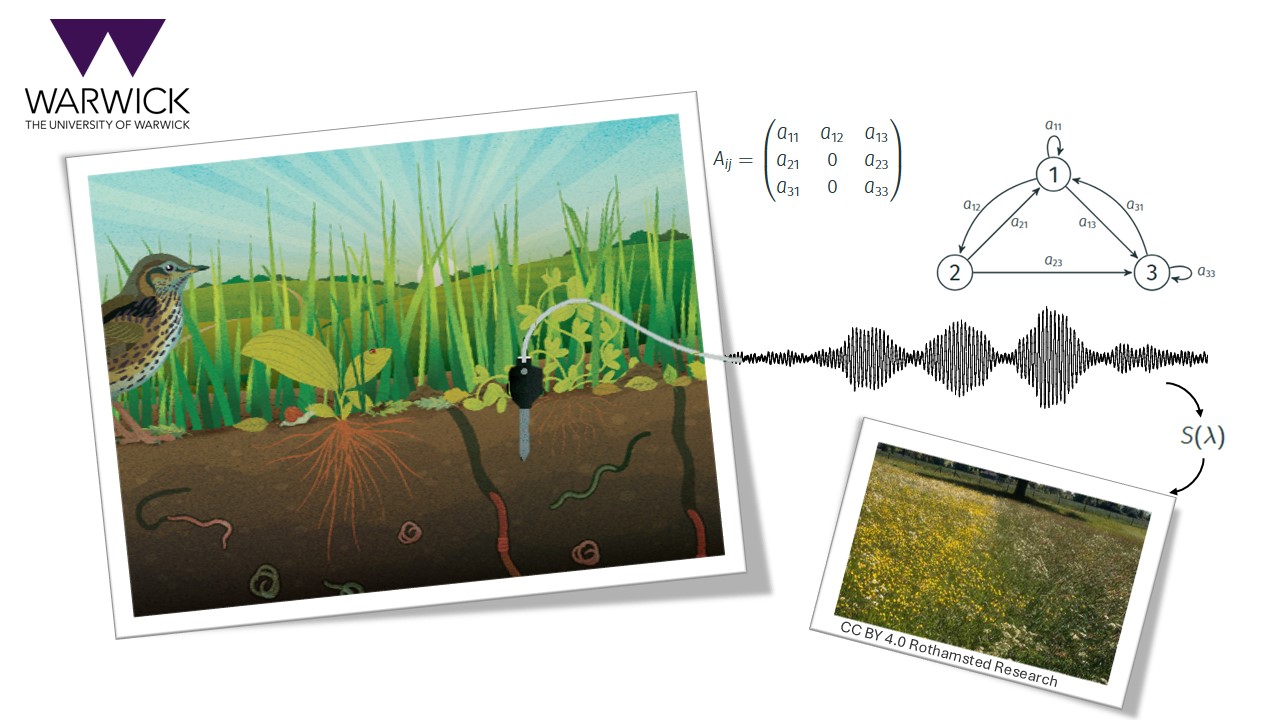
Kirsty Hassall is an Assistant Professor in Applied Statistics at the Department of Statistics, University of Warwick, having joined the department in 2024. She has previously worked for nearly 10 years as an applied statistician in the agri-environment sector, bringing extensive practical experience to her academic role. Dr. Hassall holds a PhD in "The temporal and spatial analysis of single cell gene expression" from the University of Warwick (2015). She is a Chartered Statistician with the Royal Statistical Society (2019) and has served as a committee member (2017-2021) and currently as Secretary (2021-present) of the British and Irish Region of the International Biometric Society (IBS-BIR). Her research focuses on developing robust hybrid models that combine empirical, mechanistic, and stochastic elements. With expertise spanning Bayesian networks, spatially coherent clustering techniques, and farm typology development, Dr. Hassall applies statistical methods to solve complex problems in agricultural and environmental science. Her work bridges traditional statistical consultancy (mixed models, multivariate statistics, experimental design) with methodological developments for real-world applications. Analysis of Dr. Hassall's recent publications reveals a strong interdisciplinary focus at the intersection of statistics, agriculture, and environmental science. Her work demonstrates consistent application of advanced statistical techniques to address pressing challenges in food security, sustainable agriculture, and environmental management. Key trends include the development of Bayesian Belief Networks for soil quality assessment, spatial modeling for crop production estimation, and statistical approaches to address gender dimensions in agricultural research. Chartered Statistician (Royal Statistical Society, 2019) Dr. Hassall is actively involved in research supervision and teaching, currently offering the ST344: Professional Data Science course. She has secured funding for PhD research, including a fully funded EPSRC scholarship project titled "Unravelling the sound underground: Detecting and estimating earthworm abundance using low-frequency vibrations." She also organizes the "Statistical Challenges in the Agri-Environmental Sector" workshop at the University of Warwick. Through her extensive publication record and active participation in professional societies, Dr. Hassall has established herself as a researcher who effectively bridges statistical methodology with practical applications in the agri-environmental sector. Her collaborative approach is evident in her numerous multi-institutional research projects across the UK, Africa, and Europe.
Prof. Henning Urlaub is a Professor at the Faculty of Medicine at Georg August University Göttingen and Group Leader of the Bioanalytical Mass Spectrometry Group at the Max Planck Institute for Multidisciplinary Sciences (formerly Max Planck Institute for Biophysical Chemistry). His roles include leading a research group focusing on proteomics and clinical biochemistry at the University Medical Center Göttingen (UMG). He holds dual affiliations in both academic and clinical research sectors. He earned his Ph.D. in biochemistry from the Free University of Berlin (1993–1996) and conducted postdoctoral research at institutions including the Max Delbrück Center for Molecular Medicine (Berlin) and the Philipps University of Marburg. His career includes leadership roles since 2010 in both the Max Planck Institute and UMG. Research Interests : Dr. Urlaub’s work centers on modern mass spectrometry applications for analyzing proteins, post-translational modifications, and protein interactions. Key projects include: Quantitative analysis of synaptic proteins under stimulation Protein cross-linking studies in B cells and other systems Method development for protein-RNA/DNA interactions Structural elucidation of large complexes via CX-MS and cryo-EM His group operates as a core proteomics facility for the Max Planck Institute and collaborates with external institutions like the University Hospital Frankfurt. They also maintain a clinical proteomics branch at the UMG’s Institute for Clinical Chemistry. Collaborations & Infrastructure : The group provides proteomics services to researchers across disciplines, emphasizing translational and clinical applications. Their instrumentation includes advanced mass spectrometry platforms (e.g., ESI, MALDI) for high-throughput proteomic analysis.
William Edward Lowry is a Professor in both the Department of Molecular, Cell and Developmental Biology and the Department of Medicine at the University of California Los Angeles (UCLA), College of Letters and Science. His interdisciplinary research bridges stem cell biology, cancer biology, and regenerative medicine, with a particular focus on hair follicle stem cells and their metabolic regulation. Dr. Lowry's research interests center on stem cell biology, particularly hair follicle stem cells and their roles in regeneration and cancer. His work explores the metabolic regulation of stem cells, the cellular origins of squamous cell carcinoma, and the application of stem cell technologies for regenerative medicine. His research spans from basic mechanisms of stem cell quiescence and activation to translational applications for hair loss and neurological disorders. Analysis of Dr. Lowry's recent publications reveals a strong focus on the intersection of metabolism and stem cell biology, particularly how metabolic pathways regulate hair follicle stem cell function and transformation. His work demonstrates that metabolic processes like pyruvate oxidation play crucial roles in stem cell activation, hair cycling, and cancer development. His research also extends to neurological applications, with significant work on glial progenitors for treating white matter stroke and vascular dementia. Dr. Lowry has secured substantial research funding through multiple NIH grants, including R01 awards for iPS-Glial Restricted Progenitors in White Matter Repair for Stroke (R01NS103788), Metabolic Control of Hair Follicle Stem Cell Homeostasis and Tumorigenesis (R01AR070245), and Identification and characterization of cancer cells of origin in the epidermis (R01AR057409). These grants support his laboratory's work on stem cell metabolism, cancer biology, and regenerative medicine applications. His laboratory focuses on hair follicle stem cell biology and metabolism, with additional work on neural progenitors and glial cells for regenerative applications. Dr. Lowry's team employs advanced techniques including single-cell transcriptomics, metabolic profiling, and in vivo models to investigate stem cell behavior in health and disease.