

Konstantinos Kalogeropoulos is an Assistant Professor at the Department of Biotechnology and Biomedicine, Technical University of Denmark (DTU), leading research at the Cell Diversity Lab. His work bridges proteomics, computational biology, and snake venom research. Current projects: "The Proteomic Landscape during Influenza Infection" (2022-2025) Supervisor for PhD projects on protease network rewiring in psoriasis and wound exudate degradomics Research interests include: Proteomic analysis of inflammatory diseases Snake venom toxin structure prediction Extracellular matrix biomechanics De novo peptide sequencing algorithms Computational modeling of protease networks Recent article trends demonstrate his work in • Database-free proteomics (InstaNovo/InstaNexus) • Snake venom pathophysiology (V-ToCs clustering) • Inflammatory disease biomarkers (psoriasis, impaired healing) • Extracellular matrix mechanics (fibronectin tension, gut inflammation) Advising: Supervises PhD students Polhaus, C. J. M. and Haack, A. M., focusing on protease networks and wound healing.
جستجوی استاد راهنمای دانشگاهی
برای مسیر پژوهشیتان، استاد راهنما، استاد دانشگاه و پژوهشگر مناسب را پیدا کنید و با آنها ارتباط بگیرید.
نمایش ۱-۱۵ از ۲۸۰ استاد راهنما
اطلاعات پروفایلها از صفحات عمومی دانشگاهها گرفته شده و ممکن است بهروز نباشد.

- Theoretical Biophysics
- Complex Systems
- Chaos
- +۶ مورد دیگر
Kunihiko Kaneko is a Professor at the Niels Bohr Institute, University of Copenhagen, with a distinguished career in theoretical biophysics and complex systems. He received his PhD and MSc in Physics from the University of Tokyo, and has held leadership roles at the Universal Biology Institute and Center for Complex Systems Biology. PhD Physics, 1984 - University of Tokyo MSc Physics, 1981 - University of Tokyo His research spans five primary areas: Universal Biology, Evolutionary Constraints, Ecosystem Dynamics, Neural Cognition, and Universal Anthropology. He has published extensively on multi-level consistency principles, dimensional reduction in biological systems, and reciprocity between robustness and plasticity across scales. Recent publications show strong focus on microbial ecosystems (2025), evolutionary game theory (2025), neural modular architectures (2024), and dimensional reduction in cellular systems (2024). His work bridges physics and biology through dynamical systems theory applied to diverse phenomena from protocells to human societies.

Erwin Schoofمشاهده پروفایل
دانشیار
- Proteomics
- Mass Spectrometry
- Single-Cell Analysis
- +۷ مورد دیگر
Erwin Schoof is an Associate Professor at the Department of Biotechnology and Biomedicine , Technical University of Denmark. He leads the Cell Diversity Lab and focuses on advancing proteomics and mass spectrometry technologies. Expertise in single-cell proteomics , stem cell niches , and bioinformatics . Active in myelofibrosis and leukemia research , with applications in UN Sustainable Development Goals . Research Trends from 2025–2024 include: Machine learning-driven peptide sequencing (InstaNovo, InstaNexus). Single-cell resolution tools for mapping hematopoietic stem cells and tumor microenvironments . Biomarker discovery in chronic diseases and respiratory conditions . Supervision : Mentors multiple PhD students on single-cell proteomics , omics data analysis , and biotherapeutic production . Labs & Collaborations : Collaborates with international teams on plasma proteomics , 3D bioengineering , and advanced mass spectrometry workflows .
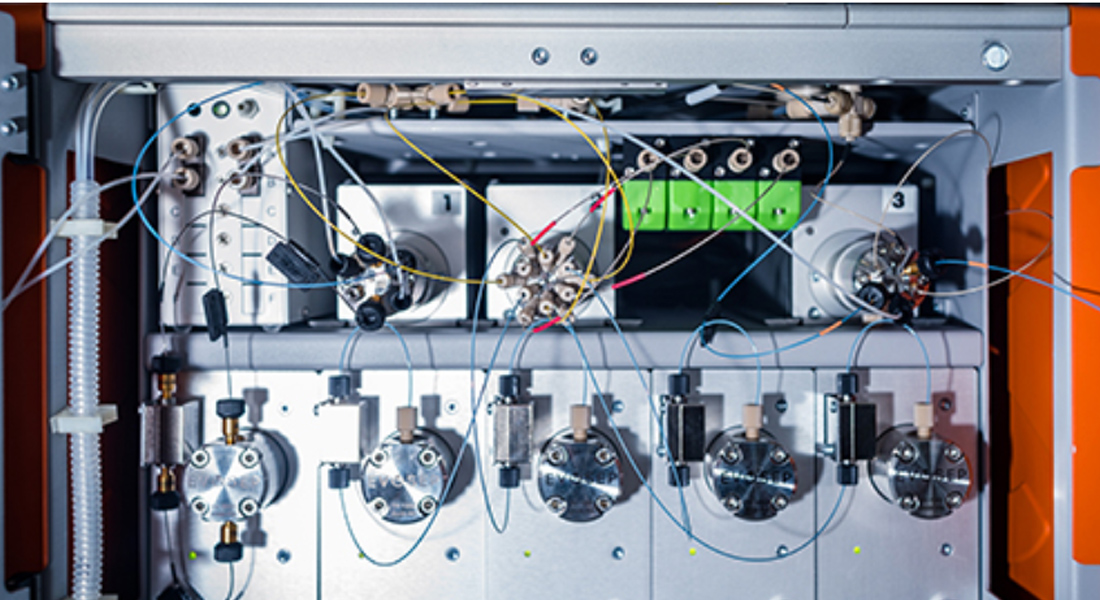
Jesper Velgaard Olsen is a Professor and Deputy Center Director at the University of Copenhagen's Novo Nordisk Foundation Center for Protein Research (CPR) and leads the Olsen Group. His research focuses on quantitative, high-resolution mass spectrometry-based proteomics, particularly in characterizing signaling networks regulated by phosphorylation and other post-translational modifications. The group develops advanced offline peptide fractionation and enrichment methods combined with high-resolution Orbitrap tandem mass spectrometry to improve robustness and reproducibility in proteomic analysis. The Olsen Group investigates functional selectivity in cell signaling, where different growth factors binding to the same receptor activate distinct pathways. They identified tyrosine phosphorylated residues as molecular switches determining cell fate and optimized workflows enabling deep human proteome analysis comparable to RNA-seq. Their work spans technology development and biological applications in diseases like acute myeloid leukemia. Key group members include PhD Fellows, PhD Students, and Researchers such as Agnete Witness Præst Jensen, Charlotte Hjort, and Kristina Bennet Emdal. For collaboration or inquiries, contact Olsen via email jesper.olsen@cpr.ku.dk .
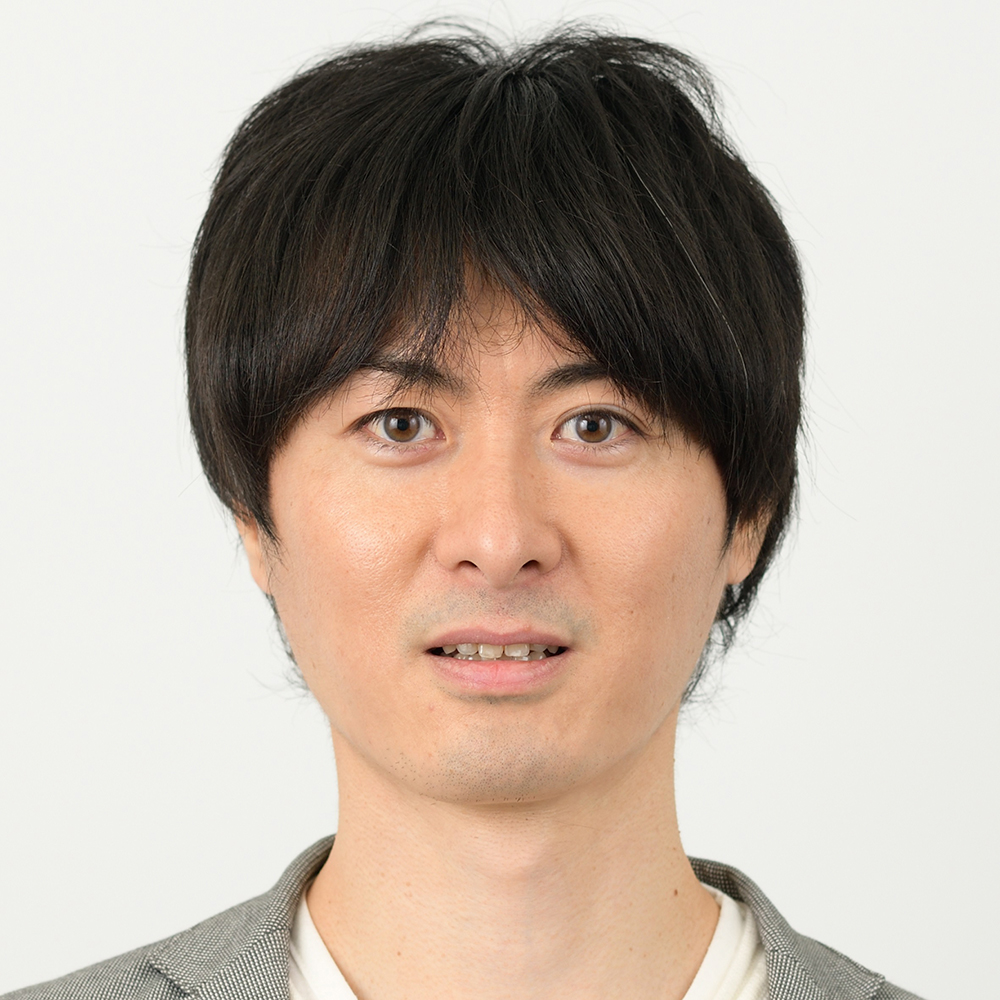
Kantaro Fujiwara serves as Associate Professor at the Graduate School of Medicine, The University of Tokyo, with concurrent appointments at the International Research Center for Neurointelligence (IRCN) and the Department of Mathematical Informatics, Graduate School of Information Science and Technology. He also manages the Data Science Core infrastructure for IRCN. His academic background includes a Ph.D. in Information Science and Technology from the University of Tokyo (2008), followed by postdoctoral research at the University of Tokyo (JSPS) and University of Cambridge, then assistant professorships at Saitama University and Tokyo University of Science before joining the University of Tokyo faculty. Dr. Fujiwara's research bridges computational neuroscience and neural data analysis through mathematical modeling of neural networks, development of neural data analysis methodologies, and exploration of brain-inspired machine learning. His work extends to biological information processing with specific applications in pancreatic beta cell modeling for diabetes research, establishing connections between theoretical frameworks and experimental neuroscience. His publication record (2017-2023) reveals consistent interdisciplinary contributions applying echo state networks, recurrence analysis, and nonlinear dynamics to neural data classification, physiological signal processing, and disease modeling. These works demonstrate strong integration of computer science, neuroscience, and biomedical engineering methodologies to solve complex neurobiological problems. As Data Science Core Manager at IRCN, he oversees computational infrastructure and software resources that enable advanced neurointelligence research across the University of Tokyo ecosystem, providing critical support for data-intensive neuroscience projects.

Luis Emilio Bruni is an Associate Professor at Aalborg University’s Department of Architecture, Design and Media Technology, within The Technical Faculty of IT and Design. He leads the Media Cognition and Interactive Systems (MeCIS) research group and coordinates the Master of Science in Medialogy. Bruni is also the founder and director of the Augmented Cognition Lab, focusing on perception, cognition, and immersive technologies. His academic roles include PI on multiple interdisciplinary projects and board memberships in international associations like the Nordic Association for Semiotic Studies (2011–2017) and the International Society for Biosemiotic Studies (founding member, 2005). Academically, Bruni holds a Ph.D. in Molecular Biology and Theory of Science (University of Copenhagen), M.Sc. in International and Global Relations (Universidad Central de Venezuela), and B.Sc. in Environmental Engineering (Pennsylvania State University). His research spans narrative cognition, extended reality, biosemiotics, and the interplay between technology, cognition, and culture. He has conducted projects on neurocinematic analysis, interactive storytelling, and the psychological impact of digital media. Key research contributions include studies on EEG responses to branded advertising, functional connectivity in psychiatric disorders, and the role of narrative in immersive technologies. Bruni’s work bridges cognitive science, computer science, and semiotics, with applications in healthcare (e.g., pediatric counseling tools) and cultural engagement (e.g., citizen curation systems). Over 80+ publications and active participation in conferences and media discussions highlight his interdisciplinary impact.

Ole Nørregaard Jensen is a Professor in Biomedical Mass Spectrometry and Systems Biology at the Department of Biochemistry and Molecular Biology, University of Southern Denmark . His research integrates advanced mass spectrometry, proteomics, and bioinformatics to study chromatin biology, post-translational modifications, and cellular signaling networks. He is actively involved in major research initiatives funded by Novo Nordisk Foundation and Lundbeck Foundation. His research interests include Mass Spectrometry, Proteomics, Posttranslational Modification, Histone Biology, Chromatin Biology, Bioinformatics, Systems Biology, Lipidomics, and Protein Chemistry . He employs cutting-edge techniques such as tandem mass spectrometry and ion mobility spectrometry to analyze protein isomers and dynamic modifications. His work has significant implications for understanding gene regulation, DNA replication, and disease mechanisms. His recent publications demonstrate a strong trend in chromatin dynamics, epigenetics, and integrated omics approaches , combining proteomics with transcriptomics and lipidomics to unravel complex biological systems. His research spans from fundamental molecular mechanisms to translational applications in biomedicine and food science. He has been recognized with several prestigious awards: MCP Lectureship Award Juan Pablo Albar Proteomics Pioneer Award 2019 EliteForsk 2009 prize Knight Order of Dannebrog (Ridder af Dannebrogordenen) Jensen is deeply involved in academic service, including peer review for journals like Nature Communications and Molecular and Cellular Proteomics , organizing conferences, and supervising students. He teaches courses such as Biomedical Mass Spectrometry - Principles and Applications and coordinates the Computational Biomedicine international Master’s program. He leads multiple active research projects, including PLATO and INTEGRA, focusing on health data, imaging, and protein networks. He is a key member of a vibrant research environment in biomedical mass spectrometry at SDU, contributing to both national and international scientific collaborations. His lab is at the forefront of developing and applying novel mass spectrometry methodologies for systems biology.
- Epigenetics
- Transcription Regulation
- Cancer Biology
- +۱۲ مورد دیگر
Vijay Tiwari is a Professor in the Department of Molecular Medicine at the University of Southern Denmark (SDU), where he leads research in genome biology and epigenetics. He is affiliated with the Genome Biology VIP initiative and the Danish Institute for Advanced Study (DIAS), highlighting his role in interdisciplinary and high-impact scientific inquiry. His research focuses on epigenetic regulation of gene expression, particularly in the context of cancer and neuroimmunological disorders. Key areas include transcription factor dynamics, locus control regions, promoter regulation, and the role of epigenetic mechanisms in metastasis and immune responses in the central nervous system. The recent publications demonstrate a strong trend in single-cell omics, cancer immunology, and neurodegenerative disease modeling. His work bridges molecular biology with clinical applications, particularly in understanding cancer progression and regenerative failure in ageing. Articles frequently appear in high-impact journals such as Nature Communications , Cancer Research , and Molecular Cancer . Vijay Tiwari’s scientific contributions have received significant media attention, with multiple press releases from SDU highlighting breakthroughs in cancer research, including discoveries that may halt cancer spread. His work has been covered by numerous news outlets, blogs, and social media platforms, indicating broad scientific and public impact. He has advised several early-career researchers, including Inayatullah M. and Dwivedi A.K., who appear as co-authors on multiple publications. While specific grants are not listed, his consistent output and institutional affiliations suggest active funding and collaboration networks across Europe and globally. He is associated with research teams focused on genome biology and epigenetic regulation, likely operating within collaborative labs at SDU that integrate molecular, computational, and clinical approaches to biomedical research.

Anders Nykjær is a Professor at the Department of Biomedicine , Aarhus University , and Director of the DANDRITE - Nykjær Group . His research focuses on the role of VPS10p-domain receptors, particularly sortilin and SorCS2 , in neuronal viability, neurotrophic signaling, and neurodegenerative diseases. University: Aarhus University Department: Department of Biomedicine Lab: DANDRITE - Nykjær Group Nykjær's work spans neurodegenerative diseases (Alzheimer's, Huntington's), neurotrophic factors (BDNF, NGF), and receptor biology . His studies investigate how receptors like sortilin modulate amyloid-beta catabolism, dopaminergic neuron development, and neurovascular coupling. Recent articles highlight SorCS2 in motor neuron development and progranulin interactions. Article trends include neurovascular signaling (SorCS2 in astrocytic function), neurotrophic receptor dynamics (TrkB/GluN2B/SorCS2 complexes), and cardiovascular-neurological cross-talk (sortilin in atherosclerosis and diabetic retinal degeneration). His methods involve in vivo models, proteomics, and receptor-ligand interaction studies. Scientific contributions emphasize receptor biology in Neurodegenerative disease mechanisms Lipoprotein and neurotrophin receptor trafficking Neurovascular and synaptic signaling pathways

- Neurobiology
- Parkinson's Disease
- Synucleinopathies
- +۴ مورد دیگر
Poul Henning Jensen is a full Professor at Aarhus University , affiliated with both the Department of Biomedicine (Skou-building) and the Department of Molecular Biology and Genetics (Neurobiology section). Research Interests : Neurobiology of synucleinopathies Molecular mechanisms in Parkinson's disease Protein aggregation and propagation Calcium signaling in neurodegeneration Neuroinflammatory responses Scientific Activities : His work focuses on α-synuclein biology, covering structural analysis, aggregation pathways, and their pathological consequences. Recent studies include novel detection methods for early α-synuclein pathology mechanisms of neurotoxicity sex-specific neuroprotective factors and protein interaction networks in disease models . Scientific Awards : Recipient of at least one significant research prize Collaborations : Works with international teams on clinical trials targeting α-synuclein and coordinates multiple studies on neurodegenerative disease mechanisms.
Ala Trusinaمشاهده پروفایل
دانشیار
Ala Trusina is an Associate Professor at the Niels Bohr Institute , University of Copenhagen , specializing in Biocomplexity and Biophysics . Her research integrates coarse-grained modeling to study complex biological systems. Key Research Areas Stress Response Systems (diabetes, aging, cancer, inflammation) Stem Cell Differentiation (cell fate coordination, reversibility of states) Complex Systems (species coexistence, epidemics, CRISPR-phage interactions) Methodologies Theoretical: Agent-based modeling, in-silico simulations Experimental: Quantitative single-cell imaging, RNA/protein profiling Collaborations Joshua Brickman (ES cells), Anne Grapin-Botton (pancreas), Feroz Papa (diabetes), Else Kai Hoffman (p53 dynamics) Thomas Mandrup-Poulsen (inflammation), Savas Tay (spatio-temporal regulation) Teaching Physics of Molecular Diseases Numerical Methods in Physics

- Immunology
- T Cell Signaling
- Inflammation
- +۵ مورد دیگر
Vasileios Bekiaris is an Associate Professor and Groupleader at the Department of Health Technology, Technical University of Denmark, specializing in Experimental & Translational Immunology with a focus on T-Cell Signaling and Development. His research explores the roles of γδ T cells, cytokines, and immune regulation in health and disease. Research Interests: γδ T cell biology and immunotherapy Cytokine signaling (IL-17, IL-27, interferons) Immune checkpoint inhibitors in cancer and infection Aging-related immune barrier function Apoptosis regulation via cIAP ligases Translational immunology applications Supervision: Bekiaris mentors multiple PhD candidates in projects involving iPSC-T cell engineering, neonatal immunity, and small molecule immunotherapeutics. Key collaborations include researchers at DTU and international institutions.
Jan Baumbach is a Professor in the Department of Mathematics and Computer Science at the University of Southern Denmark (SDU), where he leads cutting-edge research at the intersection of computer science, bioinformatics, and biomedical data science. His work integrates machine learning, network biology, and systems medicine to address complex challenges in health and disease. His research interests include Bioinformatics , Machine Learning , Gene Regulatory Networks , Drug Repositioning , Biomedical AI , and Computational Biology . He applies advanced computational methods to analyze large-scale biological data, with applications in cancer, metabolic diseases, dermatology, and infectious diseases. The 15 most recent publications highlight a strong trend toward biomedical artificial intelligence , network-based analysis , and translational bioinformatics . His work spans from foundational machine learning in healthcare to clinical applications in osteoarthritis, bone regeneration, and skin biology. A consistent theme is the integration of multi-omics data and the development of privacy-preserving federated learning frameworks for distributed healthcare systems. Jan Baumbach has been principal investigator on several major research projects, including: EU Horizon2020: Privacy-preserving federated machine learning in distributed healthcare Danish National Research Foundation: ATLAS Center for Functional Genomics of Tissue Plasticity Villum Foundation: Big Data Bioinformatics (Young Investigator Programme) Carlsberg Foundation: Computational profiling of bacterial volatile metabolomes (ProVol) He has supervised 13 PhD students and has an extensive publication record of 262 works. His research has been featured in high-profile media outlets, emphasizing the societal impact of drug repositioning and AI in medicine. He leads a research group focused on computational systems biology , with strong collaborations across Europe in the fields of genomics, metabolomics, and clinical data science.

Chao Sunمشاهده پروفایل
دانشیار
Chao Sun is an Associate Professor affiliated with multiple departments at Aarhus University , including the Department of Molecular Biology and Genetics, DANDRITE, the Interdisciplinary Nanoscience Center (INANO-MBG), and the Department of Biomedicine. His research integrates neurobiology , molecular cell biology , and nanotechnology , focusing on proteostasis, synaptic regulation, and advanced imaging techniques. PhD in Chemistry from Cornell University (2013-2018) Research interests include: Cellular neurobiology Proteostasis and protein turnover Super-resolution microscopy applications Proteomics of neuronal compartments Synaptic biology and plasticity Article trends reveal expertise in: Proteasome dynamics in synapses Multi-omics approaches to subcellular protein synthesis Single-molecule imaging in synaptic contexts Quantitative analysis of neuronal protein turnover Collaborations include leading researchers like Poul Nissen and Erin Schuman, with publications in high-impact journals such as Science and Current Opinion in Neurobiology . His work bridges molecular neuroscience with cutting-edge nanoscale imaging technologies.

Jamie Yam Auxillosمشاهده پروفایل
استادیار
- Molecular Biology
- Synthetic Biology
- Biotechnology
- +۵ مورد دیگر
Jamie Yam Auxillos is an Assistant Professor at the University of Copenhagen, affiliated with both the Biotech Research & Innovation Centre (BRIC) and the Department of Biology, where she leads research in Computational and RNA Biology. Her work bridges molecular biology, synthetic biology, and cutting-edge sequencing technologies. Education: PhD in Cell and Molecular Biology (2020), Centre for Systems and Synthetic Biology, University of Edinburgh MSc in Systems and Synthetic Biology (2015), University of Edinburgh BSc Honours in Biomedical Sciences with Medical Microbiology (2014), Newcastle University Dr. Auxillos' research focuses on Molecular Biology, Synthetic Biology, and Biotechnology , with particular expertise in Sequencing Methods Development, Spatial Transcriptomics, and Nanopore long read sequencing. Her work combines computational approaches with experimental techniques to develop new methods for RNA analysis and to understand complex biological systems, particularly in cancer biology and synthetic yeast engineering. Her recent publications reveal a strong trend toward developing innovative sequencing methodologies and applying them to cancer research, with significant contributions to spatial transcriptomics and tumor microenvironment analysis. She has also made important contributions to synthetic biology tools, particularly for yeast engineering and CRISPR-based technologies. Dr. Auxillos has established collaborative networks across multiple countries and institutions, with significant research output including journal articles, reviews, and book chapters that have garnered substantial attention across academic and social media platforms. Her research has been shared widely, with publications posted by numerous X (Twitter) users, featured on Facebook pages, discussed on Reddit, referenced in policy sources and patents, and read by hundreds of researchers on Mendeley.