Danielle Malo, DVM, PhD, is a Professor at the Department of Medicine within McGill University's Faculty of Medicine and Health Sciences. She serves as an Affiliate Investigator at the Research Institute of the McGill University Health Centre (RI-MUHC), specifically within the Infectious Diseases and Immunity in Global Health Program. Her research focuses on genetic regulation of host immune responses to Salmonella using mouse models. Key areas include innate immunity mechanisms iron metabolism in infection type I interferon signaling mouse mutagenesis approaches CCR2 deficiency in pulmonary disease Integrin-mediated resistance Recent publications highlight her work on genetic susceptibility to bacterial infections , with emphasis on Salmonella pathogenesis and immune evasion. Her team employs ENU mutagenesis , congenic strains , and molecular phenotyping to unravel complex host-pathogen interactions.
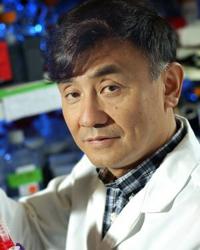
Xu Cao is a Professor of Orthopaedic Surgery at the Johns Hopkins School of Medicine , where he also serves as the Lee Riley Professor and Director of the Center for Musculoskeletal Research . His work focuses on bone marrow mesenchymal stem cells (MSCs) in bone remodeling, osteoarthritis, and osteoporosis, with key discoveries in subchondral bone protein mechanisms in osteoarthritis progression. Education: Ph.D. in Chemistry and Biochemistry from the University of South Carolina (1988), B.S. from Xinjiang University (1978), and postdoctoral training in bone biology at Washington University (1996). His research investigates how MSC differentiation into osteoblasts is regulated by parathyroid hormone and TGFß1, aiming to translate these findings into therapeutic strategies for musculoskeletal disorders. He joined Johns Hopkins in 2009 after extensive contributions to stem cell biology. Publications span both clinical and computational domains, including bone remodeling mechanisms and chemomechanical models of cell-extracellular matrix interactions. His work highlights interdisciplinary approaches, bridging musculoskeletal biology with biomechanical and materials science.
Professor Karen Liu is a Professor of Genetics and Development at King's College London, affiliated with the Faculty of Dentistry, Oral & Craniofacial Sciences and the Centre for Craniofacial & Regenerative Biology . She has led an independent research group since 2007, focusing on neural crest cell biology and its applications in regenerative medicine. PhD in Molecular Biology (University of California, Berkeley, 2003) BA in Biology (Columbia University, 1994) Her research bridges developmental biology with clinical applications, particularly in craniofacial anomalies and ciliopathy-related disorders . Using Xenopus and mouse models , she investigates: Signal transduction pathways (GSK-3, Wnt) Post-translational control mechanisms Neural crest development and cancer links Regenerative potential of stem cells Recent publications highlight her work on mouse models for rare diseases , primary cilia in development , and genetic mechanisms of craniofacial disorders . She has secured major grants including £1.5M from Cancer Research UK for neuroblastoma studies. Supervisor Excellence Award (2018) American Liver Foundation Student Fellow (2001) King's Innovation Fellow (2010) Her lab collaborates internationally and has supervised 17 trainees. Current projects include patient-derived hiPSC modeling of neural crest cancers and functional genomics of congenital anomalies.
Shinichi Sakakibara is a Professor at the School of Human Sciences with a Ph.D. from Tokyo University. His research spans neuroscience, neuroanatomy, and cellular/molecular biology with a particular focus on brain development and neural stem cell biology. Affiliation: Faculty of Human Sciences, School of Human Sciences Research Focus: Neuroanatomy, neural stem cells, neurogenesis, glia Dr. Sakakibara's research interests center on understanding the molecular and cellular mechanisms underlying brain development and neurodegeneration. His work particularly examines purine metabolism in neural development, the role of STAND proteins like Nwd1 and Nwd2 in neural stem cell regulation, and the involvement of SUMOylation in brain development. His laboratory investigates how cytoskeletal dynamics, regulated by proteins like Inka2 and Pak4, influence neuronal migration, differentiation, and synapse formation. Through studies of the zitter mutant rat model, his team has made significant contributions to understanding microglial activation in neurodegenerative processes and dopaminergic neuron degeneration. Analysis of Dr. Sakakibara's recent publications reveals a strong focus on the intersection of metabolism and neural development, particularly purine metabolism pathways and their regulation through protein complexes like purinosomes. His work demonstrates how disruptions in cellular processes like ER stress, calcium homeostasis, and mitochondrial dynamics can lead to neurodevelopmental abnormalities and neurodegenerative conditions. The consistent appearance of terms like 'Nwd1,' 'purinosome,' 'SUMOylation,' and 'Inka2' across his publications indicates these are central to his research program. Professional Memberships: Japan Neuroscience Society, Japan Society for Neurochemistry, Japanese Society of Anatomy, Molecular Biology Society of Japan, Japanese Society of Histochemistry and Cytochemistry, Society for Neuroscience Dr. Sakakibara has mentored numerous researchers who appear as first or co-authors on his publications, including Seiya Yamada, Tomoya Mizukoshi, and Hiroki Akiyama. His laboratory appears to maintain active collaborations with researchers studying both fundamental neural development processes and disease models. His work on the zitter rat model has provided important insights into the relationship between oxidative stress, microglial activation, and neurodegeneration, with potential implications for understanding Parkinson's disease mechanisms.
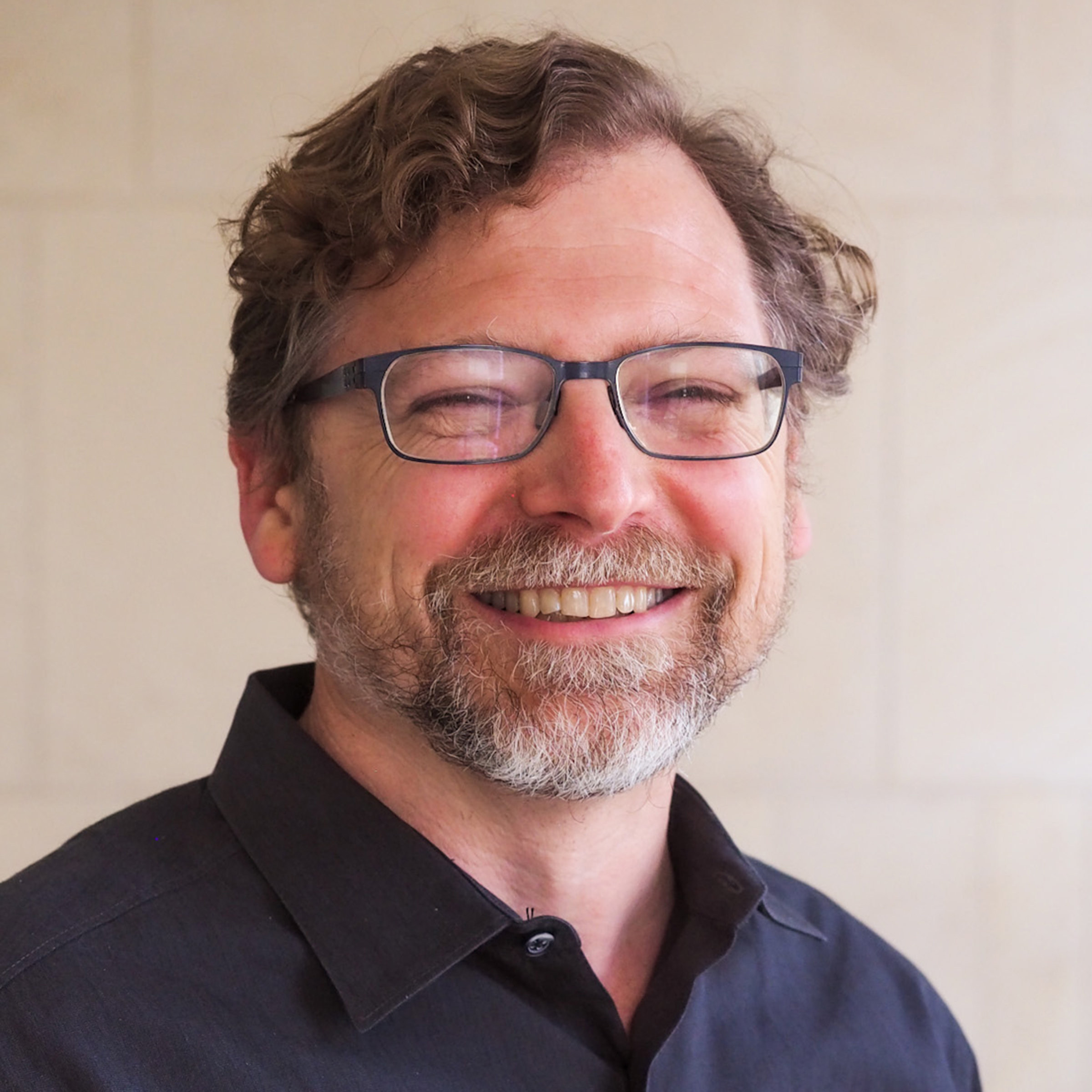
Edward M. Marcotte is a Professor in the Department of Molecular Biosciences at the University of Texas at Austin, holding the prestigious Mr. and Mrs. Corbin J. Robertson, Sr. Regents Chair in Molecular Biology. He is also affiliated with the Oden Institute and multiple Interdisciplinary Life Sciences Graduate Programs at UT Austin. His laboratory conducts cutting-edge research at the intersection of proteomics, bioinformatics, and systems biology. Dr. Marcotte received his B.S. as a National Merit Scholar from the University of Texas at Austin in 1990, followed by a Ph.D. with National Science Foundation predoctoral fellowship support in 1995 from the same institution. He completed his postdoctoral training as a Hollaender Distinguished Fellow at UCLA in 2000. His primary research focuses on the regulation and organization of the human proteome, particularly examining protein dynamics, intracellular abundances, physical assembly into complexes, and intracellular localizations. Marcotte employs large-scale approaches to study thousands of proteins simultaneously, utilizing evolutionary comparisons to identify critical conserved elements. His work has significant implications for understanding human genetic diseases, as proteins in the same physical complex or pathway often contribute to similar traits or diseases. The lab has successfully identified new genes related to angiogenesis, deafness, and congenital birth defects. Analysis of Marcotte's recent publications reveals a strong emphasis on protein complex architecture, particularly in cilia and plant systems, with increasing focus on single-molecule protein sequencing technologies. His work bridges fundamental molecular biology with clinical applications, especially in understanding ciliopathies and developing new diagnostic approaches. The research spans evolutionary biology, structural biology, and translational medicine. NIH Director's Pioneer Award (2012-2017) Fellow of the American Academy of Microbiology (2016) Fellow of the Royal Society of Chemistry (2012) Fellow of the American Association for the Advancement of Science (2011) Edith and Peter O'Donnell Award in Science (2008) David and Lucile Packard Fellowship in Science and Engineering (2002-2007) Camille and Henry Dreyfus New Faculty Award (2001) Invention of the Year Award, University of Texas at Austin (2019) Dr. Marcotte has authored over 250 journal publications and holds more than 29 issued or pending patents. He co-founded Erisyon, Inc., a company specializing in single molecule protein sequencing technology. His research program receives substantial funding from NIH and other sources, supporting multiple postdoctoral fellows, graduate students, and research staff. Marcotte actively collaborates with clinicians to translate basic research findings into potential diagnostic and therapeutic approaches for human diseases. The Marcotte Lab maintains strong collaborative relationships across multiple disciplines, including computational biology, structural biology, and clinical medicine. The lab has developed numerous innovative technologies for proteome-scale analysis and continues to pioneer new approaches in protein sequencing and complex mapping. Current work focuses on advancing single-molecule protein sequencing and applying these technologies to understand disease mechanisms.
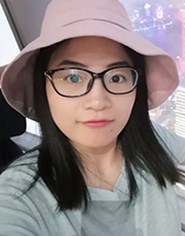
Lingyu Li is a postdoctoral researcher at the Department of Molecular Biology, Umeå University, Sweden. She works in the research groups of Teresa Frisan, Saskia Erttmann, and Sun Nyunt Wai, focusing on the therapeutic effects of bacterial cytotoxins like Motility-associated killing factor A (MakA) on colon cancer progression and immune modulation. Education: Biology, Shanghai Ocean University PhD in Metabolic Physiology, East China Normal University (2020) Research Interests: Molecular mechanisms of bacterial cytotoxins in cancer therapy Immune signaling and tumor microenvironment regulation Innate immunity and inflammation in disease models Affiliations: Group member of Saskia Erttmann Lab Group member of Teresa Frisan Lab Collaboration with Sun Nyunt Wai group
Ulla Margrethe Wewer is a Professor and Dean at the Faculty of Health Sciences, University of Copenhagen. She holds a permanent position in Experimental Pathology and has served as Dean of the Faculty of Health Sciences since 2006, following her tenure as Vice-dean from 2002-2006. Her academic career spans several decades with significant contributions to molecular pathology and cancer research. Dr. Wewer received her Medical Doctor degree from the University of Copenhagen in 1980 and her Doctor of Medical Sciences from the same institution in 1985. She conducted research at the NIH in Bethesda, USA from 1984-1987 and served as Assistant and Associate Professor at the Institute of Molecular Pathology at the University of Copenhagen from 1986-1999 before becoming a Research Professor in 1999 and a Permanent Professor in Experimental Pathology since 2000. Professor Wewer's research primarily focuses on the structure and function of the extracellular matrix, cell-matrix interactions, and cell adhesion proteins, particularly as they relate to cancer. Her work has extensively investigated ADAM12 and related proteins, examining their roles in cancer progression, metastasis, and tumor microenvironment dynamics. She has published approximately 120 original peer-reviewed papers and 25 reviews and other publications throughout her career. Analysis of her recent publications reveals a consistent focus on ADAM proteins, particularly ADAM12, and their role in cancer biology. Her research spans molecular mechanisms of protease function, cell migration, tumor-stroma interactions, and potential diagnostic applications. The work demonstrates a progression from basic molecular characterization to translational applications in cancer diagnostics and potential therapeutics. The Experimental Pathologists in Training Award (1986) by the American Association of Pathologists, USA Odd Fellow Ordenens Research Prize (1987) The Young Investigators Research Award (1993) by the Danish Cancer Society The August Krogh Prize (2002) Tagea Brandts Rejselegat (2010) Elected membership in the Royal Danish Academy of Sciences and Letters As an academic leader and researcher, Professor Wewer has supervised numerous undergraduate and graduate students and served as an official opponent for PhD and Doctor of Medical Sciences theses. She has acted as a referee for several international journals and grant agencies including the Netherlands Cancer Foundation, Human Frontier Science Program, Deutsche Forschungsgemeinschaft (DFG), Medical Research Council in London, and Welcome Trust in UK. Her administrative roles as Dean have positioned her at the forefront of academic leadership in health sciences in Denmark.
Dr. Edouard Hannezo is a Research Fellow at the Cavendish Laboratory, University of Cambridge, where he holds a Fellowship at Trinity College. Working in the Theory of Condensed Matter (TCM) Group under Professor Ben Simons, he applies physics principles to solve complex biological problems in development and disease. His research focuses on: Epithelial mechanics and 3D morphological transitions Stem cell kinetics in development and cancer Collective cell migration mechanisms Cortical instabilities in biological pattern formation Trained as a theoretical physicist, Dr. Hannezo employs mathematical models, soft matter physics, hydrodynamics, and statistical mechanics to quantitatively predict embryonic development and cancer initiation processes, occasionally complementing his theoretical work with experimental approaches. His publication record reveals a cohesive research trajectory examining physical principles governing biological morphogenesis. Key themes include mechanical forces shaping epithelial structures, collective cell behavior dynamics, and physical constraints in tissue formation across multiple biological scales. His notable recognition includes: Fellow of Trinity College, University of Cambridge Dr. Hannezo collaborates with Alstom to apply soft matter physics to engineering challenges in cooling device technology, particularly Capillary Pumped Loops. His research bridges theoretical physics with practical applications in both biological and engineering contexts. Based in the Mott Building (office 537) at the Cavendish Laboratory, he contributes to Cambridge's vibrant physics research community while maintaining strong ties to Trinity College's academic environment.
Lance Lee is a Professor at the University of South Dakota's Sanford School of Medicine, specializing in motile cilia disorders and their role in pediatric disease. His research program investigates the genetic and molecular mechanisms underlying ciliary dysfunction to improve diagnostic and therapeutic approaches for affected children. Education: PhD in Cell and Developmental Biology, Stony Brook University, 2004 Dr. Lee's research spans pediatric rare diseases with emphasis on motile cilia biology and developmental pathogenesis . He employs interdisciplinary approaches including genetic, biochemical, and molecular techniques to characterize disease mechanisms in model systems relevant to childhood disorders. He is affiliated with the Center for Pediatric Research CoBRE at Sanford, which fosters collaborative pediatric research across the Upper Midwest through mentorship and access to specialized core facilities in biochemistry and functional genomics. Grants: USD G-Rise (National Institute of General Medical Sciences - NIGMS)
Olga Rudenko serves as a Research Consultant and Guest Researcher with the Schwartz Group at the University of Copenhagen's Faculty of Health and Medical Sciences. Her work bridges neuroscience, metabolism, and endocrine signaling, focusing on molecular mechanisms underlying metabolic disorders and neurodegenerative conditions. Dr. Rudenko's research spans several critical areas in biomedical science: Neuroendocrinology, particularly ghrelin signaling pathways and their dual role in metabolic regulation and neurological function GPCR-mediated metabolite signaling and its impact on pancreatic and gut hormone regulation Behavioral neuroscience with emphasis on Huntington's disease models and anxiety-related pathways Microbiome-metabolism interactions, especially how microbial fermentation affects metabolic health Development of innovative methodologies for automated behavioral analysis and cell motility assessment Her publication record demonstrates consistent contributions to understanding molecular pathways in metabolic disorders. Notably, her co-authored 2017 Cell Metabolism review on GPCR signaling has accumulated over 450 citations, reflecting significant impact in the field. Her work frequently appears in high-impact journals including Molecular Metabolism and American Journal of Physiology, with several publications receiving attention from news outlets and academic platforms. As a member of the Schwartz Group, Dr. Rudenko contributes to a research environment renowned for pioneering work in receptor pharmacology. Her collaborative approach is evident through extensive co-authorship with leading researchers including T.W. Schwartz and B. Holst, suggesting integration within a productive research network focused on metabolic signaling pathways with therapeutic implications for obesity, Huntington's disease, and anxiety disorders.
Fernando Sepulveda is a CNRS Researcher at the Imagine Institute, Necker Hospital, affiliated with Université Paris Cité, specializing in the immunopathology of cytotoxic lymphocyte disorders. His work focuses on Hemophagocytic Lymphohistiocytic Syndrome (HLH/MAS) and actin-related Primary Immune Disorders (PIDs), with significant contributions to understanding genetic and molecular mechanisms of immune dysregulation. His academic journey includes: Biochemistry undergraduate studies at the University of Chile investigating T-cell homing PhD in Immunology (2005-2010) at the Curie Institute under Bénédicte Manoury studying endosomal proteases in TLR regulation Postdoctoral training (2010-2016) at Necker Hospital in Geneviève de Saint Basile's lab focusing on cytotoxic lymphocyte dysfunction in HLH/MAS Dr. Sepulveda's research centers on characterizing pathophysiological mechanisms of severe immune disorders, particularly HLH/MAS. His work has established graded cytotoxicity defects as determinants of disease severity, identified novel genetic mutations (RAB27A, HAVCR2), and explored therapeutic interventions including JAK inhibitors. Current projects investigate actin-related PIDs and molecular pathways in immune dysregulation, bridging basic immunology with clinical applications for rare disorders. Analysis of his 15 most recent publications reveals consistent focus on cytotoxic lymphocyte biology, with emphasis on genetic mutations affecting degranulation pathways (syntaxin 11, LYST, RAB27A), cytokine signaling in HLH pathogenesis, and translational approaches like gene therapy and targeted immunosuppression. His work demonstrates strong integration of mouse models with human genetic studies, advancing personalized treatment strategies for immune-mediated hyperinflammation. He leads research within Geneviève de Saint Basile's laboratory at the Imagine Institute, a leading center for genetic immunology, focusing on multidisciplinary approaches to dissect immune regulatory mechanisms and develop novel diagnostics for primary immune disorders.
Kate E. Keller is a Research Assistant Professor at the Casey Eye Institute, where she has been affiliated since 2003 and was promoted to her current position in 2008. Her academic background includes a BSc in Cell Biology from the University of Glasgow (1994) and a PhD in Biochemistry from the University of Edinburgh (1998), followed by post-doctoral research at Shriners Hospitals for Children in Portland, OR. Research Focus: Dr. Keller leads investigations into glaucoma pathogenesis, emphasizing two primary areas: (1) Extracellular matrix (ECM) dynamics in the trabecular meshwork (TM) and its role in intraocular pressure (IOP) dysregulation, and (2) Tunneling nanotubes (TNTs) as intercellular communication channels in TM cells. Her work aims to identify ECM remodeling mechanisms and therapeutic targets for IOP reduction. Publication Trends: Her 15 most recent articles (2018–2025) demonstrate a cohesive focus on TM biology, ECM composition, mechanical stress responses, and novel cellular structures like TNTs. Methodologies span molecular profiling, genetic analysis, biomechanical testing, and advanced cell culture models, consistently applied to glaucoma research. Professional Affiliations: Active member of the Association for Research in Vision and Ophthalmology (since 2003) and the International Society for Eye Research (since 2013).
Vasiliki Gretsi is an Associate Professor in the Department of Life Sciences at European University Cyprus's School of Sciences. She holds a Ph.D. in Cellular and Molecular Pathology from the University of Pittsburgh School of Medicine (2006) and a Biology degree from the National and Kapodistrian University of Athens (2001). Her research focuses on molecular oncology, specifically the mechanisms of cancer metastasis, cell adhesion dynamics, and the roles of proteins like RSU-1, ILK, and GDF-15 in breast cancer and glioblastoma progression. She employs molecular biology techniques, 3D in vitro models, and clinical sample validation to investigate therapeutic targets. Her recent work (2019–2020) demonstrates a consistent focus on metastasis regulation through proteins like RSU-1 and GDF-15, with applications in breast cancer and glioblastoma treatment. Research themes include cytoskeletal dynamics, gene silencing effects, and biomarker discovery. Scientific Awards: EASL Sheila Sherlock Post-Doc Fellowship (2012-2014) International Liver Congress Travel Award (2012) University of Pittsburgh Yellow Ribbon Honoree (2006) Stephen L. Phillips Scientific Achievement Award (2005) ASIP Trainee Travel Award (2004) She leads/co-leads research projects including pharmaceutical plant analysis (2021–2024) and metastasis studies. Editorial roles include organizing special issues for Life and International Journal of Molecular Sciences . Institutional service includes membership in the Bioethics Committee and Quality Assurance Committee.
Professor Franziska Matthäus is a theoretical biologist at Goethe University Frankfurt and a Fellow at the Frankfurt Institute for Advanced Studies (FIAS). Her research focuses on mathematical modeling of spatiotemporal processes in biological systems, particularly cell motility and pattern formation. She leads an active research group within the Life- and Neurosciences department, collaborating extensively with experimental partners to develop models that bridge microscale cellular processes with population-level behavior. Dr. Matthäus earned her doctorate summa cum laude from the University of Warsaw in 2005 after studying biophysics at Humboldt University of Berlin. She held postdoctoral positions at the University of Heidelberg, where she became head of the research group "Complex Biological Processes" in 2011. In 2016, she accepted a junior professorship at the University of Würzburg before joining Goethe University Frankfurt and FIAS, where she currently holds a Giersch endowed professorship. Her research employs agent-based models, partial differential equations, and image analysis techniques to study cell motility, pattern formation, and tissue dynamics. Her group develops mathematical models describing individual cells and large cell populations, incorporating internal signaling processes and interactions with chemical and mechanical environments. Current projects investigate embryo development, cancer cell migration, organoid dynamics, and pattern formation in biological systems. They use advanced computational methods including GPU implementations for efficient simulations and have developed specialized tools like a Julia package for 3D particle image velocimetry. Professor Matthäus has organized significant academic initiatives including "The Beauty of Theoretical Biology" project with Springer Publishing, which collects scientific images from theoretical biology research for publication and exhibition. Her publication record shows consistent output across mathematical biology, with recent work focusing on vertex models, pattern formation mechanisms, and advanced image analysis techniques for studying cellular dynamics. Giersch endowed professorship at Goethe University She actively supervises PhD students including Camile Kunz, Zoë Lange, Tim Liebisch, Marc Pereyra, and Rutian Zhou, guiding them in research projects that combine mathematical modeling with biological applications. Her teaching includes courses in computational biology, bioinformatics, and theoretical biology for both bachelor's and master's students at Goethe University. She offers specialized modules in the Physical Biology of Cells and Cell Interactions (PBioC) program, emphasizing hands-on research experience with data analysis, modeling, and simulation techniques. Professor Matthäus maintains strong international collaborations and has contributed to numerous interdisciplinary research projects, particularly those bridging mathematics, physics, and biology. Her work has applications in understanding metastasis formation, parasite-host interactions, and embryonic development processes.
Prof. Michał Tomczyk is a Professor in the Department of Pharmacognosy at the Medical University of Bialystok, Faculty of Pharmacy with the Division of Laboratory Medicine. His research focuses on natural products, phytochemistry, and their applications in pharmacology, particularly in anticancer agents, microbial interactions, and drug discovery. He has led significant projects such as the Medicine Factory - from idea to product (2019–2022) and Phytochemical studies of selected species of the genus Potentilla L. and evaluation of their anticariogenic activity (2010–2013). His recent work explores topics like flavonoid membrane interactions, gut microbiota modulation, and the antidiabetic potential of capsaicinoids. Prof. Tomczyk is also active in scientific communication, exemplified by his editorial role in the ICNPR2024 conference proceedings and contributions to interdisciplinary platforms like Natural Resources for Human Health . Research Interests: His work spans Pharmacognosy and natural product discovery, Phytochemical analysis of medicinal plants, Anticancer mechanisms of plant-derived compounds, Microbiome interactions with natural products, Prebiotic development from fungal polysaccharides, Application of spectroscopic techniques (NMR, FTIR) to study molecular interactions. Grants and Projects: He has secured funding for projects addressing drug discovery and plant chemistry, including collaborations on honey varietals and mushroom biofortification. His leadership in the Medicine Factory initiative highlights translational research from concept to commercialization. Labs/Teams: His research group collaborates on interdisciplinary projects involving pharmacology, microbiology, and analytical chemistry, with a focus on applying natural compounds to clinical and industrial challenges.