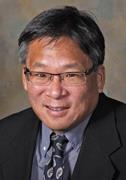
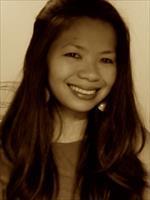
Anna Lagunas Targarona is a researcher in the Nanobioengineering department, focusing on interdisciplinary applications of nanotechnology in biomedical contexts. Her work spans biosensor development, drug delivery across the blood-brain barrier, and engineering nanotopographic substrates for cell studies. Research Interests: Nanotechnology, Alzheimer's disease, biosensors, stem cell differentiation, regenerative medicine, and mechanobiology. Key Projects: Development of BBB-on-a-chip systems, functionalized nanoparticles for neurodegenerative therapies, and nanoscale ligand patterning to study cell communication. Her recent publications (2025-2022) highlight innovations in nanoparticle design, microfluidic devices, and molecular gradients for cell adhesion studies. Collaborations with institutions like IBEC and projects such as Fibrosens (funded by AFM-Telethon) underscore her translational focus. She employs advanced techniques including nano-emulsion templates, TEER monitoring, and 3D bioprinting to address challenges in neurodegenerative disease modeling and musculoskeletal regeneration.
Mark Magbanua is a Research Fellow in the Department of Hematology Oncology at the University of California San Francisco. He holds a PhD in Plant Biology from the University of California Davis and completed postdoctoral training in Hematology Oncology at UCSF. His research focuses on circulating tumor DNA (ctDNA), liquid biopsy techniques, and integrating imaging biomarkers like MRI for predicting treatment responses in breast cancer. PhD, Plant Biology, UC Davis Postdoctoral Researcher, Hematology Oncology, UCSF His work spans interdisciplinary fields including Oncology , Genetics , and Medical Imaging . Recent studies highlight applications of ctDNA and MRI in neoadjuvant therapy for early and metastatic breast cancer, liquid biopsy for prognosis, and engineered adipocytes to suppress tumor growth. Scientific awards include: Cancer Cell Mapping Initiative Fellowship Best Scientific Poster Awards at UCSF ASCO Foundation Merit Awards AACR Minority Scholar Award Outstanding Graduate Teaching Award, UC Davis His publications analyze circulating tumor markers, imaging techniques, and therapeutic resistance mechanisms, often collaborating with multidisciplinary teams across institutions. Funding includes NIH grants for ctDNA-MRI integration in cancer treatment.
John W. Park, MD, is a Professor of Medicine in the Division of Hematology/Oncology at the University of California, San Francisco (UCSF) School of Medicine and Director of Novel Therapeutics in Breast Oncology at the UCSF Comprehensive Cancer Center. He holds an AB in Biochemical Sciences from Harvard College (1982) and an MD from Stanford University School of Medicine (1986). His postgraduate training includes an Internal Medicine residency at UCLA Medical Center and a Hematology/Oncology fellowship at UCSF. Research Focus Dr. Park's research centers on novel cancer therapeutics and biomarker discovery , with seminal work in nanoparticle/liposome technologies. He co-developed nanoliposomal irinotecan (FDA-approved in 2015) and pioneered immunoliposome drug delivery systems. His lab also specializes in circulating tumor cell (CTC) analysis for metastatic monitoring and personalized therapy. Publication Trends His 130+ publications (2017-2024) predominantly explore CTC dynamics, breast cancer biomarkers, and targeted therapies. Recent work emphasizes liquid biopsy applications, clinical trial outcomes (I-SPY, CALGB), and molecular heterogeneity in metastatic disease. Awards & Recognition ASCO Young Investigator Award (1993-1994) DoD Breast Cancer Research Program Career Development Award (1994-1998) Top Doctor, US News & World Report National Merit Scholar (1977) Grants & Leadership As PI/Co-I on $10M+ NIH grants (1999-2023), including Brain Tumor SPORE and Breast Cancer SPORE programs. Leads therapeutic development at UCSF Cancer Center and collaborates with Genentech on antibody therapies (e.g., trastuzumab).
Rosalyn Sayaman is a researcher at the University of California San Francisco, focusing on breast cancer biology, immunotherapy, and aging-related mechanisms in tumor development. She holds a Principal Investigator role in multiple NIH-funded grants and collaborates extensively with interdisciplinary teams across institutions. Education: PhD in Comparative Biochemistry, University of California, Berkeley (2016) MS in Bioengineering, California Institute of Technology (2010) BA in Integrative Biology, University of California, Berkeley (2001) Her research explores how aging and epigenetic changes contribute to breast cancer susceptibility, with a particular emphasis on tumor-immune interactions, liquid biopsy development, and ancestry-associated genetic factors. She has pioneered computational pipelines for analyzing germline-immune relationships and molecular clocks in cancer initiation. Recent publications highlight her contributions to understanding the tumor microenvironment, immunotherapy response subtypes, and circulating tumor DNA dynamics. These works span disciplines such as Cancer Biology, Immunology, and Bioinformatics. Scientific Awards: NCI K01 Mentored Research Scientist Development Award (2023-2028) Butler-Williams Scholar Program (NIA, 2021) AACR Associate Award Merit Recipient (SABCS, 2019) Young Investigator Award (SITC, 2019) NIH T32 Postdoctoral Fellowship (2018-2020) NIH T32 Graduate Fellowship (2012-2014) Chancellor’s Fellowship (UC Berkeley, 2011-2015) She currently leads a NCI-funded project (K01CA279498) and contributes to grants like I-SPY2 TRIAL (P01CA210961) and tumor immune microenvironment studies (P20CA290477). Her work bridges molecular biology, systems approaches, and clinical applications.
Mag. Julia Moldaschl is a researcher at the Institute of Cell and Tissue Culture Technologies within the University of Natural Resources and Life Sciences, Vienna (BOKU). She holds an MSc and BSc in Pharmacy from the University of Vienna and has participated in research internships, including at Universitas Ma Chung, Indonesia. Education: BSc (2015-2019) and MSc (2019-2021) in Pharmacy, University of Vienna Research Internship: 2019 at Universitas Ma Chung, Indonesia Her research focuses on stem cell biology and biotechnology , particularly the development and characterization of 3D cell culture systems for mesenchymal stem/stromal cells under hypoxic and serum-free conditions. She contributes to projects involving osteogenic differentiation and trilineage differentiation models , aiming to advance tissue engineering and cell culture technologies . Julia is involved in two funded research projects, including one supported by the Austrian Science Fund (FWF) and another by private institutions. She has presented her work at international conferences like ÖGMBT Tagung and Oxford Global's 3D Cell Culture event in 2022-2023. Her publications highlight innovations in hypoxic 3D hydrogel systems and spheroid differentiation models .
Ryan Porter serves as an Assistant Professor at the University of Arkansas for Medical Sciences (UAMS) College of Medicine with dual appointments in the Department of Internal Medicine (Endocrinology Division) and the Department of Orthopaedics. His research program centers on chondrocyte biology and articular cartilage regenerative medicine, focusing on osteoarthritis (OA) pathogenesis and therapeutic interventions. Supported by the National Institutes of Health (NIH), Department of Defense, and institutional grants, his work addresses critical challenges in joint injury recovery and age-related cartilage degeneration. Dr. Porter's research interests encompass articular cartilage biology , osteoarthritis mechanisms , mesenchymal stromal cell therapies , drug delivery systems for joint tissues , and regenerative medicine approaches . His laboratory investigates why chondrocytes fail to maintain cartilage during OA onset and develops strategies for targeted therapeutic delivery to prevent tissue loss and stimulate repair. This includes pioneering work on cationic carriers for intra-cartilage drug penetration and transgenic models for noninvasive chondrogenesis assessment. Analysis of his 15 most recent publications reveals a strong focus on cartilage-targeted drug delivery systems (35% of articles), cellular senescence in OA (25%), and genetic models for cartilage repair (20%). His work consistently bridges basic science with translational applications, emphasizing cationic carriers for deep cartilage penetration, molecular mechanisms of age-related versus post-traumatic OA, and stem cell-based regenerative strategies. Research funding includes multiple NIH awards as Principal or Co-Investigator: R01AR075121 (Intra-cartilage IL-1RA delivery), R21AR071560 (Extracellular vesicles for bone repair), R21AR069253 (Transgenic rat model development), and P20GM125503 (Center for Musculoskeletal Disease Research). He also serves as Co-Investigator on Department of Defense grant HT9425 investigating subchondral bone osteocytes in post-traumatic OA. Dr. Porter leads a preclinical research laboratory utilizing rodent models of post-traumatic and age-associated osteoarthritis, specializing in intra-articular drug delivery systems, chondrocyte biology assays, and stem cell-based regenerative approaches. His team collaborates extensively with the UAMS Bone and Joint Initiative and Arkansas Biosciences Institute, maintaining active partnerships with orthopaedic surgeons and endocrinologists to translate findings into clinical applications for joint preservation and repair.
Dr. Ana de Bettencourt-Dias serves as Chemistry Department Chair and the Susan Magee and Gary Clemons Professor of Chemistry at the University of Nevada, Reno within the College of Science. A full professor since 2013, she previously held administrative roles including Associate Vice President for Research (2015-2019) before returning to full-time research and teaching. Her academic journey spans institutions including Syracuse University and UC Davis, with foundational work in titanium CVD precursors and fullerene electrochemistry. Her educational background includes: Licenciatura (M.Sc. equivalent) in Technological Chemistry, University of Lisbon (1993) Dr. rer. nat. (Ph.D. equivalent) in Inorganic Chemistry, University of Cologne (1997) Research centers on designing luminescent lanthanide complexes for energy-efficient displays, photodynamic cancer therapy, and intracellular sensing. Her group pioneers organic ligands that enable efficient energy transfer to lanthanides, achieving multi-color emission for displays, singlet oxygen generation for tumor treatment, and viscosity/temperature reporting for disease diagnostics. This work bridges inorganic synthesis, photophysics, and biomedical applications through precise molecular engineering. Recent publications (2021-2025) reveal strong trends in environmental-responsive lanthanide probes, with emphasis on two-photon excitation for deep-tissue imaging, viscosity-sensing theranostics, and computational modeling of solution structures. Her work consistently advances ligand design strategies for optimizing energy transfer while expanding applications from OLEDs to cancer therapy. Major honors include: Royal Society of Chemistry Fellow (2024) UNR Outstanding Researcher Award (2023) AAAS Fellow (2022) ACS Fellow (2021) Technology Alliance of Central New York Science Award (2006) She has secured continuous funding from DOE, NSF, Petroleum Research Fund, USDA, and Brazilian agencies while mentoring graduate researchers. Her editorial leadership spans Inorganics (Associate Editor), Journal of Rare Earths (Managing Board), and Comments on Inorganic Chemistry . Conference organization highlights include chairing the 2014 Rare Earth Research Conference and leading the ACS Division of Inorganic Chemistry (2019-2022). The de Bettencourt-Dias research group operates advanced laboratories for synthesizing lanthanide complexes, characterizing photophysical properties, and testing biological applications, with current projects focusing on tumor-targeting photosensitizers and intracellular microenvironment probes.
May Griffith is a Full Professor at the University of Montreal's Faculty of Medicine, Department of Ophthalmology. She holds the Caroline Durand Foundation Chair in Cell Therapy for Eye Diseases at Maisonneuve-Rosemont Hospital and the Canada Research Chair in Biomaterials and Stem Cells in Ophthalmology (Level 1). She is also a member of the CRHMR (Maisonneuve-Rosemont Hospital Research Center) and the RRSV (Vision Health Research Network). Dr. Griffith's research focuses on tissue engineering, particularly corneal regeneration using biomaterials. In December 1999, she and her collaborators produced the first functional human corneal tissue equivalent, published in Science. Her work has led to several important collaborations between academia and industry, including the development of biosynthetic corneal implants currently undergoing clinical trials. Her research spans biomaterials design, stem cell applications, and innovative approaches to corneal regeneration that avoid animal testing. Her recent publications demonstrate a consistent focus on corneal regeneration, with an increasing emphasis on nanomaterials, antimicrobial properties in corneal implants, and the translation of laboratory findings to clinical applications. The research trend shows progression from foundational biomaterial development to sophisticated, multi-functional corneal substitutes with clinical relevance. IAAM Nanomedical Technology Medal of the Year (2011) Contributions to the Integration of Nanomaterials and Regenerative Medicine (2011) OCRI Life Sciences Research Award (2007) Canadian Top 40 Under 40 (2001) Prime Minister's Research Excellence Award (2000) Young Researcher of the Year, University of Ottawa (2000) CRSNG Award for Professors in Medical Faculties (1993-1998) Dr. Griffith has successfully secured substantial research funding, including multiple grants from the Canadian Institutes of Health Research (CIHR) and the Natural Sciences and Engineering Research Council of Canada (NSERC). She has mentored numerous graduate students through their Master's and PhD programs, with recent graduates completing work on corneal biomaterials, biosynthetic implants, and treatment modalities for corneal infections. Her research unit, Corneal Regeneration by Biomaterials, serves as a hub for interdisciplinary collaboration in ophthalmic regenerative medicine.
Martin Wolf is a Researcher at the Institute of Experimental and Clinical Cell Therapy , part of Paracelsus Medical University . He holds an email contact at pmu.ac.at and has been actively publishing in diverse fields including Extracellular Vesicles, Stem Cell Research, and Regenerative Medicine. His research interests span Immunomodulation, Angiogenesis, Allergy & Immunology, and Machine Learning-based analysis of cellular systems. His work often bridges Biomedical Engineering with clinical applications. Recent research trends highlight a focus on extracellular vesicles (EVs) , including their role in SARS-CoV-2 interactions , skin regeneration , and cartilage repair . Collaborative studies explore human stem cell therapies and biomarker discovery in cardiovascular and neurological contexts. Labs & Teams : Collaborates with the Strunk Lab on EV-Quant, a microfluidic chip project for EV quantification (active 2021–2025). Participates in interdisciplinary teams studying cell-based therapies and tissue engineering.
Lubor Borsig is a Professor at the University of Zurich, leading the Cell Physiology and Glycobiology research group. His work focuses on cancer progression, metastasis, and the role of glycosylation in tumor-microenvironment interactions. Research Focus: Cancer-associated glycosylation, tumor microenvironment signaling, gut microbiota effects on colorectal cancer Methodologies: Cancer mouse models, glycan analysis, CRISPR/Cas9 gene editing, flow cytometry, confocal microscopy His recent publications (2018-2025) explore glycan-lectin interactions, chemokine signaling in metastasis, microbiome-mediated immunotherapy, and transcription factor regulation in tumor development. Current team includes PhD candidates Anna La Torraca, Carla Stornante, and Elisa Poncioni, along with visiting student Alzbeta Minarcikova.
Justin Deniset is an Assistant Professor at the Cumming School of Medicine , University of Calgary , holding dual appointments in the Department of Cardiac Sciences and Department of Physiology and Pharmacology . His research focuses on cardio-immunology , investigating how the immune system contributes to cardiac function and repair post-injury. Education: Undergraduate at St-Boniface University, Ph.D. in Physiology and Pathophysiology at University of Manitoba under Dr. Grant Pierce, Post-Doctoral Fellow at University of Calgary under Dr. Paul Kubes Research Areas: Immune regulation in cardiac repair, vascular remodelling, inflammation in ischemic injury, and therapeutic applications of biomaterials His recent publications in Journal of Experimental Medicine and Immunity highlight his work on neutrophil dynamics, biomaterials for cardiac regeneration, and inflammatory pathways post-surgery. Collaborations with the Libin Cardiovascular Institute emphasize translational approaches to cardiovascular disease. He maintains a laboratory in the HRICGC47 facility, supported by lab manager Ben Lee and administrative assistant Brian Kitagawa .
Richard Flavell is a Sterling Professor of Immunobiology at Yale School of Medicine and an Investigator at the Howard Hughes Medical Institute. His research focuses on innate and adaptive immunity, T cell regulation, apoptosis, and autoimmune disease mechanisms using transgenic and gene-targeted mice. Education: B.Sc. (Honors) in Biochemistry, University of Hull (1967) Ph.D. in Biochemistry, University of Hull (1970) Postdoctoral Fellow, University of Amsterdam (1972) and University of Zurich (1973) His work explores Toll-like receptors, NOD-like receptors, TGF-beta signaling, and inflammasomes in autoimmunity, infection, and cancer. He has developed humanized mouse models to study immune responses in diseases like melanoma and scleroderma. Recent publications highlight his contributions to understanding cross-chromosomal gene regulation, metabolic immune switches, and adjuvant mechanisms. His lab's research bridges immunology, microbiome studies, and computational biology. Scientific Honors: Vilcek Prize in Biomedical Science (2013) William B. Coley Award (2012) Fellow of the Royal Society Member, National Academy of Sciences Member, National Academy of Medicine Flavell's team has secured grants including a $575,000 PolyBio Research Foundation award for Long COVID studies. The Flavell Lab at Yale investigates immune system integration with environmental and microbial factors.
Daylon James is an Assistant Professor in Stem Cell Biology at Weill Cornell Medicine , where he serves as Director of the Reproductive Endocrinology Laboratory and Manager of the Tri-Institutional Stem Cell Derivation Laboratory . His research program focuses on regenerative medicine and cell-based therapies for infertility , leveraging expertise in stem cell biology and xenograft models. PhD: The Rockefeller University Postdoctoral Training: Weill Cornell Medical College Research interests include: Stem cell differentiation for vascular and ovarian tissue regeneration Modified RNA delivery systems for fertility preservation Xenograft models in reproductive endocrinology Lipid metabolism in pluripotent stem cells Angiogenic and paracrine mechanisms for graft survival His publications reveal a focus on ovarian reserve disorders , anti-Müllerian hormone (AMH) applications , and endothelial cell engineering , with recent work exploring JAK inhibition for chemotherapy protection and cytoskeletal regulation in oocyte maturation. Labs and teams: Reproductive Endocrinology Laboratory Tri-Institutional Stem Cell Derivation Laboratory
Hans Van Oosterwyck serves as a full Professor in the Department of Mechanical Engineering at KU Leuven's Faculty of Engineering Sciences. He leads the Prometheus-Mechanobiology subdivision and actively contributes to the iSi Health and LIMNI research institutes, driving interdisciplinary work at the engineering-biology interface. His research centers on cellular mechanobiology in vascular and musculoskeletal pathologies, with pioneering work in traction force microscopy and organ-on-chip systems . Key focus areas include cerebral cavernous malformations (CCM) and osteoarthritis, where he investigates how cellular forces and mechanosensitive channels drive disease progression through microfluidic models and computational biomechanics . Analysis of his 2023-2025 publications reveals a dominant trend toward 3D force measurement techniques in disease modeling, particularly using degradable hydrogels for chondrocyte studies and vessel-on-chip platforms for CCM. Over 60% of recent work targets CCM pathomechanics, emphasizing Piezo/TRPV channels and cellular force dynamics. Prof. Van Oosterwyck directs multiple FWO-funded projects including "Cerebrale caverneuze misvormingen op een chip" (2023-2026) and "De relatie tussen osteoarthritis en krachten" (2023-2027). His team develops advanced tools like the Confocal BioAFM nano-opto-mechanical platform for multiscale biological analysis. He heads the Prometheus-Mechanobiology subdivision within KU Leuven's Biomechanics unit, leveraging collaborations through iSi Health for physics-based in silico health modeling and LIMNI for micro-nano technology integration. This ecosystem enables translational research from cellular mechanics to clinical applications.
M. Celeste Simon is the Arthur H. Rubenstein, MBBCh Professor at the University of Pennsylvania Perelman School of Medicine , affiliated with the Department of Cell and Developmental Biology and the Abramson Family Cancer Research Institute . Her research focuses on cancer cell metabolism , tumor immunology , and metastasis , particularly how hypoxia and nutrient deprivation in the tumor microenvironment drive adaptive responses. Her laboratory employs genetically engineered mouse models , patient-derived organoids , and multi-omic approaches to study pancreatic, liver, kidney, and sarcoma cancers. Key findings include the role of HIF2α inhibitors (e.g., Belzutifan) in kidney cancer and the discovery of metabolic symbioses between tumor and immune cells. Her work has been highlighted in numerous journals, including Cancer Discovery , Nature Reviews series, and ACC Bulletin . She mentors several PhD students and postdoctoral fellows and leads a multidisciplinary team at the Abramson Institute.