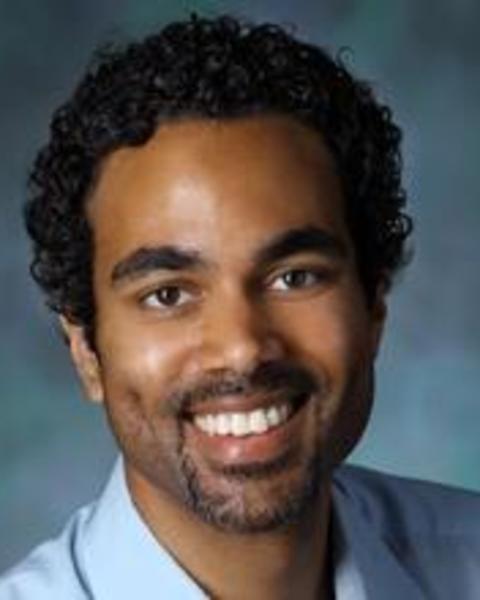
Dr. Martin Aryee is an Associate Professor of Pathology at Harvard University, affiliated with Massachusetts General Hospital. His research develops computational and statistical methods for analyzing cancer epigenetics and genomic datasets . Key areas include epigenetic mechanisms in human disease, blood-based cancer diagnostics , and genome/epigenome editing for mutation correction. His Statistical modeling of epigenetic variation Single-cell RNA sequencing CRISPR-Cas9 off-target analysis Mitochondrial DNA lineage tracing research is supported by primary affiliation with the Dana-Farber Cancer Institute (DFCI) . Recent publications focus on pancreatic cancer , prostate cancer , and colorectal cancer microenvironment dynamics. Technical innovations include GUIDE-seq for off-target CRISPR profiling and single-cell mitochondrial genotyping methods. Current projects explore spatial transcriptomics and epigenetic clocks in malignancy. Lab website: https://www.aryeelab.org
Gilbert Rahme is an Assistant Professor in the Department of Pharmacological Sciences at Stony Brook University's Renaissance School of Medicine and the Cancer Center. He leads the Rahme Lab, which focuses on cancer epigenetics with particular emphasis on brain tumors called gliomas. His research is generously supported by the NIH/NCI, the Renaissance School of Medicine, and the Stony Brook Cancer Center. Dr. Rahme's research centers on how epigenetic reprogramming drives tumorigenesis and tumor progression, particularly in gliomas. His lab leverages mouse models, human tumor tissues, and computational analyses to discover epigenetic lesions, computationally infer their driver potential, and functionally demonstrate their role in tumorigenesis using in vitro and in vivo approaches. A major focus is understanding how IDH mutant gliomas exhibit epigenetic reprogramming due to CpG hypermethylation driven by 2HG production from mutant IDH. The Rahme Lab's publications reveal a consistent focus on epigenetic mechanisms in brain cancer, particularly examining DNA methylation, CTCF binding sites, and topologically associated domains (TADs) that define the 3-dimensional shape of the genome. Their research shows how epigenetic lesions can transform oligodendrocyte progenitor cells (OPCs) and drive gliomagenesis. Recent work published in Cell demonstrates how specific epigenetic lesions underlying hypermethylation can transform OPCs, providing critical insights into glioma development. NIH/NCI funding for brain tumor epigenetics research Support from Renaissance School of Medicine and Stony Brook Cancer Center Dr. Rahme actively mentors graduate students and postdocs, with his student Jina Yim recently winning the best poster presentation at the Gloria and Mark Snyder Symposium. The Rahme Lab currently has openings for technicians, graduate students, and postdocs, with particular interest in candidates applying to Molecular and Cellular Pharmacology, Molecular and Cellular Biology, Genetics, and Physiology and Biophysics programs. The Rahme Lab maintains an active presence at major cancer research conferences, including the American Association for Cancer Research special conference on brain cancer, where Dr. Rahme has presented the lab's work on modeling epigenetic drivers of gliomas.
Dr. Robert Knight is a Reader in Developmental Genetics at King’s College London, affiliated with the Centre for Craniofacial & Regenerative Biology and Faculty of Dentistry, Oral & Craniofacial Sciences. He obtained his PhD in Molecular Evolution from the University of Reading in 2000, followed by postdoctoral work at UC Irvine and University of Sheffield, focusing on AP-2 genes, neural crest, and cranial muscle development in zebrafish. His research explores molecular regulation of muscle regeneration and stem cell behavior, combining live imaging, transcriptomics, and zebrafish models. Key findings include the role of Ret tyrosine kinase in facial muscle development and FSHD therapy, RhoA coupling migration/differentiation, and NF-κB in macrophage function during repair. Collaborations span systems biology (Dresden), physiology (Amsterdam), and macrophage signaling (Lyon). Recent publications highlight trends in muscle stem cell dynamics , signaling pathways (Wnt, Notch, Ret), and age-related regeneration . His work aligns with SDGs via health (musculoskeletal diseases) and innovation (AI in biosciences, multiphoton microscopy). Scientific Awards: BBSRC Project Award MDUK Studentship NC3Rs Studentship Royal Society Partnership Award Carl Zeiss Collaboration Current projects address DUX4-activated Ret in FSHD, chromatin organization in aging, and macrophage-stem cell interactions . He leads grants from BBSRC, Dunhill Medical Trust, and Leverhulme Trust.
Dr. Heather McCauley is an Assistant Professor at the University of North Carolina at Chapel Hill School of Medicine, Department of Cell Biology and Physiology. Her research focuses on enteroendocrine cell biology , exploring their role in nutrient sensing and intestinal homeostasis through human pluripotent stem cell-derived organoids . Key affiliations include: Center for Gastrointestinal Biology and Disease (CGIBD) Nutrition Obesity Research Center Lineberger Comprehensive Cancer Center BBSP Graduate Program Research areas span intestinal stem cell dynamics , hormonal regulation of metabolism , and organoid-based disease modeling , with recent work analyzing barrier function , crypt signaling , and immune cell integration in intestinal systems. Scientific recognition includes the 2023 Pilot and Feasibility Award . Lab activities highlight human organoid transplantation projects and nutrient adaptation studies since 2023.
Rita Sobral is an Associate Professor at the Faculty of Science and Technology (FCT) of Universidade Nova de Lisboa. She serves as Head of the Laboratory of Molecular Microbiology of Bacterial Pathogens at UCIBIO@REQUIMTE. Her laboratory comprises one post-doctoral fellow, three PhD students, and three Master's students, focusing on the molecular mechanisms of antibiotic resistance in Staphylococcus aureus . Her research primarily investigates the role of the bacterial cell wall and the physiology of the peptidoglycan polymer in antibiotic resistance. Dr. Sobral's group identified the MurT-GatD enzymatic complex responsible for the amidation of peptidoglycan in S. aureus , an essential modification for cell viability, antibiotic resistance, and host interaction. Her work explores how this modification influences resistance mechanisms across different S. aureus lineages and its potential as a target for new antimicrobial strategies. Additional research interests include biofilm formation, bacterial cell autolysis, and the interaction of the cell wall with the host environment. Analysis of Dr. Sobral's recent publications (2014-2019) reveals a strong focus on Staphylococcus species, particularly S. aureus and S. epidermidis . Her research spans molecular microbiology, bacterial cell wall biochemistry, antibiotic resistance mechanisms, and genomic analysis of bacterial pathogens. Key themes include peptidoglycan modification, biofilm formation, and the development of novel antimicrobial approaches targeting essential bacterial processes. Dr. Sobral leads a research team consisting of one post-doctoral fellow, three PhD students, and three Master's students. Her laboratory employs various molecular techniques including construction of specific mutants, biochemical analysis of the cell wall, protein-protein and protein-DNA interaction assays, transcriptomic and genomic analysis, and antimicrobial resistance assessment. She collaborates with several research groups to explore the structural aspects of the enzymatic complexes she studies.
Liisa Kauppi is a Professor of Molecular Cancer Biology at the Department of Biochemistry and Developmental Biology, University of Helsinki. She holds a docentship at the Faculty of Biological and Environmental Sciences and supervises doctoral students in Biomedicine and Integrative Life Science programs. Research Interests : Her work focuses on DNA repair mechanisms, particularly homologous recombination, in ovarian cancer. She develops functional assays for genomic instability and therapeutic response prediction, integrating computational biology and single-cell analysis. Publication Trends : Recent studies emphasize ovarian cancer DNA repair profiling, LINE-1 retrotransposition, and AI-driven diagnostic tools. Collaborative projects address platinum sensitivity and PARP inhibitor responses in high-grade serous carcinomas. Scientific Awards : MSKCC Postdoctoral Research Award (2011) Grants & Leadership : Current projects include Sigrid Jusélius Foundation funding (2025–2026) and Cancer Foundation grants (2023–2025). She leads teams in functional immuno-oncology platform development and meiotic DNA repair studies.
Regina Armstrong is Professor and Chair of the Department of Anatomy, Physiology and Genetics at the F. Edward Hebert School of Medicine, Uniformed Services University of the Health Sciences (USU). She holds secondary appointments in Neuroscience and Molecular and Cell Biology Graduate Programs, and has served as Director of the Center for Neuroscience and Regenerative Medicine (CNRM) from 2008-2017 before becoming Department Chair in 2020. Her educational background includes: Ph.D. in Neurobiology from University of North Carolina, Chapel Hill (1987) B.S. in Neurosciences from University of Rochester (1982) Dr. Armstrong's research focuses on mechanisms of damage and repair in the brain and spinal cord, with particular emphasis on traumatic brain injury and multiple sclerosis. Her laboratory investigates cellular and molecular mechanisms of neuroregeneration, using approaches spanning developmental studies to examining repair after disease or injury. She has extensive expertise in white matter injury in multiple sclerosis models and repetitive closed head injury models of mild traumatic brain injury. Her research team employs diverse methodologies including genetic mouse models, neural stem cell culture, immunohistochemistry, in situ hybridization, fluorescence imaging, magnetic resonance imaging, and behavioral assessments. The team's philosophy integrates data from multiple independent techniques to achieve deeper understanding and improved translational potential. Their work incorporates analysis of human neuropathological specimens to validate animal model findings. Analysis of Dr. Armstrong's recent publications reveals a strong focus on white matter pathology following traumatic brain injury, with particular attention to axonal damage, demyelination, and potential therapeutic interventions. Her work spans basic molecular mechanisms to translational applications, with increasing emphasis on specific signaling pathways like Sonic hedgehog in neural repair processes. There is growing interest in sex differences and chronic effects of repetitive mild traumatic brain injury in her recent work. Dr. Armstrong has received numerous scientific awards: Dean's Faculty Impact Award for Outstanding leadership of CNRM (2017) Prince Mahidol Scholar Fellowship Mentor (2011-2012) Outstanding Biomedical Graduate Educator, USU (2002) John Brinton Hill Award from American Registry of Pathologists (2000) Dr. Armstrong teaches in the first-year medical student nervous system module and graduate courses. Her research has been funded through peer-reviewed awards from NIH, National Multiple Sclerosis Foundation, and Department of Defense. She established the CNRM as a collaborative program between USU, NIH, and Walter Reed National Military Medical Center, focusing on pre-clinical through clinical research to promote recovery from traumatic brain injury and improve service members' psychological health. The CNRM under Dr. Armstrong's leadership emphasizes translational research with practical applications for military medicine. Her laboratory work utilizes collaborations to include analysis of human neuropathological specimens, enhancing the clinical relevance of her research on neural repair mechanisms following traumatic injury.
Jette Agergaard Kildahl-Høgh serves as a Guest Researcher at the Department of Biomedical Sciences within the University of Copenhagen's Faculty of Health and Medical Sciences, specifically embedded in the Inflammation, Metabolism and Oxidation research group. Her institutional affiliation centers on translational biomedical research at the intersection of cellular mechanisms and disease pathology. Her research program bifurcates into two critical biomedical domains: neuroscience and metabolic disorders. In neuroscience, she investigates microglial regulation of neural stem cell differentiation, particularly toward dopaminergic lineages, with direct implications for Parkinson's disease therapeutics. Concurrently, her diabetes research dissects proteasomal degradation pathways in pancreatic beta-cells, revealing molecular drivers of type 2 diabetes pathogenesis through studies of GRP94 deficiency and beta 5i subunit dysregulation. This dual focus exemplifies her commitment to mechanistic disease research spanning neurodegeneration and endocrine dysfunction. Analysis of her 2020-2021 publications reveals a consistent methodology emphasizing cellular and molecular techniques applied to disease models. The neuroscience work leverages iPSC-derived neural systems to probe microenvironmental influences on neuronal differentiation, while the diabetes research employs beta-cell proteomics to uncover novel therapeutic targets. Both streams demonstrate rigorous translational approaches with potential applications in regenerative medicine and diabetes pharmacology, highlighting her interdisciplinary expertise in cellular pathophysiology. As an active member of the Inflammation, Metabolism and Oxidation research team, Dr. Agergaard Kildahl-Høgh contributes to collaborative investigations examining oxidative stress, inflammatory cascades, and metabolic dysregulation across disease contexts. This group's integrated framework enables cross-disease insights into fundamental biological processes underlying chronic human pathologies.
Molly Pleasants Lowndes serves as Assistant Professor in the Department of Biomedical Sciences at the Faculty of Health and Medical Sciences, University of Copenhagen. She is affiliated with the reNEW research center and the Brickman Lab, specializing in stem cell and developmental biology with emphasis on early embryonic lineage specification. Her academic background includes: PhD in Cancer Biology from Stanford University (2013), thesis: 'Dissecting the Functions of Desmosomal Cadherins in Cell-Cell Adhesion and Tissue Maintenance' Bachelor of Science in Biochemistry from University of Wisconsin-Madison (2008) She completed postdoctoral training at King's College London (2014-2016). Dr. Lowndes investigates embryonic stem cell pluripotency maintenance mechanisms, focusing on dynamic Oct4 transcription factor regulation. Her research employs proteomic approaches with post-translational Oct4 reporters to determine how Oct4 levels influence self-renewal versus differentiation decisions. This work bridges molecular signaling, epigenetic regulation, and developmental genetics to elucidate fundamental embryogenesis processes. Her publication trends reveal strong interdisciplinary connections between metabolism-epigenome crosstalk ($$\text{NAD}^+$$-dependent pathways), gastruloid-based embryonic modeling, and evolutionary conservation of pluripotency factors. These studies span cell biology, developmental genetics, and regenerative medicine with significant translational implications. She operates within the Brickman Lab at reNEW, a collaborative hub for stem cell research utilizing advanced in vitro models and molecular profiling techniques to study early human development and disease mechanisms.
Professor Sandra Blaess leads the Neurodevelopmental Genetics research group at the Institute for Reconstructive Neurobiology, University of Bonn. As a faculty member of the Faculty of Medicine, she directs research focused on the development of the midbrain dopaminergic system and its implications for neurological disorders. Her work bridges developmental neurobiology with clinical applications, particularly in understanding Parkinson's disease and neuropsychiatric conditions. Dr. Blaess's research investigates how neuronal diversity emerges in the dopaminergic system, using developmental genetic approaches, genetic tracing methods, electrophysiology, and optogenetic techniques. Her team explores how developmental processes determine the connectivity and function of midbrain dopaminergic (mDA) neuronal subtypes in the adult brain. A major focus is understanding why specific mDA neuron subsets are particularly vulnerable in Parkinson's disease and how alterations in the dopaminergic system contribute to neuropsychiatric disorders including depression, schizophrenia, and substance abuse. Analysis of her recent publications reveals a strong emphasis on dopaminergic neuron development, neural circuit formation, and the molecular mechanisms underlying neuronal diversity. Her work spans from basic developmental mechanisms to disease modeling, with increasing focus on advanced imaging techniques and precise circuit analysis. The research demonstrates consistent progression from fundamental developmental questions toward translational applications in neurodegenerative and neuropsychiatric disorders. Dr. Blaess actively mentors doctoral students, MD students, and postdoctoral researchers, fostering the next generation of neuroscientists. Her group participates in teaching modules for the Master of Neuroscience program and Bachelor of Science program in Molecular Biomedicine at the University of Bonn. The Neurodevelopmental Genetics group operates within the Institute for Reconstructive Neurobiology at the LIFE & BRAIN Center, utilizing advanced techniques including mouse models, histology, molecular biology, cell culture, and electrophysiology. Current research directions include investigating migratory behavior of dopaminergic subpopulations, molecular mechanisms regulating their development, and how modulatory inputs influence prefrontal cortex maturation.
Jiyoung Kim is an Associate Professor in the Department of Cellular and Molecular Medicine at the University of Copenhagen's Faculty of Health and Medical Sciences, where she leads research in the Morphogenesis and Differentiation Program. Her work focuses on advancing the understanding of human breast stem cell hierarchy and breast cancer progression with therapeutic and preventive applications for women's health. Her primary research interests include: the links between normal cells and their microenvironment to specific breast cancer types; developing models to study human breast progenitors; and identifying therapeutic targets in triple negative breast cancer (TNBC). Her laboratory specializes in generating human-specific model systems that mimic normal and tumor microenvironments through lineage-specific cell lines and culture systems, including ER+ cell lines, bipotent progenitors, basal-myoepithelial cells, fibroblasts, cancer-associated fibroblasts, and PDX-derived cell lines. Analysis of her recent publications (2020-2024) reveals a strong focus on breast cancer microenvironment, stem cell hierarchies, and molecular mechanisms of cancer progression. Her work demonstrates expertise in 3D and organoid models, single-cell RNA sequencing, CRISPR/Cas9 technologies, and investigating TGF-β signaling in epithelial-to-mesenchymal transition. The consistent appearance of terms like fibroblasts, progenitors, luminal cells, and molecular pathways across her publications indicates a cohesive research trajectory focused on understanding breast tissue organization and its perturbation in cancer. Teaches medical cell and tissue biology for bachelor of medicine and odontology since 2015 Focuses on active student engagement and critical thinking development Supervised bachelor's, master's and PhD students over two decades All supervised students have successfully completed their theses with published research Dr. Kim employs state-of-the-art molecular and genomic methodologies, humanized mouse models, bioinformatics, and multidisciplinary collaborations to identify novel markers and therapeutic targets. Her current research emphasizes molecular mechanisms in TNBC progression, construction of endogenous reporter cell lines using CRISPR/Cas9, and investigation of TGF-β signaling in cancer cell differentiation and metastasis.
Lene Buhl Riis serves as a Clinical Associate Professor in the Department of Clinical Medicine at the University of Copenhagen's Faculty of Health and Medical Sciences. Her clinical affiliation is with Copenhagen University Hospital (Region Hovedstaden), as indicated by her email domain regionh.dk. She specializes in pathology with a specific focus on gastrointestinal diseases and inflammatory conditions. Dr. Riis's research program centers on inflammatory bowel diseases, with particular emphasis on ulcerative colitis and Crohn's disease. Her work investigates biomarkers for disease progression, intestinal fibrosis mechanisms, and molecular pathways involved in gastrointestinal inflammation. She has made significant contributions to understanding how histological features predict clinical outcomes and how collagen remodeling relates to intestinal complications in inflammatory bowel disease. Analysis of her recent publications reveals a strong translational research focus, bridging laboratory findings with clinical applications. Her work on JAK/STAT signaling pathways, extracellular matrix products, and noncoding RNAs as biomarkers demonstrates innovative approaches to understanding disease mechanisms and developing diagnostic tools for inflammatory bowel diseases. Dr. Riis maintains an extensive collaborative network across multiple research institutions, contributing to high-impact publications in leading gastroenterology journals including Inflammatory Bowel Diseases, Journal of Crohn's and Colitis, and Stem Cell Reports. Her research has practical clinical applications for improving diagnosis, monitoring, and treatment strategies for patients with inflammatory bowel diseases.
Alexander Valentin Nielsen serves as a Guest Researcher at the Biocomplexity section of the Niels Bohr Institute within the Faculty of Science at the University of Copenhagen. His interdisciplinary research bridges computational approaches with experimental developmental and stem cell biology, focusing on cellular decision-making processes during development and reprogramming. Dr. Nielsen completed his PhD at the University of Copenhagen in 2022 with his dissertation titled "Computational tools for identifying and relating cell-types in development and stem-cell engineering." His doctoral work established foundational computational methods for analyzing cell fate decisions in developmental contexts. His research spans multiple domains at the intersection of biology and computation. Nielsen investigates stem cell self-renewal and differentiation mechanisms, cellular reprogramming processes, and develops computational tools for single-cell analysis. His work examines how signaling dynamics integrate over time to influence cell fate decisions and how chemical interventions can activate plastic states amenable to lineage conversion. His mathematical background informs his modeling of developmental processes including cell segregation and organogenesis. Analysis of Nielsen's publication record reveals a clear trajectory from mathematical modeling of biological systems toward increasingly sophisticated applications in stem cell engineering. His early work focused on theoretical models of cell segregation, while recent publications demonstrate expertise in single-cell transcriptomics and molecular mechanisms underlying cell fate transitions. A consistent theme across his work is integrating computational approaches with experimental biology to address fundamental questions in development. Nielsen has established productive collaborations with leading researchers at the University of Copenhagen, particularly with James Brickman's group, resulting in multiple high-impact publications. His work has received attention across multiple platforms including news outlets, social media, and academic sharing sites, with several papers referenced in Wikipedia pages and featured in news coverage.
Dr. Andrew C. Hsieh is a distinguished physician-scientist holding dual appointments at Fred Hutch Cancer Center and University of Washington. At Fred Hutch, he serves as Professor and Associate Director of the Human Biology Division, Professor of the Clinical Research Division, and maintains a professorship in the Division of Hematology and Oncology at the University of Washington School of Medicine. His clinical practice focuses on genitourinary cancers at Fred Hutch Cancer Center at UW Medical Center – Montlake, where he treats patients with prostate and bladder cancers while balancing clinical care with laboratory research. Dr. Hsieh earned his medical degree from Albert Einstein College of Medicine and completed both residency and fellowship training at University of California, San Francisco. He is board-certified in Medical Oncology and Internal Medicine by the American Board of Internal Medicine. His educational background provided the foundation for his dual career path as both clinician and researcher, allowing him to bridge discoveries from bench to bedside. Dr. Hsieh's research program centers on understanding how cancer cells hijack protein synthesis mechanisms to drive tumor growth and progression. The Hsieh laboratory investigates the deregulation of protein synthesis control in epithelial cells during the multi-step process of tumor initiation and progression, with particular emphasis on prostate and bladder cancers. His team aims to merge fundamental discoveries in translational control biology with the clinical needs of cancer patients, developing novel therapeutic approaches that selectively target cancer-specific protein synthesis pathways while sparing normal cells. This work has significant implications for overcoming therapy resistance in advanced cancers. Analysis of Dr. Hsieh's extensive publication record reveals a consistent research trajectory focused on translational control mechanisms in cancer biology. His work spans from basic molecular mechanisms of protein synthesis regulation to clinical applications in cancer treatment, with an increasing emphasis on precision medicine approaches for genitourinary malignancies. Key research themes include understanding therapy resistance mechanisms, identifying novel druggable targets in protein synthesis pathways, and developing biomarker-driven treatment strategies for prostate and bladder cancers. His collaborative approach is evident in numerous multidisciplinary studies involving clinical data analysis, molecular biology techniques, and translational research methodologies. $1 million grant for London-Seattle collaboration to develop new therapies for drug-resistant prostate cancer Multiple high-impact publications in journals including Nature, Cell, Cancer Cell, and Nature Communications Active participation in clinical trials for novel cancer therapeutics Recognition as a leading expert in translational control mechanisms in cancer As a physician-scientist, Dr. Hsieh mentors numerous trainees and collaborates extensively with both basic science and clinical researchers. His laboratory at Fred Hutch employs a multidisciplinary approach that integrates molecular biology, genomics, and clinical research to address fundamental questions about how cancer cells co-opt protein synthesis machinery. The Hsieh lab has developed innovative methodologies including CRISPR screening approaches to understand RNA-binding proteins in cancer, and has pioneered research on how transcriptional-translational conflicts serve as barriers to cellular transformation. Dr. Hsieh's commitment to translating basic discoveries into clinical applications is evident in his active involvement in clinical trials and his focus on developing novel therapeutic strategies for patients with advanced genitourinary cancers.
Dr. Ke Yuan is an Assistant Professor at Harvard Medical School and leads the Ke Yuan Lab at Boston Children's Hospital. She is a recognized researcher in pulmonary vascular biology with a specific focus on pericytes and their role in pulmonary arterial hypertension (PAH) and vascular remodeling. Her laboratory is part of the Department of Pediatrics at Boston Children's Hospital. Dr. Yuan received her PhD in Biology from Temple University, PA, and completed her postdoctoral fellowship at the Division of Pulmonary Critical Care Medicine at Stanford University before joining the faculty. Her research program has established her as a leading investigator in understanding the cellular mechanisms of vascular remodeling in pulmonary diseases. Dr. Yuan's research primarily focuses on the critical role of pericytes during angiogenesis and abnormal vascular remodeling in pulmonary arterial hypertension (PAH) and other pulmonary vascular diseases. Her work examines how pericytes interact with endothelial cells and other vascular components to maintain vascular integrity and how these interactions become dysregulated in disease states. The lab employs cutting-edge techniques including murine pneumonectomy models, lineage tracing, confocal imaging, single-cell sequencing, and CRISPR-mediated genome editing to investigate these processes. Current work is particularly focused on understanding how hypoxia-inducible factor 2-alpha signaling pathways and RNA-editing in smooth muscle cells contribute to immune responses during pulmonary vascular remodeling. Analysis of Dr. Yuan's publication record reveals a consistent focus on pericyte biology and pulmonary vascular diseases. Her research has evolved from basic mechanisms of pericyte-endothelial interactions to more complex investigations of cellular signaling pathways in vascular remodeling. Recent publications demonstrate increasing sophistication in methodologies, with greater emphasis on single-cell analysis, genetic models, and translational applications. A notable trend is the expansion of her research scope to include connections between vascular biology and other disease processes, such as viral infections (particularly SARS-CoV-2) and neurogenic inflammation. Parker B Francis Fellow (2017 Class) Fellow of American Heart Association (AHA) AHA Scientist Development Grant recipient Cournand and Comroe Young Investigator Award Dr. Yuan has mentored numerous researchers including clinical fellows, postdoctoral fellows, research assistants, and undergraduate students. Her lab has received funding from prestigious sources including the National Heart, Lung, and Blood Institute, Parker B. Francis Fellowship Program, American Heart Association, Pulmonary Hypertension Association, ATS Foundation, and Bayer. Current research projects investigate pericyte lineage tracing in severe pulmonary hypertension, RNA-editing in smooth muscle cells, and the role of pericytes in early onset connective tissue disease-associated PAH. The Ke Yuan Lab operates within Boston Children's Hospital's research infrastructure, utilizing specialized equipment including the ProOx 360 and A-Chamber from BioSpherix Ltd for controlled hypoxic conditions during vascular experiments. The lab maintains active collaborations with other research groups at Harvard Medical School and beyond, particularly in pulmonary medicine and vascular biology. Current research directions include understanding how interferon signaling facilitates SARS-CoV-2 pulmonary vascular infection, investigating specialized pericyte subtypes in pulmonary capillaries, and developing stem cell-based approaches for vascular regeneration.