Andre Levchenko is the John C. Malone Professor of Biomedical Engineering at Yale University, with secondary appointments in the Department of Neurosurgery and affiliations with the Cancer Signaling Networks, Immunology, and the Yale Program in Neurodevelopment and Regeneration. His research focuses on systems biology, signal transduction, and cell-cell communication, utilizing microfluidics and computational modeling to study cancer progression, stem cell behavior, and neurological disorders. PhD, Columbia University MEng, Moscow Institute of Physics and Technology Levchenko's work explores how cells process dynamic signals to make critical decisions, particularly in glioblastoma migration, organoid development, and cardiovascular tissue engineering. His lab develops innovative microfluidic platforms and mathematical models to dissect multicellular communication and signaling networks. Recent publications highlight his contributions to understanding YAP-driven cancer invasion , NOTCH signaling in angiogenesis , and metabolic regulation of hypoxia responses . He has pioneered methods for organoid modeling and single-cell analysis , advancing precision in biological signaling studies. Scientific Awards : Computational Molecular Biology Post-Doctoral Fellowship (Burroughs Wellcome Fund) National Academies Keck Futures Conference Invitee Distinguished Guest Lecturer, University of Virginia American Asthma Foundation Early Excellence Award Fellow, American Institute for Medical and Biological Engineering Levchenko leads the Levchenko Lab at the Yale Systems Biology Institute, collaborating with institutions like Mayo Clinic and Yale Cancer Center. His research has received recognition in Faculty of 1000 and multiple journal highlights.
James Briscoe is a Senior Group Leader at The Francis Crick Institute in London, where he leads a research group focused on developmental biology and morphogen signaling. He previously held positions at the Medical Research Council's National Institute for Medical Research, which later became part of the Francis Crick Institute. Education: BSc in Microbiology and Virology from the University of Warwick, UK PhD from Imperial Cancer Research Fund/King's College London Postdoctoral training at Columbia University with Thomas Jessell Dr. Briscoe's research focuses on the molecular and cellular mechanisms of graded signaling by morphogens and the role of transcriptional networks in cell fate specification. His laboratory employs a range of experimental and computational techniques using model systems including mouse and chick embryos and embryonic stem cells. His work has significant implications for understanding developmental processes and their relationship to disease. His recent publications demonstrate a continued focus on morphogen gradients, neural tube development, and computational approaches to understanding cell fate decisions. His research increasingly integrates single-cell technologies and computational modeling to unravel the complexities of developmental patterning. Scientific Awards and Honors: EMBO Young Investigator (2001) EMBO Gold Medal (2008) Elected to EMBO (2009) Fellow of the Academy of Medical Sciences (2019) Fellow of the Royal Society (2019) As Editor-in-Chief of the journal Development since 2018, Dr. Briscoe plays a significant role in shaping the field of developmental biology. His leadership extends to mentoring researchers and contributing to scientific policy discussions, as evidenced by his recent publication 'Science under siege: protecting scientific progress in turbulent times.' Dr. Briscoe's laboratory at the Crick Institute is well-equipped with access to advanced facilities including light microscopy, flow cytometry, genomics, and computational resources, enabling a multidisciplinary approach to developmental biology questions.
Kristian Helin is Chief Executive and President of The Institute of Cancer Research (ICR), London, and a Professor with affiliations at the University of Copenhagen and Memorial Sloan Kettering Cancer Center. He founded/directed the Biotech Research & Innovation Centre (BRIC), Centre for Epigenetics, and Danish Stem Cell Center. His research focuses on epigenetic regulation, cancer biology, and stem cell differentiation. Education: Ph.D. Molecular Biology, University of Copenhagen (1991) M.Sc. Chemical Engineering, Technical University of Denmark (1988) Research Interests: Helin's work deciphers molecular mechanisms in cancer, emphasizing epigenetic drivers (e.g., H3K4/H3K36 methylation), transcriptional control, and therapeutic targeting. His lab identified E2F transcription factors, linked epigenetic dysregulation to leukemia/lymphoma, and develops drugs targeting kinases/epigenetic enzymes. Research spans acute myeloid leukemia, B-cell lymphoma, and solid tumors using CRISPR screens and preclinical models. Publication Trends: Recent articles (2023-2025) focus on epigenetic therapy, chromatin remodeling, and kinase signaling in cancer. Key themes include targeting NSD1/KDM5C/RIOK2 enzymes, combination therapies (EZH2/DOT1L inhibitors), and metabolic regulation in leukemia. Studies bridge basic mechanisms (enhancer regulation, insulator accessibility) with translational applications. Awards: Anders Jahre Prize (2014), ERC Advanced Grant (2011), Novo Nordisk Prize (2008) Memberships: Academia Europaea, Royal Danish Academy, EMBO Leadership: Helin co-founded EpiTherapeutics (acquired by Gilead) and leads the Epigenetics and Cancer lab at ICR. His team investigates AML pathogenesis and chromatin complexes like HUSH/NURF. Grants include ERC funding and innovation prizes.
Dr. Ahmet Acar is an Associate Professor at the Department of Biological Sciences, Middle East Technical University (METU), Ankara, Turkey. He leads the Cancer Precision Medicine and Drug Resistance Laboratory, focusing on understanding mechanisms of drug resistance in cancer. His research integrates experimental models, next-generation sequencing, and deep learning to address clinical challenges in cancer therapy. Dr. Acar holds a B.Sc. from METU's Biological Sciences department and a Ph.D. from the Cancer Research UK Manchester Institute. He completed postdoctoral training at the Institute of Cancer Research, London, and the University of Manchester. Research Interests: Drug resistance mechanisms, precision oncology, tumor microenvironment modeling, patient-derived organoids, computational pathology, and evolutionary cancer biology. His lab develops 2D/3D co-culture systems, PDO biobanks, and AI-driven histopathology tools to improve treatment strategies. Recent Work Trends: Recent publications emphasize tumor evolution modeling, matrix mechanics in drug resistance, and AI applications in histopathology. Collaborations with hospitals in Turkey and Europe support PDO biobank initiatives. His team explores evolutionary steering strategies to exploit collateral drug sensitivities. Labs/Teams: Precision Medicine and Drug Resistance Lab at METU focuses on interdisciplinary approaches combining wet-lab experiments with computational methods. Current projects include ex vivo tumor modeling and AI-driven diagnostic tools for oncology.
Sushmita Roy is a Professor at the University of Wisconsin–Madison, affiliated with the Department of Computer Sciences and the College of Letters and Science. Her research focuses on developing computational methods in statistical machine learning to understand gene regulatory networks in living cells, particularly under environmental, developmental, disease, and evolutionary contexts. She explores bulk and single-cell genomic data integration to study processes like cell fate specification, host-microbe interactions, and diseases such as cancer and neurodevelopmental disorders. Her work emphasizes three key areas: inference of genome-scale transcriptional networks, evolutionary analysis of regulatory networks, and 3D genome organization dynamics. Roy’s lab collaborates across disciplines, leveraging genomic data from plant and mammalian systems. She has contributed to methodologies for analyzing chromatin accessibility, single-cell profiling, and network-based models of pathogen systems. Her affiliations include Wisconsin Institutes for Discovery, and she is a leader in computational biology and systems genomics research.
Zhe Ji is an Assistant Professor in the Department of Biomedical Engineering at McCormick School of Engineering and the Department of Pharmacology at Feinberg School of Medicine, Northwestern University. His research integrates computational and experimental genomics to study gene transcription and RNA translation in cell fate commitment and oncogenic processes, aiming to develop precision medicine strategies. **Education**: Postdoctoral Fellow in Cancer Systems Biology, Harvard Medical School Postdoctoral Fellow in Computational Biology, Broad Institute of MIT and Harvard Ph.D. in Computational Genomics, Rutgers University B.S. in Biotechnology, Nanjing University, China **Research Focus**: Keywords include Data Science, Computational Biology, Functional Genomics, RNA, Cancer, Inflammation, and Machine Learning. The lab explores regulatory mechanisms underlying disease, with a focus on translational control, cancer metastasis, and inflammatory networks. **Grants & Advising**: No specific grants or student advisees listed. The lab emphasizes collaborative projects and computational-experimental approaches. **Lab Affiliations**: Zhe Ji’s lab is part of Northwestern’s interdisciplinary environment, bridging engineering and medicine to advance genomic technologies and therapeutic strategies.
Prof. Waldemar Kolanus leads the Molecular Immunology and Cell Biology department at the University of Bonn's Life & Medical Sciences Institute (LIMES) . His research bridges immunoregulation , stem cell dynamics , and metabolic stress responses in immune cells. Unit 2 member at LIMES Principal investigator in SFB 704 and ImmunoSensation Cluster Leads a multidisciplinary lab with postdocs, PhD students, and technical staff His work focuses on intracellular signaling pathways connecting immune activation to tissue homeostasis, particularly through: Cytohesin proteins in integrin-mediated adhesion and migration TRIM71 in stem cell regulation and congenital hydrocephalus High-salt environments affecting macrophage function Publication trends show expertise in immune cell migration , genetic models , and chemical inhibition , with frequent use of mice and zebrafish for in vivo studies. Key articles explore: TRIM71's dual role in auditory development and germ cell maintenance Cytohesin family's Golgi regulation and insulin signaling Ruxolitinib's off-target migration inhibition of dendritic cells Contact details: Address: LIMES Institute, Carl-Troll-Straße 31, Bonn Email: kolanus.sekretariat@uni-bonn.de Phone: +49 228 73-62788
Priya Raman, Ph.D., FCVS, is an Associate Professor of Integrative Medical Sciences at Northeast Ohio Medical University (NEOMED). She holds tenure and serves as Co-Director of the Basic and Translational Biomedicine (BTB) Graduate Program and Chair of the Kent State University-Biomedical Sciences Pharmacology Graduate Program. Her academic roles include teaching in NEOMED’s medical curriculum, focusing on pharmacology, cardiovascular systems, and clinical therapeutics. Raman’s research explores molecular mechanisms linking metabolic disorders (e.g., diabetes, metabolic syndrome) to vascular dysfunction and Alzheimer’s disease, using mouse models and cellular/molecular techniques. She has published extensively on thrombospondin-1, O-GlcNAc signaling, and atherosclerosis pathogenesis. Education: B.Pharm. and M.Pharm. (India), Ph.D. in Pharmacology (University of Louisiana at Monroe). She has over 25 years of postdoctoral and faculty experience, including roles at the Cleveland Clinic and Indiana University School of Medicine. Raman serves on editorial boards for journals like International Journal of Cardiology and Frontiers in Cardiovascular Medicine , and reviews grants for the American Heart Association and NIH. Research focus areas include: (1) Vascular smooth muscle cell phenotypic switching in metabolic diseases, (2) Non-lipid mechanisms of vascular disease in metabolic syndrome, and (3) Interactions between metabolic disorders and neurodegeneration. Her lab employs biochemical assays, mouse models (e.g., ApoE-/-, KKAy), and advanced imaging techniques to study these pathways. Notable recent work includes discovering that O-GlcNAc transferase deletion reduces atherosclerosis in hyperglycemic mice and identifying thrombospondin-1’s role in leptin-driven vascular pathology. She has also linked metabolic syndrome-induced O-GlcNAc deficits to Alzheimer’s-like cognitive impairment in aging mice. Raman is actively involved in interprofessional education and mentoring, directing graduate programs and teaching courses in pharmacology, molecular signaling, and diabetes/vascular disease. Her work bridges basic science and clinical applications, aiming to develop novel therapies for metabolic syndrome-related vascular complications.
Professor Hala Zreiqat AM is a leading biomedical engineer at The University of Sydney , serving as the Director of the ARC Training Centre for Innovative BioEngineering . A Fellow of all major Australian academies (AAS, ATSE, FAHMS, FRSN), she develops 3D printed bioceramics for bone regeneration while championing diversity through initiatives like the IDEAL Society and BIOTech Futures mentorship program. Her work bridges academia, clinical practice, and industry in musculoskeletal research . Research Focus: Her lab creates synthetic bone scaffolds that mimic natural bone architecture, strength, and porosity, enabling non-rejected bone regeneration via patient-matched implants. Key applications include orthopaedic, dental, and maxillofacial repair , with over $18M in competitive funding and multiple patents. Current projects explore AI-driven scaffold performance prediction and anti-senescence strategies for aging-related bone loss. Scientific Trends: Recent publications highlight 3D printed nanovoxelated ceramics , antisenescence biomaterials , and multifunctional theranostic platforms . Her team integrates machine learning for scaffold design, atom probe tomography for interface analysis, and two-photon imaging for cellular monitoring in 3D environments. 2021-2022 Fulbright Senior Scholar 2018 NSW Premier's Woman of the Year 2019 Eureka Prize for Innovative Use of Technology Fellow of Australian Academy of Science (2021) Over $18M in research funding Teaching & Leadership: She designed core courses like Tissue Engineering and Nanomaterials in Medicine , mentoring 158 students in 2020 alone. As Chair of CAAR (2020-2023), she strengthens Australia-Arab collaborations. Her lab trains early-career researchers , with alumni now in academia and industry.
Konstantinos Anastassiadis is a Professor at the Center for Molecular and Cellular Bioengineering (CMCB) of Dresden University of Technology , leading the Stem Cell Engineering group at the Biotechnology Center (BIOTEC) . His research focuses on unraveling molecular pathways regulating stem cell self-renewal and lineage commitment, with a strong emphasis on genetic engineering tool development and epigenetic mechanisms during cellular reprogramming. The lab utilizes mouse and human embryonic stem cells, neural stem cells, mesenchymal stromal cells, and induced pluripotent stem cells (iPSCs) in their investigations. Core Research Areas: Molecular regulation of stem cell fate Epigenetic mechanisms (e.g., UTX/UTY histone demethylases) Genetic engineering tool development (Flp, Dre, Vika recombinases, CRISPR protocols) Conditional immortalization systems for rare cell expansion Publications highlight his contributions to understanding: Role of histone methyltransferases (MLL1, MLL2, Setd1b) in hematopoiesis and cancer Epigenetic regulation during mouse development and spermatogenesis Genetic tools for protein tagging, transposon-mediated BAC transgenesis Interactions between stem cells and niche microenvironments Transcriptional and mechanical markers during reprogramming Collaborations span immunology , developmental biology , and bioinformatics . The lab actively participates in teaching activities at CMCB and maintains a focus on translational applications of stem cell research.
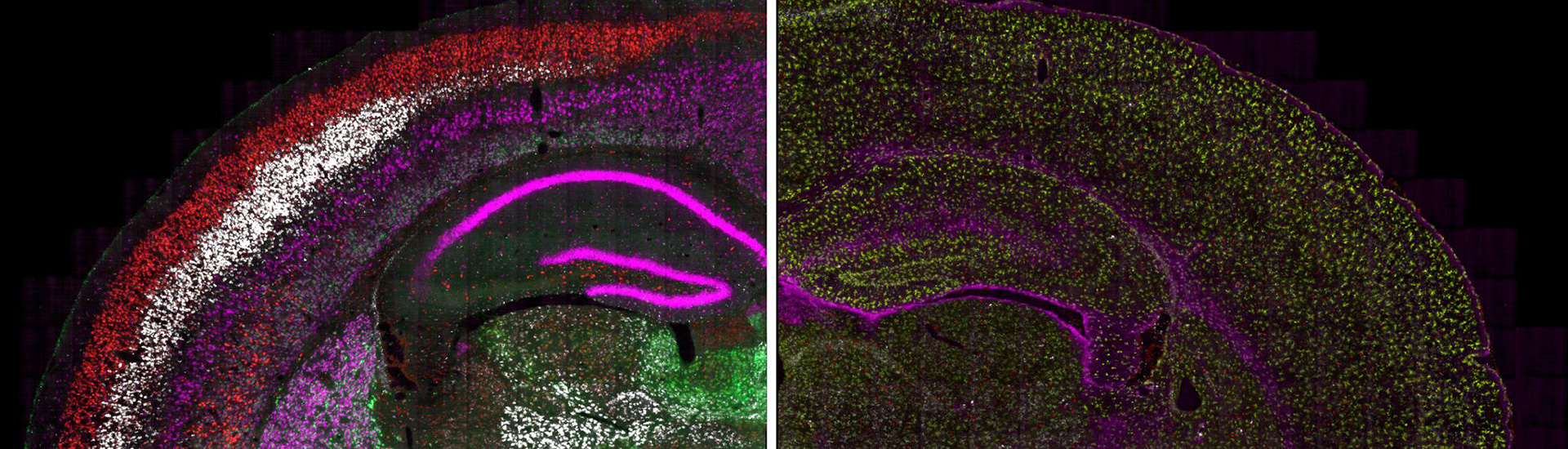
Omer Bayraktar is a Group Leader at the Wellcome Sanger Institute , leading research in the Cellular Genomics Programme. His work focuses on decoding human brain cellular diversity using spatial transcriptomics , imaging , and functional screening to study neural complexity in health and disease. Bayraktar's educational background includes a PhD from HHMI under Chris Doe, investigating neural diversity development in Drosophila , followed by postdoctoral work at University of California, San Francisco and University of Cambridge as a Life Sciences Research Foundation Fellow. He developed a spatial transcriptomic pipeline during his postdoc to analyze astrocyte heterogeneity in the cerebral cortex. His research explores neural cell type mapping , glial-neuronal interactions , and cellular pathways in neurodevelopmental disorders . Recent publications emphasize 3D tissue mapping , multi-omic integration , and computational tools like Cell2fate and WebAtlas. His work bridges neurogenetics and computational biology to advance understanding of human tissue ecosystems. Bayraktar's lab collaborates with the Human Cell Atlas initiative and develops technologies such as automated histology pipelines and highly-multiplexed smFISH for molecular cell typing. His team also investigates glia-based therapies and astrocyte functional heterogeneity in neurodevelopmental contexts. Key scientific contributions include: Discovering astrocyte layer patterns independent of neuronal laminae Developing cell2location for spatial cell mapping Characterizing Drosophila neural stem cell models with human relevance Notable awards include the Life Sciences Research Foundation Fellowship during his postdoctoral training. His current group includes a PhD student , Senior Data Scientists , and Bioinformaticians .
Mona Singh is a Professor of Computer Science at Princeton University, with affiliations to the Lewis-Sigler Institute for Integrative Genomics and the Department of Molecular Biology. She has been a faculty member since 1999. Ph.D., Massachusetts Institute of Technology, 1995 A.B. and S.M. degrees in Computer Science from Harvard University Her research focuses on computational molecular biology, integrating machine learning and algorithms to analyze biological networks, protein interactions, and mutational impacts. Key areas include DNA/RNA binding prediction, protein structure analysis, and network-based disease gene discovery. Her recent work highlights trends in protein language models, kinase-substrate prediction, and equitable MHC binding algorithms. These span sub-fields like structural bioinformatics, network biology, and functional genomics. Scientific Awards: Presidential Early Career Award for Scientists and Engineers (PECASE) Rheinstein Junior Faculty Award ACM Fellow (2019) ISCB Fellow (2018) She has taught an introductory computational biology course with Professor Coleen Murphy, covering sequence analysis, phylogenetics, and network reconstruction. Her group has developed tools like dPUC , nCOP , and DiffMut . Her lab collaborates with institutions including Carnegie Mellon, Duke University, and the Broad Institute, advancing applications in cancer genomics, metabolic disease, and precision medicine.
Prof. Dr. Simon Schäfer leads the Schäfer Lab at the Technische Universität München , focusing on engineering advanced organoid systems to study human brain development, disease modeling, and repair mechanisms. His work bridges stem cell biology, gene editing, and bioengineering to develop personalized therapies for brain disorders. Stem Cell & Organoid Technology Neurodevelopmental Mechanisms Neurodegenerative Disease Models Gene Editing & Neuroimmune Interactions Translational Neuroscience Recent research emphasizes brain organoid development, microglia phenotypes, and neurodevelopmental timing anomalies in autism. His team’s work also explores zika virus interactions with glioblastoma stem cells and neuronal plasticity in psychiatric disorders. Scientific awards and funding include support from the Deutsche Forschungsgemeinschaft (DFG), Brain & Behavior Research Foundation (BBRF), and Munich Cluster for Systems Neurology (SyNergy). Collaborations span institutions like the TUM Center for Organoid Systems. Advises 6 students (2 PhD, 1 MSc, 3 associated) Labs include Schäfer Lab, COS@TranslaTUM Contact: simon.schafer@tum.de
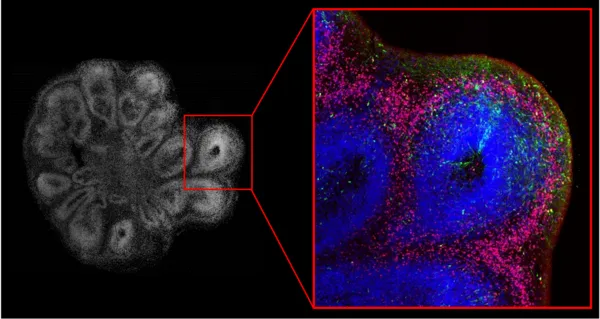
Silvia Santos is a Group Leader at the Francis Crick Institute, leading the Quantitative Stem Cell Biology Lab since January 2018. Her research focuses on understanding cell decision-making during transitions, specifically cell division and differentiation in early development using human embryonic stem cells. She combines experimental techniques with theoretical approaches, including advanced microscopy, genomics, and computational modeling. Education and Career: PhD in Molecular and Cell Biology from EMBL-Heidelberg (2008), followed by postdoctoral training at Stanford University (2009-2014). She held an MRC Career Development Award at Imperial College London (2014-2017) before joining the Crick. Her work emphasizes interdisciplinary methods to study cellular processes in health and disease. Research Interests: Spatial-temporal control in cell decisions, stem cell differentiation, cell cycle regulation, and modeling embryonic development. She advocates for women in science and mentorship programs for early-career researchers. Key Achievements: Recipient of Marie Curie E-Star, EMBO, and HFSP fellowships. Recognized with the BioModels’ Model of the Year 2023 for contributions to systems biology. Her lab develops models like gastruloids to study embryonic development. Grants and Mentorship: Supported by MRC and other grants. Committed to fostering excellence in training and mentorship, previously chairing mentorship initiatives at Imperial College London. Labs and Teams: Quantitative Stem Cell Biology Lab at the Crick, collaborating with interdisciplinary teams on projects involving proteomics, genomics, and high-throughput screening.
Dana Pe'er is a Professor and Chair of the Computational and Systems Biology Program at the Sloan Kettering Institute (SKI) of Memorial Sloan Kettering Cancer Center. She is also an Investigator of the Howard Hughes Medical Institute and holds the Alan and Sandra Gerry Endowed Chair. Dr. Pe'er leads an interdisciplinary research group that combines advanced genomics approaches with machine learning to address fundamental questions in biomedical science, with particular focus on cancer biology, developmental biology, and immunology. Dr. Pe'er earned her PhD from Hebrew University in Jerusalem, Israel. Her academic journey includes a postdoctoral fellowship with George Church at Harvard Medical School. Before joining Memorial Sloan Kettering Cancer Center in 2016, she held faculty positions at Columbia University. Dr. Pe'er's research focuses on understanding cellular plasticity, the consequences of intra-tumor heterogeneity, cancer evolution and metastasis, and the mechanisms by which regulatory circuits go awry in disease. Her lab combines single-cell and spatial profiling technologies with machine learning approaches to investigate gene regulation, cellular plasticity, and cell-cell communication in the contexts of cancer, immunity, and development. They are particularly interested in how organisms develop from a single cell to generate diverse cell types, how epigenetic control rewires during development, and how cells communicate to execute multicellular responses. Analysis of Dr. Pe'er's recent publications reveals a strong focus on developing computational methods for single-cell and spatial genomics data analysis. Her work spans cancer types including pancreatic, prostate, colorectal, and breast cancer, with emphasis on tumor heterogeneity, metastasis mechanisms, and cellular plasticity. A significant portion of her research involves creating novel algorithms and tools like CellRank, REUNION, and SEACells that enable researchers to extract meaningful biological insights from complex genomic datasets. 2023 Class of 2023 Inductee - American Academy of Cancer Research (AACR) Academy 2023 Innovator Award - International Society for Computational Biology (ISCB) 2021 Fellow - International Society for Computational Biology (ISCB) Howard Hughes Medical Institute Investigator (2021) 2019 Ernst W. Bertner Memorial Award - University of Texas MD Anderson Cancer Center 2016 Lenfest Distinguished Faculty Award - Columbia University 2014 Director's Pioneer Award - National Institutes of Health 2014 Overton Prize - International Society for Computational Biology (ISCB) Dr. Pe'er is known for her dedicated mentorship approach, describing herself as "a mama bear" who cares deeply about her trainees while expecting independence, innovation, and hard work. She mentors numerous PhD students and postdocs in her lab. Her HHMI Investigator award provides approximately $9 million over seven years, enabling ambitious research directions. She also collaborates extensively with the Single-cell Analytics and Innovation Lab (SAIL) at MSK to generate new data from emerging technologies, working closely with wet-lab collaborators at MSK and beyond to apply computational methods to cutting-edge datasets across multiple disease areas. The Pe'er Lab is an interdisciplinary group of computational biologists with diverse backgrounds ranging from pure mathematics to clinical medicine. They work closely with wet-lab collaborators to apply their computational methods to cutting-edge datasets across cancer, immunology, and developmental biology. The lab is described as open, supportive, collaborative, and fun, with access to world-class facilities at the Sloan Kettering Institute. Dr. Pe'er's work continues to push the boundaries of computational biology and cancer research, with the ultimate goal of developing more effective, personalized therapies for cancer patients.