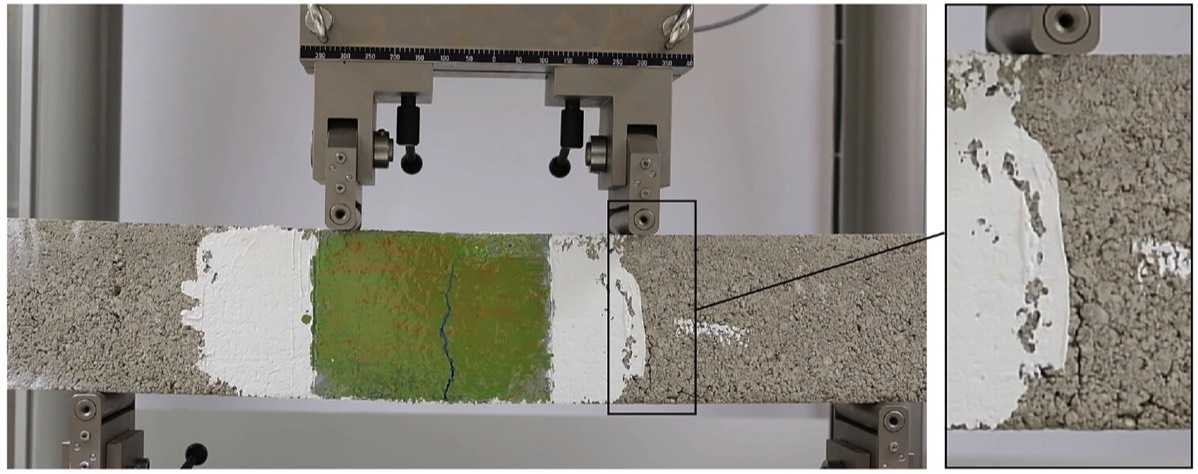
Jan Lagerwall is a Full Professor of Experimental Soft Matter Physics at the University of Luxembourg’s Department of Physics and Materials Science, leading the Experimental Soft Matter Physics (ESMP) group. His research focuses on liquid crystals, colloids, and polymers in unconventional contexts like wearable technology and soft robotics. He holds a Ph.D. in Materials Science (Chalmers University of Technology, 2002) and has held academic positions at Seoul National University (2010–2014) and Martin-Luther University Halle-Wittenberg (2007–2010). He teaches courses such as Continuum Mechanics and organizes international summer schools on liquid crystals. Education: M.Sc. (Chalmers, 1997), Ph.D. (Chalmers, 2002), Docent (Chalmers, 2007), Habilitation (Martin-Luther University, 2010) Languages: English, French, Italian, German, Swedish Research interests include self-assembly processes, liquid crystal applications in structural health monitoring, and soft robotics. His work bridges fundamental physics and applied technologies, with notable contributions to biocompatible materials and solar cell efficiency. He has received prestigious grants like the ERC Consolidator Grant and early-career awards from the German Liquid Crystal Society. He founded a company in 2024 via technology transfer and is active in science communication, having organized TEDx events in Luxembourg and South Korea. His ESMP group’s interdisciplinary work spans materials science, nanotechnology, and renewable energy.
Professor Paula Colavita is a faculty member in the Department of Chemistry at Trinity College Dublin. Her research spans electrochemistry, materials science, and sustainable energy technologies, with a focus on carbon-based materials and bio-interfaces. She leads a dynamic research group with extensive collaborations and funding from major agencies. Research Interests: Electrocatalysis for hydrogen and oxygen evolution Carbon material functionalization and surface science Microbial fuel cells and bio-electrochemical systems Single-entity electrochemistry and nanoscale sensing Sustainable energy conversion and green chemistry Bio-interfaces and antifouling coatings Her recent publications highlight work on N-doped carbons, MXenes, and electrocatalytic hydrogenation, demonstrating a strong trend toward sustainable catalyst design and advanced electrochemical characterization techniques. Scientific Awards: Institute of Chemistry of Ireland Annual Award (2021) National Science Foundation Graduate Research Fellowship (2001) Joseph B. Bouknight Teaching Award (2000, 2001) Dean's Fellowship (2000) She mentors numerous PhD and postdoctoral researchers and has secured significant grants from Science Foundation Ireland, H2020, and the Irish Research Council. Her research group, the Colavita Group , focuses on rational design of functional materials for energy and environmental applications.
Professor Loo Say Chye Joachim is a distinguished academic at Nanyang Technological University (NTU), Singapore, holding multiple appointments as Professor in the School of Materials Science & Engineering (MSE), Singapore Centre for Environmental Life Sciences Engineering (SCELSE), and Lee Kong Chian School of Medicine (LKCMed). He currently serves as Associate Dean (Students) in the College of Engineering, overseeing student outreach, admissions, and student life. His research spans multiple disciplines with a focus on designing encapsulation systems for controlled and targeted delivery applications across agri-food, biomedical, environmental, and pharmaceutical fields. His work integrates principles from Biomedical Engineering, Nutrition Science, Circular Economy, Food Technology, Polymer Science, Neuroscience, and Neurotechnology. Prof. Loo's publication record includes over 220 journal papers (h-index: 69), three book chapters, and more than 20 patents (three licensed). His research demonstrates consistent innovation in drug delivery systems, with recent publications showing expertise in nanocellulose for fat absorption inhibition, Janus particles for dual-drug delivery, programmable lipid-polymer nanoparticles for biofilm treatment, and osmogen-mediated hollow microparticles for bioactive molecule delivery. His research trends indicate a strong focus on translating fundamental materials science into practical applications for health and environmental challenges. Nanyang Education Award (School) in 2011 and 2016 Nanyang Education Award (College) in 2020 Enterprise Singapore & Singapore Standards Council Commendation Award in 2021 Singapore Food Agency (SFA) Science Excellence Award in 2022 Prof. Loo has successfully mentored numerous PhD and Master's students, with several receiving awards for their research. His educational impact extends beyond direct mentorship through his role as Associate Dean and his leadership in curriculum development. He has received the Bill and Melinda Gates Foundation grant to develop delivery systems for nutraceuticals and has spun off two companies: LiberaTx for extended-release oral drug delivery systems and Dietrics for valorizing cellulose for fat absorption as a food ingredient. He leads the Delivery and Controlled Release Technologies (DCRT) Laboratory, which focuses on developing innovative particulate systems including multi-layered particles, floatable microcapsules, and hydrophilic-hydrophobic core-shell particles for drug delivery applications. His research group collaborates with scientists and companies globally to translate cutting-edge technologies into commercial applications.
Johan Sundin is a researcher at KTH Royal Institute of Technology's School of Engineering Sciences, Department of Engineering Mechanics. His work focuses on fluid mechanics with particular expertise in liquid-infused surfaces, turbulent flows, and flow-structure interactions. Previously affiliated with the Linné Flow Center (FLOW) and Mechanics, Stability, Transition and Control research group, he continues to contribute significantly to the field of fluid dynamics. Dr. Sundin completed his doctoral dissertation titled 'Interaction of flows with slender structures and liquid-infused surfaces' in 2022 under the supervision of Professor Shervin Bagheri. His educational background demonstrates strong foundational knowledge in engineering mechanics with specialized training in computational fluid dynamics and experimental techniques. His research interests span multiple interconnected areas including liquid-infused surfaces for drag reduction, heat transfer enhancement mechanisms, capillary wave phenomena, and soft material flow sensors. Sundin's work uniquely bridges fundamental fluid dynamics with practical engineering applications, particularly in micro air vehicle technology and surface engineering. His research demonstrates how surface textures and liquid-infused configurations can manipulate flow properties for improved performance. Analysis of Sundin's publication record reveals a consistent focus on liquid-infused surfaces (LIS) and their applications. His work explores both fundamental mechanisms (capillary waves, surfactant effects, contact line dynamics) and practical implementations (flow sensors, drag reduction systems). A notable trend is his investigation of LIS performance under turbulent conditions, addressing critical challenges like drainage resistance and heat transfer enhancement. His research has evolved from basic flow-structure interactions to increasingly sophisticated multi-phase flow systems with practical engineering implications. Sundin has received research funding from prestigious sources including the Knut and Alice Wallenberg Foundation (KAW 2016.0255) and the Swedish Foundation for Strategic Research (FFL15:0001). His collaborative work spans multiple institutions, with frequent co-authorship with researchers from KTH's Engineering Mechanics department and international partners. His research is conducted within KTH's advanced fluid mechanics facilities, particularly those associated with the Linné Flow Center. Sundin utilizes both computational approaches (volume-of-fluid methods, molecular dynamics simulations) and experimental techniques to investigate complex fluid phenomena. His work on soft material flow sensors demonstrates practical applications of fundamental research, creating durable, lightweight sensing solutions for micro air vehicles.
James M Mathew, PhD, is a Research Professor in the Department of Surgery (Organ Transplantation) and Microbiology-Immunology at Northwestern University Feinberg School of Medicine. He directs the Immune Monitoring Core at the Comprehensive Transplant Center and is affiliated with the Center for Human Immunobiology, Lurie Cancer Center, and the Center for Regenerative Nanomedicine. He has over 30 years of experience in transplant immunology and immune tolerance research. MS: Madurai Kamaraj University (1982) PhD: Madurai Kamaraj University, India (1988) Postdoctoral Fellow: Madurai Kamaraj University, Infectious Immunology (1989) Postdoctoral Fellow: Washington University School of Medicine, Transplant Immunology (1994) Dr. Mathew’s research focuses on immune responsiveness and tolerance in organ transplantation. His work explores donor bone marrow cell infusions, regulatory T cells (Tregs), and autologous expanded Tregs for immune modulation. He investigates how immunosuppressive drugs affect Tregs and develops technologies for targeted Treg delivery. His studies span kidney, liver, and lung transplantation, with strong translational emphasis. His recent publications highlight advanced techniques in immune monitoring, clonal T-cell analysis, and nanomaterial-based cell engineering. These works reflect a trend toward precision immunology, single-cell technologies, and regenerative nanomedicine applications in transplantation and autoimmune diseases. Dr. Michael M. Abecassis Transplantation Innovation Endowment Grant, NU - Comprehensive Transplant Center (2022) Faculty Member - Center for Human Immunobiology (2022) Teaching Award, FSM (2021) Member - Simpson Querrey Institute for BioNanotechnology (2021) Teaching Award, FSM (2020) Fellow of American Society of Transplantation (FAST) (2020) Senior Research Fellow, Indian Council of Medical Research (1988) Junior Research Fellow, Indian Council of Medical Research (1983) Dr. Mathew has mentored numerous researchers and trained professionals in transplant immunology. He has secured significant grant funding, particularly through institutional endowments and translational research initiatives. His leadership extends to editorial roles as Associate Editor for Frontiers in Immunology and Human Immunology , and他曾 served as Editor-in-Chief of ASHI Quarterly. He actively contributes to national consortia and clinical trial methodologies. He leads the Immune Monitoring Core at the Comprehensive Transplant Center, a critical facility for translational immunology research. His team collaborates with the Center for Regenerative Nanomedicine and the Lurie Cancer Center, integrating immunological analysis with advanced therapeutic development. The lab emphasizes innovation in tolerance-inducing therapies and diagnostic immune profiling.
Dr. Guruprakash Subbiahdoss is a Senior Scientist at the Institute of Colloid and Biointerface Science, Department of Natural Sciences and Sustainable Resources, University of Natural Resources and Life Sciences, Vienna (BOKU). He has been with BOKU since 2018 and is also an Associated faculty member at the Doctoral School "Biomaterials and Biointerfaces" (BioMatInt) since 2021. His research focuses on biofilms, biomaterial-associated infections, surface modifications, and bioremediation. Dr. Subbiahdoss earned his PhD in Biomedical Engineering from Rijks University Groningen (2006-2010), followed by an MSc in Biomedical Engineering from Aachen University of Applied Sciences, Germany (2002-2005), and a B.Eng. in Mechanical Engineering from Mepco Schlenk Engineering College, India (1997-2001). Prior to joining BOKU, he conducted postdoctoral research at Aarhus University, Denmark (2015-2018) and UMCG, Groningen, The Netherlands (2010-2012), and served as Teaching Faculty at SSN College of Engineering, Chennai, India (2012-2014). His research interests span biofilms, biomaterials, implant-associated infections, cell-material interactions, biophysics, biomedical engineering, tissue engineering, nanomaterials, microbiology, and surface chemistry. Dr. Subbiahdoss investigates how bacterial biofilms form on surfaces, particularly at interfaces like oil-water boundaries, and develops strategies to prevent biofilm formation on medical implants through surface modifications. His work has significant implications for preventing biomaterial-associated infections and improving medical device safety. Analysis of Dr. Subbiahdoss's recent publications reveals a strong focus on biofilm formation mechanisms, particularly at interfaces, and the development of novel surface coatings to prevent bacterial adhesion while promoting mammalian cell integration. His research bridges fundamental biophysics with practical applications in medical device development, with particular emphasis on DNA-based polyelectrolyte multilayer coatings, antimicrobial strategies, and the characterization of bacterial behavior at material interfaces. The interdisciplinary nature of his work spans microbiology, materials science, surface chemistry, and biomedical engineering. Dr. Subbiahdoss has received numerous awards and recognitions including: Member of Management Committee for the COST Action CA23152 "Biofilm Regulatory Toolbox" (2024) Guest Editor for Colloids and Surfaces B: Bio-interfaces (2023) Hochschuljubiläumsfonds der Stadt Wien (2023) Member of editorial board for section Biomedical Materials, MDPI Biomedicines (2022) Certificate of service as guest editor of special issue "Biofilms at Interfaces" MDPI Biomedicines (2021) Lundbeck Foundation grant as Co-PI (2016) Certificate of excellence in reviewing award from Elsevier (2013) Best poster award at BMSA congress, The Netherlands (2008) Dr. Subbiahdoss leads and participates in multiple research projects funded by prestigious organizations including the Austrian Science Fund (FWF), City of Vienna, and European Commission. His current projects include "Race for the surface: DNA Multilayer coatings can simultaneously prevent implant infection and support osseointegration" (as Project Leader), "Biofilm on microplastics - a biophysical perspective," and "MICRObial wettability by particle Contact Angle Measurements." He serves as a reviewer for journals including BMC Microbiology, Communications Materials, Scientific Reports, and Frontiers in Microbiology, and has acted as Guest Editor for special issues on biomaterial-associated infections. Dr. Subbiahdoss is actively involved in the scientific community, presenting his research at international conferences worldwide. His work is conducted within the Institute of Colloid and Biointerface Science at BOKU, collaborating with researchers across disciplines to address challenges in biomaterials and biofilm research. His laboratory investigates the fundamental mechanisms of biofilm formation and develops innovative solutions for preventing biomaterial-associated infections, with potential applications in medical device development and environmental bioremediation.
Odile Fichet is a Professor in Polymer Chemistry at CY Cergy Paris Université, affiliated with the Laboratoire de Physicochimie des Polymères et des Interfaces (LPPI). She has been a key figure in advanced polymer research, focusing on materials for energy and extreme environments. She leads the LPPI laboratory and holds major administrative responsibilities in research and education. PhD in Physical Chemistry, CRPP – Dr. Pierre Delhaes Engineer, Ecole Nationale Supérieure de Chimie-Physique de Bordeaux (ENSCPB), 1989 Her research centers on the design, synthesis, and characterization of functional polymer materials , especially for fuel cells, batteries, high-temperature applications, and tissue engineering . She explores Interpenetrating Polymer Networks (IPN) and ionic conductors, aiming to improve mechanical, thermal, and chemical stability. Her work bridges fundamental science and industrial applications through collaborations with BASF, EDF, CEA, Valeo, and others. The most recent articles and projects reflect a strong focus on energy storage (Redflow batteries, metal-air systems), fuel cell membranes , and high-temperature encapsulation materials . Her work spans materials chemistry, electrochemistry, and engineering, with a trend toward sustainable and industrially viable polymer solutions. She has earned significant recognition through research leadership and project funding, though specific awards are not listed. Her scientific impact is evident in 71 A-rank publications, 15 patents, and leadership in European and national projects. Prof. Fichet has co-directed 21 PhD theses and actively participates in thesis committees. She secured funding from major agencies including the Agence Nationale de la Recherche (ANR) , H2020 , DGA , and BPI , demonstrating strong grant acquisition skills. Her initiatives integrate academic training with industry needs, notably through her creation of a Master’s program in Technico-Commercial Engineering. She leads the Laboratoire de Physicochimie des Polymères et des Interfaces (LPPI) , a multidisciplinary team of over 50 researchers. She previously directed the federative structure I-mat and co-directed LPPI, highlighting her role in building collaborative research ecosystems.
Dr. Bas van Ravensteijn is an Assistant Professor in the Department of Pharmaceutics at Utrecht University's Faculty of Science. His research bridges polymer and physical chemistry with pharmaceutical sciences to develop advanced nano-pharmaceutics. He has established himself as a leading researcher in colloidal synthesis, self-assembly, and nanomedicine development. Van Ravensteijn earned his Chemical Engineering degree with a Master in Organic and Polymer Chemistry from Eindhoven University of Technology (2006-2011). He completed his Ph.D. at Utrecht University (2011-2015) under Prof. Willem Kegel, focusing on colloidal particle synthesis and self-assembly. His postdoctoral work included research at UC Santa Barbara with Profs. Craig Hawker and Matthew Helgeson, followed by positions at TNO and TU/e with a Marie Sklodowska-Curie fellowship. His research interests span colloid science, polymer chemistry, and pharmaceutical applications. He specializes in designing nano-pharmaceuticals through controlled colloidal synthesis, with particular expertise in bio- and geopolymers, nanoparticle self-assembly, and stimuli-responsive materials. His work has significant implications for drug delivery systems, tissue engineering, and thermochemical energy storage. Analysis of his recent publications reveals a strong focus on hydrogel technologies for biomedical applications, with increasing emphasis on 3D/4D printing, tissue engineering scaffolds, and responsive biomaterials. His earlier work featured prominently in colloid science, particularly in patchy particles, colloidal self-assembly, and polymer architecture effects. Van Ravensteijn has built a robust research program at Utrecht University since joining in 2021, with extensive collaborations across materials science and pharmaceutical disciplines. His laboratory focuses on translating fundamental colloidal chemistry into practical pharmaceutical applications, particularly in nanomedicine development. His research group actively explores multiple fronts including drug delivery systems, tissue engineering hydrogels, and energy storage materials. Current projects emphasize the development of thermoshrinkable hydrogels, electrostatically templated polymerization techniques, and polymeric stabilization of salt hydrates for energy applications.
Mark E. Light is a Senior Lecturer at the University of Southampton's School of Chemistry , specializing in structural characterization using X-ray diffraction and total scattering techniques. He serves as X-ray diffraction manager and contributes to interdisciplinary research across the faculty. BSc in Geochemistry (1994) - University of Greenwich PhD in Crystallography (1997) - Cardiff University His research focuses on advanced materials analysis, particularly in: Single crystal and powder X-ray diffraction Total scattering and pair distribution function analysis Metal salt solution structures Crystallographic studies of molecular frameworks Recent publications highlight collaborations spanning Nature Communications , ACS Nano , and Advanced Functional Materials , emphasizing applications in nanotechnology, catalysis, and materials science. He received the SUSU Academic Award (2018) and currently supervises PhD students Eleanor Keil and Nathan James Frederick Page .
Benjamin Carone is an Associate Professor in the Department of Biological & Biomedical Sciences at Rowan University's College of Science & Mathematics. His research spans epigenetics, genomics, and histone modifications, utilizing CRISPR technology and genomic approaches to study gene expression and transgenerational inheritance. BS in Molecular & Cellular Biology and Philosophy from University of Connecticut PhD in Genetics and Genomics from University of Connecticut Postdoctoral work in Transgenerational Inheritance/Epienetics at University of Massachusetts Medical School Visiting Assistant Professor position in Histone Modifications at Williams College Carone's research focuses on epigenetics, particularly the molecular mechanisms underlying transgenerational inheritance. His lab investigates histone modifications in S. cerevisiae, chromatin organization in germ cells, and the role of CTCF in genome-wide transcriptional patterns. Key techniques include CRISPR fusion proteins, qRT-PCR, and bioinformatics. Recent publications highlight his work in chromatin interactions, antimicrobial interactions, and epigenetic responses to stress. His expertise bridges genetics, molecular biology, and computational analysis. American Society for Biochemistry and Molecular Biology Genetics Society of America Sigma Xi His lab explores chromatin dynamics in yeast and mammalian germ cells, aiming to decode epigenetic regulation in gene expression and inheritance.
Charafeddine JAMA is a Professor at Centrale Lille Institute and researcher at the University of Lille's Materials and Transformations Unit (UMET, CNRS UMR 8207), affiliated with the National School of Chemistry of Lille. He leads research within the Recycling and Functionalization Processes (PReF) team, focusing on corrosion science, biomaterials, and sustainable energy solutions. His primary research encompasses: Corrosion inhibition of steel in acidic media using natural/synthetic compounds (quinazoline, imidazole, plant extracts) Development of anti-biofilm surfaces for medical/food industry applications via plasma treatments Recycling processes for invasive seaweed (Sargassum muticum) into environmental adsorbents Phase change materials (PCMs) for energy-efficient building envelopes and photovoltaic systems Cold plasma technologies for surface functionalization and corrosion barrier coatings Recent publications (2023-2025) reveal strong trends in green corrosion inhibitors (e.g., Citrullus colocynthis extract, pyrimidine-pyrazole derivatives), PCM integration for climate-specific energy savings, and electrocatalysts for hydrogen energy. Jama has co-supervised 14 theses on hydrogen diffusion in steel, biochar remediation, and antimicrobial coatings, collaborating extensively with Moroccan institutions (e.g., Fouad Bentiss at University of Oujda). His patented work (2011-2012) on plasma-treated fireproof articles and intumescent coatings demonstrates applied innovation, while plenary lectures at Moroccan conferences (RNE'10, 2019; Saidia Materials Conference, 2018) highlight his expertise in corrosion protection technologies.
Dr. Tea Mišić Radić is a Senior Research Associate at the Ruđer Bošković Institute, affiliated with the Division for Marine and Environmental Research and the Laboratory for Marine and Atmospheric Biogeochemistry. She earned her B.Sc. in Chemistry (2001) and Ph.D. in Physical Chemistry (2010) from the University of Zagreb, Faculty of Science, Department of Chemistry. B.Sc. in Chemistry, University of Zagreb (2001) Ph.D. in Physical Chemistry, University of Zagreb (2010) Her research focuses on marine biogeochemistry, physical chemistry of marine systems, biophysics, and environmental stress responses in microalgae. She specializes in atomic force microscopy (AFM) to study nanostructural and nanomechanical changes in marine diatoms under pollutants like cadmium, nanoplastics, and salinity/temperature stressors. Recent publications highlight her work on nanoplastic impacts, extracellular polymer interactions, and climate change adaptation in marine ecosystems. She explores how environmental stress alters cell morphology, surface properties, and antioxidant responses, often using interdisciplinary techniques like vibrational spectroscopy and multimodal imaging. Dr. Mišić Radić supervises advisees, including Andrea Čačković, and collaborates on marine environmental research via consortia like the Croatian Biophysical Society and Croatian Microscopy Society. Her work bridges marine science, nanotechnology, and environmental toxicology.
Poonam is a Researcher at the Technical University of Munich (TUM) , affiliated with the TUM School of Computation, Information and Technology and the Department of Electrical and Information Engineering . She works at the Associate Professorship of Simulation of Nanosystems for Energy Conversion , led by Prof. Alessio Gagliardi, focusing on computational modeling and energy applications. Research : Computational methods (DFT, MD, multiscale modeling) for energy nanosystems, including perovskite solar cells, electrocatalysis, and hybrid organic devices. Teaching : Assistant in Nanotechnology for Energy Systems , PhD Seminar SNE , and Quantum Engineering and Machine Learning seminars. Projects : Participated in DFG e-Conversion clusters (I-III), EU Lion-Hearted, and TUM Innovation Networks ARTEMIS.
Shuvo Roy is a Professor in the Department of Bioengineering and Therapeutic Sciences, a joint department of the UCSF Schools of Pharmacy and Medicine. He directs the Biodesign Laboratory and serves as Technical Director of The Kidney Project, a pioneering initiative developing implantable bioartificial kidneys. Roy co-founded the UCSF-Stanford Pediatric Device Consortium and leads the UCSF-UC Berkeley Master of Translational Medicine program. His research leverages MEMS, nanotechnology, and biomaterials to create medical devices addressing renal failure, diabetes, and cardiovascular monitoring. Education: PhD, Electrical Engineering and Applied Physics, Case Western Reserve University (2001) MS, Electrical Engineering and Applied Physics, Case Western Reserve University (1995) BS, Physics, Mathematics, and Computer Science, Mount Union College (1992) Roy's work focuses on therapeutic bioengineering with emphases on: Implantable bioartificial organs (kidney/pancreas) Silicon nanopore membrane technology Microfabricated medical devices Wearable sensors for chronic disease management Translational biomedical innovation His lab integrates fluid dynamics, cell-matrix interactions, and biocompatibility testing to advance extracorporeal and implantable systems. Roy's publications consistently explore biomaterial interfaces, convective transport optimization, and preclinical validation of artificial organs. Recent work emphasizes miniaturized dialysis systems, intravascular bioreactors, and regulatory pathways for pediatric devices. Major Awards: KidneyX Prizes (2019-2021) for dialysis innovation Presidential Volunteer Service Award (2022) American Association of Kidney Patients Medal of Excellence (2022) American Institute of Medical and Biological Engineering Fellow (2017) MIT TR100 Top Young Innovator (2003) NASA Group Achievement Award (2004) Roy leads multiple NIH-funded initiatives including The Kidney Project, which recently demonstrated week-long viability of kidney cells in a bioreactor. His team collaborates with NASA, FDA, and biomedical industry partners to translate microfabricated solutions into clinical practice. The Biodesign Laboratory develops MEMS-based sensors, membrane oxygenators, and organ-on-chip systems. Roy's teams emphasize interdisciplinary collaboration across UCSF's medical, engineering, and pharmaceutical sciences units to address global health challenges.
John Fisher is a Professor and Department Chair at the Fischell Department of Bioengineering, University of Maryland. He holds a Ph.D. in Biomedical Engineering from Rice University (2003) and leads the Tissue Engineering & Biomaterials Laboratory. His research focuses include biomaterials, 3D bioprinting, and regenerative medicine for orthopedic and cardiovascular applications. Education: Ph.D., Biomedical Engineering, Rice University (2003) Professor Fisher's work advances bioprinting technologies, dynamic cell culture systems, and biomaterials for tissue regeneration. Recent research emphasizes patient-specific implants, stem cell expansion via perfusion bioreactors, and stiffness-tuned scaffolds for islet transplantation. His Google Scholar profile highlights 3D bioprinting, vascular engineering, and coculture strategies. His publications from 2025-2023 explore organoid manufacturing, osteochondral scaffold design, and 4D printing for adaptable tissues. Key keywords span Tissue Engineering , 3D Printing , Stem Cell Research , and Biomaterials , with sub-fields including Bioreactor Technology , Cartilage Regeneration , and Extracellular Vesicle Production . Scientific Awards Society for Biomaterials Award (2020) TERMIS-AM Senior Scientist Award BMES Fellow Fellow of Biomaterials Science and Engineering Distinguished University Professor (2016)