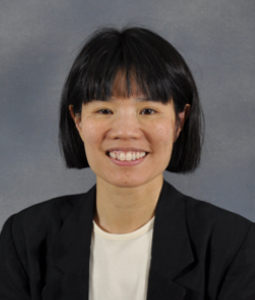
Donna Chen is the Robert L. Sumwalt Professor of Chemistry and Chemical Engineering at the University of South Carolina, holding joint appointments in the College of Engineering and Computing and the Department of Chemistry and Biochemistry. Her research focuses on atomic-level surface chemistry using ultrahigh vacuum techniques, scanning tunneling microscopy, and X-ray photoelectron spectroscopy to advance heterogeneous catalysis. Chen has received numerous honors including the Southern Chemist Award (2021), AAAS Fellowship (2018), and NSF CAREER Award (2002). Her laboratory studies bimetallic catalysts like Pt-Re systems for reactions including water-gas shift and methanol oxidation. Current projects investigate metal-organic framework catalysts and nanoparticle-support interactions. Recent publications demonstrate innovations in characterizing catalytic sites in MOFs and understanding oxidation mechanisms at cluster-support interfaces. Her group combines experimental approaches with synchrotron studies to probe surface reactions under realistic conditions.
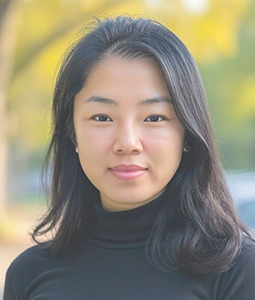
Yanjiao Yi is a Research Assistant Professor in the Department of Chemical Engineering at the University of South Carolina's Molinaroli College of Engineering and Computing. Her expertise centers on rational catalyst synthesis through methodologies controlling metal particle size (single atoms to clusters) and structure (core-shell, alloy configurations). Research interests include renewable energy applications, liquid hydrogen storage systems, electrochemical energy storage technologies, sustainable chemical production pathways, and plastic upcycling processes. Her experimental approach combines catalyst preparation with comprehensive characterization using advanced equipment and evaluation via fixed-bed/batch reactors. Current projects focus on developing catalyst systems for energy conversion and storage, with emphasis on structure-property relationships in heterogeneous catalysis.
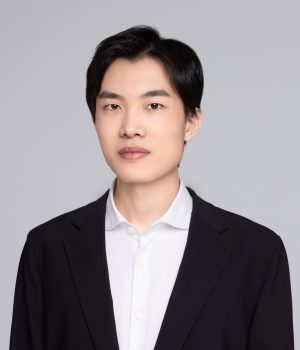
Zhuanghe Ren is a Postdoctoral Scholar in the Department of Physics at the University of Central Florida (UCF), affiliated with the College of Sciences. His research focuses on advanced materials for energy storage and catalysis, particularly hydrogen storage systems and electrocatalytic processes. Key areas include developing novel nanomaterials for enhancing catalytic activity in hydride-based systems and exploring mechanisms for efficient hydrogen cycling at low temperatures. His work spans the synthesis and characterization of titanium-based nanomaterials, copper nanowire electrocatalysts, and synergistic catalyst designs for ammonia synthesis from nitrate. Recent studies emphasize optimizing surface properties and microenvironments to improve gas-phase and electrochemical reactions. He collaborates on projects involving magnesium, sodium, and lithium hydrides, aiming to achieve high-capacity, reversible hydrogen storage under mild conditions. No scientific awards or grants are explicitly mentioned in the provided text. His research contributions highlight innovative approaches to energy materials, with a focus on sustainability and practical applications in hydrogen economy and electrochemical systems.
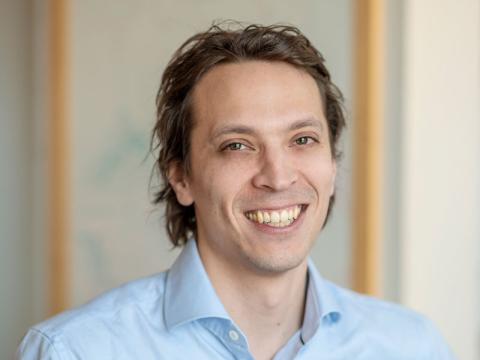
Alex McSkimming is an Assistant Professor at Tulane University's School of Science & Engineering. His research group focuses on synthetic inorganic chemistry, drawing inspiration from metalloenzymes to design ligand frameworks that support reactive metal complexes for catalytic conversion of industrial substrates like CO and N 2 . His work spans inorganic chemistry, organometallic chemistry, and catalysis, with emphasis on developing innovative catalysts through precise molecular design. Research integrates computational and experimental approaches to understand reaction mechanisms. Publications demonstrate consistent focus on transition metal chemistry, ligand design, and catalytic applications. Recent articles explore hydride complexes, heteroscorpionate platforms, and dinitrogen activation, with frequent contributions to Journal of the American Chemical Society and Angewandte Chemie .
Russell Schmehl is a Professor in the Department of Chemistry at Tulane University's School of Science & Engineering. His research focuses on photochemistry, materials science, and transition metal chemistry, with specific interests in light harvesting for solar energy conversion and photocatalysts for chemical energy production. His group employs synthetic chemistry and laser spectroscopy to study chromophores and surface-deposited materials. Education: Ph.D. (1980) from University of North Carolina Schmehl's research explores light harvesting arrays for solar energy conversion, photocatalysts for chemical energy production, and luminescent materials for OLEDs. Recent work investigates factors influencing reactivity and stability of visible chromophores through organic/inorganic synthesis and laser spectroscopy. The group also studies surface morphology control for luminescent applications. Schmehl's publications demonstrate a strong focus on photochemical processes in renewable energy contexts. Key themes include proton-coupled electron transfer mechanisms, photocatalytic hydrogen/CO2 reduction, and transition metal catalyst design. His collaborative work frequently appears in high-impact journals like the Journal of the American Chemical Society. Research Leadership: Recipient of $1.4M DOE grant (2022) for hydrogen production research As director of the Schmehl Research Group, he leads graduate students and collaborators in interdisciplinary projects combining synthesis, spectroscopy, and materials characterization.
Dr. Lei Zhai is a Professor of Chemistry and Director of the NanoScience Technology Center at the University of Central Florida (UCF). He holds a B.S. in Chemical Engineering from East China University of Science and Technology, M.S. in Chemistry from East Tennessee State University, and a Ph.D. in Chemistry from Carnegie Mellon University (2002), followed by postdoctoral research at MIT. His research focuses on polymer-derived ceramics, nanostructured materials, and functional composites, with applications in energy storage, environmental remediation, and biomedical devices. His work has yielded over 120 peer-reviewed publications and 11 patents, with citations exceeding 19,000. Key Research Areas: Graphene-CNT composites, polyelectrolyte nanostructures, superhydrophobic coatings, and 3D microelectrode arrays Dr. Zhai’s lab develops novel materials for drug delivery, sensors, and sustainable energy systems. Recent work includes graphene dispersion techniques, anti-biofouling coatings, and handheld diagnostic microfluidics. His articles span electrochemical PFAS treatment, exosome isolation, and 4D-printed hydrogels, reflecting interdisciplinary innovation. Awards: NSF CAREER Award (2013), Scialog Fellowship, ACS Orlando Outstanding Chemist (2013) He leads collaborations in nanotechnology education and citizen science initiatives for microplastic tracking. His grants include DOE-EM MSIPP projects and NSF funding. Dr. Zhai oversees the NanoScience Center’s advanced instrumentation, fostering interdisciplinary research in materials science and engineering.
Christopher DelRe serves as Assistant Professor at the City University of New York (CUNY), holding dual appointments at the Advanced Science Research Center (ASRC) and City College of New York (CCNY) within the Department of Chemistry and Biochemistry. His laboratory operates from ASRC G.358 in Manhattan, with research activities centered on advanced materials engineering through protein manipulation and polymer synthesis. Dr. DelRe's research program focuses on polymer chemistry and nanoscience , specifically engineering novel materials through three core approaches: manipulation of natural proteins, synthesis of peptide-based polymers, and confinement of synthetic polymers. His work bridges fundamental molecular understanding with practical applications in sustainable materials, targeting environmental challenges through biodegradable polymer systems and enzymatic recycling technologies. Key methodologies include protein-polymer hybrid design, microporous material engineering, and biofunctionalization of nanomaterials. Analysis of his 15 most recent publications (2020-2025) reveals a strong emphasis on sustainable materials innovation , with recurring themes in enzymatic depolymerization of polyesters (2021-2024), programmable degradation of bioactive plastics (2025), and microporous water systems (2022-2024). His research demonstrates interdisciplinary convergence between polymer physics, synthetic chemistry, and protein science, consistently targeting environmental applications through material design. Founded in Spring 2023, the DelRe Lab actively recruits graduate students and postdoctoral researchers specializing in polymer physics, synthetic polymer chemistry, inorganic chemistry, and protein science. The laboratory maintains dual operational bases at ASRC and CCNY, with current research directions emphasizing microplastic elimination strategies and circular-economy materials for printed electronics. Dr. DelRe engages with the scientific community through platforms like the Bioinspired Green Science Symposium (2022) while maintaining active communication channels via professional email and laboratory website.
Dr. Stacey Louie is an Associate Professor in the Department of Civil and Environmental Engineering at the University of Houston , where she serves as Director of the Environmental Engineering Graduate Program . Her research focuses on environmental nanotechnology , particularly the fate and transport of nanoparticles, colloids, and emerging contaminants . She is a recipient of the UH Cullen College Research Excellence Award and Teaching Excellence Award , with prior recognition as an NRC Postdoctoral Fellow and through multiple graduate fellowships. Ph.D., Civil & Environmental Engineering, Carnegie Mellon University (2014) M.S., Civil & Environmental Engineering, Carnegie Mellon (2010) B.S., Chemical Engineering, University of Texas – Austin (2009) Her research bridges sustainable nanomaterial applications for water treatment and environmental health and safety implications of nanomaterials , including their role in contaminant transport. Recent work explores photoreactivity of metal oxide nanoparticles , stabilization mechanisms of ferrihydrite nanoparticles , and environmental interactions of polymeric nanocarriers . She has secured grants from the NSF and USDA-NIFA to study nanomaterial fate in biological systems and photocatalytic processes. Her 15 most recent articles (2022–2025) span topics including drug release quantification via AF4, lead phosphate aggregation in porous media, and photothermal catalyst temperature measurement , reflecting interdisciplinary applications of nanomaterials in environmental and biomedical contexts. Scientific Awards : NSF CAREER Award (2020), UH Cullen College Teaching Excellence (2020), Outstanding Reviewer for Environmental Science: Nano (2016–2021) Grants : NSF #1705511 (2017), USDA-NIFA #2018-67022-27969 (2018), NSF #1820778 (2018) Advising : Mentoring 4 Ph.D./M.S. students in environmental nanotechnology and colloidal systems The Louie research group at the University of Houston evaluates nanomaterial applications for wastewater treatment and environmental fate of nanoparticles , with projects involving photocatalytic degradation of contaminants and interactions of nanomaterials with biological media .
Dr. Burcu Beykal is an Assistant Professor in the Department of Chemical & Biomolecular Engineering at the University of Connecticut (UConn), part of the School of Engineering. She holds a Ph.D. in Chemical Engineering from Texas A&M University (2020), an M.S. from Carnegie Mellon University (2014), and a B.S. from Koç University (2013). Her research focuses on Process Systems Engineering , leveraging Machine Learning and Data-Driven Optimization to address challenges in energy systems, sustainability, and environmental engineering. Key areas include lithium recovery from geothermal brines, zero-liquid-discharge desalination systems, and endocrine disruptor identification using single-cell data. Her work bridges computational methods with real-world applications, such as optimizing supply chains, designing sustainable processes, and advancing techno-economic analysis . Awards include the 2023 ACS Doctoral New Investigator Award and the 2020 AIChE CAST Directors’ Award. She advises multiple graduate students who have received accolades like the UConn Research Excellence Award and Teaching Fellowships. Education: Ph.D. in Chemical Engineering, Texas A&M University (2020) M.S. in Chemical Engineering, Carnegie Mellon University (2014) B.S. in Chemical & Biological Engineering, Koç University (2013) Research Themes: Data-driven optimization of energy systems Sustainable process design and lifecycle assessment Machine learning for endocrine disruptor identification Process systems integration and scheduling Recent Trends in Publications: Focus on sustainable lithium recovery and energy systems Development of physics-informed machine learning algorithms Integration of bi-level optimization frameworks Awards: 2023 ACS Petroleum Research Fund Doctoral New Investigator Award 2020 AIChE CAST Directors’ Award Multiple student awards for teaching and research excellence Lab/Team: Leads the Process Systems and Sustainability Lab at UConn Collaborates with industry partners on desalination and resource recovery projects
Alexander G. Agrios is an Associate Professor and holds the Al Geib Professorship in Environmental Engineering Research and Education at the University of Connecticut's College of Engineering, School of Civil and Environmental Engineering. He leads the Agrios Research Group focused on environmental applications of nanotechnology, particularly photoelectrochemical solar energy conversion and photocatalytic pollutant remediation. His research explores: Nanoscale semiconductors for low-cost solar energy conversion Novel architectures in dye-sensitized solar cells (DSSC) to maximize electron harvesting efficiency Perovskite solar cells (PSC) using advanced nanostructures Combined PV/thermal solar collectors and photocatalytic environmental cleanup Agrios's publication trends (2016-2025) reveal strong focus on: Advanced characterization of photovoltaic systems using impedance spectroscopy Nanomaterial development for solar cells and batteries Environmental implications of nanotechnology Novel synthesis methods for energy materials He directs laboratory research in Castleman Building Room 310 and maintains active collaboration through his research group. No awards or student advisees are mentioned in available materials.
Dr. Deven Estes is an Assistant Professor at the University of Stuttgart's Faculty of Chemistry, affiliated with the Institute of Technical Chemistry. His research focuses on surface chemistry, catalysis, and materials characterization with particular emphasis on immobilized metal complexes and hydride chemistry. Research interests include catalyst design for sustainable energy applications, surface immobilization techniques, and advanced characterization methods including solid-state NMR and X-ray spectroscopy. Recent work explores hydrogen storage, CO2 conversion, and electrocatalyst development. Publication analyses show strong focus on metal hydride characterization, surface confinement effects, and catalytic mechanisms of transition metal complexes, with emerging interests in green chemistry applications and analytical method development. His group develops novel catalytic systems for energy conversion and sustainable chemical synthesis.
Ajay K. Dalai is a Professor in the Department of Chemical and Biological Engineering at the University of Saskatchewan, holding a Professional Engineer license in Saskatchewan since 2000. His internationally recognized research focuses on sustainable energy conversion and catalytic processes, with significant contributions to biomass utilization and petroleum refining. His academic foundation spans multiple degrees earned in India and Canada: Ph.D. in Chemical Engineering, University of Saskatchewan, Canada (1990) M.Tech. in Chemical Engineering, Indian Institute of Technology, India (1984) B.Sc. Tech. in Chemical Engineering (Petro-chem Major), Nagpur University, India (1982) B.Sc. in Chemistry (Hons), Utkal University, India (1979) I.Sc. in Physics, Chemistry, and Math, Utkal University, India (1977) Professor Dalai's research integrates Chemical Reaction Design with Heterogeneous Catalysis to advance Biomass and Bioenergy conversion technologies. His work in Gasification and Fischer-Tropsch Synthesis enables sustainable fuel production, while Hydrotreating and Materials Synthesis innovations improve petroleum processing efficiency. These efforts collectively address global energy challenges through Nanotechnology -enhanced catalysts and Value-added processing of waste streams. His exceptional scientific contributions have earned numerous prestigious accolades: Miroslaw Romanowski Medal (Royal Society of Canada, 2020) R.S. Jane Memorial Award (Canadian Chemical Engineering Society, 2020) Fellow of the Royal Society of Canada (2014) Fellow of The Canadian Academy of Engineering (2012) Glory of India Award for Science & Technology (2012) Fulbright Fellowship (2012) Canadian Catalysis Lectureship Award (2011) DAAD Visiting Professor Fellowship (Germany, 2010) Petro-Can Young Innovator Award (1999) Professor Dalai has mentored award-winning graduate students whose research consistently excels at national competitions. His advisees have secured multiple Best Paper and Presentation Awards at Chemcon and Canadian Chemical Engineering Conferences, demonstrating exceptional skill in biomass gasification, catalyst design, and renewable fuel synthesis. Notable achievements include S. Nanda's Second Best Technical Paper (Chemcon 2017), G. Kamath's Best Oral Presentation (2019), and K. Jacobson's Auto 21 Workshop First Prize for wood pyrolysis oil upgrading. These successes reflect his commitment to developing next-generation chemical engineers through hands-on research mentorship.
Paul Topham is Professor of Chemical Engineering & Applied Chemistry at Aston University, where he directs the Aston Institute for Membrane Excellence. His research develops well-defined polymer systems including sustainable bioplastics, nanofibrous fabrics, and block copolymer nanomaterials. Honors include representation as Hydrogen in IUPAC's Periodic Table of Younger Chemists (2019) and MacroGroup UK Medal (2014). Current projects focus on biodegradable blends, controlled polymerization, and polymer characterization using neutron scattering methods.
Jude Onwudili is a Reader in Chemical Engineering at Aston University's College of Engineering and Physical Sciences. As an FRSC and Senior Fellow of HEA, he leads research in sustainable energy and circular economy approaches focusing on hydrothermal processing of biomass, catalytic valorization of waste streams, and CO2 utilization technologies. His educational background includes a PhD from the University of Leeds and BSc from the University of Ibadan. Onwudili teaches Chemical Process Design, Renewable Energy Technologies, and Advanced Process Design while supervising research students. Research explores thermochemical conversion pathways including gasification, pyrolysis and liquefaction of biomass, plastics and organic wastes. Current projects investigate catalytic routes to sustainable aviation fuels, biopropane production, and novel CO2 fixation methods through suspension-based carboxylation reactions. Publication analysis reveals strong emphasis on catalytic process optimization, reaction kinetics, and analytical method development for biofuel characterization. Recent work advances sustainable fuel production through innovative reactor designs and catalyst systems. Fellow, Royal Society of Chemistry Senior Fellow, Higher Education Academy Research leadership includes principal investigator roles on multiple UKRI, EU and industry projects including bio-LPG production, renewable energy from aqueous residues, and low-carbon fuels for glass manufacturing. He coordinates the sustainable fuels research team at Energy & Bioproducts Research Institute (EBRI). Laboratory facilities include advanced reactors for supercritical water processing and analytical capabilities for biofuel characterization. Professional activities include editorial roles for ACS Sustainable Chemistry & Engineering and RSC Sustainable Energy & Fuels journals.
Dr. Farshid Ramezanipour is an Associate Professor in the Department of Chemistry at the University of Louisville. He is a recipient of the NSF CAREER Award (2020-2025). His research focuses on solid-state inorganic materials for energy applications, including batteries, fuel cells, electrocatalysis, and magnetism. He employs advanced synthesis and characterization techniques such as diffraction, electron microscopy, and electrochemical studies. Educational Background: Ph.D. in Chemistry from McMaster University (2011) Postdoctoral Fellow at University of Calgary (2011-2013) NSERC Postdoctoral Fellow at University of California, Berkeley (2013-2015) Research Interests: The Ramezanipour Group develops complex oxide materials to enhance energy storage and conversion efficiency. Key topics include oxygen vacancies in perovskites, structural tuning of ionic conductors, and electrocatalytic properties of quasi-1D/2D oxides. Their work bridges materials synthesis, characterization, and device applications. Scientific Achievements: NSF CAREER Award for research on defect-ordered perovskites Pioneering studies on oxygen-deficient oxides for water-splitting catalysts Advising & Grants: Leads the Ramezanipour Research Group, which has produced over 50 publications since 2015. Active in securing federal grants for energy materials research. Labs/Teams: The Ramezanipour Group operates within the Chemistry Department's state-of-the-art facilities, focusing on advanced materials characterization and sustainable energy solutions.