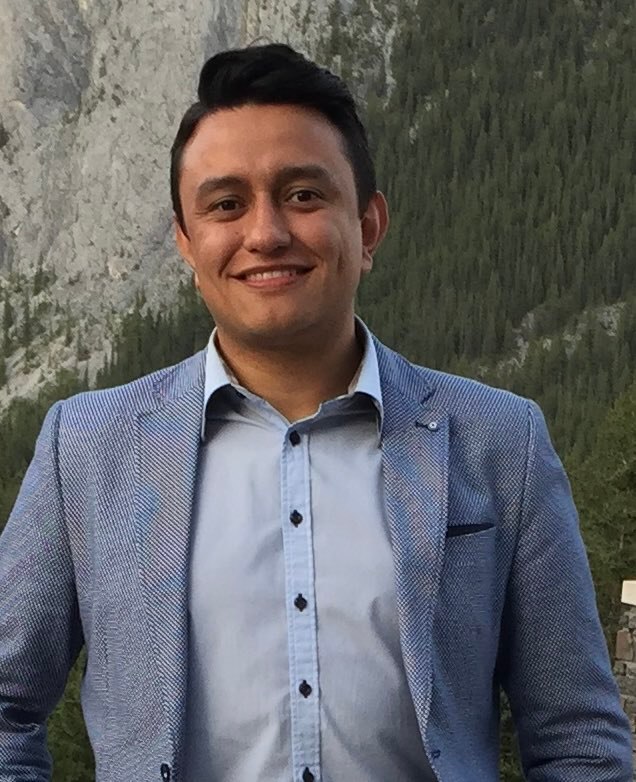
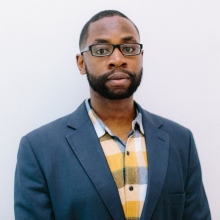
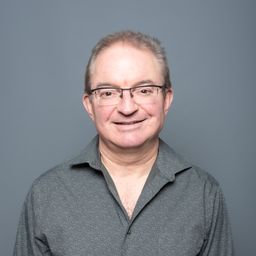
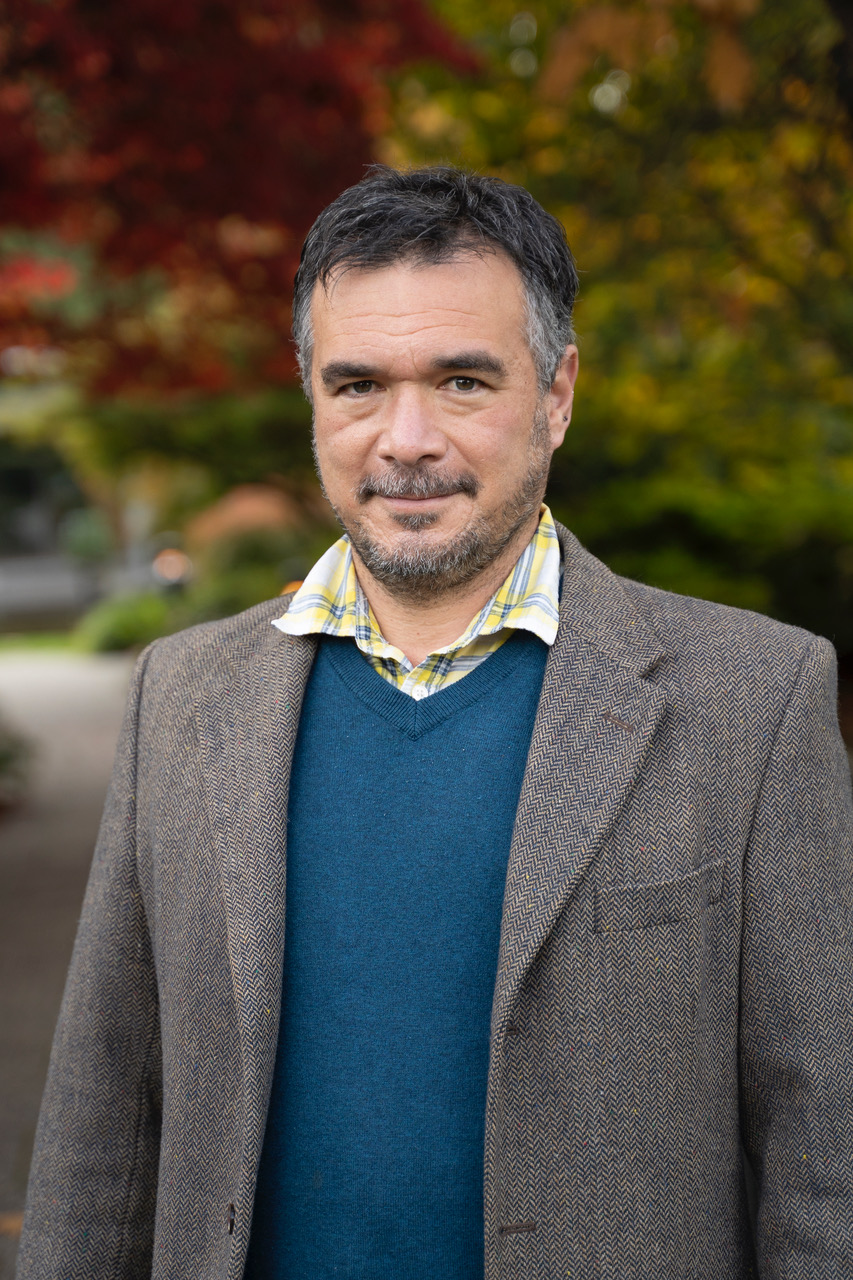
José Eduardo Villalobos Graillet is an Assistant Professor of Spanish at Idaho State University , specializing in Modern Peninsular Literature and Culture with a focus on visual culture (film and television) . He previously held a position as Spanish Instructor at Wilfrid Laurier University in the Department of Languages and Literatures. Research Areas : Spanish Film Studies, Spanish Medieval Literature, Latin American and Caribbean Studies, Teaching Spanish as a Foreign Language, Visual Culture, and Critical Pedagogy. His scholarly work examines film and television adaptations of 'La Celestina' , analyzing censorship dynamics across Francoist Spain, the Democratic Transition, and contemporary Spain. He also contributes to Spanish pedagogy , developing technological tools like Lang-8 for written expression and culturally immersive teaching units on topics such as winter festivals and Caribbean music. His publications span both critical academic analysis and methodological innovations for language instruction. Key Themes in Publications : Adaptation fidelity, political censorship, intercultural pedagogy, and the role of digital platforms in language learning.
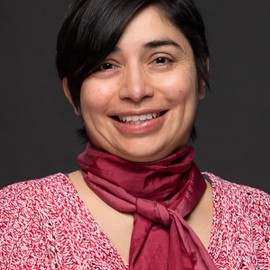
Dr. Lourdes Pena-Castillo is a Professor jointly appointed in the Departments of Computer Science and Biology at Memorial University of Newfoundland's Faculty of Science. Her research focuses on applying machine learning and bioinformatics to study bacterial gene regulation, with emphasis on transcriptomics, gene expression pathways, and microbiology. She leads the Bioinformatics Lab at MUN, developing computational tools like Promotech for promoter prediction and sRNARFTarget for sRNA target identification. Education: BSc in Information Systems Engineering, ITESM-Mexico MSc in Computer Science, University of Alberta PhD in Computer Science (Doktoringenieurin), Otto-von-Guericke Universität Magdeburg Postdoc in Bioinformatics, University of Toronto Research Interests: Bioinformatics, Genomics, Machine Learning, Artificial Intelligence, Transcriptomics, Gene Regulation, Microbiology Her work integrates computational methods with biological data to address challenges in molecular biology, including analyzing bacterial sRNA functions, promoter recognition, and disease diagnostics using machine learning. She has advised numerous graduate students, including PhD candidates Purvikalyan Pallegar and Bonita McCuaig, and MSc students like Ruben Chevez-Guardado and Kratika Naskulwar. Her lab focuses on translational research with applications in both basic science and clinical contexts. Publications span computational methods for bacterial gene regulation, bioinformatics tool development, and interdisciplinary projects in VR and healthcare informatics. Her research has contributed to understanding symbiotic relationships in marine organisms, inflammatory bowel disease diagnostics, and clavulanic acid production in Streptomyces. Grants & Collaborations: Works with interdisciplinary teams across computer science and biology, supported by grants enabling projects in bacterial genomics and computational tool development. Labs & Teams: Leads the Bioinformatics Lab at MUN, fostering collaborations with researchers in microbiology, computer science, and healthcare.
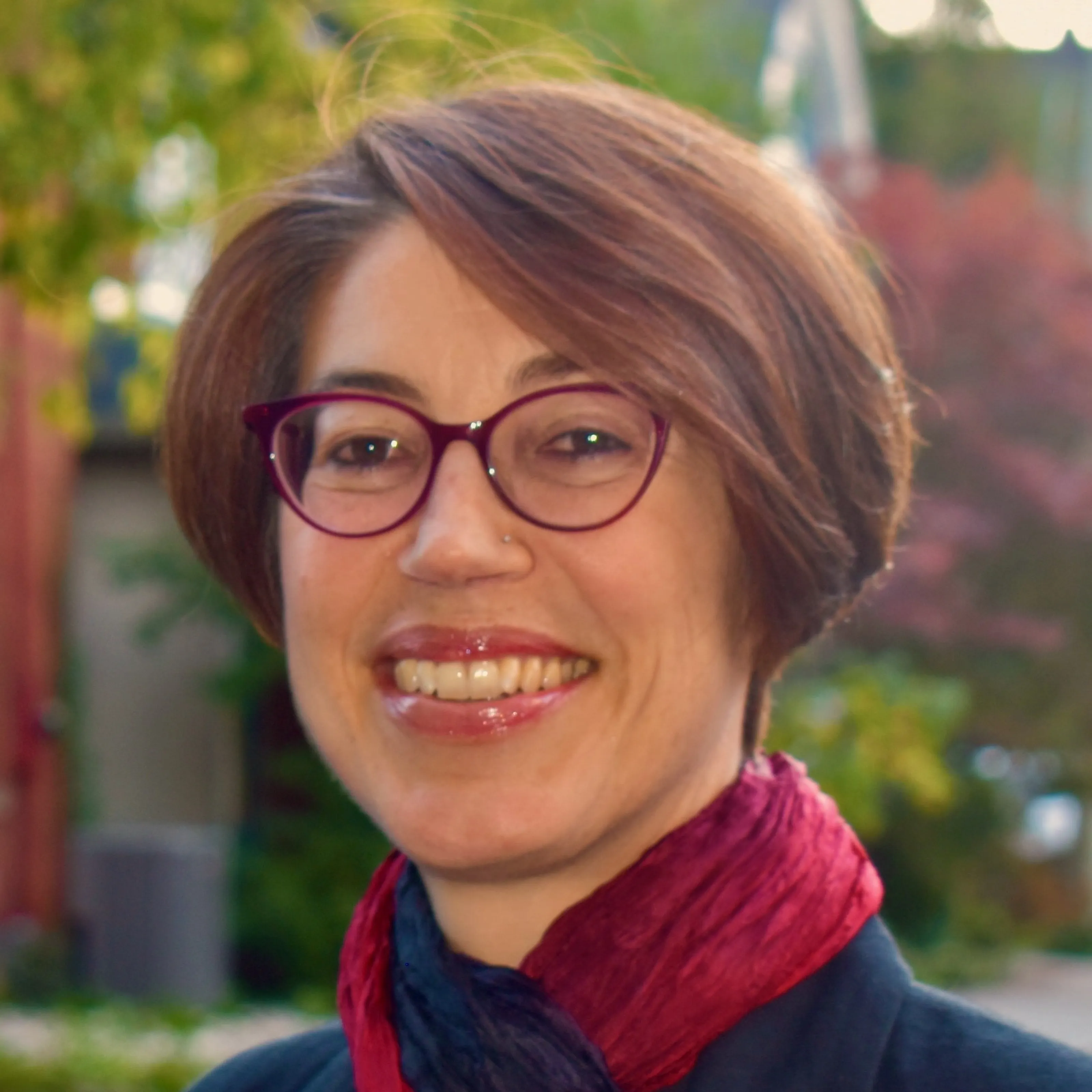
Gustavo J. Bobonis is a Professor in the Department of Economics at the University of Toronto, with affiliations at the Munk School of Global Affairs and Public Policy. He holds a Ph.D. from the University of California, Berkeley (2005) and a B.A. from the University of Puerto Rico at Rio Piedras (2000). He co-directs the Forward Society Lab and is actively involved in research on development, labor, political economy, and economic history. Research Interests: His work focuses on development economics, particularly the impact of public policies on poverty, violence, education, and governance. He employs rigorous empirical methods, including field experiments and quasi-experimental designs, to analyze issues such as intimate partner violence, corruption, clientelism, and human capital accumulation. His research is geographically concentrated in Latin America and Puerto Rico. Recent Research Trends: His recent publications and working papers (2022–2025) demonstrate a strong focus on institutional reform, including anti-corruption audits, domestic violence courts, and education management. He also investigates long-term social impacts of welfare programs and climate adaptation strategies. His interdisciplinary approach bridges economics, public policy, and social science. Scientific Awards: U of T Department of Economics Faculty Award for Excellence in Undergraduate Teaching, 2015 John C. Polanyi Prize in Economic Science, 2009 National Academy of Education / Spencer Foundation Postdoctoral Fellow, 2008 Advising and Grants: While specific student names are not listed, he advises graduate students through the Honours Essay and research workshops. He leads collaborative research projects funded through grants and affiliations with J-PAL and BREAD, often involving large interdisciplinary teams. His work includes randomized evaluations and long-term follow-ups, suggesting sustained funding and research support. Labs and Teams: He co-directs the Forward Society Lab, which likely supports policy-relevant research on social development. He frequently collaborates with economists such as Paul Gertler, Marco Gonzalez-Navarro, Simeon Nichter, and Luis R. Cámara Fuertes. His affiliations with J-PAL and BREAD indicate integration into major global research networks focused on development and poverty alleviation.
Sapha Barkati, MD, MSc is an Assistant Professor at the Department of Medicine, Faculty of Medicine and Health Sciences, McGill University , and an Investigator at the RI-MUHC Glen site . Her work bridges clinical practice and research in tropical medicine, focusing on parasitic diseases affecting vulnerable populations. Affiliations: Assistant Professor, McGill University Investigator, Research Institute of the McGill University Health Centre (RI-MUHC) McGill International Tuberculosis Centre Research Focus: Specializes in neglected tropical diseases like strongyloidiasis and tegumentary leishmaniasis, particularly among migrants and immunocompromised individuals. Studies include: Physician awareness of Strongyloides screening Prevalence patterns in non-endemic countries HTLV-1 co-infection treatment response Cost-effective screening strategies Scientific Contributions: Key publications address tropical disease management in non-endemic settings, mpox outbreak dynamics, and SARS-CoV-2 immunity patterns. Her work emphasizes evidence-based guidelines for: Parasite screening in transplant recipients Leishmaniasis treatment protocols Traveler disease prevention Collaborative Networks: Partners with institutions like Universidad Peruana Cayetano Heredia and participates in GeoSentinel surveillance. Leads studies on: Covid-19 health disparities Vaccine effectiveness against variants Remote patient monitoring systems
Luisa Veronis is a Full Professor in the Department of Geography, Environment and Geomatics at the University of Ottawa, Faculty of Arts. Her research focuses on migration studies, refugee resettlement, and Francophone immigration in minority contexts, with an emphasis on social, economic, and cultural dimensions of integration. She holds the University of Ottawa Research Chair in Immigration and Franco-Ontarian communities. Ph.D. in Social Geography, University of Toronto (2006) MA in Social Geography, University of Toronto (1999) BA Honors in Social Anthropology, McGill University (1997) Her work examines how policies, economic conditions, and cultural contexts influence migrant decision-making. She leads interdisciplinary projects like the SSHRC-funded Ottawa Multicultural Media Initiative and co-leads studies on skilled migrant resilience and refugee settlement. Her research spans Ottawa-Gatineau, Toronto, Latin America, and Africa. Recent publications highlight social media’s role in pandemic-era labor market integration, governance structures in migration, and transnational practices. She supervises graduate students on topics related to Francophone immigration and social cohesion. She serves on the editorial board of Cahiers de Géographie du Québec and collaborates on grants including SSHRC Partnership Grants and Insight Grants. Her current teaching includes courses on geographies of globalization and transnational migration. Fieldwork expertise includes Ottawa-Gatineau, Toronto, and Latin American regions, with a focus on multicultural media and community-based research methods.
Dr. Lincoln Z. Shlensky is an Associate Professor in the Department of English at the University of Victoria, situated on the traditional territories of the WSÁNEĆ and Lək̓ʷəŋən peoples. His research focuses on postcolonial literature, diaspora studies, and media studies with emphases on the Caribbean, Jewish studies, and film. He holds degrees from Brown University (BA), UC Berkeley (MA/PhD). Teaching: Undergraduate courses in film rhetoric, postcolonial studies, and cultural theory Service: Chair of Caribbean Studies Association's 2010-11 Technology Task Force (awarded President's Distinguished Service Award) Administration: English Department webmaster since 2006; Senate Committee on Academic Standards representative 2010-2013 Research explores postcolonial memory through modernist literary influences, with an upcoming manuscript Islands of Memory: The Literary Politics of Aftermaths . His work appears in Callaloo , Prooftexts , and Qui Parle , focusing on authors like Edouard Glissant, Jamaica Kincaid, and Aharon Appelfeld. He supervises graduate students in postcolonial theory and global cinema. Has produced student films including a departmental history for UVic's 50th anniversary and instructional content for first-year writing. Maintains active academic website at shlensky.com .
Dr. Wendell Nii Laryea Adjetey is an Associate Professor and William Dawson Scholar in the Department of History and Classical Studies at McGill University, specializing in post-Reconstruction U.S. history and the African Diaspora in North America and the Atlantic World. His research examines transnational Black freedom struggles, connecting social, cultural, intellectual, political, and military histories across geographical boundaries. His award-winning monograph Cross-Border Cosmopolitans: The Making of a Pan-African North America (UNC Press, 2023) has received multiple honors including the Governor General's History Award and CHA Best Scholarly Book Prize. The work pioneers integrated analysis of African American, African Canadian, and African Caribbean histories within broader Atlantic frameworks. Educational background includes: Postdoctoral fellowship at Harvard University Ph.D., M.Phil., and M.A. from Yale University M.A. from University of Toronto Honors B.A. from University of Toronto (St. Michael's College) Dr. Adjetey's scholarly distinctions include the H. Noel Fieldhouse Award for Distinguished Teaching and Principal's Prize for Excellence in Teaching at McGill. His extensive service includes advisory roles for SSHRC anti-racism initiatives and founding the Dr. Kenneth Melville Black Faculty and Staff Caucus. As a public intellectual, he contributes to The Washington Post , Globe and Mail , and Toronto Star , addressing historical consciousness and contemporary social justice issues. His humanitarian work includes gang prevention programs and educational equity initiatives.
Brent Doberstein is an Associate Professor in the Department of Geography and Environmental Management at the University of Waterloo, Faculty of Environment. His research and teaching focus on disaster risk reduction, climate change adaptation, and sustainable resource management, particularly in developing countries across Asia and in Canada. His research interests include: Hazards and disaster risk reduction Climate change adaptation and managed retreat Post-disaster reconstruction and institutional capacity building Sustainable resource and environmental management Parks and protected areas Over the next five years, he is particularly interested in supervising graduate students in themes related to disaster risk reduction, climate adaptation, and managed retreat. His recent publications reflect a strong emphasis on community resilience, policy evaluation, and cross-national comparisons, especially in Southeast Asia and Canada. Key trends in his work include the integration of local knowledge, social equity in disaster recovery, and innovative frameworks like the PARA model for flood risk management. His scientific contributions are recognized through publications in leading journals such as International Journal of Disaster Risk Reduction , Climate and Development , and Disasters . Dr. Doberstein actively supervises graduate students, many of whom are co-authors on his recent publications. He has taught courses including GEOG101, GEOG306, GEOG356, and led field research in Indonesia. He has also been involved in research projects related to flood recovery in Canada and post-disaster adaptations in countries like the Philippines, Bangladesh, and Thailand. He leads research initiatives centered on post-disaster adaptations at individual, community, and national levels, often working with interdisciplinary teams and international collaborators. His work contributes significantly to policy development and community resilience planning in vulnerable regions.
Dr. Jason Gibbs is an Associate Professor in the Department of Entomology at the University of Manitoba, Faculty of Agricultural and Food Sciences. He also serves as the Curator of the J. B. Wallis / R. E. Roughley Museum of Entomology (WRME), a significant center for the study of bee biodiversity. His work is central to advancing knowledge in wild bee systematics, phylogenetics, and conservation. PhD in Biology, York University, Canada MSc in Botany, University of Toronto, Canada BSc in Biological Sciences, University of Toronto Scarborough, Canada His research focuses on the diversity, taxonomy, and conservation of wild bees , particularly halictid and panurgine bees. He employs integrative taxonomic approaches , combining morphological, molecular, and ecological data to resolve species boundaries and evolutionary relationships. His work extends to pollinator ecology , examining how habitat management, agricultural practices, and landscape changes affect bee communities and pollination services. He is deeply involved in bee conservation , including the rediscovery of rare species and the development of habitat strategies to support pollinators in human-modified landscapes. The trends in his recent publications reveal a strong emphasis on systematics and alpha-taxonomy , with numerous revisions of bee genera and checklists of regional faunas. He frequently uses DNA barcoding and phylogenomics to address taxonomic challenges. Additionally, his work explores pollination dynamics in agricultural systems , particularly in blueberry and other crops, assessing the roles of wild versus managed bees. There is a consistent theme of habitat enhancement and conservation across his research, with studies on floral strips, prairie restoration, and the impacts of land-use change. Dr. Gibbs is actively involved in mentoring and training the next generation of entomologists. His lab includes several graduate students and highly qualified personnel who contribute to his diverse research projects, as indicated by the asterisked names in his publications. He leads the Gibbs Wild Bee Lab, which is dedicated to understanding bee diversity and evolution. The lab combines field research with molecular and morphological analyses, and maintains close ties with the WRME museum, which serves as a vital resource for specimen-based research and education.
Jean-Luc Bonniol is a Professor of Anthropology at Paul-Cézanne University (Aix-Marseille III) affiliated with UMR 6591 (IDEMEC) and the Mediterranean House of Human Sciences. His work focuses on postcolonial societies, race, and Caribbean cultural dynamics. Key affiliations: University of Aix-Marseille, IDEMEC research unit, Mediterranean anthropological networks. Doctoral research included studies on population genetics in Caribbean island communities. Research emphasizes colonial legacies, memory of slavery, and creolization processes. He has curated major collections like the 'Creole Societies' series. Publications span anthropology, sociology, and history, addressing topics like racialization, postcolonial identity, and Guadeloupean social movements. His 2009 analysis of labor strikes in Guadeloupe remains seminal. Received formal permissions to distribute works openly via Les Classiques des sciences sociales. Active in interdisciplinary dialogue blending anthropology with historical and political analysis.
D. Burnett is an Assistant Professor in the Department of Anthropology, Faculty of Social Sciences, University of Victoria. Currently on leave, Burnett is a medical anthropologist specializing in Medical Anthropology, Cultural Anthropology, Anthropology of Race, and Anthropology of Religion. Educational background: PhD, University of Pennsylvania Burnett's research critically examines the intersections of race and racism, identity formation, religion/spirituality, and health inequities through frameworks of Indigeneity/Blackness and embodied spiritual practices. With deep commitment to community-driven health strategies, work spans chronic disease prevention, mental health, maternal/perinatal health, and the health benefits of love/family structures within structural inequities. Geographically focused on Brazil, Latin America, the Caribbean, North America, and the South Pacific, research explores how citizenship, globalization, migration, and policy shape partnerships, procreation, and parenting. Burnett actively engages in health promotion, policy implementation research, and community-based health initiatives, emphasizing how structural forces frame family formation and well-being across transnational contexts.
Rafael Wainer is a Continuing Sessional Lecturer in the Department of Anthropology at the University of British Columbia (UBC), affiliated with the Faculty of Arts. His academic background includes a PhD in Medical Anthropology (UBC, 2017), an M.A. from UBC (2008), and a Licenciado from the Universidad de Buenos Aires (2003). His research focuses on medical anthropology, socio-cultural anthropology, and health-related issues in Latin America, particularly Argentina. Education: Ph.D., Medical Anthropology, University of British Columbia, 2017 M.A., University of British Columbia, 2008 Licenciado, Universidad de Buenos Aires, 2003 Research Interests: Children’s cancer experience and biomedicine Palliative care and end-of-life practices Humor in clinical settings Death, dying, and grief in schools Healthcare policy and pandemic responses Ethnographic methods in medical institutions Teaching: Rafael teaches courses on Medical Anthropology, Socio-Cultural Anthropology, and Applied Anthropology, emphasizing critical perspectives on health, biomedicine, and cultural practices. Publications: His work explores themes like permeable bodies in pediatric oncology, grief in educational settings, and the role of humor in palliative care. Recent contributions include analyses of Argentina’s Hospice movement and critiques of pandemic-era health technologies. Recognition: He has received awards including the Sessional Lecturer Teaching Award (2022) and multiple research grants supporting fieldwork in Argentina and Canada. Advisory Role: Co-director of Darío-Iván Radosta’s PhD thesis on Argentina’s Hospice movement (2020–present). Outreach: Engages in public projects like “Duelo en Escuelas” , addressing grief in educational contexts, and critiques of health policies (e.g., Canada’s pandemic app).
David A. B. Murray is a Professor in the Department of Anthropology and the School of Gender, Sexuality and Women's Studies at York University. His research integrates queer theory, anthropology, and migration studies to examine sexual and gender minorities across Martinique, Barbados, New Zealand, and Canada. Ph.D. Anthropology, University of Virginia M.A. (Distinction) Anthropology, University of Virginia B.A. (Honours) Anthropology, McGill University Professor Murray's work critically engages with nationalism, colonialism, identity performativity, and health inequities. His recent publications analyze queer temporalities, HIV/AIDS narratives, and transnational refugee politics. Emerging from his 2015-2025 publications, key trends include: Queer refugee experiences in Canada/USA HIV/AIDS in Caribbean contexts Queer temporality and biopolitics Language and identity politics Postcolonial identity negotiations Performance of cultural citizenship His research program involves fieldwork across Caribbean and Canadian sites, examining how marginalized communities navigate structural inequities through cultural resistance and identity reclamation.
Melanie J. Newton is a Professor of History at the University of Toronto, with cross-appointments to the Centre for Caribbean Studies. Her research focuses on Caribbean and Atlantic World histories, particularly slavery, emancipation, Indigenous and African diaspora experiences, gender dynamics, and colonial legal systems. She has held significant administrative roles, including Director of the Caribbean Studies Program and Chair of the Faculty of Arts and Science Academic Appeals Board. DPhil, Oxford University BA, McGill University Newton's work intersects with fields like colonialism, cultural studies, and decolonization, as well as social history and political law. Her publications analyze themes such as genocide in the Caribbean, diaspora identity, and gendered legal struggles. Scientific awards include the 2023 Milner Memorial Award, 2023 Lester J. Cappon Prize, and the 2016 Outstanding Teaching Award from the University of Toronto. She has contributed to public policy through roles like co-chairing Toronto's Dundas Street renaming advisory committee.
Dr. Anthony (Tony) Charles is an Adjunct Professor in Dalhousie University's Marine Affairs Program and School for Resource and Environmental Studies within the Faculty of Science and Faculty of Management. He holds a joint appointment at Saint Mary's University in the School of the Environment and Sobey School of Business. His research focuses on fisheries socioeconomics, coastal governance, and community-based conservation. Charles is a Pew Fellow in Marine Conservation and leads the Community Conservation Research Network (CCRN). Education: BSc and PhD from University of British Columbia (UBC). Research emphasizes integrated ocean management, social-ecological systems, and sustainable fisheries. Recent work explores ecosystem-based management principles, coastal community resilience, and the impacts of ocean acidification. His publications bridge academic and applied perspectives in marine policy. Awards include Pew Fellowship in Marine Conservation. Professional roles include past presidency of the International Institute of Fisheries Economics and Trade and founding director of Canada's Ocean Management Research Network. Leadership includes directing CCRN, advising fisheries organizations in Atlantic Canada, and collaborating internationally on marine management in Asia, Latin America, and the Caribbean. Active in FAO and OECD initiatives. Expertise spans fisheries economics, marine protected areas, and indicator frameworks for sustainability. Engaged in global marine policy development and community-driven conservation strategies.